Pegmatite is an igneous rock characterized by exceptionally large, interlocking crystals, often exceeding several centimeters in length. It forms during the final cooling stages of magma, allowing rare elements to concentrate and grow into large, gem-quality minerals like beryl, spodumene, and tourmaline.
Is this pegmatite?
5-step field checkRun through these checks against the specimen in your hand. The more boxes tick, the more confident the ID.
- 1Test the hardnessTry to scratch pegmatite with a known reference. Pegmatite sits at Mohs 6-7, softer than the next harder reference, harder than the previous one.
- 2Read the textureLook at a fresh break with a hand lens. Texture: Very coarse, with interlocking crystals usually over 1 cm and sometimes over 1 m. Grain size: Very coarse.
- 3Pick out the mineralsComposition: Mostly quartz, feldspar and mica; may hold large crystals of microcline, spodumene, beryl or tourmaline. Identify the two or three most abundant grains.
- 4Read the lusterHold the specimen under a strong light. Luster: vitreous.
- 5Match the color rangeCompare against the expected color range: white, gray, pink, tan.
Often confused with
Pegmatite vs. its common look-alikes, and how to tell them apart in the field.
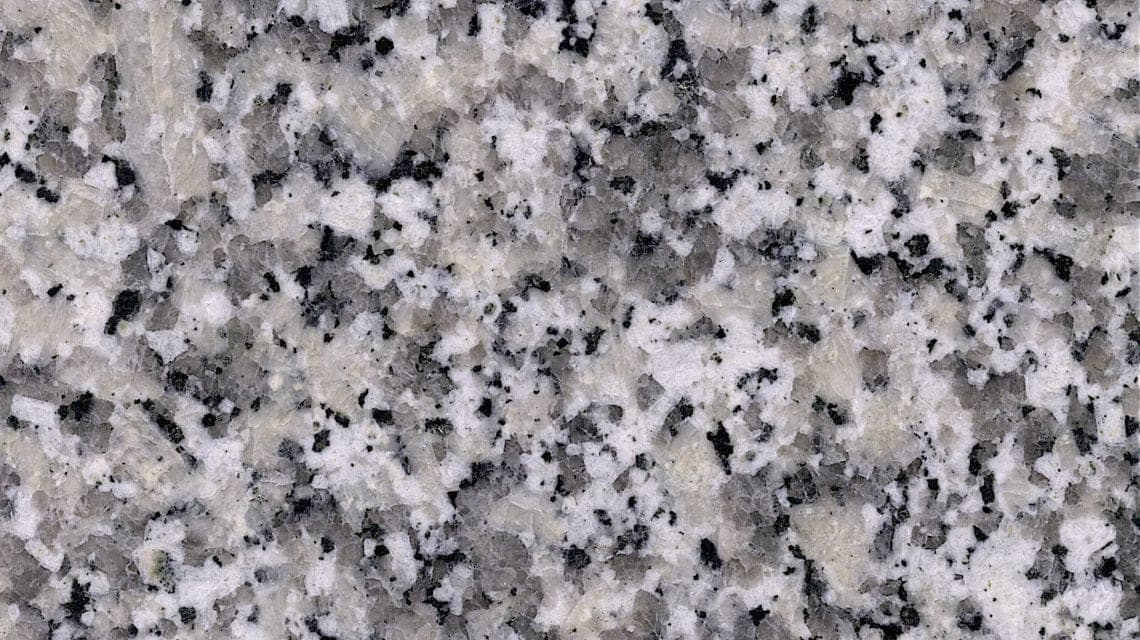
Often found alongside pegmatite
Minerals reported to co-occur with pegmatite. Spotting these in float or country rock is a strong cue you are in the right ground.
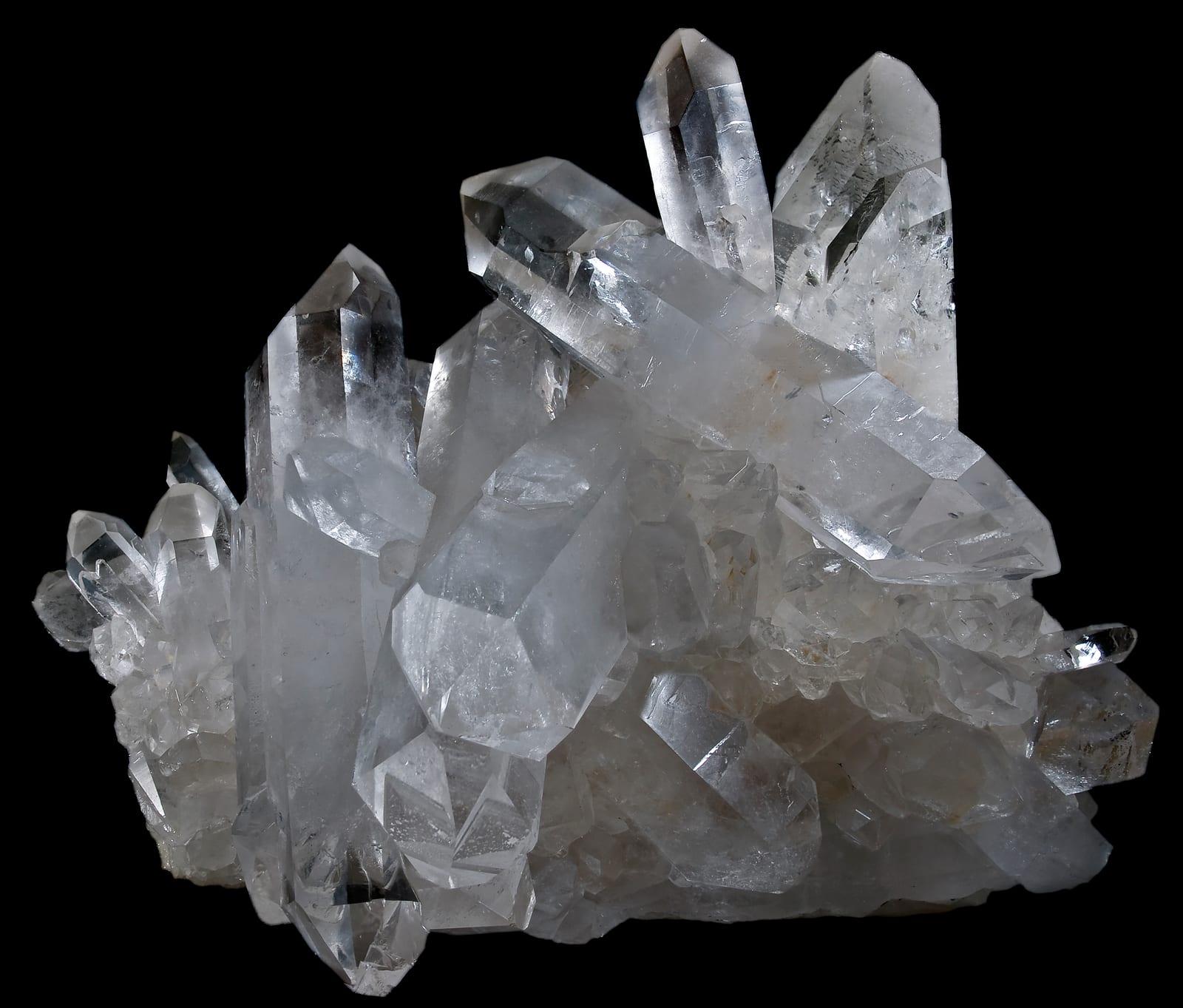
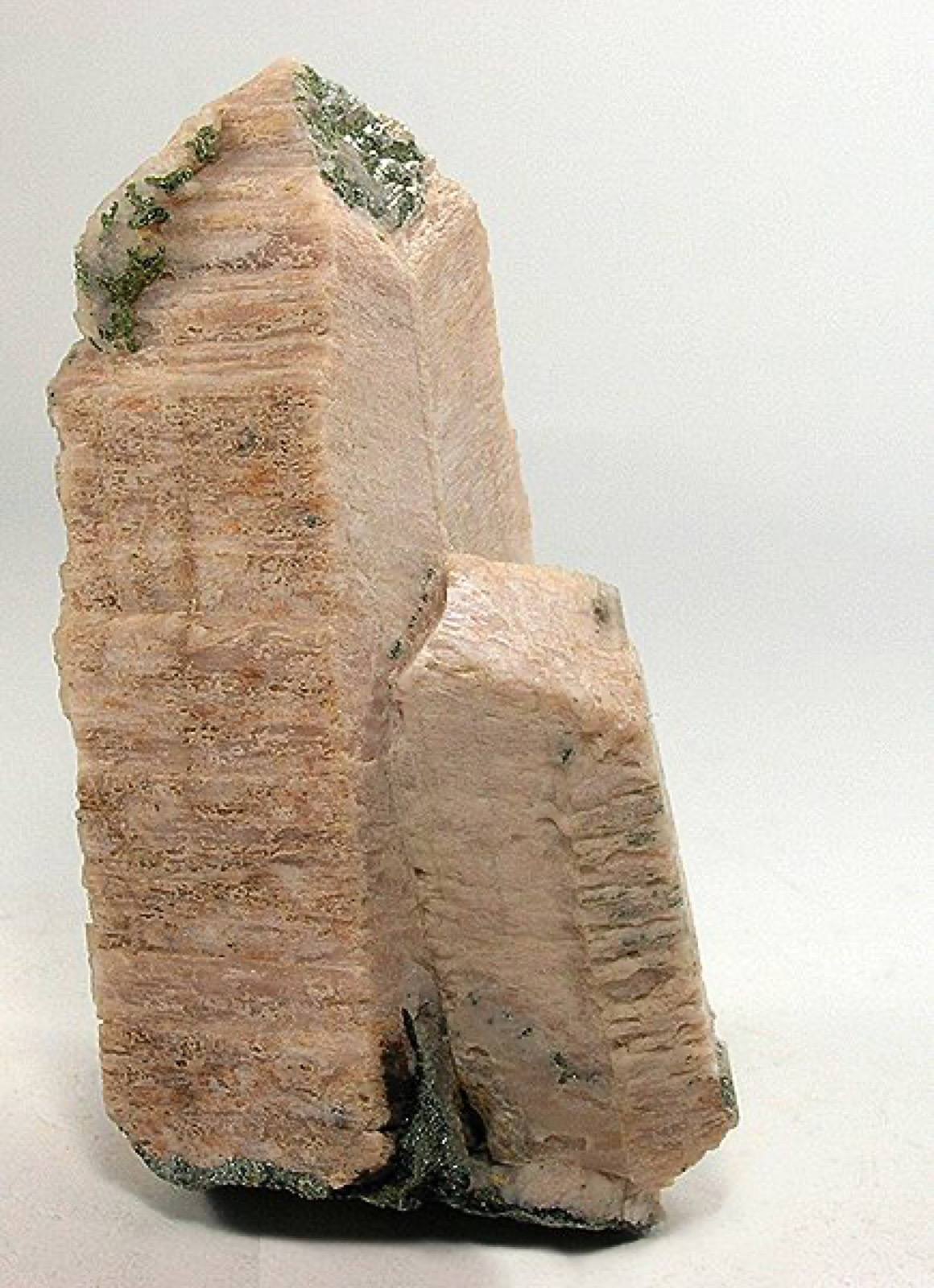
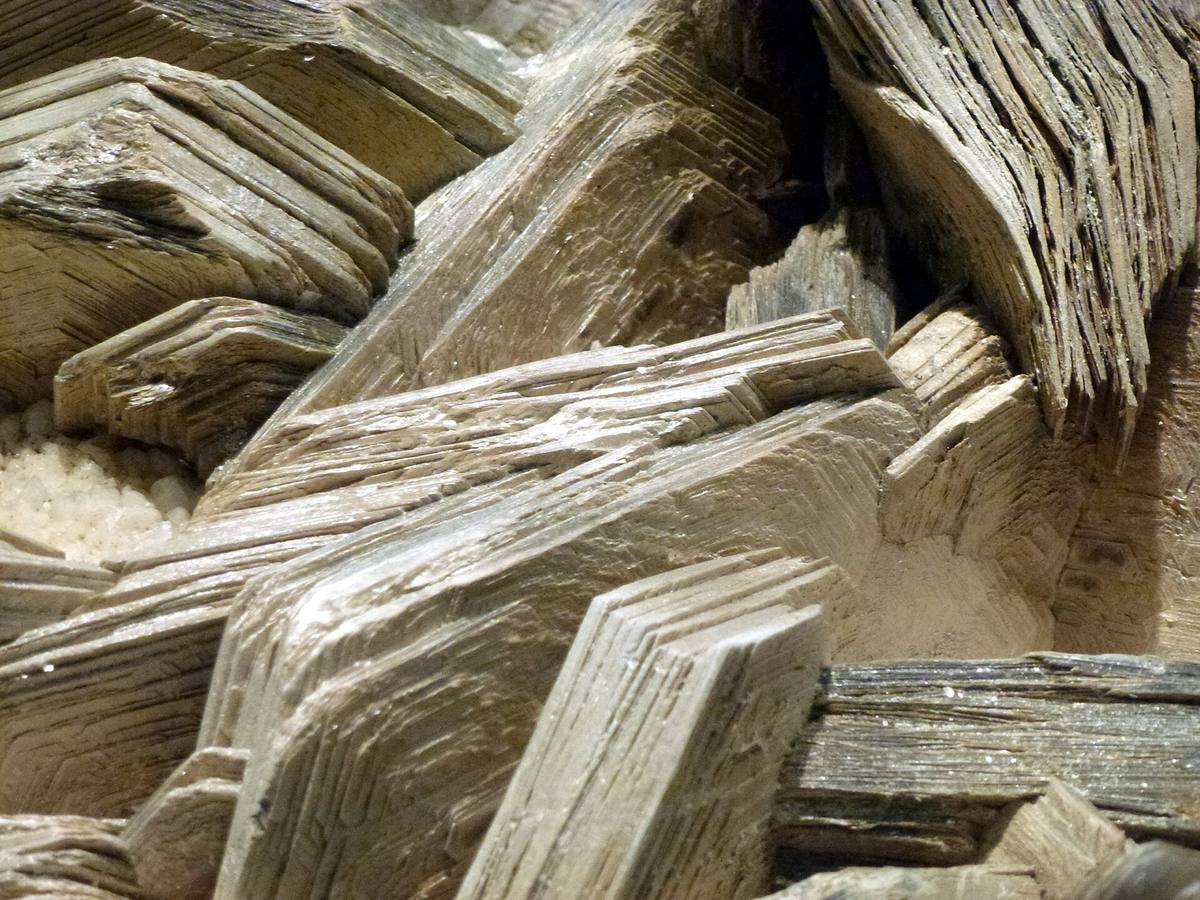
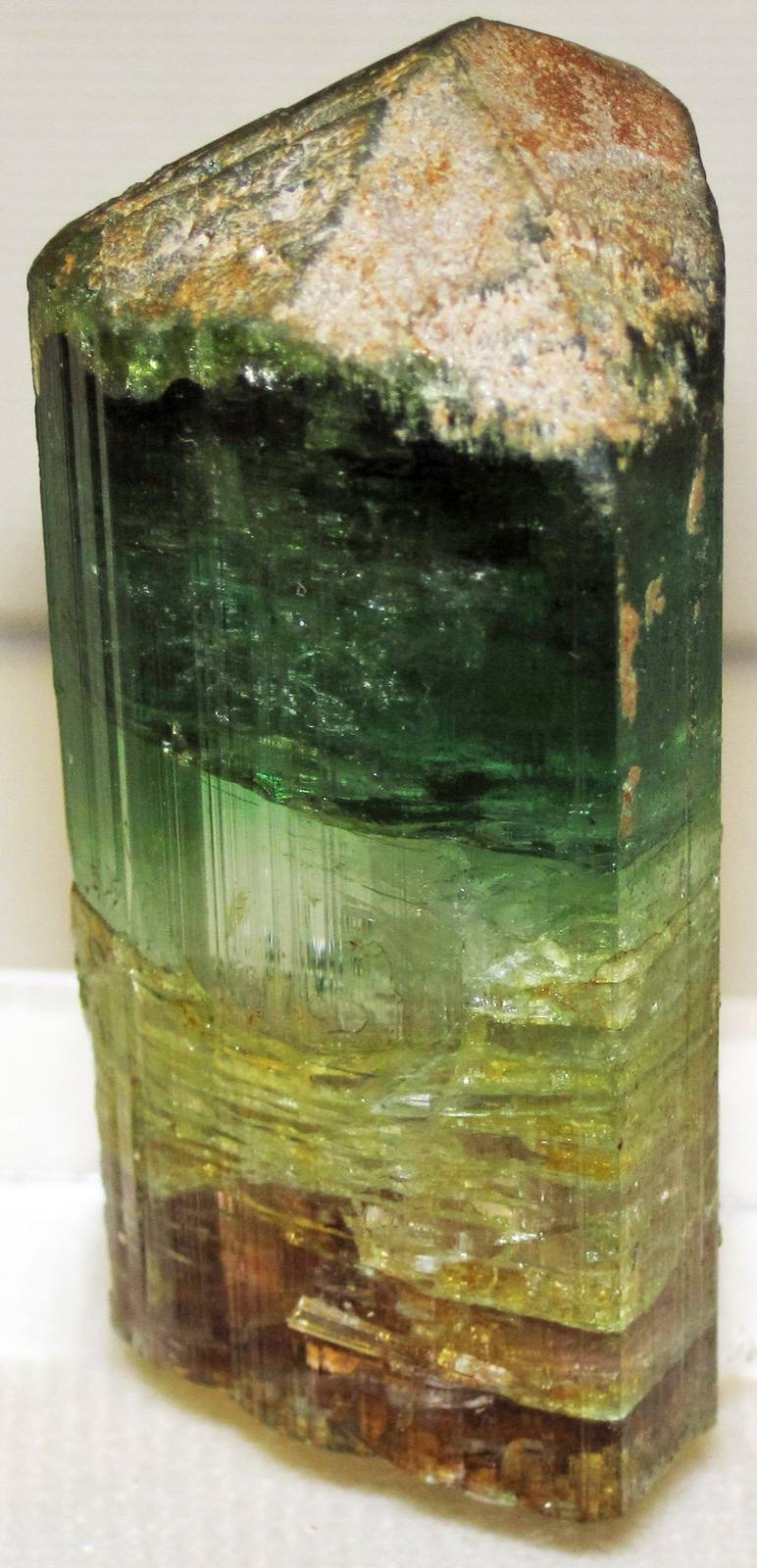
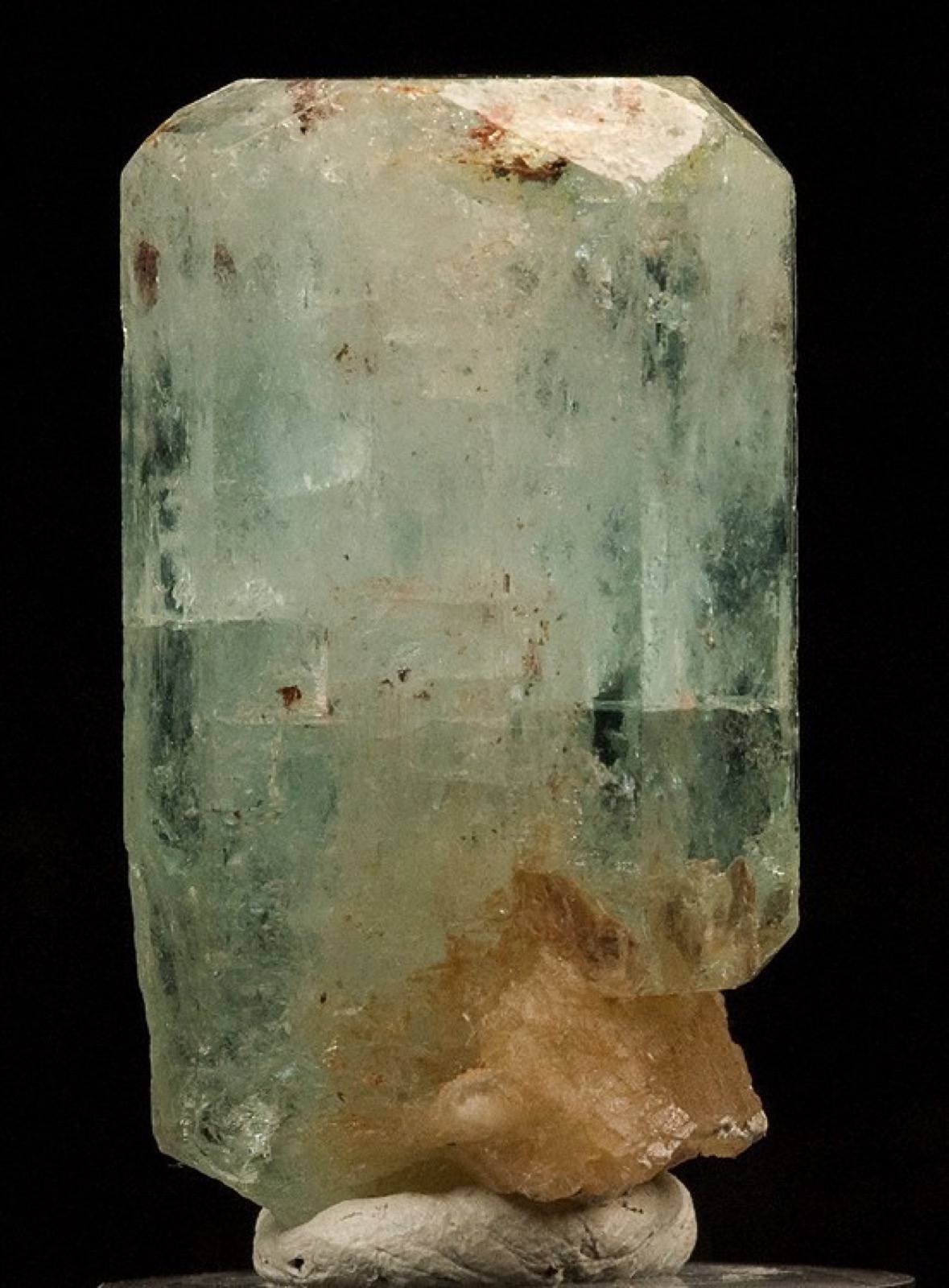
All properties
- Mohs hardness
- 6-7
- Density
- 2.6-2.7 g/cm³
- Luster
- Vitreous
- Transparency
- Opaque
- Rarity
- Common
- Uses
- Collector, Lapidary, Industrial
- Host rock
- igneous intrusions
- Texture
- Very coarse, with interlocking crystals usually over 1 cm and sometimes over 1 m
- Grain size
- Very coarse
- Composition
- Mostly quartz, feldspar and mica; may hold large crystals of microcline, spodumene, beryl or tourmaline
Where rockhounds find pegmatite
1 mapped spotsClassic worldwide localities
- Minas Gerais, Brazil
- South Dakota, USA
- Madagascar
- Norway
- Pakistan
Field-hunting tip
Where it forms: igneous intrusions. If you start seeing quartz, feldspar, mica in float, you are in the right ground. In the U.S., the densest reported localities are in Connecticut. Start trip planning there.
Common questions
How do you identify pegmatite?+
Where is pegmatite found?+
Can I find pegmatite in the United States?+
What rocks look like pegmatite?+
What minerals are found with pegmatite?+
What kind of rock does pegmatite form in?+
What is pegmatite used for?+
Find pegmatite on the map
RockHoundR shows mapped rockhounding spots, access rules, and lets you log every find.