Aquamarine is the blue to blue-green gem variety of the mineral Beryl, prized for its clarity and resemblance to sea water. It typically forms as elongated, hexagonal prismatic crystals in pegmatites and is often found in gem-quality, clean specimens.
Spotting aquamarine in the field
Field marks- 1
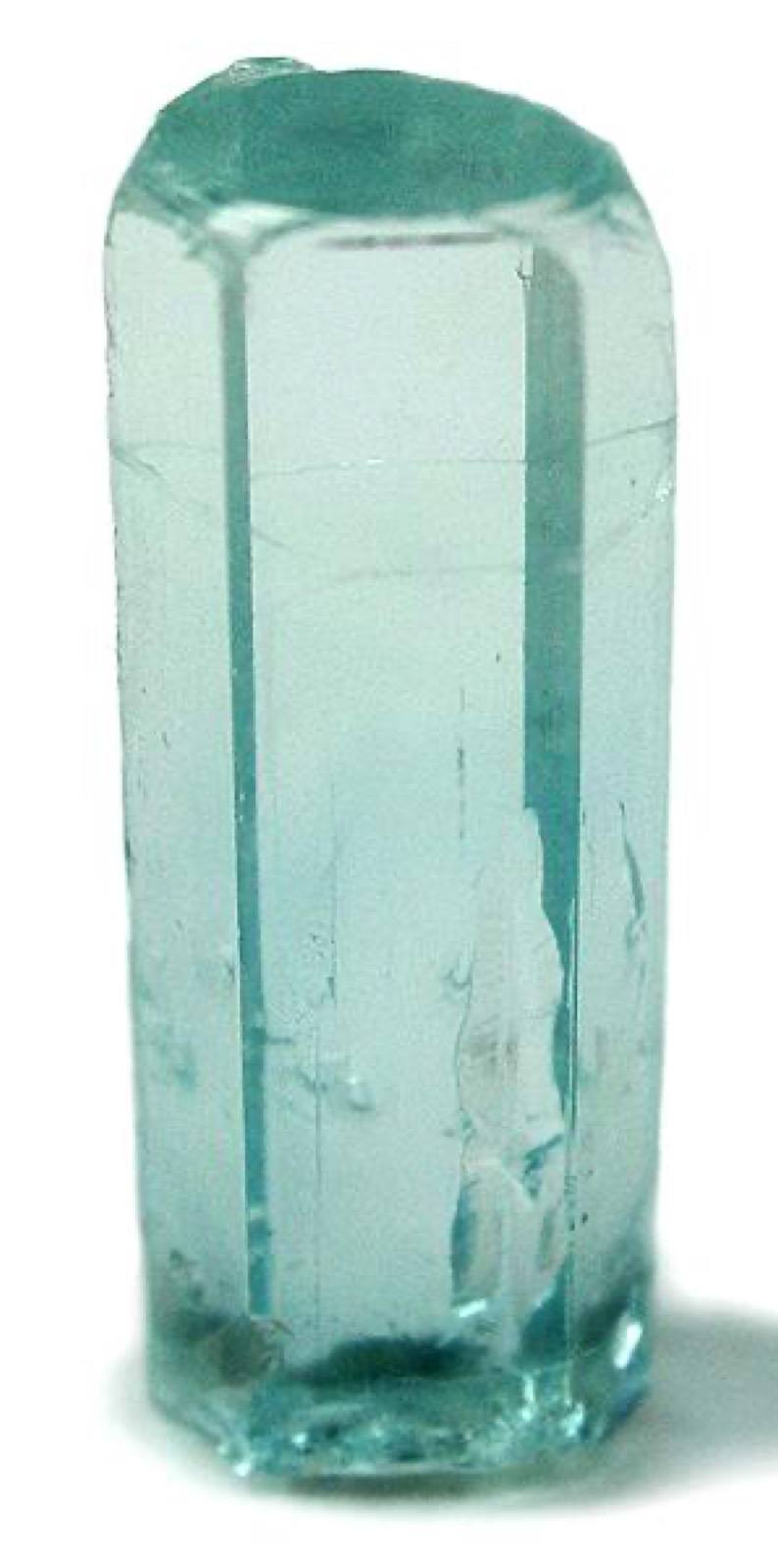
Pale blue to blue-green hexagonal prisms, transparent, with flat terminations
- 2
Color is soft and even, rarely deeply saturated in natural rough
- 3
Hardness 8, so it scratches quartz cleanly
Aquamarine is the blue beryl and the most likely gem beryl an American rockhound will actually find. The classic hunt is Mount Antero and White Mountain in Colorado, which is a serious undertaking: the pockets sit above 13,000 feet, weather turns fast, and it is a full alpine day with real altitude risk. Look for pockets in the weathered granite and for float below them. Colorado made it the state gemstone for good reason.
Before you collect
Mount Antero collecting happens above 13,000 feet on steep, loose ground with afternoon lightning and no quick way down. People are injured there regularly. Go with someone, start early, and turn around when the weather does.
Straight answers
- Is it worth cutting?
- Facets beautifully and is durable enough for daily wear. Heat treatment to remove green tones is routine and openly acknowledged in the trade.
- What is it really worth?
- Moderate. Deeper blue, larger clean stones, and untreated material with documented origin all raise it.
- Can you legally keep it?
- Mount Antero is national forest land where personal-use collecting is generally permitted, with claims present in places. Altitude and weather are the real constraints, not the paperwork.
Where it is worth going
- Mount AnteroChaffee County, Colorado
The classic American aquamarine locality and the Colorado state gemstone. High-altitude, physically demanding collecting.
Often confused with
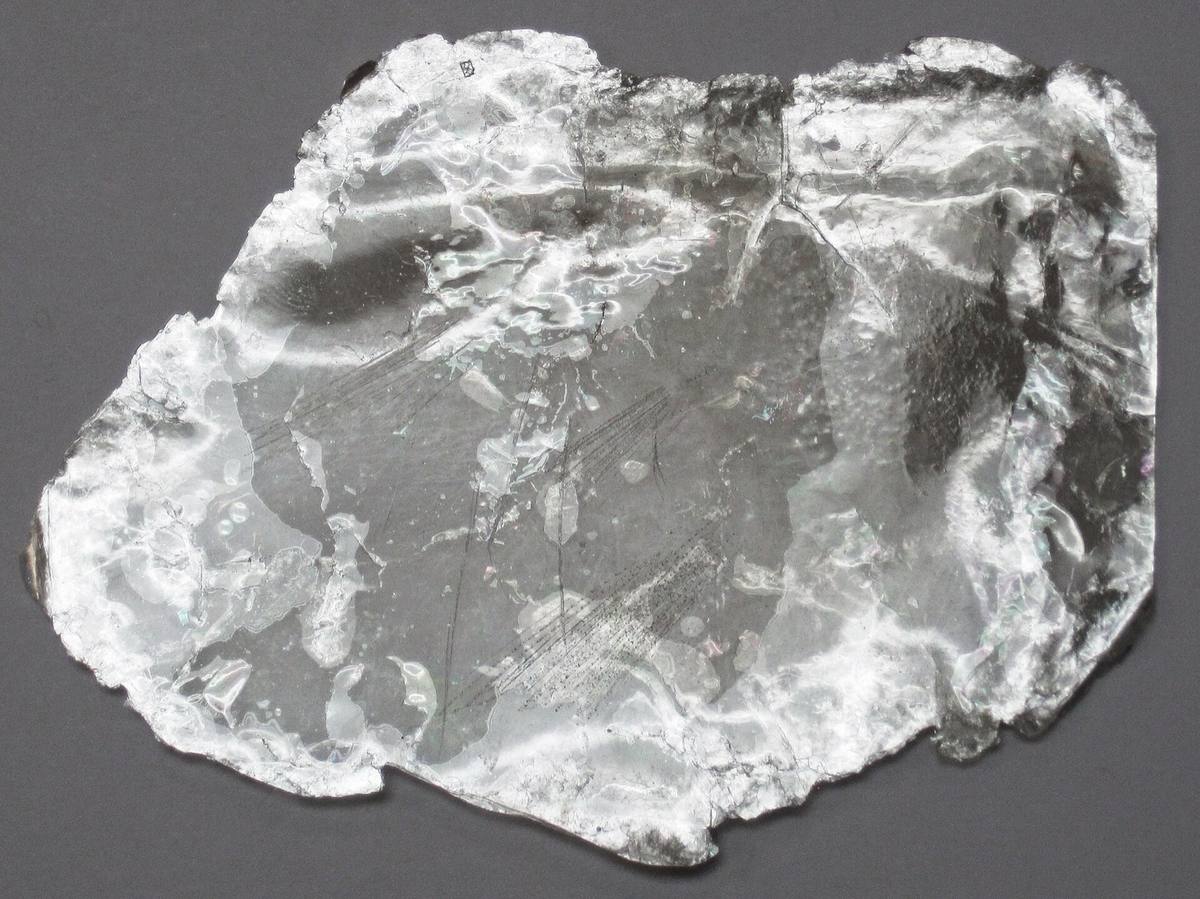
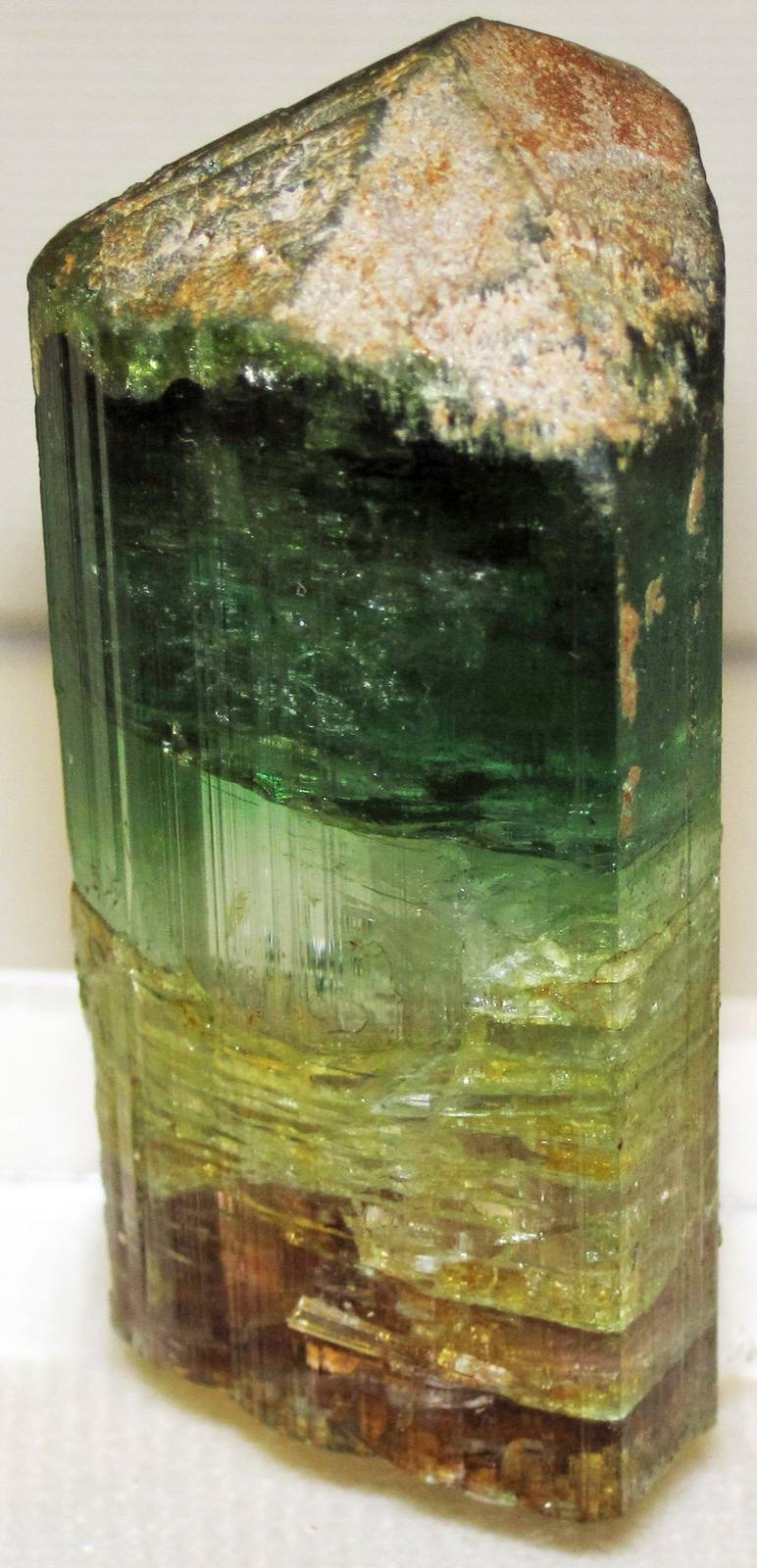
Aquamarine vs. its common look-alikes, and how to tell them apart in the field.
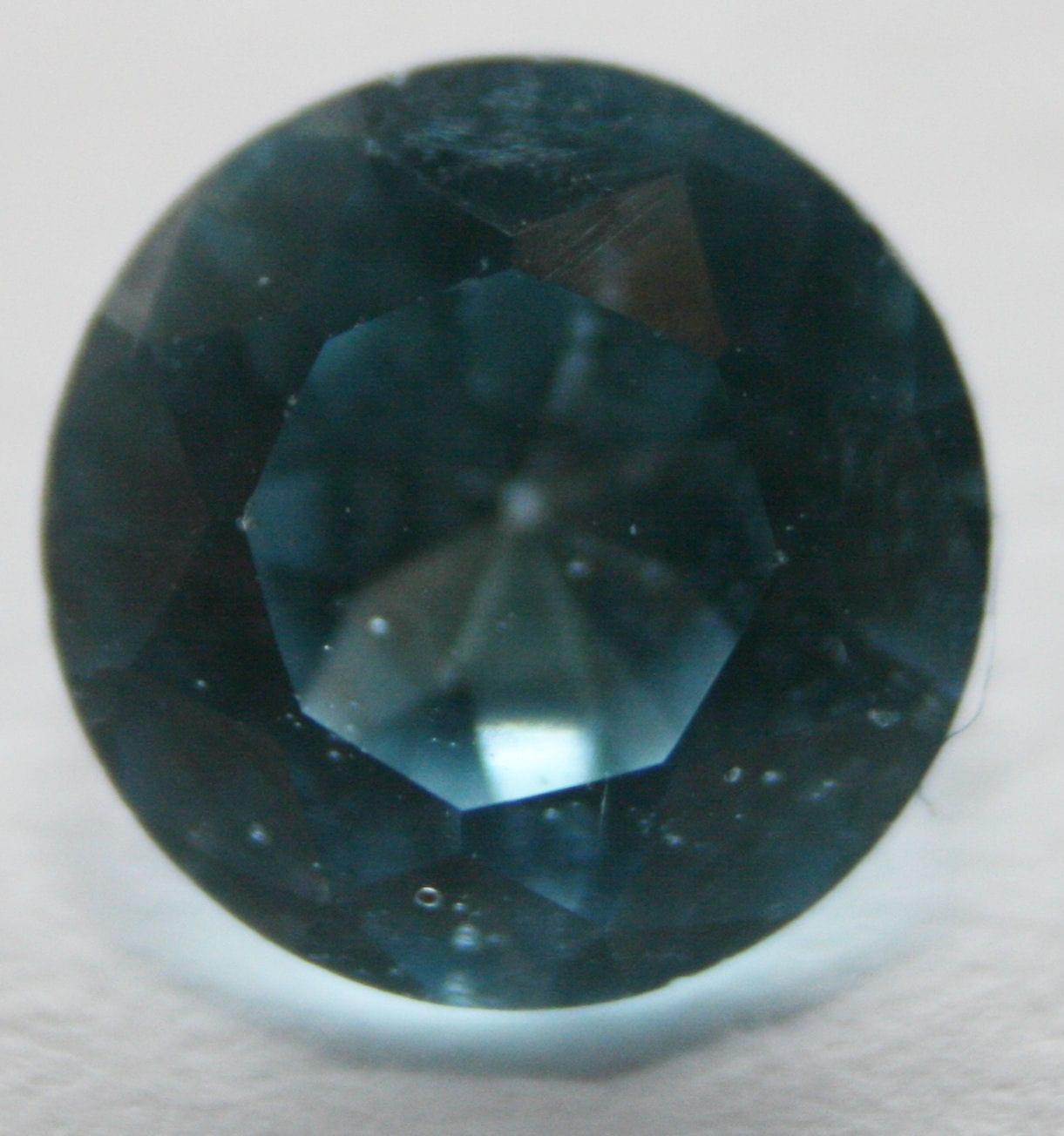
How to tell apart: Topaz has a perfect basal cleavage and can split flat across the crystal. Aquamarine has no such cleavage and is a hexagonal prism rather than an orthorhombic one.
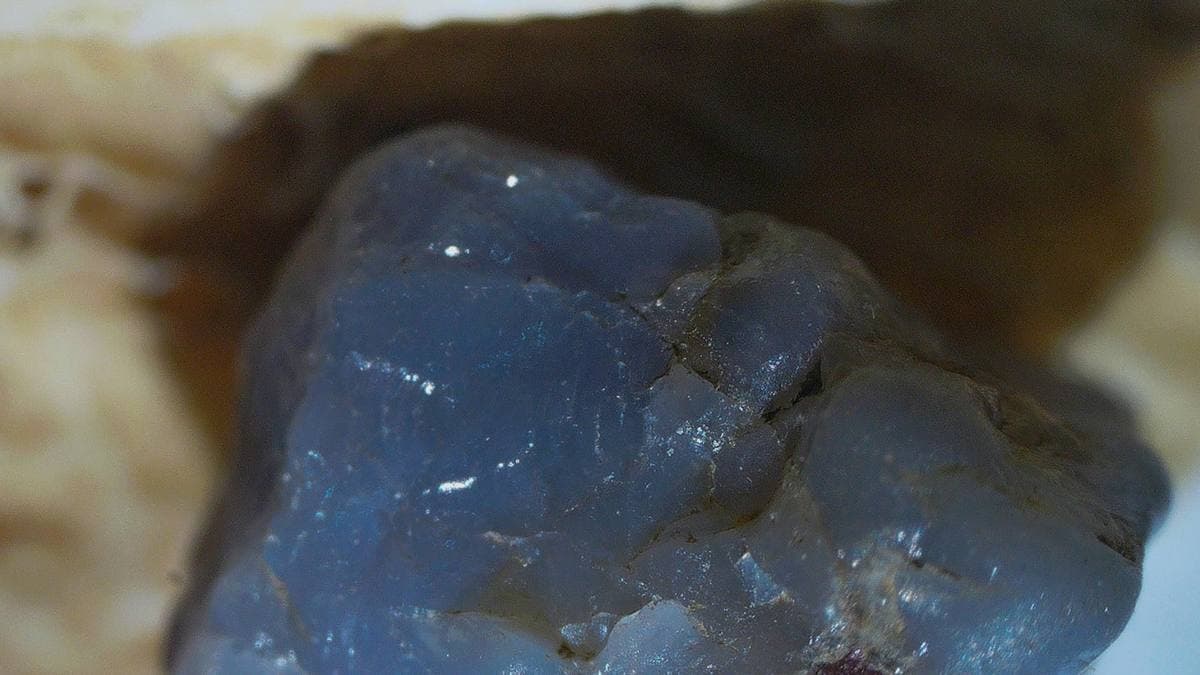
How to tell apart: Chalcedony is massive and never forms hexagonal prisms, and it is softer at 7.
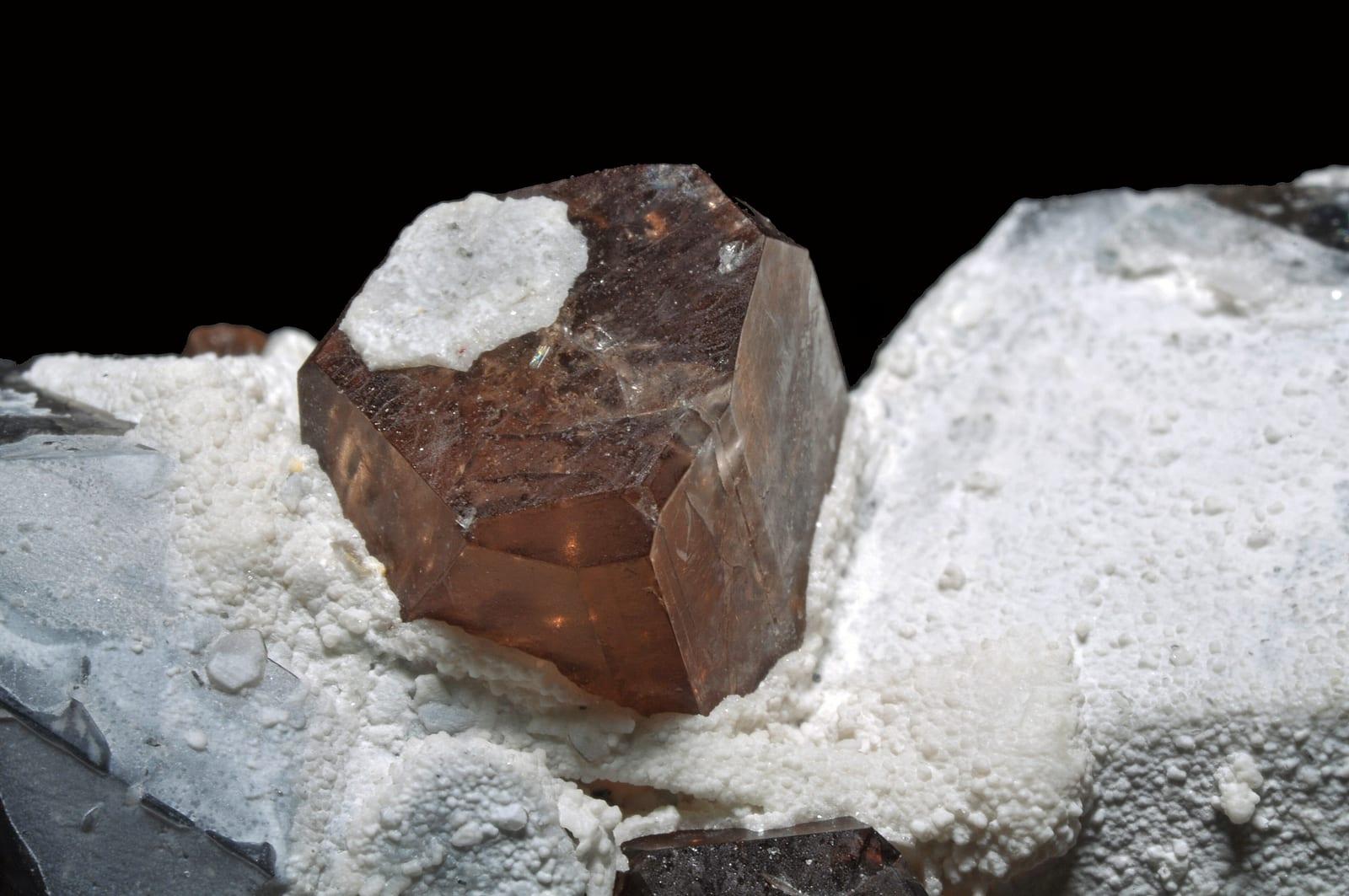
Often found alongside aquamarine
Minerals reported to co-occur with aquamarine. Spotting these in float or country rock is a strong cue you are in the right ground.
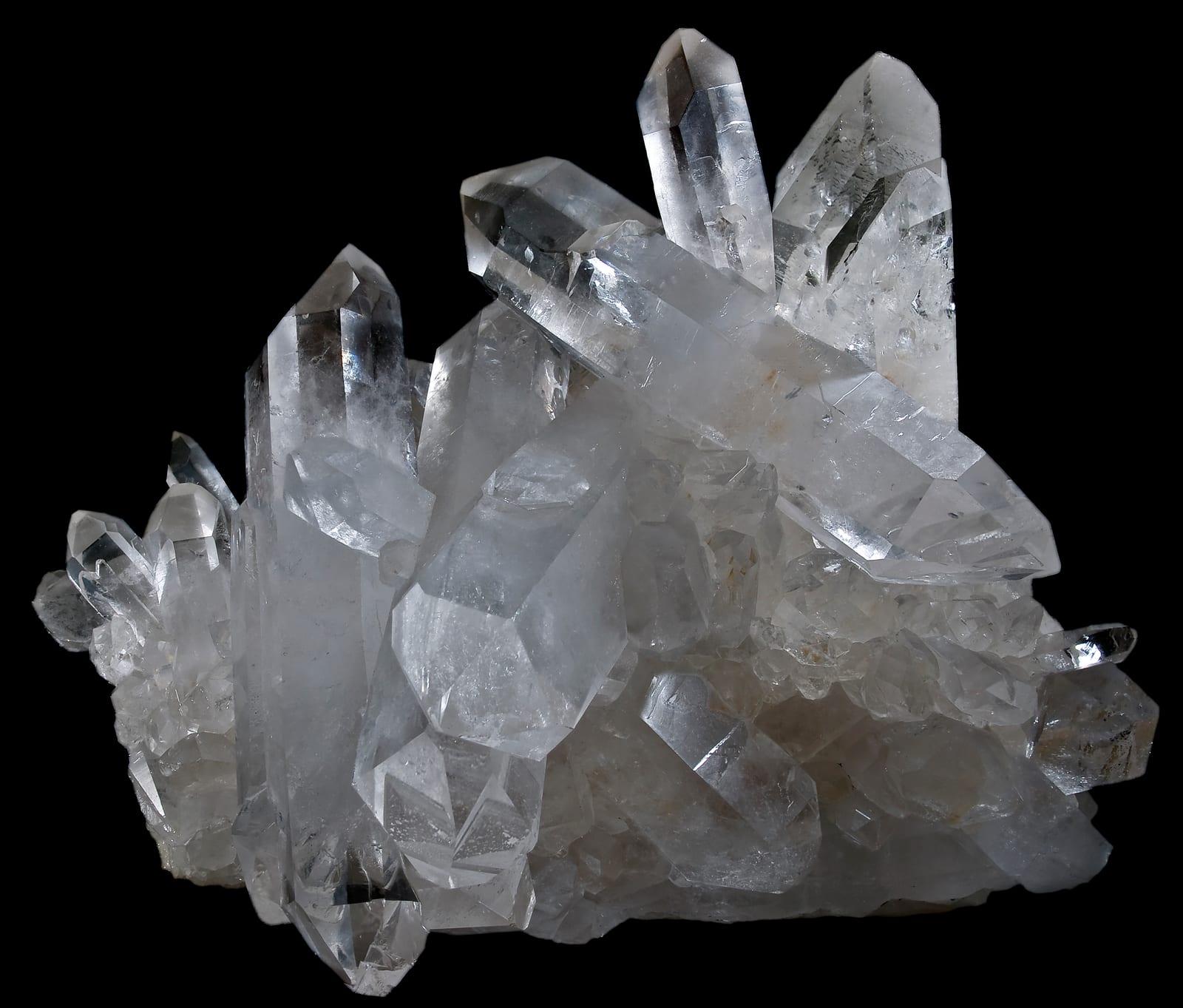
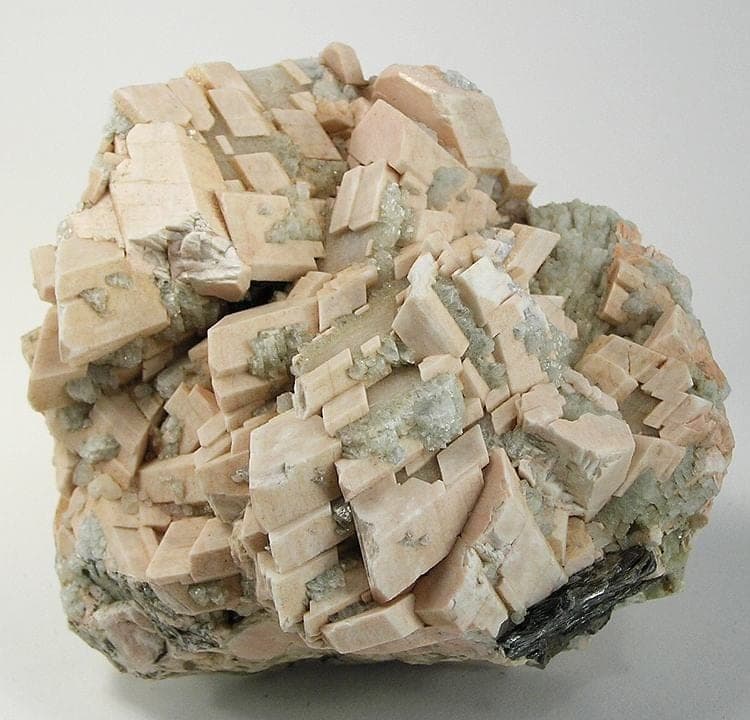
All properties
- Chemical formula
- Be₃Al₂Si₆O₁₈
- Mohs hardness
- 7.5-8
- Density
- 2.67-2.78 g/cm³
- Colors
- Streak
- White
- Luster
- Vitreous
- Transparency
- Transparent
- Crystal system
- Hexagonal
- Crystal habit
- Prismatic crystals
- Cleavage
- Poor
- Rarity
- Uncommon
- Uses
- Gemstone, Collector, Decorative
- Host rock
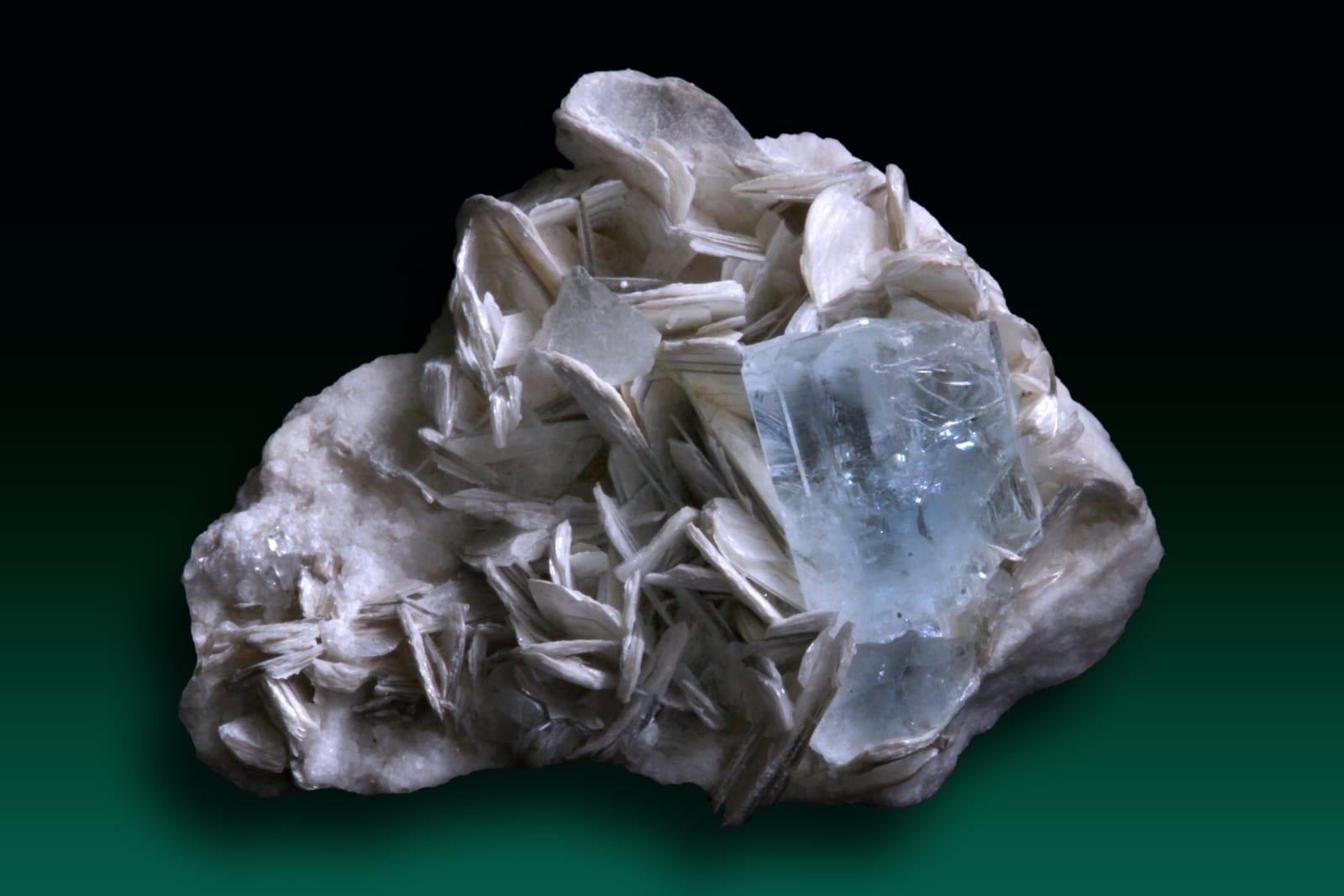
- granite pegmatites
Where rockhounds find aquamarine
57 mapped spotsClassic worldwide localities
- Brazil
- Pakistan
- Madagascar
- Nigeria
- Afghanistan
- USA
U.S. states with aquamarine
Each link opens a state-specific list of mapped rockhounding spots that produce aquamarine.
Field-hunting tip
Where it forms: granite pegmatites. If you start seeing quartz, microcline, muscovite in float, you are in the right ground. Typical habit: prismatic crystals. Train your eye for that shape before scanning the outcrop. In the U.S., the densest reported localities are in North Carolina, Connecticut, Maine. Start trip planning there.
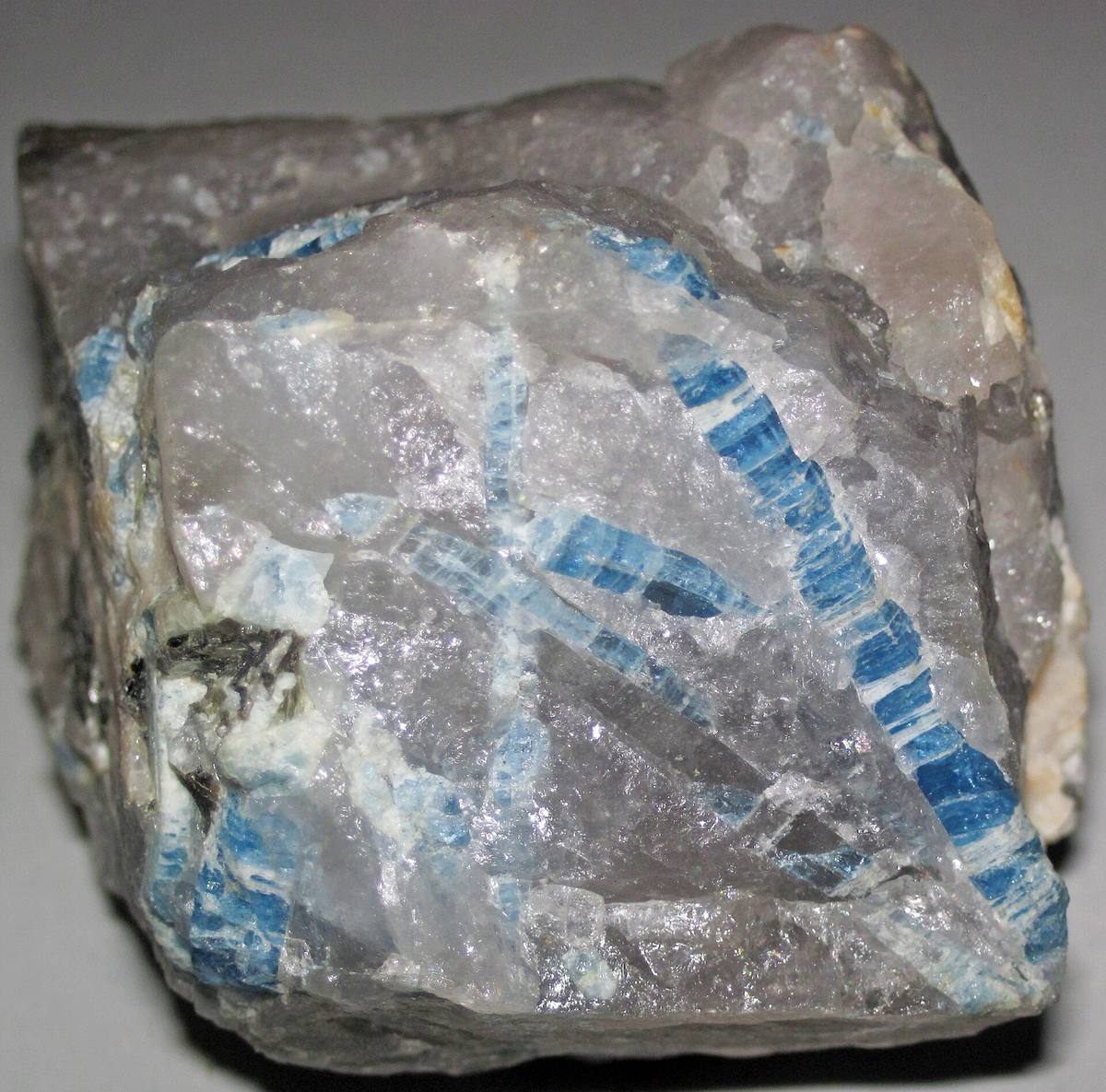
More aquamarine photos
Common questions
How do you identify aquamarine?+
Where is aquamarine found?+
Can I find aquamarine in the United States?+
Is aquamarine safe to handle?+
What rocks look like aquamarine?+
What minerals are found with aquamarine?+
What kind of rock does aquamarine form in?+
What is aquamarine used for?+
Find aquamarine on the map
RockHoundR shows mapped rockhounding spots, access rules, and lets you log every find.