Citrine is the yellow-to-orange variety of quartz, prized for its sunny color and clarity. While most citrine on the market is heat-treated amethyst, natural citrine is a sought-after collector's item typically found in volcanic cavities or pegmatites.
Spotting citrine in the field
Field marks- 1
Yellow to golden quartz, transparent, with the usual six-sided prism form
- 2
Natural material is usually a pale, slightly smoky lemon rather than deep orange
- 3
Hardness 7, glassy, no cleavage
Be skeptical of this one, because most citrine on the market is heated amethyst rather than a natural find. Heat-treated material tends to a strong orange-brown with a distinctly reddish cast and often shows white cloudy zones near the base; natural citrine is usually a softer, paler yellow. Genuine natural citrine is uncommon enough that finding it in the field is a real event, and it turns up in the same pegmatite and vein settings as smoky and clear quartz.
Straight answers
- Is it worth cutting?
- Cuts like any quartz. If you heat-treat your own amethyst, do it slowly, because thermal shock will shatter a good crystal.
- What is it really worth?
- Inexpensive. Natural, untreated, documented citrine carries a genuine premium over the heated material that dominates the market.
- Can you legally keep it?
- Ordinary personal-use collecting rules apply.
Often confused with
Citrine vs. its common look-alikes, and how to tell them apart in the field.
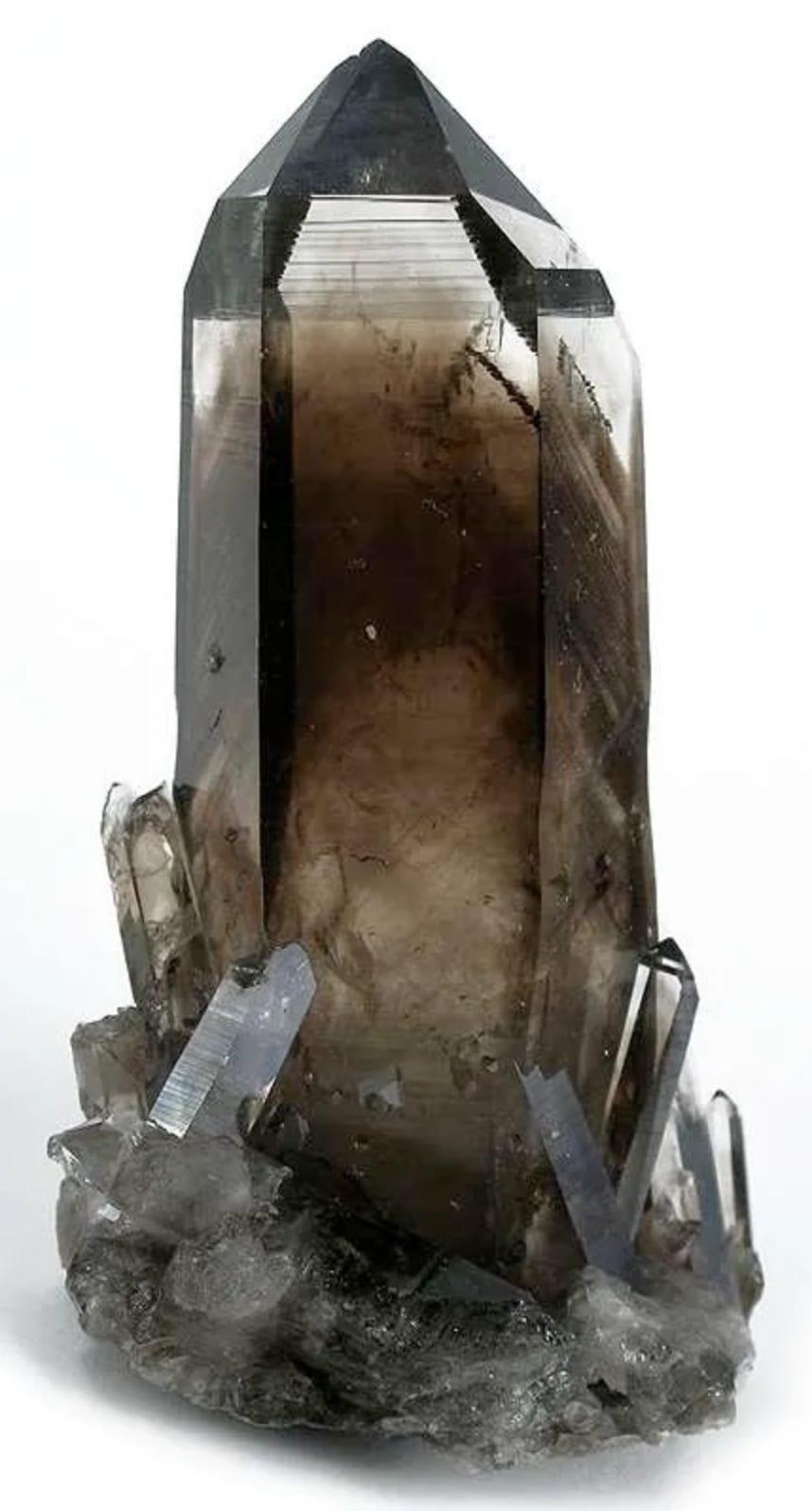
How to tell apart: The two grade into each other, and heating smoky quartz is another route to yellow. A brownish-grey cast means smoky.
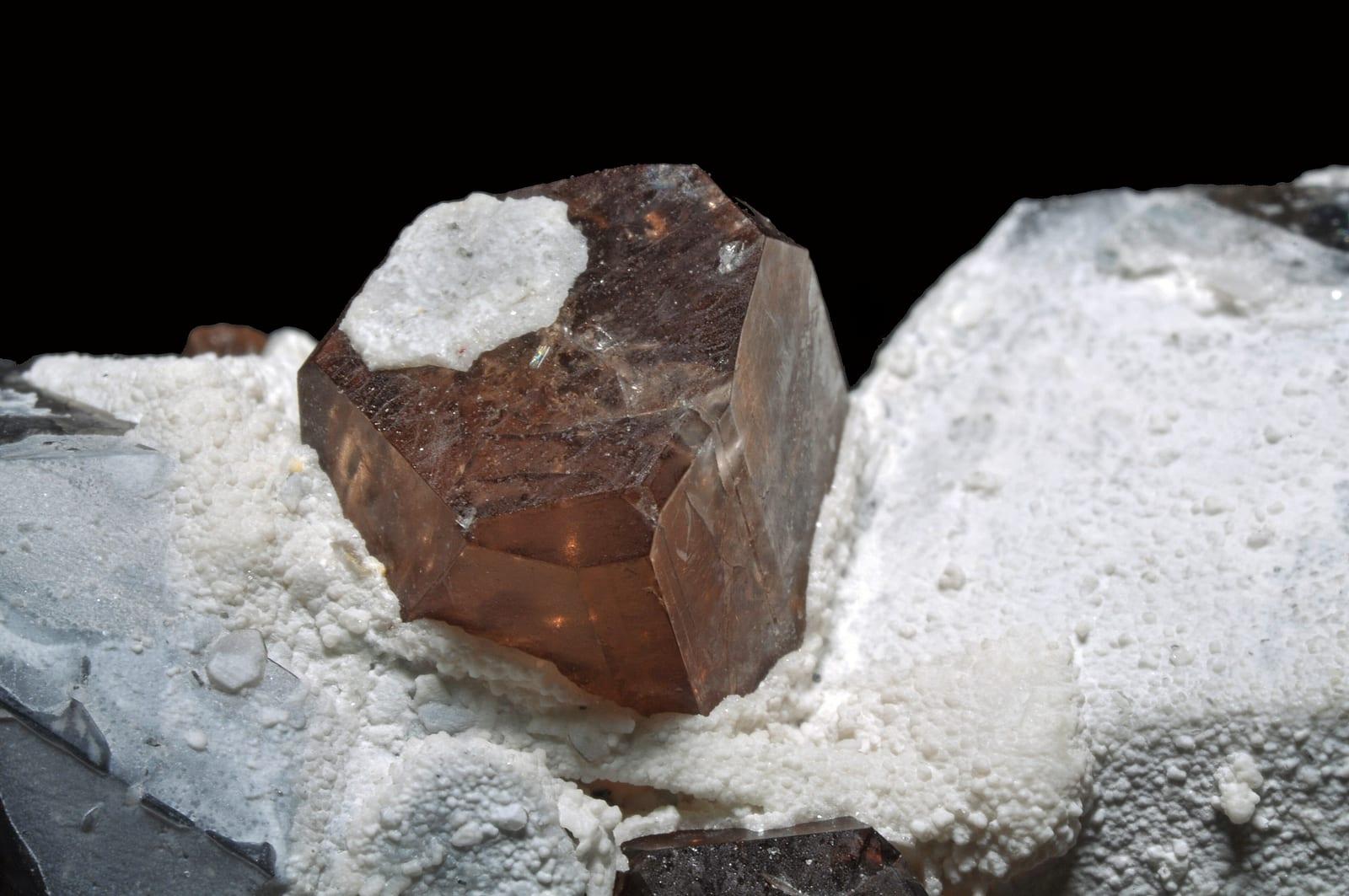
How to tell apart: Imperial topaz is denser, harder at 8, and has a basal cleavage. Old trade names muddied this deliberately, so do not trust a label alone.
Often found alongside citrine
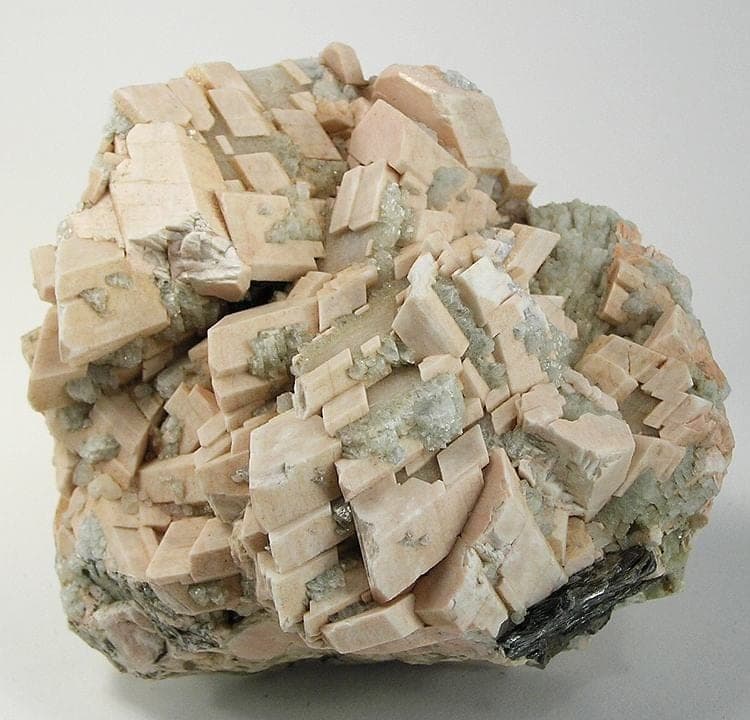
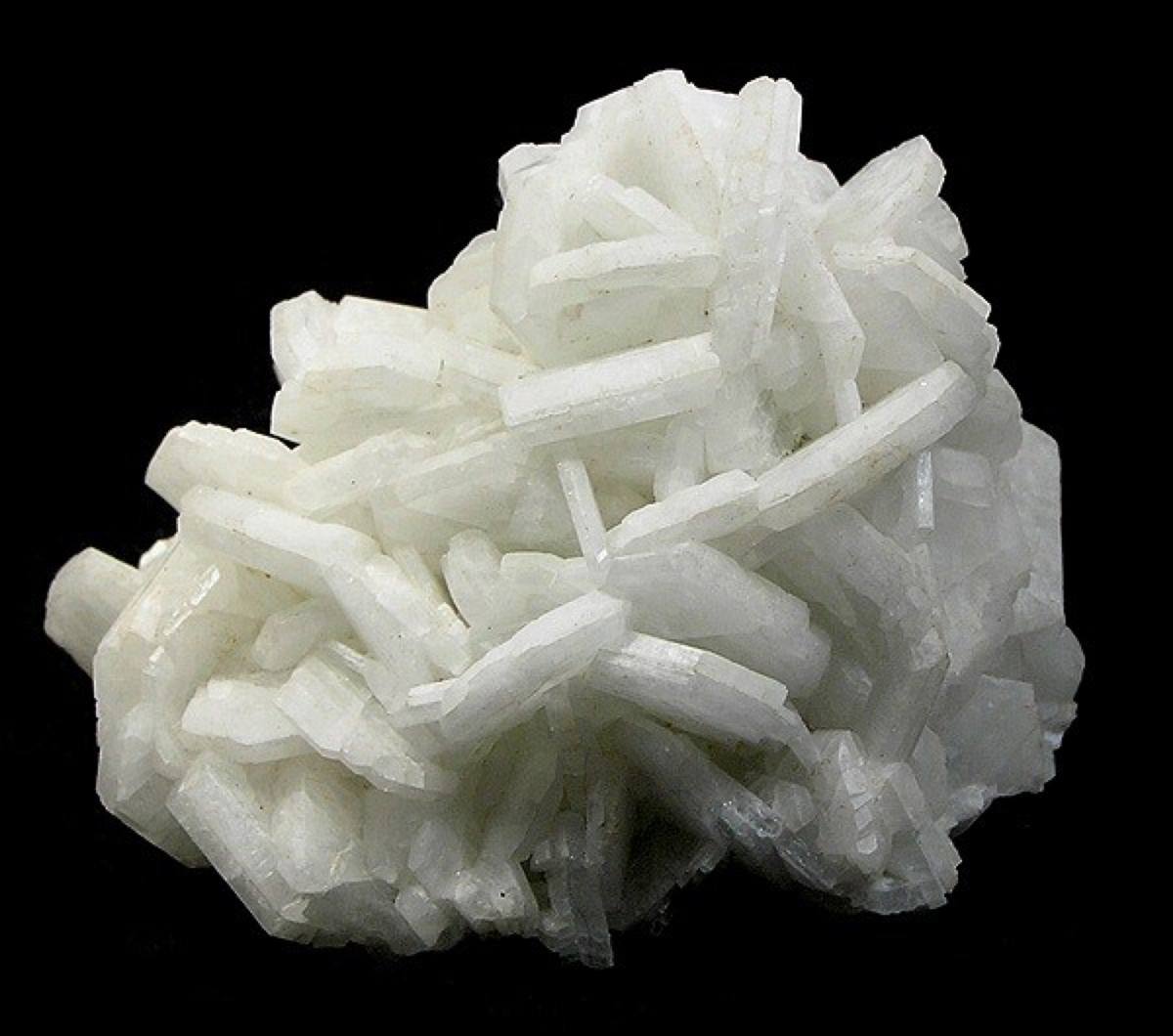
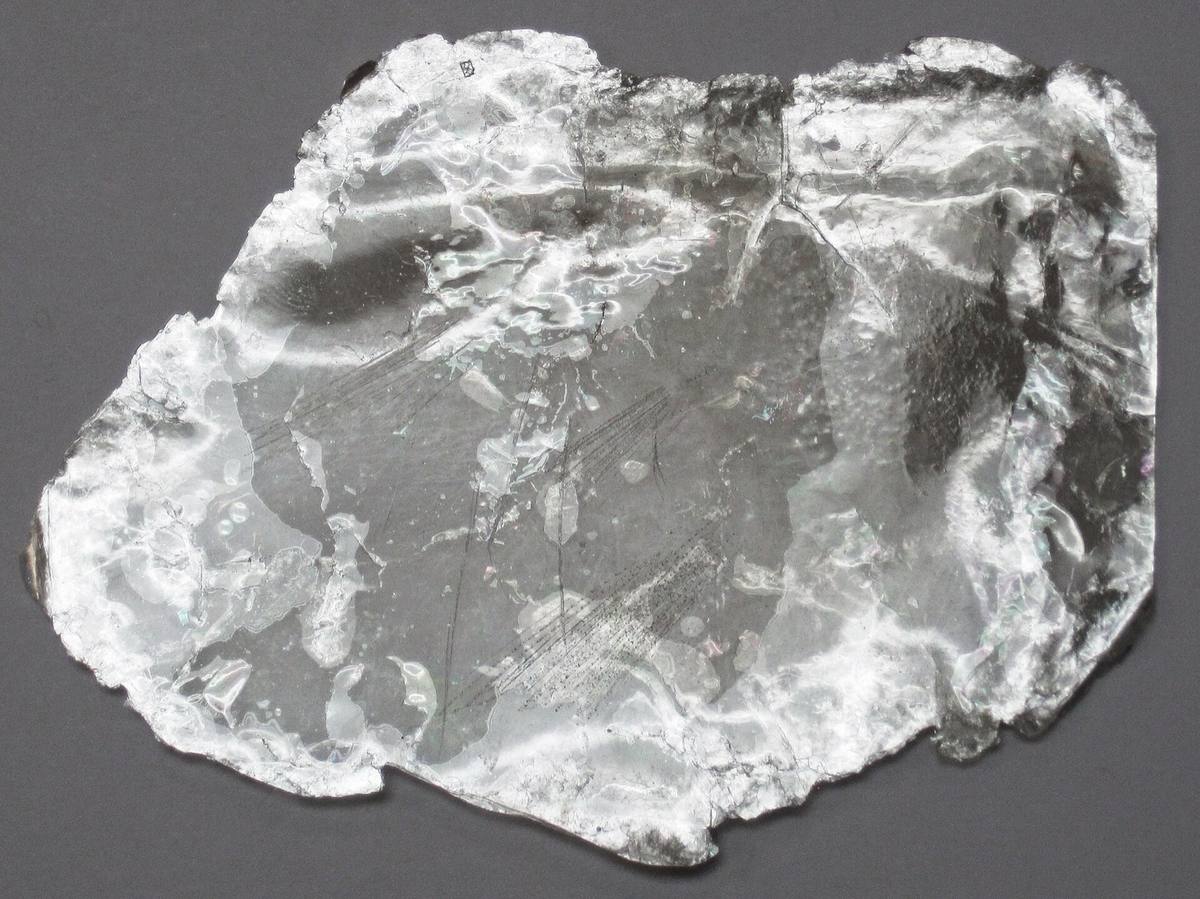
Minerals reported to co-occur with citrine. Spotting these in float or country rock is a strong cue you are in the right ground.
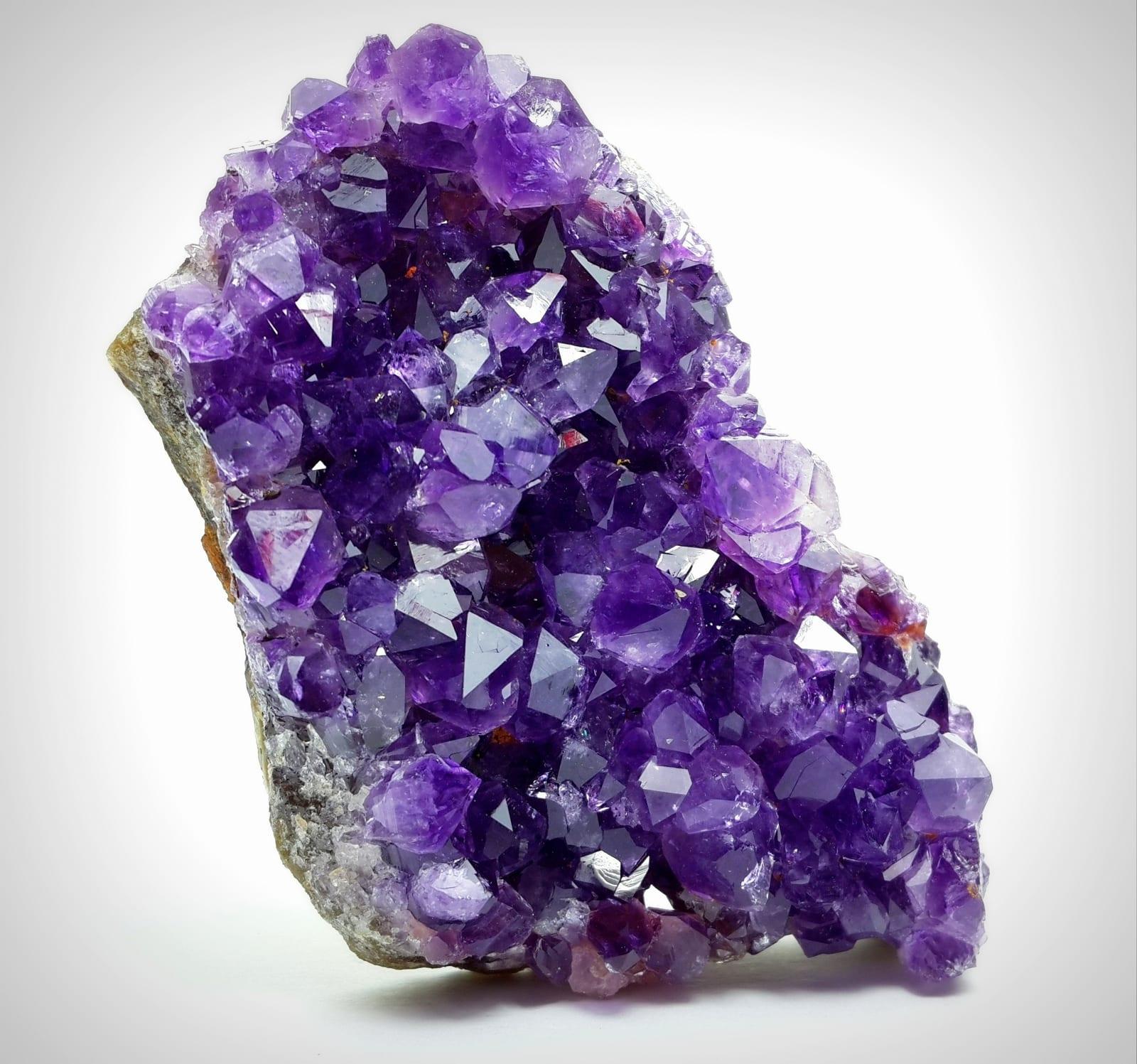
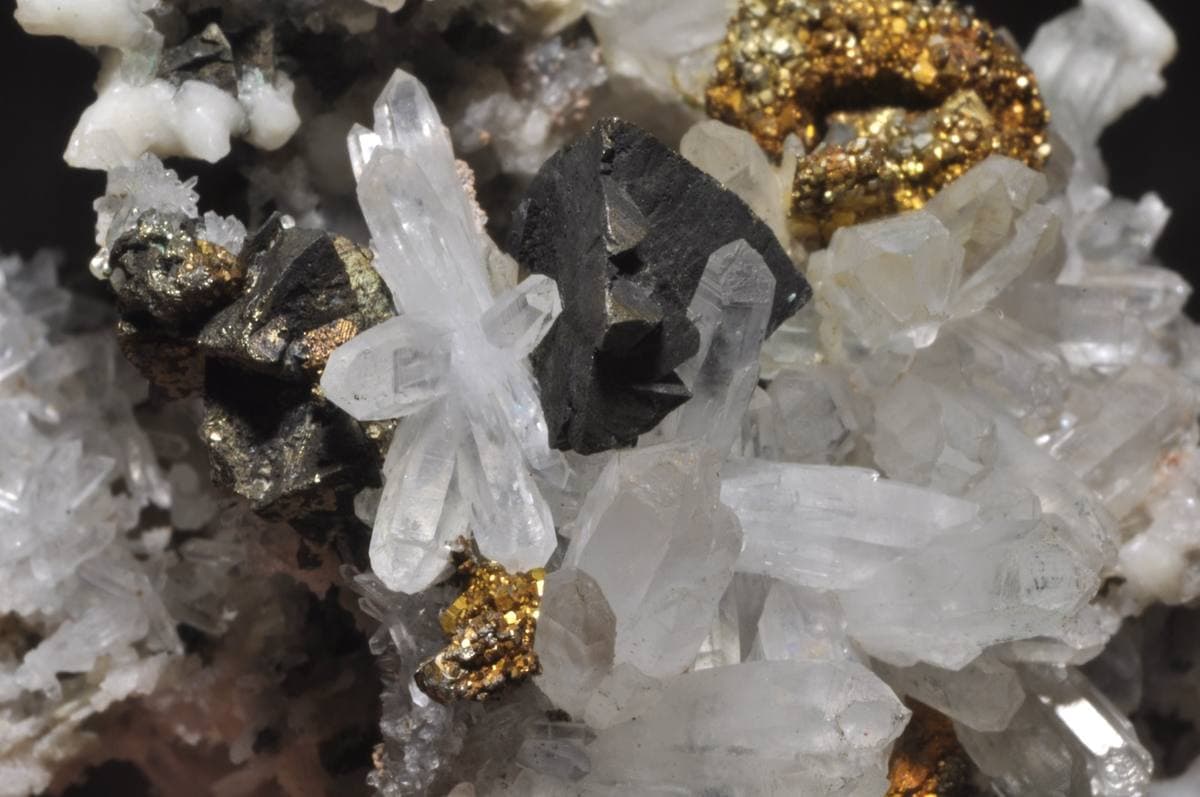
All properties
- Chemical formula
- SiO₂
- Mohs hardness
- 7
- Density
- 2.65 g/cm³
- Streak
- White
- Luster
- Vitreous
- Transparency
- Transparent
- Crystal system
- Trigonal
- Crystal habit
- Prismatic crystals
- Cleavage
- None
- Rarity
- Common
- Uses
- Gemstone, Lapidary, Collector, Decorative
- Host rock
- pegmatites, hydrothermal veins, igneous rocks
Where rockhounds find citrine
11 mapped spotsClassic worldwide localities
- Brazil
- Madagascar
- USA
- Russia
- Bolivia
Field-hunting tip
Where it forms: pegmatites, hydrothermal veins, igneous rocks. If you start seeing amethyst, rock crystal, microcline in float, you are in the right ground. Typical habit: prismatic crystals. Train your eye for that shape before scanning the outcrop. In the U.S., the densest reported localities are in Connecticut, Georgia, Nevada. Start trip planning there.
Common questions
How do you identify citrine?+
Where is citrine found?+
Can I find citrine in the United States?+
What rocks look like citrine?+
What minerals are found with citrine?+
What kind of rock does citrine form in?+
What is citrine used for?+
Find citrine on the map
RockHoundR shows mapped rockhounding spots, access rules, and lets you log every find.