Kunzite is a beautiful pink to lilac variety of spodumene highly prized for its strong pleochroism and vibrant color. Collectors should note its perfect cleavage and tendency to fade in prolonged sunlight, requiring careful storage in shaded environments.
Spotting kunzite in the field
Field marks- 1
Pink to lilac, in flattened prismatic crystals with heavy lengthwise striations
- 2
Two perfect cleavages, so it splits easily along the length
- 3
Strongly pleochroic: much stronger color down the long axis than across it
Kunzite is the pink gem variety of spodumene, a lithium mineral, and it is a pocket mineral in lithium-rich pegmatites. The pleochroism is dramatic and diagnostic: look down the length of a crystal and the color is intense, look across it and it can be nearly colorless. San Diego County in California is the classic American source. The cleavage makes it fragile, so handle rough carefully and expect losses.
Before you collect
Kunzite fades in sunlight, sometimes markedly. Store finished stones and specimens away from direct light.
Straight answers
- Is it worth cutting?
- One of the harder stones to cut well, because two perfect cleavages and strong pleochroism fight each other. Orient for color down the c-axis, then work slowly and avoid heat.
- What is it really worth?
- Moderate. Color fades with prolonged sunlight, which limits its use in everyday jewelry and is worth disclosing.
- Can you legally keep it?
- California pegmatite mines are private, with some offering paid tailings screening.
Often confused with
Kunzite vs. its common look-alikes, and how to tell them apart in the field.
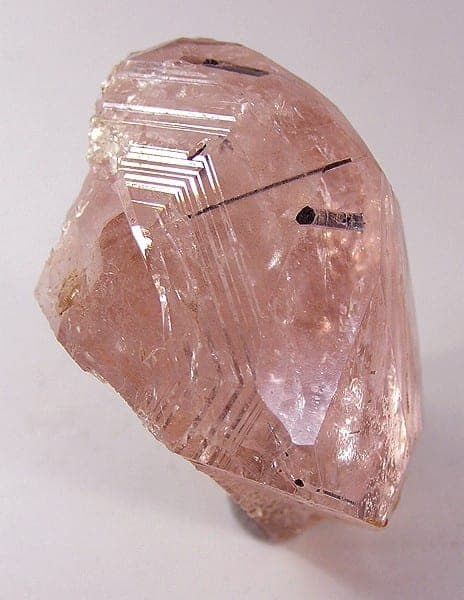
How to tell apart: Morganite has no cleavage and a hexagonal section. Kunzite splits along two directions and is much more strongly pleochroic.
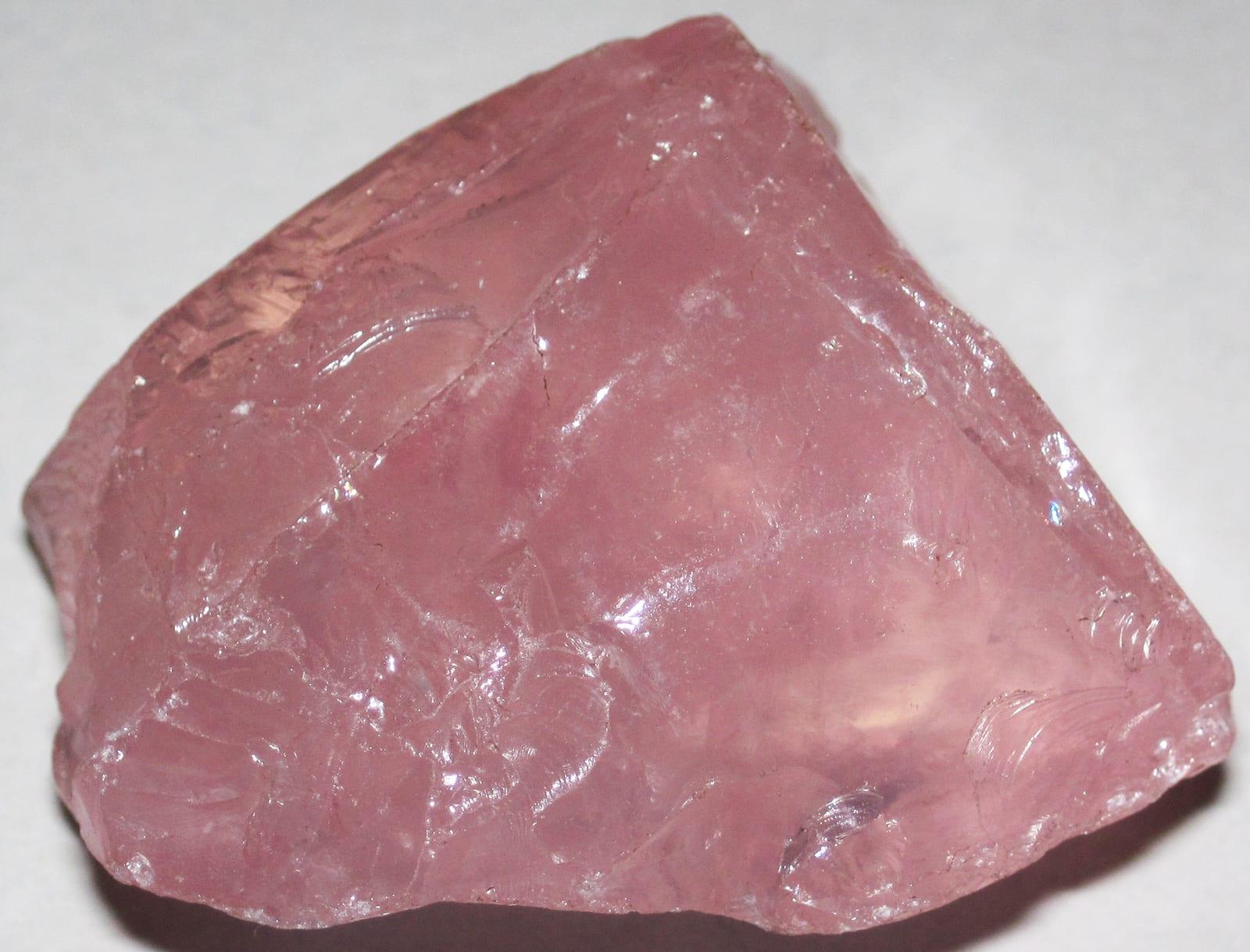
How to tell apart: Rose quartz is massive and cloudy with no cleavage. Kunzite forms striated prisms that split.
Often found alongside kunzite
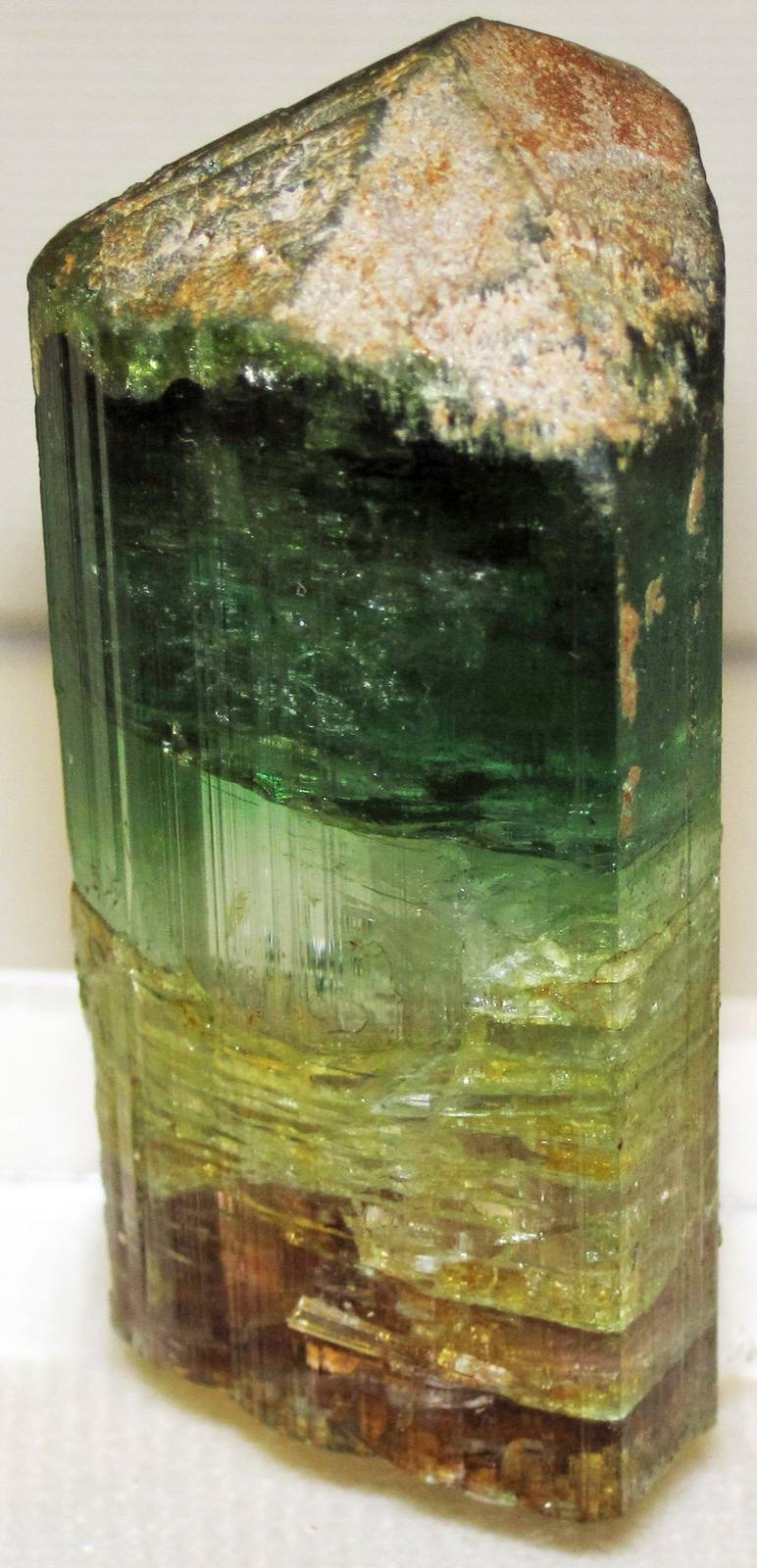
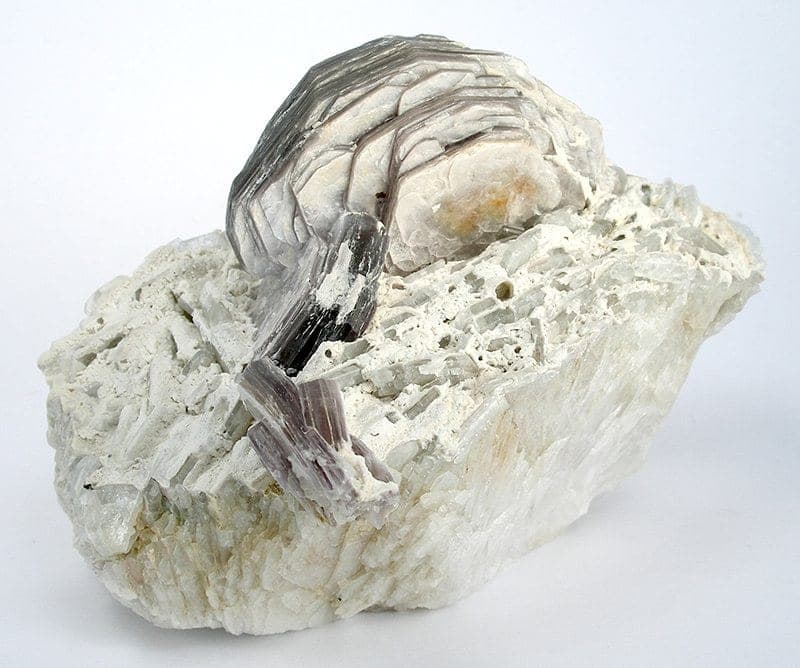
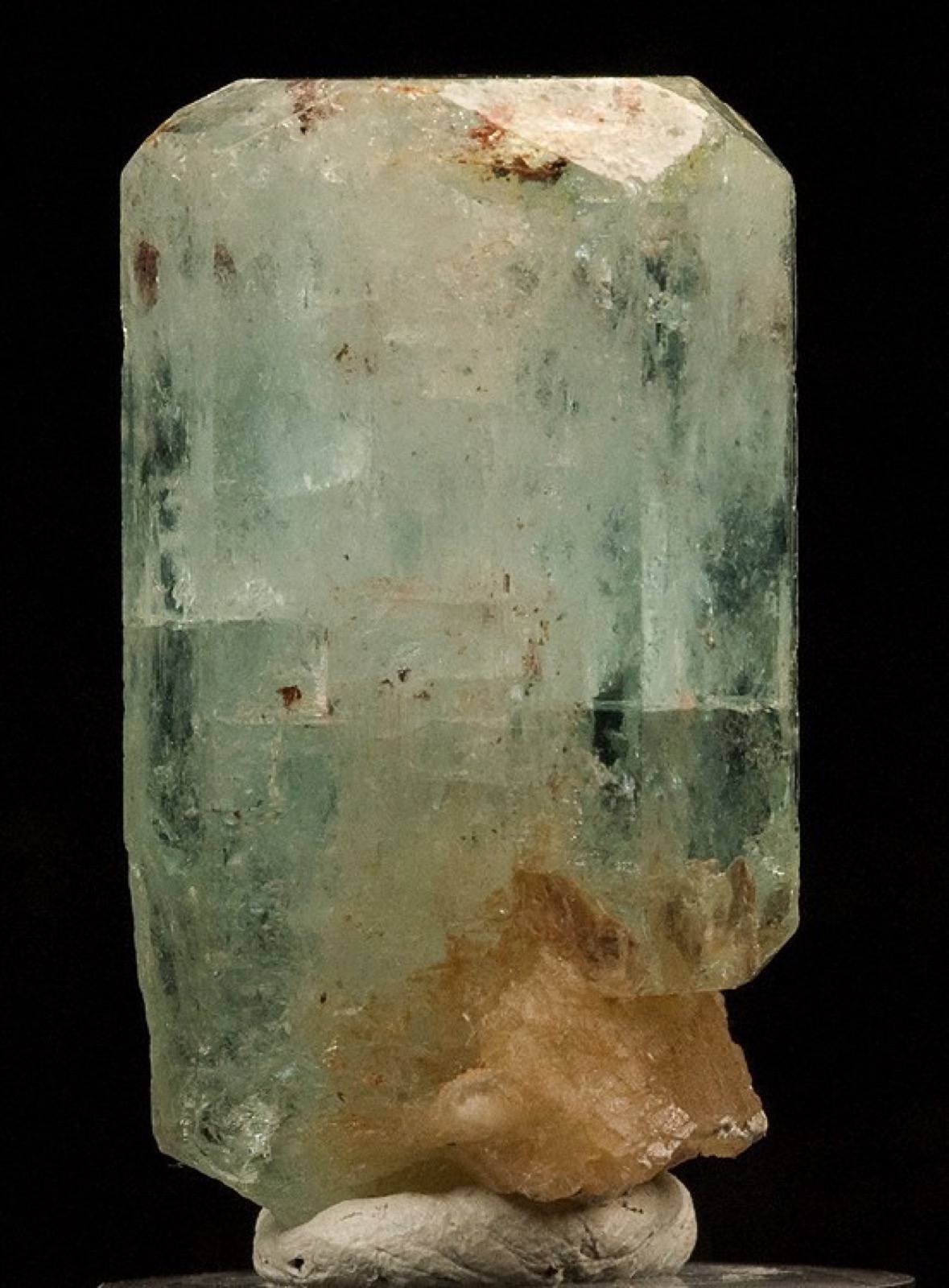
Minerals reported to co-occur with kunzite. Spotting these in float or country rock is a strong cue you are in the right ground.
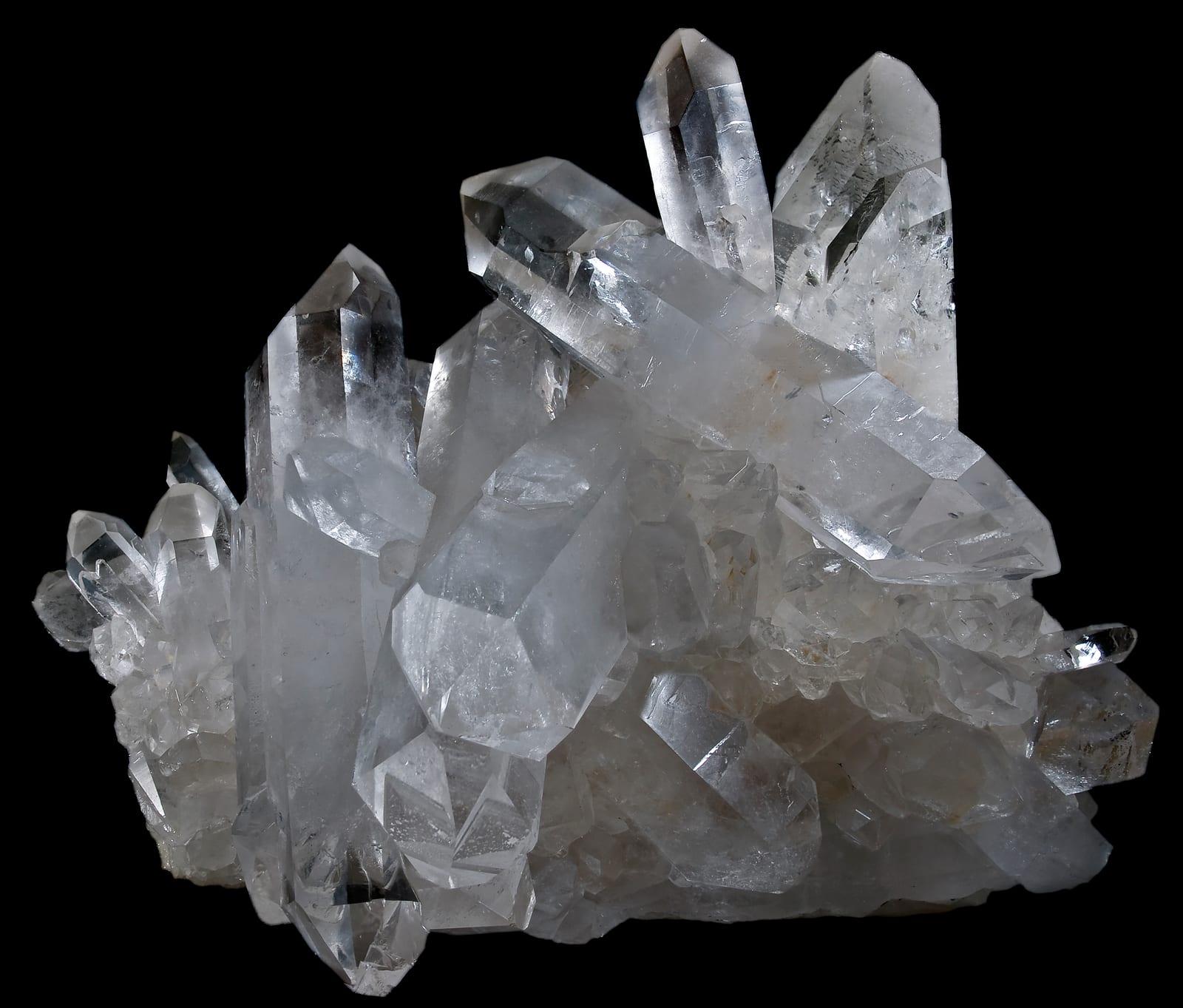
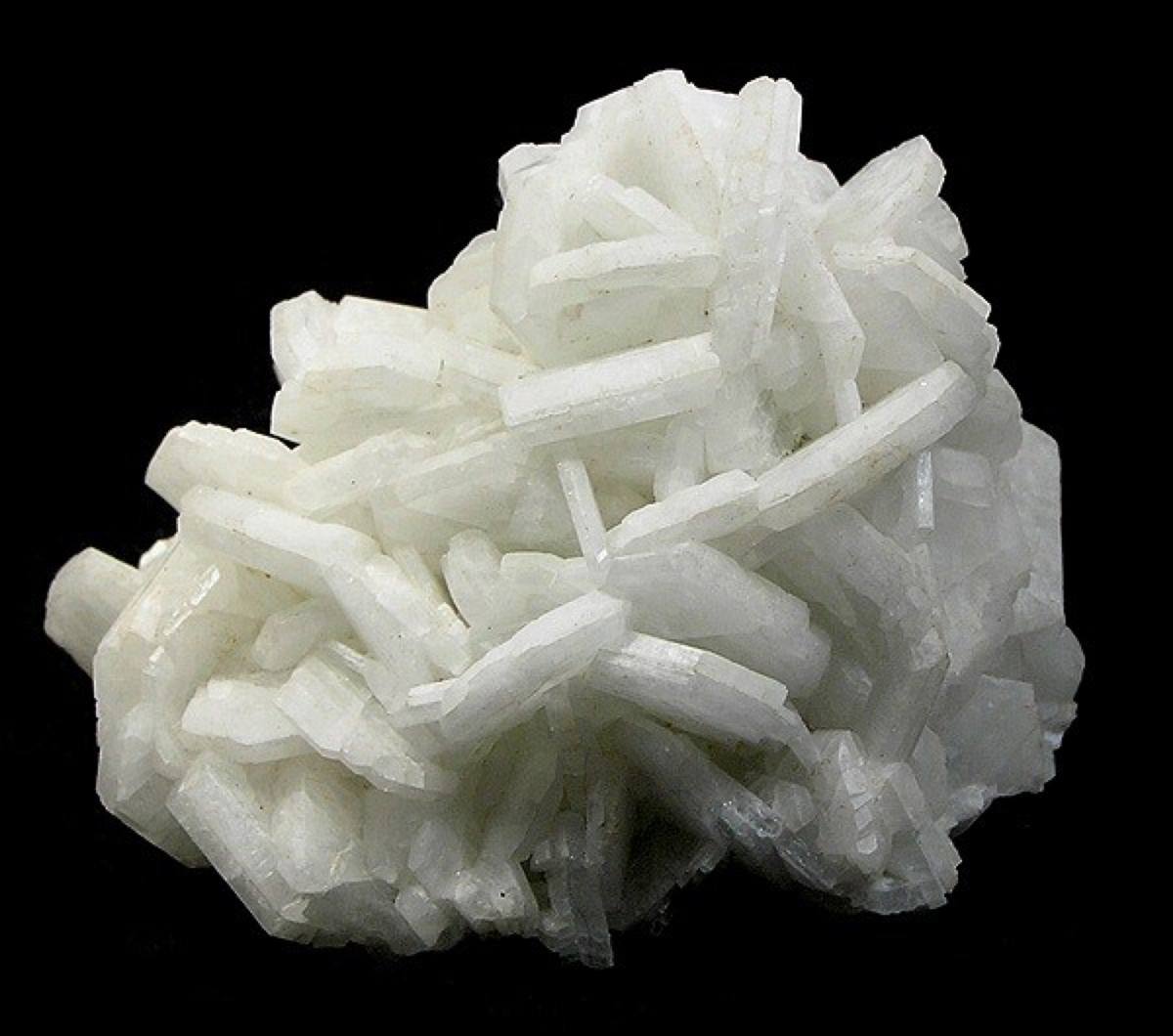
All properties
- Chemical formula
- LiAlSi₂O₆
- Mohs hardness
- 6.5-7
- Density
- 3.1-3.2 g/cm³
- Streak
- White
- Luster
- Vitreous
- Transparency
- Transparent
- Crystal system
- Monoclinic
- Crystal habit
- Prismatic crystals with heavy vertical striations
- Cleavage
- Perfect prismatic
- Fluorescence
- Orange under SW UV
- Rarity
- Uncommon
- Uses
- Gemstone, Collector, Jewelry
- Host rock
- granite pegmatites
Where rockhounds find kunzite
Classic worldwide localities
- Afghanistan
- Brazil
- Madagascar
- USA (California)
- Pakistan
Field-hunting tip
Where it forms: granite pegmatites. If you start seeing quartz, albite, tourmaline in float, you are in the right ground. Typical habit: prismatic crystals with heavy vertical striations. Train your eye for that shape before scanning the outcrop.
Common questions
How do you identify kunzite?+
Where is kunzite found?+
What rocks look like kunzite?+
What minerals are found with kunzite?+
What kind of rock does kunzite form in?+
What is kunzite used for?+
Find kunzite on the map
RockHoundR shows mapped rockhounding spots, access rules, and lets you log every find.