White Star Corundum, also known as colorless sapphire or leucosapphire, is a pure variety of corundum lacking the trace elements required to produce color. It is highly prized by collectors and jewelers for its exceptional hardness and brilliance, often used as a durable diamond alternative.
Is this white star corundum?
5-step field checkRun through these checks against the specimen in your hand. The more boxes tick, the more confident the ID.
- 1Test the hardnessTry to scratch white star corundum with a known reference. White Star Corundum sits at Mohs 9 — softer than the next harder reference, harder than the previous one.
- 2Check the streakDrag the specimen across an unglazed porcelain plate. White Star Corundum leaves a none streak.
- 3Read the lusterHold the specimen under a strong light. White Star Corundum typically shows a vitreous luster.
- 4Match the color rangeCompare against the expected color range: white, colorless.
- 5Look at form & habitCrystal system: trigonal. Typical habit: hexagonal prisms or bipyramids.
Often confused with
White Star Corundum vs. its common look-alikes — and how to tell them apart in the field.
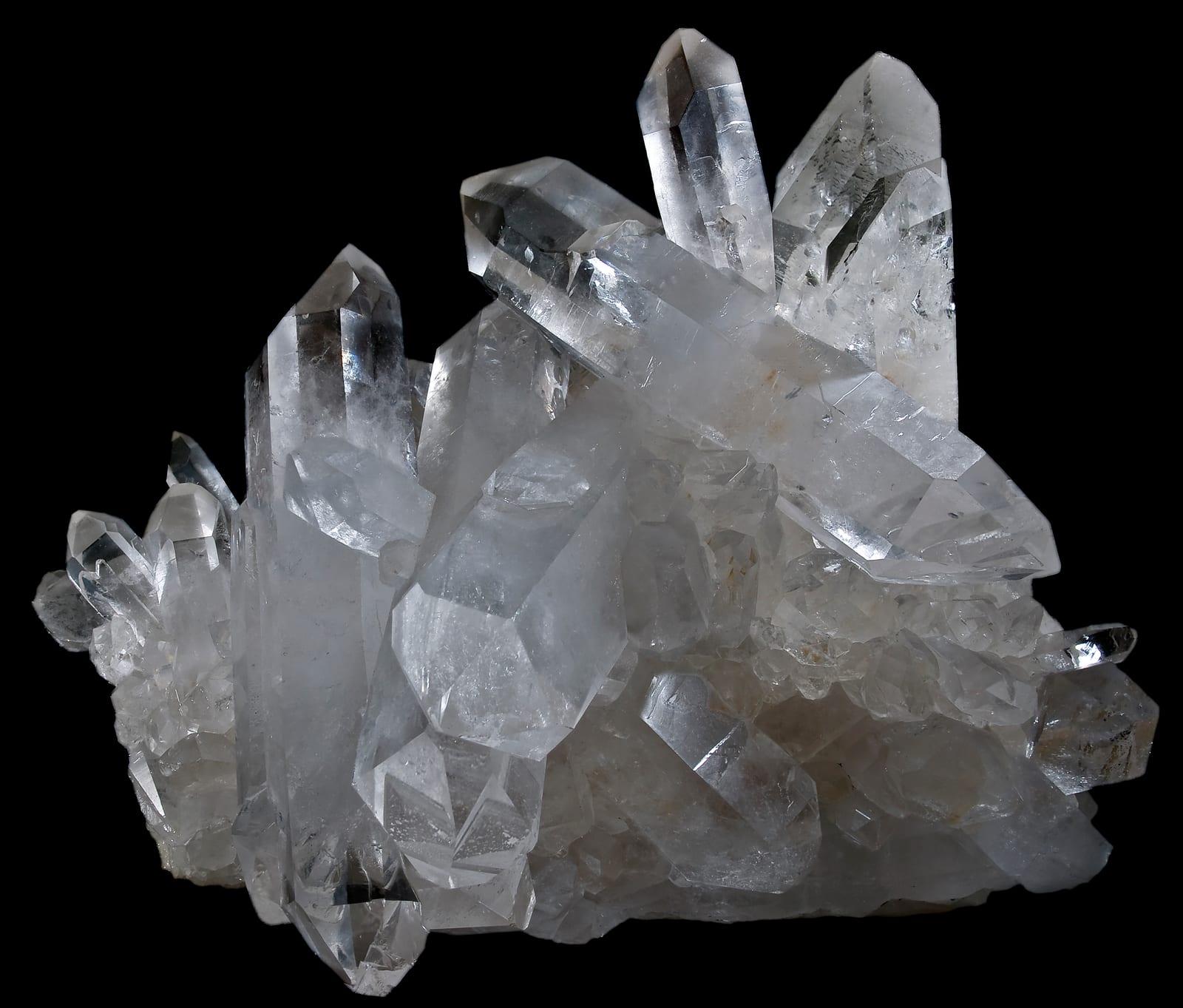
How to tell apart: White Star Corundum is noticeably harder (Mohs 9 vs. 7); streak differs — White Star Corundum leaves none, Quartz leaves white.
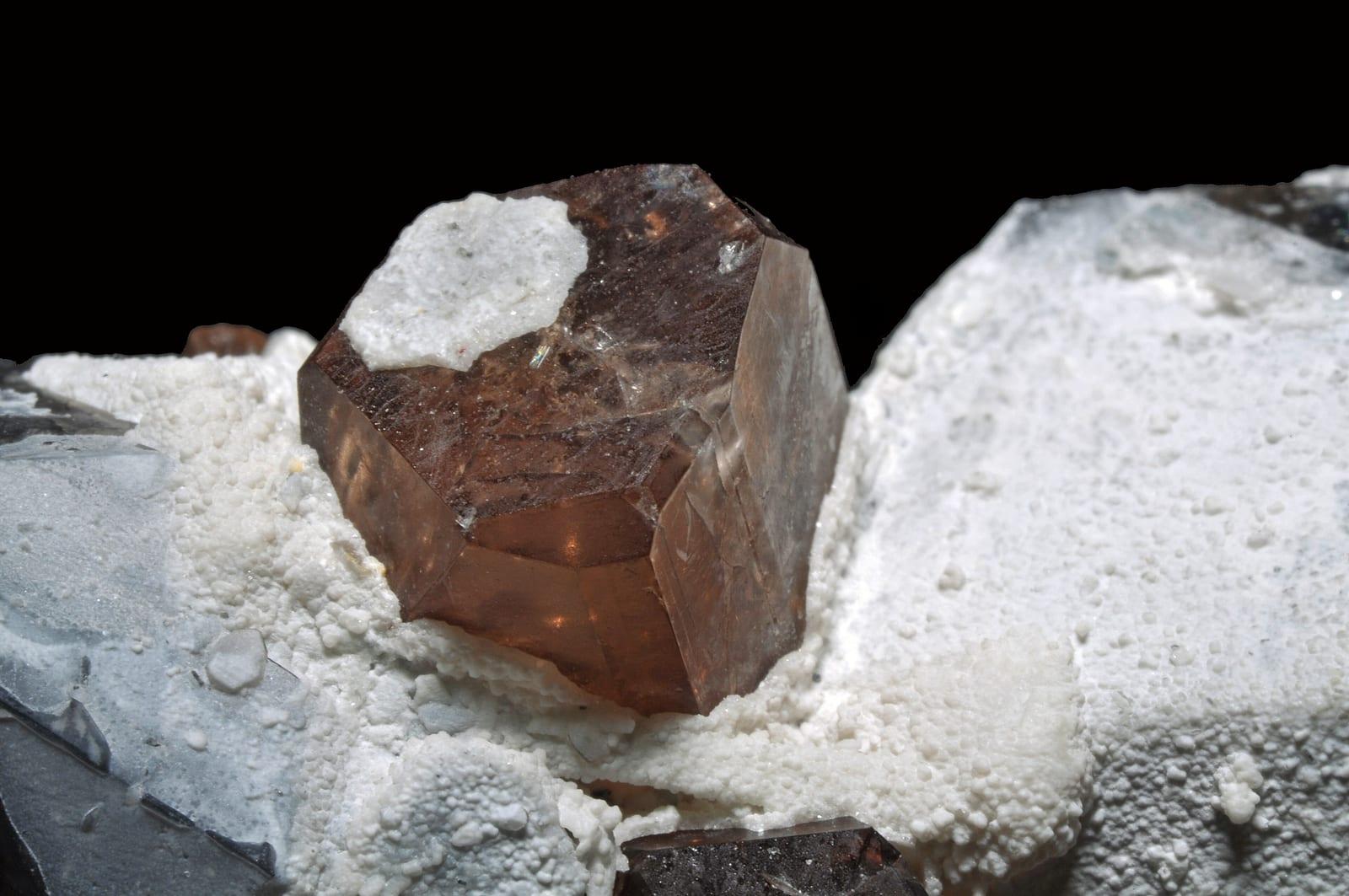
How to tell apart: White Star Corundum is noticeably harder (Mohs 9 vs. 8); streak differs — White Star Corundum leaves none, Topaz leaves white.
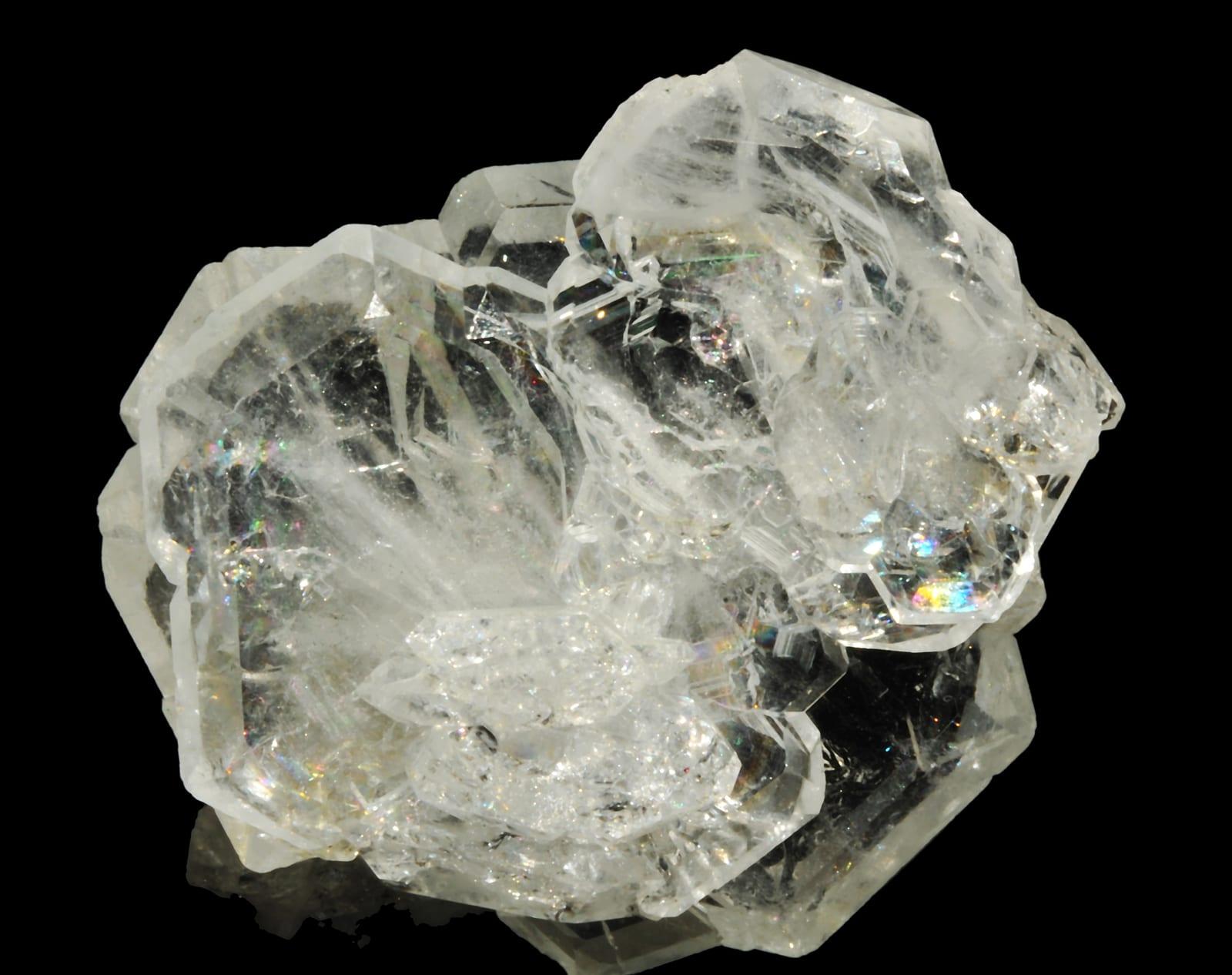
How to tell apart: White Star Corundum is noticeably harder (Mohs 9 vs. 7.5-8); streak differs — White Star Corundum leaves none, Goshenite leaves white.
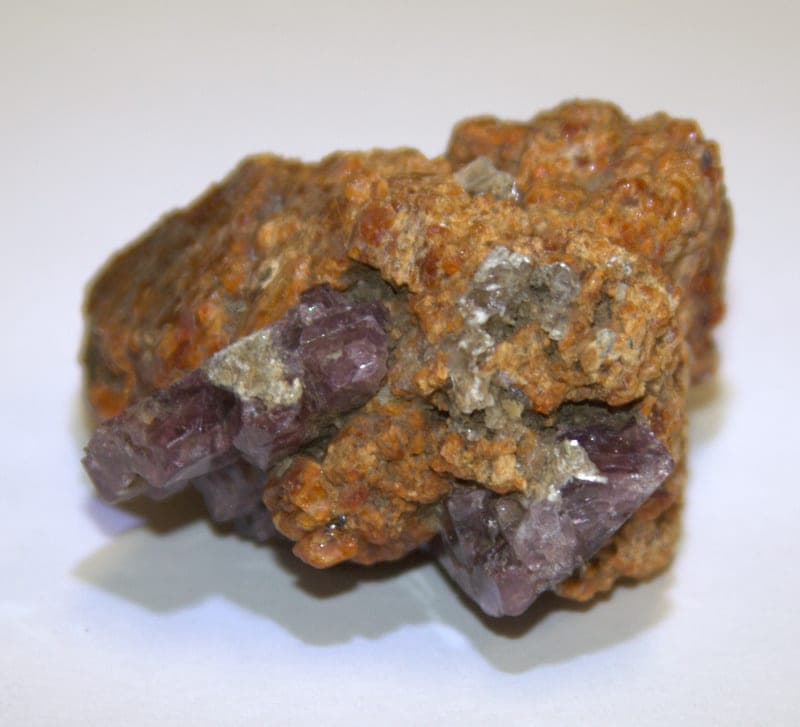
Often found alongside white star corundum
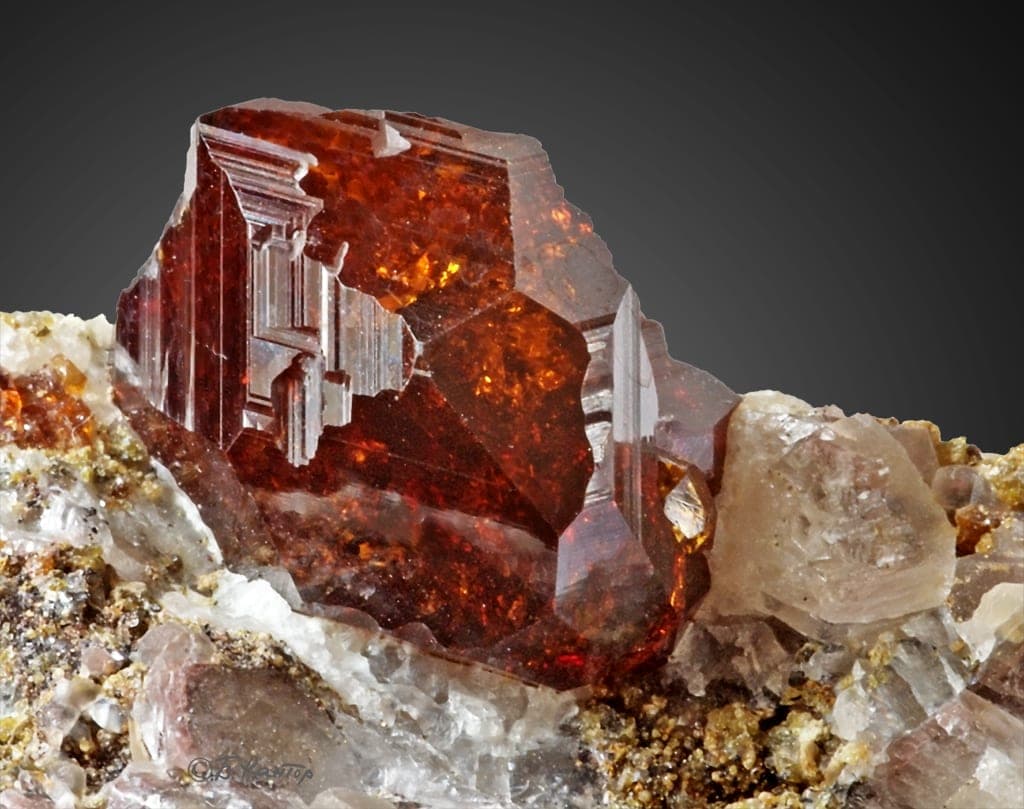
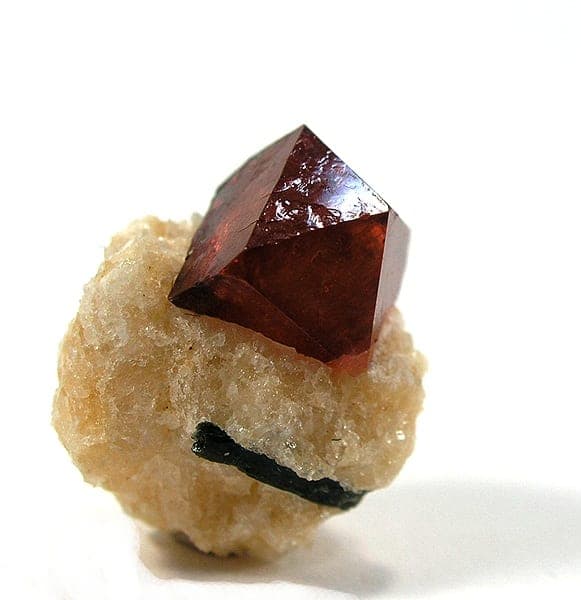
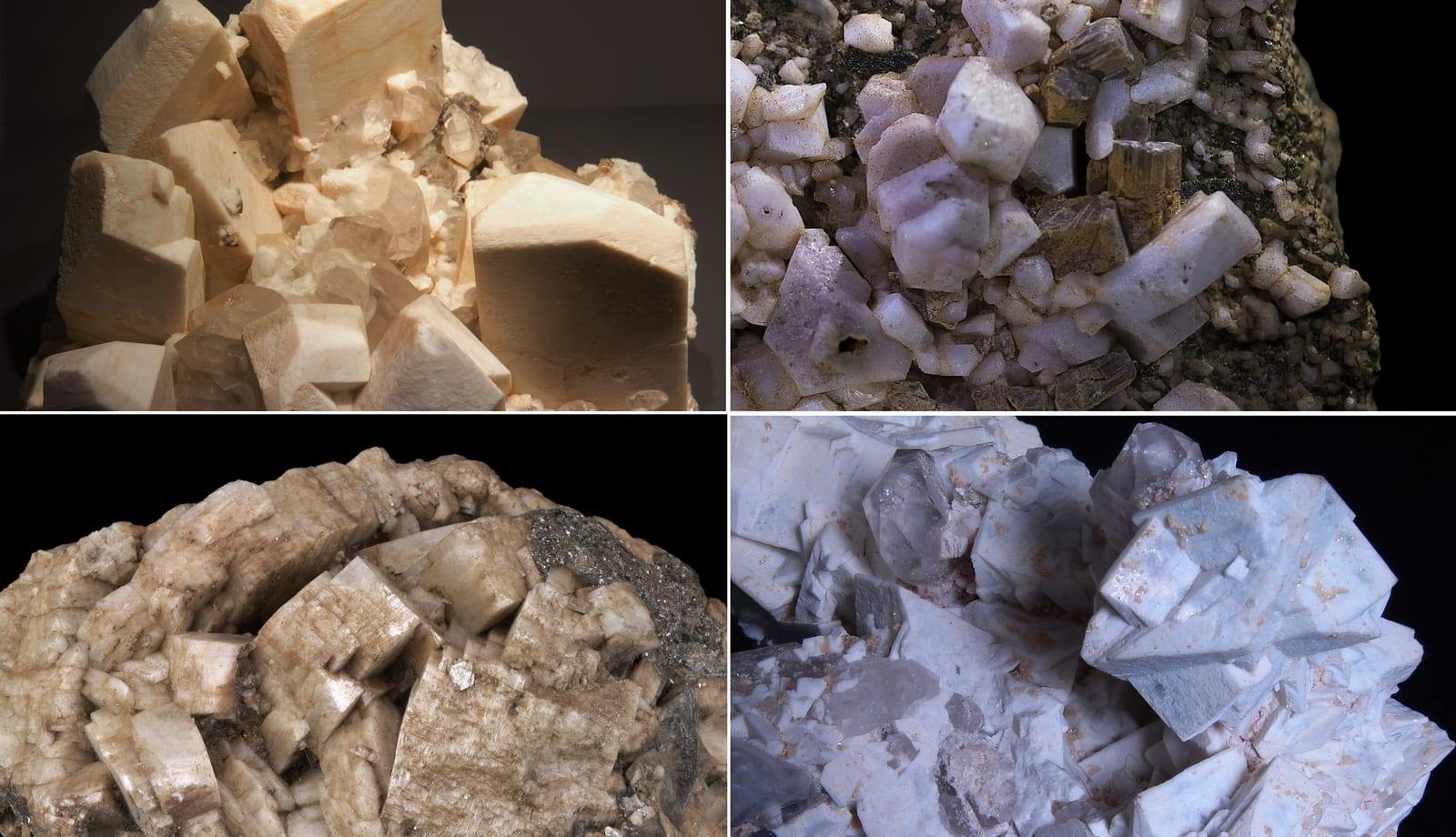
Minerals reported to co-occur with white star corundum. Spotting these in float or country rock is a strong cue you are in the right ground.
All properties
- Chemical formula
- Al₂O₃
- Mohs hardness
- 9
- Density
- 4.0-4.1 g/cm³
- Streak
- None
- Luster
- Vitreous
- Transparency
- Transparent
- Crystal system
- Trigonal
- Crystal habit
- Hexagonal Prisms or Bipyramids
- Cleavage
- None
- Rarity
- Uncommon
- Uses
- Gemstone, Collector, Jewelry
- Host rock
- Metamorphic Rocks Like Marble or Gneiss
- Typical price
- $20-200 per carat depending on clarity and cut
Where rockhounds find white star corundum
1 mapped spotsClassic worldwide localities
- Sri Lanka
- Madagascar
- Tanzania
- Myanmar
Field-hunting tip
Look in metamorphic rocks like marble or gneiss country — that is the host setting where white star corundum typically forms. If you start seeing spinel, garnet, zircon in float, you are in the right ground. Field specimens usually show a hexagonal prisms or bipyramids habit, so train your eye for that shape before scanning the outcrop. In the U.S., the densest reported localities are in North Carolina — start trip planning there.
Common questions
How do you identify white star corundum?+
Where is white star corundum found?+
Can I find white star corundum in the United States?+
How much is white star corundum worth?+
What rocks look like white star corundum?+
What minerals are found with white star corundum?+
What kind of rock does white star corundum form in?+
What is white star corundum used for?+
Find white star corundum on the map
RockHoundR shows mapped rockhounding spots, access rules, and lets you log every find.