
Moonstone is a variety of the feldspar group known for its distinctive adularescence, a floating, billowy light effect caused by light scattering between thin, alternating layers of orthoclase and albite. Collectors should look for specimens that exhibit a bright, centered blue sheen against a clear, colorless base, commonly found in pegmatite deposits.
Spotting moonstone in the field
Field marks- 1
A soft blue or white sheen that floats across the surface as you tilt it
- 2
The sheen appears to sit below the surface rather than on it
- 3
Feldspar cleavage: two directions of flat, reflective planes at nearly 90 degrees
Moonstone is feldspar showing adularescence, a billowy internal glow caused by light scattering between microscopic layers of two different feldspars. The test is to tilt the stone and watch the sheen move: it should roll across the surface like light through mist, and it should have a direction. Look in pegmatites and in weathered granite. Feldspar's two cleavage directions at close to right angles are the family identifier.
Straight answers
- Is it worth cutting?
- Orient the cab so the sheen is centered and rises over the dome. Get it wrong and a good piece of rough produces a dull grey stone. Feldspar cleavage also means it chips easily, so bevel the edges.
- What is it really worth?
- Inexpensive to moderate. Strong blue sheen on a clean, colorless, transparent body is the premium, and most of that comes from Sri Lanka and India.
- Can you legally keep it?
- Ordinary personal-use collecting rules apply.
Often confused with
Moonstone vs. its common look-alikes, and how to tell them apart in the field.
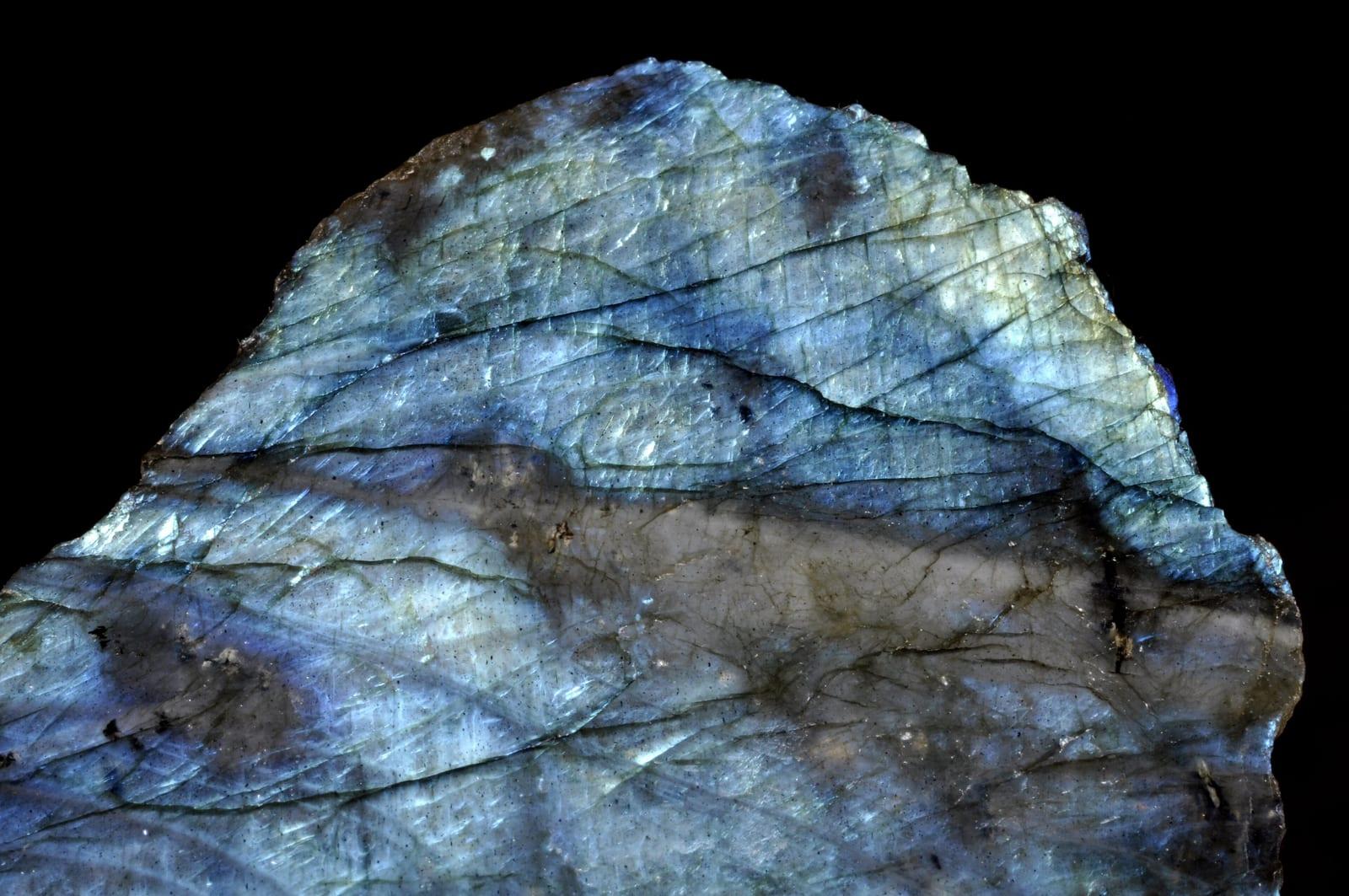
How to tell apart: Labradorite flashes in strong spectral colors from a specific angle. Moonstone's sheen is a soft blue-white glow that moves more gradually.
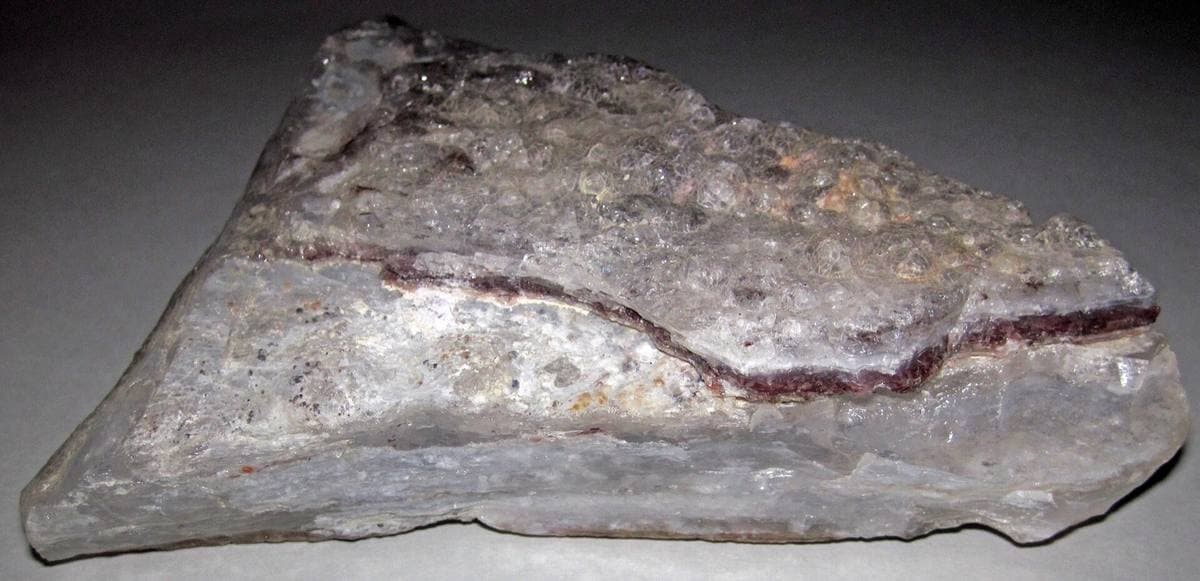
How to tell apart: A manmade glass sold as moonstone. It has bubbles, no cleavage, and a milky glow that looks the same from every angle.
Often found alongside moonstone
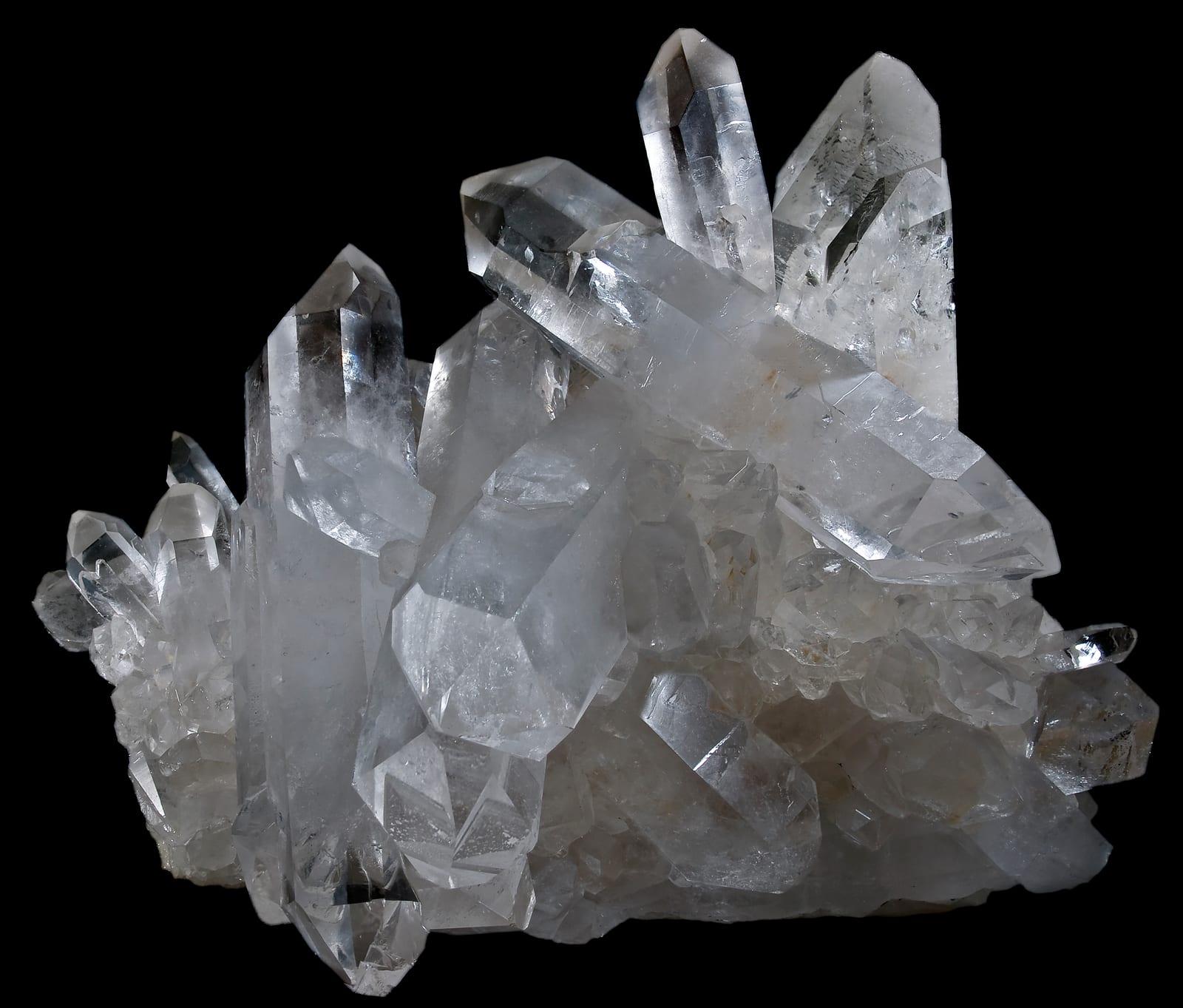
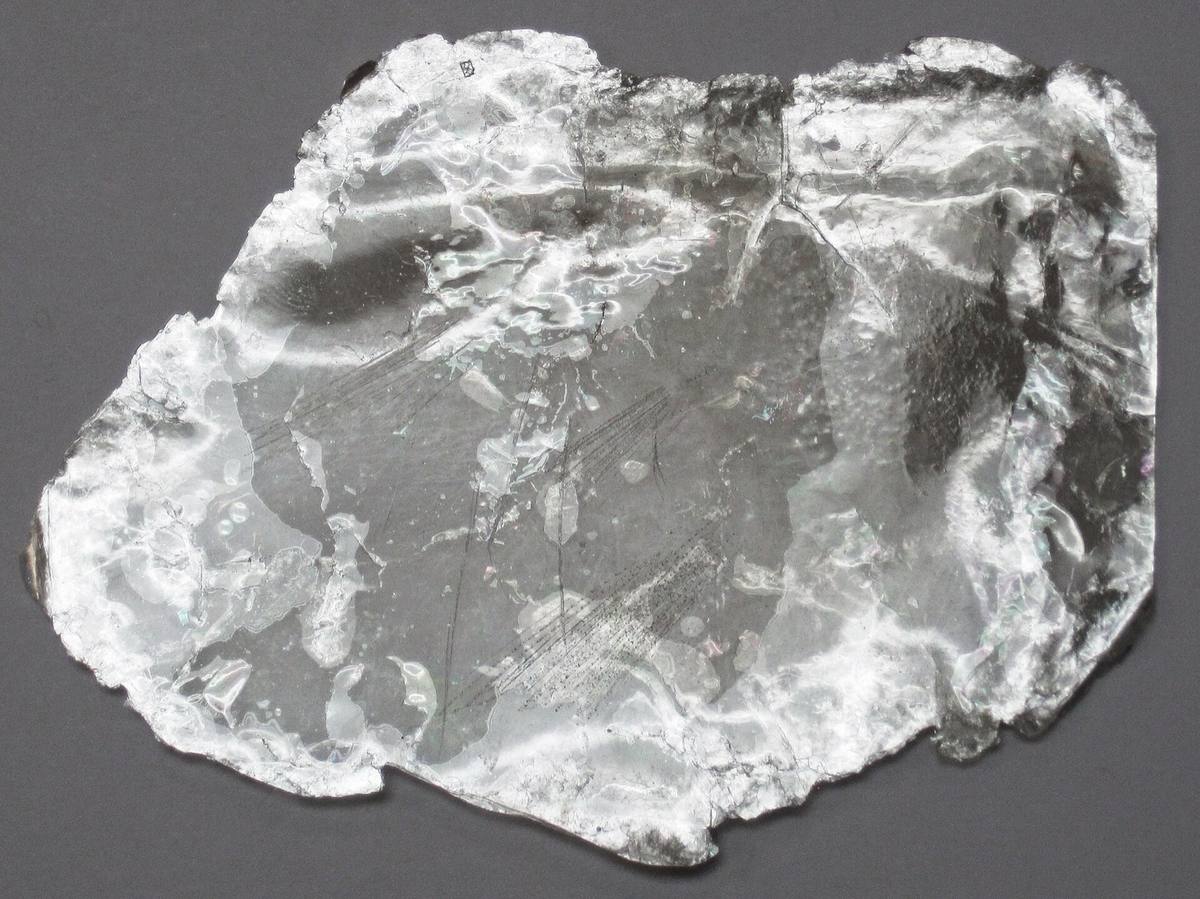
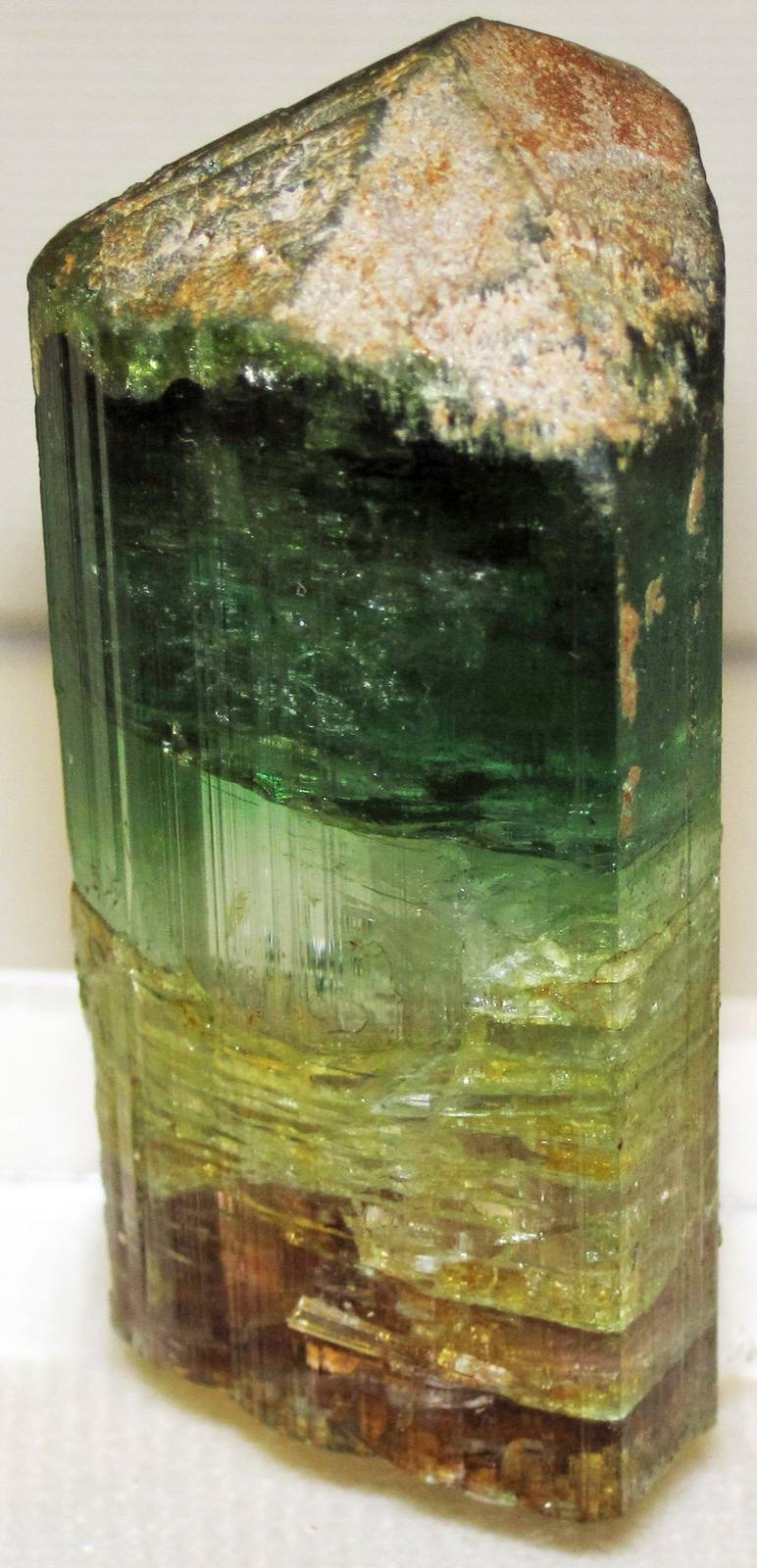
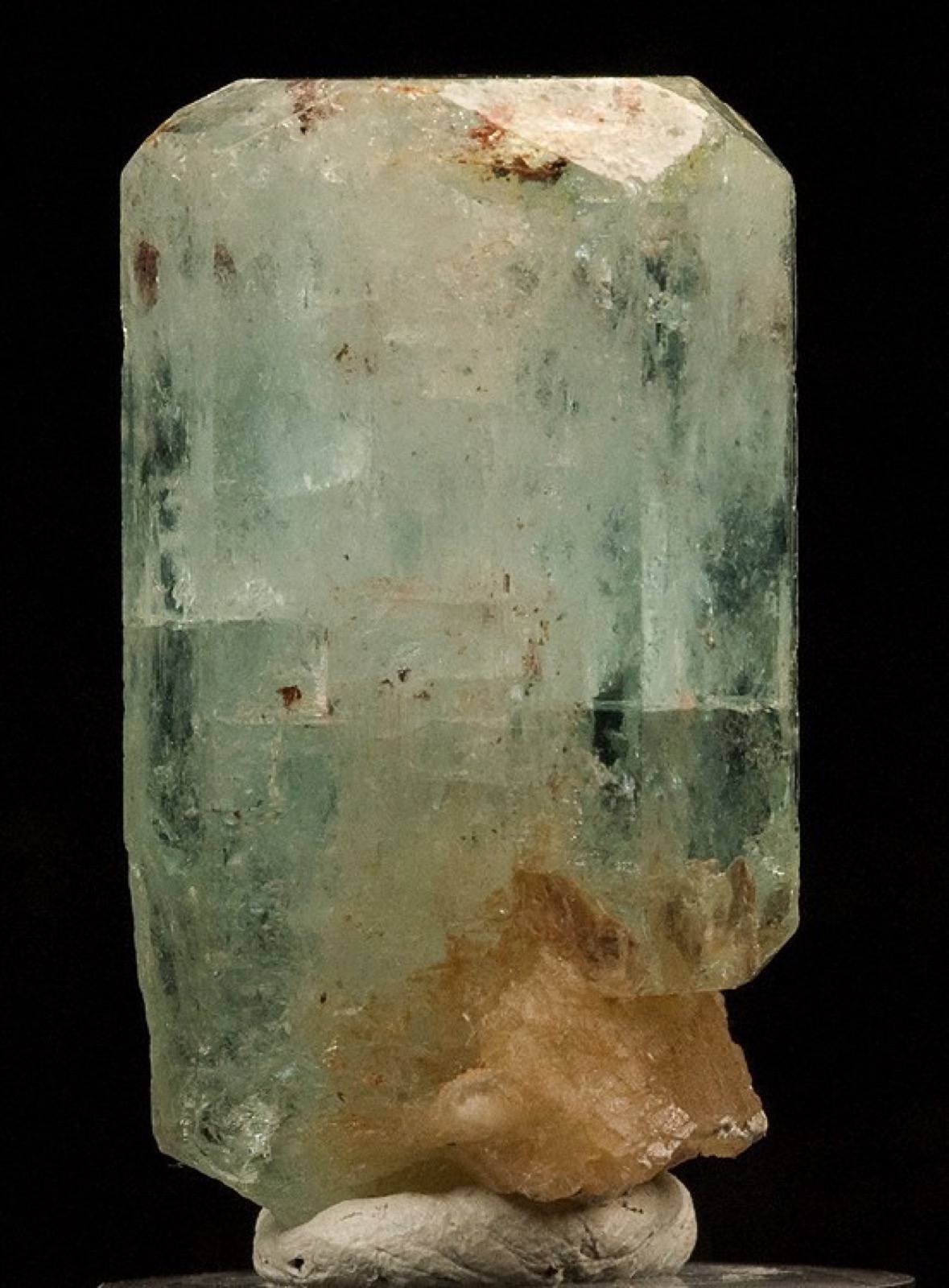
Minerals reported to co-occur with moonstone. Spotting these in float or country rock is a strong cue you are in the right ground.
All properties
- Chemical formula
- KAlSi₃O₈
- Mohs hardness
- 6
- Density
- 2.55-2.63 g/cm³
- Streak
- White
- Luster
- Vitreous
- Transparency
- Translucent
- Crystal system
- Monoclinic
- Crystal habit
- Tabular crystals
- Cleavage
- Perfect
- Rarity
- Common
- Uses
- Gemstone, Lapidary, Collector
- Host rock
- pegmatites, granites, and hydrothermal veins
Where rockhounds find moonstone
32 mapped spotsClassic worldwide localities
- Sri Lanka
- India
- Madagascar
- Myanmar
- USA
U.S. states with moonstone
Each link opens a state-specific list of mapped rockhounding spots that produce moonstone.
Field-hunting tip
Where it forms: pegmatites, granites, and hydrothermal veins. If you start seeing quartz, muscovite, tourmaline in float, you are in the right ground. Typical habit: tabular crystals. Train your eye for that shape before scanning the outcrop. In the U.S., the densest reported localities are in Oregon, North Carolina, California. Start trip planning there.
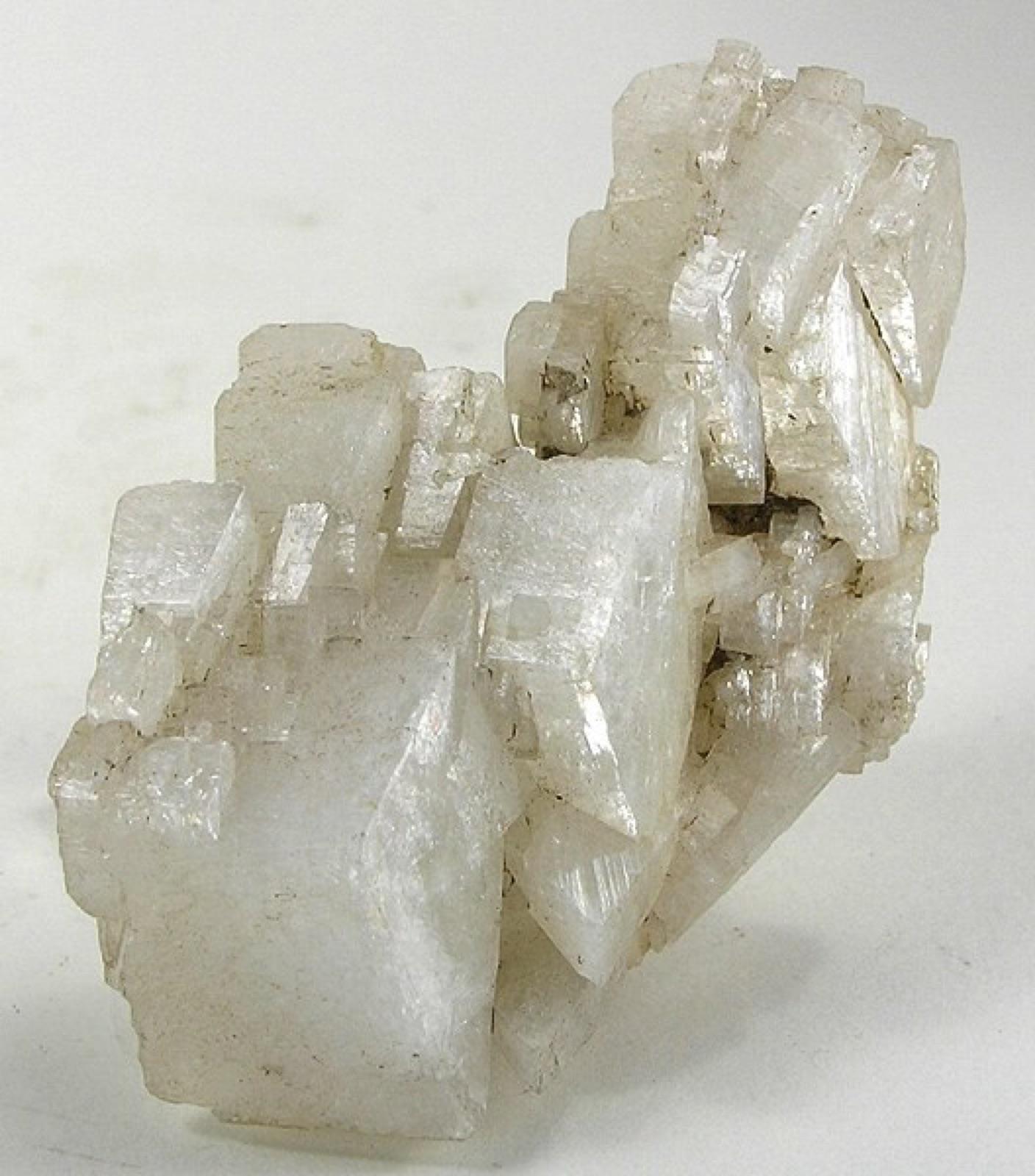
More moonstone photos
Common questions
How do you identify moonstone?+
Where is moonstone found?+
Can I find moonstone in the United States?+
What rocks look like moonstone?+
What minerals are found with moonstone?+
What kind of rock does moonstone form in?+
What is moonstone used for?+
Find moonstone on the map
RockHoundR shows mapped rockhounding spots, access rules, and lets you log every find.

