
Where to Find Jasper in Wisconsin
Wisconsin has 11 mapped collecting spots that report jasper, spread across 8 counties. 10 of the spots are on land mapped as publicly accessible.
Every jasper spot we track in Wisconsin
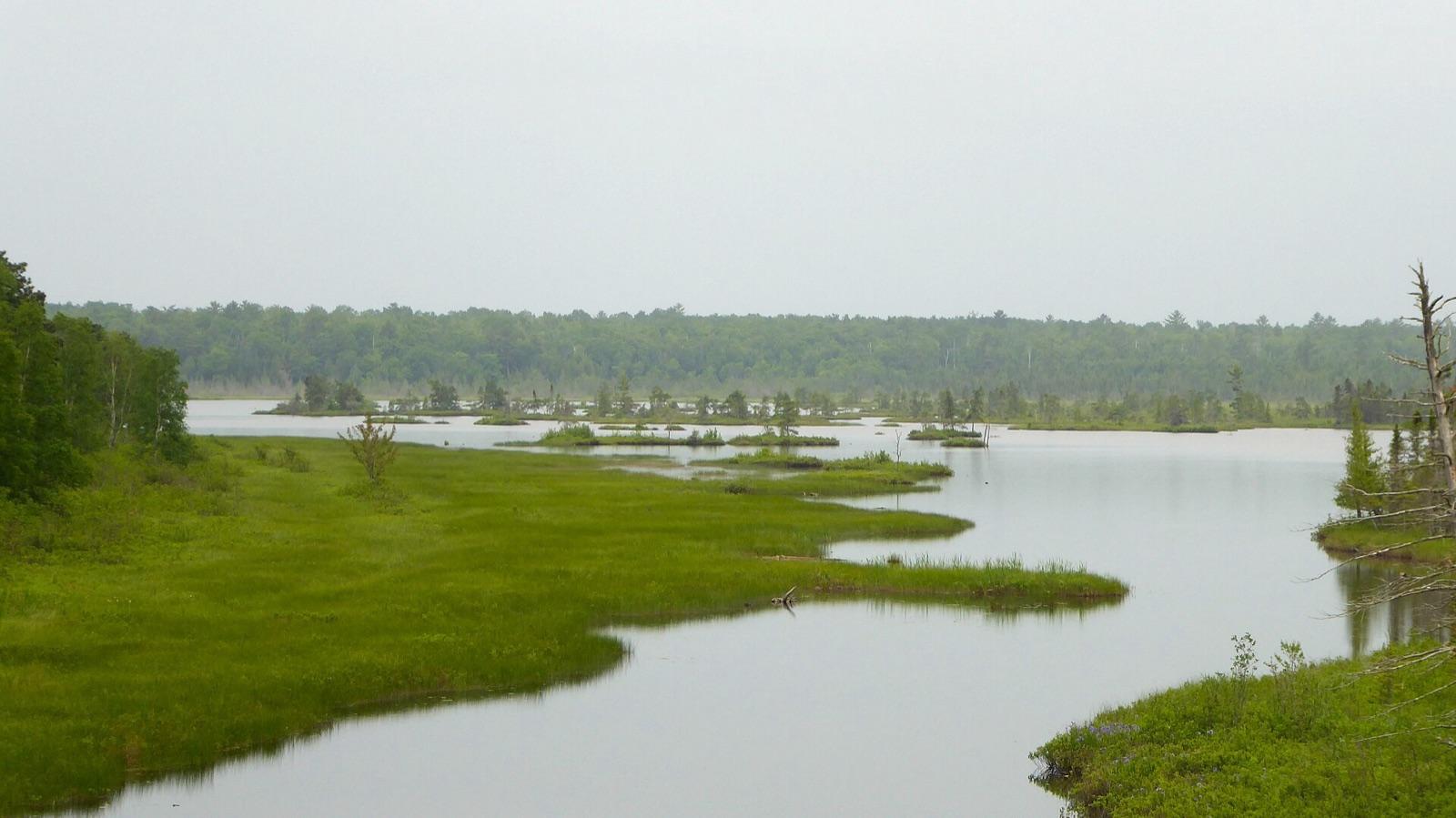 Best spotBig Bay Town ParkAshland County, WisconsinPublic access · Lake Superior Agate, Jasper, Thomsonite +1
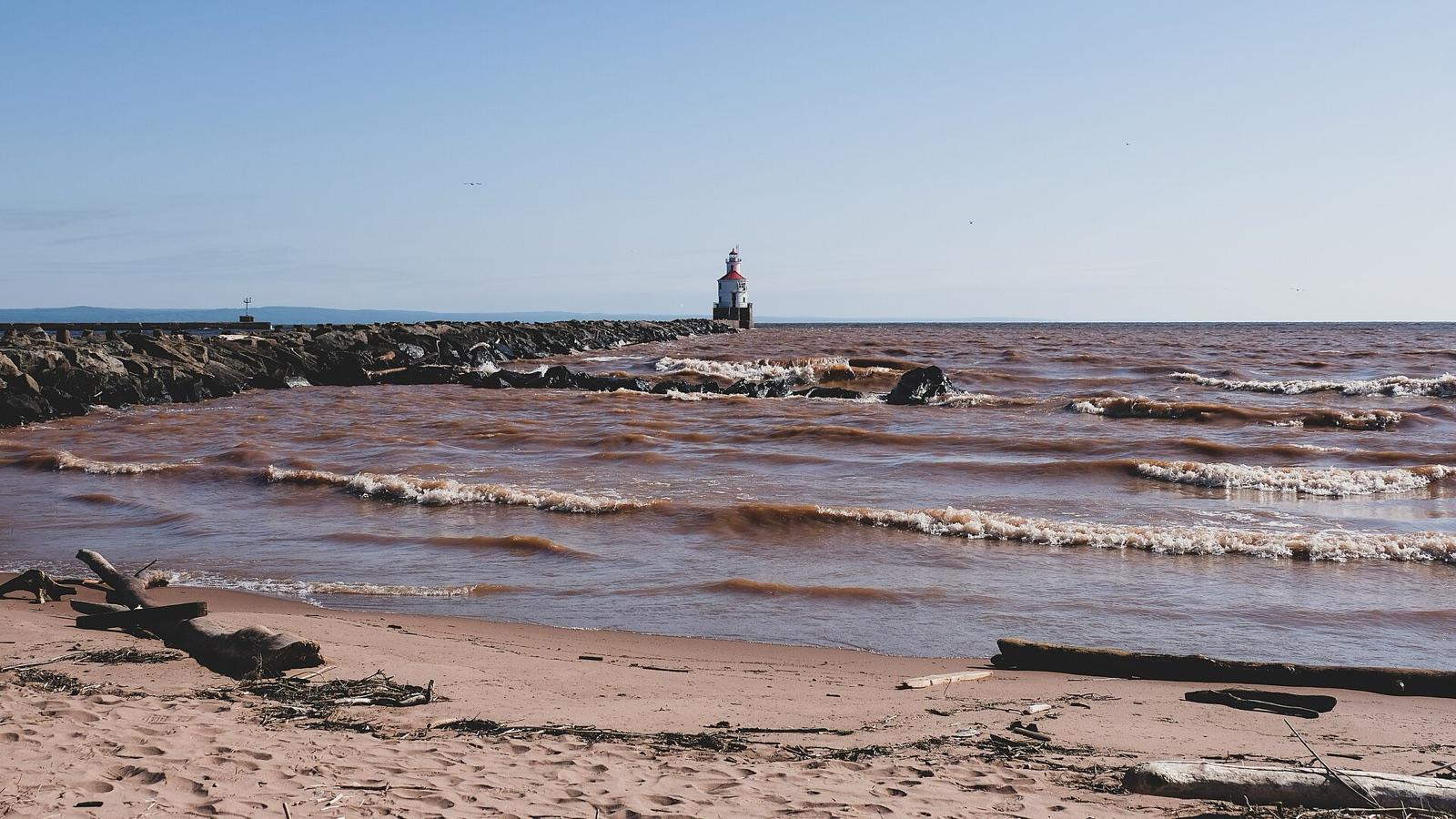 Best spotWisconsin PointDouglas County, WisconsinPublic access · Lake Superior Agate, Jasper, Copper +1
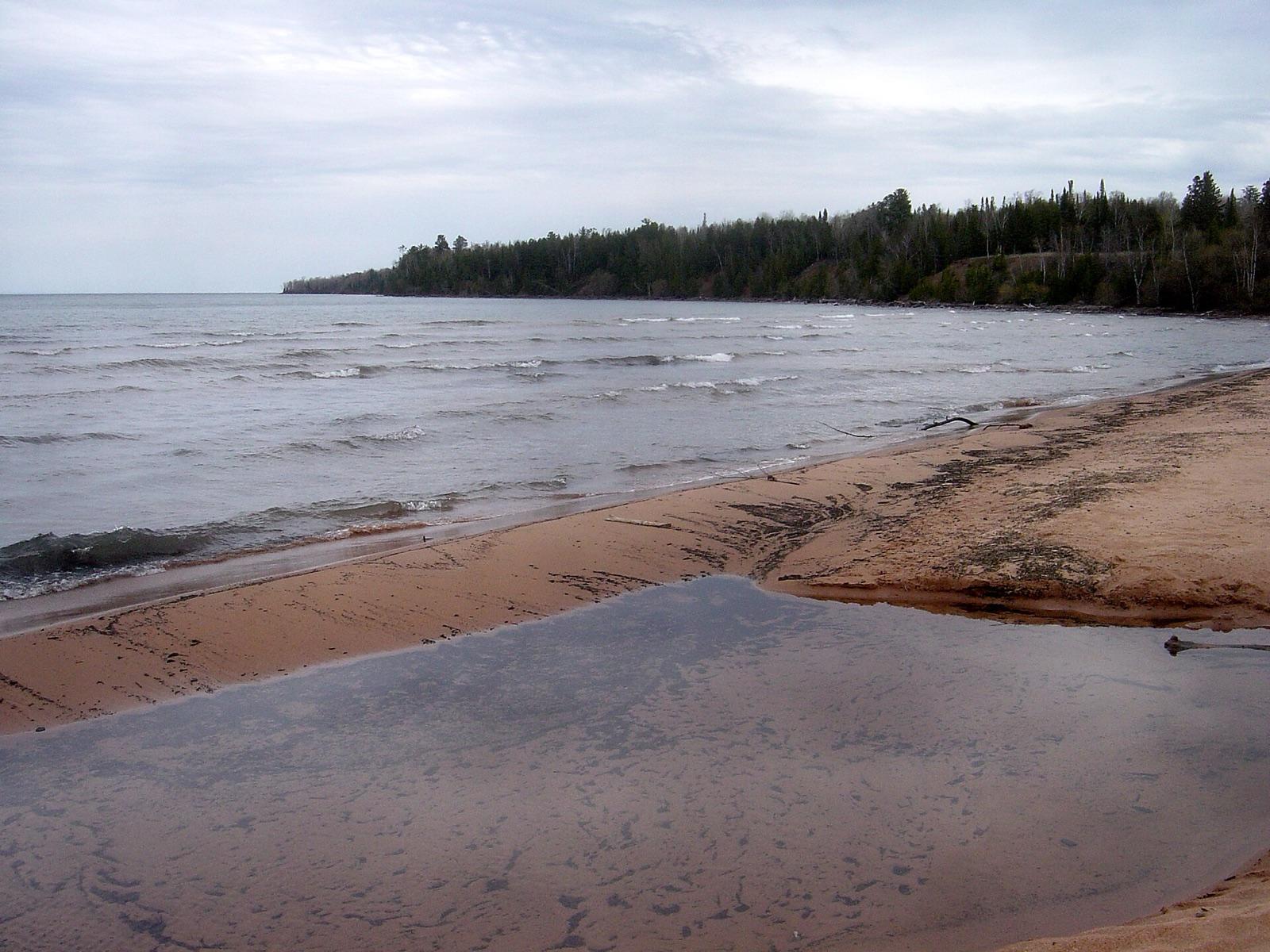 Best spotBayfield CountyBayfield County, WisconsinPublic access · Agate, Jasper
 Best spotSaxon Harbor County ParkIron County, WisconsinPublic access · Lake Superior Agate, Jasper, Copper
 Neshotah BeachManitowoc County, WisconsinPublic access · Syringopora, Coral, Jasper +3
 Bluffs of Miss. RiverLa Crosse County, WisconsinPermission required · Lake Superior Agate, Jasper, Diamond +1
- Ashland CountyAshland County, WisconsinPublic access · Agate, Jasper
- Black River & tributariesClark County, WisconsinPublic access · Agate, Jasper
- Iron CountyIron County, WisconsinPublic access · Agate, Jasper
- Sawyer CountySawyer County, WisconsinPublic access · Agate, Jasper
- OwenClark County, WisconsinPublic access · Jasper
Standout jasper spots in Wisconsin
Hand-picked from the full list above, with the reason each one earns a trip.
Big Bay Town Park
Ashland County
Big Bay Town Park on Madeline Island gives collectors a Lake Superior beach reachable by the Bayfield ferry.
Bayfield County
Bayfield County
The Lake Superior shoreline of Bayfield County, along the State Highway 13 corridor between Port Wing and Cornucopia, is a classic stretch of public agate beach.
Wisconsin Point
Douglas County
Wisconsin Point, a three-mile public sand and gravel spit at the mouth of Superior Bay, is the state's most accessible Lake Superior agate beach.
Saxon Harbor County Park
Iron County
Saxon Harbor is Wisconsin's only county park on Lake Superior, set on Oronto Bay near the Michigan border.
Best counties for jasper in Wisconsin
Ranked by the number of mapped jasper spots. County links open the full rockhounding page for that county.
- Ashland County2 spots
- Clark County2 spots
- Iron County2 spots
- Bayfield County1 spot
- Douglas County1 spot
- La Crosse County1 spot
- Manitowoc County1 spot
- Sawyer County1 spot
Before you go
Read the jasper identification guide so you know what a keeper looks like in the field: Jasper in the encyclopedia.
Jasper in Wisconsin FAQ
Where can you find jasper in Wisconsin?+
How many jasper spots are mapped in Wisconsin?+
Is it legal to collect jasper in Wisconsin?+
Where else to find jasper
More minerals to hunt in Wisconsin
Hunt jasper in Wisconsin with the map in your pocket
RockHoundR puts these spots on an offline map with BLM and Forest Service overlays, geology layers, and a log for your finds.

