Rockhounding in Rhode Island

Updated July 2026

17 mapped spots for rock hunting and rock collecting across 5 counties. Rhode Island rockhounding is beach stones and Blackstone Valley bedrock: jasper, agate, carnelian, and quartz pebbles on the Narragansett Bay and South County shores, the great quartz outcrop of Diamond Hill in Cumberland with its historic amethyst, bowenite serpentine from the Lincoln and Cumberland marble belt, and the state rock, cumberlandite, from Iron Mine Hill.

Where is the best rockhounding in Rhode Island?

The best rockhounding in Rhode Island is at Bristol in Bristol County (jasper), Warwick in Kent County (carnelian), and Johnston in Providence County (amethyst). In total, 17 mapped collecting spots across 5 counties produce quartz, jasper, and amethyst, each listed below with its land access.

Open the full map

Every rockhounding spot in Rhode Island

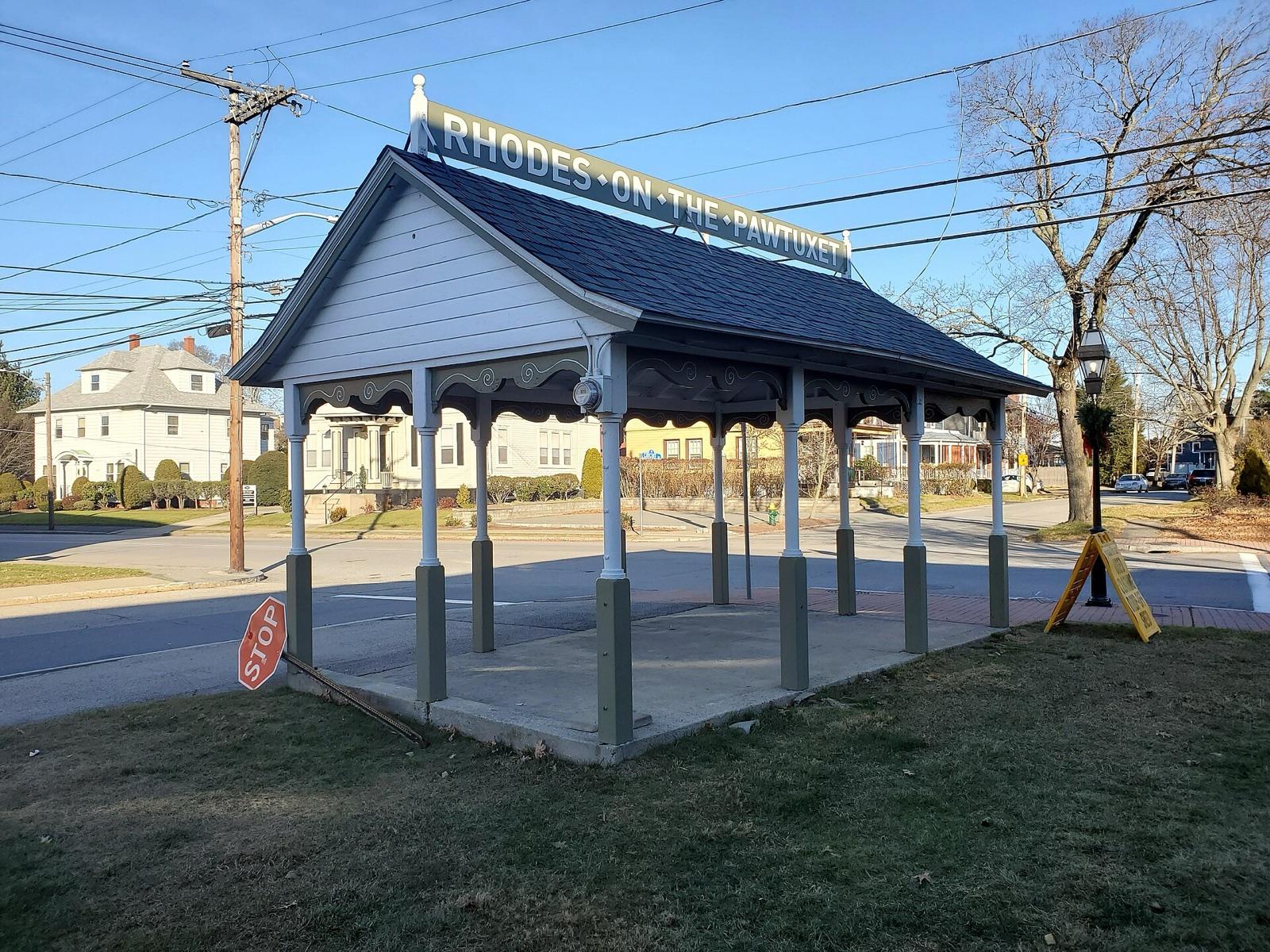
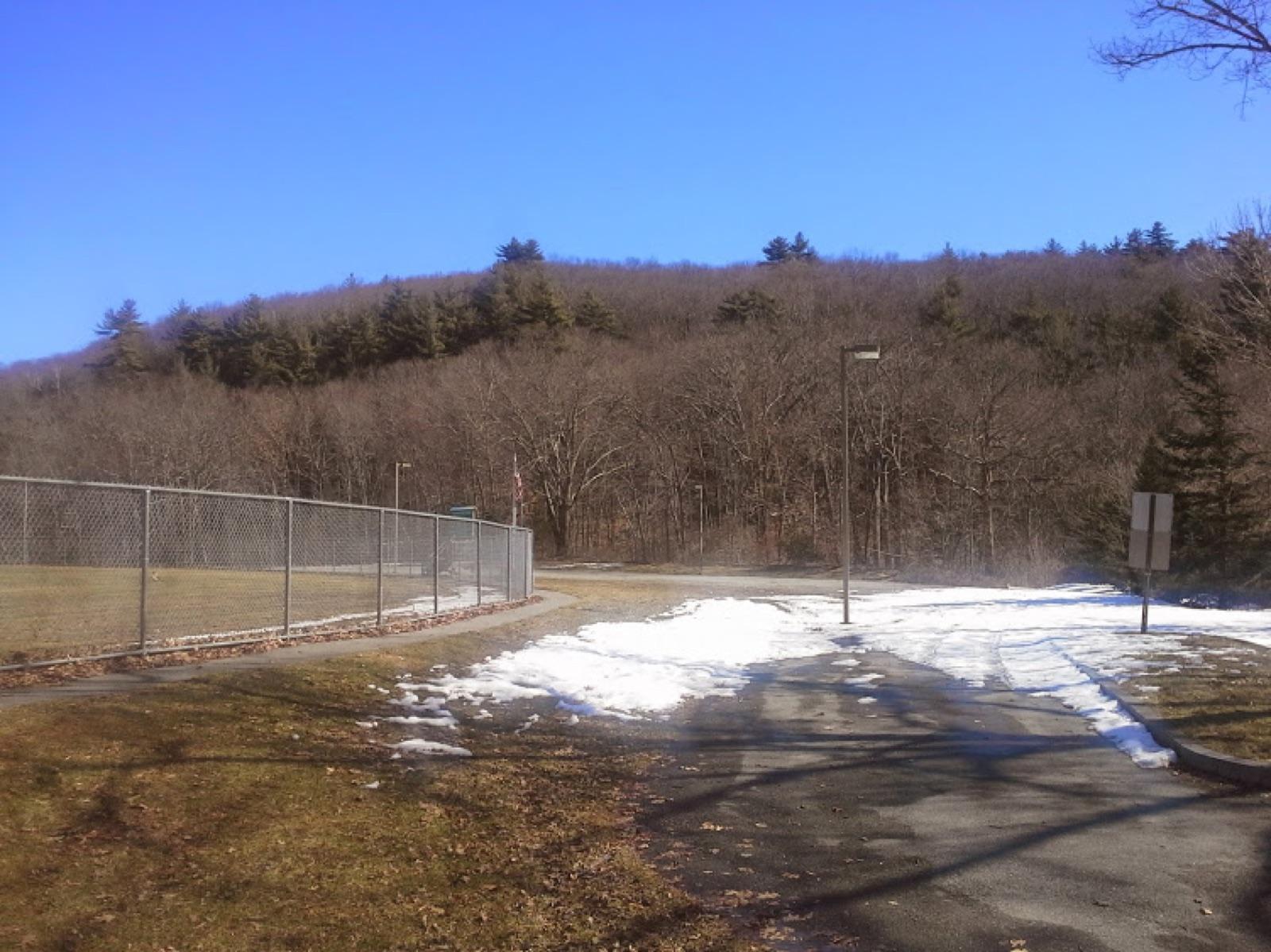
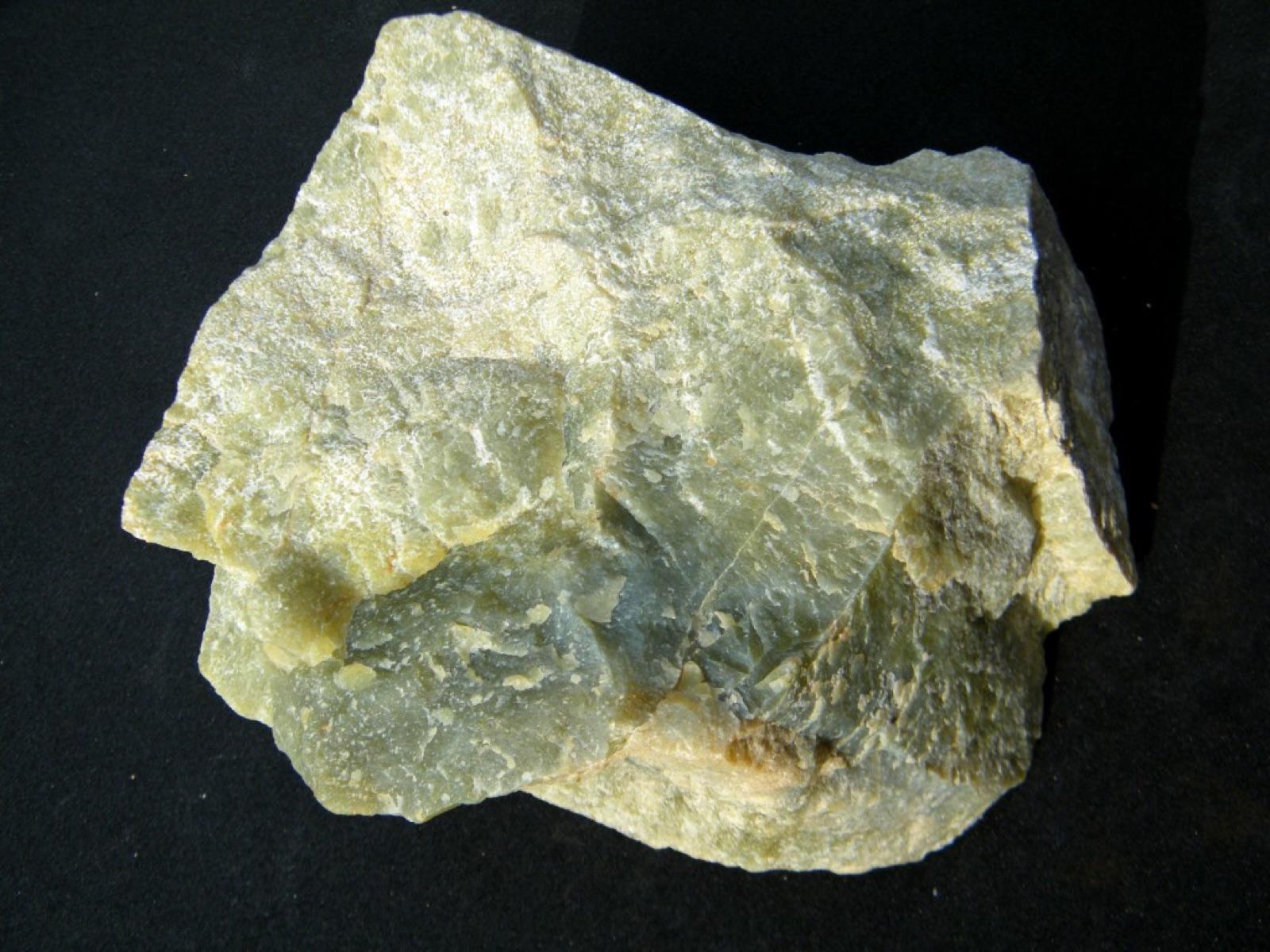
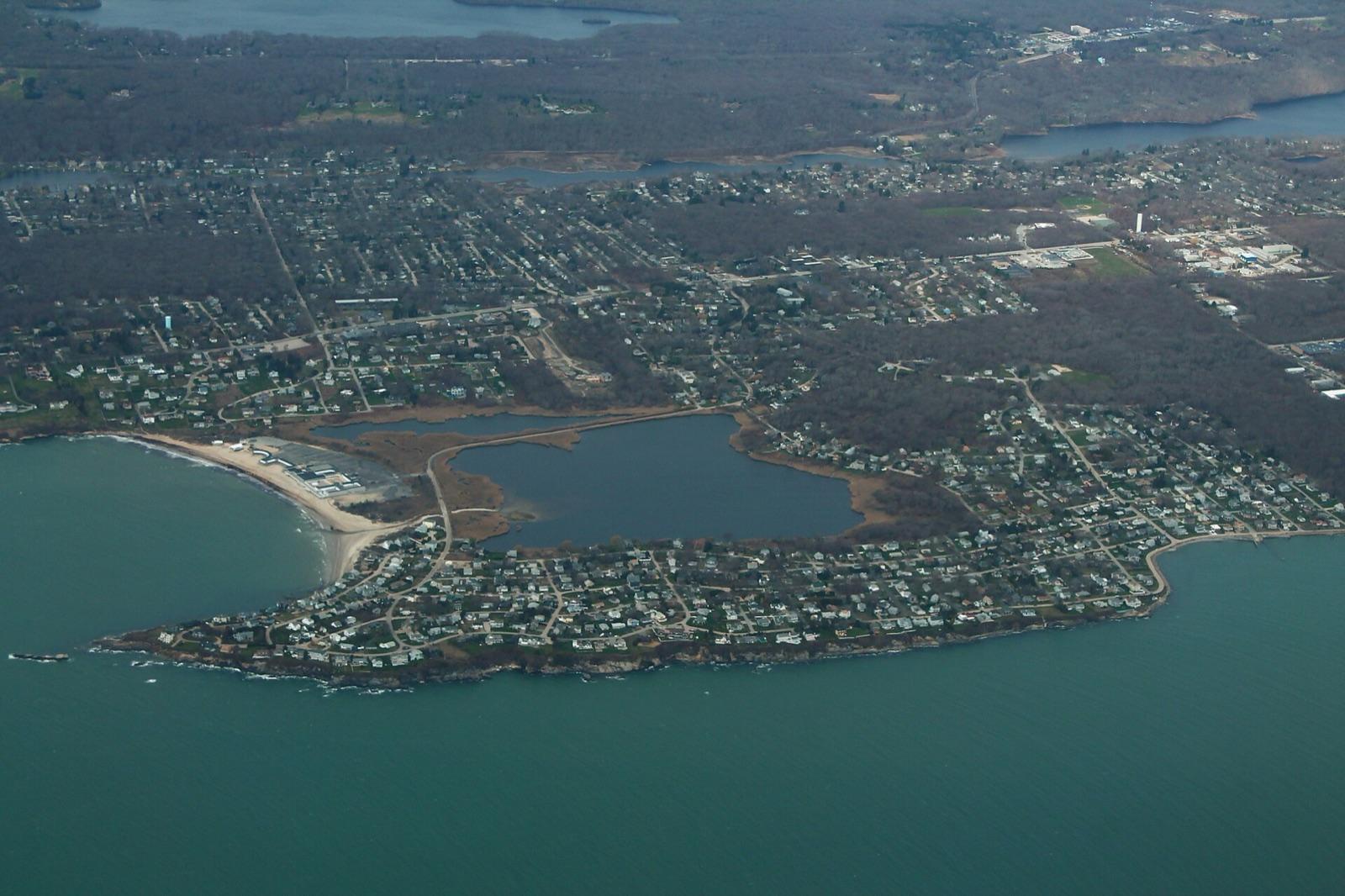
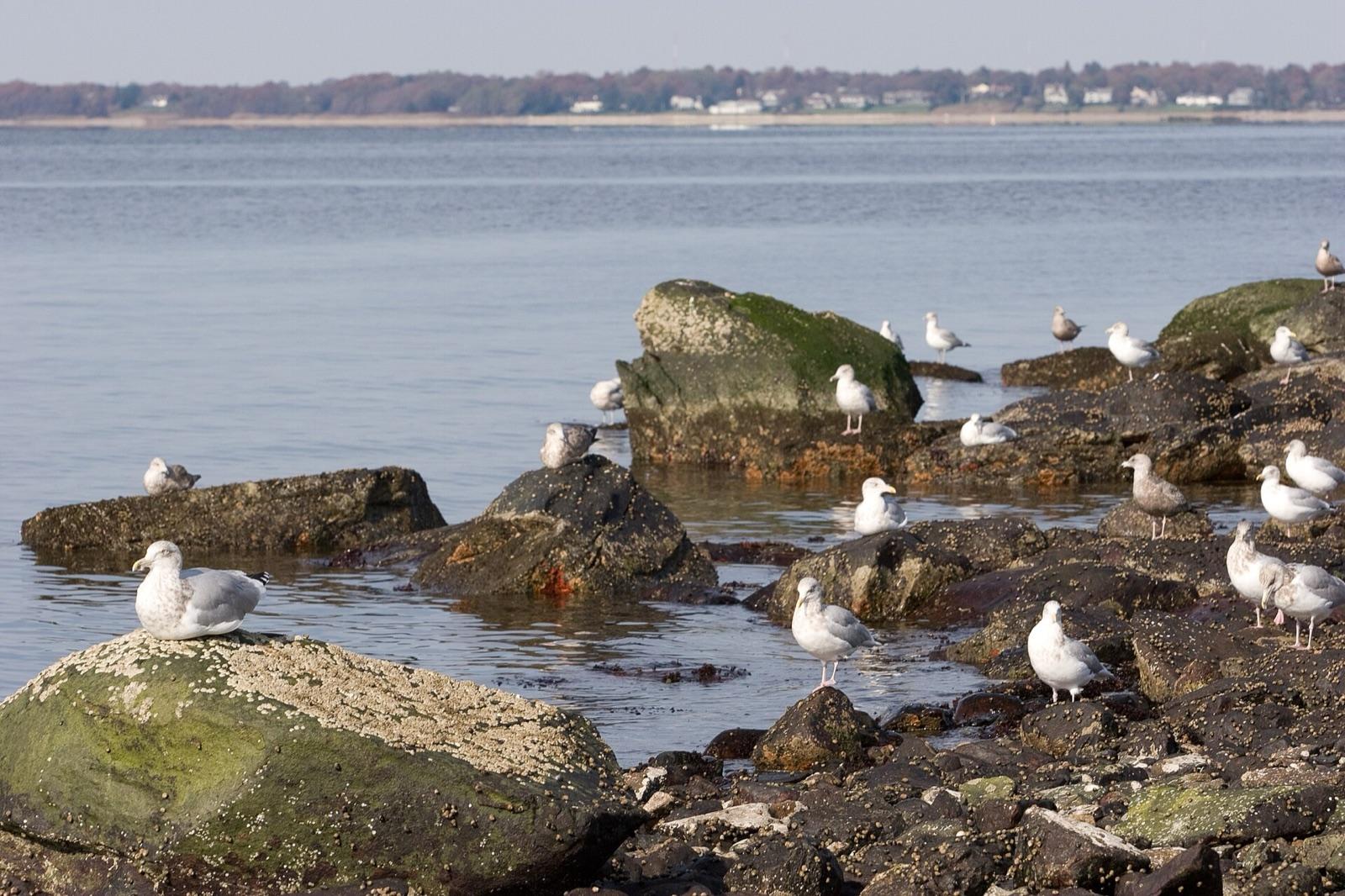
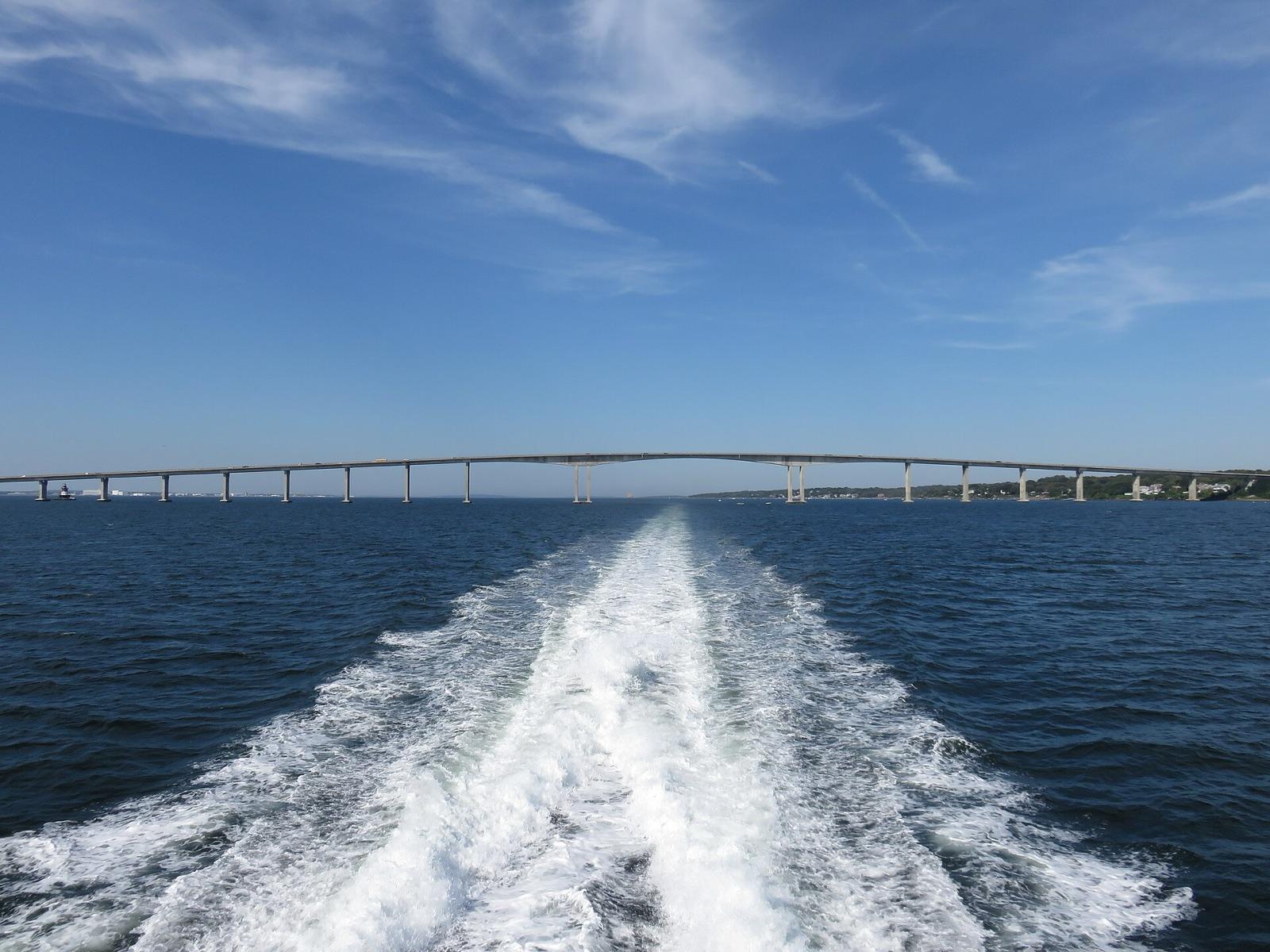
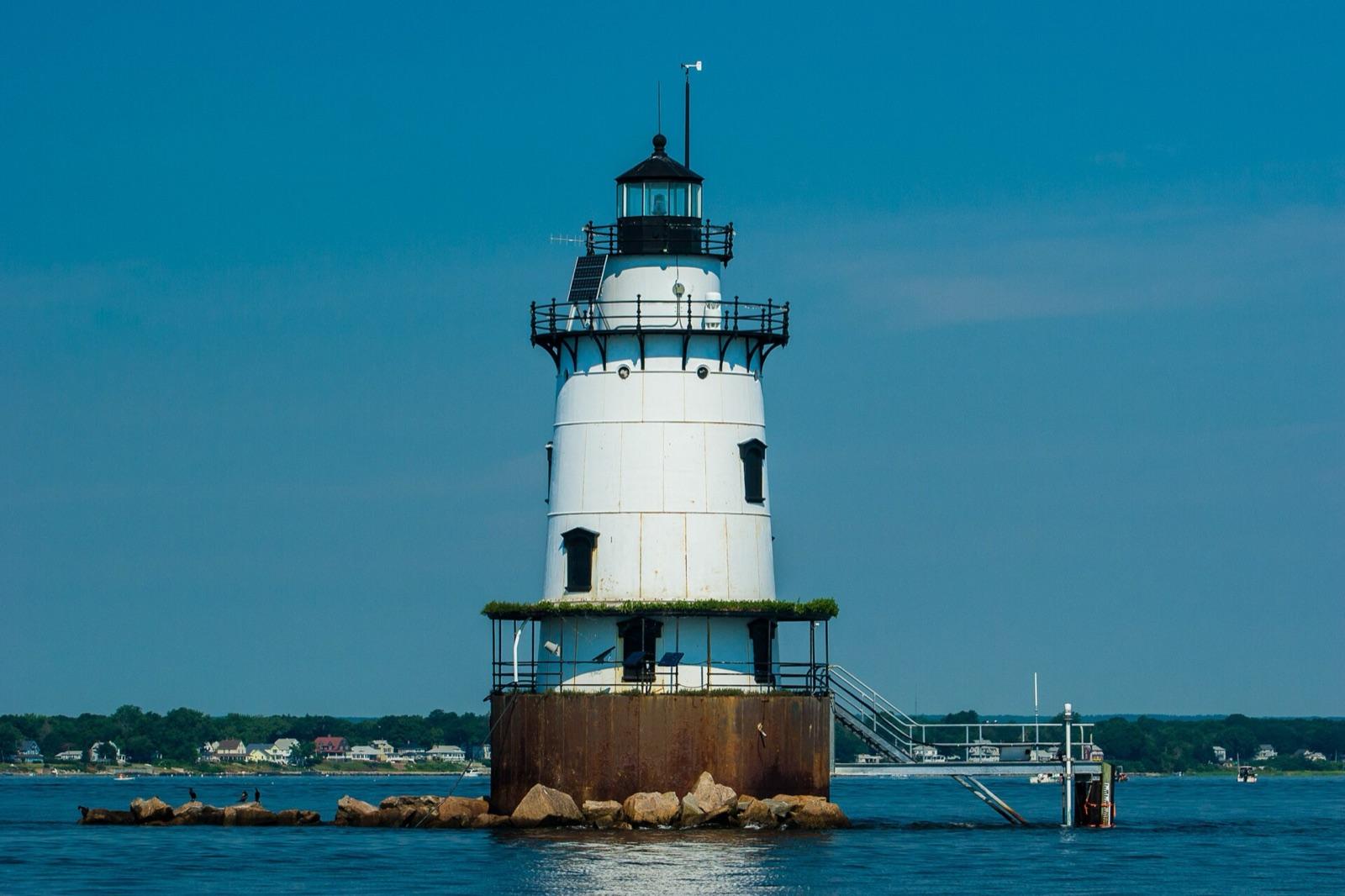
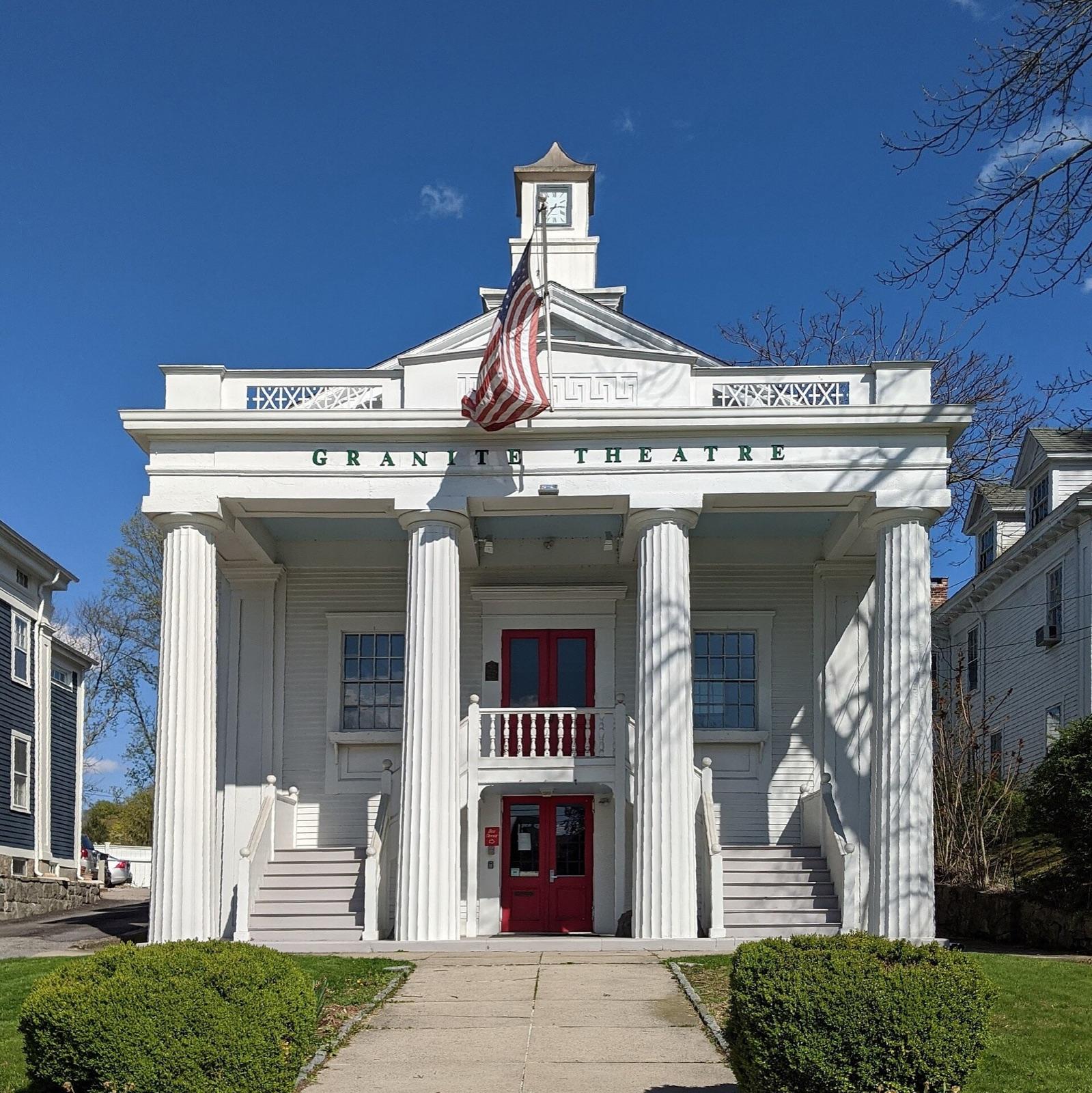
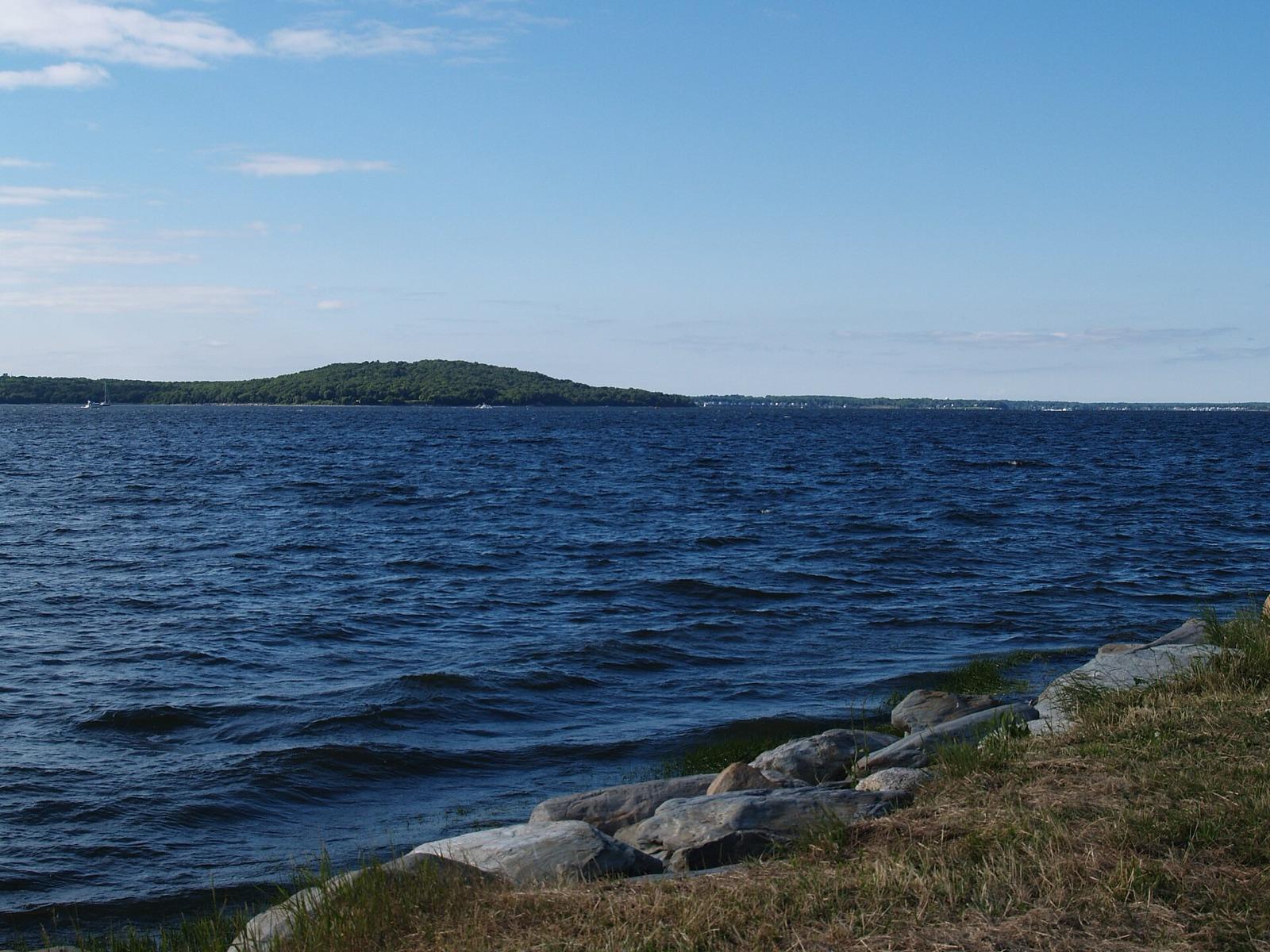
Rhode Island rockhounding photos

Representative spot and material photos from locations in this state, shown where verified public image records are available.

5 photos

Top minerals found in Rhode Island

Counts reflect how many spots in this list mention each mineral.

Notable areas: Diamond Hill quartz, Lincoln bowenite, Iron Mine Hill cumberlandite, and South County beach carnelian and jasper are the Rhode Island targets collectors travel for.

Geology behind Rhode Island rockhounding

Rhode Island is Avalonian basement: Precambrian and Cambrian granite, gneiss, and marble in the northeast around Lincoln and Cumberland, the Pennsylvanian Narragansett Basin of sandstone, shale, and coal under Providence and the bay, and Devonian granites in the west and south. The Blackstone Valley marble and serpentinite around Lime Rock and Lincoln produced bowenite, the apple-green serpentine that is the state mineral, and Iron Mine Hill in Cumberland is the only outcrop of cumberlandite, a magnetite-rich rock that is the state rock. Diamond Hill in Cumberland is a massive quartz vein, once a source of amethyst and clear quartz, now a town park. Small pegmatites around Johnston and North Providence carried beryl and amazonite. Glacial drift and the ocean built the beaches of Narragansett, Westerly, Warwick, Bristol, and Jamestown, which concentrate jasper, agate, carnelian, and quartz pebbles from bedrock to the north.

Best regions to focus your search

Blackstone Valley (Cumberland, Lincoln, North Providence, Johnston)

Diamond Hill Park's quartz, bowenite in the Lime Rock marble belt, cumberlandite at Iron Mine Hill, and pegmatite minerals around Johnston. Town park rules and private land govern access.

Narragansett Bay shore (Bristol, Warwick, Newport)

Jasper, agate, and quartz pebbles at Mt. Hope Bay, Warwick's bay beaches, Pawtuxet, and the Jamestown Bridge shore, surface picking on public beaches.

South County beaches (Narragansett, Westerly)

Carnelian, jasper, and agate pebbles on the ocean beaches after winter storms and on falling tides. Town beaches allow picking; state beaches do not allow removal.

Best season

November through March for the beaches, after storms and at low tide, before summer beach rules and crowds; winter also empties the shore of parking fees. Inland sites are best in April and May and in October after leaf-off.

What to bring

A spray bottle, a mesh bag, and a tide table for the beaches; a rock hammer, safety glasses, and a hand lens for the Blackstone Valley, though most sites are look-and-pick rather than hammer-and-chisel. Warm layers for winter shore days.

Local collecting history

Diamond Hill's quartz has been noted since colonial times and its amethyst was collected in the 1800s. The Lime Rock quarries supplied lime and marble from the 1600s. Bowenite became the state mineral and cumberlandite the state rock in 1966.

Rockhounding near major Rhode Island cities

Day-trip range. Each section lists the closest mapped rockhounding spots within about 150 miles of the city. Most are inside a 2 to 3 hour drive.

Neighboring states with rockhounding

Geology rarely respects state borders. These states share mapped rockhounding country with Rhode Island, useful when Rhode Island is the start, not the whole trip. Each card links to the closest county across the line.

Rockhounding by county in Rhode Island

County pages are linked once we have at least 3 mapped spots for a focused guide with coordinates, mineral notes, and nearby spots.

Top picks in Rhode Island

10 best spots

Hand-picked standouts from the Rhode Island list, chosen for unusual mineralogy, documented public access, or both. Each card links to coordinates, access notes, and what to look for.

Rock and mineral clubs in Rhode Island

1 club in Rhode Island. Clubs run field trips, shows and workshops, and many trips go to private claims you can't reach alone.

Full club directory →

Rhode Island rockhounding FAQ

Is rockhounding legal in Rhode Island?+
Yes, by surface picking on town beaches, in town parks under their rules, and on private land with permission. Rhode Island DEM state parks, state beaches, and management areas prohibit removing rocks and minerals.
Can I collect quartz at Diamond Hill?+
Diamond Hill Park in Cumberland preserves the quartz outcrop as a town park. Loose quartz on the trails is a look-and-pick situation under town rules; hammering the outcrop is not allowed, and the amethyst pockets of the 1800s are long gone.
Where do you find bowenite?+
The marble and serpentinite belt of Lincoln and Cumberland around Lime Rock, mostly in quarries that are private or reclaimed. Bowenite is an apple-green serpentine hard enough to carve; local clubs occasionally arrange access.
Which beaches are best for jasper and carnelian?+
The South County ocean beaches at Narragansett and Westerly after winter storms, and the bay shores at Bristol, Warwick, and Jamestown. Look on falling tides in the gravel bands. Town beaches allow picking; state beaches do not.
What rocks and minerals can you find in Rhode Island?+
Rhode Island spots in this list most often produce quartz, jasper, amethyst, carnelian, agate, chalcedony, beryl, and amazonite, plus bowenite and cumberlandite.
Where can I go rock hunting in Rhode Island?+
Rock hunting, rock collecting and rockhounding are the same hobby under different names. 17 spots are mapped in Rhode Island, 17 of them with public access. Providence County, Bristol County, and Kent County have the most.
Is there gem mining or pay-to-dig in Rhode Island?+
No fee digs or pay-to-dig gem mines are mapped in Rhode Island yet. 17 of the 17 spots here have public access, so you can collect without paying a dig fee.
Where can I dig for crystals in Rhode Island?+
10 mapped spots in Rhode Island report quartz, amethyst, or smoky quartz, mostly in Providence County, Bristol County, and Newport County. Each one is in the list on this page with its land access.
Can you find geodes in Rhode Island?+
None of the 17 mapped spots in Rhode Island report geodes. The nearest states with mapped geode spots are New York (1), New Jersey (1), and Pennsylvania (4).

Map every Rhode Island spot in the app

Open the RockHoundR app to see Rhode Island on a real map with public land overlays, weather, geology, and your saved finds.

Download on the App StoreGet it on Google Play