Rockhounding in New York

Updated August 2026

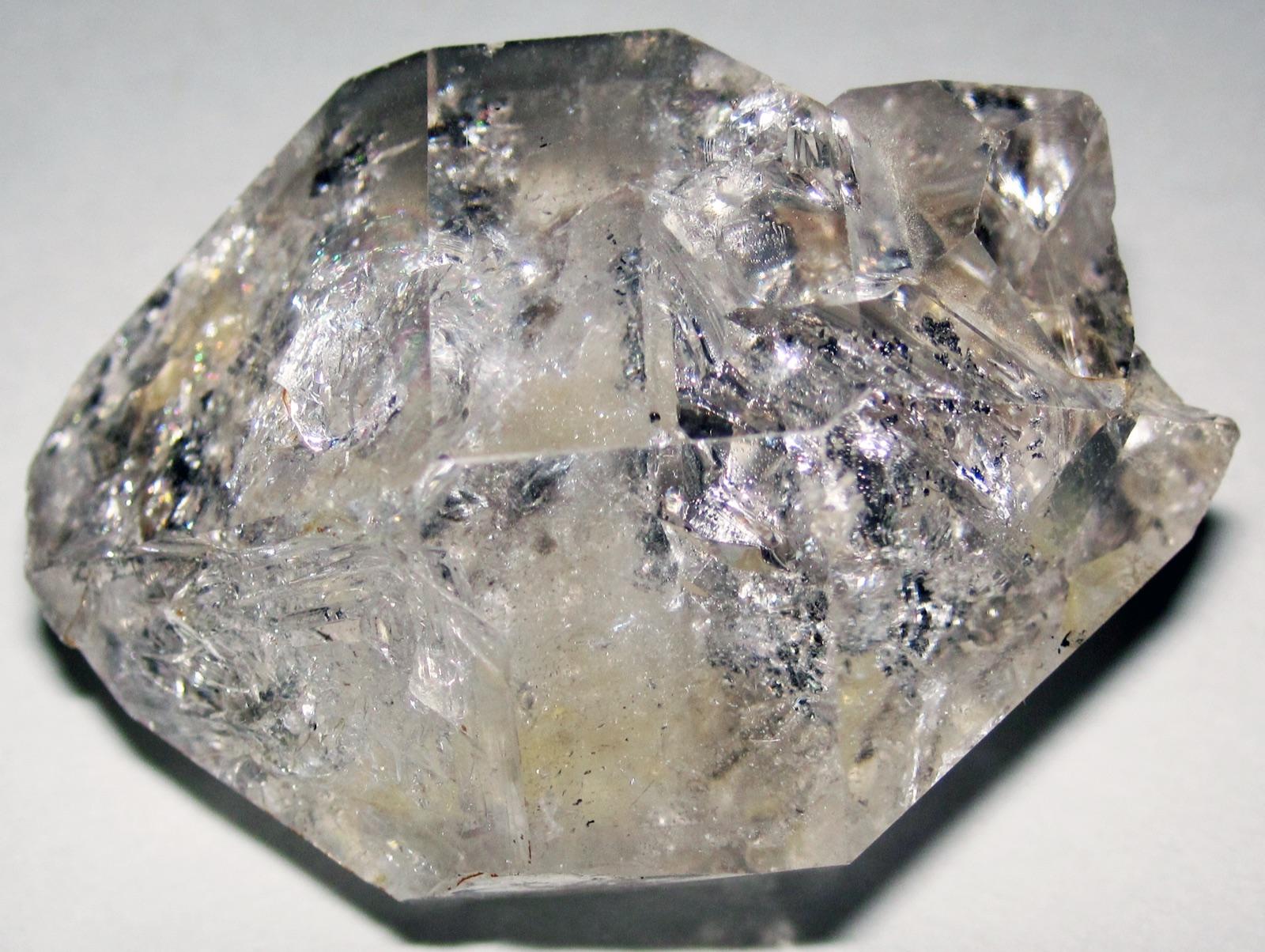
92 mapped spots for rock hunting and rock collecting across 29 counties. New York is Herkimer diamond country first, with the fee mines along the Mohawk Valley open every season, and then the Adirondack lowlands of St. Lawrence County, where road cuts and old mines give up tourmaline, fluorite, calcite, and the Balmat district's zinc minerals. Gore Mountain garnet, Orange County spinel, and Devonian fossils around Buffalo round out the state.

Where is the best rockhounding in New York?

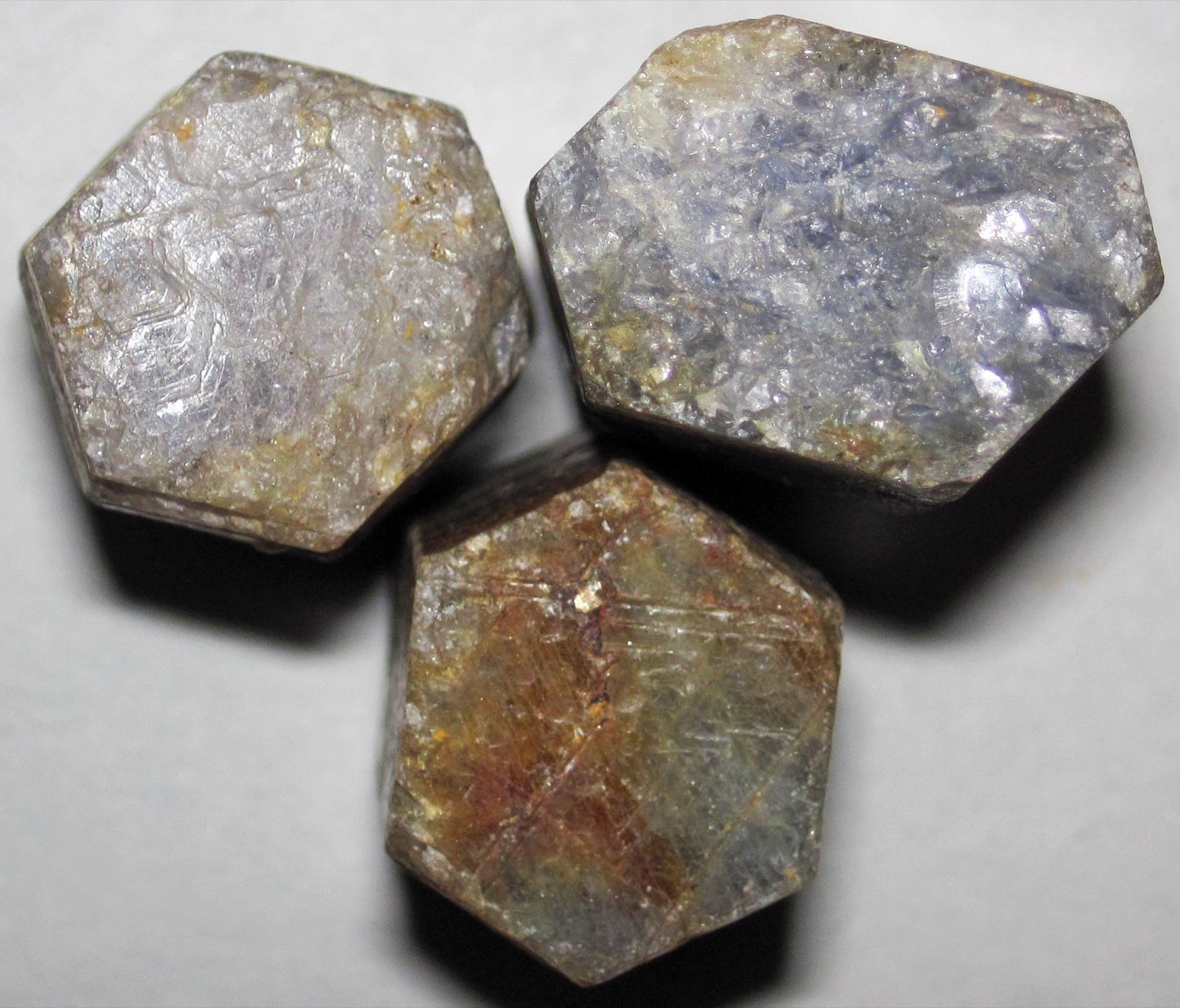
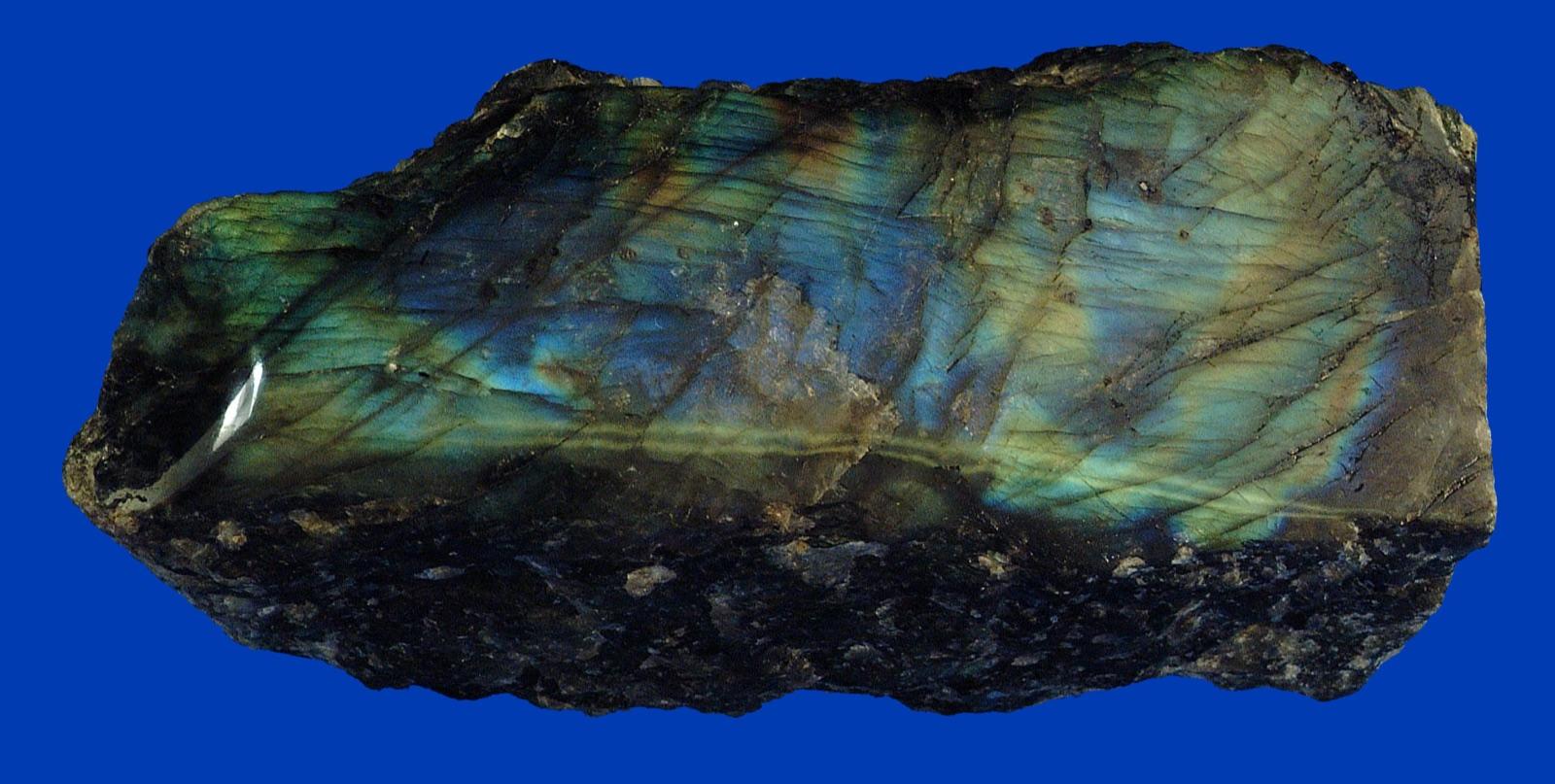
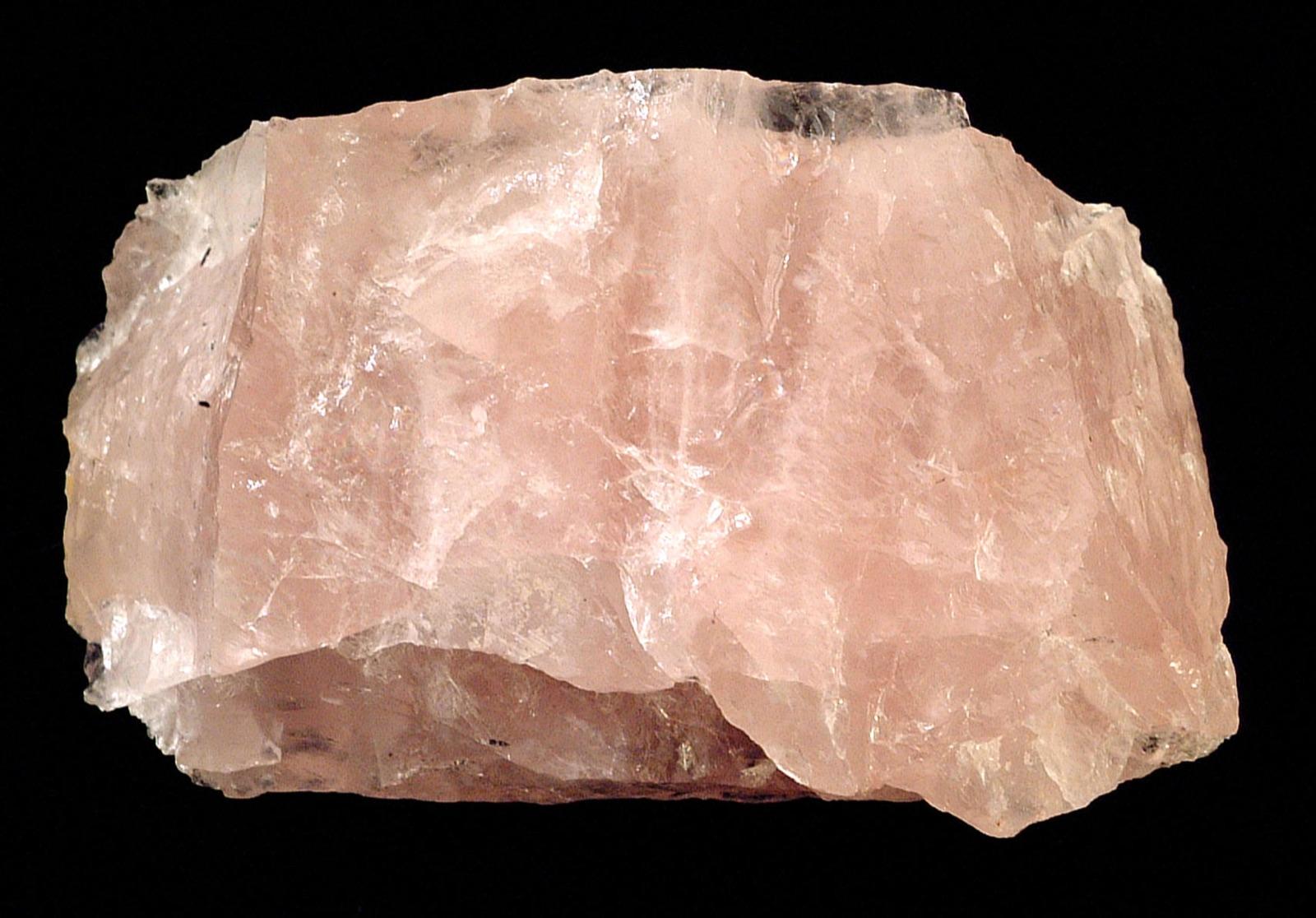
The best rockhounding in New York is at Amity in Orange County (blue corundum, white corundum), Crown Point in Essex County (sunstone), and Mill Pond in Essex County (rose quartz). In total, 92 mapped collecting spots across 29 counties produce herkimer diamond, calcite, and fluorite, each listed below with its land access.

Open the full map

Every rockhounding spot in New York

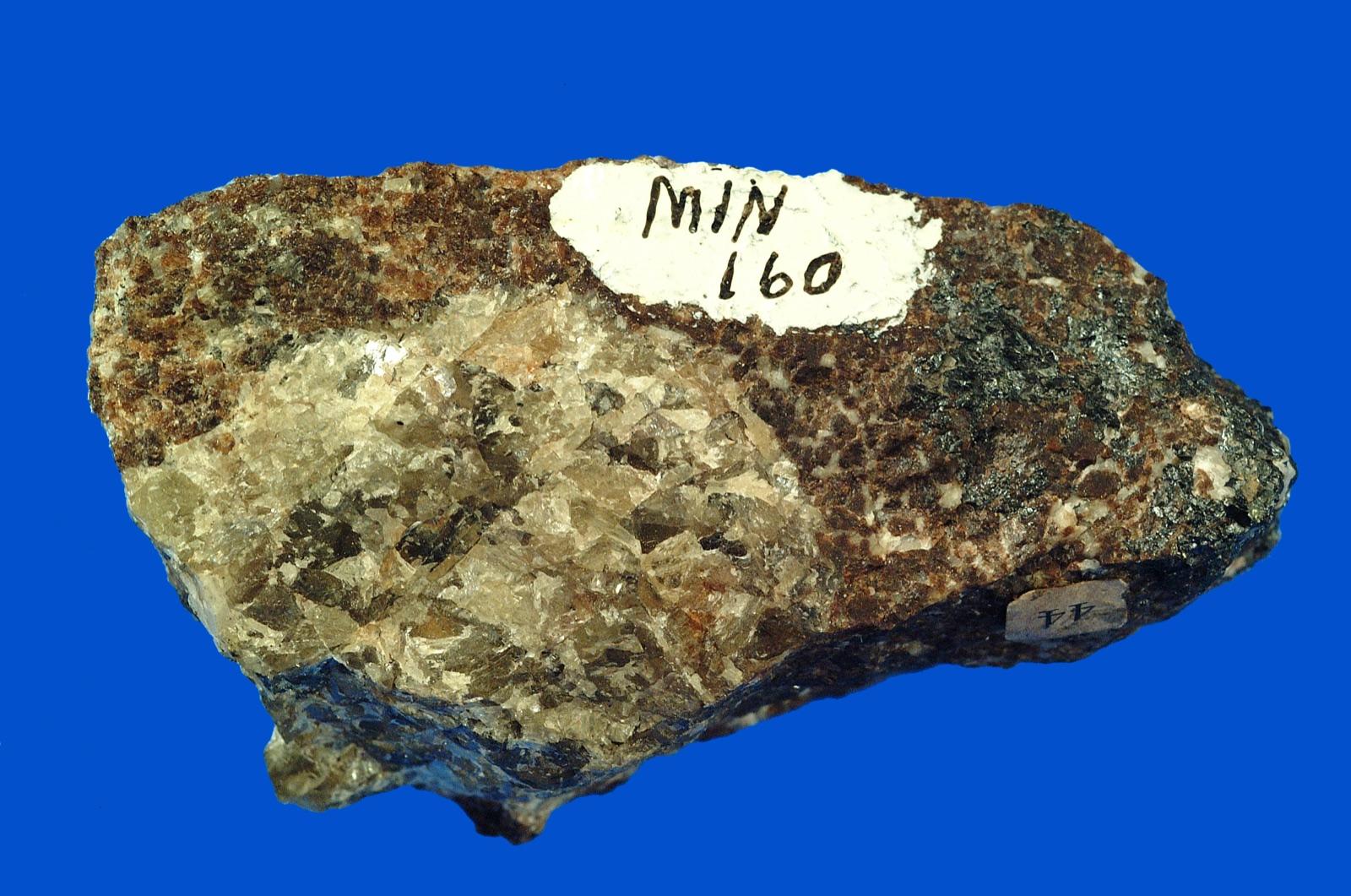
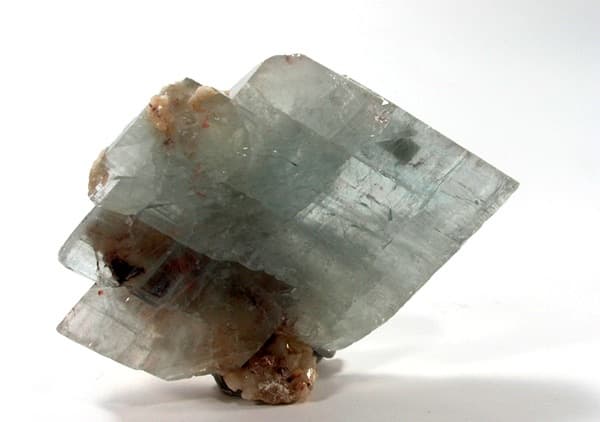
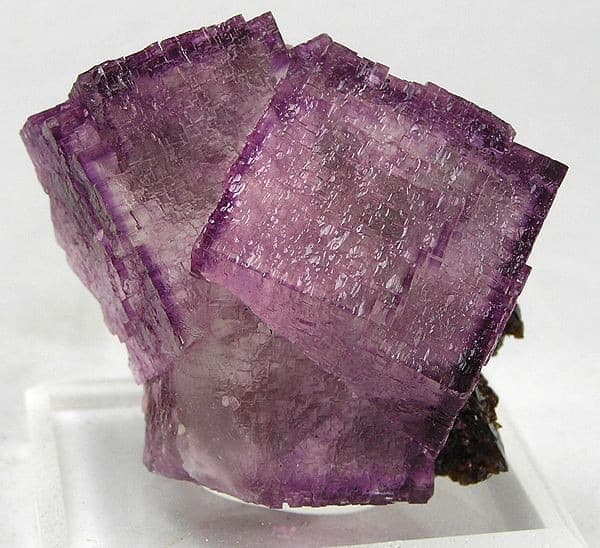
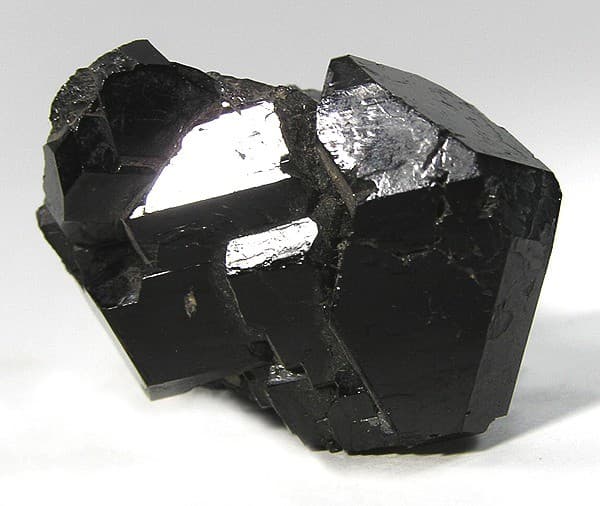
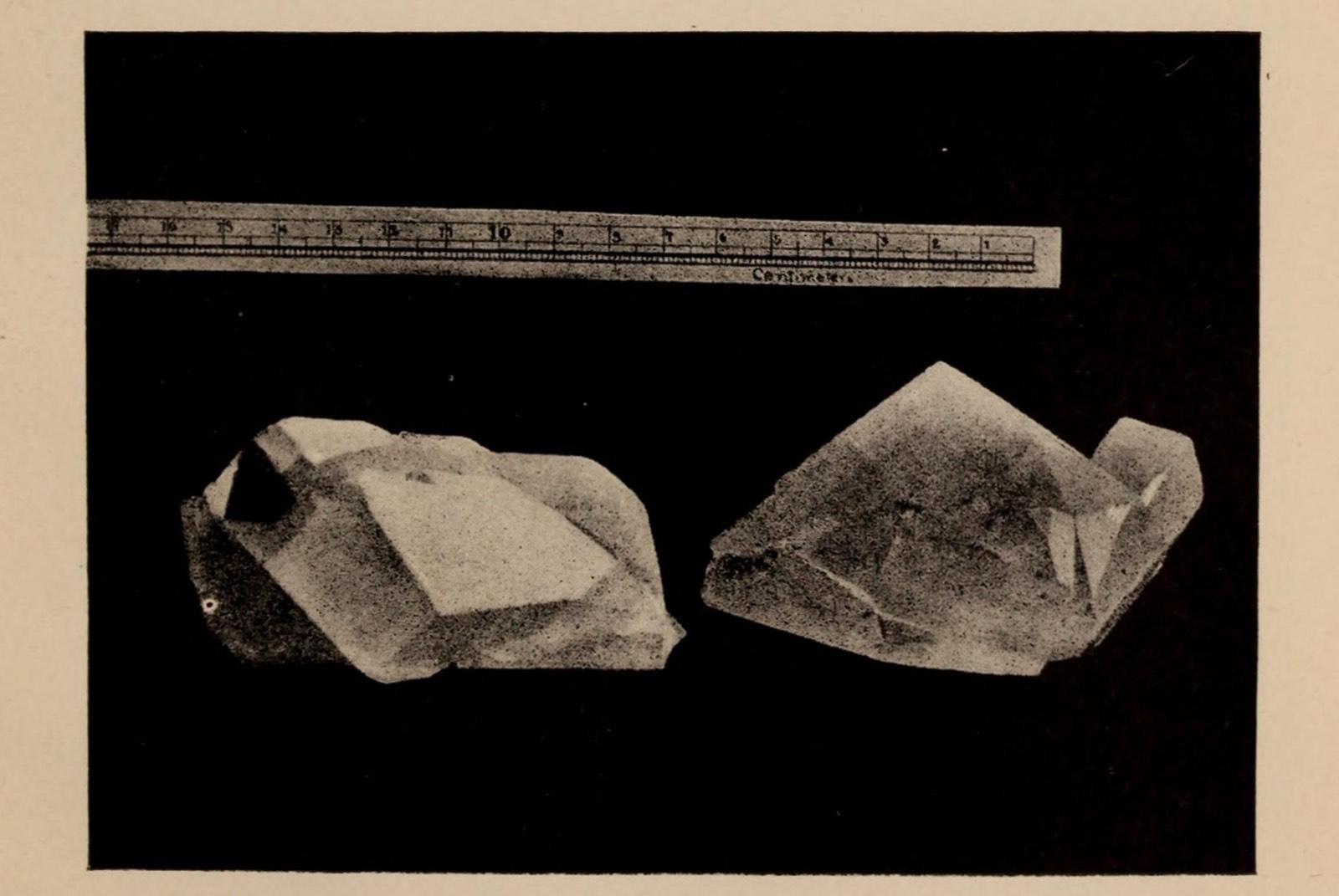
New York rockhounding photos

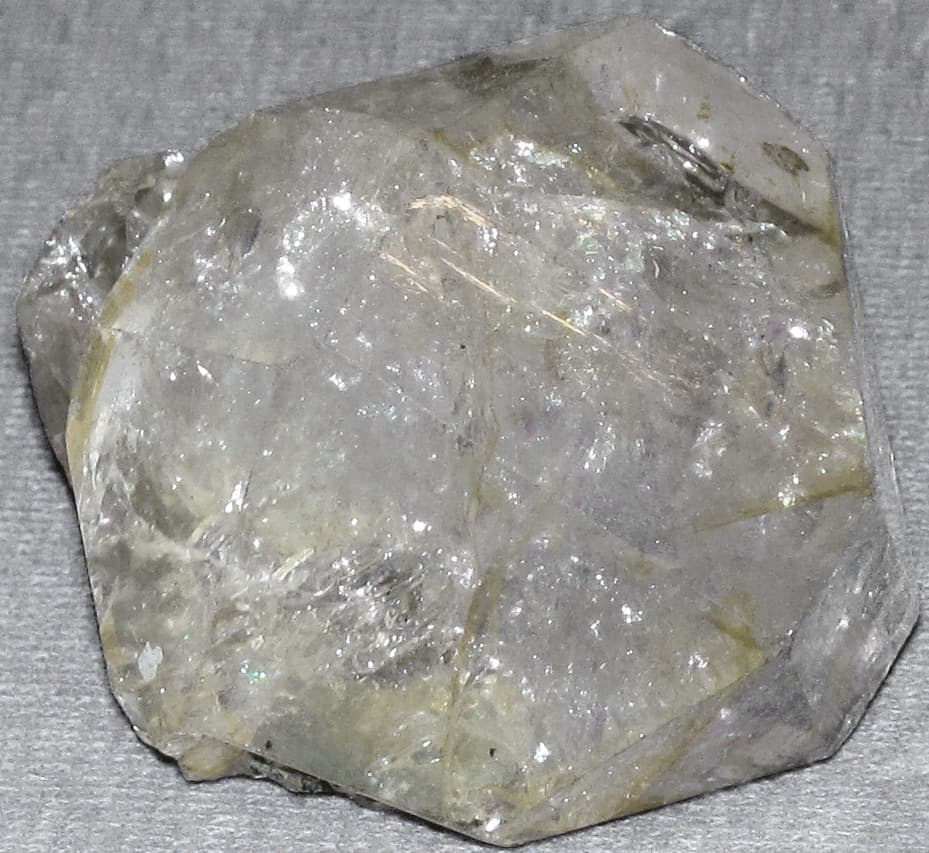
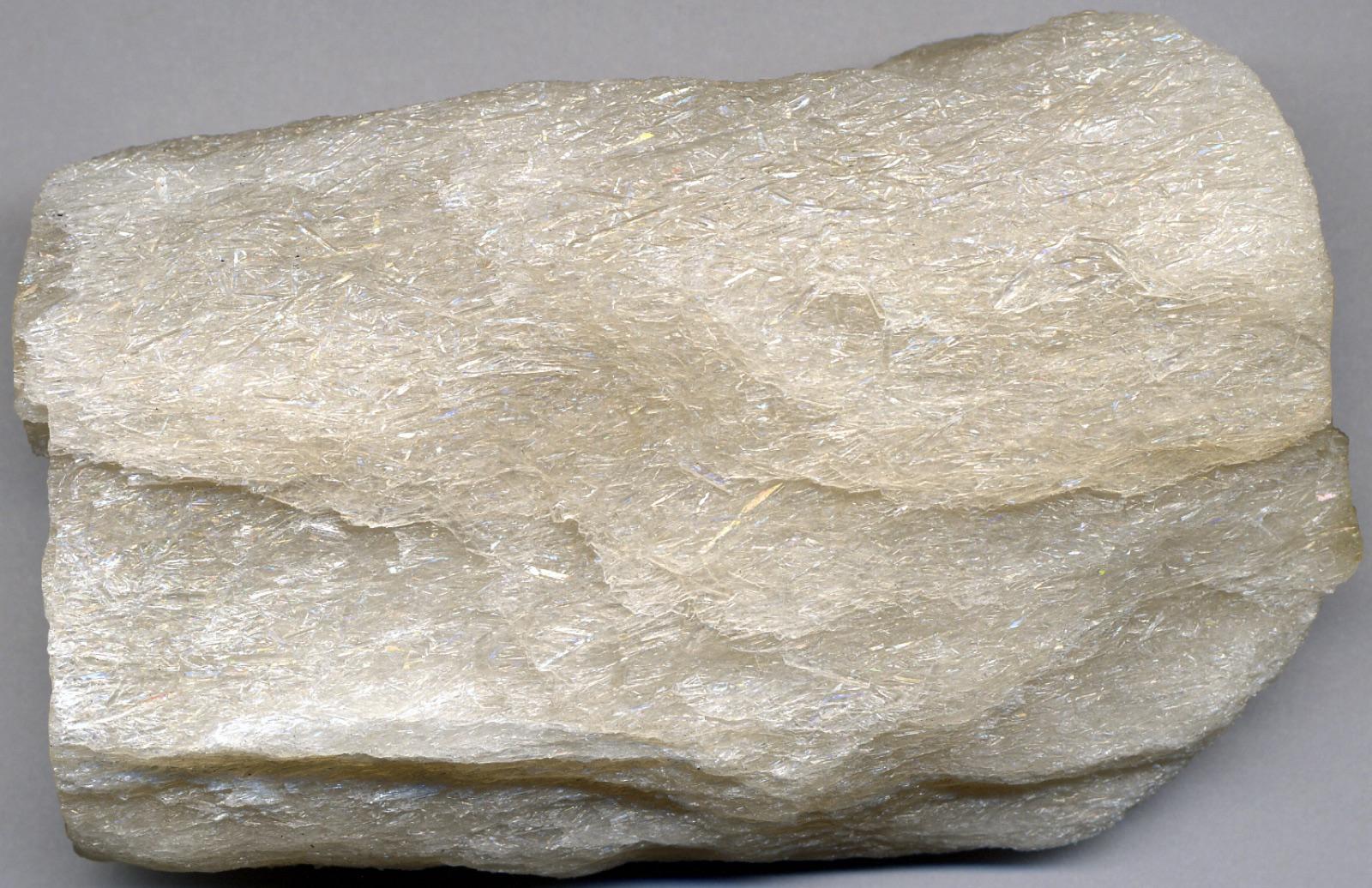
Representative spot and material photos from locations in this state, shown where verified public image records are available.

5 photos

Top minerals found in New York

Counts reflect how many spots in this list mention each mineral.

Notable areas: Herkimer diamonds, Gore Mountain garnet, Selleck Road dravite, Rossie calcite and fluorite, Balmat sphalerite and talc, Amity spinel, and 18 Mile Creek trilobites are the classic New York targets.

Geology behind New York rockhounding

The Adirondacks are a dome of billion-year-old Grenville metamorphic rock. Their northwest lowlands in St. Lawrence County carry marble and calc-silicate rocks that host the classic localities: dravite and uvite tourmaline near Pierrepont and Gouverneur, fluorite and calcite around Rossie and Oxbow, and the Balmat-Edwards zinc belt with sphalerite, talc, and tremolite. The Adirondack highlands hold Gore Mountain's giant almandine garnet, Crown Point and Essex County magnetite and labradorite, and Clinton County iron. Along the Mohawk Valley, Cambrian Little Falls dolostone contains the vugs that grow doubly terminated Herkimer diamonds from Herkimer County east through Montgomery County. Southeast, the Hudson Highlands in Orange County carry spinel, chondrodite, and magnetite at Amity and the Franklin-related marbles. Western New York is flat-lying Devonian shale and limestone with trilobites, brachiopods, and pyrite nodules in creek beds like 18 Mile Creek, and the Silurian Lockport dolomite around Niagara carries fluorite, sphalerite, and calcite in vugs.

Best regions to focus your search

Mohawk Valley Herkimer diamonds (Herkimer, Montgomery)

Fee mines around Middleville and Little Falls (Herkimer Diamond Mines, Ace of Diamonds, Crystal Grove) sell by the day and let you sledge dolostone for pockets. Road cuts near Sprakers and Fonda expose the same beds but the right-of-way is not public collecting ground.

St. Lawrence County lowlands

Selleck Road tourmaline, Oxbow and Rossie calcite and fluorite, Balmat, Edwards, and Fowler zinc-belt minerals, and the Gouverneur talc district. A mix of road cuts, private farms, and mine dumps; club trips open most of it.

Adirondack highlands (Essex, Warren, Clinton)

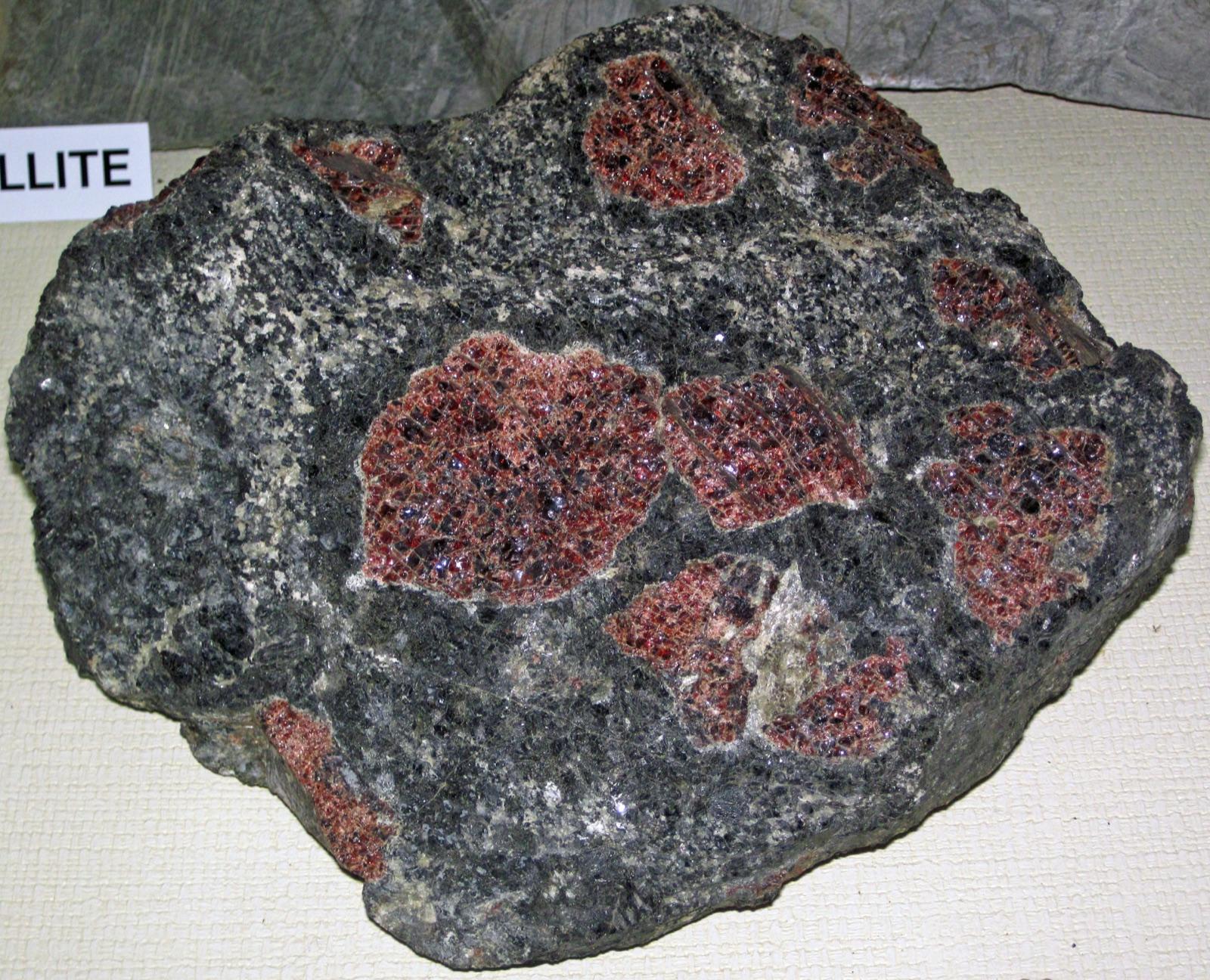
Barton's Gore Mountain garnet mine offers guided collecting tours, Crown Point and Mill Pond turn up magnetite, labradorite, and garnet on old iron ground. Forest Preserve land in between is closed to removal.

Western New York fossils and Niagara minerals

Devonian trilobites and brachiopods in the shale of 18 Mile Creek and at the Penn Dixie fee site in Hamburg, and Lockport dolomite vug minerals around Niagara County quarries on club days.

Best season

Mid-April through October. The Herkimer fee mines and Gore Mountain tours open in spring and close around the end of October. St. Lawrence County road cuts are best after spring melt exposes fresh talus, and western New York creek fossils are best at summer low water. Everything north of the Mohawk is under snow from December to March.

What to bring

For Herkimer pockets a three-pound sledge, cold chisels, safety glasses, and gloves; a crack hammer, wedges, and a pry bar for larger blocks. For creek fossils a putty knife, a small pick, and newspaper for wrapping. Sturdy boots and bug spray for the North Country.

Local collecting history

Herkimer diamonds were noted by Mohawk Valley settlers in the 1700s and mined for collectors since the early 1900s. St. Lawrence County's iron, talc, and zinc mines ran from the 1830s into the 21st century, leaving the road cuts and dumps that mineral clubs still visit. Gore Mountain's garnet, mined since 1878, became the state gem in 1969.

Rockhounding near major New York cities

Day-trip range. Each section lists the closest mapped rockhounding spots within about 150 miles of the city. Most are inside a 2 to 3 hour drive.

Neighboring states with rockhounding

Geology rarely respects state borders. These states share mapped rockhounding country with New York, useful when New York is the start, not the whole trip. Each card links to the closest county across the line.

Rockhounding by county in New York

County pages are linked once we have at least 3 mapped spots for a focused guide with coordinates, mineral notes, and nearby spots.

Top picks in New York

15 best spots

Hand-picked standouts from the New York list, chosen for unusual mineralogy, documented public access, or both. Each card links to coordinates, access notes, and what to look for.

Fee digs and gem mining in New York

13 places in New York where you pay to dig and keep what you find. Prices and seasons change, so check with the operator before you drive out.

  • Crystal DazeFulton CountyHerkimer Diamond
  • Crystal Grove Diamond MineFulton CountyHerkimer Diamond
  • Ace of Diamonds MineHerkimer CountyHerkimer Diamond
  • Diamond Mountain MiningHerkimer CountyGarnet, Epidote, Quartz
  • Herkimer Diamond MinesHerkimer County
  • Hidden Gem MineHerkimer CountyHerkimer Diamond
  • Russell Family MineHerkimer CountyHerkimer Diamond
  • Treasure Mountain MineHerkimer CountyQuartz, Fluorite, Calcite
  • Diamond Acres MineMontgomery CountyHerkimer Diamond, Quartz
  • Diamond Acres MineMontgomery County
  • Herkimer Mountain Diamond MineMontgomery CountyHerkimer Diamond
  • Mohawk ValleyMontgomery CountyHerkimer Diamond
  • Soul Phamily FarmMontgomery CountyHerkimer Diamond

Gem mining in New York, on its own map →

Rock and mineral clubs in New York

15 clubs in New York. Clubs run field trips, shows and workshops, and many trips go to private claims you can't reach alone.

All 15 New York clubs →

New York rockhounding FAQ

Is rockhounding legal in New York?+
Yes, at fee mines, on club field trips, and on private land with permission. New York's public lands are mostly closed: the Forest Preserve, state parks, and DEC lands prohibit removing rocks and minerals without a permit. That is why the Herkimer mines, Gore Mountain tours, and Penn Dixie matter so much here.
Where can I dig Herkimer diamonds?+
At the fee mines around Middleville and St. Johnsville in Herkimer and Montgomery counties: Herkimer Diamond Mines, Ace of Diamonds, and Crystal Grove Diamond Mine, open roughly mid-April through October. Bring a sledge, chisels, and eye protection; pockets in the Little Falls dolostone hold the doubly terminated quartz.
Can I collect at Gore Mountain?+
Barton Mines runs guided garnet collecting tours at Gore Mountain near North Creek in season, with a per-person take-home allowance. The working mine itself is closed. Loose garnet also shows up in the creeks below on private land.
Where are the good road cuts in St. Lawrence County?+
Around Rossie, Oxbow, Pierrepont, Edwards, and Fowler, where county and state roads cut Grenville marble and calc-silicate rock. Selleck Road near West Pierrepont is the famous dravite site. Rights-of-way are not public collecting land, so park safely, stay off the pavement, and respect posted cuts; local clubs know which are tolerated.
What rocks and minerals can you find in New York?+
New York spots in this list most often produce Herkimer diamonds, fluorite, calcite, quartz, galena, magnetite, labradorite, and sphalerite, plus tourmaline, garnet, spinel, and Devonian fossils.
Where can I go rock hunting in New York?+
Rock hunting, rock collecting and rockhounding are the same hobby under different names. 92 spots are mapped in New York, 65 of them with public access. Saint Lawrence County, Herkimer County, and Essex County have the most.
Is there gem mining or pay-to-dig in New York?+
Yes. 13 fee digs are mapped in New York, where you pay to dig and keep what you find: Crystal Daze, Crystal Grove Diamond Mine, Ace of Diamonds Mine, Diamond Mountain Mining, and 9 more. Prices and seasons change, so check with the operator before you drive out.
Where can I dig for crystals in New York?+
24 mapped spots in New York report quartz, amethyst, or smoky quartz, mostly in Herkimer County, Montgomery County, and Clinton County. Each one is in the list on this page with its land access.
Can you find geodes in New York?+
Yes. 1 mapped spot in New York reports geodes, mostly in Saint Lawrence County.
Where can I go fossil hunting in New York?+
2 mapped spots in New York report fossils, mostly in Erie County. On federal land you may keep common shells, corals and plant fossils. Bones and teeth of animals with a backbone are protected.

Map every New York spot in the app

Open the RockHoundR app to see New York on a real map with public land overlays, weather, geology, and your saved finds.

Download on the App StoreGet it on Google Play