
Franklin and Sterling Hill (Sussex)
Sterling Hill Mining Museum in Ogdensburg and the Franklin Mineral Museum's Buckwheat Dump run fee collecting on their mine dumps; bring a UV lamp. The mines themselves are closed except by tour.
Updated July 2026
72 mapped spots for rock hunting and rock collecting across 19 counties. New Jersey packs a lot into a small state: the Franklin and Sterling Hill zinc mines in Sussex County, the fluorescent mineral capital of the world, Cretaceous shark teeth and belemnites in the Monmouth County brooks, Cape May diamonds on the Delaware Bay beaches, amber from the Raritan clays, and prehnite and zeolites from the Watchung basalt quarries.
The best rockhounding in New Jersey is at Franklin in Sussex County (epidote, pyrite), Franklin-Ogdensburg-Sterling Hill mining district in Sussex County (willemite, zincite), and Shark River in Monmouth County (shark tooth, fossil). In total, 72 mapped collecting spots across 19 counties produce quartz, calcite, and amber, each listed below with its land access.
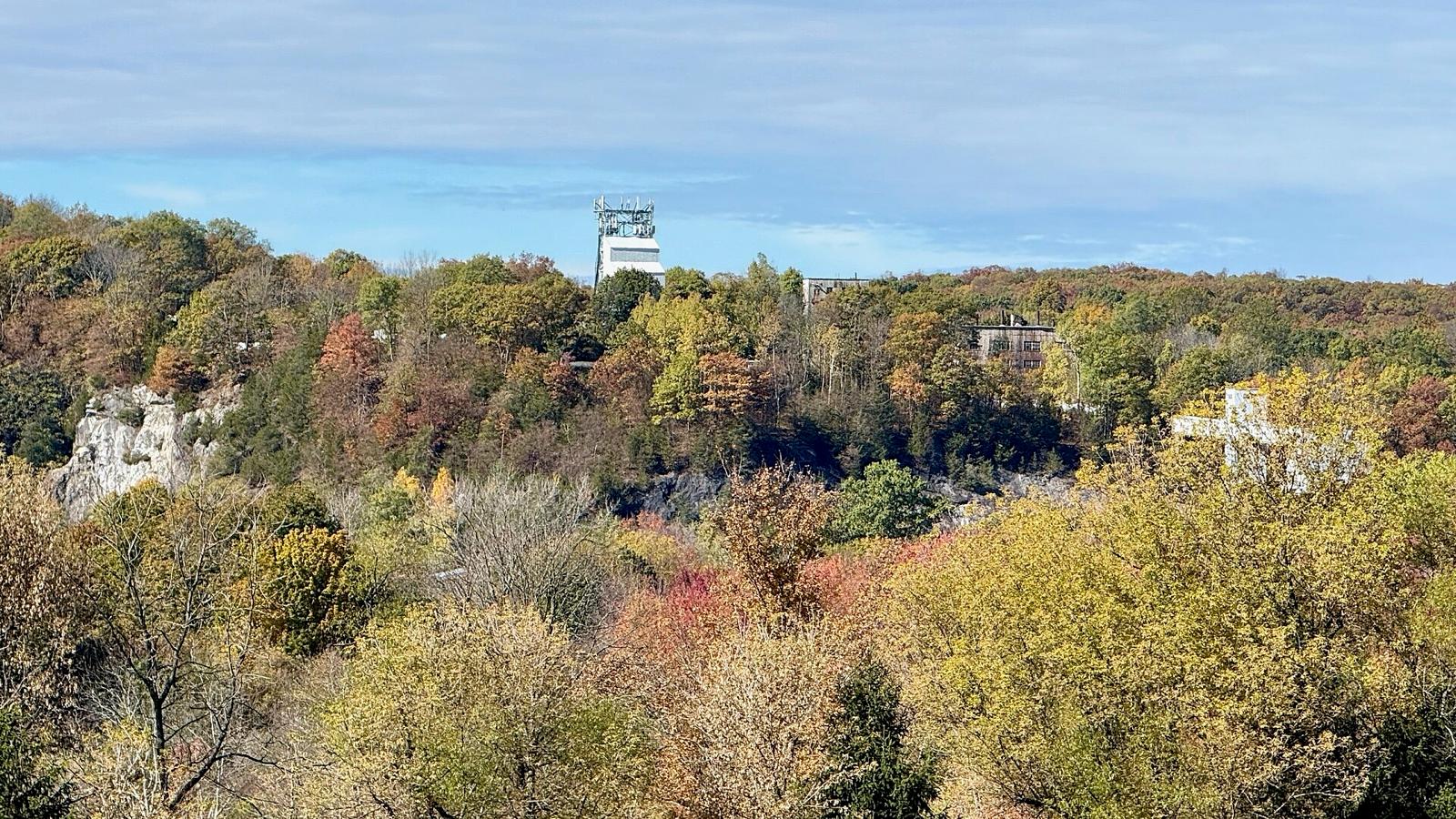 Best spotFranklin-Ogdensburg-Sterling Hill mining districtSussex County, New JerseyPublic access · Willemite, Zincite, Calcite +1
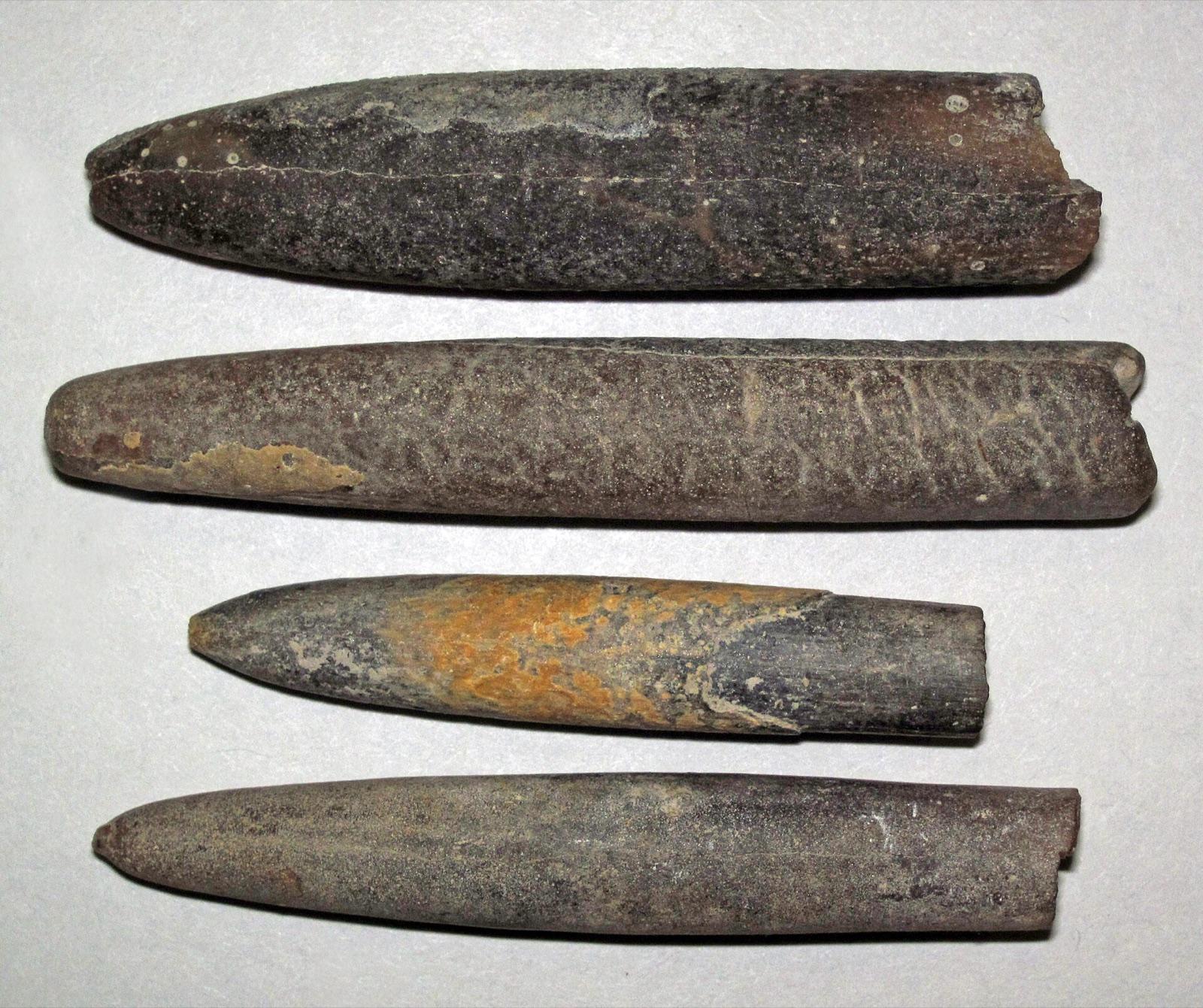 Best spotBig Brook ParkMonmouth County, New JerseyPublic access · Shark Tooth, Belemnite, Fossil
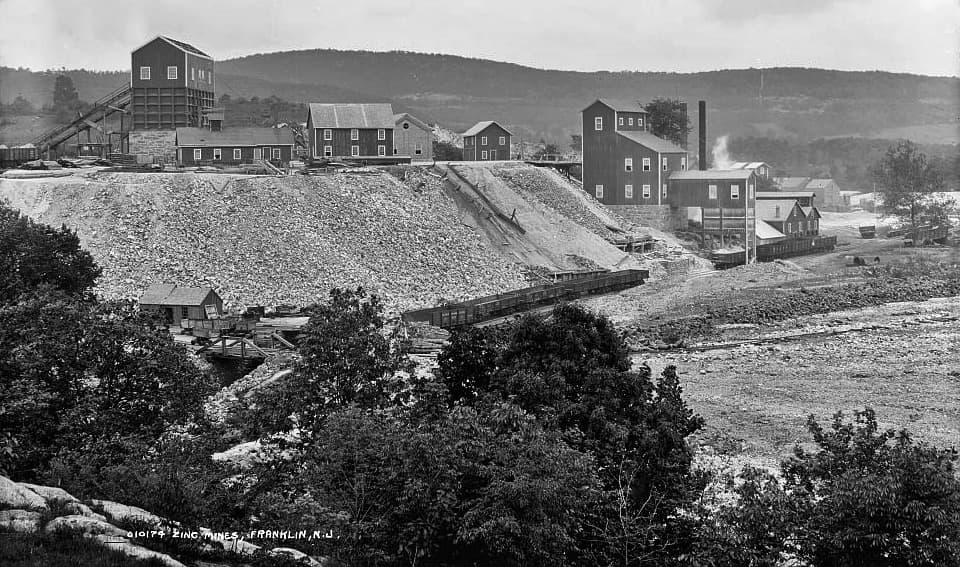 Best spotFranklinSussex County, New JerseyPublic access · Epidote, Pyrite, Fluorite
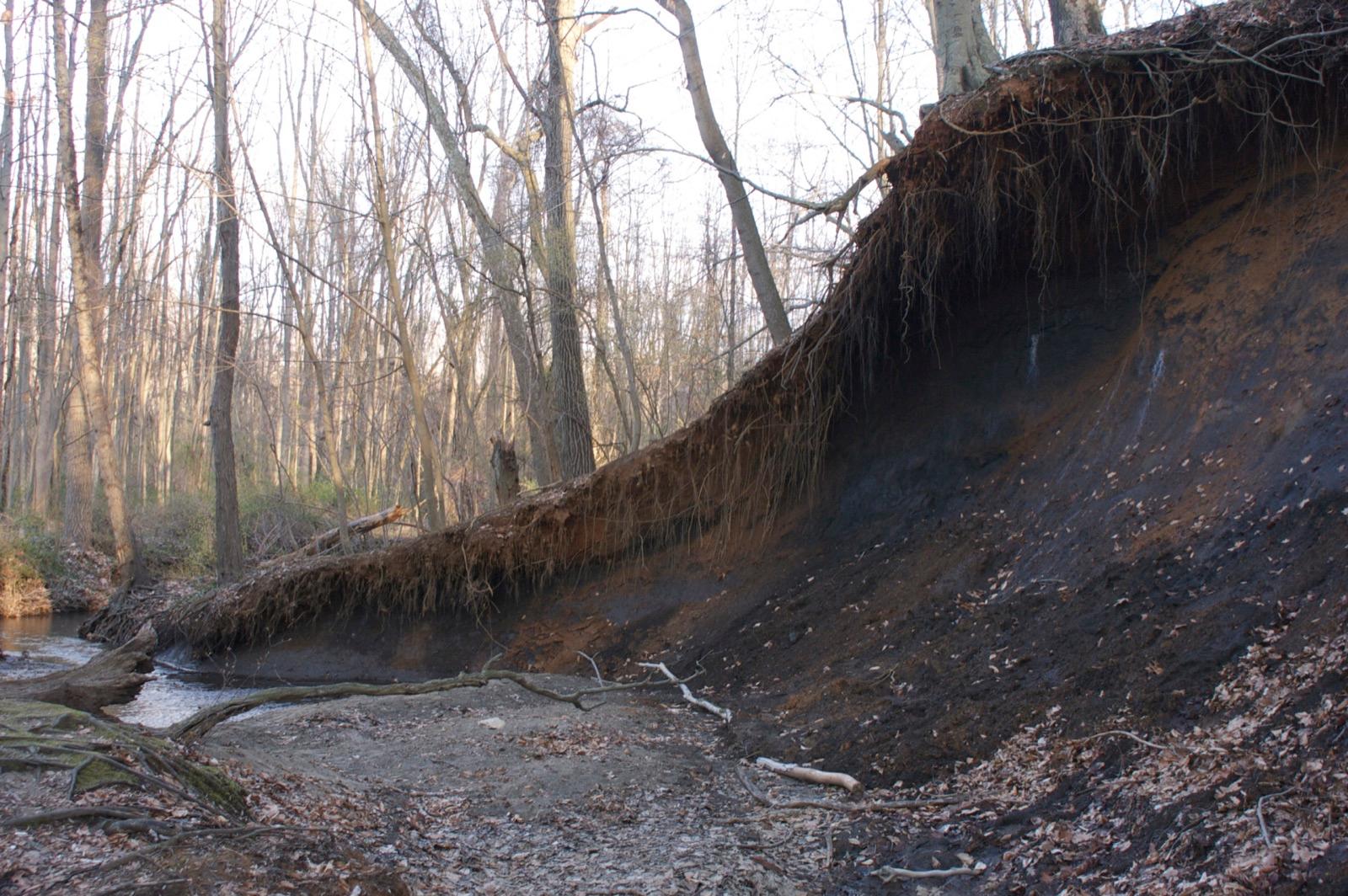 Best spotPoricy Park Fossil BedsMonmouth County, New JerseyPublic access · Belemnite, Shark Tooth, Fossil
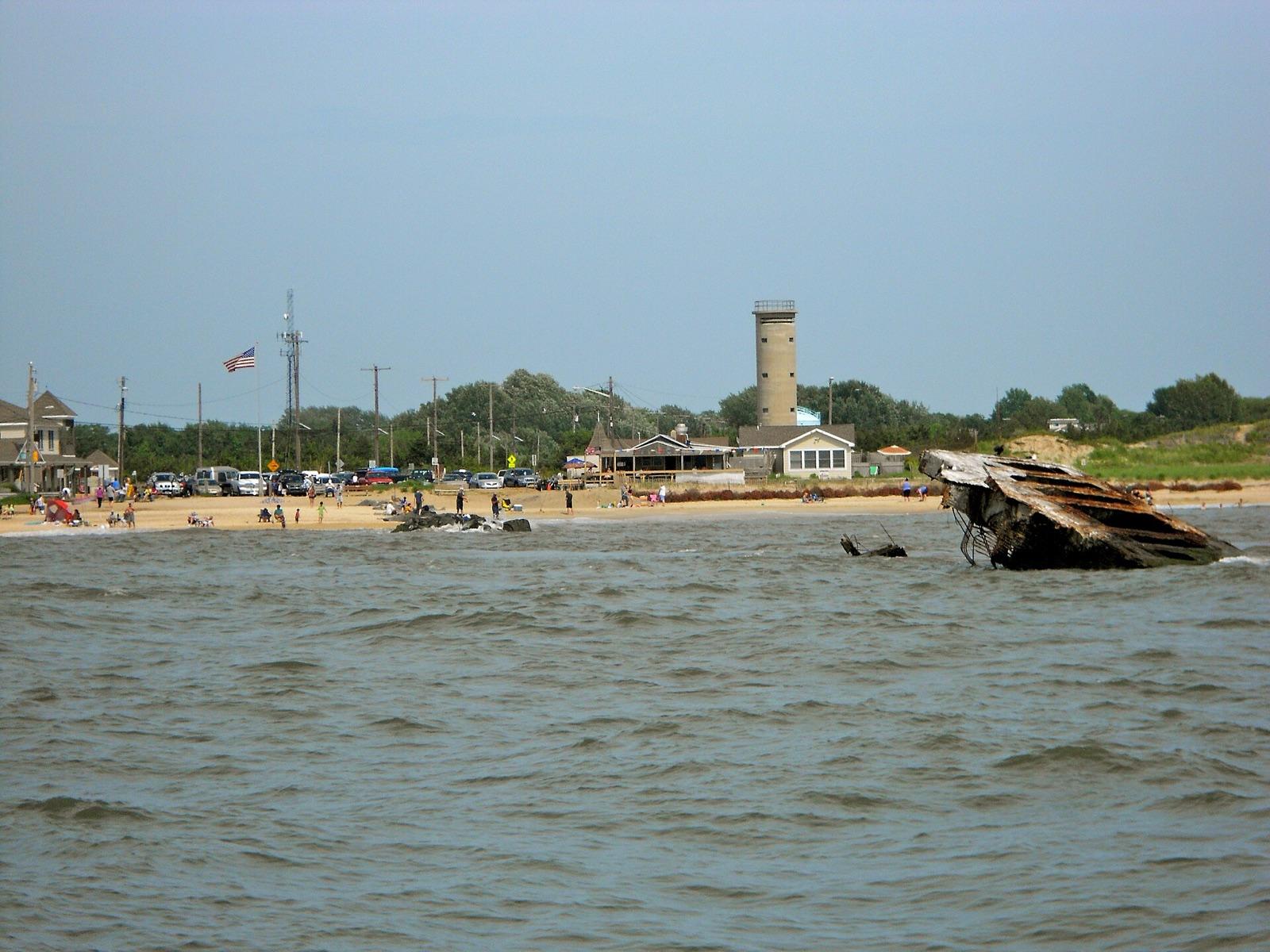 Best spotCape MayCape May County, New JerseyPublic access · Quartz, Chalcedony
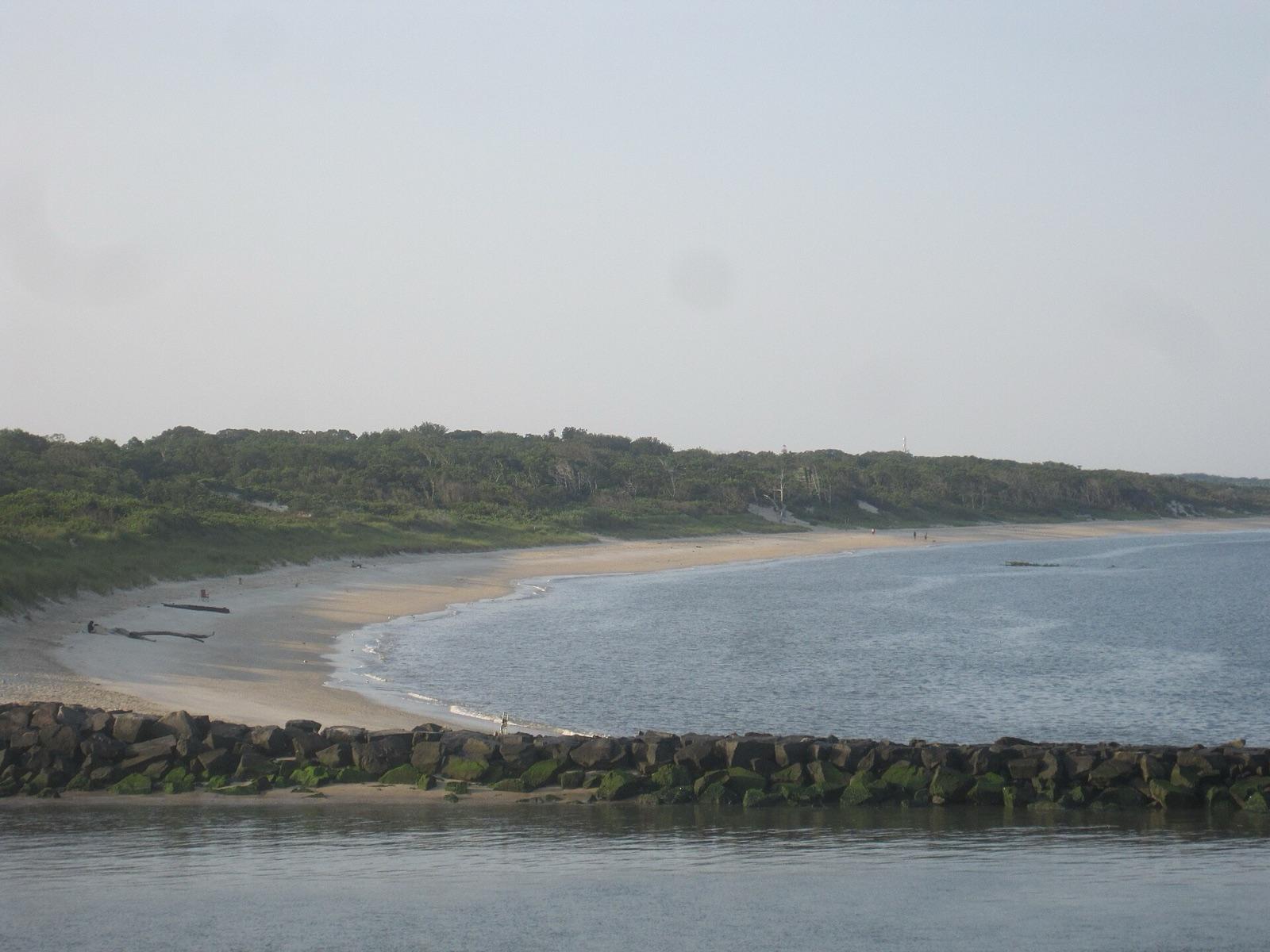 Best spotHigbee Beach Wildlife Management AreaCape May County, New JerseyPublic access · Quartz, Chalcedony
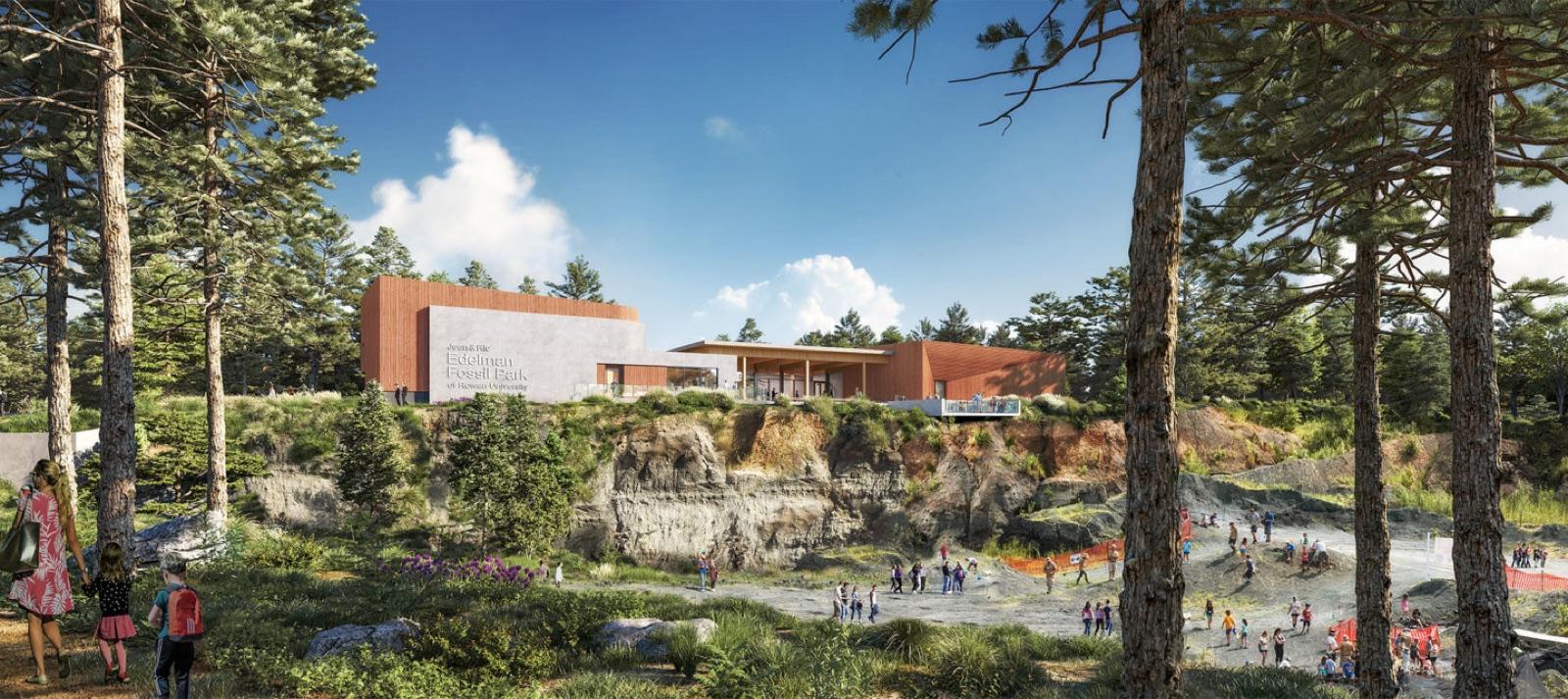 Best spotJean & Ric Edelman Fossil ParkGloucester County, New JerseyPublic access · Amber, Fossil
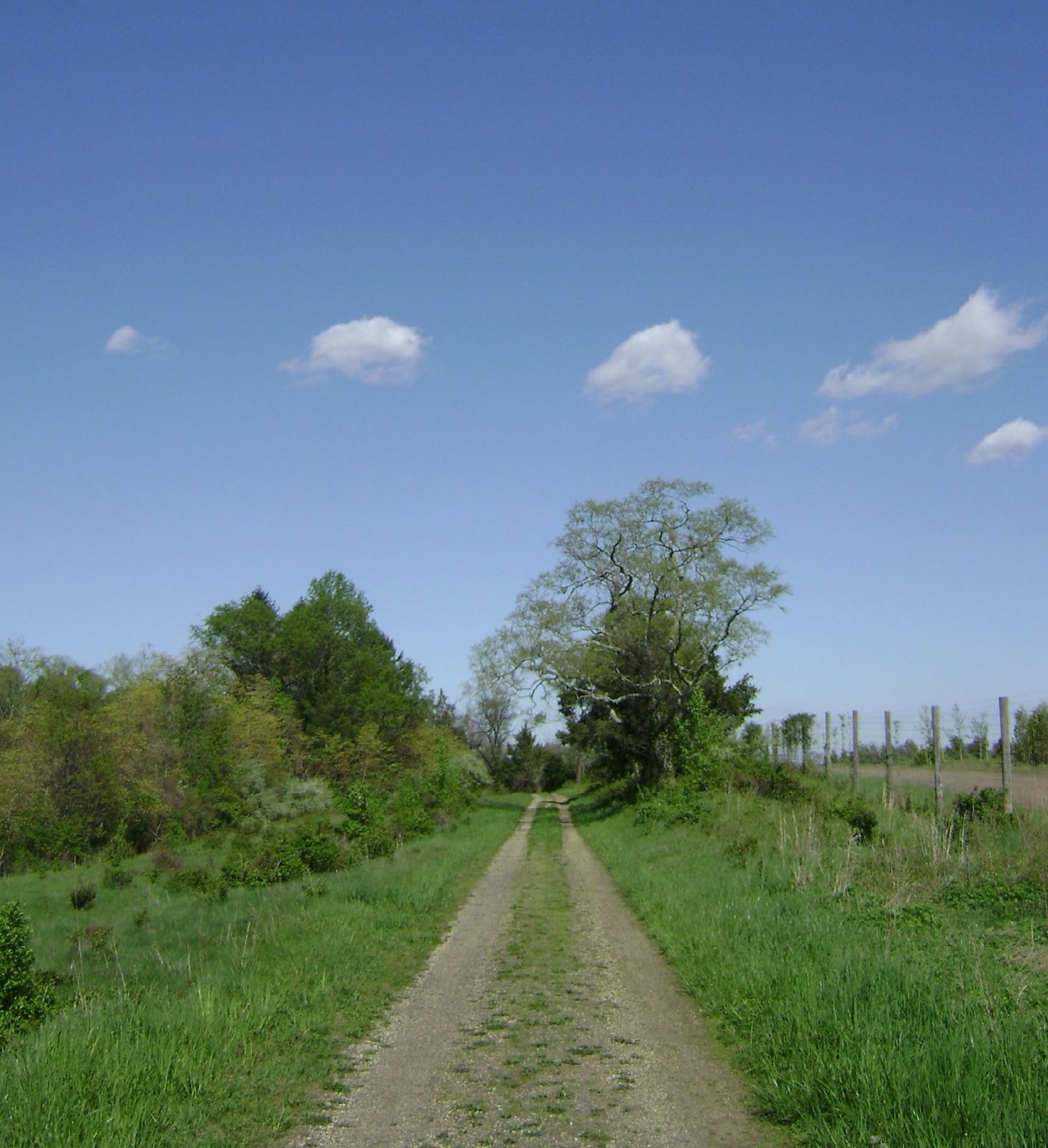 Best spotRamanessin BrookMonmouth County, New JerseyPublic access · Shark Tooth, Fossil
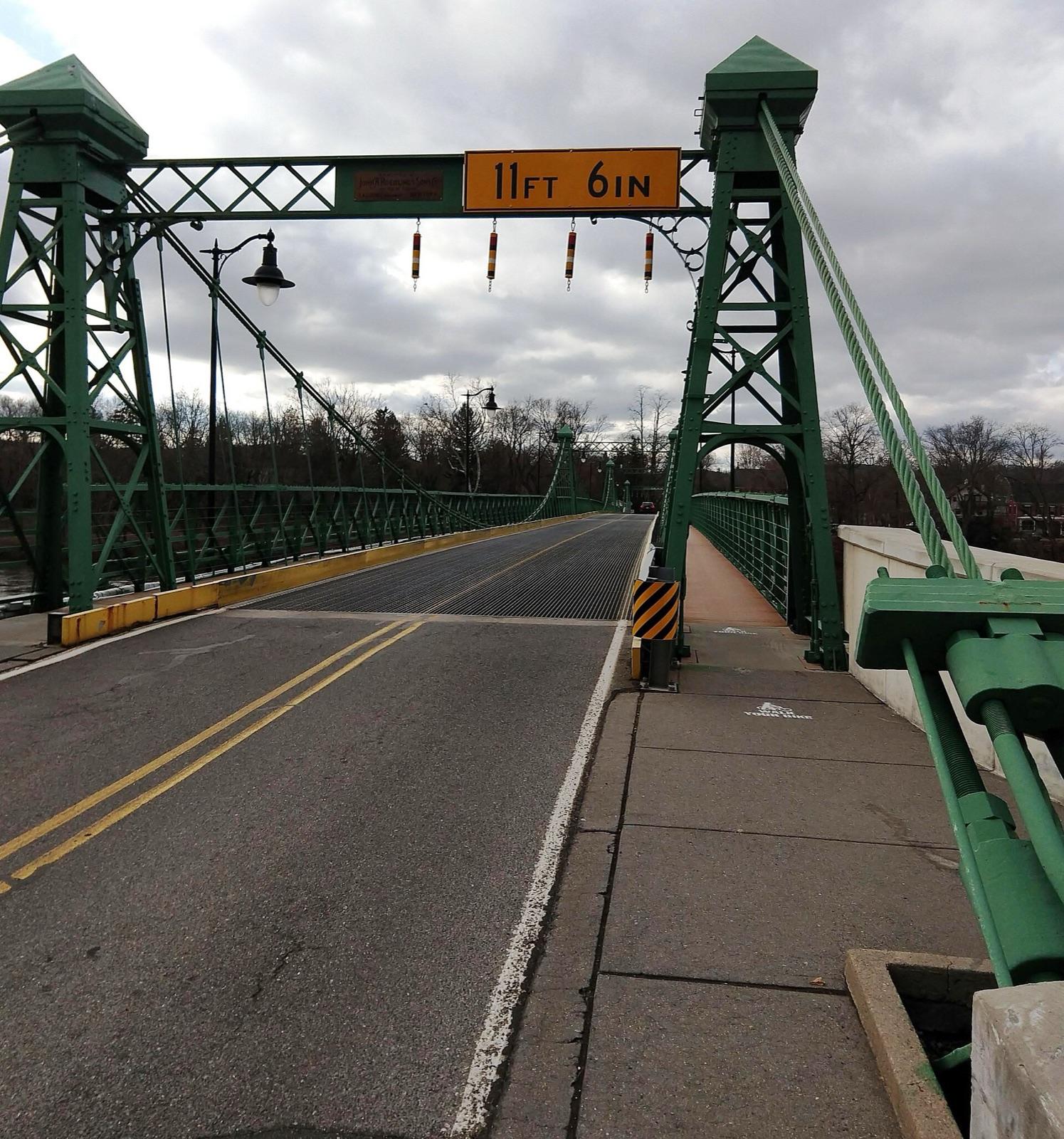 Best spotRiegelsvilleHunterdon County, New JerseyPublic access · Jasper, Quartz
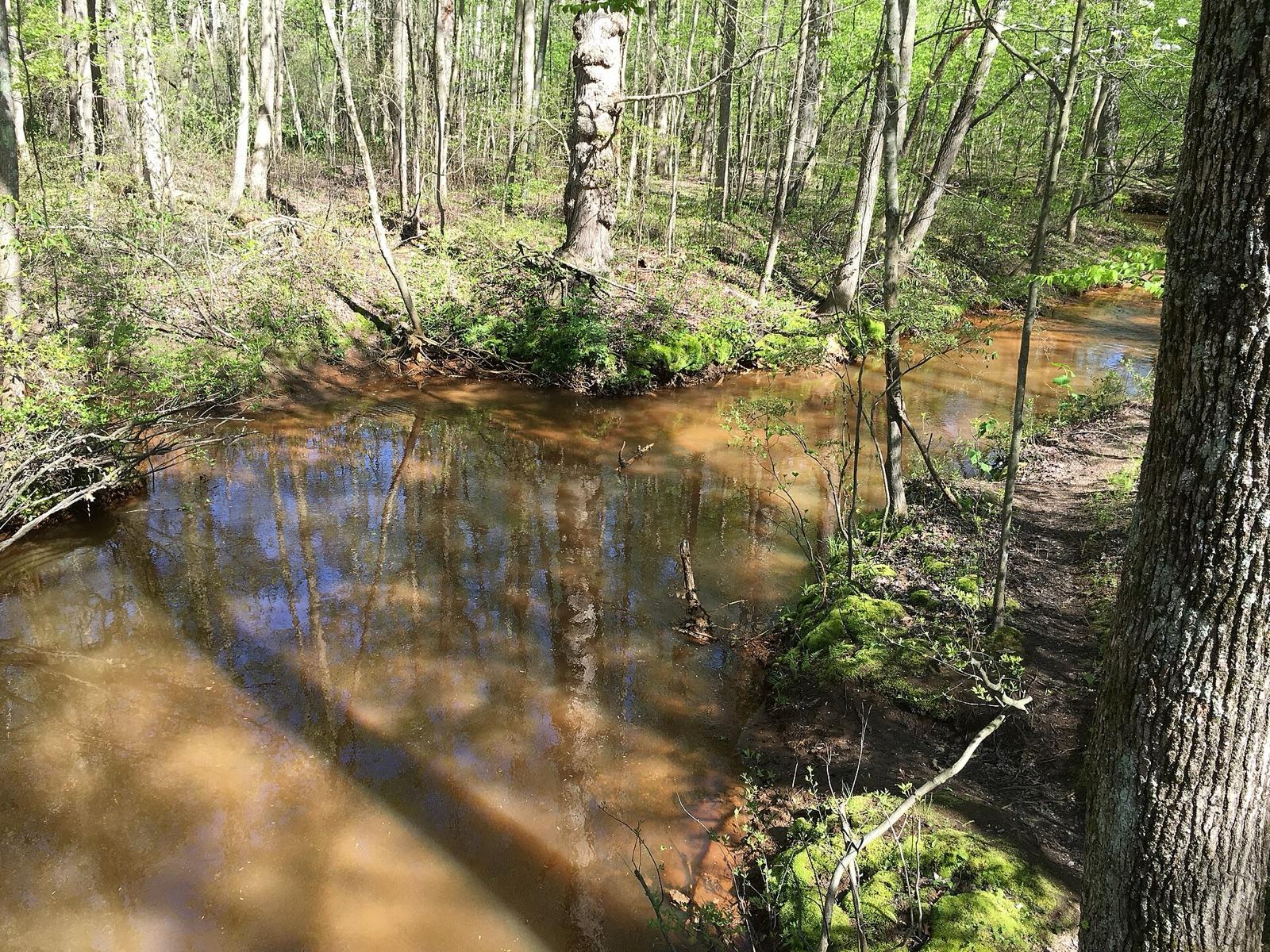 Best spotShark RiverMonmouth County, New JerseyPublic access · Shark Tooth, Fossil
 Pompton LakesPassaic County, New JerseyPublic access · Banded Agate, Amethyst, Barite +12Prospect Park QuarryPassaic County, New JerseyPublic access · Banded Agate, Amethyst, Barite +12
 Bergen Hill by Hudson RiverHudson County, New JerseyPermission required · Banded Agate, Albite, Amethyst +11General Area (Hudson/Passaic)Hudson County, New JerseyPublic access · Banded Agate, Albite, Amethyst +11Snake HillHudson County, New JerseyPublic access · Banded Agate, Albite, Amethyst +11The PalisadesBergen County, New JerseyPublic access · Banded Agate, Albite, Amethyst +11Mine Hill (bornite)Morris County, New JerseyPublic access · Bornite, Calcite, Chalcopyrite +9Bound BrookSomerset County, New JerseyPublic access · Agate, Bornite, Calcite +8RingwoodPassaic County, New JerseyPermission required · Calcite, Chalcopyrite, Corundum +6Rock Hill QuarrySomerset County, New JerseyPublic access · Albite, Chalcocite, Chrysocolla +6Union CountySomerset County, New JerseyPublic access · Agate, Apophyllite, Albite +6Warren TownshipSomerset County, New JerseyPublic access · Banded Agate, Moss Agate, Chalcedony +6Bergen CountyBergen County, New JerseyPublic access · Agate, Amethyst, Carnelian +5Belle MountainMercer County, New JerseyPublic access · Malachite, Cuprite, Hornfels +4Mt. GilboaHunterdon County, New JerseyPublic access · Axinite, Prehnite, Epidote +4SomervilleSomerset County, New JerseyPublic access · Agate, Albite, Datolite +4Franklin (minerals)Sussex County, New JerseyPublic access · Apatite, Azurite, Cerussite +3Franklin FurnaceSussex County, New JerseyPublic access · Fluorite, Franklinite, Magnetite +3HobokenHudson County, New JerseyPublic access · Agate, Amethyst, Common Opal +3HopewellSomerset County, New JerseyPublic access · Calcite, Stilbite, Prehnite +3Mt. FreedomMorris County, New JerseyPublic access · Allanite, Amphibole, Augite +3SpartaSussex County, New JerseyPublic access · Chondrodite, Corundum, Ruby +3Burlington CountyBurlington County, New JerseyPublic access · Jasper, Stripped Agate, Clear Agate +1Camden CountyCamden County, New JerseyPublic access · Jasper, Stripped Agate, Clear Agate +1HaledonPassaic County, New JerseyPublic access · Agate, Datolite, Pyrolusite +13M QuarrySomerset County, New JerseyPublic access · Quartz, Agate, JasperBarnardsvilleSomerset County, New JerseyPublic access · Agate, Geode, QuartzHiberniaMorris County, New JerseyPublic access · Apatite, Pyrite, PyrrhotiteHoudaille QuarryUnion County, New JerseyPublic access · Agate, Prehnite, AmethystKingstonSomerset County, New JerseyPublic access · Agate, Prehnite, QuartzManasquanMonmouth County, New JerseyPublic access · Quartz, Fossil, Petrified WoodMount HopeMorris County, New JerseyPublic access · Apatite, Pyrite, PyrrhotitePennington MountainMercer County, New JerseyPublic access · Calcite, Celadonite, EpidoteSayrevilleMiddlesex County, New JerseyPublic access · Marcasite, Pyrite, Petrified WoodTurkey Mountain General AreaMorris County, New JerseyPublic access · Diopside, Marble, SerpentineGoat HillHunterdon County, New JerseyPermission required · Pectolite, StilpnomelaneLambertvilleMercer County, New JerseyPublic access · Axinite, TourmalineLambertville QuarryHunterdon County, New JerseyPublic access · Axinite, DatoliteMine Hill (feldspar)Morris County, New JerseyPublic access · Feldspar, SunstoneMullica HillGloucester County, New JerseyPublic access · Amber, FossilPhillipsburgWarren County, New JerseyPublic access · Serpentine, SoapstoneAtlantic CountyAtlantic County, New JerseyPublic access · QuartzBridgeport & GibbstownGloucester County, New JerseyPublic access · AmberBurlingtonBurlington County, New JerseyPublic access · AmberChestnut CreekGloucester County, New JerseyPublic access · AmberClintonHunterdon County, New JerseyPublic access · BrauniteCrosswick’s CreekMercer County, New JerseyPublic access · AmberHarrisonvilleGloucester County, New JerseyPublic access · AmberLong BranchMonmouth County, New JerseyPublic access · QuartzMine Hill (axinite)Morris County, New JerseyPublic access · AxiniteMontvilleMorris County, New JerseyPublic access · SerpentineMorris CountyMorris County, New JerseyPublic access · PrehniteNolands PointMorris County, New JerseyPublic access · GarnetOcean CountyOcean County, New JerseyPublic access · QuartzOldman’s CreekSalem County, New JerseyPermission required · AmberOxford Furnace mining dumpsWarren County, New JerseyPublic access · MagnetitePompton RiverPassaic County, New JerseyPublic access · GemstoneSalem CountySalem County, New JerseyPublic access · AmberStirlingMorris County, New JerseyPermission required · CarnelianSulphur Hill MineSussex County, New JerseyPublic access · WillemiteVincentownBurlington County, New JerseyPublic access · AmberWashington Crossing State ParkMercer County, New JerseyPermission required · Black Jasper
Representative spot and material photos from locations in this state, shown where verified public image records are available.
Counts reflect how many spots in this list mention each mineral.
Notable areas: Franklin and Sterling Hill fluorescent minerals, Big Brook shark teeth, Paterson prehnite, Sayreville amber, and Cape May diamonds are the New Jersey targets collectors travel for.
The Highlands of Sussex, Passaic, and Morris counties are Precambrian gneiss and marble. The Franklin Marble hosts the Franklin and Sterling Hill zinc orebodies, whose franklinite, willemite, and zincite came with more than 350 other mineral species, many of them brilliantly fluorescent. The Newark Basin to the south is Triassic and Jurassic red sandstone cut by the Watchung basalt flows and the Palisades diabase sill, which carry prehnite, datolite, pectolite, and zeolites in quarries around Paterson, Prospect Park, and Bound Brook. Hunterdon County's Delaware River gravels carry agate, jasper, and quartz down from Pennsylvania. The Coastal Plain is Cretaceous and Eocene marl and sand: the Monmouth County brooks (Big Brook, Poricy, Ramanessin, Shark River) cut greensand that sheds shark teeth, belemnites, and mosasaur fragments, the Raritan Formation clays around Sayreville hold Cretaceous amber, and the Cape May beaches concentrate clear quartz pebbles known as Cape May diamonds.
Sterling Hill Mining Museum in Ogdensburg and the Franklin Mineral Museum's Buckwheat Dump run fee collecting on their mine dumps; bring a UV lamp. The mines themselves are closed except by tour.
Big Brook Park, Poricy Park, Ramanessin Brook, and Shark River yield Cretaceous and Eocene shark teeth, belemnites, and bone. The Monmouth County Park System allows hand collecting under posted rules: small hand tools, no digging into the banks, a modest per-visit take.
Prehnite, pectolite, datolite, and zeolites from quarries that open only on club days or by permission. The Paterson and Prospect Park quarries and Chimney Rock near Bound Brook are the famous names.
Cape May diamonds at Sunset Beach and Higbee Beach, Delaware River gravel agate and jasper near Riegelsville, and Cretaceous marine fossils at the Edelman Fossil Park in Mantua on its public dig days.
Year-round for the brooks, best after heavy rain washes new material out of the banks and at low summer water. Sterling Hill and Franklin dump collecting runs spring through fall with special night digs for fluorescents. Cape May diamonds are best in winter and after storms.
For the brooks a hand trowel, a small screen, and a zip bag; digging tools larger than a trowel are not allowed. For the mine dumps a rock hammer, safety glasses, gloves, and a shortwave UV lamp. For beaches a scoop and patience. Knee boots for everything.
Franklin and Sterling Hill were mined for zinc from the 1700s until 1986 and are the type locality for dozens of minerals, which is why Franklin calls itself the fluorescent mineral capital of the world. Monmouth County's marl pits shipped greensand fertilizer in the 1800s and turned up the first North American dinosaur, Hadrosaurus, at Haddonfield in 1858.
Day-trip range. Each section lists the closest mapped rockhounding spots within about 150 miles of the city. Most are inside a 2 to 3 hour drive.
6 closest spots to Newark, NJ.
6 closest spots to Atlantic City, NJ.
Geology rarely respects state borders. These states share mapped rockhounding country with New Jersey, useful when New Jersey is the start, not the whole trip. Each card links to the closest county across the line.
County pages are linked once we have at least 3 mapped spots for a focused guide with coordinates, mineral notes, and nearby spots.
Hand-picked standouts from the New Jersey list, chosen for unusual mineralogy, documented public access, or both. Each card links to coordinates, access notes, and what to look for.
Top pickSussex County
Franklin is called the Fluorescent Mineral Capital of the World, and its Buckwheat Dump is where visitors can still collect the glowing willemite, calcite, and franklinite that made the district famous.
Epidote, Pyrite, Fluorite
Top pickSussex County
Sterling Hill in Ogdensburg is the twin of the Franklin deposit and the last of the district's zinc mines to close, now preserved as a mining museum.
Willemite, Zincite, Calcite, Fluorite
Top pickMonmouth County
Shark River is named for the fossil shark teeth found where it cuts middle Eocene marine beds, notably the Shark River and Manasquan formations, roughly 45 million years old.
Shark Tooth, Fossil
Top pickCape May County
Sunset Beach at the tip of Cape May is the classic place to hunt Cape May diamonds, rounded pure quartz pebbles that polish up like gemstones.
Quartz, Chalcedony
Top pickGloucester County
The Jean and Ric Edelman Fossil Park preserves a former marl quarry whose bone bed sits right at the 66-million-year-old end-Cretaceous extinction boundary.
Amber, Fossil
Top pickHunterdon County
The Delaware River gravel bars near Riegelsville carry a rounded mix of jasper, quartz, and chalcedony pebbles washed down from Appalachian and Piedmont bedrock upstream.
Jasper, Quartz
Top pickMonmouth County
Big Brook is New Jersey's best known free fossil stream, cutting Late Cretaceous marine beds of the Navesink Formation that are roughly 70 million years old.
Shark Tooth, Belemnite, Fossil
Top pickMonmouth County
Poricy Brook exposes the same Late Cretaceous Navesink Formation as nearby Big Brook, and its fossil beds are among the most accessible in the state.
Belemnite, Shark Tooth, Fossil
Top pickMonmouth County
Ramanessin Brook is a quieter alternative to Big Brook and Poricy, draining the same Late Cretaceous Monmouth Group marine sequence in Holmdel.
Shark Tooth, Fossil
Top pickCape May County
Higbee Beach is a free, no-tag stretch of Delaware Bay shoreline where Cape May diamonds, wave-polished clear quartz pebbles, concentrate along the strand line.
Quartz, Chalcedony
6 clubs in New Jersey. Clubs run field trips, shows and workshops, and many trips go to private claims you can't reach alone.
Open the RockHoundR app to see New Jersey on a real map with public land overlays, weather, geology, and your saved finds.

