C&D Canal (New Castle)
Belemnites, shark teeth, and shell on the dredge spoil banks near Reedy Point and St. Georges, where the Corps of Engineers allows hand collecting. The Delaware Geological Survey publishes a guide to the site.
Updated July 2026
13 mapped spots for rock hunting and rock collecting across 3 counties. Delaware rockhounding is the Chesapeake and Delaware Canal, where the spoil banks near Reedy Point give up Cretaceous belemnites, the state fossil, plus shark teeth and shell, and the Delaware Bay beaches from Bowers and Slaughter Beach to Cape Henlopen, which collect quartz and jasper pebbles and the occasional fossil. The Piedmont corner adds sillimanite, the state mineral, near Brandywine Springs.
The best rockhounding in Delaware is at Cape Henlopen in Sussex County (quartz), Fowler Beach in Sussex County (quartz), and Chesapeake & Delaware Canal in New Castle County (fossil). In total, 13 mapped collecting spots across 3 counties produce quartz, fossil, and sillimanite, each listed below with its land access.
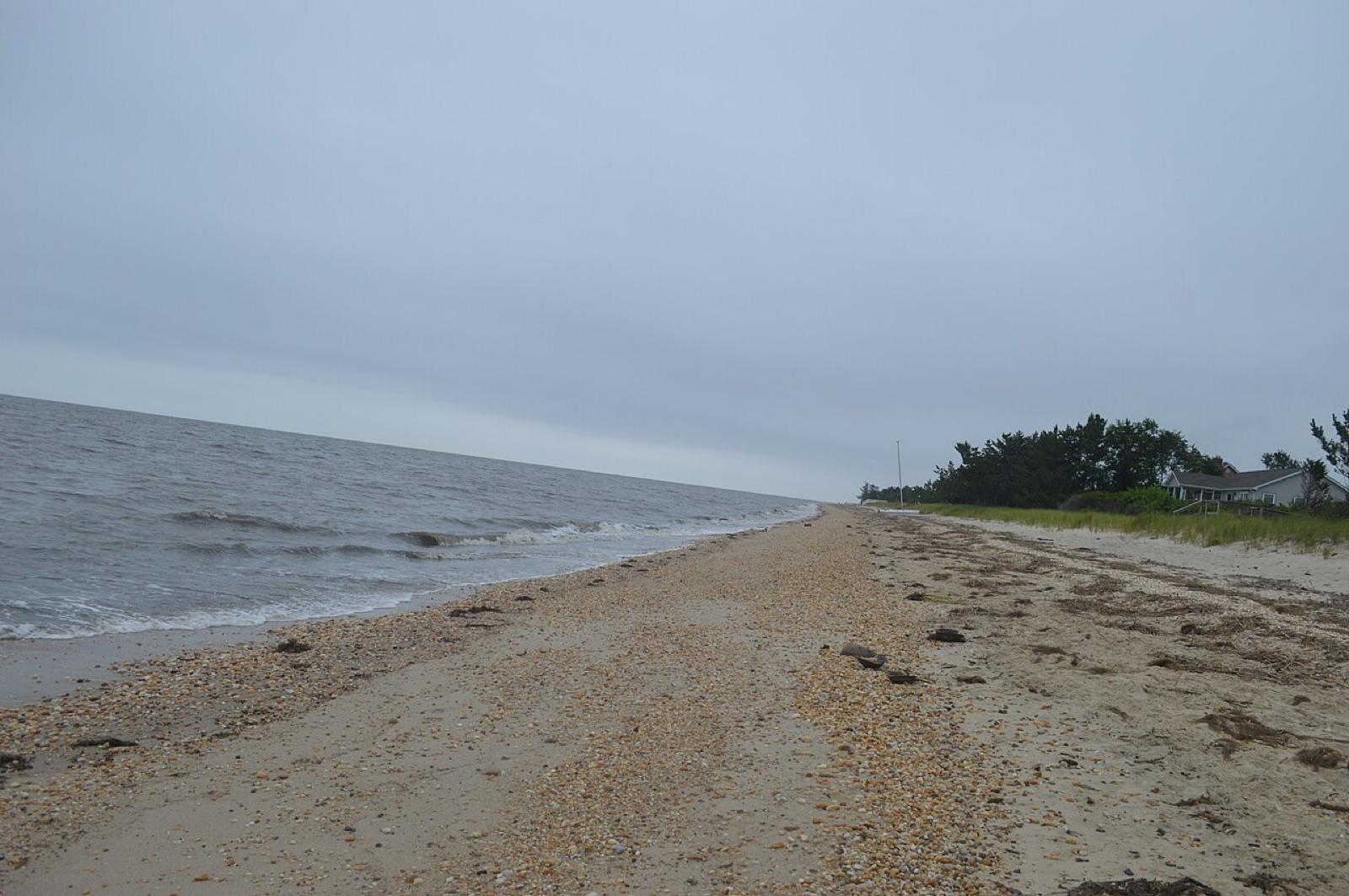 Best spotSlaughter BeachSussex County, DelawarePermission required · Quartz, Jasper
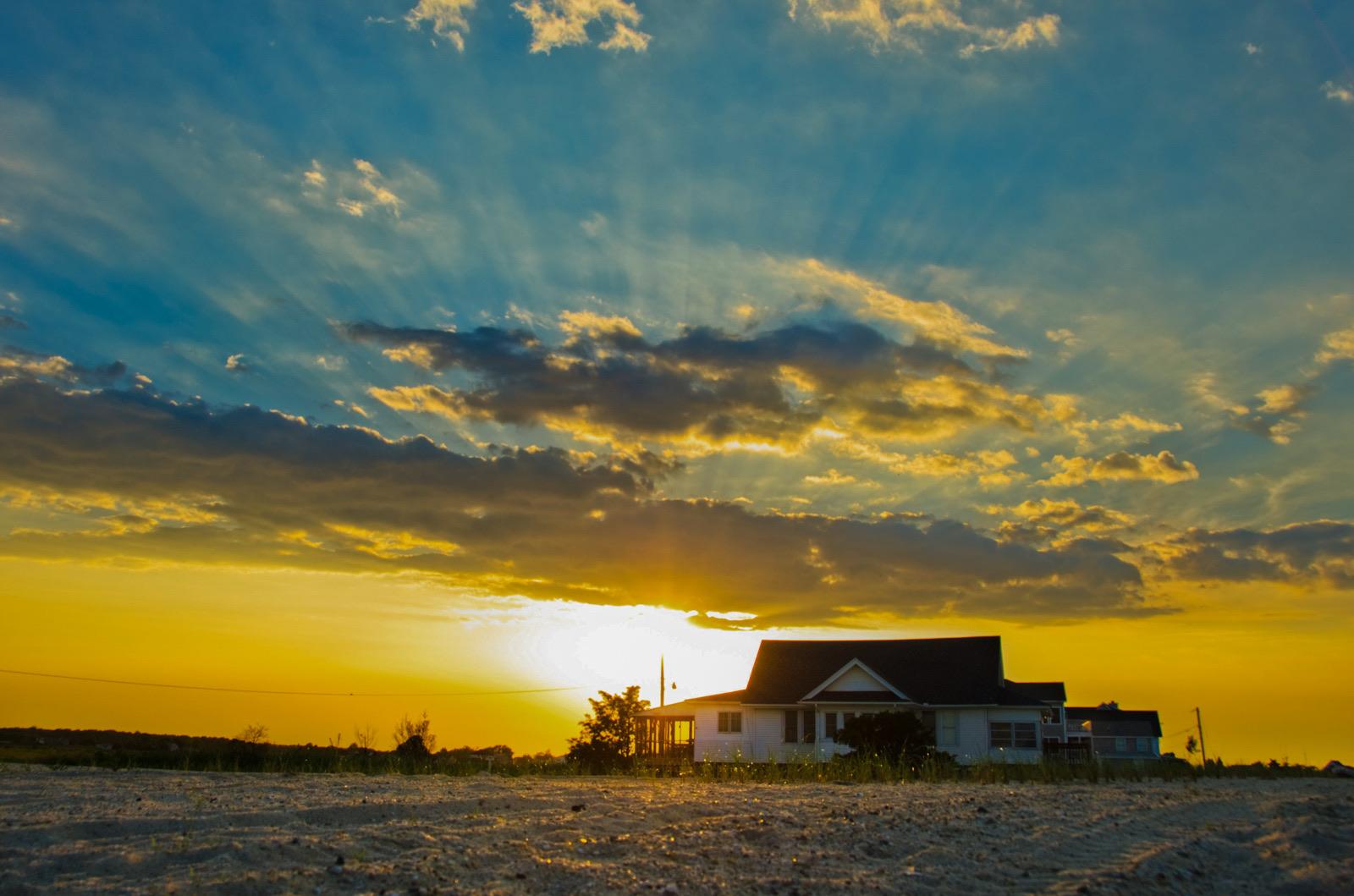 Best spotBowers BeachKent County, DelawarePublic access · Quartz
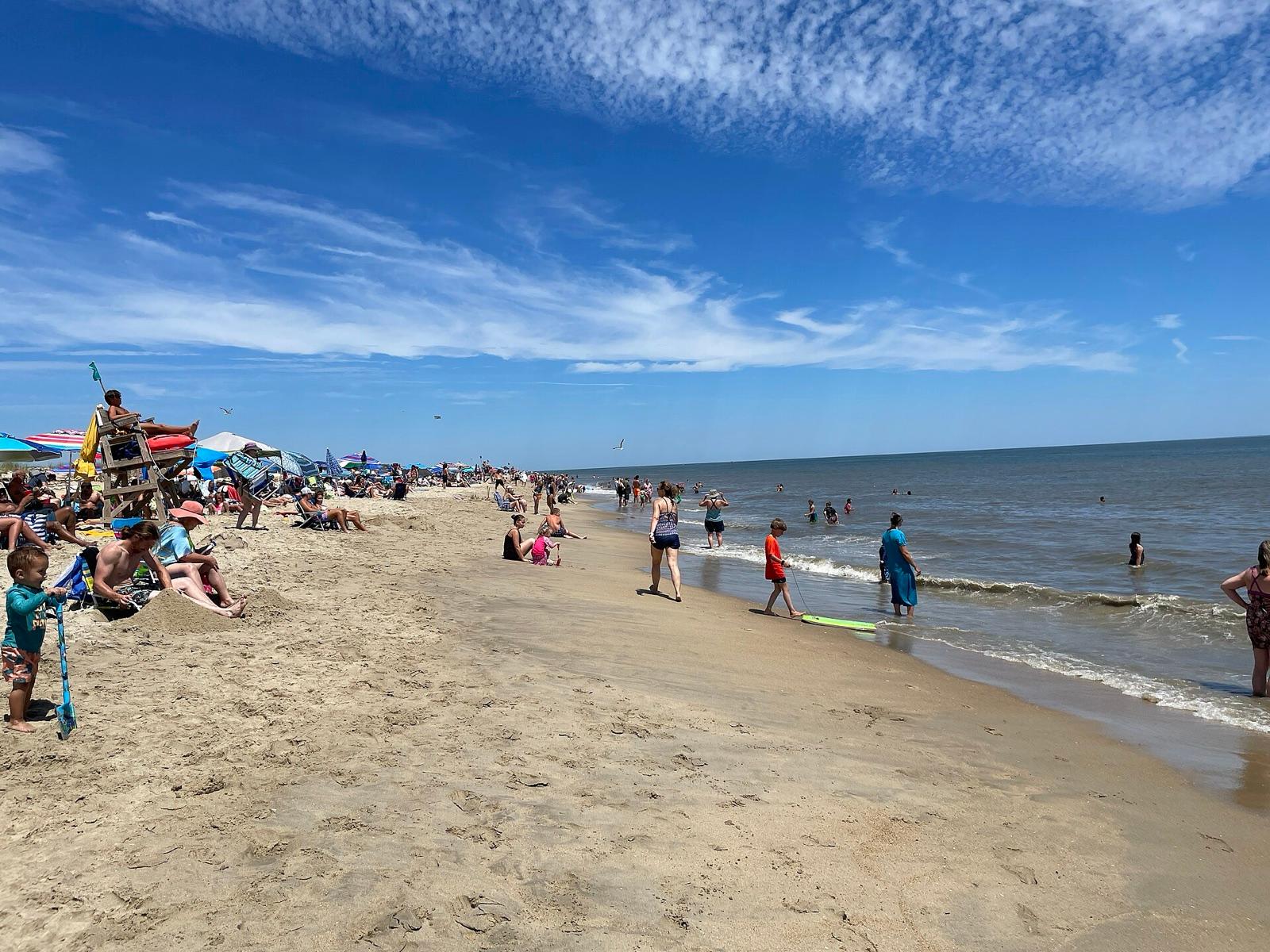 Best spotCape HenlopenSussex County, DelawarePermission required · Quartz
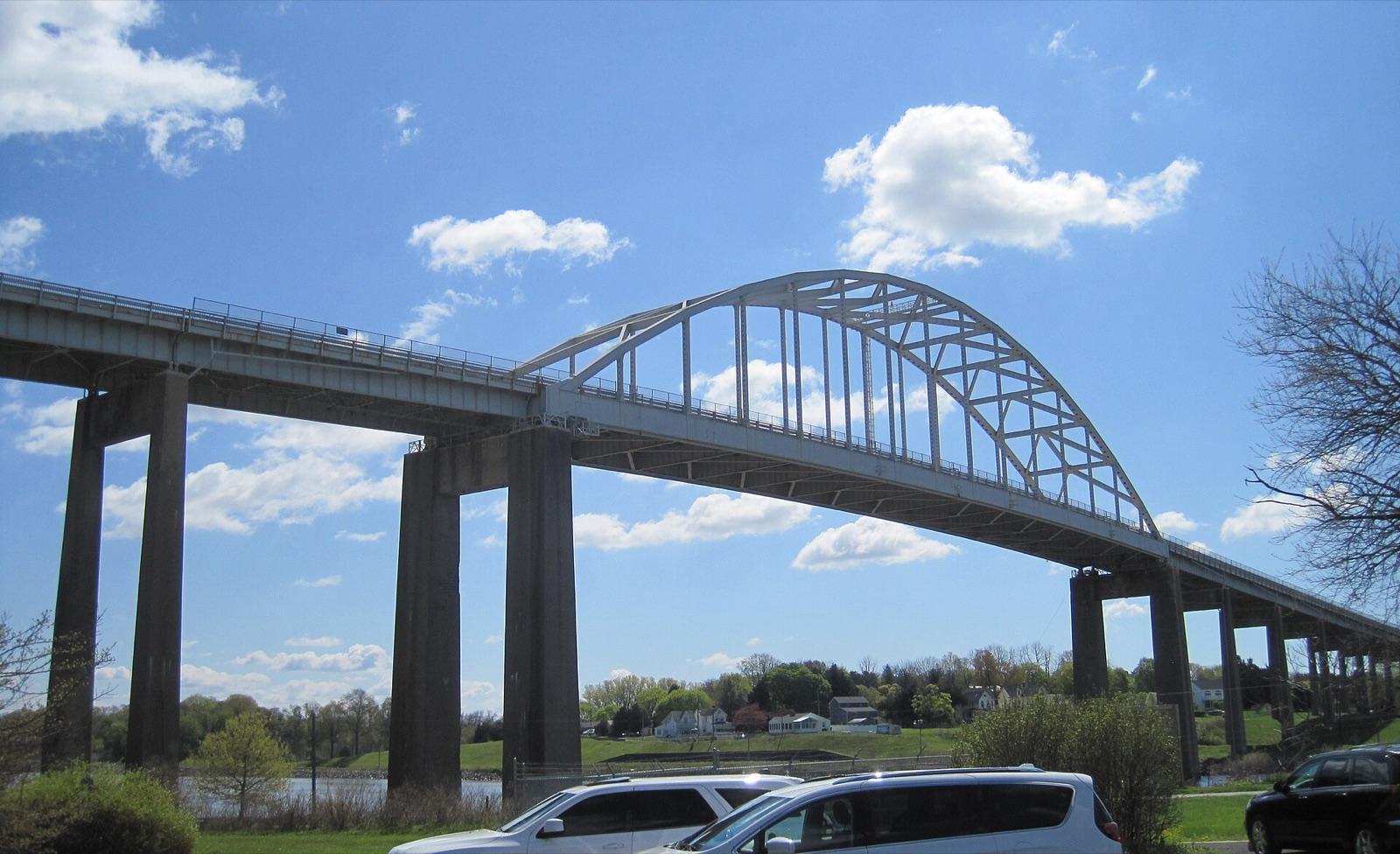 Best spotChesapeake & Delaware CanalNew Castle County, DelawarePublic access · Fossil
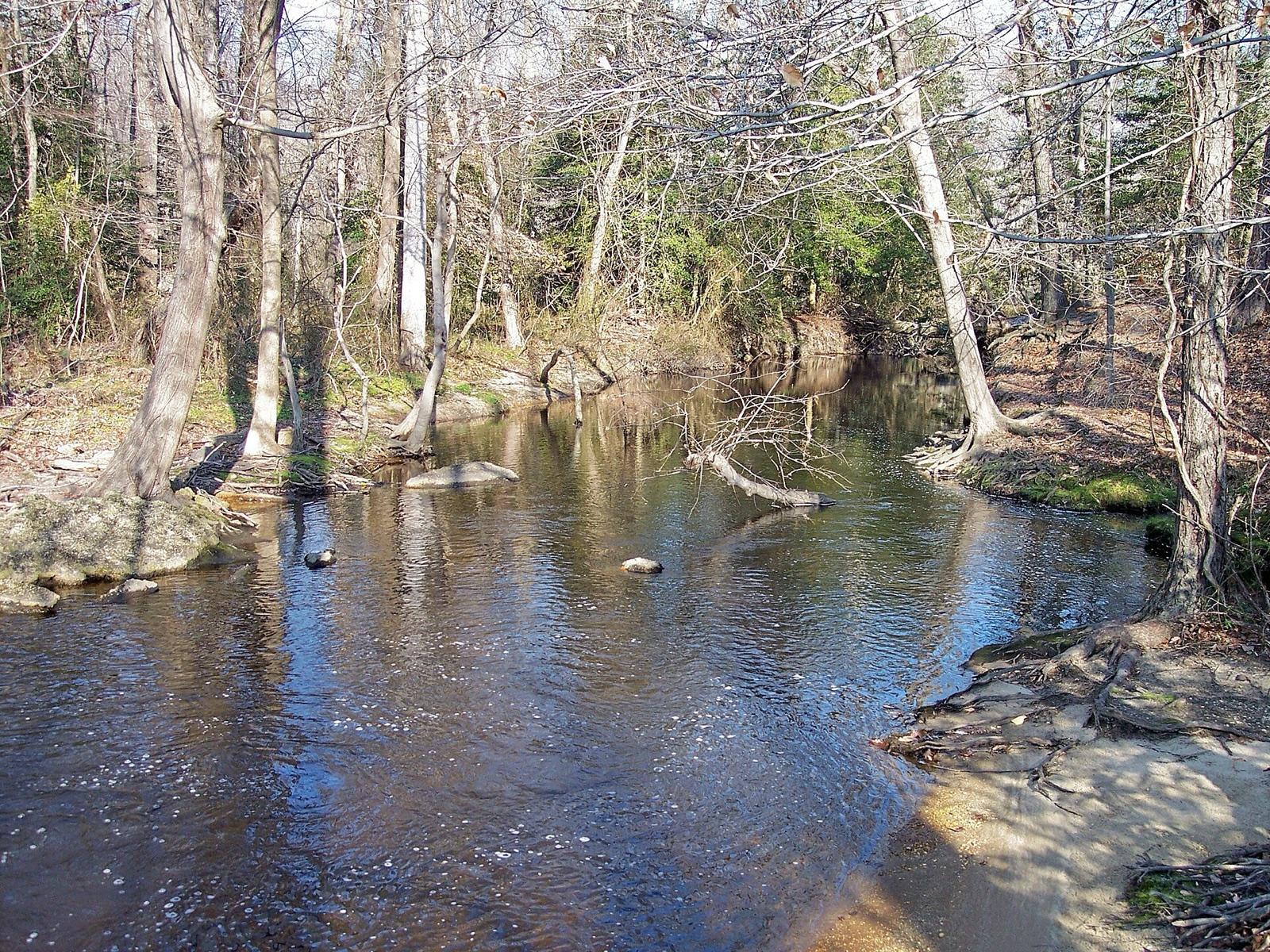 Best spotCoursey PondKent County, DelawarePermission required · Fossil
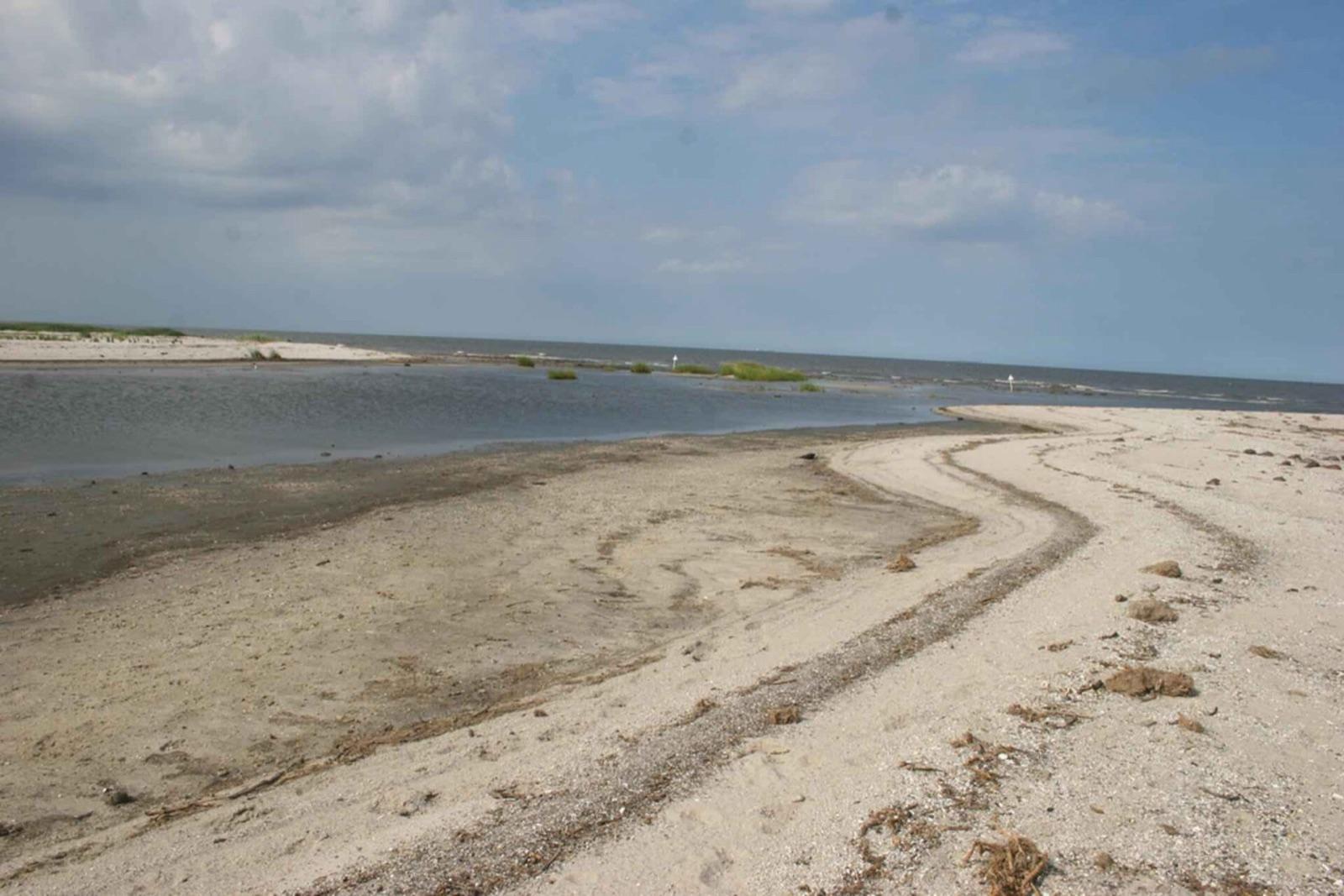 Best spotFowler BeachSussex County, DelawarePublic access · Quartz
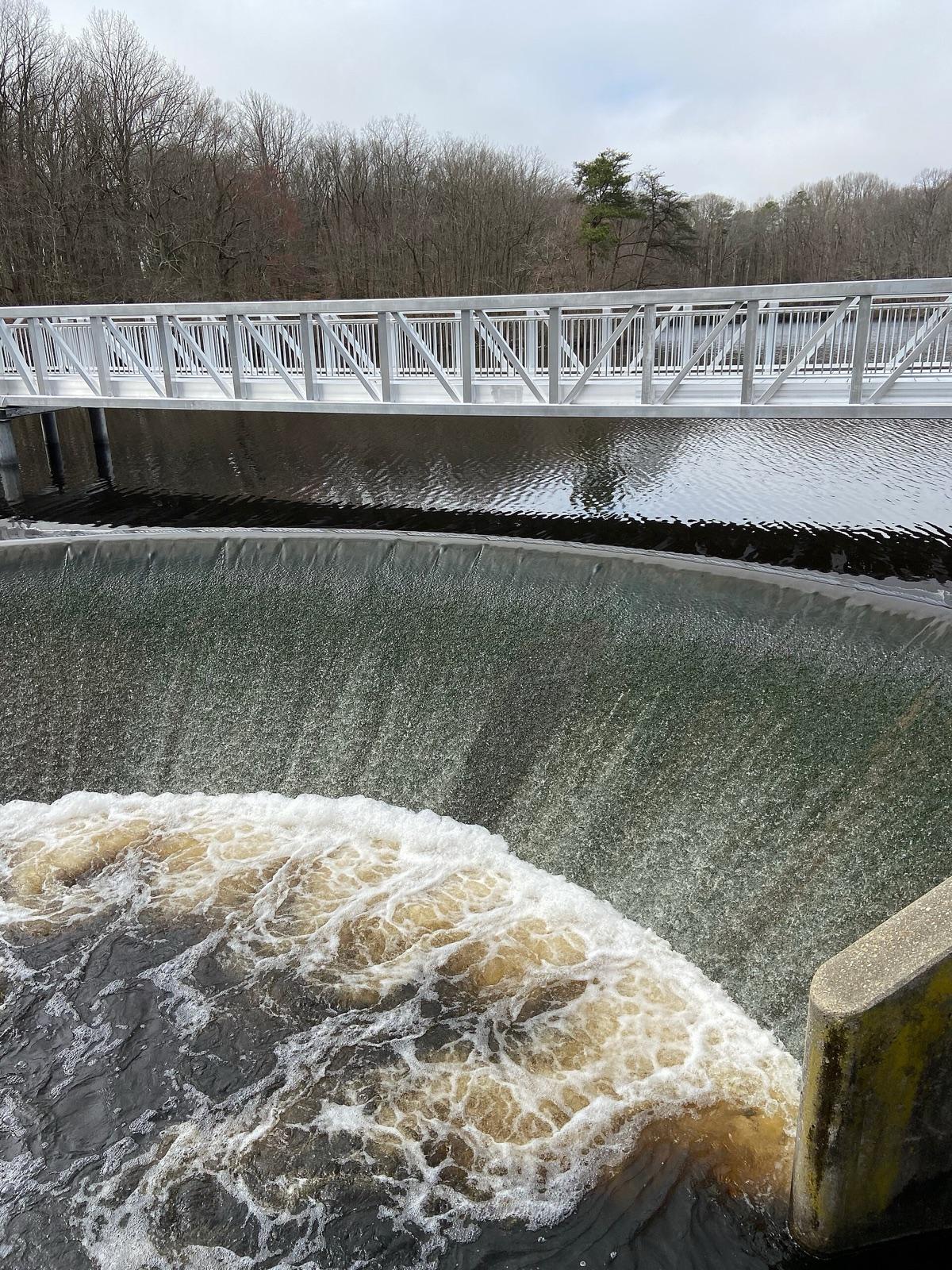 Best spotKillen PondKent County, DelawarePermission required · Fossil
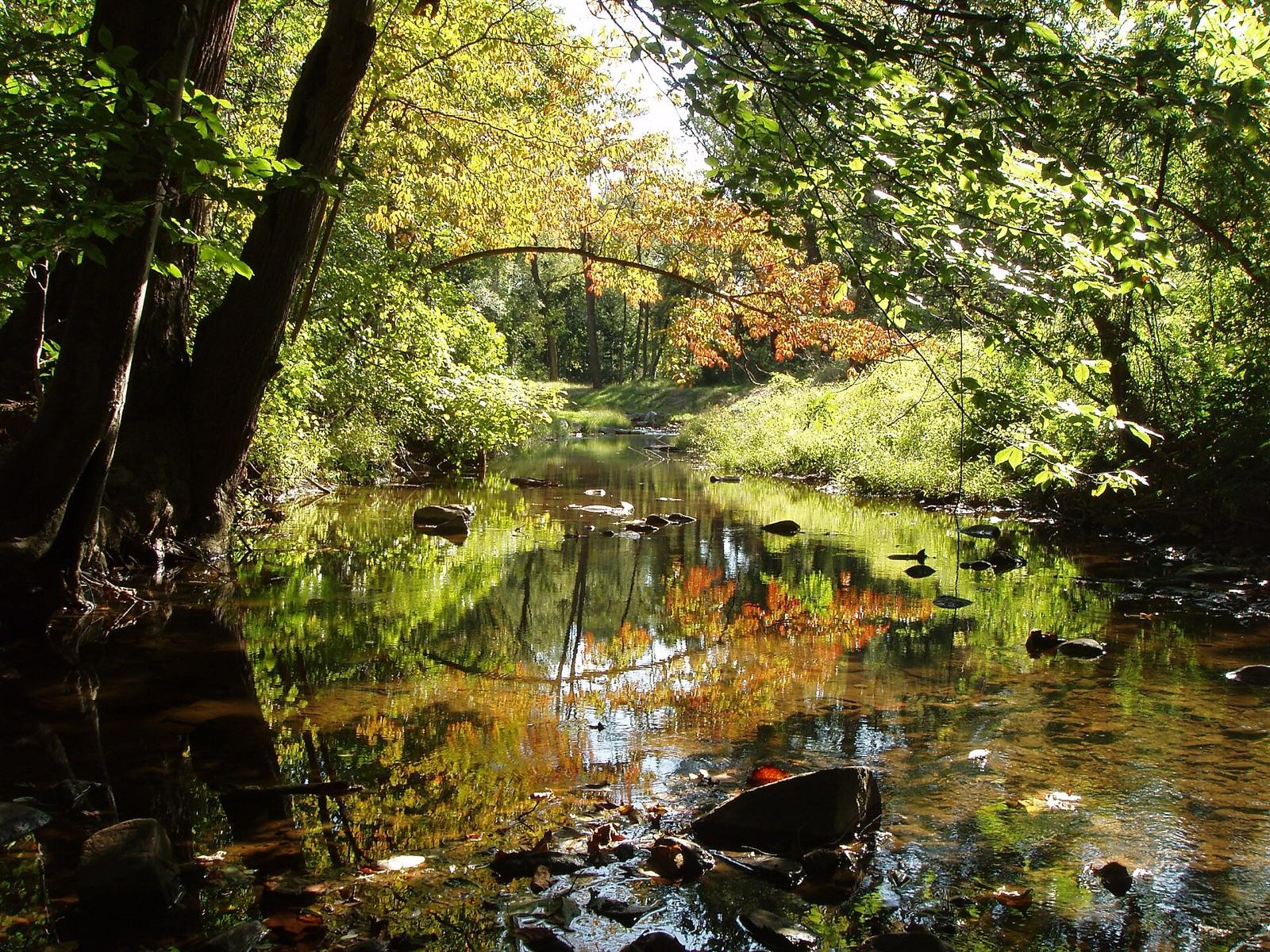 Best spotNear Brandywine Springs State ParkNew Castle County, DelawarePermission required · Sillimanite
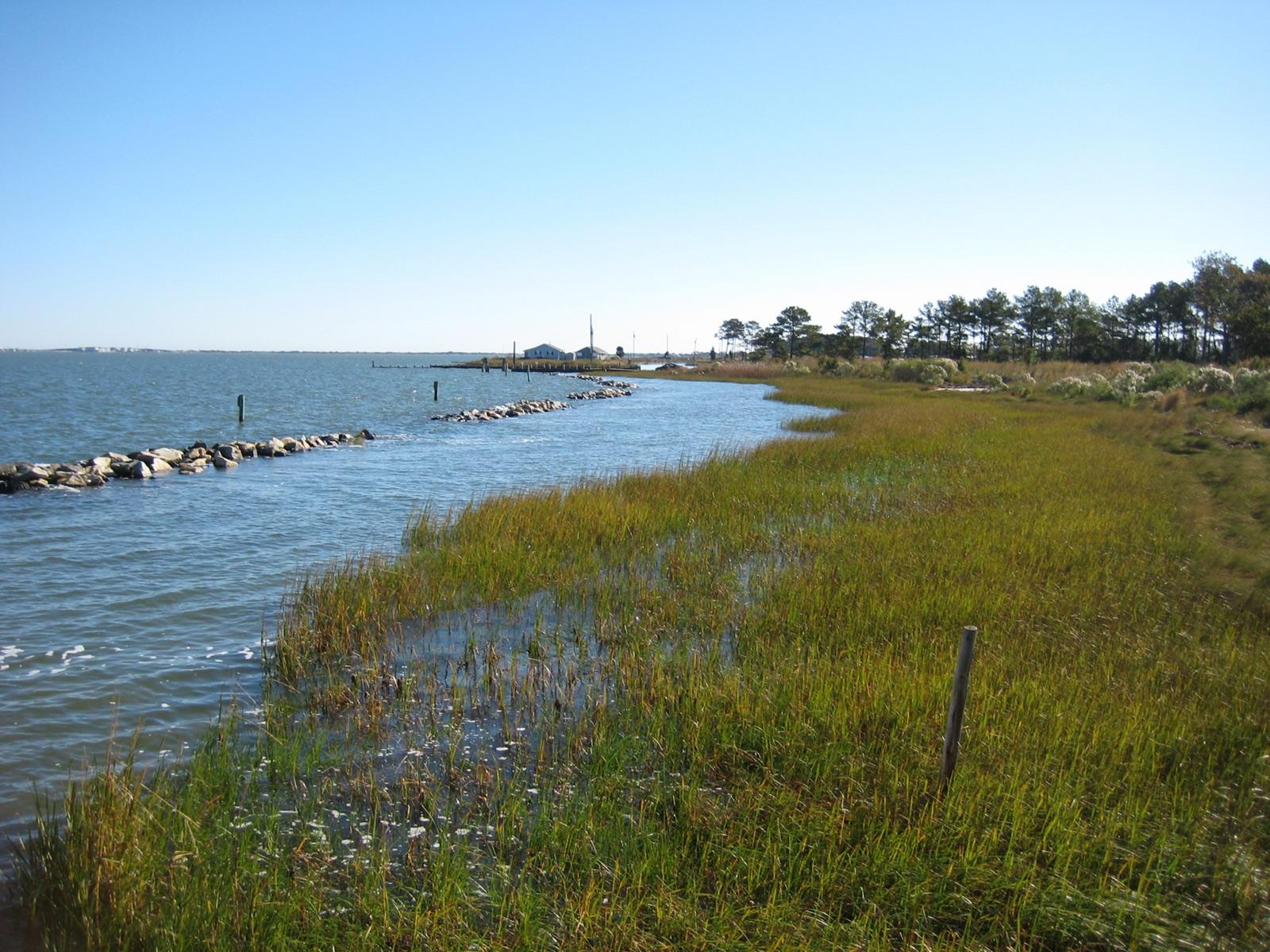 Best spotPepper CreekSussex County, DelawarePublic access · Fossil
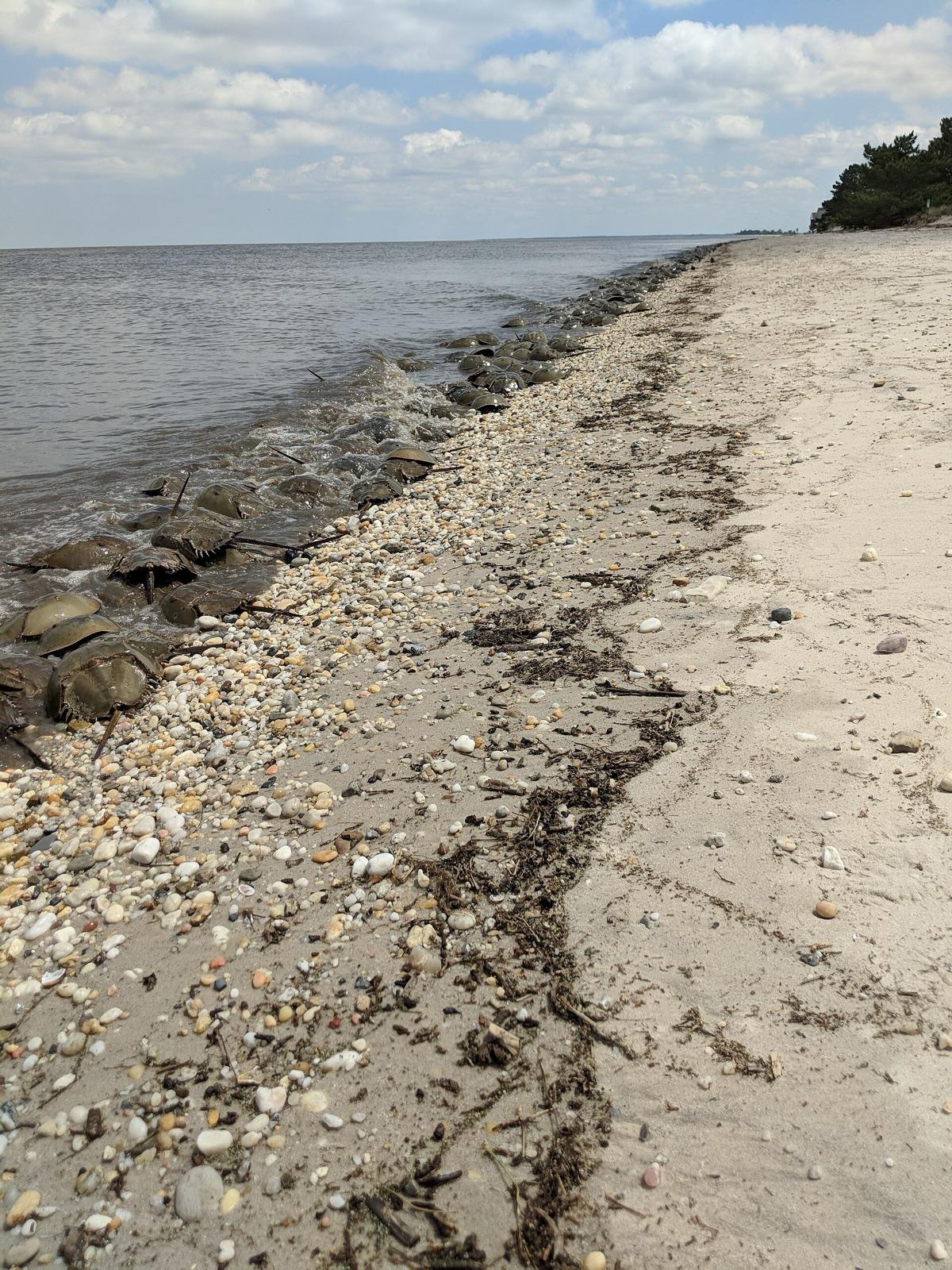 Best spotPickering BeachKent County, DelawarePublic access · Quartz
 Deauville BeachSussex County, DelawarePublic access · QuartzHoopes ReservoirNew Castle County, DelawarePublic access · SillimaniteLaurelSussex County, DelawarePublic access · Iron Ore
Representative spot and material photos from locations in this state, shown where verified public image records are available.
Counts reflect how many spots in this list mention each mineral.
Notable areas: C&D Canal belemnites and shark teeth, Delaware Bay beach jasper, Brandywine Springs sillimanite, and Iron Hill jasper are the Delaware targets collectors travel for.
Delaware's northern tip in New Castle County is Piedmont: Wissahickon schist and gneiss with sillimanite, garnet, and quartz around Brandywine Springs and Hoopes Reservoir, and Iron Hill near Newark, a gabbro body capped with iron ore and jasper mined from 1701. Everything south of the Fall Line is Coastal Plain. The Cretaceous Mount Laurel and Navesink formations, exposed when the C&D Canal was dug, carry belemnites, oysters, shark teeth, and occasional mosasaur material, and the Corps of Engineers spoil banks near Reedy Point and St. Georges remain the public collecting ground. Kent and Sussex counties are Miocene and younger sand and gravel, and their ponds, creeks, and bay beaches (Coursey Pond, Killen Pond, Pepper Creek, Bowers Beach, Pickering Beach, Slaughter Beach, Fowler Beach, Cape Henlopen) turn up quartz, jasper, and chert pebbles and washed-out fossils.
Belemnites, shark teeth, and shell on the dredge spoil banks near Reedy Point and St. Georges, where the Corps of Engineers allows hand collecting. The Delaware Geological Survey publishes a guide to the site.
Quartz and jasper pebbles and occasional fossils at Bowers, Pickering, Slaughter, and Fowler beaches and Cape Henlopen. Public beaches allow surface picking; state park rules apply at Cape Henlopen.
Sillimanite and garnet in the schist around Brandywine Springs and Hoopes Reservoir, iron ore and jasper at Iron Hill. Parks and reservoir land are look-only; private ground needs permission.
Gravel quartz, jasper, and chert at Coursey Pond, Killen Pond, and Pepper Creek, at public accesses and with landowner permission.
Year-round on the canal banks, best after rain washes the spoil and in cool months when the ticks and greenhead flies are down. Bay beaches are best from November through March after storms and on falling tides. Summer is hot and buggy on the marsh edges.
A trowel, a small screen, and zip bags for the canal spoil; a sand scoop and mesh bag for the beaches; a hand lens; tick and fly protection; a tide table. Stay well back from the canal's edge and out of the shipping channel's riprap.
Iron Hill's ore was mined from 1701, one of the earliest iron works in the colonies. The C&D Canal, opened in 1829 and enlarged repeatedly, exposed the Cretaceous beds that made the belemnite the state fossil in 1996. Sillimanite from Brandywine Springs became the state mineral in 1977.
Day-trip range. Each section lists the closest mapped rockhounding spots within about 150 miles of the city. Most are inside a 2 to 3 hour drive.
6 closest spots to Wilmington, DE.
Geology rarely respects state borders. These states share mapped rockhounding country with Delaware, useful when Delaware is the start, not the whole trip. Each card links to the closest county across the line.
County pages are linked once we have at least 3 mapped spots for a focused guide with coordinates, mineral notes, and nearby spots.
Hand-picked standouts from the Delaware list, chosen for unusual mineralogy, documented public access, or both. Each card links to coordinates, access notes, and what to look for.
Top pickSussex County
Cape Henlopen sits at the mouth of Delaware Bay, where longshore currents pile up the water-clear quartz pebbles known as Cape Henlopen (or Cape May) diamonds, sometimes tinted milky, rose, or smoky.
Quartz
Top pickSussex County
Fowler Beach is an undeveloped Delaware Bay shoreline on the edge of Prime Hook National Wildlife Refuge, and one of the better free beaches in the state for the water-clear quartz called Cape May diamonds, with scattered chalcedony, jasper chips, shells, and sea glass in the wrack and pebble lines.
Quartz
Top pickNew Castle County
The dredge spoil banks along the north side of the Chesapeake and Delaware Canal are Delaware's most famous fossil ground, cutting into roughly 70-million-year-old Cretaceous marl of the Mount Laurel and Merchantville formations.
Fossil
Top pickSussex County
Pepper Creek, a tidal creek south of Dagsboro draining toward Indian River Bay, is a Delaware Geological Survey fossil locality where Pleistocene marine shells, less than two million years old, weather out of the low banks and mix with the creek gravels.
Fossil
Top pickKent County
Coursey Pond, a millpond on the Murderkill drainage southeast of Felton, is one of the few inland Delaware spots where fossils turn up: poorly preserved Miocene shells and marine fragments, roughly 15 million years old, weather from the banks at the water line, mixed with quartz pebbles, feldspar, and mica in the sand and gravel.
Fossil
Top pickKent County
Killens Pond, the centerpiece of Killens Pond State Park near Felton, is the twin of Coursey Pond in the Delaware Geological Survey's fossil-site list, with the same poorly preserved Miocene shells and marine fragments eroding from the pond banks.
Fossil
Top pickNew Castle County
The Piedmont hills around Brandywine Springs and the Red Clay valley west of Wilmington are the type area for sillimanite, Delaware's state mineral, which occurs here as large masses and boulders in the high-grade Wilmington Complex gneiss alongside garnet, mica, and microcline feldspar.
Sillimanite
Top pickSussex County
Slaughter Beach is a classic Delaware Bay beachcombing shoreline near Milford, long known for shells, abundant sea glass, driftwood, and water-worn quartz, with the occasional reworked fossil or shark tooth in the tide line.
Quartz, Jasper
Top pickKent County
Bowers Beach is a small Delaware Bay fishing town at the mouth of the Murderkill and St. Jones rivers, where the meeting of river and bay concentrates shells, sea glass, quartz pebbles, and beach-worn material along the public strand.
Quartz
Top pickKent County
Pickering Beach, a quiet bay community north of Dover, is one of Delaware's most celebrated sea glass beaches, and its tide lines also yield shells, water-worn quartz, and beach pebbles.
Quartz
1 club in Delaware. Clubs run field trips, shows and workshops, and many trips go to private claims you can't reach alone.
Open the RockHoundR app to see Delaware on a real map with public land overlays, weather, geology, and your saved finds.