Rockhounding in Virginia

Updated July 2026

93 mapped spots for rock hunting and rock collecting across 42 counties. Virginia rockhounding is Blue Ridge and Piedmont country: amethyst and clear quartz in Amherst, Albemarle, and Bedford counties, unakite and epidote along the Blue Ridge, garnet and kyanite in Grayson and Carroll counties, amazonite and topaz from the Amelia pegmatites, and staurolite fairy stones near Stuart. The Coastal Plain adds Miocene shark teeth on the Potomac and Chesapeake shores.

Where is the best rockhounding in Virginia?

The best rockhounding in Virginia is at Troutdale in Grayson County (epidote, red jasper), Stuart in Patrick County (almandine garnet, staurolite), and Buck Mountain Creek in Albemarle County (agate). In total, 93 mapped collecting spots across 42 counties produce quartz, amethyst, and unakite, each listed below with its land access.

Open the full map

Every rockhounding spot in Virginia

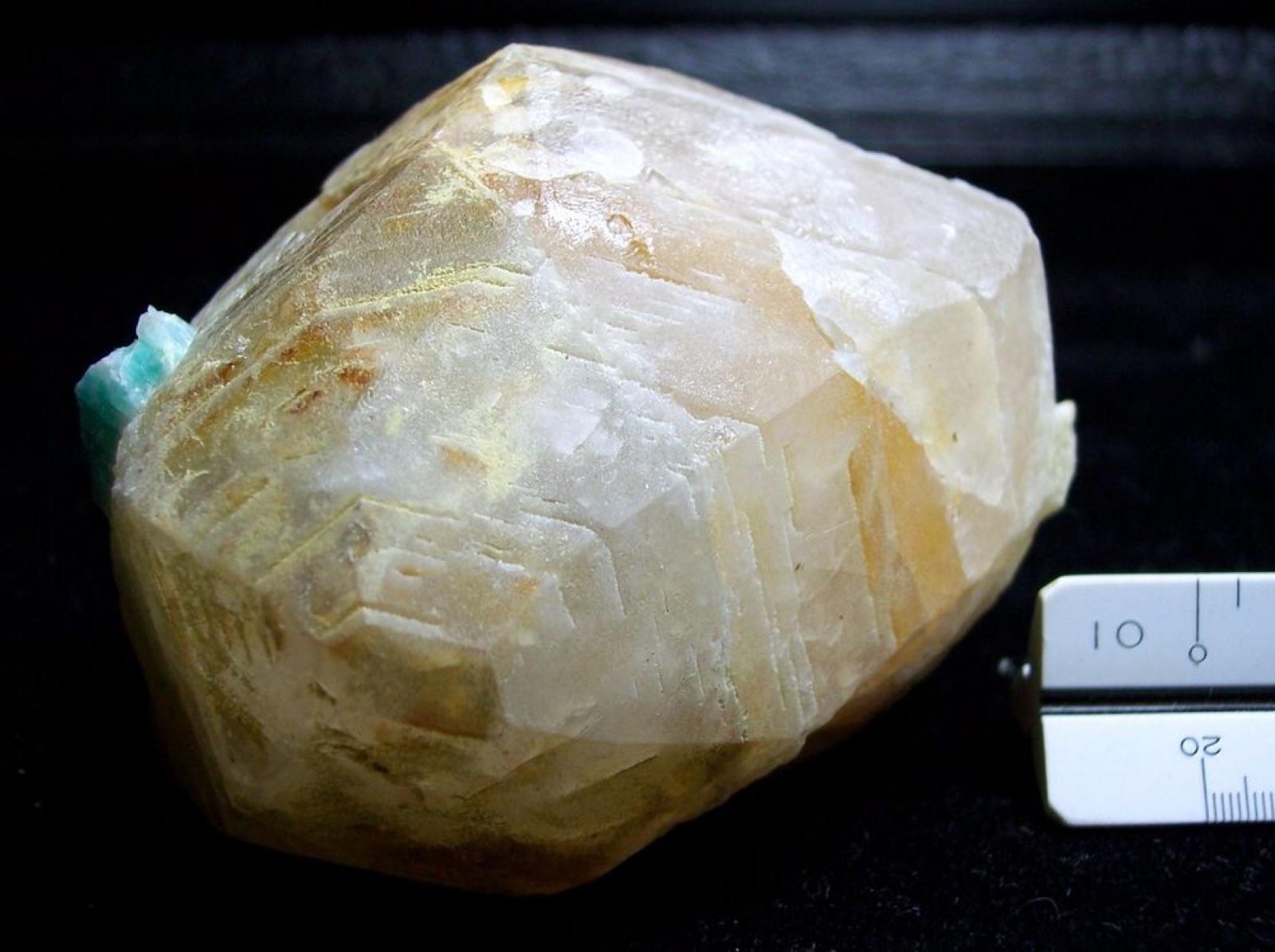
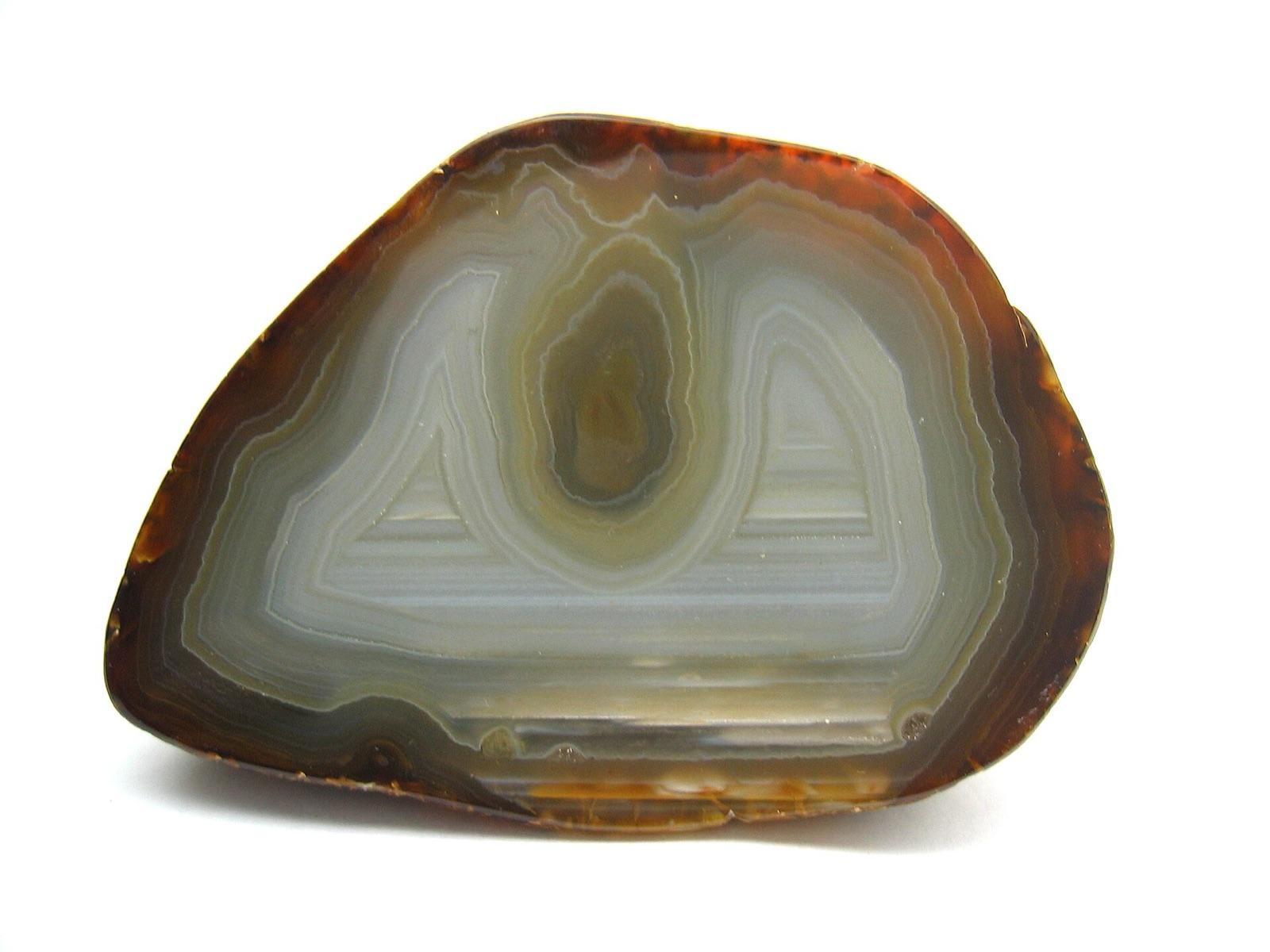
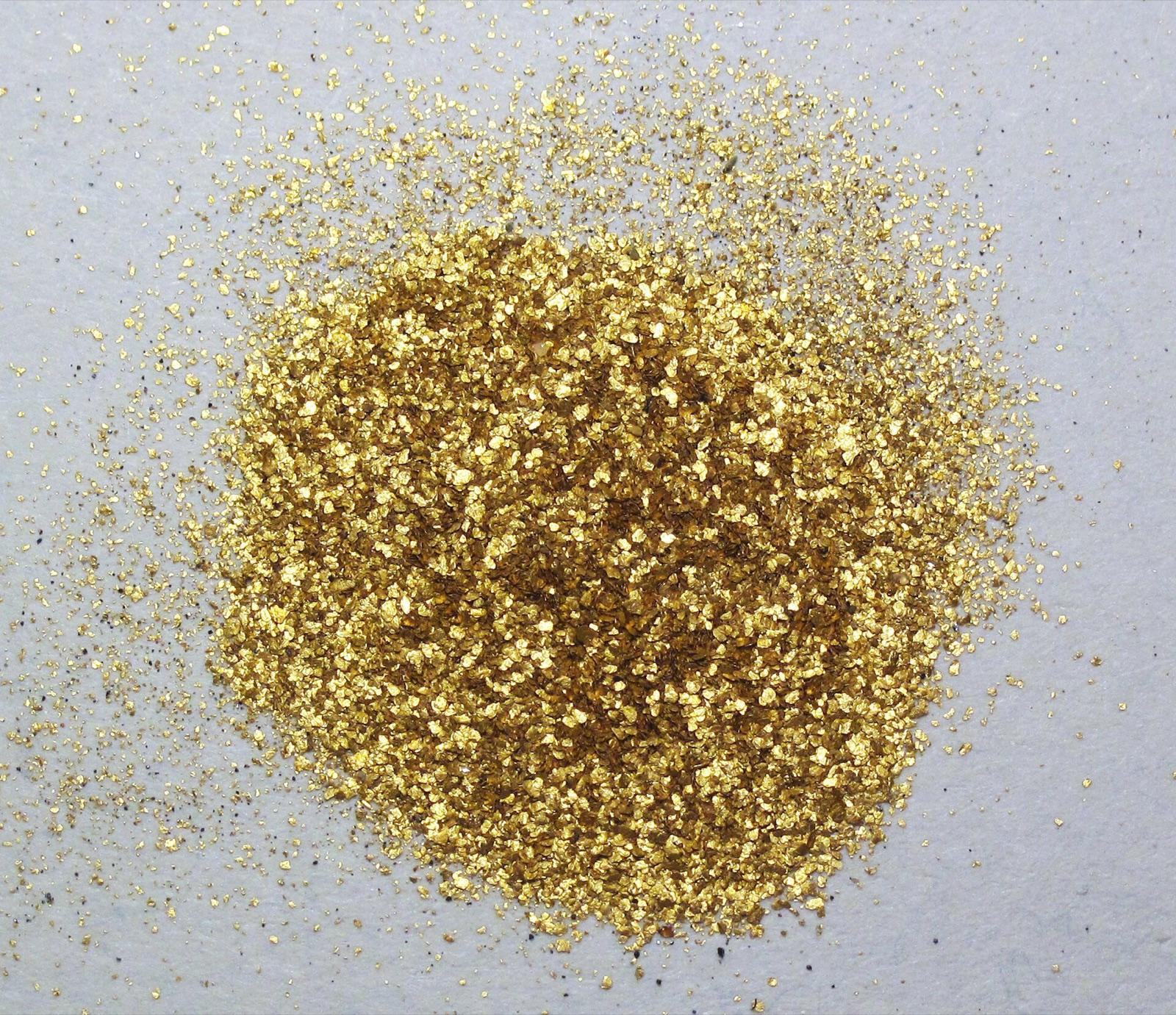
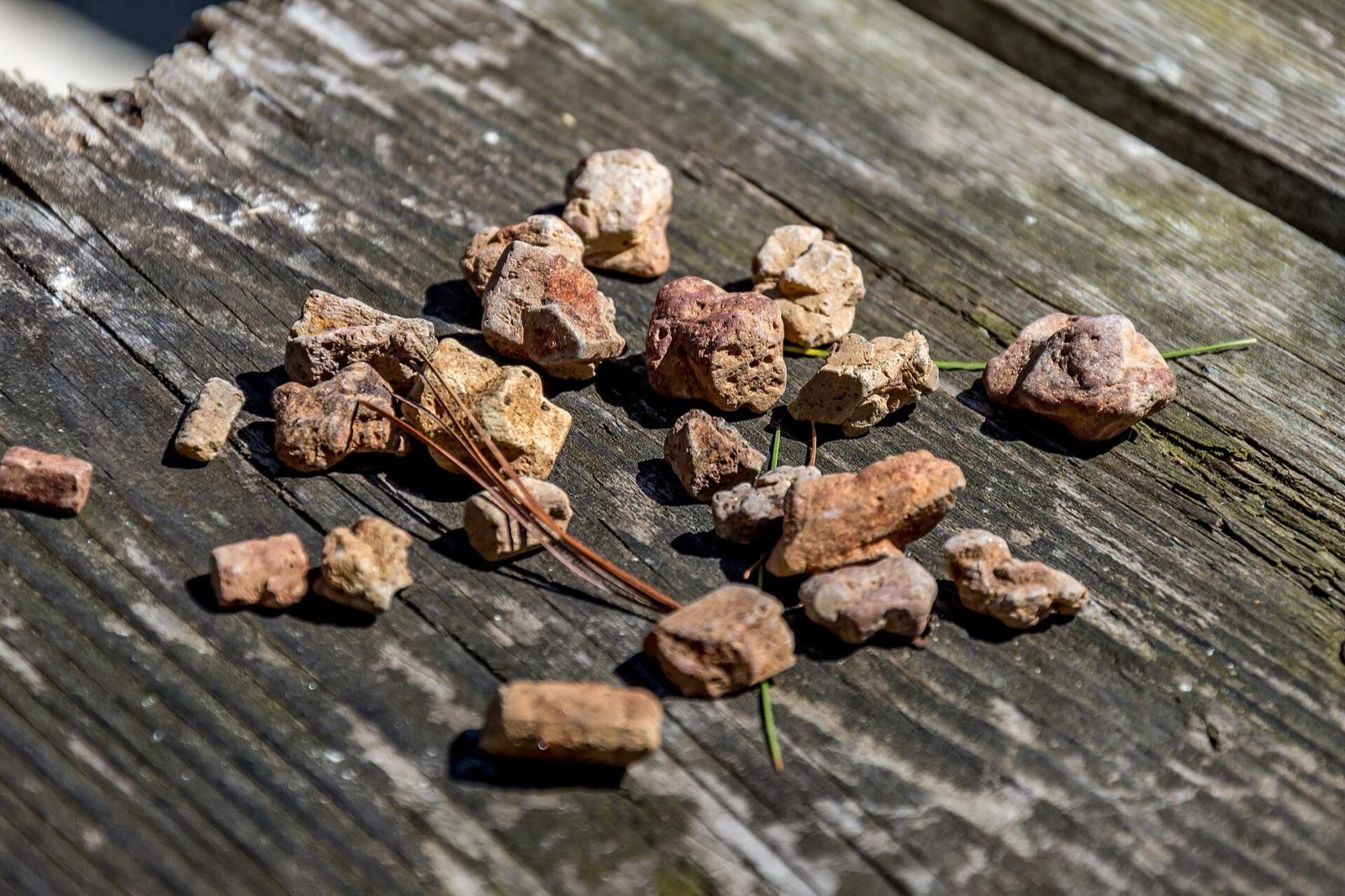
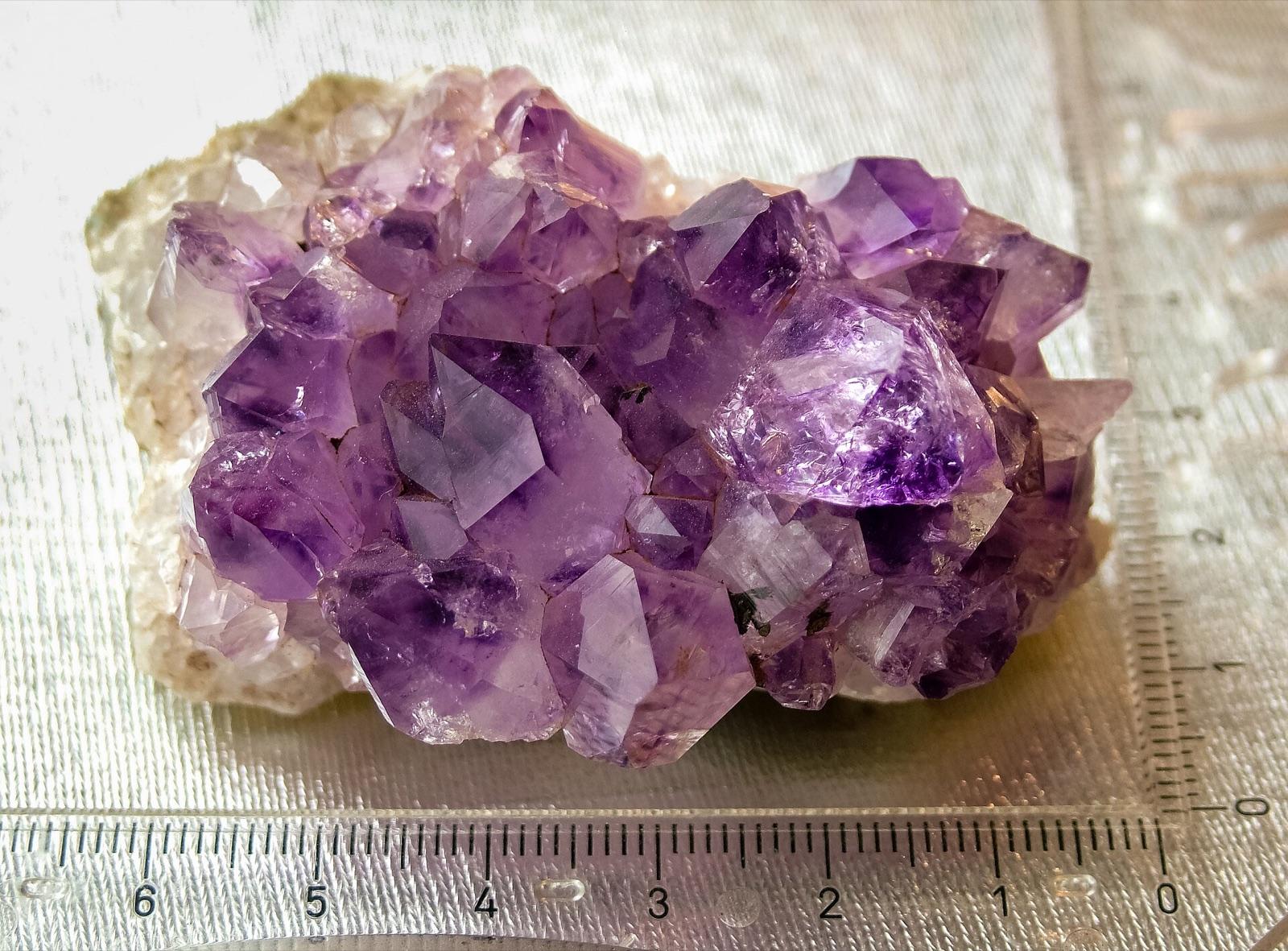
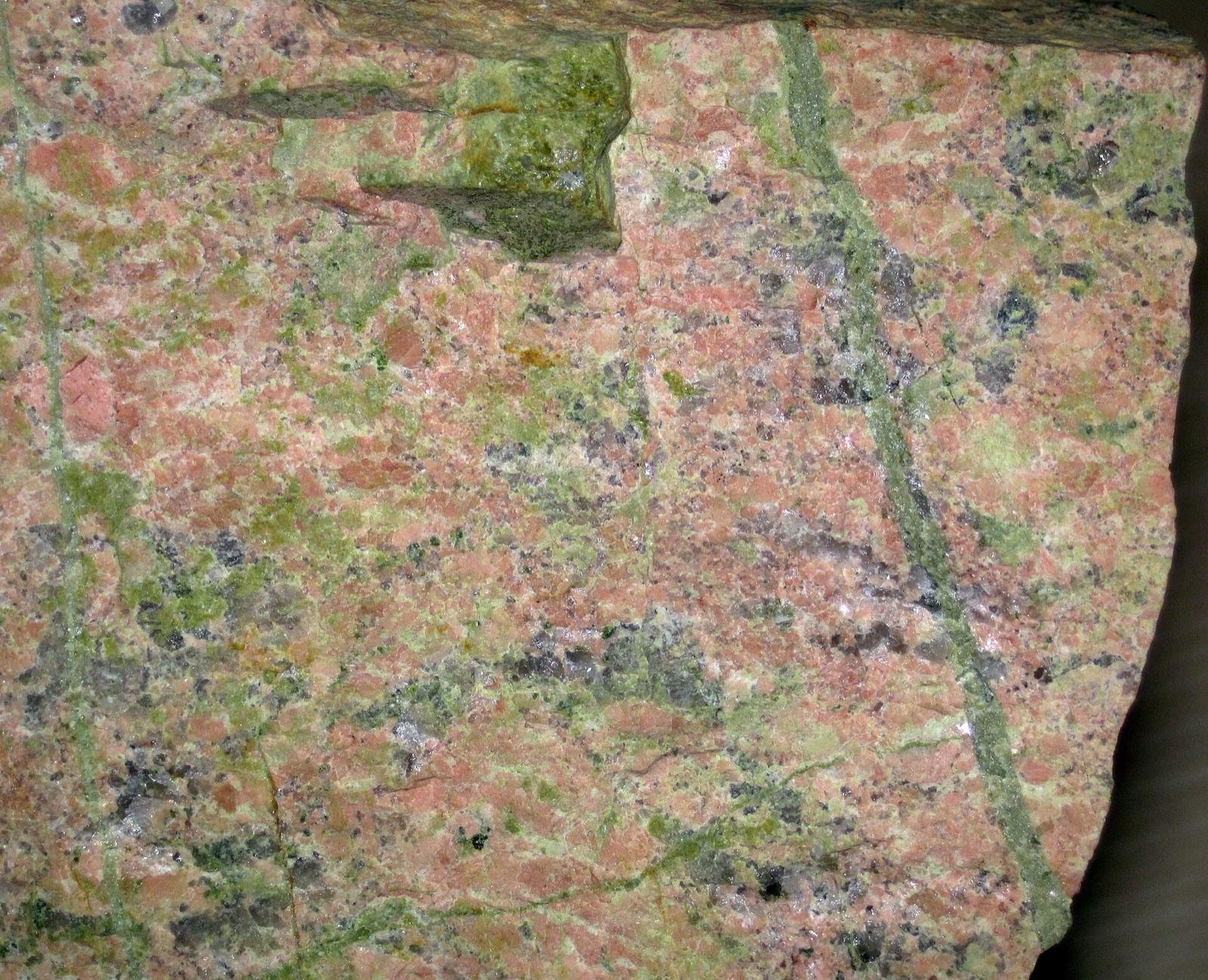
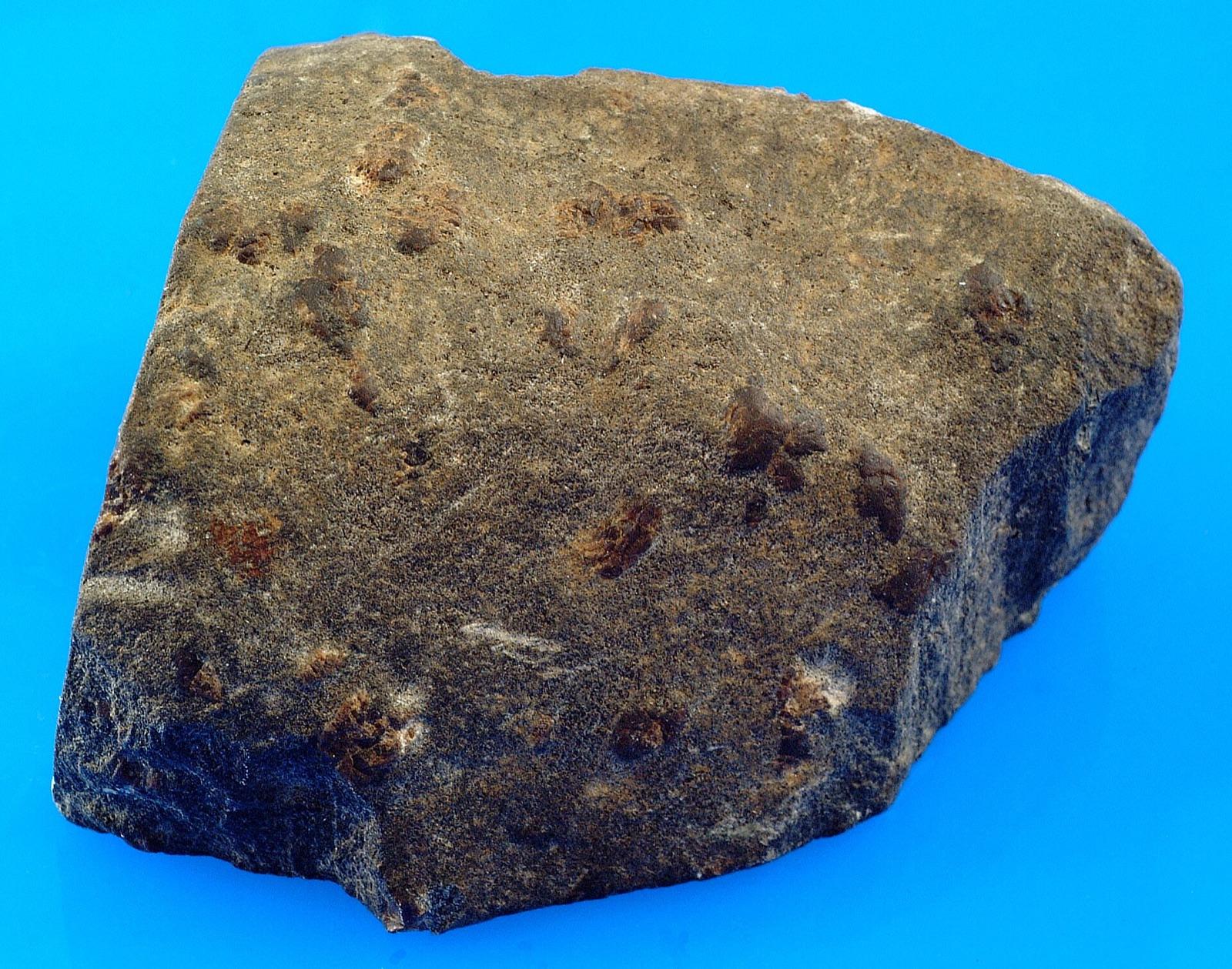
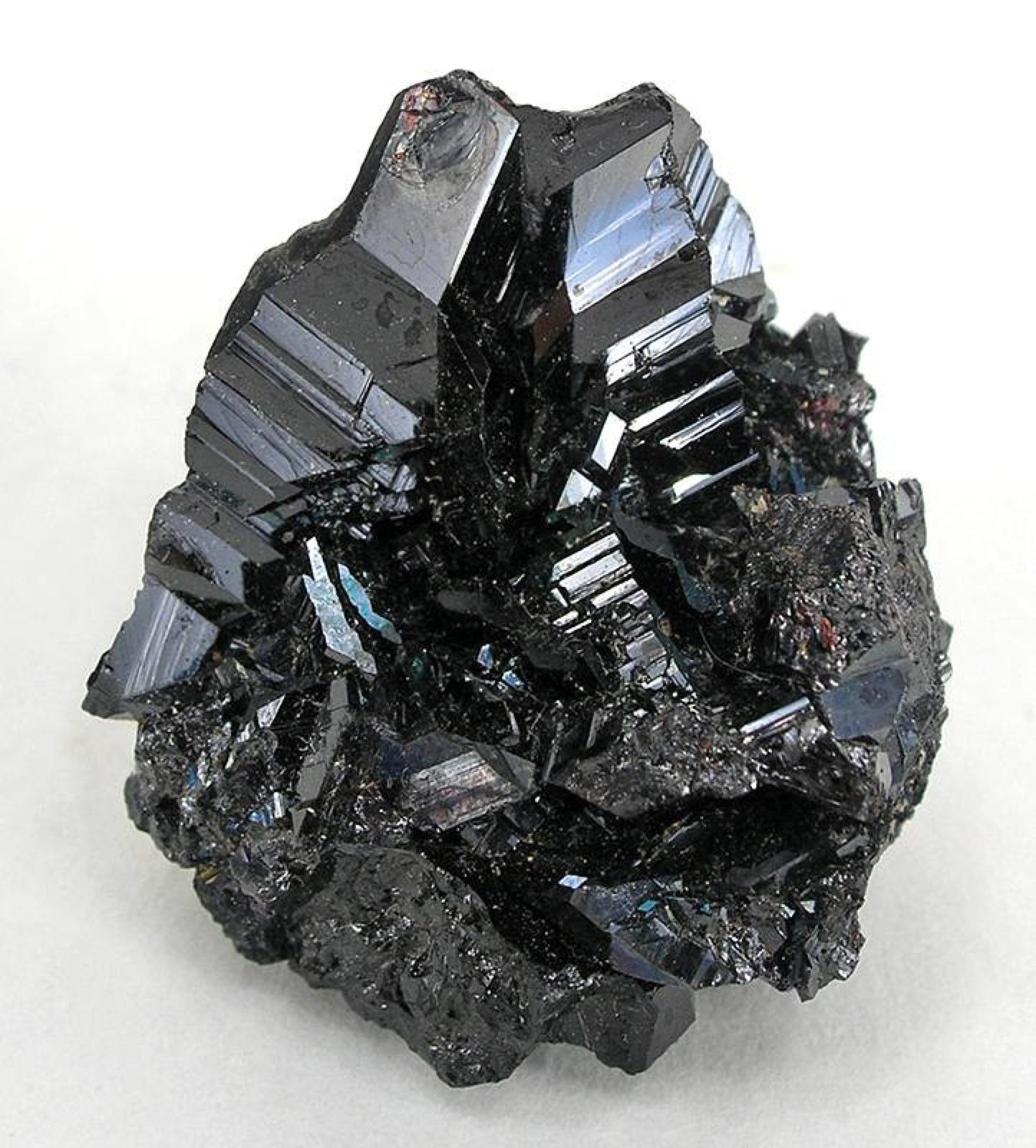
Virginia rockhounding photos

Representative spot and material photos from locations in this state, shown where verified public image records are available.

5 photos

Top minerals found in Virginia

Counts reflect how many spots in this list mention each mineral.

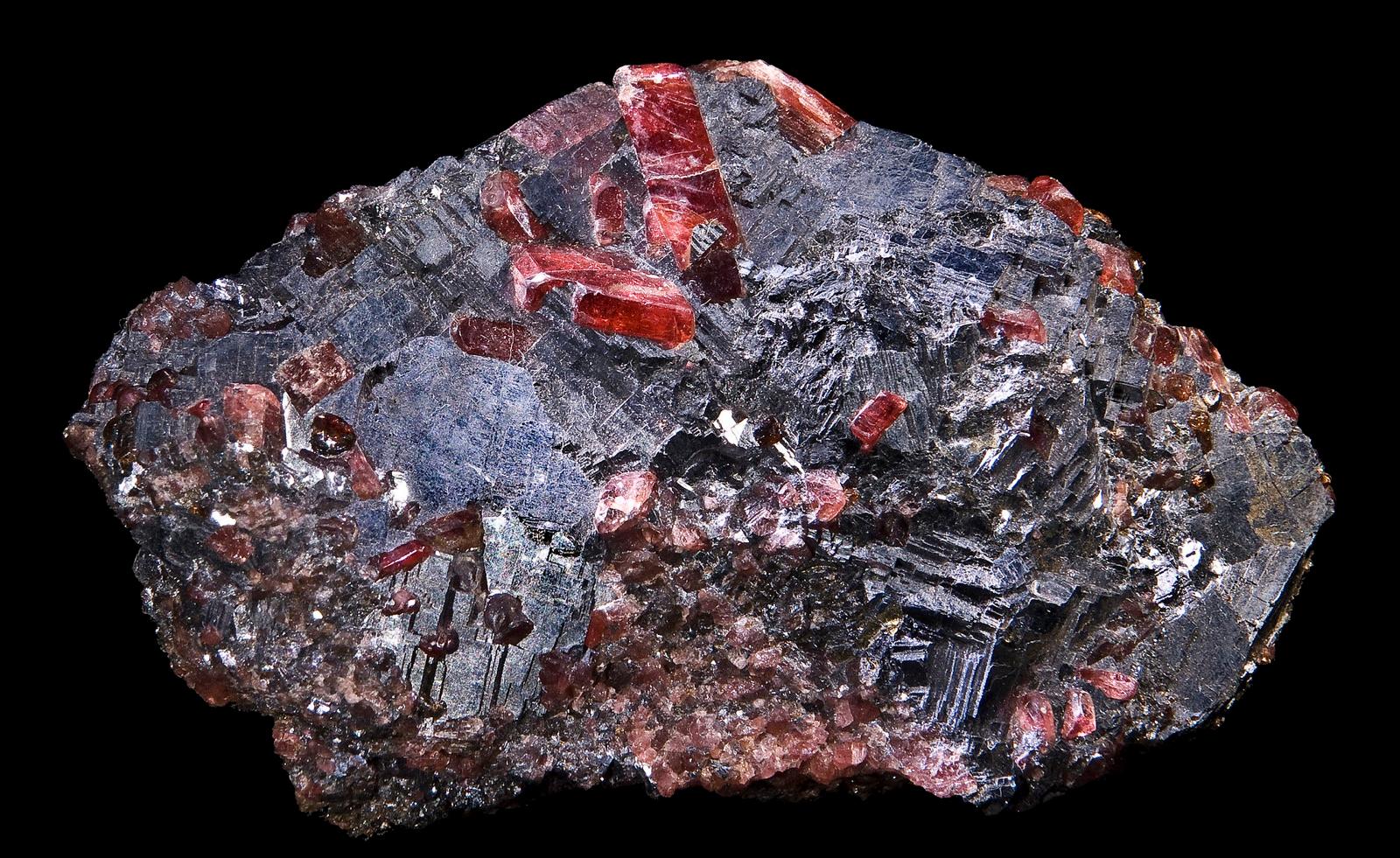
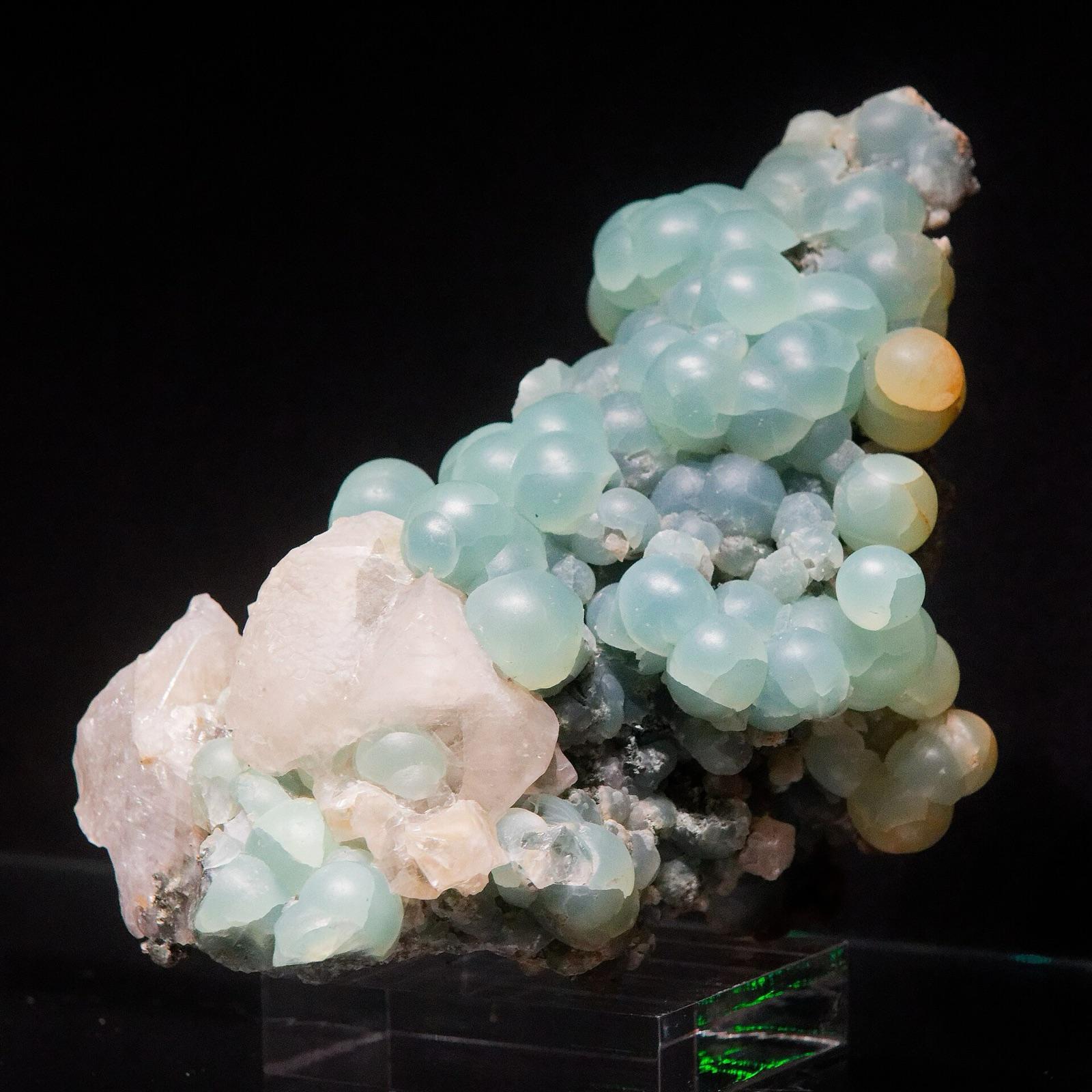
Notable areas: Amherst County amethyst, Morefield Mine amazonite, Patrick County fairy stones, Blue Ridge unakite, and Westmoreland shark teeth are the Virginia targets collectors travel for.

Geology behind Virginia rockhounding

The Blue Ridge is a belt of billion-year-old Grenville basement and younger metamorphosed volcanics. Its granites and gneisses weather to the pink feldspar and green epidote rock called unakite, to blue quartz, and to the quartz veins and pegmatites that carry Virginia's amethyst around Amherst and Nelson counties. The Piedmont to the east holds the Amelia pegmatite district (amazonite, topaz, beryl, tantalite at the Morefield and Rutherford mines), the Virginia gold-pyrite belt through Fluvanna, Goochland, and Buckingham counties, and staurolite-bearing schist around Stuart in Patrick County. Grayson and Carroll counties in the southwest carry garnet, kyanite, and the Irish Creek tin veins in Rockbridge. The Valley and Ridge to the west is Paleozoic limestone and shale with calcite, pyrite, and fossils in road cuts. On the Coastal Plain the Miocene Calvert and Eastover formations crop out along the Potomac and Chesapeake cliffs and shed shark teeth and whale bone onto the beaches.

Best regions to focus your search

Central Blue Ridge and Piedmont (Amherst, Albemarle, Nelson, Bedford, Fluvanna)

Amethyst and quartz crystals in weathered veins and creek gravel, unakite and blue quartz float below the Blue Ridge, and placer gold at Kidd's Store and Byrd Creek in Fluvanna. Mostly private farms; ask first.

Amelia pegmatite district

Morefield Mine near Amelia Court House opens for fee digging on a posted schedule and produces amazonite, topaz, beryl, garnet, and mica. The neighboring Rutherford mines are private.

Southwest highlands (Grayson, Carroll, Patrick, Rockbridge)

Garnet and kyanite around Troutdale, fairy stone staurolite near Stuart with a designated public collecting site beside Fairy Stone State Park, and cassiterite at Irish Creek. Jefferson National Forest ground is open to hand collecting.

Potomac and Chesapeake shores (Westmoreland, Charles, King George)

Miocene shark teeth, ray plates, and shell on the beaches below the cliffs. Westmoreland State Park's Fossil Beach allows hand collecting on the beach; the cliffs themselves are closed and unstable.

Best season

October through April in the Piedmont and mountains, when leaf-off and rain-washed ground show float and the ticks are down. Beach fossils are best after winter storms and on falling tides year-round. Morefield Mine digs run on a posted seasonal schedule, so check before driving.

What to bring

Rock hammer, chisels, safety glasses, gloves, a trowel and a quarter-inch screen for saprolite and creek gravel, a sand scoop and small mesh for beach fossils, and a hand lens. Wet weather turns Piedmont clay roads to grease; boots with grip help.

Local collecting history

Virginia's gold-pyrite belt was worked from the 1800s until the Depression and gave the state its first gold mines outside the Southeast's better-known districts. The Morefield Mine has produced amazonite and mica since 1929. Fairy stones, staurolite twins from Patrick County, carry a folk story that made them a Virginia keepsake long before the state park opened in 1936.

Rockhounding near major Virginia cities

Day-trip range. Each section lists the closest mapped rockhounding spots within about 150 miles of the city. Most are inside a 2 to 3 hour drive.

Rockhounding near Virginia Beach

See all →

6 closest spots to Virginia Beach, VA.

  • Hanover CountyHenrico County · Unakite85 mi1 hr 46 min drive
  • Halifax CountyHalifax County · Petrified Wood99 mi2 hr 4 min drive
  • Ashland area fieldsHanover County · Staurolite102 mi2 hr 8 min drive
  • MoselyChesterfield County · Petrified Wood, Opalized Wood104 mi2 hr 10 min drive
  • Ashland MillHanover County · Mica, Quartz105 mi2 hr 11 min drive
  • SkinquarterChesterfield County · Petrified Wood, Opalized Wood106 mi2 hr 13 min drive

Rockhounding near Richmond

See all →

6 closest spots to Richmond, VA.

  • Hanover CountyHenrico County · Unakite8 mi11 min drive
  • Ashland area fieldsHanover County · Staurolite15 mi19 min drive
  • MoselyChesterfield County · Petrified Wood, Opalized Wood18 mi22 min drive
  • Ashland MillHanover County · Mica, Quartz19 mi24 min drive
  • SkinquarterChesterfield County · Petrified Wood, Opalized Wood21 mi26 min drive
  • North Anna Battlefield ParkHanover County · Moonstone22 mi28 min drive

Neighboring states with rockhounding

Geology rarely respects state borders. These states share mapped rockhounding country with Virginia, useful when Virginia is the start, not the whole trip. Each card links to the closest county across the line.

Rockhounding by county in Virginia

County pages are linked once we have at least 3 mapped spots for a focused guide with coordinates, mineral notes, and nearby spots.

Top picks in Virginia

10 best spots

Hand-picked standouts from the Virginia list, chosen for unusual mineralogy, documented public access, or both. Each card links to coordinates, access notes, and what to look for.

Fee digs and gem mining in Virginia

1 place in Virginia where you pay to dig and keep what you find. Prices and seasons change, so check with the operator before you drive out.

Rock and mineral clubs in Virginia

9 clubs in Virginia. Clubs run field trips, shows and workshops, and many trips go to private claims you can't reach alone.

Full club directory →

Virginia rockhounding FAQ

Is rockhounding legal in Virginia?+
Yes, on George Washington and Jefferson National Forest land for personal-use hand collecting, at the two designated state park sites, at fee mines like Morefield, and on private land with permission. Shenandoah National Park, the Blue Ridge Parkway, and the rest of the state park system are closed to collecting.
Where can I find fairy stones in Virginia?+
Patrick County near Stuart. A designated public collecting area sits along Route 57 just outside Fairy Stone State Park, where you can surface-hunt staurolite crosses by hand. The park itself is closed to collecting. Crosses also turn up on private ground across Patrick and Henry counties after rain.
Where can I dig amethyst in Virginia?+
Amherst and Nelson counties are the historic amethyst country, with more in Albemarle and Bedford. Nearly all of it is private farmland and old prospect pits, so access is by permission or club trip. Weathered veins and the creeks below them are where crystals collect.
Can I collect shark teeth on Virginia beaches?+
Yes, at Westmoreland State Park's Fossil Beach, at Purse State Park and Douglas Point across the Potomac in Maryland, and on other public shoreline below the Miocene cliffs. Hand collect what you find on the beach; digging into the cliffs is prohibited and dangerous. Best after storms and on a falling tide.
What rocks and minerals can you find in Virginia?+
Virginia spots in this list most often produce quartz, amethyst, unakite, epidote, garnet, calcite, blue quartz, and pyrite, plus amazonite and topaz at Amelia, staurolite at Stuart, and Miocene shark teeth on the tidewater shores.
Where can I go rock hunting in Virginia?+
Rock hunting, rock collecting and rockhounding are the same hobby under different names. 93 spots are mapped in Virginia, 84 of them with public access. Albemarle County, Grayson County, and Carroll County have the most.
Is there gem mining or pay-to-dig in Virginia?+
Yes. 1 fee dig is mapped in Virginia, where you pay to dig and keep what you find: Morefield Gem Mine. Prices and seasons change, so check with the operator before you drive out.
Where can I dig for crystals in Virginia?+
43 mapped spots in Virginia report quartz, amethyst, or smoky quartz, mostly in Albemarle County, Bedford County, and Amelia County. Each one is in the list on this page with its land access.
Can you find geodes in Virginia?+
Yes. 1 mapped spot in Virginia reports geodes.
Where can I go gold panning in Virginia?+
1 mapped spot in Virginia reports gold, mostly in Fluvanna County. Check for mining claims before you pan: working someone else's claim is not allowed.

Map every Virginia spot in the app

Open the RockHoundR app to see Virginia on a real map with public land overlays, weather, geology, and your saved finds.

Download on the App StoreGet it on Google Play