Rockhounding in Maryland

Updated August 2026

43 mapped spots for rock hunting and rock collecting across 13 counties. Maryland rockhounding is Miocene shark teeth on the Calvert Cliffs beaches and the Potomac shore at Purse State Park, Paleozoic and Precambrian minerals in the Piedmont from Harford County garnet and tourmaline to Bare Hills serpentine and Frederick County copper, and the state gem, Patuxent River stone, in the gravels of central Maryland.

Where is the best rockhounding in Maryland?

The best rockhounding in Maryland is at Calvert Cliffs State Park in Calvert County (fossil, shark tooth), Ocean City in Worcester County (quartz), and Purse State Park in Charles County (shark tooth, fossil). In total, 43 mapped collecting spots across 13 counties produce quartz, fossil, and serpentine, each listed below with its land access.

Open the full map

Every rockhounding spot in Maryland

Maryland rockhounding photos

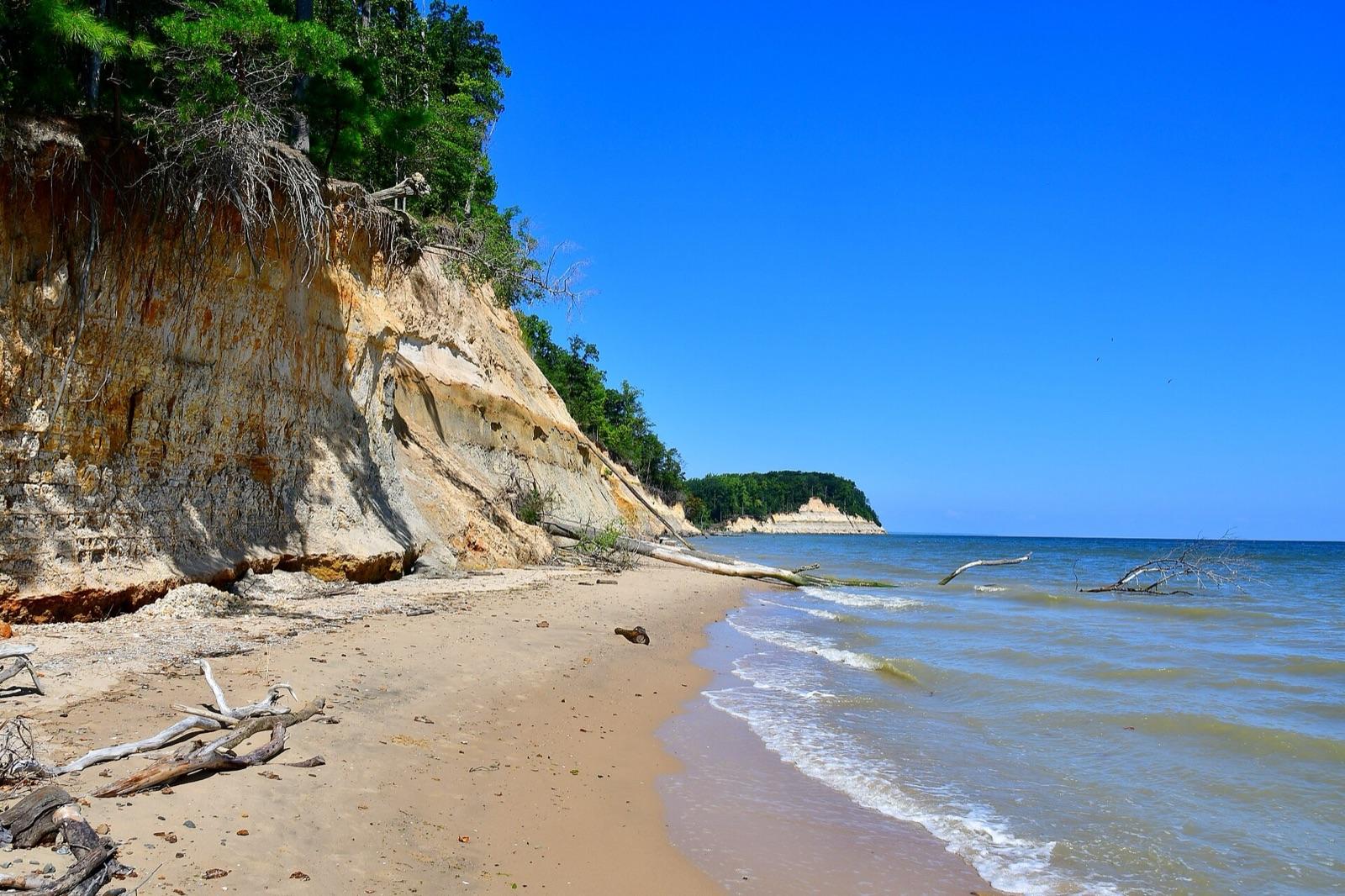
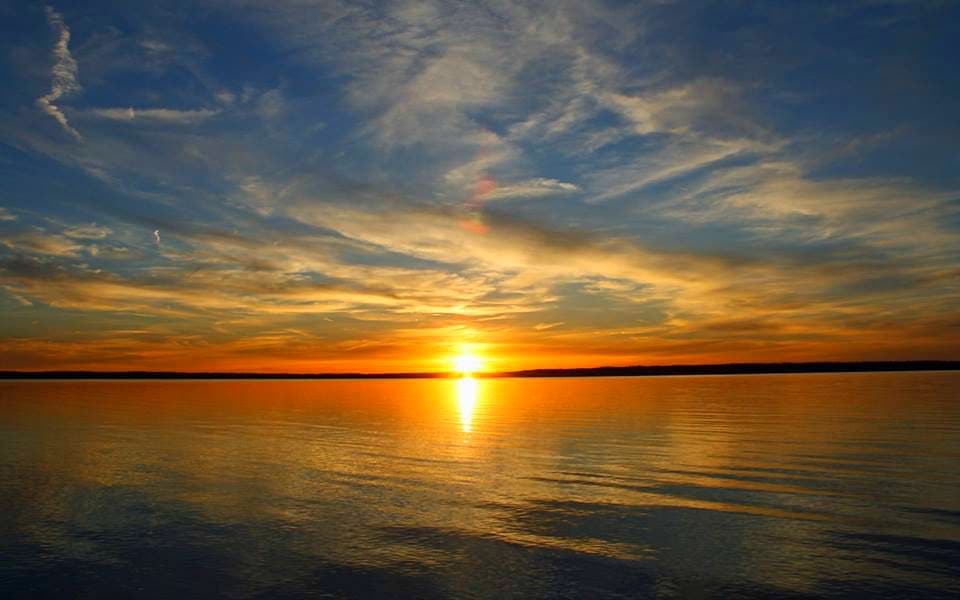
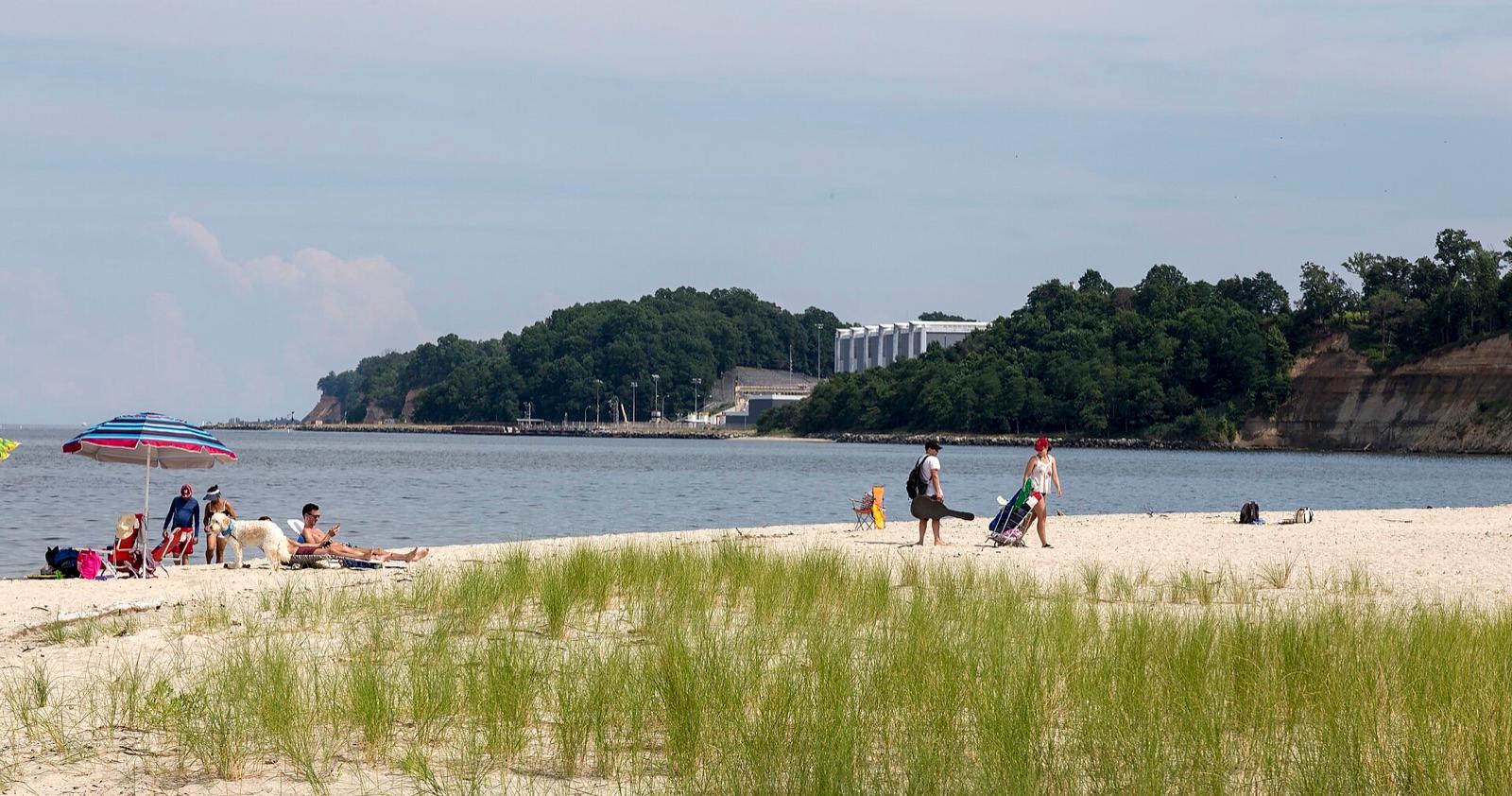
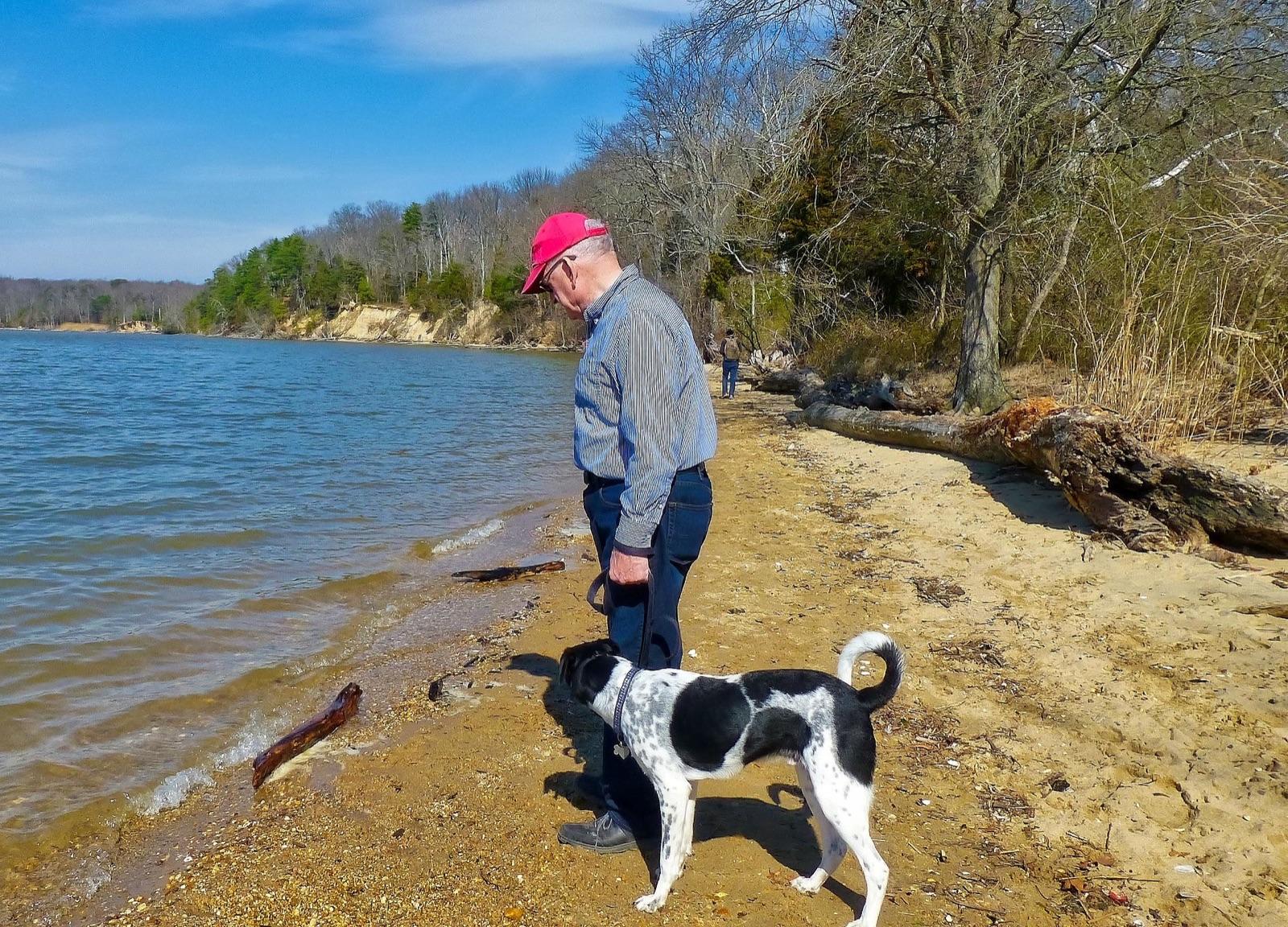
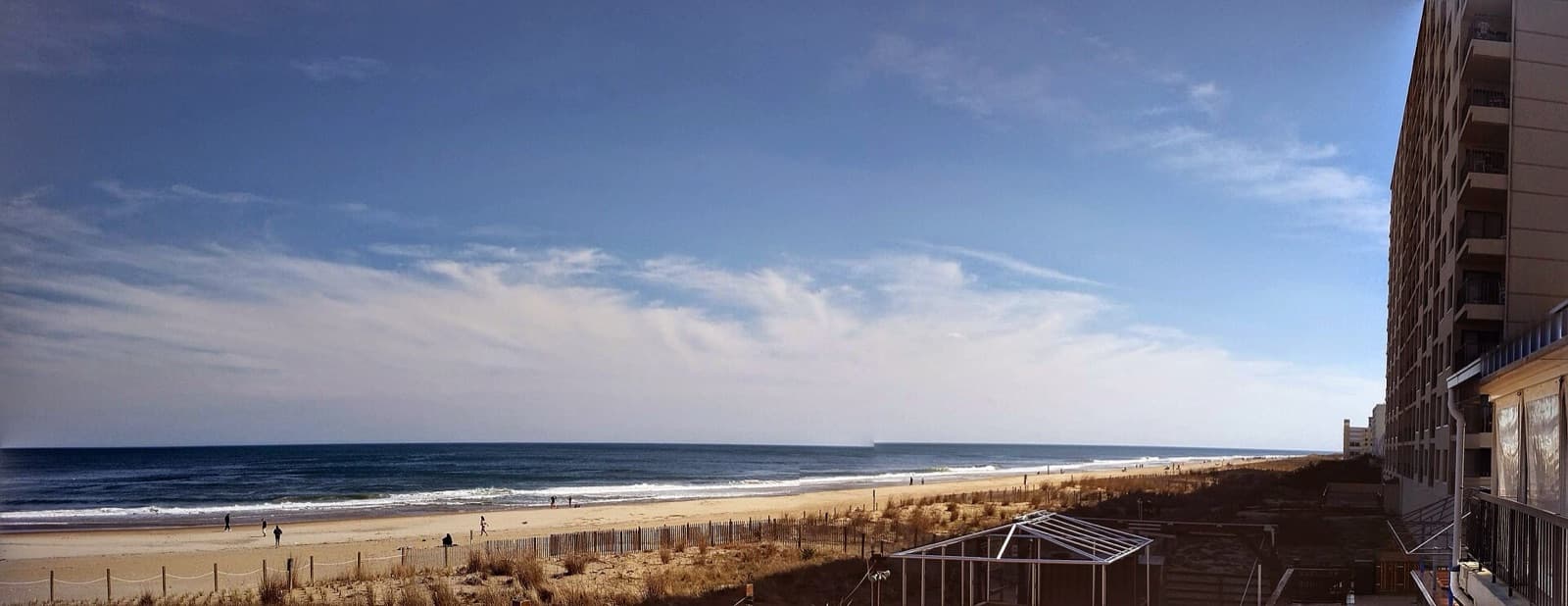
Representative spot and material photos from locations in this state, shown where verified public image records are available.

5 photos

Top minerals found in Maryland

Counts reflect how many spots in this list mention each mineral.

Notable areas: Calvert Cliffs shark teeth, Purse State Park Paleocene fossils, Harford County garnet and tourmaline, Bare Hills serpentine, and Patuxent River stone are the Maryland targets collectors travel for.

Geology behind Maryland rockhounding

The Piedmont from Cecil and Harford counties through Baltimore, Carroll, and Montgomery counties is Precambrian and Paleozoic schist, gneiss, and serpentinite. The serpentine belt at Bare Hills and Soldiers Delight carried the chromite that made Maryland the world's chromium source in the early 1800s and still shows serpentine, deweylite, and magnesite; the Wissahickon schist to the east holds almandine garnet, tourmaline, kyanite, and quartz, and the Potomac gold belt around Great Falls in Montgomery County was mined into the 1940s. Frederick County's Catoctin metabasalt weathers to epidote and quartz and its old copper mines around New London left malachite and azurite. The Patuxent River gravels of Prince George's, Anne Arundel, and Howard counties carry the red and yellow agate and jasper named Patuxent River stone. On the Coastal Plain the Miocene Calvert, Choptank, and St. Marys formations form the Calvert Cliffs and shed shark teeth, ray plates, whale bone, and shell onto the Chesapeake beaches, and the Paleocene Aquia Formation does the same along the Potomac at Purse State Park and Douglas Point. Ocean City's beaches turn up fossils in dredged renourishment sand.

Best regions to focus your search

Calvert Cliffs and the Chesapeake shore (Calvert, Anne Arundel)

Calvert Cliffs State Park allows hand collecting of fossils on its beach, and Flag Ponds Nature Park and the Bayfront beaches do the same under posted rules. The cliffs are closed and unstable; collect the wet sand.

Potomac shore (Charles County)

Purse State Park, Douglas Point, and Mallows Bay Park for Paleocene shark teeth and Turritella shell on the beach at low tide. State park and county park beaches allow hand collecting.

Piedmont (Harford, Baltimore, Cecil, Carroll)

Garnet, tourmaline, and quartz in the Harford County schists and creek gravels, serpentine and chromite minerals around Bare Hills, copper minerals in Frederick County. Mostly private; Soldiers Delight and the Great Falls gold mine are closed.

Patuxent River stone country (Prince George's, Anne Arundel, Howard)

Red, yellow, and banded agate and jasper in gravel pits and river bars along the Patuxent. Pits are private; river access is at county parks.

Best season

Beach fossils are best from November through March after storms and at low tide, before the summer crowds; a falling tide after a northeaster is ideal. The Piedmont is best in late fall and early spring with leaf-off and washed ground. Summer heat and jellyfish make the bay beaches an early-morning job.

What to bring

A sand scoop, a quarter-inch screen, a mesh bag, and a tide table for the beaches; knee boots in winter. A rock hammer, safety glasses, trowel, and hand lens for the Piedmont. Never dig into the cliffs, which shed slabs without warning.

Local collecting history

Isaac Tyson's chromite mines at Bare Hills and Soldiers Delight supplied most of the world's chromium from 1808 into the 1850s. Great Falls gold was mined intermittently from 1867 to 1951. The Calvert Cliffs have been a fossil destination since the 1600s, and Patuxent River stone became the state gem in 2004.

Rockhounding near major Maryland cities

Day-trip range. Each section lists the closest mapped rockhounding spots within about 150 miles of the city. Most are inside a 2 to 3 hour drive.

Rockhounding near Hagerstown

See all →

6 closest spots to Hagerstown, MD.

  • AshtonWashington County · Serpentine, Steatite8 mi10 min drive
  • Catoctin MountainFrederick County · Copper13 mi17 min drive
  • Fox HillFranklin County · Garnet15 mi19 min drive
  • Berkeley CountyBerkeley County · Calcite, Dolomite15 mi19 min drive
  • Adams CountyAdams County · Azurite, Cuprite16 mi20 min drive
  • MiddletownFrederick County · Stibnite16 mi20 min drive

Neighboring states with rockhounding

Geology rarely respects state borders. These states share mapped rockhounding country with Maryland, useful when Maryland is the start, not the whole trip. Each card links to the closest county across the line.

Rockhounding by county in Maryland

County pages are linked once we have at least 3 mapped spots for a focused guide with coordinates, mineral notes, and nearby spots.

Top picks in Maryland

6 best spots

Hand-picked standouts from the Maryland list, chosen for unusual mineralogy, documented public access, or both. Each card links to coordinates, access notes, and what to look for.

Rock and mineral clubs in Maryland

12 clubs in Maryland. Clubs run field trips, shows and workshops, and many trips go to private claims you can't reach alone.

Full club directory →

Maryland rockhounding FAQ

Is rockhounding legal in Maryland?+
Yes, on designated state and county park beaches for fossils, on private land with permission, and on club trips to quarries. Maryland State Parks otherwise prohibit removing rocks and minerals, and the national park units are closed.
Where can I find shark teeth in Maryland?+
Calvert Cliffs State Park's beach, Flag Ponds Nature Park, and the Bayfront beaches in Calvert County for Miocene teeth, and Purse State Park and Douglas Point on the Potomac for Paleocene teeth. Search the wet sand at low tide after a storm. Digging into the cliffs is prohibited and dangerous.
Can I collect at Soldiers Delight?+
No. Soldiers Delight Natural Environment Area protects the serpentine barrens and its old chromite pits, and collecting is prohibited. The Bare Hills area in Baltimore County has similar serpentine minerals on private and developed land.
What is Patuxent River stone and where do I find it?+
A red and yellow agate and jasper found as pebbles in the Patuxent River gravels of Prince George's, Anne Arundel, and Howard counties, named Maryland's state gem in 2004. Gravel pits are private; river bars at county parks are the public access.
What rocks and minerals can you find in Maryland?+
Maryland spots in this list most often produce quartz, fossils, garnet, shark teeth, serpentine, copper minerals, tourmaline, and malachite, plus Patuxent River stone and Chesapeake fossils.
Where can I go rock hunting in Maryland?+
Rock hunting, rock collecting and rockhounding are the same hobby under different names. 43 spots are mapped in Maryland, 36 of them with public access. Harford County, Baltimore County, and Frederick County have the most.
Is there gem mining or pay-to-dig in Maryland?+
No fee digs or pay-to-dig gem mines are mapped in Maryland yet. 36 of the 43 spots here have public access, so you can collect without paying a dig fee.
Where can I dig for crystals in Maryland?+
14 mapped spots in Maryland report quartz, amethyst, or smoky quartz, mostly in Baltimore County, Harford County, and Charles County. Each one is in the list on this page with its land access.
Can you find geodes in Maryland?+
None of the 43 mapped spots in Maryland report geodes. The nearest states with mapped geode spots are West Virginia (8), Pennsylvania (4), and Virginia (1).
Where can I go fossil hunting in Maryland?+
9 mapped spots in Maryland report fossils, mostly in Calvert County, Charles County, and Anne Arundel County. On federal land you may keep common shells, corals and plant fossils. Bones and teeth of animals with a backbone are protected.

Map every Maryland spot in the app

Open the RockHoundR app to see Maryland on a real map with public land overlays, weather, geology, and your saved finds.

Download on the App StoreGet it on Google Play