Rockhounding in West Virginia

Updated August 2026

41 mapped spots for rock hunting and rock collecting across 18 counties. West Virginia rockhounding is the Potomac Highlands: quartz crystals weathering out of the Oriskany sandstone around Petersburg, Knobly Mountain, and Berkeley Springs, Devonian fossils in the road cuts near Sugar Grove and Smoke Hole, and the Greenbrier limestone of Pocahontas and Greenbrier counties with its crinoids, small geodes, and the state gem, the fossil coral Lithostrotionella. The coalfields add plant fossils and siderite.

Where is the best rockhounding in West Virginia?

The best rockhounding in West Virginia is at Petersburg in Grant County (calcite, dolomite), Fort Spring in Greenbrier County (calcite, celestite), and Williamsburg in Greenbrier County (silicified coral, quartz). In total, 41 mapped collecting spots across 18 counties produce quartz, calcite, and dolomite, each listed below with its land access.

Open the full map

Every rockhounding spot in West Virginia

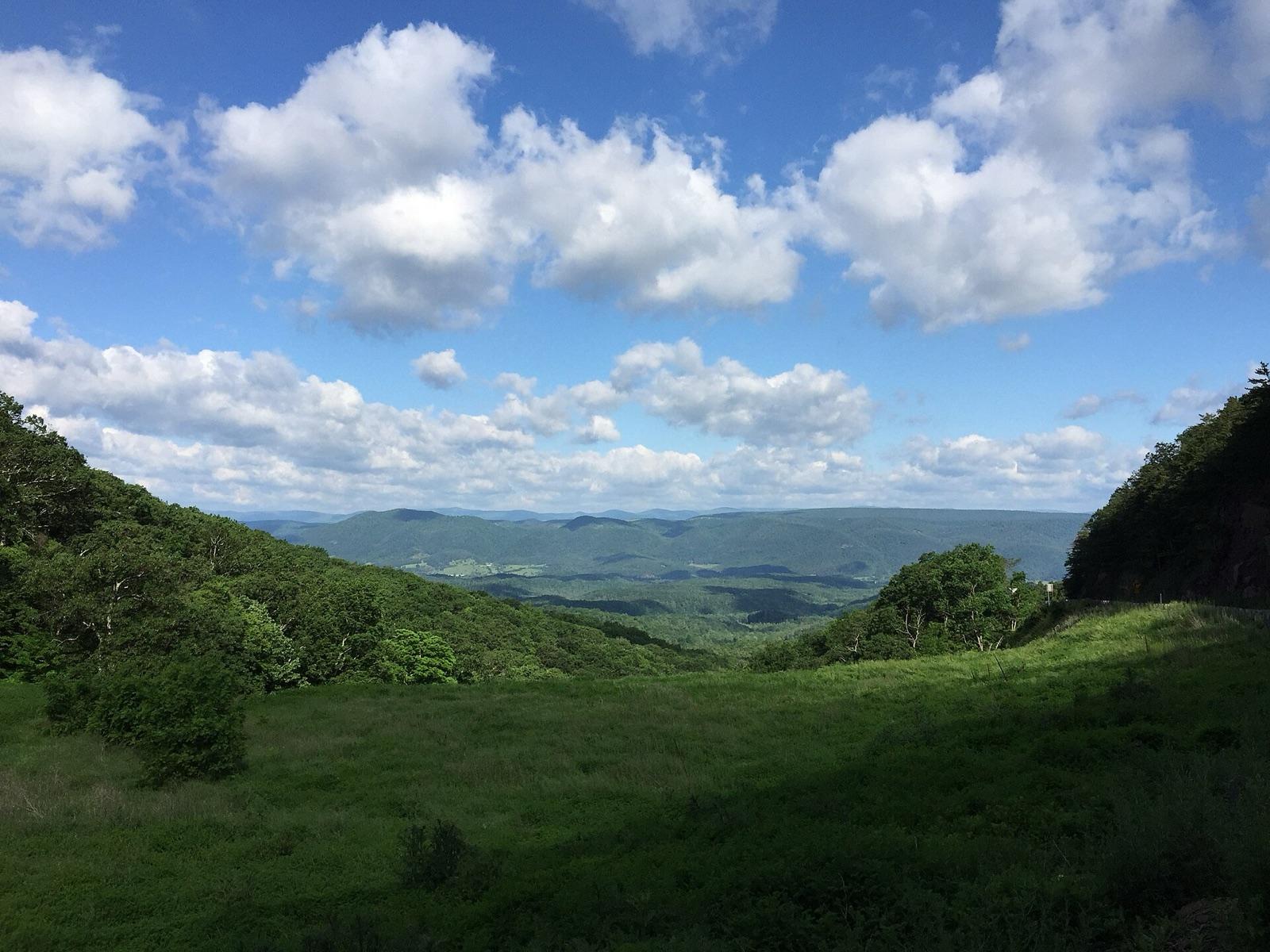
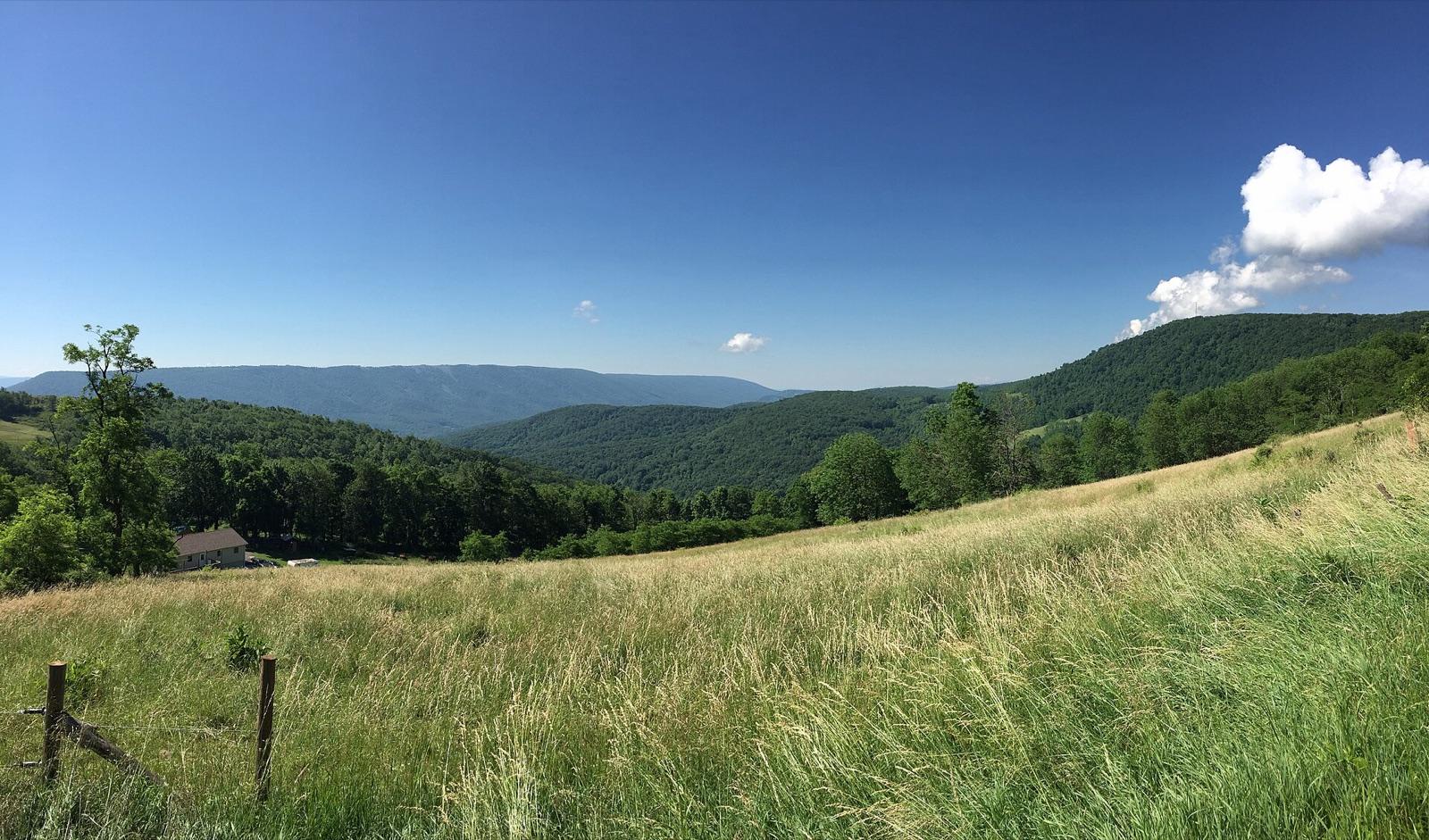
West Virginia rockhounding photos

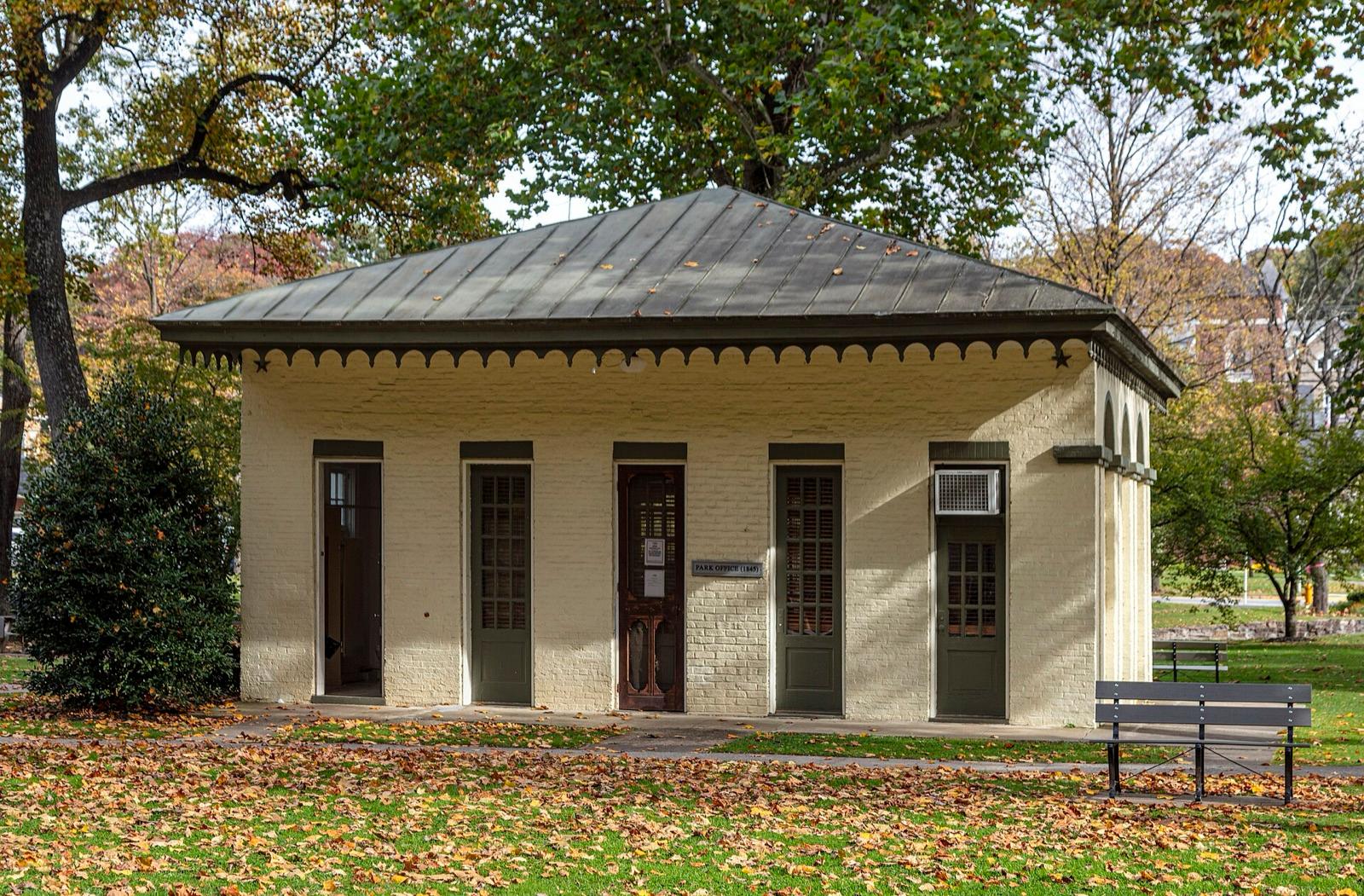
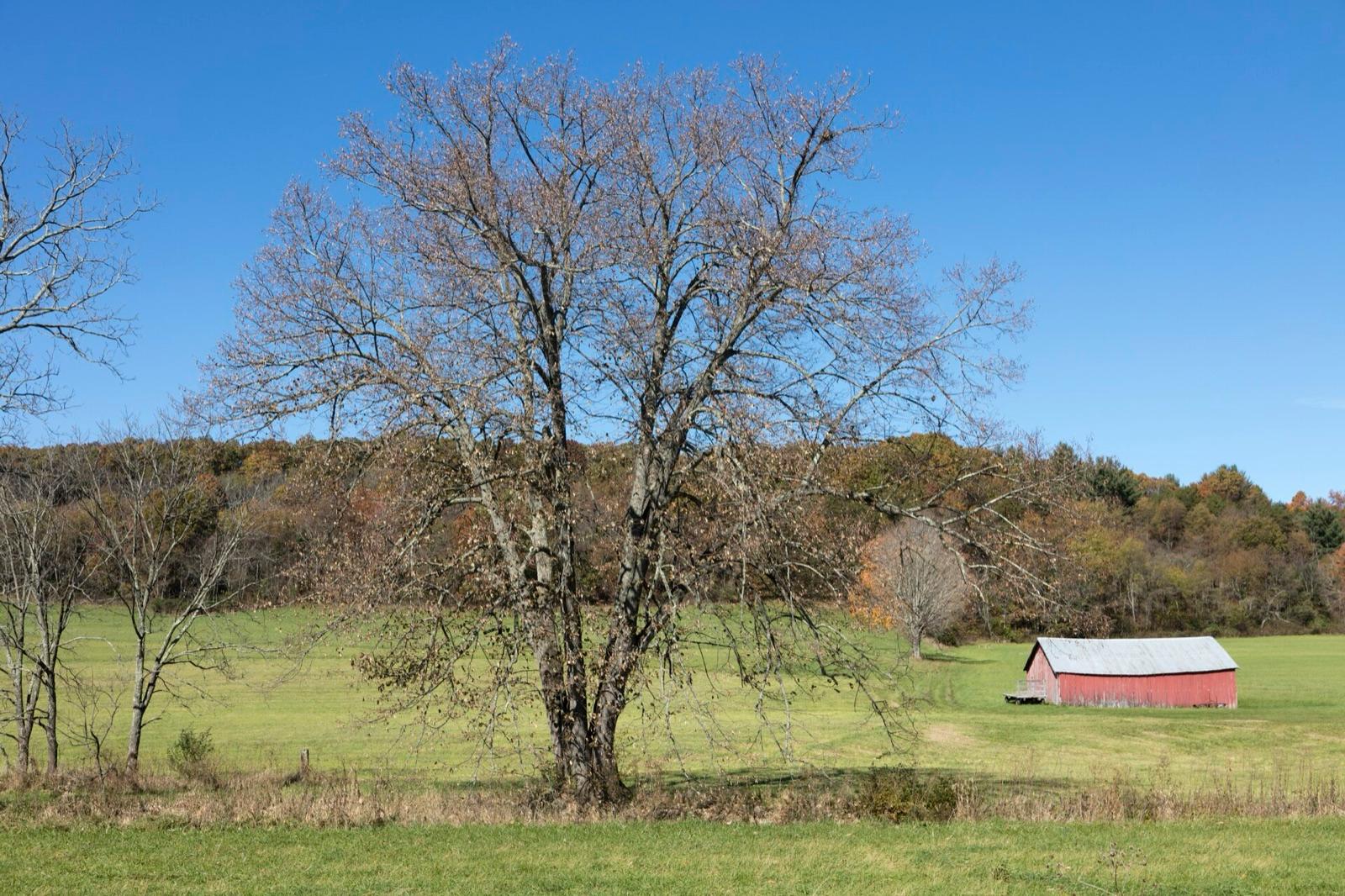
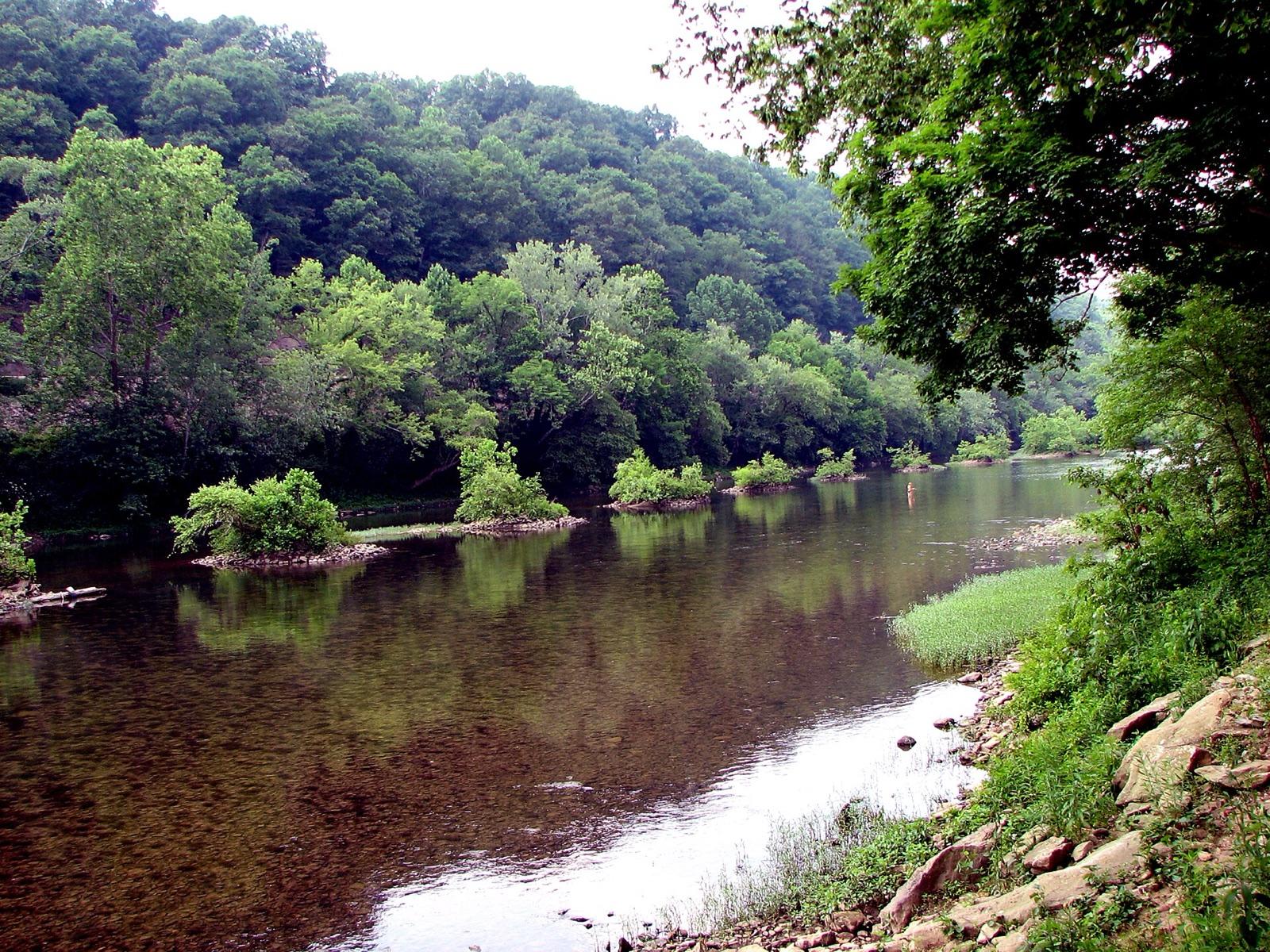
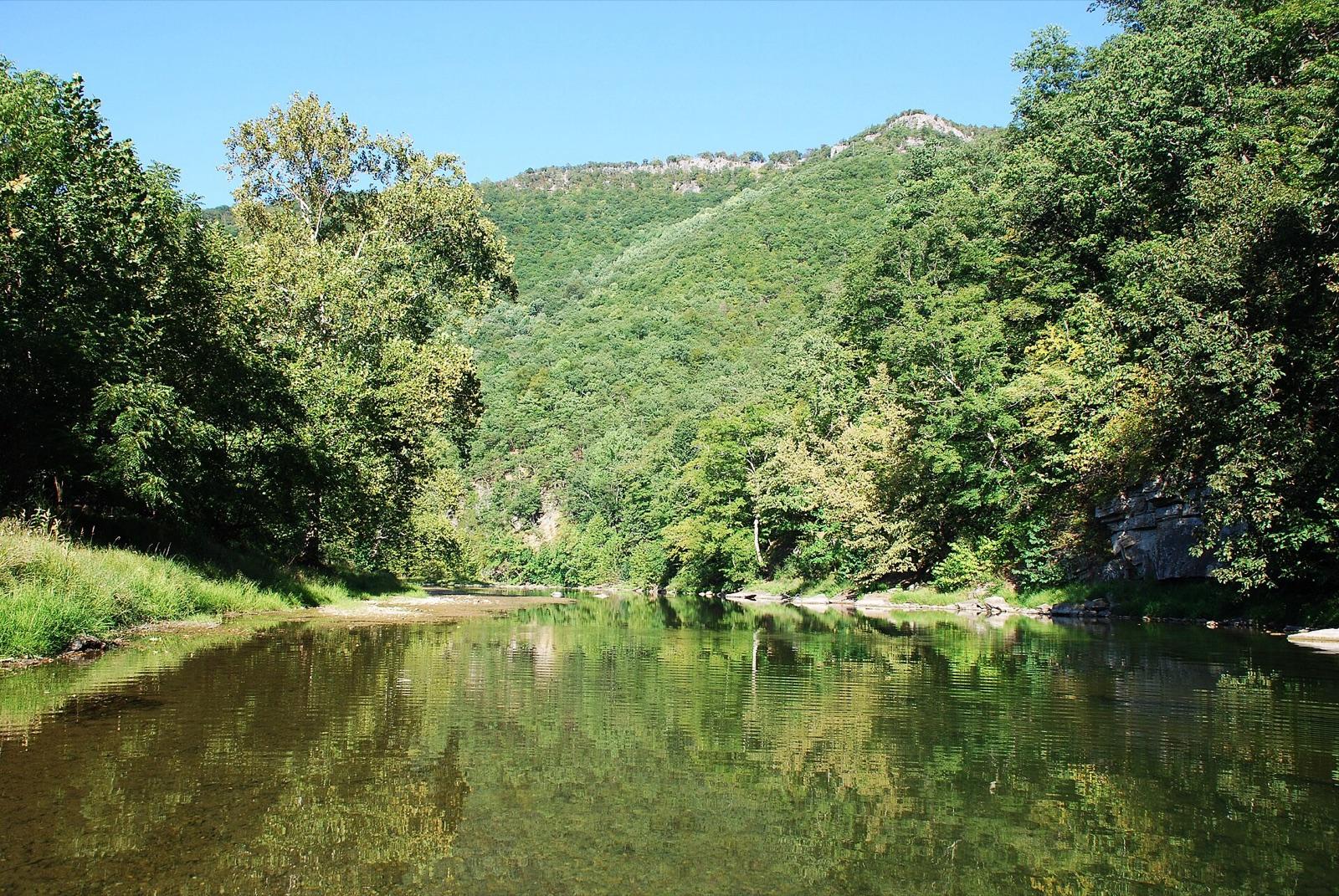
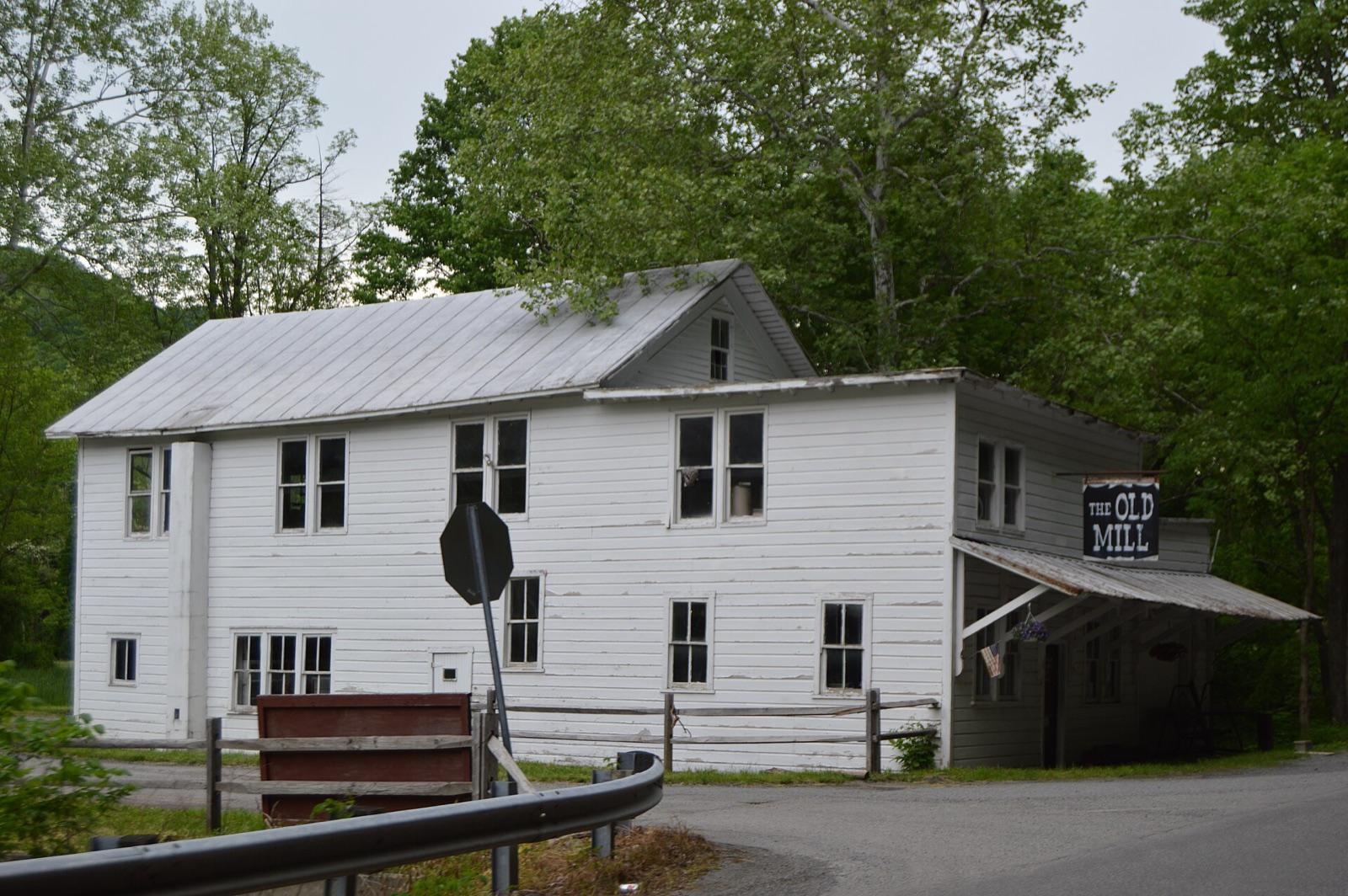
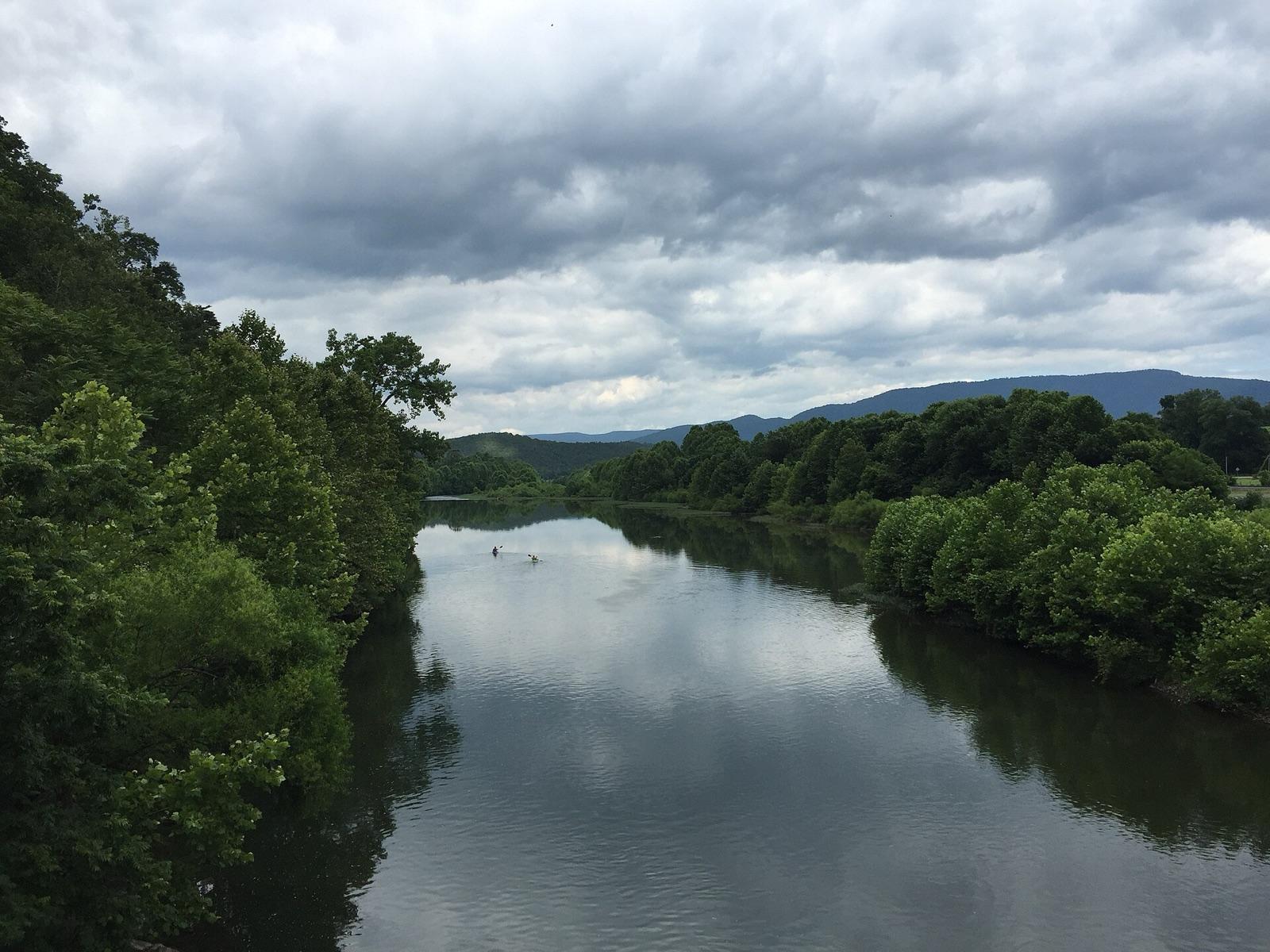
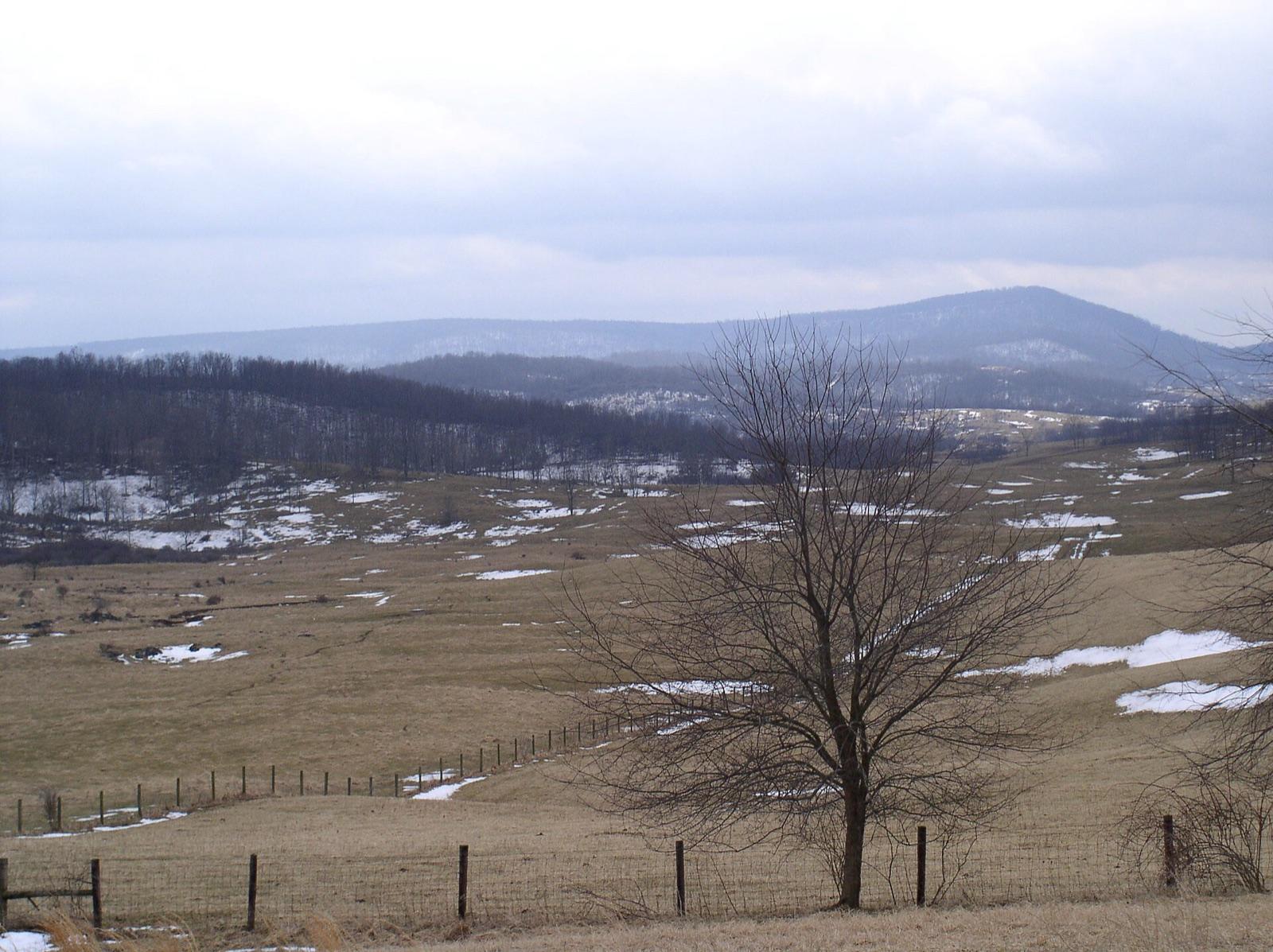
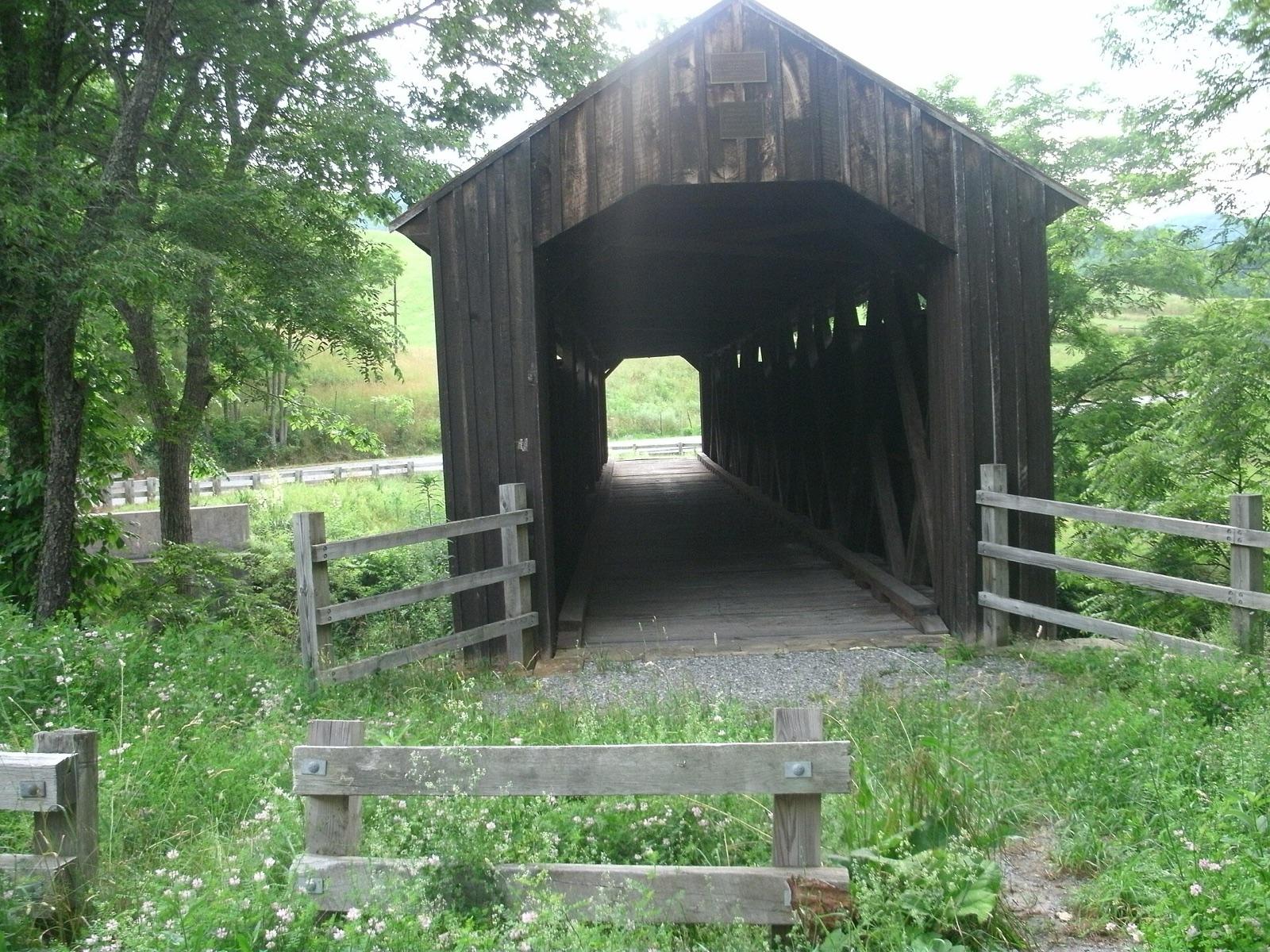
Representative spot and material photos from locations in this state, shown where verified public image records are available.

5 photos

Top minerals found in West Virginia

Counts reflect how many spots in this list mention each mineral.

Notable areas: Oriskany quartz crystals from Knobly Mountain and Petersburg, Greenbrier Lithostrotionella, Sugar Grove Devonian fossils, and coalfield fern impressions are the West Virginia targets collectors travel for.

Geology behind West Virginia rockhounding

Eastern West Virginia is the Valley and Ridge, folded Paleozoic sandstone, shale, and limestone. The Devonian Oriskany sandstone is the source of the state's best quartz crystals, which weather out of its weathered zones on Knobly Mountain and around Petersburg, Moorefield, and Berkeley Springs. Devonian shale and limestone in Pendleton, Grant, and Hardy counties carry brachiopods, trilobites, and calcite in road cuts along Routes 33 and 55, and Seneca Rocks and Smoke Hole are the Tuscarora and Oriskany standing on end. To the west, the Mississippian Greenbrier Group limestone around Hillsboro, Fort Spring, and Williamsburg holds crinoids, corals including Lithostrotionella, and quartz geodes. The Allegheny Plateau beyond it is Pennsylvanian coal measures with fern and Lepidodendron impressions, siderite and pyrite concretions, and celestite in a few limestones.

Best regions to focus your search

Oriskany quartz country (Grant, Mineral, Hardy, Morgan)

Quartz crystals in weathered Oriskany sandstone on Knobly Mountain, around Petersburg and Moorefield, and near Berkeley Springs. Much of it is Monongahela National Forest or private timberland; ask on private ground.

Devonian fossil road cuts (Pendleton, Grant)

Brachiopods, trilobites, and calcite in the cuts around Sugar Grove, Smoke Hole, and Seneca Rocks. Rights-of-way are not public collecting land; park safely and stay off the pavement.

Greenbrier limestone (Greenbrier, Pocahontas, Monroe)

Crinoids, Lithostrotionella coral, and small geodes around Hillsboro, Fort Spring, Williamsburg, and Moss Mountain, on national forest, farm, and quarry ground.

Coalfields (Kanawha, Monongalia, Cabell)

Plant fossils, siderite and pyrite concretions, and celestite from coal-measure exposures, strip-mine spoils, and Ohio River gravel. Mine property is private and often reclaimed.

Best season

April through November. Spring rain and freeze-thaw expose new crystals and fossils in the sandstone and shale, and October gives leaf-off views of outcrops without summer humidity. Higher elevations in Pendleton and Pocahontas counties hold snow into April.

What to bring

Rock hammer, chisels, safety glasses, gloves, a small trowel and screen for weathered Oriskany soil, newspaper and a putty knife for shale fossils, and a hand lens. Sturdy boots and a map; cell coverage is thin in the highlands.

Local collecting history

Berkeley Springs has drawn visitors to its warm springs since the 1700s, and the quartz crystals of the surrounding sandstone were sold as souvenirs for as long. Lithostrotionella became the state gem in 1990 and bituminous coal the state rock in 2009.

Rockhounding near major West Virginia cities

Day-trip range. Each section lists the closest mapped rockhounding spots within about 150 miles of the city. Most are inside a 2 to 3 hour drive.

Rockhounding near Charleston

See all →

6 closest spots to Charleston, WV.

  • CharlestonKanawha County · Silicified Wood3 mi4 min drive
  • Berry Hills Country ClubKanawha County · Petrified Wood4 mi5 min drive
  • Mud RiverCabell County · Geode27 mi34 min drive
  • Standing Rock RunClay County · Siderite36 mi45 min drive
  • BarboursvilleCabell County · Ocher36 mi46 min drive
  • Strange CreekBraxton County · Siderite42 mi53 min drive

Rockhounding near Morgantown

See all →

6 closest spots to Morgantown, WV.

  • MorgantownMonongalia County · Pyrite Concretion3 mi4 min drive
  • GreerMonongalia County · Pink Calcite7 mi9 min drive
  • Coopers RockMonongalia County · Hematite, Opal10 mi12 min drive
  • Mt. PleasantWestmoreland County · Amethyst42 mi53 min drive
  • New MartinsvilleWetzel County · Muscovite51 mi1 hr 4 min drive
  • New CreekMineral County · Calcite, Chert54 mi1 hr 7 min drive

Neighboring states with rockhounding

Geology rarely respects state borders. These states share mapped rockhounding country with West Virginia, useful when West Virginia is the start, not the whole trip. Each card links to the closest county across the line.

Rockhounding by county in West Virginia

County pages are linked once we have at least 3 mapped spots for a focused guide with coordinates, mineral notes, and nearby spots.

Top picks in West Virginia

10 best spots

Hand-picked standouts from the West Virginia list, chosen for unusual mineralogy, documented public access, or both. Each card links to coordinates, access notes, and what to look for.

Rock and mineral clubs in West Virginia

3 clubs in West Virginia. Clubs run field trips, shows and workshops, and many trips go to private claims you can't reach alone.

Full club directory →

West Virginia rockhounding FAQ

Is rockhounding legal in West Virginia?+
Yes, on Monongahela National Forest land for personal-use hand collecting and on private land with permission. West Virginia State Parks and forests and the national park units prohibit removing rocks, minerals, and fossils.
Where can I find quartz crystals in West Virginia?+
In the weathered Oriskany sandstone of the Potomac Highlands: Knobly Mountain in Mineral County, around Petersburg and Moorefield in Grant and Hardy counties, and near Berkeley Springs in Morgan County. Crystals weather free into the sandy soil, so a trowel and screen beat a hammer.
What is Lithostrotionella and where do I find it?+
A colonial fossil coral from the Mississippian Greenbrier limestone, named West Virginia's state gem in 1990. It polishes into a patterned stone. Look in Greenbrier limestone exposures around Hillsboro, Fort Spring, and Williamsburg in Pocahontas and Greenbrier counties.
Are the road cuts near Seneca Rocks open to collecting?+
The cuts along Routes 33 and 55 expose Devonian fossils, but a highway right-of-way is not public collecting land and Seneca Rocks itself is a protected recreation area. Use pull-offs, stay off the pavement, take small amounts, and respect posted cuts; national forest exposures nearby are the safer choice.
What rocks and minerals can you find in West Virginia?+
West Virginia spots in this list most often produce quartz, calcite, dolomite, geodes, siderite, hematite, celestite, and smoky quartz, plus Devonian and Mississippian fossils and coal-measure plant impressions.
Where can I go rock hunting in West Virginia?+
Rock hunting, rock collecting and rockhounding are the same hobby under different names. 41 spots are mapped in West Virginia, 40 of them with public access. Greenbrier County, Pocahontas County, and Pendleton County have the most.
Is there gem mining or pay-to-dig in West Virginia?+
No fee digs or pay-to-dig gem mines are mapped in West Virginia yet. 40 of the 41 spots here have public access, so you can collect without paying a dig fee.
Can you find geodes in West Virginia?+
Yes. 8 mapped spots in West Virginia report geodes, mostly in Pocahontas County, Wayne County, and Cabell County.
Where can I go fossil hunting in West Virginia?+
1 mapped spot in West Virginia reports fossils, mostly in Pendleton County. On federal land you may keep common shells, corals and plant fossils. Bones and teeth of animals with a backbone are protected.

Map every West Virginia spot in the app

Open the RockHoundR app to see West Virginia on a real map with public land overlays, weather, geology, and your saved finds.

Download on the App StoreGet it on Google Play