A coprolite is fossilized feces, classed as a trace fossil because it records what an animal ate rather than what it looked like. Much of the original material has been replaced by minerals such as silicates and calcium carbonates. William Buckland named them in 1829, after Mary Anning noticed that "bezoar stones" in ichthyosaur skeletons at Lyme Regis held fish bones and scales. Coprolites range from a few millimetres to over 60 centimetres and are known from rocks of Cambrian age to recent times worldwide.
Is this coprolite?
2-step field checkRun through these checks against the specimen in your hand. The more boxes tick, the more confident the ID.
- 1Name the organismDecide what left the fossil before worrying about the rock. Organism: Trace fossil (fossilized feces); producer varies. Age: Cambrian to recent.
- 2Check the preservationPreservation: Original material largely replaced by minerals such as silicates and calcium carbonates. That controls the weight, the hardness and how the piece takes a polish.
All properties
- Uses
- Scientific research
- Organism
- Trace fossil (fossilized feces); producer varies
- Age
- Cambrian to recent
- Preservation
- Original material largely replaced by minerals such as silicates and calcium carbonates
Where rockhounds find coprolite
Classic worldwide localities
- Lias formation, Lyme Regis, England
More coprolite photos
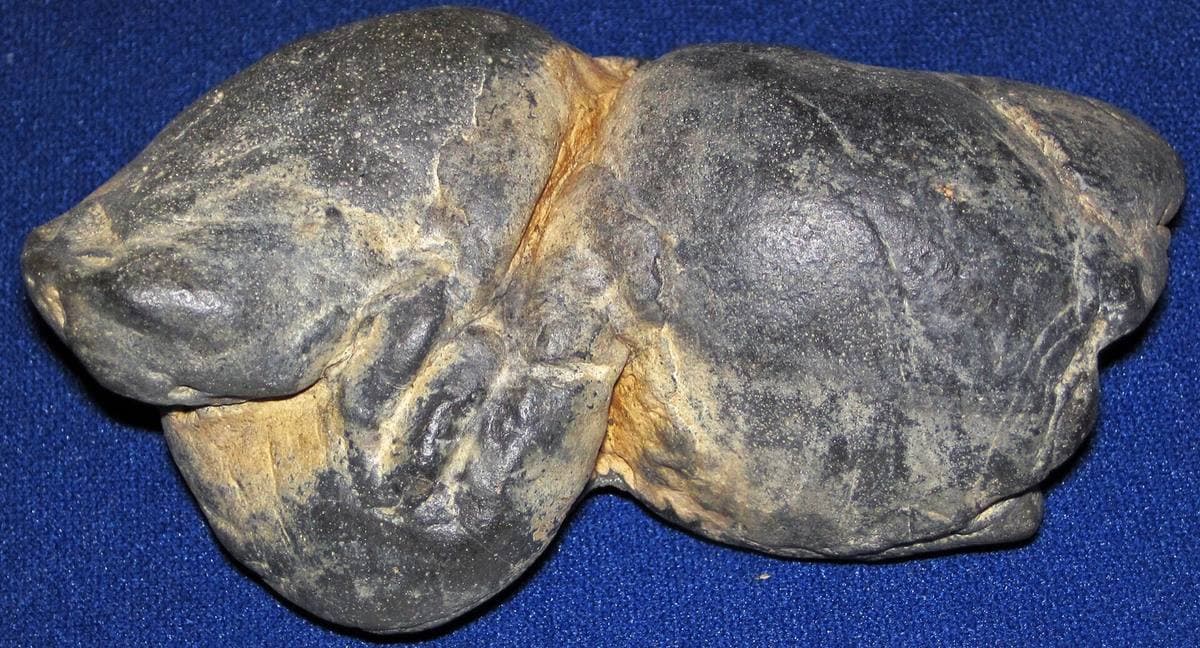
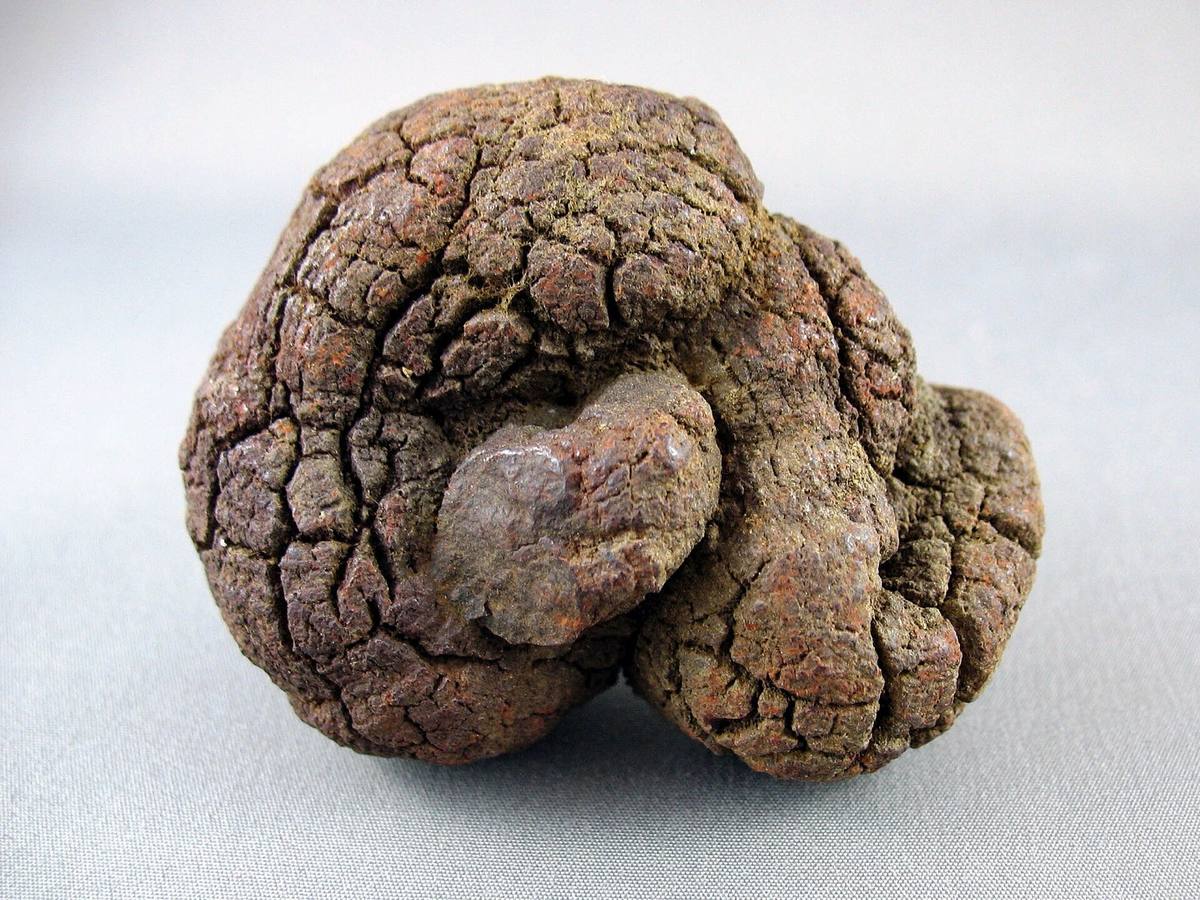
Common questions
Where is coprolite found?+
Notable localities include Lias formation, Lyme Regis, England.
What is coprolite used for?+
Coprolite is used in scientific research.
Find coprolite on the map
RockHoundR shows mapped rockhounding spots, access rules, and lets you log every find.