Rockhounding in Mississippi

Updated August 2026

14 mapped spots for rock hunting and rock collecting across 12 counties. Mississippi rockhounding is gravel and fossils: petrified wood and agate in the Citronelle gravel pits and creek beds around Wesson and the Natchez area, Cretaceous shark teeth and mosasaur bone at Twentymile Creek in the northeast, Eocene shells and whale bone around Waynesboro, and gravel bars on the Tombigbee, Pearl, and Mississippi rivers.

Where is the best rockhounding in Mississippi?

The best rockhounding in Mississippi is at Gulfport in Harrison County (jasper, petrified wood), Twentymile Creek in Prentiss County (fossil, petrified wood), and Wesson in Copiah County (banded agate, chalcedony). In total, 14 mapped collecting spots across 12 counties produce petrified wood, agate, and fossil, each listed below with its land access.

Open the full map

Every rockhounding spot in Mississippi

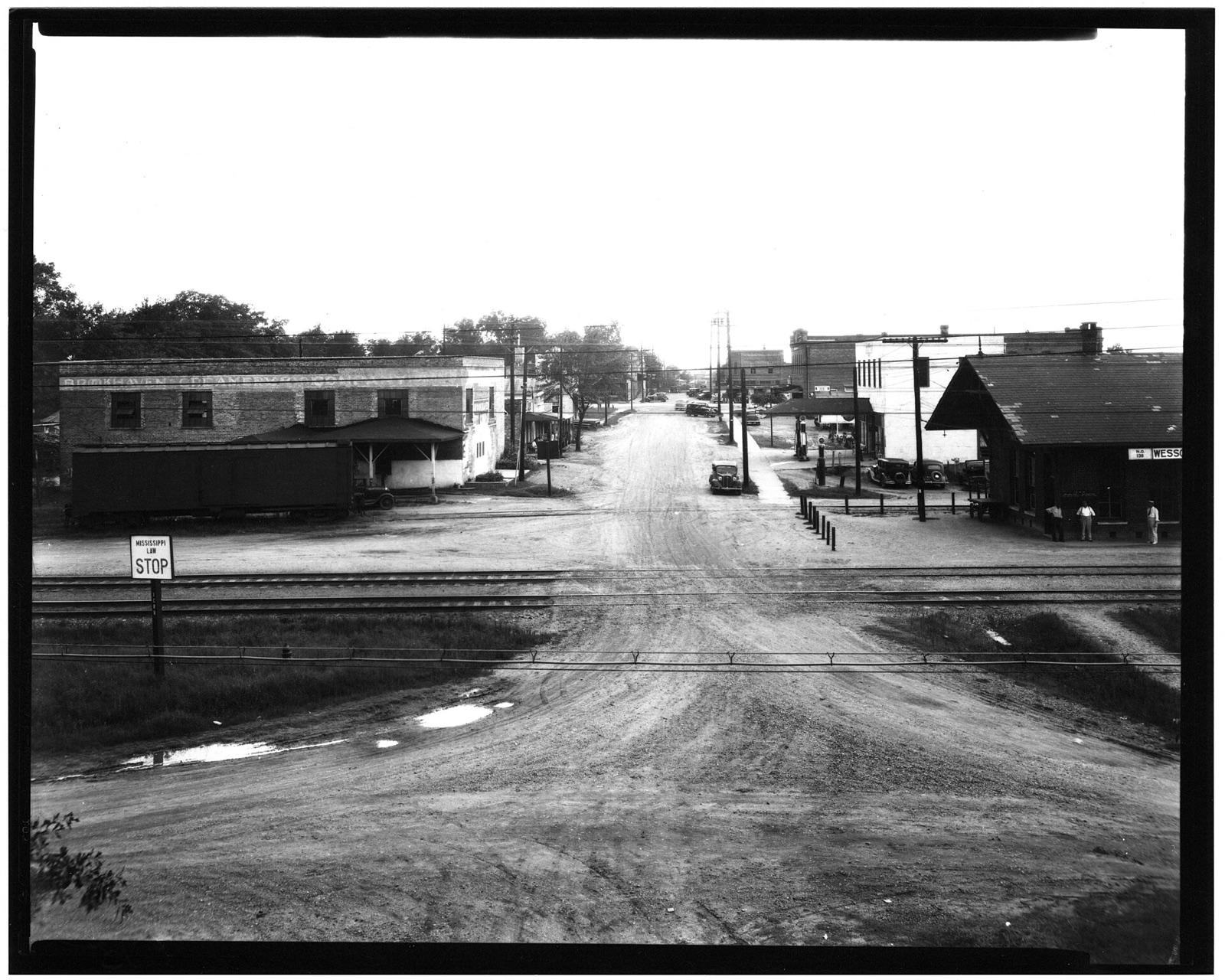
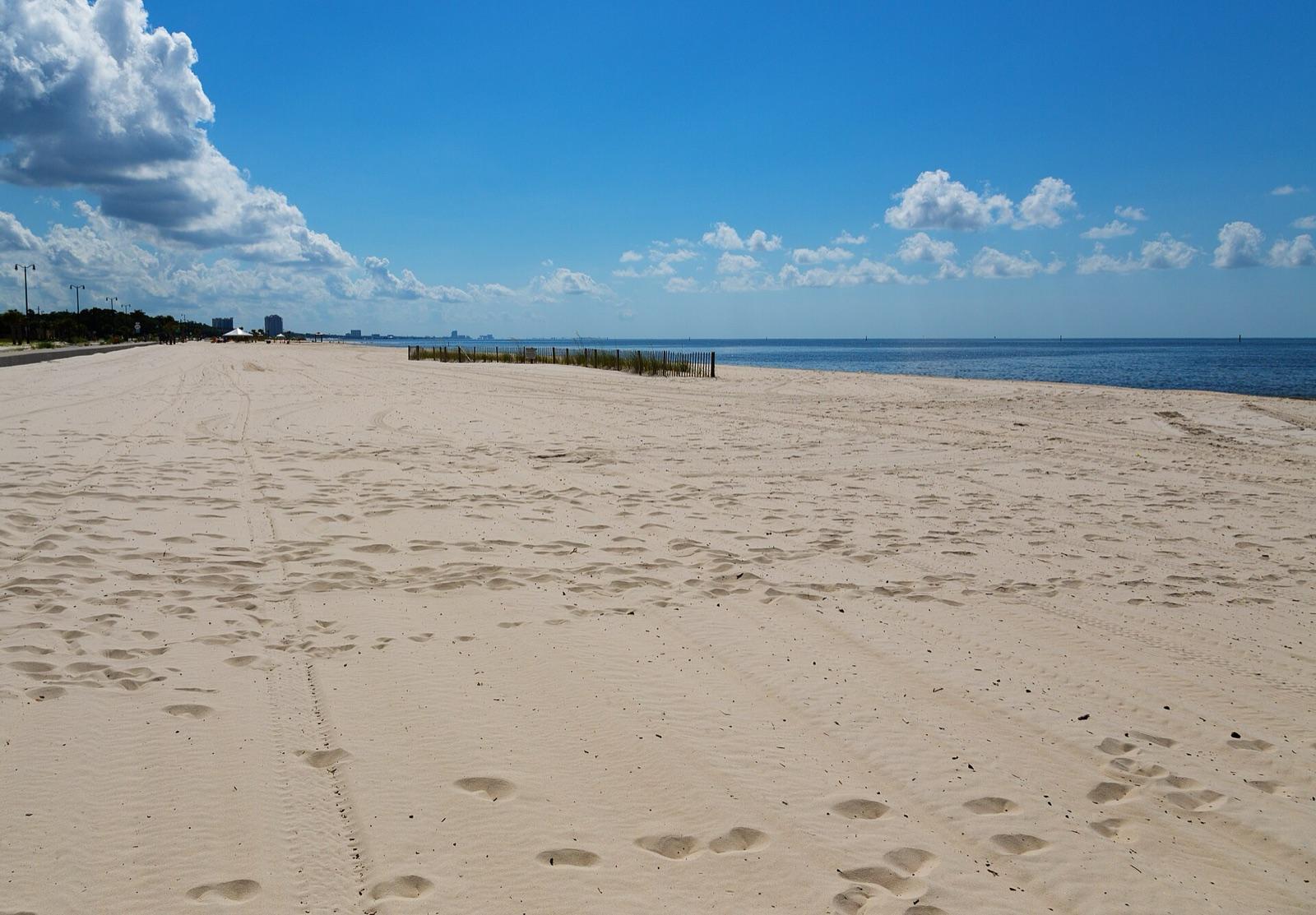
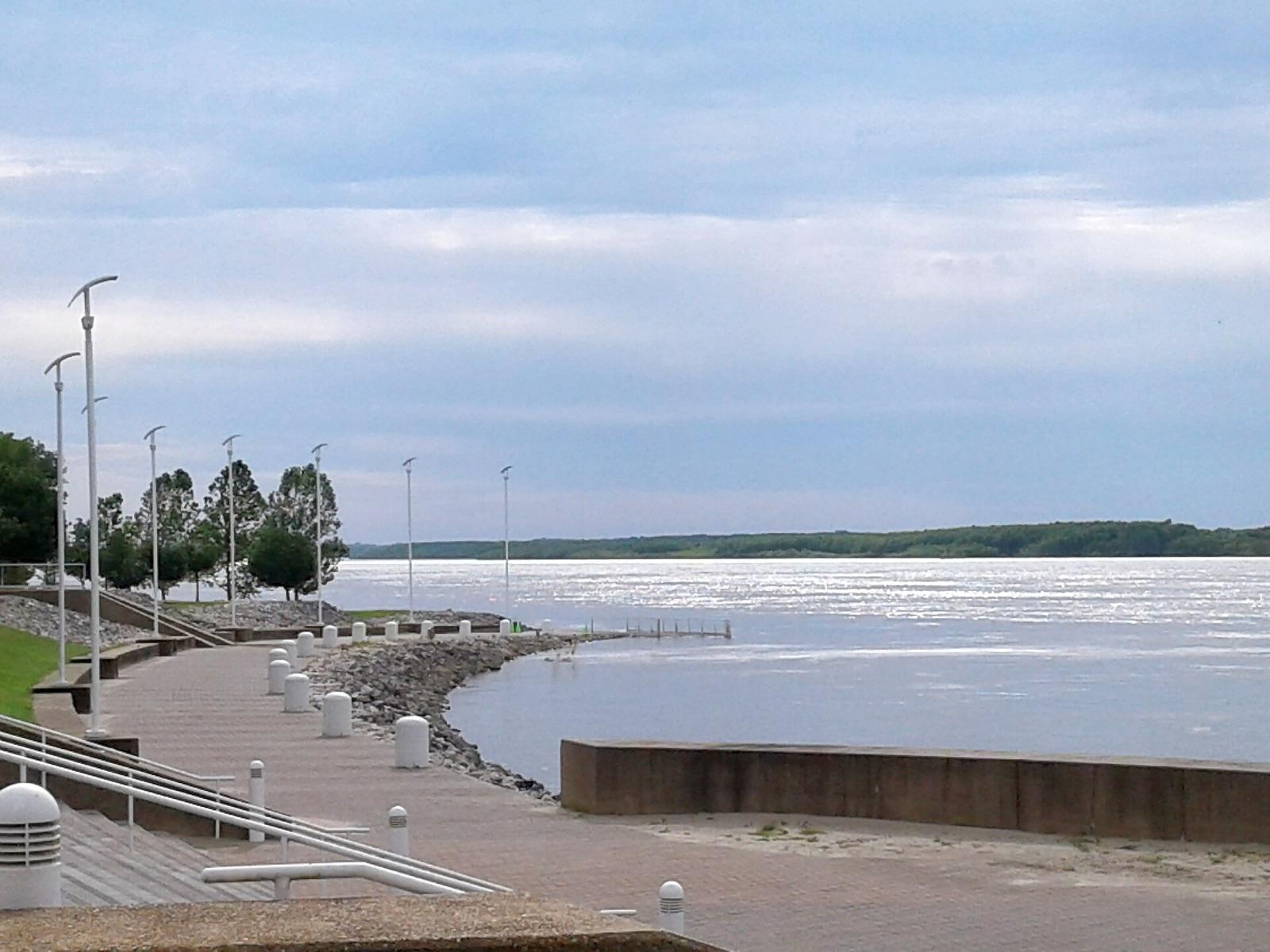
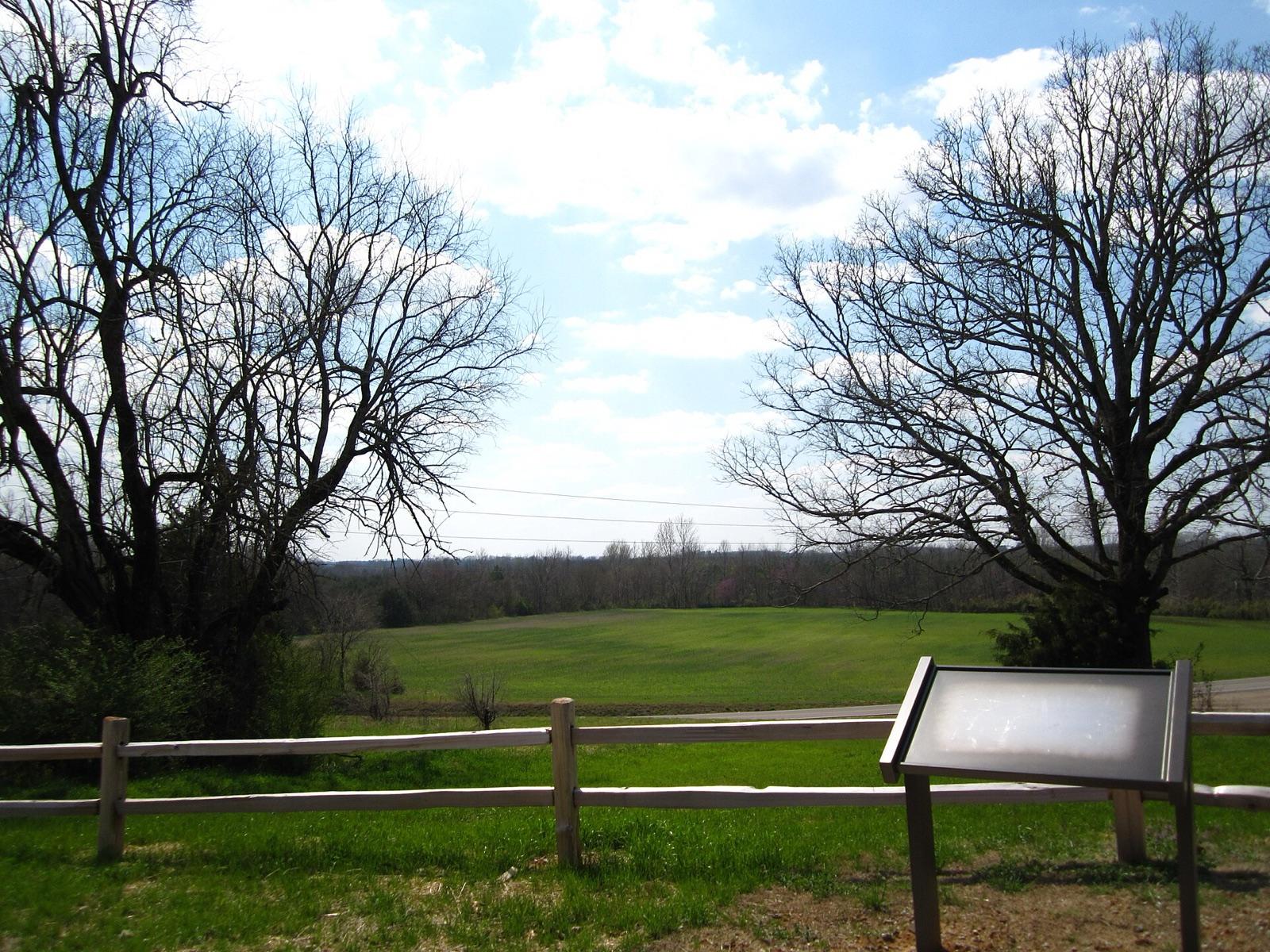
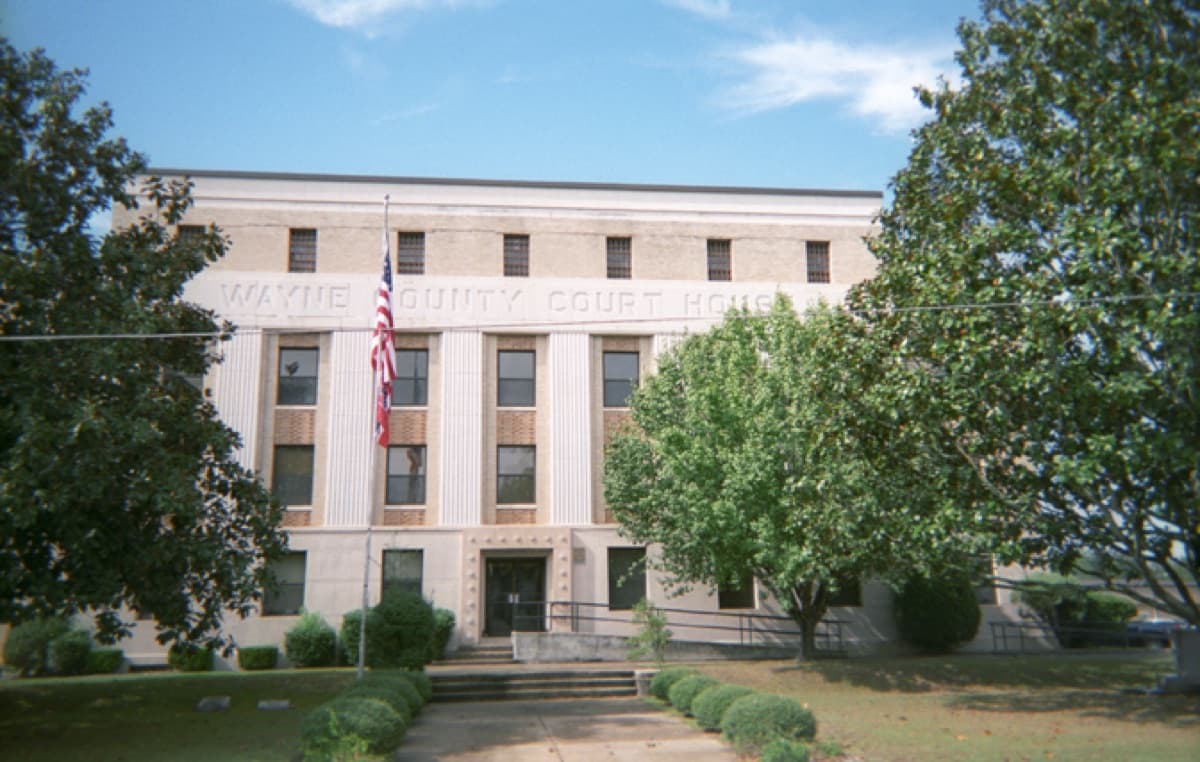
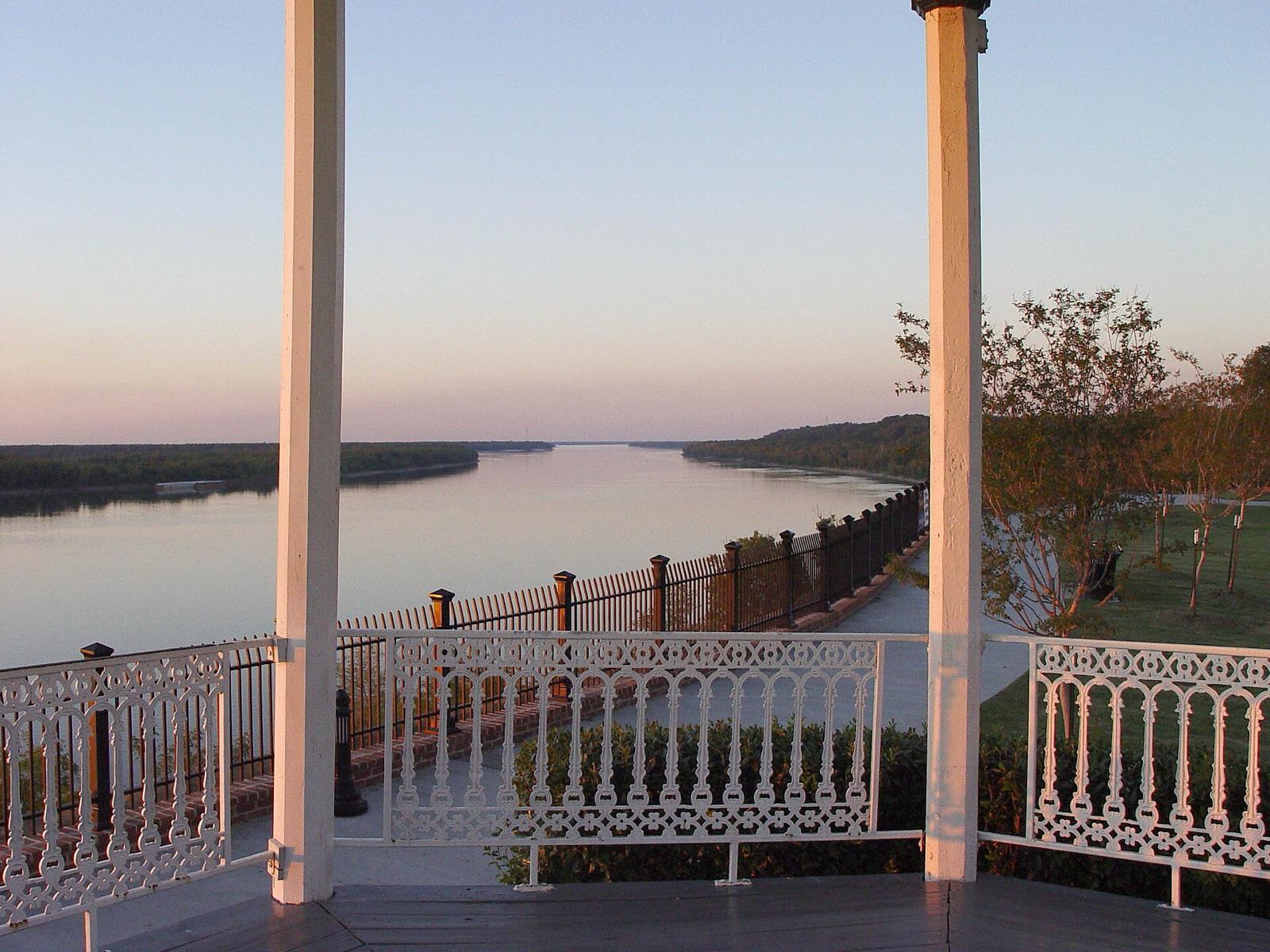
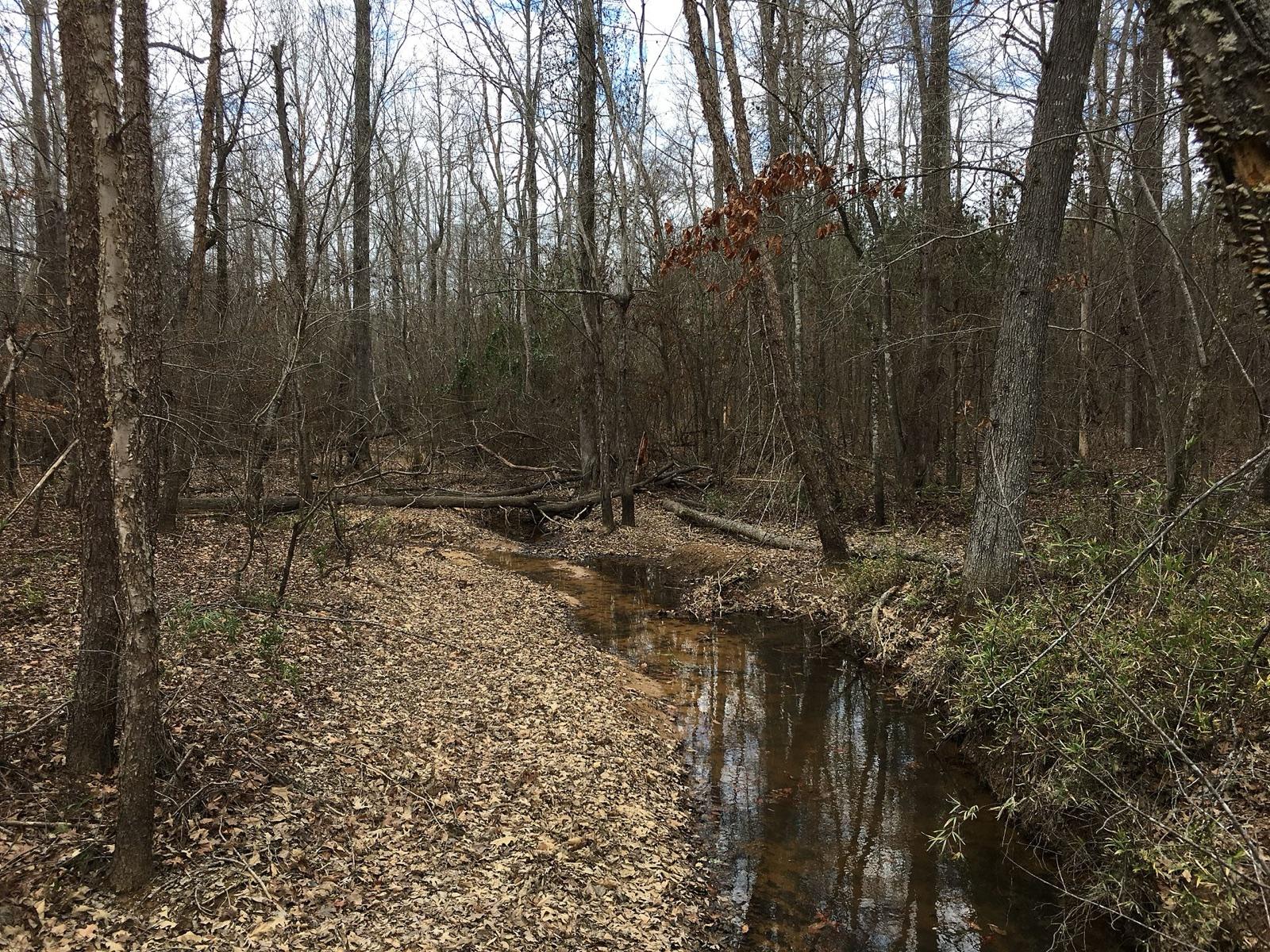
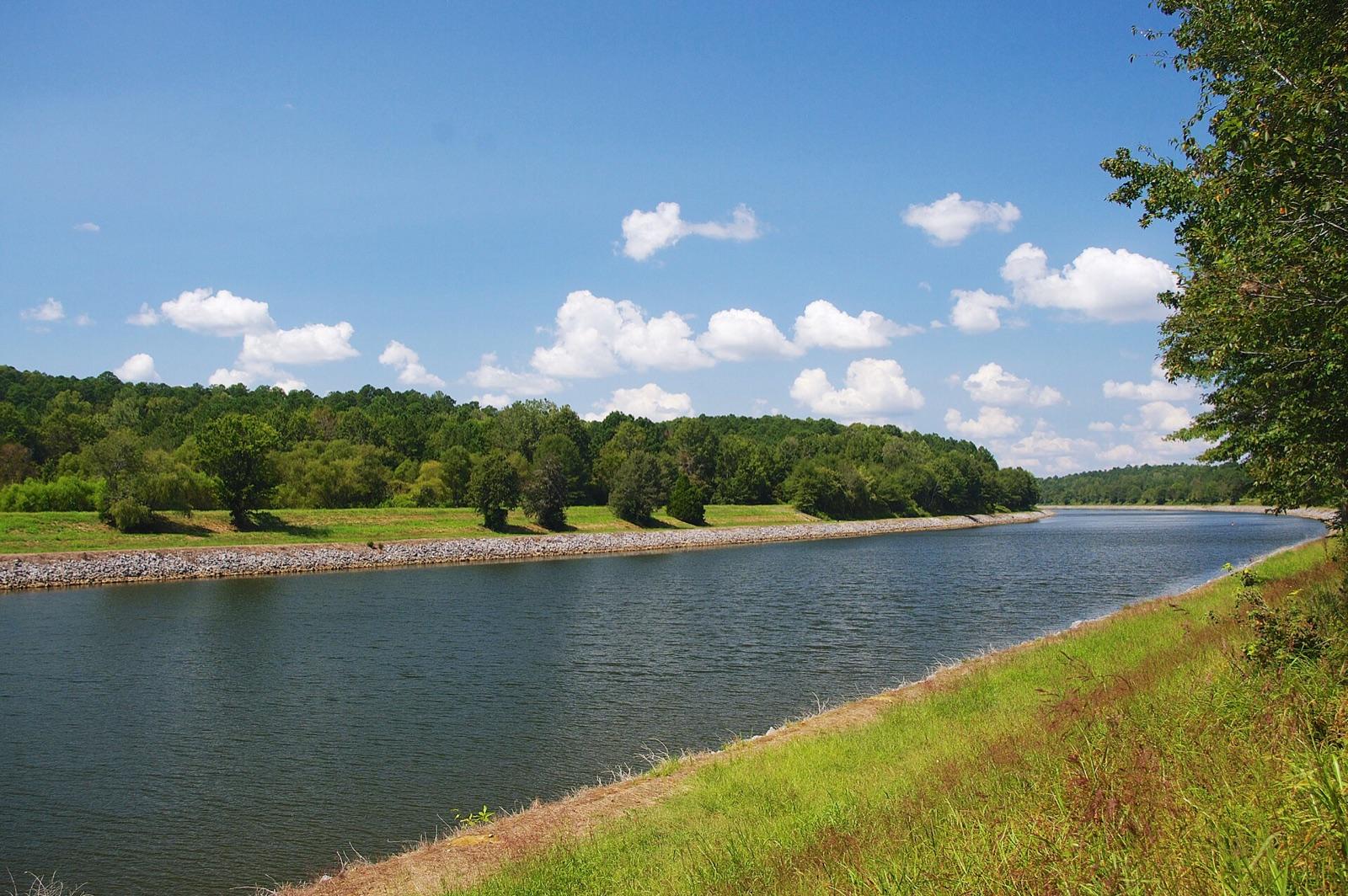
Mississippi rockhounding photos

Representative spot and material photos from locations in this state, shown where verified public image records are available.

5 photos

Top minerals found in Mississippi

Counts reflect how many spots in this list mention each mineral.

Notable areas: Twentymile Creek shark teeth, Wesson petrified wood, Natchez gravel agate, and Waynesboro Eocene fossils are the Mississippi targets collectors travel for.

Geology behind Mississippi rockhounding

Mississippi has no hard bedrock at the surface, so its collecting comes from gravel and soft sediment. The Pliocene and Pleistocene Citronelle Formation and terrace gravels across the south and west carry agate, banded agate, jasper, chert, chalcedony, and petrified wood, mined in pits around Wesson, Adams County, and the Gulf Coast counties and reworked by the Pearl and Mississippi rivers. The northeast corner exposes Cretaceous marine beds, the Eutaw, Coffee, and Ripley formations, and Twentymile Creek near Frankstown is famous for shark teeth, mosasaur and turtle bone, and ammonites. The Eocene belt across the east-central state around Waynesboro holds the Yazoo and Moodys Branch shells and the whale skeletons of Basilosaurus and Zygorhiza, the state fossils. The Tishomingo highlands in the northeast are the only place Paleozoic sandstone crops out, with quartz and iron minerals. The Flora petrified forest near Jackson is a private attraction and not a collecting site.

Best regions to focus your search

Citronelle gravel country (Copiah, Adams, Harrison, Marshall)

Petrified wood, agate, and jasper in gravel pits around Wesson and Natchez with the operator's permission, on Gulfport and coastal gravel, and on Holly Springs National Forest ground that allows hand collecting.

Cretaceous northeast (Prentiss, Itawamba, Tishomingo)

Shark teeth, mosasaur bone, and ammonites at Twentymile Creek near Frankstown and in Tombigbee River gravel, quartz and iron minerals in the Tishomingo sandstone around Paden. Creeks are private; ask.

Eocene fossil belt (Wayne, Scott, Clarke)

Shells, shark teeth, and whale bone in the Yazoo and Moodys Branch beds around Waynesboro, and Bienville National Forest ground for hand collecting.

Mississippi River (Tunica, Adams)

Agate, jasper, and petrified wood on Mississippi River bars and in the Natchez-area gravel at public accesses and low water.

Best season

Late summer and fall low water, August through November, exposes creek and river gravel; winter fronts drop the rivers too. Fossil creeks are best after heavy rain in cool months. Summer heat and mosquitoes make dawn the only good hour from June through August.

What to bring

Knee boots, a garden rake, a small screen, a spray bottle, and a bucket for gravel; a trowel and zip bags for fossil creeks; a hand lens; insect repellent and sun protection. Watch for water moccasins and alligators on the banks.

Local collecting history

The Flora petrified forest was noted by settlers in the 1850s and Mississippi named petrified wood its state stone in 1976. Basilosaurus and Zygorhiza, the Eocene whales found in the state's chalk and marl, became the state fossils in 1981.

Rockhounding near major Mississippi cities

Day-trip range. Each section lists the closest mapped rockhounding spots within about 150 miles of the city. Most are inside a 2 to 3 hour drive.

Neighboring states with rockhounding

Geology rarely respects state borders. These states share mapped rockhounding country with Mississippi, useful when Mississippi is the start, not the whole trip. Each card links to the closest county across the line.

Rockhounding by county in Mississippi

County pages are linked once we have at least 3 mapped spots for a focused guide with coordinates, mineral notes, and nearby spots.

Top picks in Mississippi

10 best spots

Hand-picked standouts from the Mississippi list, chosen for unusual mineralogy, documented public access, or both. Each card links to coordinates, access notes, and what to look for.

Rock and mineral clubs in Mississippi

5 clubs in Mississippi. Clubs run field trips, shows and workshops, and many trips go to private claims you can't reach alone.

Full club directory →

Mississippi rockhounding FAQ

Is rockhounding legal in Mississippi?+
Yes, on the national forests for personal-use hand collecting, at gravel pits with the operator's permission, on public river bars, and on private land with permission. State parks, wildlife management areas, and the national park units prohibit collecting.
Where can I find petrified wood in Mississippi?+
Citronelle gravel pits around Wesson in Copiah County and in Adams County near Natchez with permission, creek beds across the south, and Holly Springs and Homochitto national forest ground. The Flora petrified forest is a museum, not a collecting site.
Where do you find shark teeth in Mississippi?+
Twentymile Creek near Frankstown in Prentiss County, the state's best-known Cretaceous site, and Tombigbee River gravel in Itawamba County, both on private land with permission. The Eocene beds around Waynesboro in Wayne County produce teeth and shells too.
Are there agates in Mississippi?+
Yes. The Citronelle and river gravels carry banded and moss agate, jasper, and chalcedony, best seen in gravel pits around Natchez and Wesson and on Mississippi River and Gulf Coast gravel. Wet the stones to spot the banding.
What rocks and minerals can you find in Mississippi?+
Mississippi spots in this list most often produce petrified wood, fossils, agate, banded agate, chalcedony, jasper, shark teeth, and amber, plus Eocene shells and Cretaceous marine fossils.
Where can I go rock hunting in Mississippi?+
Rock hunting, rock collecting and rockhounding are the same hobby under different names. 14 spots are mapped in Mississippi, 14 of them with public access. Harrison County, Tishomingo County, and Adams County have the most.
Is there gem mining or pay-to-dig in Mississippi?+
No fee digs or pay-to-dig gem mines are mapped in Mississippi yet. 14 of the 14 spots here have public access, so you can collect without paying a dig fee.
Can you find geodes in Mississippi?+
None of the 14 mapped spots in Mississippi report geodes. The nearest states with mapped geode spots are Tennessee (8), Kentucky (11), and Georgia (3).
Where can I go fossil hunting in Mississippi?+
4 mapped spots in Mississippi report fossils, mostly in Itawamba County, Prentiss County, and Tunica County. On federal land you may keep common shells, corals and plant fossils. Bones and teeth of animals with a backbone are protected.

Map every Mississippi spot in the app

Open the RockHoundR app to see Mississippi on a real map with public land overlays, weather, geology, and your saved finds.

Download on the App StoreGet it on Google Play