
Keokuk geodes (Hancock)
Hamilton, Niota, and Nauvoo creek banks and bluffs on private farms with permission, and a few fee geode farms on the Illinois side. Bring a pick and wrap the whole ones.
Updated August 2026
31 mapped spots for rock hunting and rock collecting across 17 counties. Illinois rockhounding is Keokuk geodes on the Hancock County side of the Mississippi around Hamilton and Niota, the Mazon Creek fossil concretions of Pit 11 at the Mazonia-Braidwood state fish and wildlife area, and the fluorite of Hardin County around Rosiclare and Cave-in-Rock, plus agate and jasper in the Mississippi gravels and the Mounds gravel of the far south.
The best rockhounding in Illinois is at Rapatee Strip Mine in Fulton County (pyritized gastropod), Hamilton in Hancock County (agate, jasper), and Niota in Hancock County (fossil, geode). In total, 31 mapped collecting spots across 17 counties produce geode, pyrite, and calcite, each listed below with its land access.
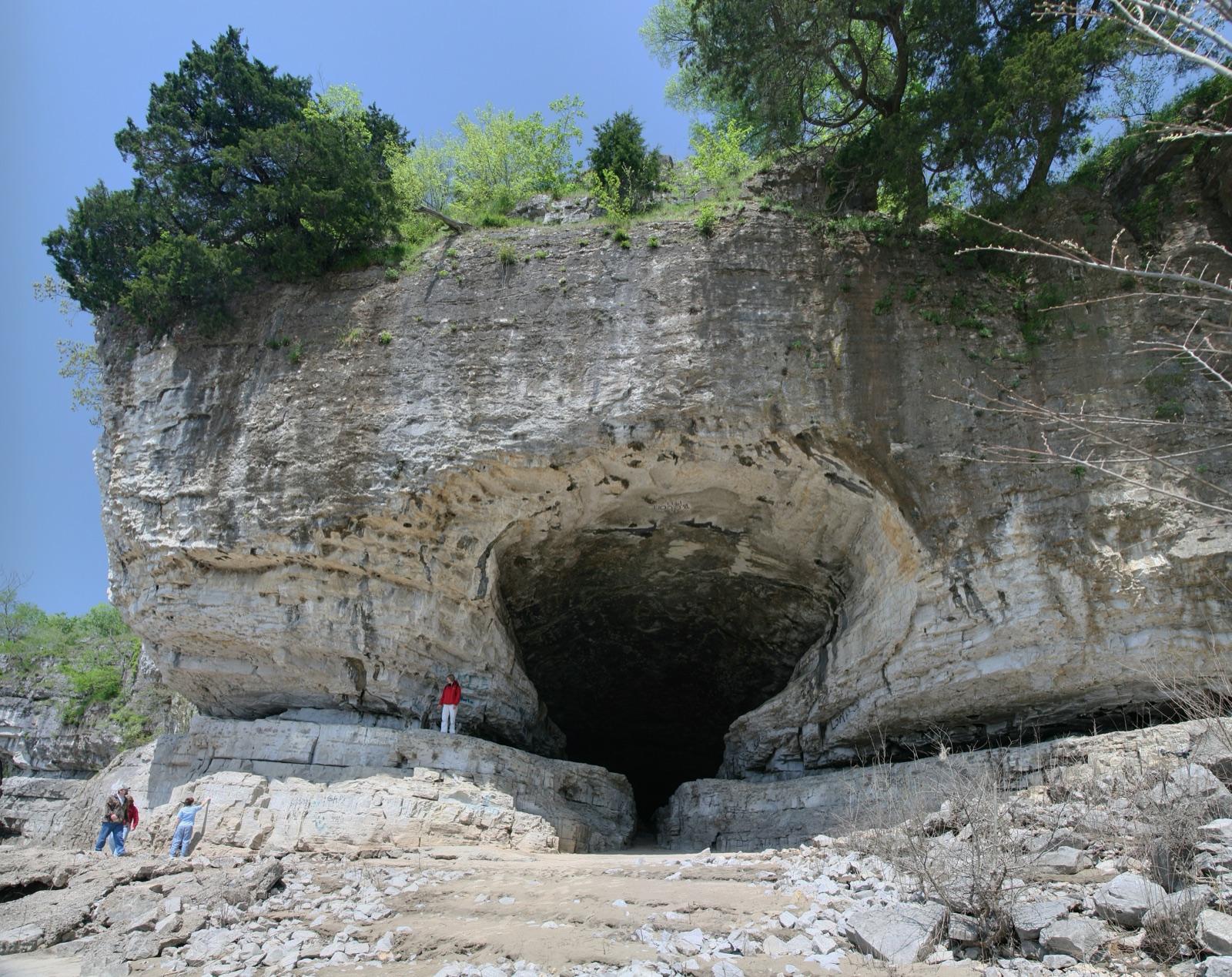 Best spotCave-In RockHardin County, IllinoisPublic access · Barite, Calcite, Cerussite +6
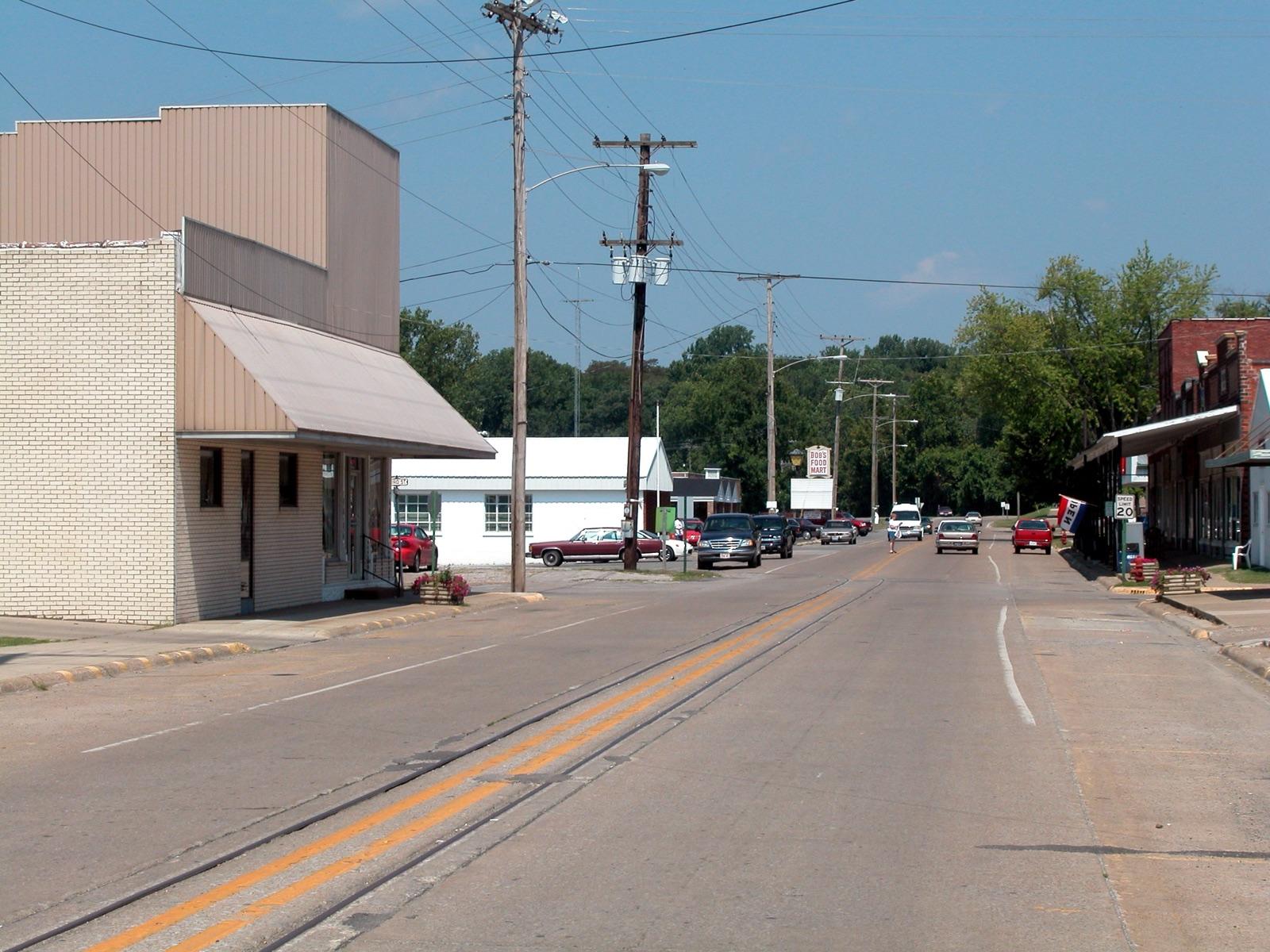 Best spotRosiclareHardin County, IllinoisPublic access · Calcite, Blue Fluorite, Yellow Fluorite +2
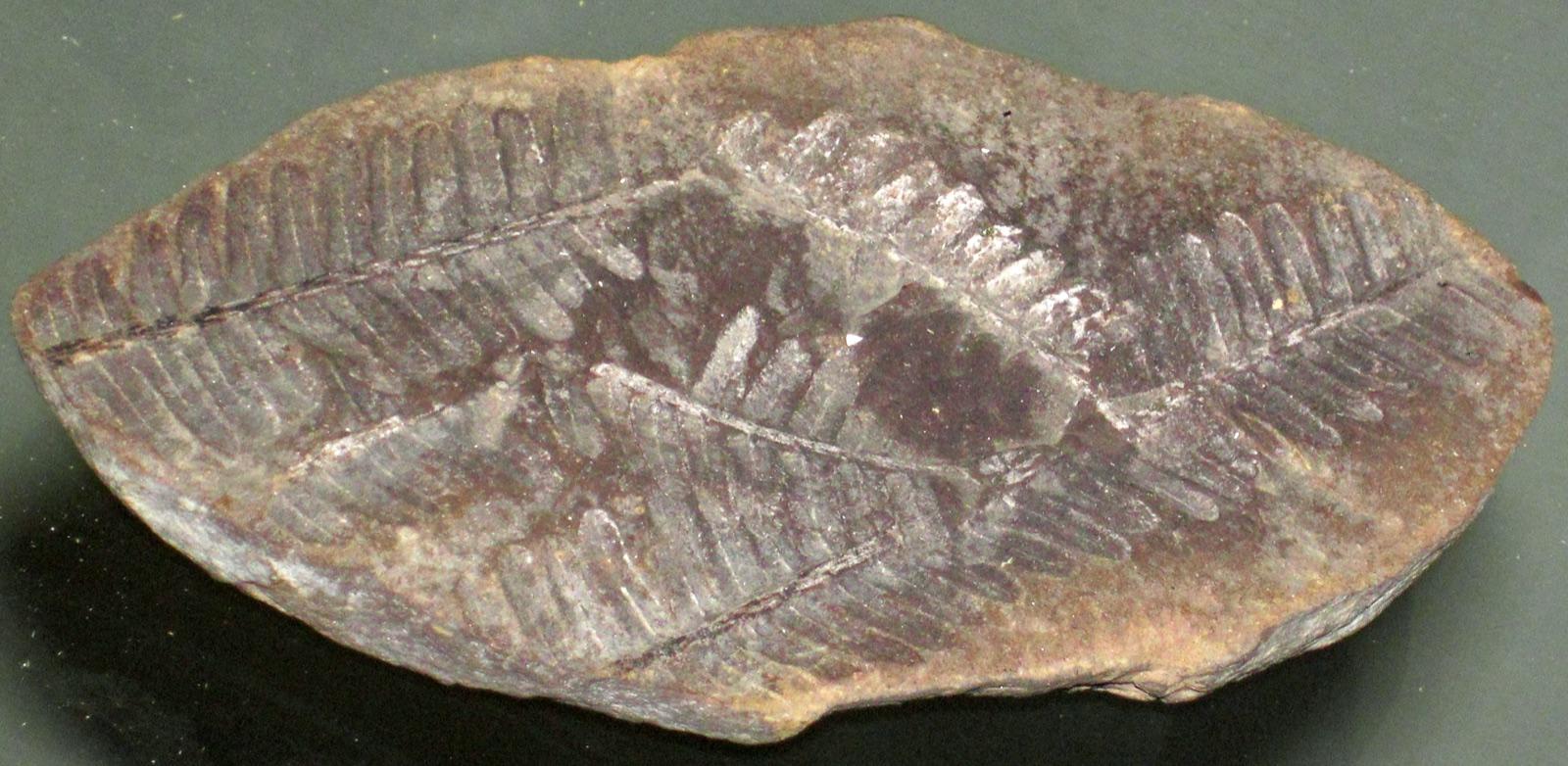 Best spotMazonia-Braidwood State Fish & Wildlife Area (Pit 11)Grundy County, IllinoisPublic access · Concretion With Fossil, Siderite, Tully Monster +1
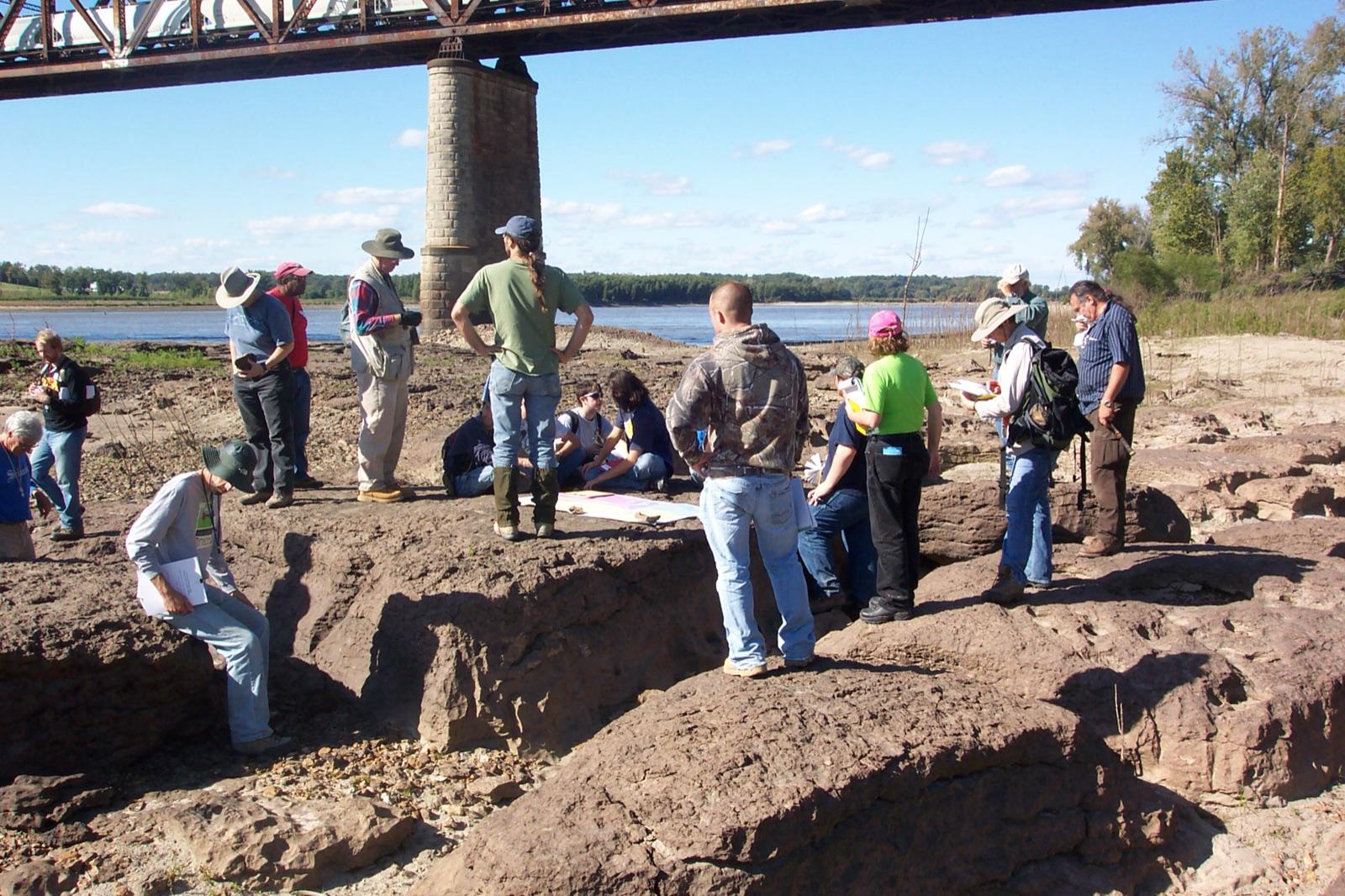 Best spotFayvilleAlexander County, IllinoisPublic access · Agate, Jasper, Diamond
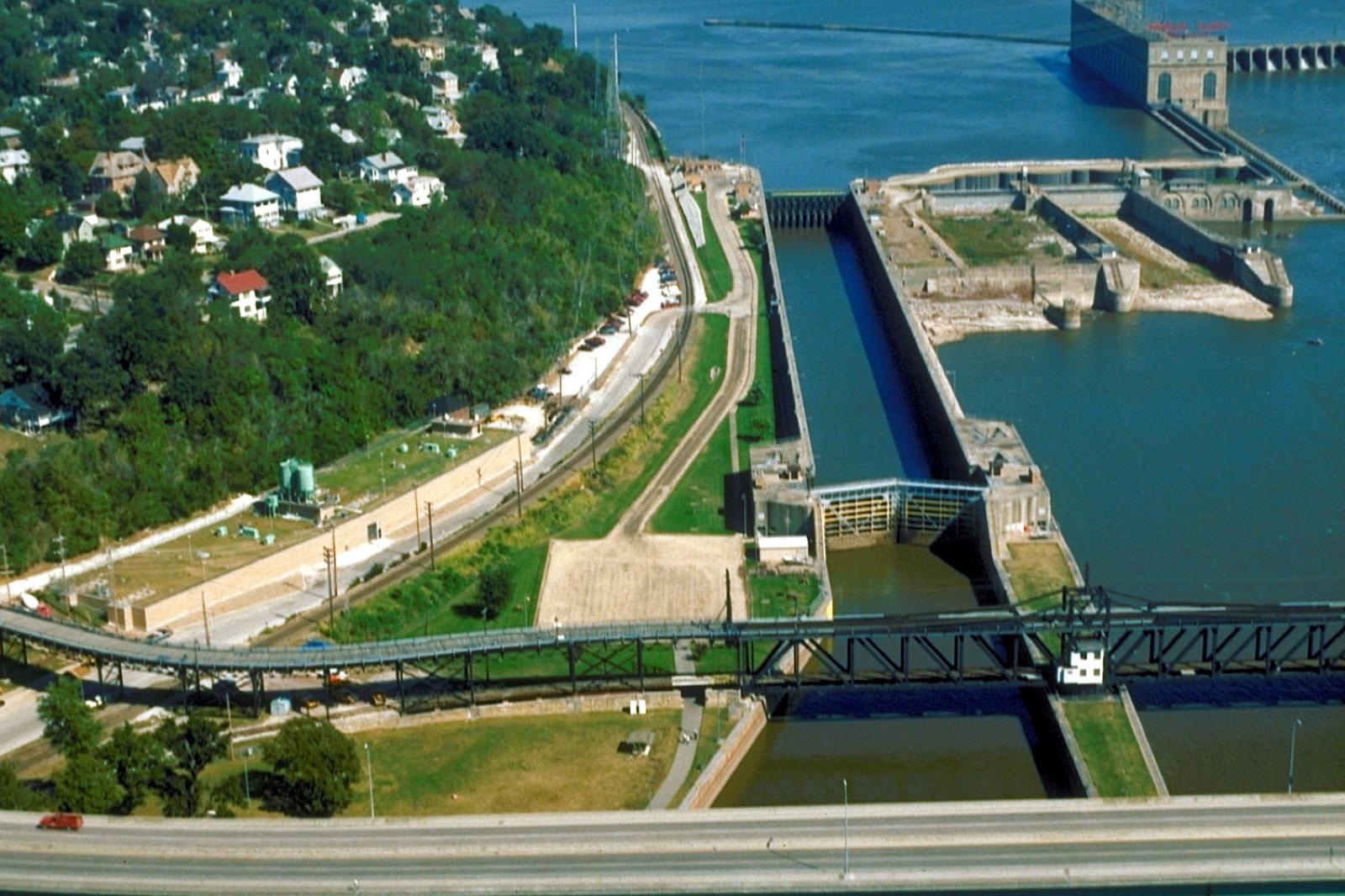 Best spotHamiltonHancock County, IllinoisPublic access · Agate, Jasper, Geode
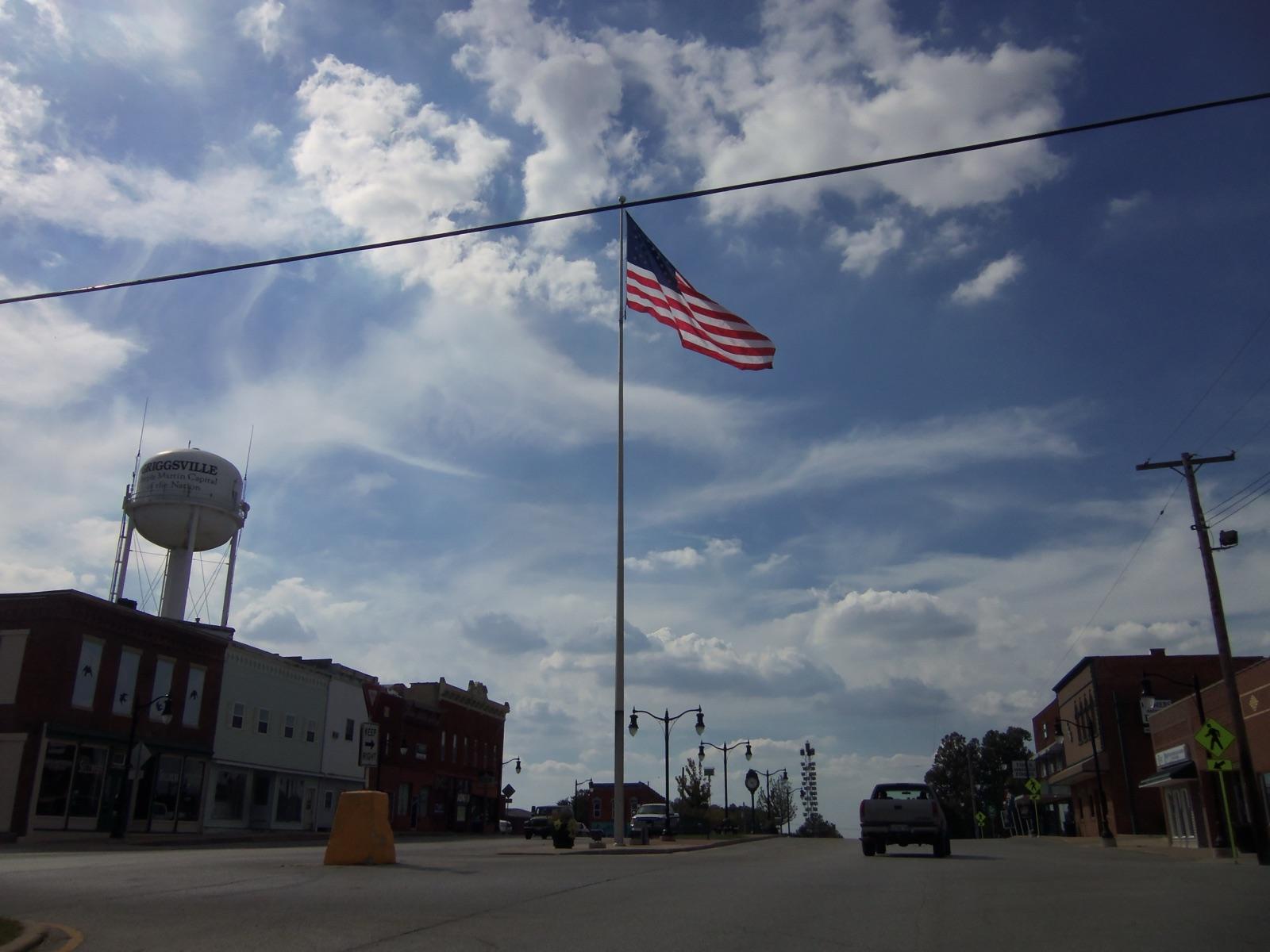 Best spotMcKee CreekPike County, IllinoisPublic access · Geode, Sphalerite
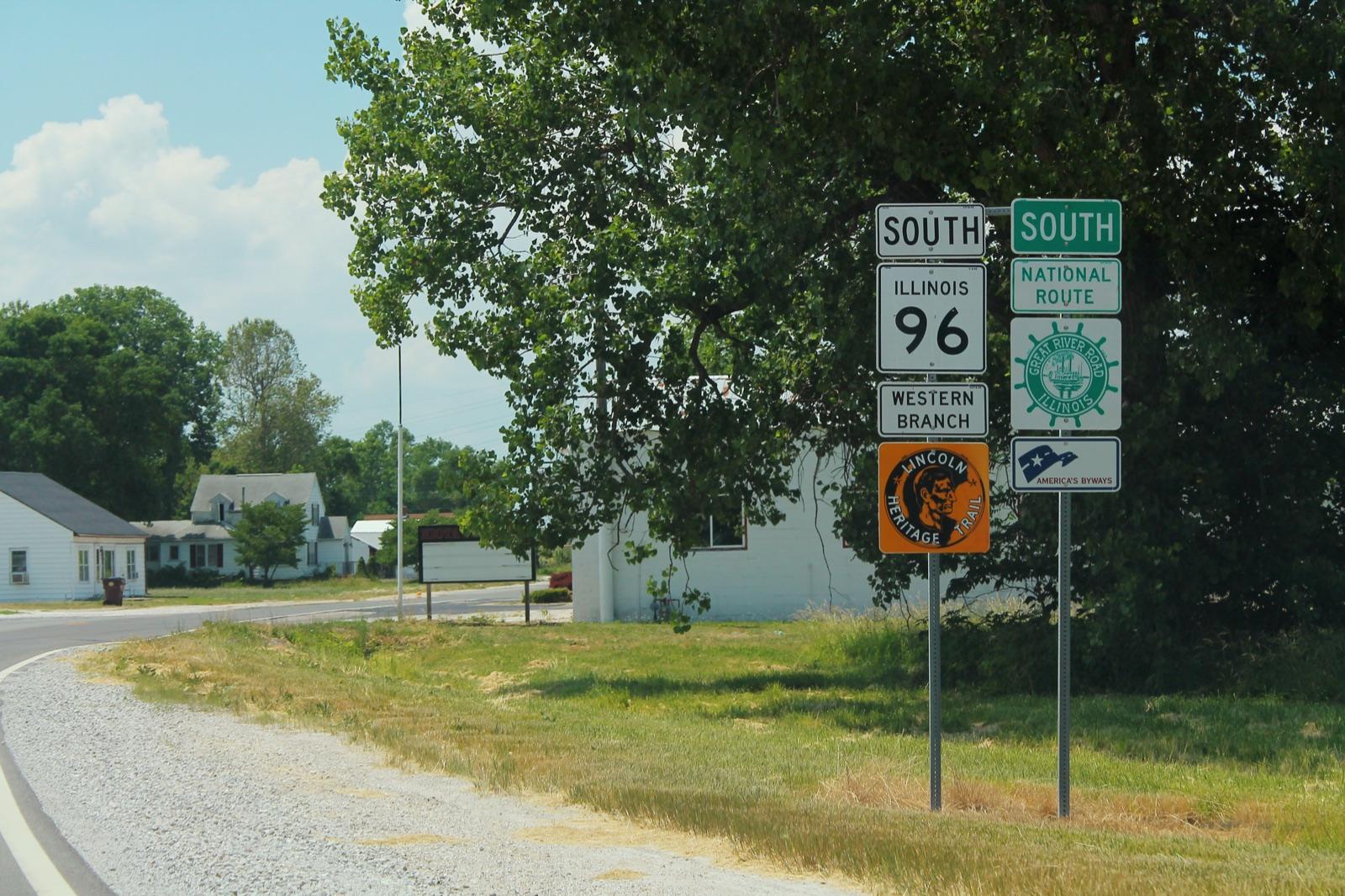 Best spotNiotaHancock County, IllinoisPublic access · Fossil, Geode
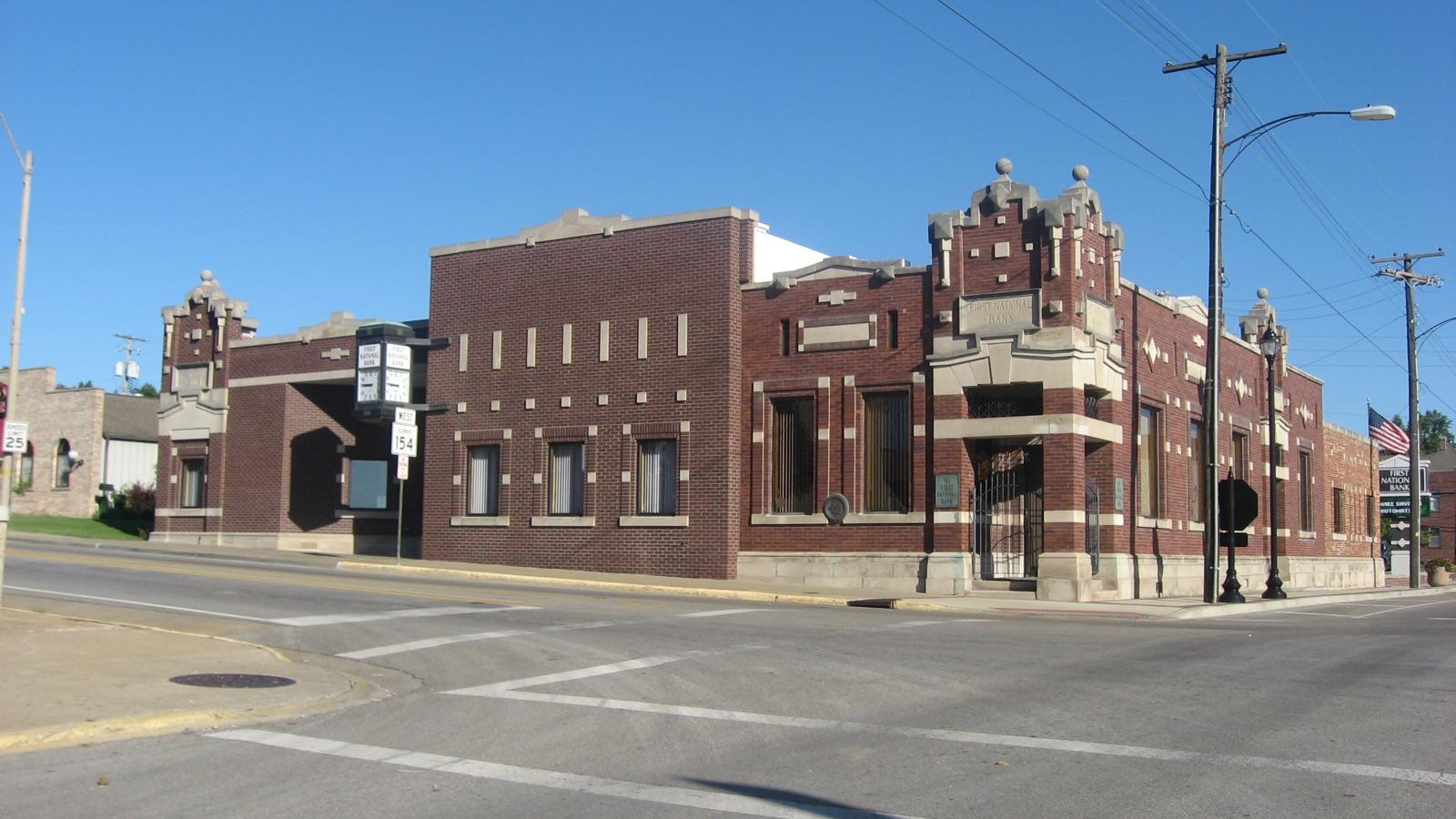 Best spotSpartaRandolph County, IllinoisPublic access · Pyrite, Fossil
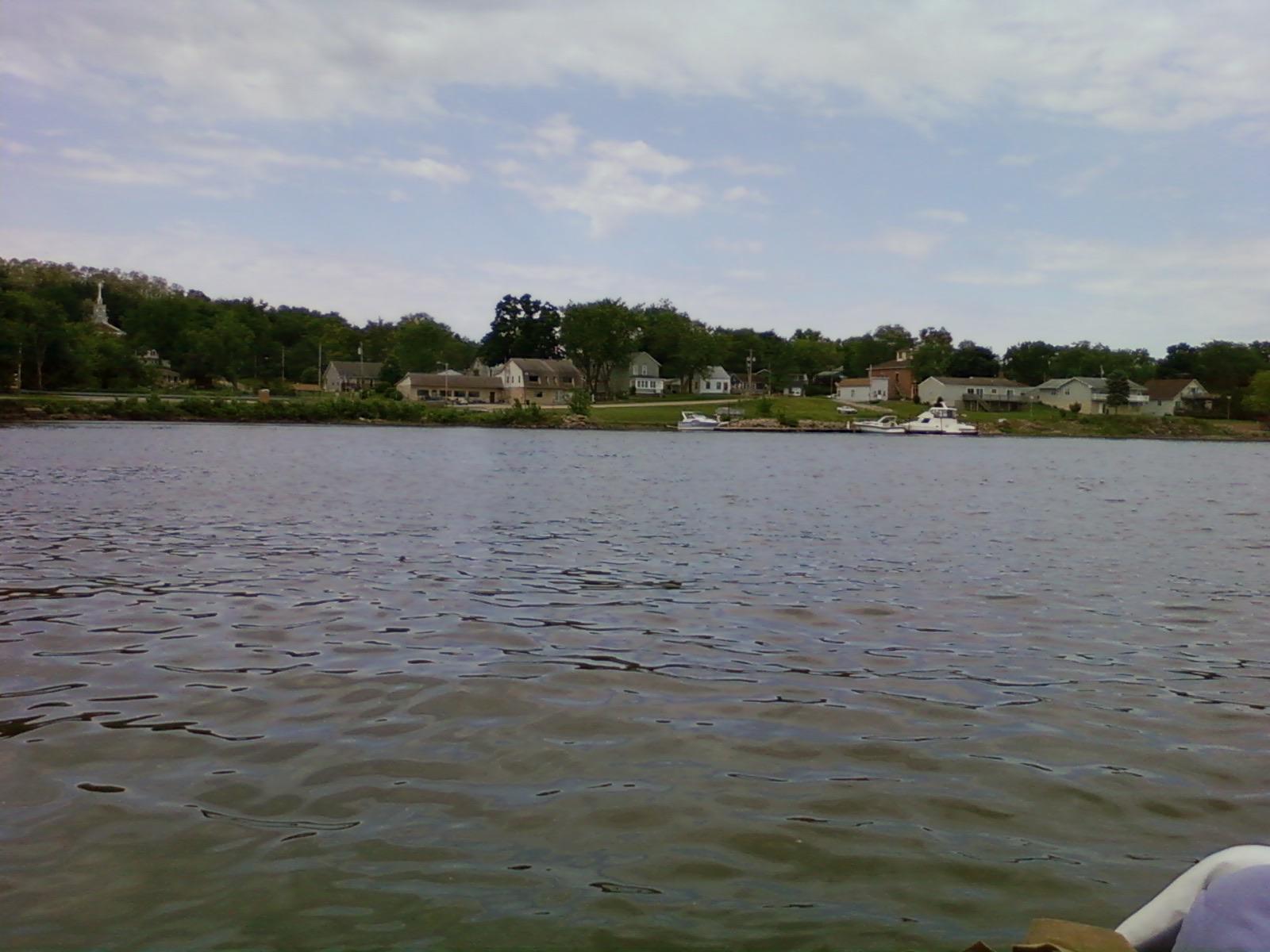 Best spotCordovaRock Island County, IllinoisPublic access · Agate
 Best spotRapatee Strip MineFulton County, IllinoisPublic access · Pyritized Gastropod
 Crystal Glen CreekHancock County, IllinoisPublic access · Geode, Barite, Calcite +5Spillman CreekHancock County, IllinoisPublic access · Geode, Pyrite, Chalcedony +2Glencoe BeachCook County, IllinoisPublic access · Granite, Coral, Brachiopod +1Hamilton QuarryHancock County, IllinoisPublic access · Geode, Pyrite, Calcite +1North AuroraKane County, IllinoisPublic access · Bornite, Calcite, Chalcopyrite +1Dallas CityHancock County, IllinoisPublic access · Geode, Calcite, MalachiteMinerva Mine AreaHardin County, IllinoisPublic access · Alstonite, Barite, StrontianiteMississippi River (near Hamilton)Hancock County, IllinoisPublic access · Geode, Amethyst, QuartzBishop HillHenry County, IllinoisPublic access · Agate, JasperEast BrooklynGrundy County, IllinoisPublic access · Marcasite, PyriteGalenaJo Daviess County, IllinoisPublic access · Cerussite, GalenaThebesAlexander County, IllinoisPublic access · Agate, JasperCoal CityWill County, IllinoisPublic access · Concretion With FossilEdwards CountyEdwards County, IllinoisPublic access · SideriteElizabethtownHardin County, IllinoisPublic access · AragoniteMazon RiverGrundy County, IllinoisPublic access · FossilMt. Vernon AreaJefferson County, IllinoisPublic access · DiamondNauvooHancock County, IllinoisPublic access · GeodePalestineCrawford County, IllinoisPublic access · SideriteTerre HauteHenderson County, IllinoisPublic access · FossilTyson CreekHancock County, IllinoisPublic access · Geode
Representative spot and material photos from locations in this state, shown where verified public image records are available.
Counts reflect how many spots in this list mention each mineral.
Notable areas: Hamilton and Niota Keokuk geodes, Mazon Creek concretions from Pit 11, Rosiclare and Cave-in-Rock fluorite, and Mississippi River agates are the Illinois targets collectors travel for.
Western Illinois shares the Mississippian Warsaw Formation with Iowa and Missouri, and its creek banks and bluffs around Hamilton, Niota, and Nauvoo in Hancock County are prime Keokuk geode ground. Northeastern Illinois is Pennsylvanian coal measures, and the Francis Creek Shale over the Colchester coal around Braidwood and Morris holds the siderite concretions that preserve the Mazon Creek fauna, from ferns to the Tully monster, mostly exposed in old strip-mine spoil. Southern Illinois is the Illinois-Kentucky fluorspar district, where fluorite, calcite, sphalerite, galena, and barite fill Mississippian limestone faults around Rosiclare and Cave-in-Rock in Hardin County. The Shawnee Hills add sandstone and Mississippian fossils, and the Mounds gravel and Cretaceous sands of Alexander and Pulaski counties in the far south carry agate, jasper, chert, and petrified wood. The Mississippi and Rock river gravels at Cordova and along the west edge carry Lake Superior agate.
Hamilton, Niota, and Nauvoo creek banks and bluffs on private farms with permission, and a few fee geode farms on the Illinois side. Bring a pick and wrap the whole ones.
Pit 11 at the Mazonia-Braidwood State Fish and Wildlife Area, where the Illinois DNR allows fossil collecting in season with a free registration. Surface picking of concretions on the spoil piles; freeze-thaw at home opens them.
Rosiclare and Cave-in-Rock for fluorite, calcite, and sphalerite from old mine dumps, mostly private, with the American Fluorite Museum in Rosiclare and occasional fee digs as the entry point.
Agate and jasper on Mississippi bars at Cordova, Mounds gravel agate and petrified wood around Fayville, and coal-measure fossils on reclaimed strip-mine ground near Sparta and Rapatee with permission.
Spring and fall for the geode creeks and river bars, after high water recedes; Mazonia-Braidwood's collecting season runs from early spring into fall, and the spoil piles are best after winter freeze-thaw has cracked concretions. The fluorspar district is workable year-round on dry days.
A long-handled pick, pry bar, gloves, and rags for geodes; a bucket and old towels for Mazon Creek concretions, which you freeze and thaw at home rather than crack in the field; a rock hammer, safety glasses, and a UV lamp for the fluorspar dumps. Knee boots for creeks.
Rosiclare shipped fluorspar from 1842 and Illinois led the nation in fluorite until the last mine closed in 1995; fluorite became the state mineral in 1965. Mazon Creek fossils have been collected since the 1850s and the Tully monster, found there in 1958, became the state fossil in 1989.
Day-trip range. Each section lists the closest mapped rockhounding spots within about 150 miles of the city. Most are inside a 2 to 3 hour drive.
6 closest spots to Chicago, IL.
6 closest spots to Rockford, IL.
6 closest spots to Springfield, IL.
Geology rarely respects state borders. These states share mapped rockhounding country with Illinois, useful when Illinois is the start, not the whole trip. Each card links to the closest county across the line.
County pages are linked once we have at least 3 mapped spots for a focused guide with coordinates, mineral notes, and nearby spots.
Hand-picked standouts from the Illinois list, chosen for unusual mineralogy, documented public access, or both. Each card links to coordinates, access notes, and what to look for.
Top pickFulton County
The reclaimed Rapatee strip mine in Fulton County is a well-known source of pyritized and marcasite-replaced fossils, including golden pyritized gastropods and marcasite concretions prized from Illinois's Pennsylvanian coal measures.
Pyritized Gastropod
Top pickHancock County
Hamilton lies on the Mississippi River within the Keokuk geode bed, a Lower Mississippian (Warsaw Formation) zone regarded as one of the finest quartz-geode localities on Earth.
Agate, Jasper, Geode
Top pickHancock County
Niota anchors the eastern edge of the Hancock County geode country, where creeks cross county roads and expose Warsaw Formation geodes weathering out of the outcrop.
Fossil, Geode
Top pickRock Island County
The Mississippi River gravel bars at Cordova are among Illinois's most reliable spots for Lake Superior agate, carried south by glacial meltwater from the agate source region in Minnesota and Wisconsin.
Agate
Top pickAlexander County
The Mississippi River gravel bars near Fayville and Thebes, at the far southern tip of Illinois, are the state's most productive agate ground, where fortification agate and jasper accumulate in the river sediment.
Agate, Jasper, Diamond
Top pickHardin County
Cave-In Rock sits at the heart of the Illinois-Kentucky Fluorspar District, the largest fluorite-producing region in United States history and the reason fluorite is the Illinois state mineral.
Barite, Calcite, Cerussite, Chalcopyrite
Top pickHardin County
Rosiclare was the milling and shipping center of the Illinois fluorspar industry, and its sub-district produced the deep-blue and purple cubic fluorite that made the state mineral famous.
Calcite, Blue Fluorite, Yellow Fluorite, Purple Fluorite
Top pickPike County
McKee Creek marks the southern reach of the west-central Illinois geode belt, where Warsaw Formation geodes wash into the creek gravels.
Geode, Sphalerite
Top pickRandolph County
The coal-measure exposures around Sparta in Randolph County yield well-preserved Pennsylvanian plant fossils along with pyritized and marcasite-replaced material from the Carbondale Formation and associated beds.
Pyrite, Fossil
Top pickGrundy County
The Mazonia unit preserves the reclaimed spoil of the old Pit 11 coal strip mine, the source of the world-famous Mazon Creek fossil biota and its soft-bodied preservation inside siderite (ironstone) concretions.
Concretion With Fossil, Siderite, Tully Monster, Fern Fossil
11 clubs in Illinois. Clubs run field trips, shows and workshops, and many trips go to private claims you can't reach alone.
Open the RockHoundR app to see Illinois on a real map with public land overlays, weather, geology, and your saved finds.

