Rockhounding in Kansas

Updated July 2026

50 mapped spots for rock hunting and rock collecting across 38 counties. Kansas rockhounding is river gravel, road cuts, and the far west: agate, jasper, and petrified wood on the Kansas and Arkansas river bars, moss agate and agatized wood from the Ogallala beds and the Cimarron National Grassland, selenite and satin spar in the Red Hills gypsum, and Flint Hills chert. The Tri-State district at Galena adds galena, sphalerite, and calcite on historic ground.

Where is the best rockhounding in Kansas?

The best rockhounding in Kansas is at Topeka in Shawnee County (lake superior agate), Cimarron National Grassland in Morton County (agate, jasper), and Arkansas River at Great Bend in Barton County (agate, jasper). In total, 50 mapped collecting spots across 38 counties produce agate, petrified wood, and jasper, each listed below with its land access.

Open the full map

Every rockhounding spot in Kansas

Kansas rockhounding photos

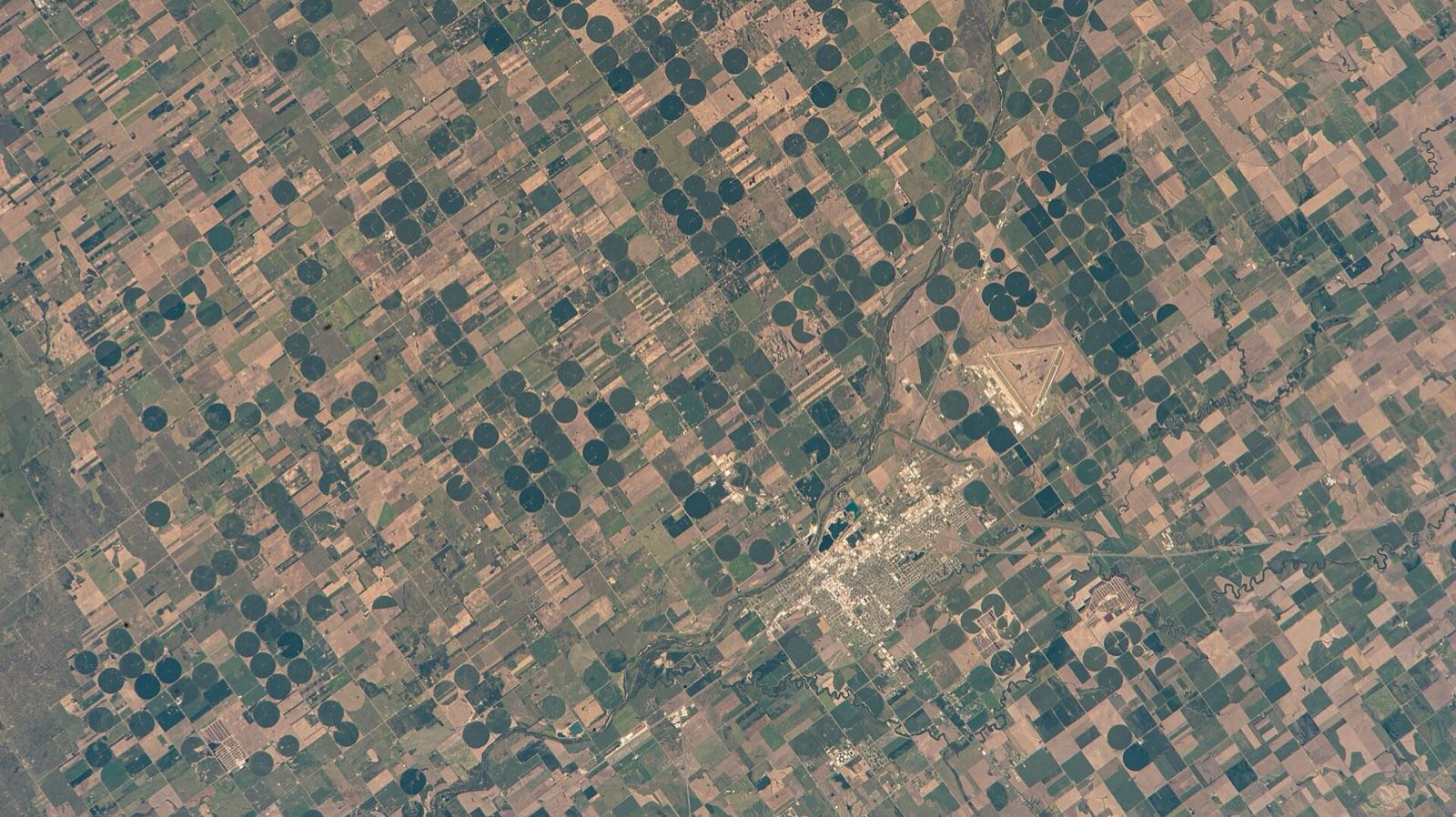
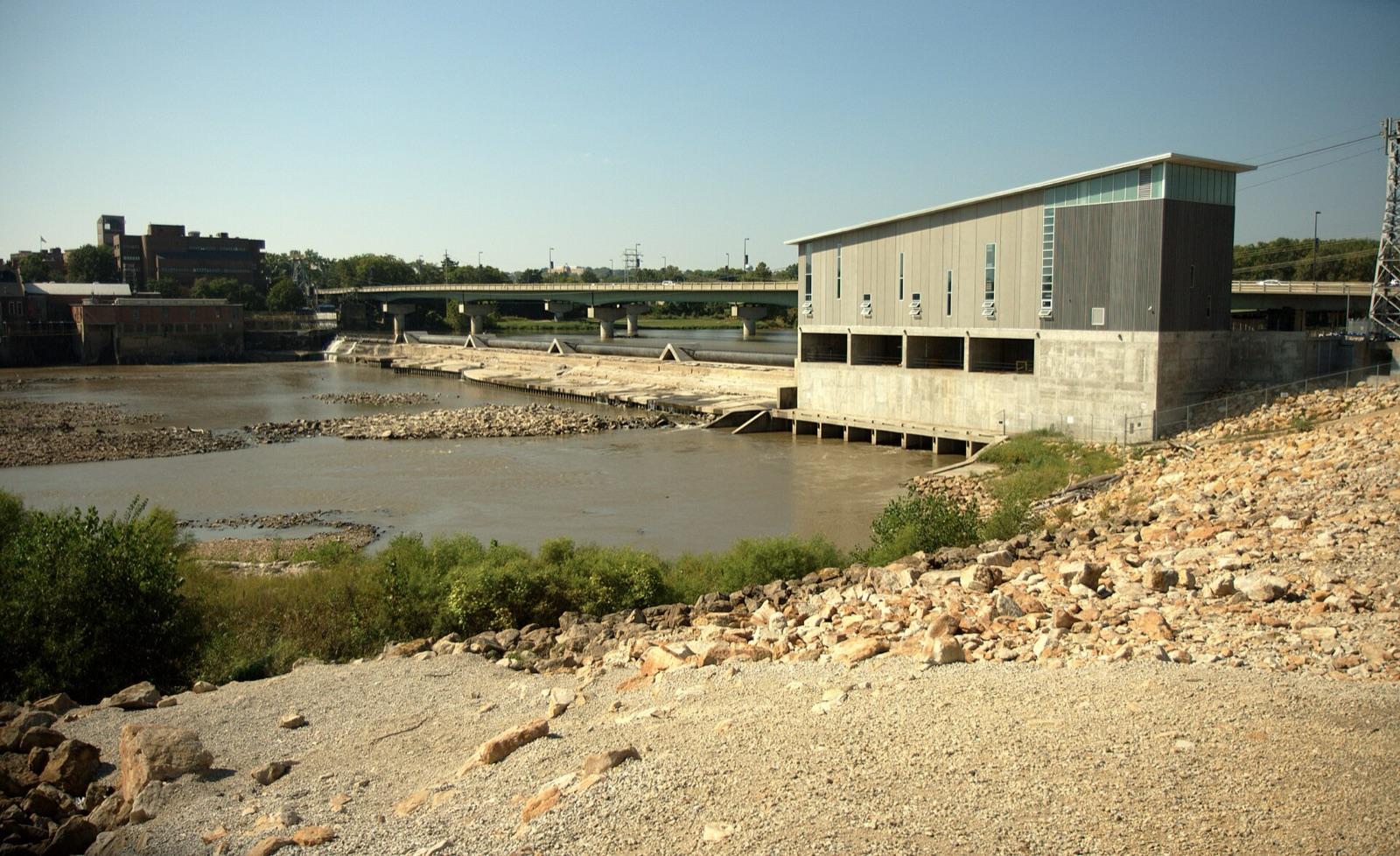
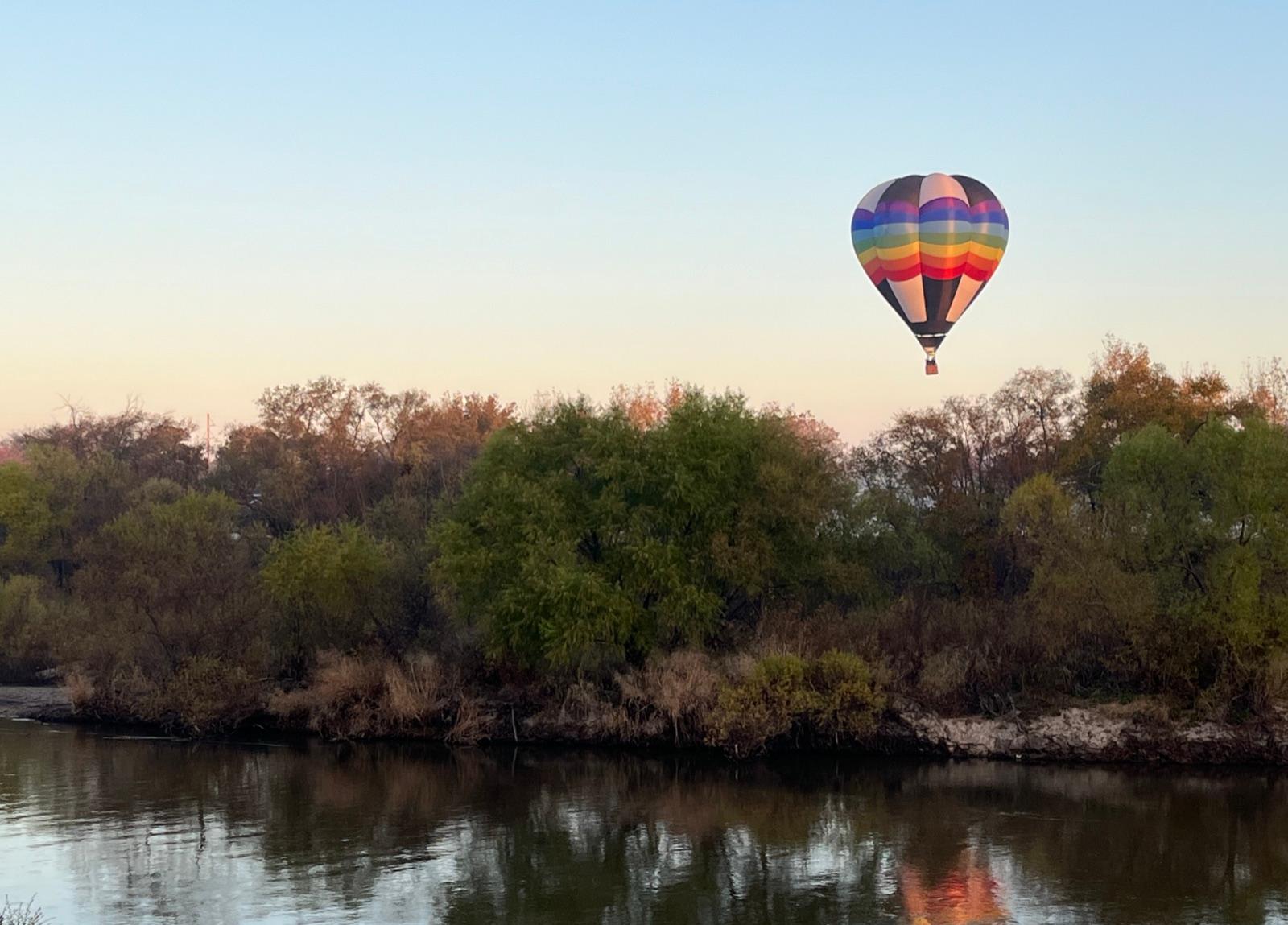
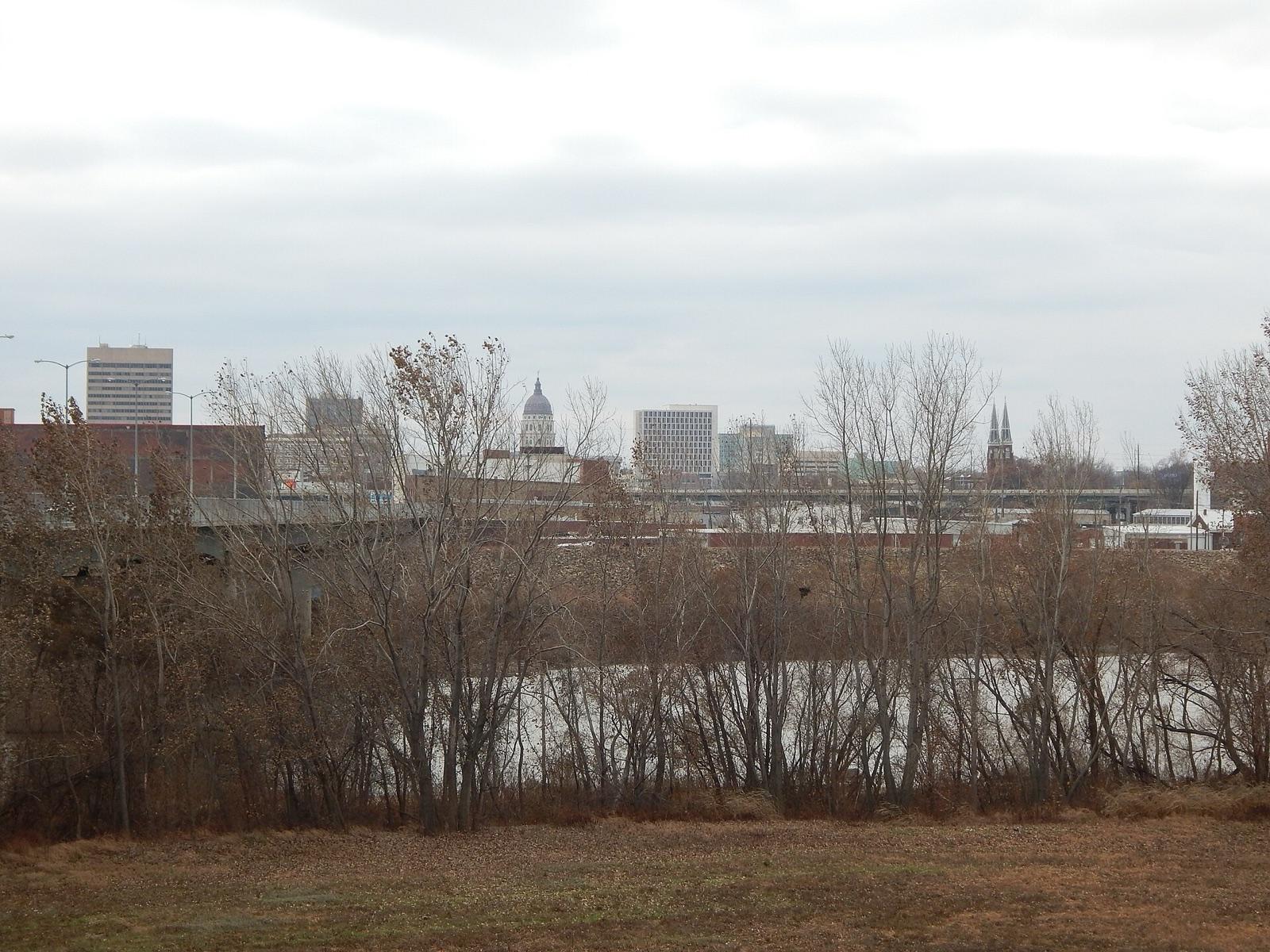
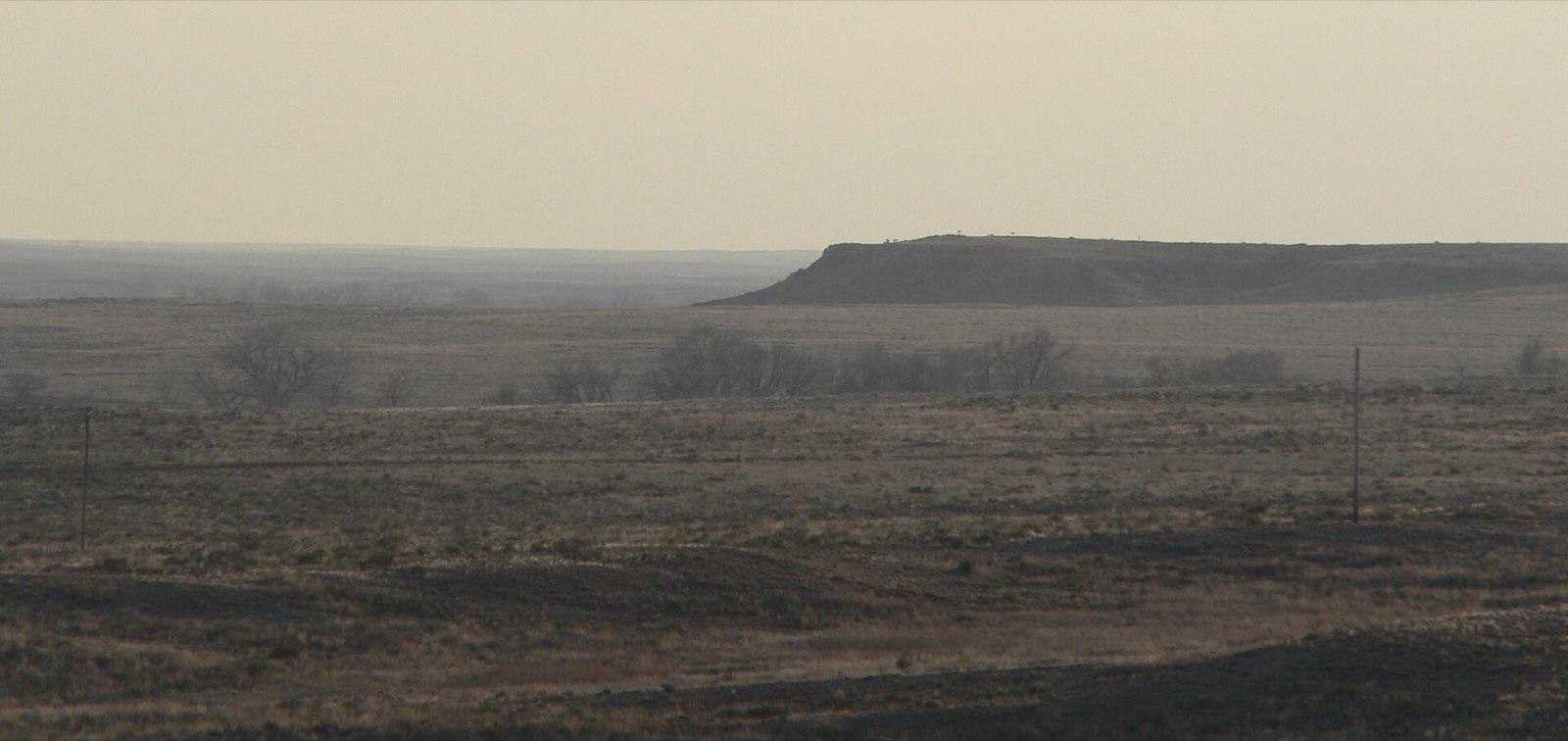
Representative spot and material photos from locations in this state, shown where verified public image records are available.

5 photos

Top minerals found in Kansas

Counts reflect how many spots in this list mention each mineral.

Notable areas: Kansas River agates, Cimarron National Grassland moss agate and petrified wood, Red Hills selenite, Flint Hills chert, and Galena district galena are the Kansas targets collectors travel for.

Geology behind Kansas rockhounding

Kansas rocks get younger westward. The southeast corner is Pennsylvanian and Mississippian limestone and shale, and the Cherokee County corner sits on the Tri-State lead-zinc district with galena, sphalerite, calcite, and chert dumps around Galena. The Flint Hills are Permian limestone banded with chert that weathers to nodules and float. Central Kansas carries the Cretaceous Dakota sandstone with iron concretions, agatized and petrified wood, and chalcedony in Ellsworth and Ottawa counties, and the Permian red beds of Barber and Comanche counties expose gypsum, selenite, and satin spar in the Red Hills. The Niobrara chalk of Gove, Logan, and Wallace counties is famous for marine fossils but its landmarks are private and protected. The Ogallala Formation across the High Plains cements gravel that carries moss agate, chalcedony, and opalized and agatized wood, best reached on the Cimarron National Grassland. Glacial drift in the northeast corner and the Kansas River gravels add Lake Superior agate and quartzite erratics.

Best regions to focus your search

Kansas and Arkansas river bars (Douglas, Shawnee, Sedgwick, Barton)

Agate, jasper, petrified wood, and quartz on gravel bars at Lawrence, Topeka, Wichita, and Great Bend. Both rivers are public navigable waters in Kansas, so the bed and bars below the high-water line are open.

Cimarron National Grassland and the Ogallala High Plains (Morton, Wallace)

Moss agate, chalcedony, agatized wood, and opalized wood on the grassland, where hand collecting is allowed, and in Ogallala outcrops on private ranches with permission.

Red Hills and Dakota country (Barber, Comanche, Ellsworth, Ottawa)

Selenite and satin spar in the gypsum breaks near Medicine Lodge, iron concretions and agatized wood in the Dakota sandstone. Almost all private; Rock City and Mushroom Rock are view-only.

Flint Hills and the Tri-State corner (Geary, Cherokee)

Chert nodules in Flint Hills road cuts and pastures, galena, sphalerite, and calcite on the Galena mine dumps. The dumps are private and largely reclaimed; the Galena Mining and Historical Museum is the introduction.

Best season

Late summer and fall low water for the rivers, September through November, and spring after rains for pastures and road cuts, when fresh float shows. The High Plains and Red Hills are hot from June to August and best in spring and fall. Winter is workable on dry days.

What to bring

A garden rake and screen for gravel bars, knee boots, a spray bottle, a rock hammer and safety glasses for road cuts, a hand lens for moss agate, gloves, sun protection, and far more water than you think on the grassland. Cell coverage is thin in the west.

Local collecting history

Galena's lead was discovered in 1877 and the Tri-State district became one of the world's great zinc producers. Kansas named the Greenhorn limestone its state rock, galena its state mineral, and jelinite amber its state gem in 2018, and Tylosaurus and Pteranodon its state fossils.

Rockhounding near major Kansas cities

Day-trip range. Each section lists the closest mapped rockhounding spots within about 150 miles of the city. Most are inside a 2 to 3 hour drive.

Rockhounding near Wichita

See all →

6 closest spots to Wichita, KS.

Rockhounding near Salina

See all →

6 closest spots to Salina, KS.

  • Rock City ParkOttawa County · Concretion19 mi23 min drive
  • FreemountMcPherson County · Septarian Nodule23 mi28 min drive
  • Mushroom RocksEllsworth County · Pyrite Concretion24 mi30 min drive
  • AdaOttawa County · Petrified Wood27 mi34 min drive
  • Smoky Hill River (amber)Ellsworth County · Amber, Barite Rose27 mi34 min drive
  • KanopolisEllsworth County · Halite, Volcanic Ash28 mi36 min drive

Neighboring states with rockhounding

Geology rarely respects state borders. These states share mapped rockhounding country with Kansas, useful when Kansas is the start, not the whole trip. Each card links to the closest county across the line.

Rockhounding by county in Kansas

County pages are linked once we have at least 3 mapped spots for a focused guide with coordinates, mineral notes, and nearby spots.

Top picks in Kansas

5 best spots

Hand-picked standouts from the Kansas list, chosen for unusual mineralogy, documented public access, or both. Each card links to coordinates, access notes, and what to look for.

Rock and mineral clubs in Kansas

5 clubs in Kansas. Clubs run field trips, shows and workshops, and many trips go to private claims you can't reach alone.

Full club directory →

Kansas rockhounding FAQ

Is rockhounding legal in Kansas?+
Yes, on the Cimarron National Grassland for hand collecting, on the gravel bars of the Kansas, Arkansas, and Missouri rivers below the high-water line, and on private land with permission. State parks and wildlife areas prohibit collecting, and most other ground in Kansas is private.
Where can I find agates in Kansas?+
Kansas River bars at Lawrence and Topeka, Arkansas River bars at Wichita and Great Bend, and the Ogallala gravels of the far west, especially on the Cimarron National Grassland in Morton County, which produces moss agate and chalcedony. Low water and post-flood bars are best.
Can I collect fossils in the Niobrara chalk?+
The famous chalk landmarks, Monument Rocks and Castle Rock, are private or protected and closed to collecting. Chalk exposures on private ranches in Gove, Logan, and Wallace counties produce fish, shark, and invertebrate fossils with the owner's permission. Vertebrate fossils are worth reporting to the Kansas Geological Survey or the Sternberg Museum.
Where do you find selenite in Kansas?+
The Red Hills gypsum country of Barber and Comanche counties around Medicine Lodge, where road cuts and creek banks expose selenite crystals and satin spar in the Permian red beds. Road-cut collecting is tolerated where safe; pastures need the rancher's permission.
What rocks and minerals can you find in Kansas?+
Kansas spots in this list most often produce agate, jasper, petrified wood, geodes, chalcedony, agatized wood, chert, and moss agate, plus selenite in the Red Hills and galena and sphalerite in the Tri-State corner.
Where can I go rock hunting in Kansas?+
Rock hunting, rock collecting and rockhounding are the same hobby under different names. 50 spots are mapped in Kansas, 45 of them with public access. Barber County, Cherokee County, and Ellsworth County have the most.
Is there gem mining or pay-to-dig in Kansas?+
No fee digs or pay-to-dig gem mines are mapped in Kansas yet. 45 of the 50 spots here have public access, so you can collect without paying a dig fee.
Where can I dig for crystals in Kansas?+
2 mapped spots in Kansas report quartz, amethyst, or smoky quartz, mostly in Norton County and Woodson County. Each one is in the list on this page with its land access.
Can you find geodes in Kansas?+
Yes. 8 mapped spots in Kansas report geodes, mostly in Butler County, Chase County, and Cowley County.

Map every Kansas spot in the app

Open the RockHoundR app to see Kansas on a real map with public land overlays, weather, geology, and your saved finds.

Download on the App StoreGet it on Google Play