Rockhounding in North Dakota

Updated August 2026

25 mapped spots for rock hunting and rock collecting across 18 counties. North Dakota rockhounding is petrified wood and agate on the Little Missouri National Grassland around Medora and Killdeer, Montana moss agate and Knife River flint on the Missouri River bars from Williston to Bismarck and Mandan, and Teredo-bored petrified wood, the state fossil, from the Cannonball beds around Richardton and the south-central counties.

Where is the best rockhounding in North Dakota?

The best rockhounding in North Dakota is at Medora in Billings County (agate, chalcedony), Bismarck in Burleigh County (agate, chalcedony), and Richardton in Stark County (agate, chalcedony). In total, 25 mapped collecting spots across 18 counties produce agate, chalcedony, and jasper, each listed below with its land access.

Open the full map

Every rockhounding spot in North Dakota

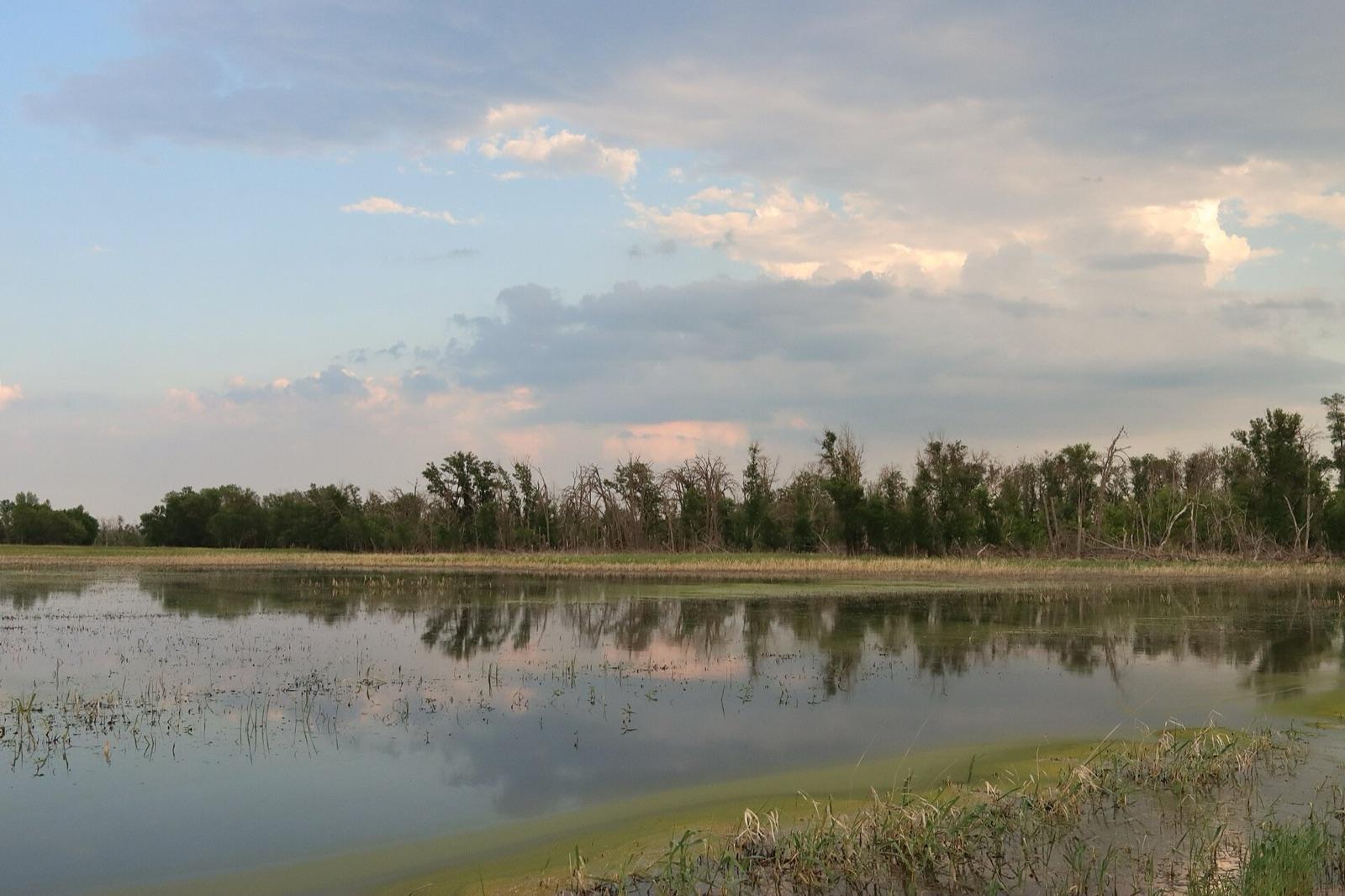
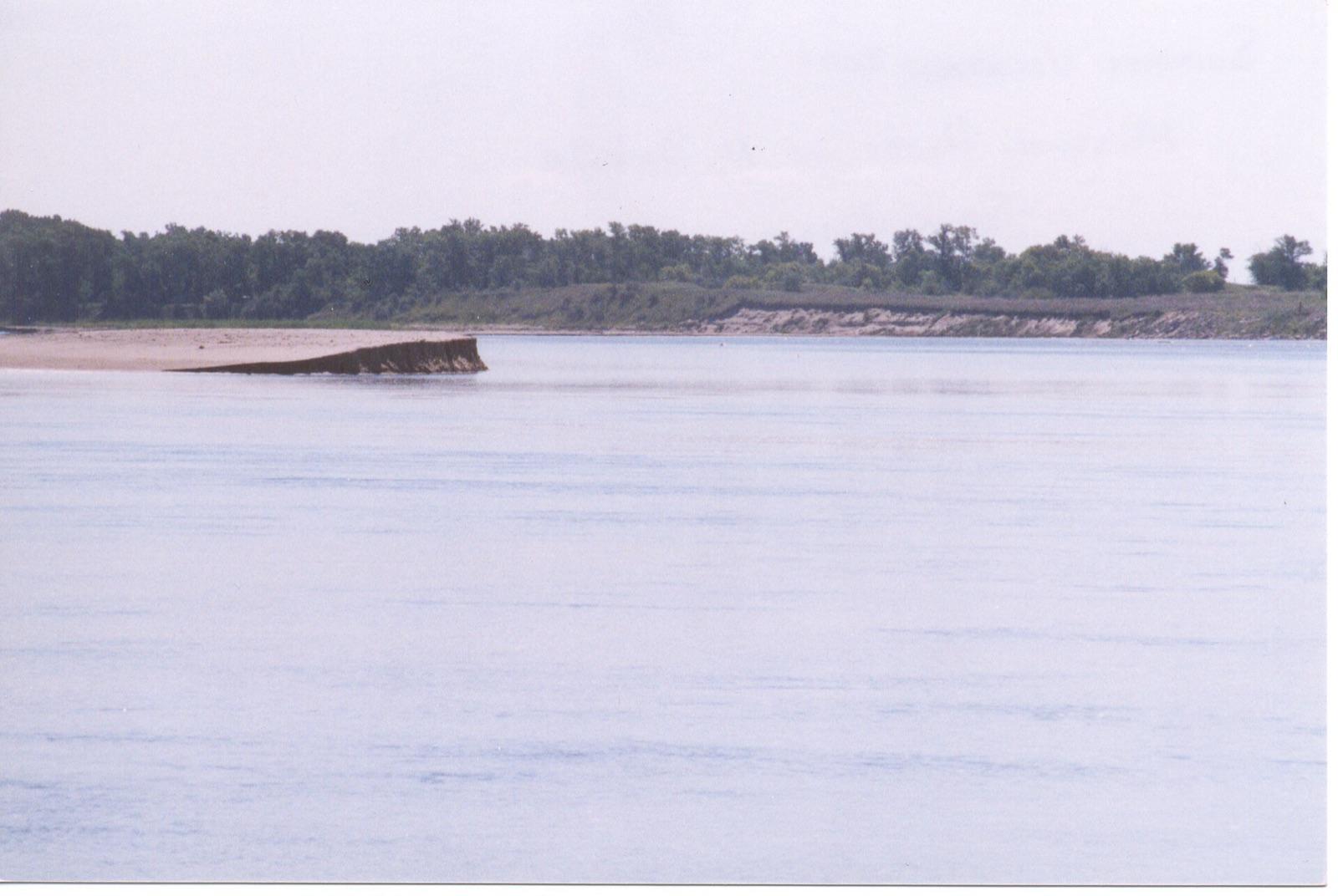
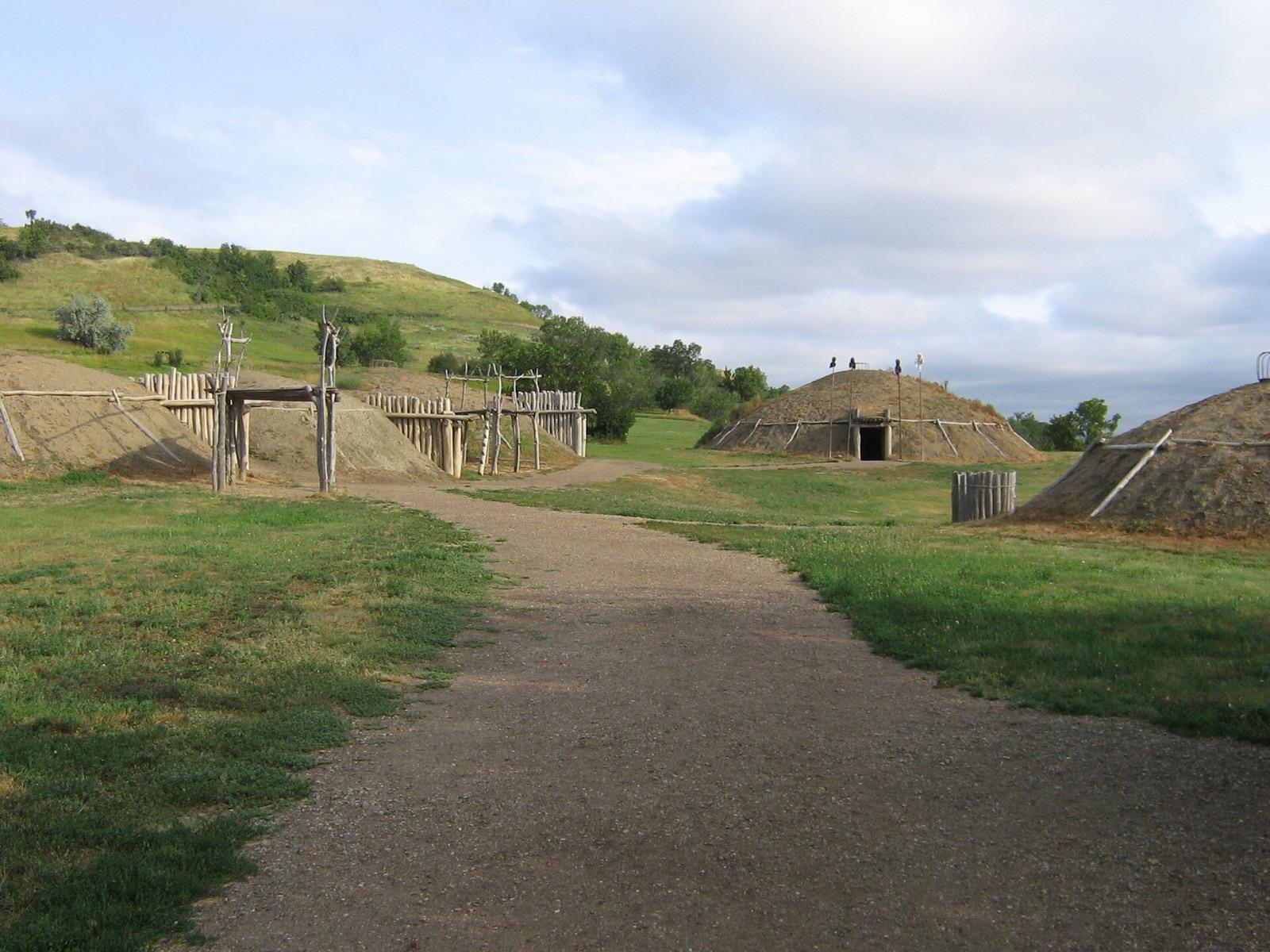
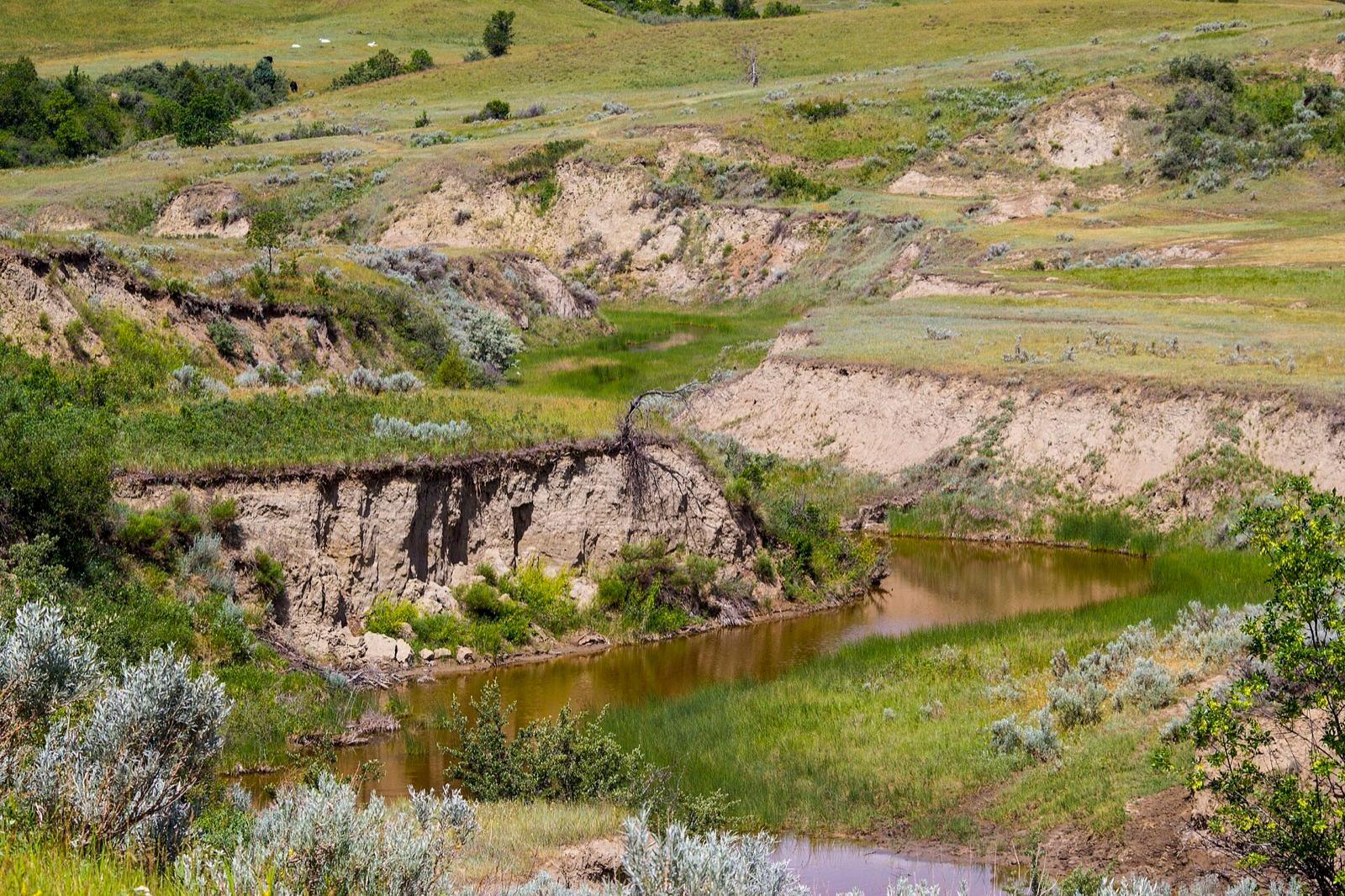
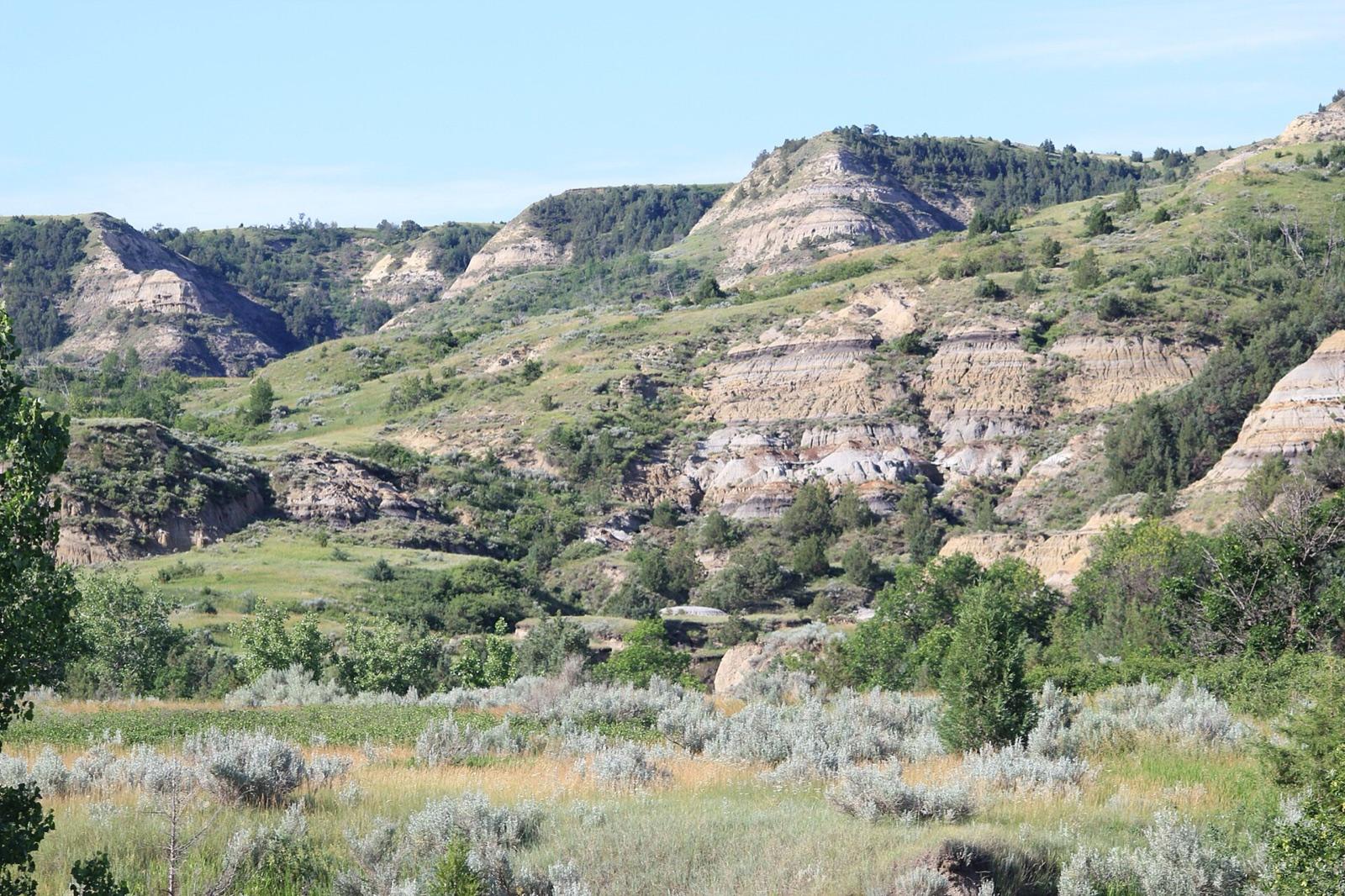
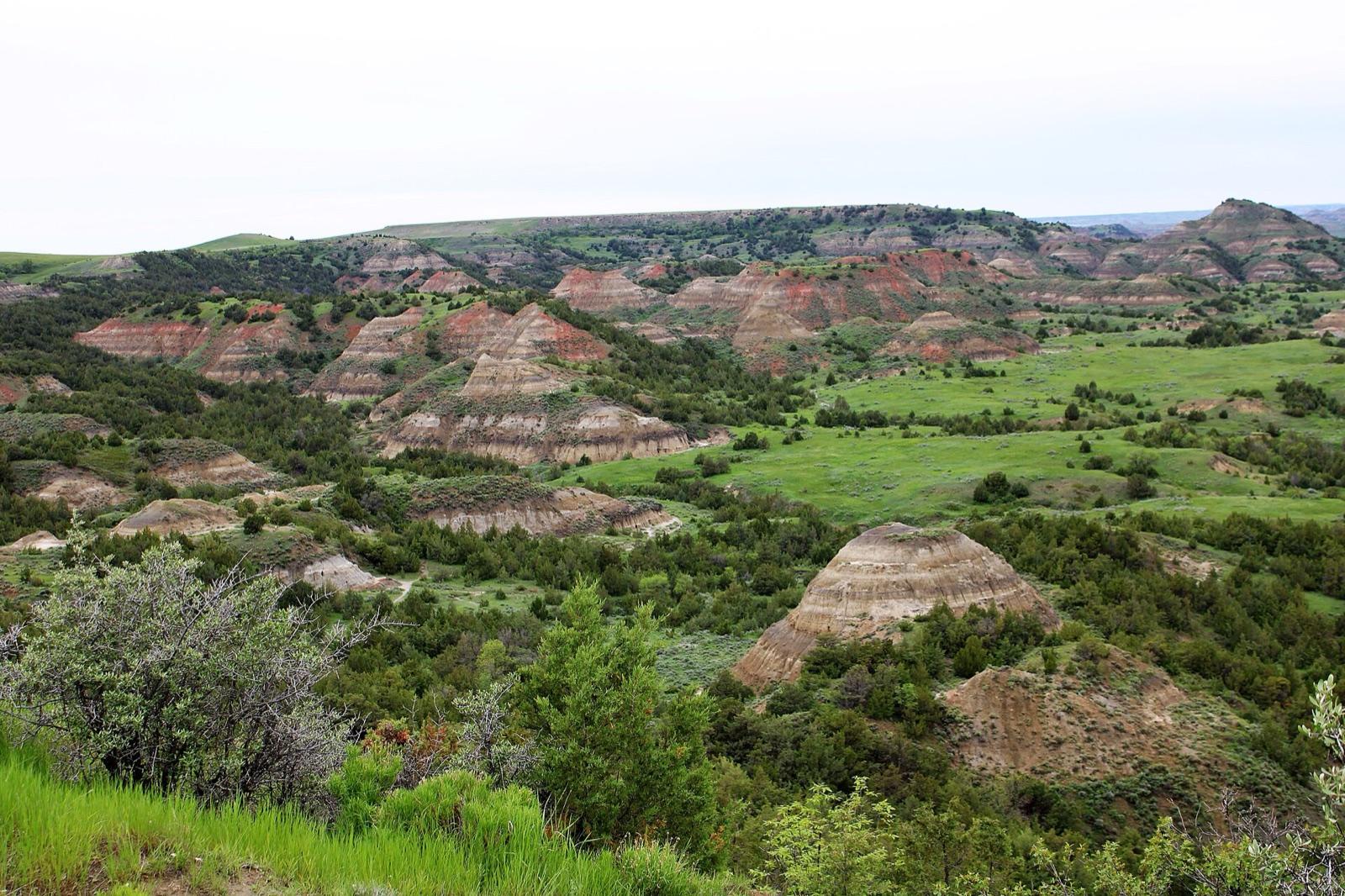
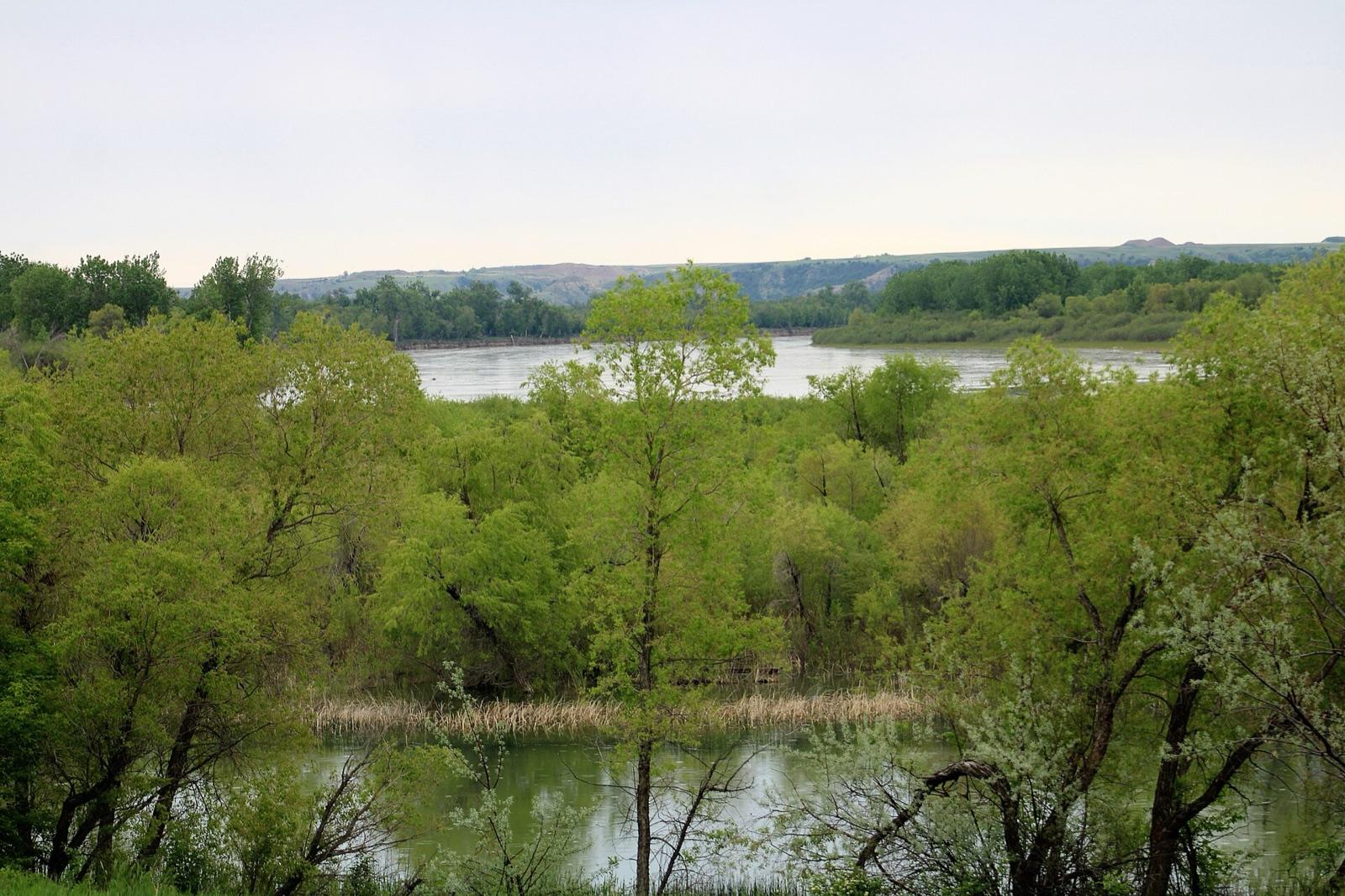
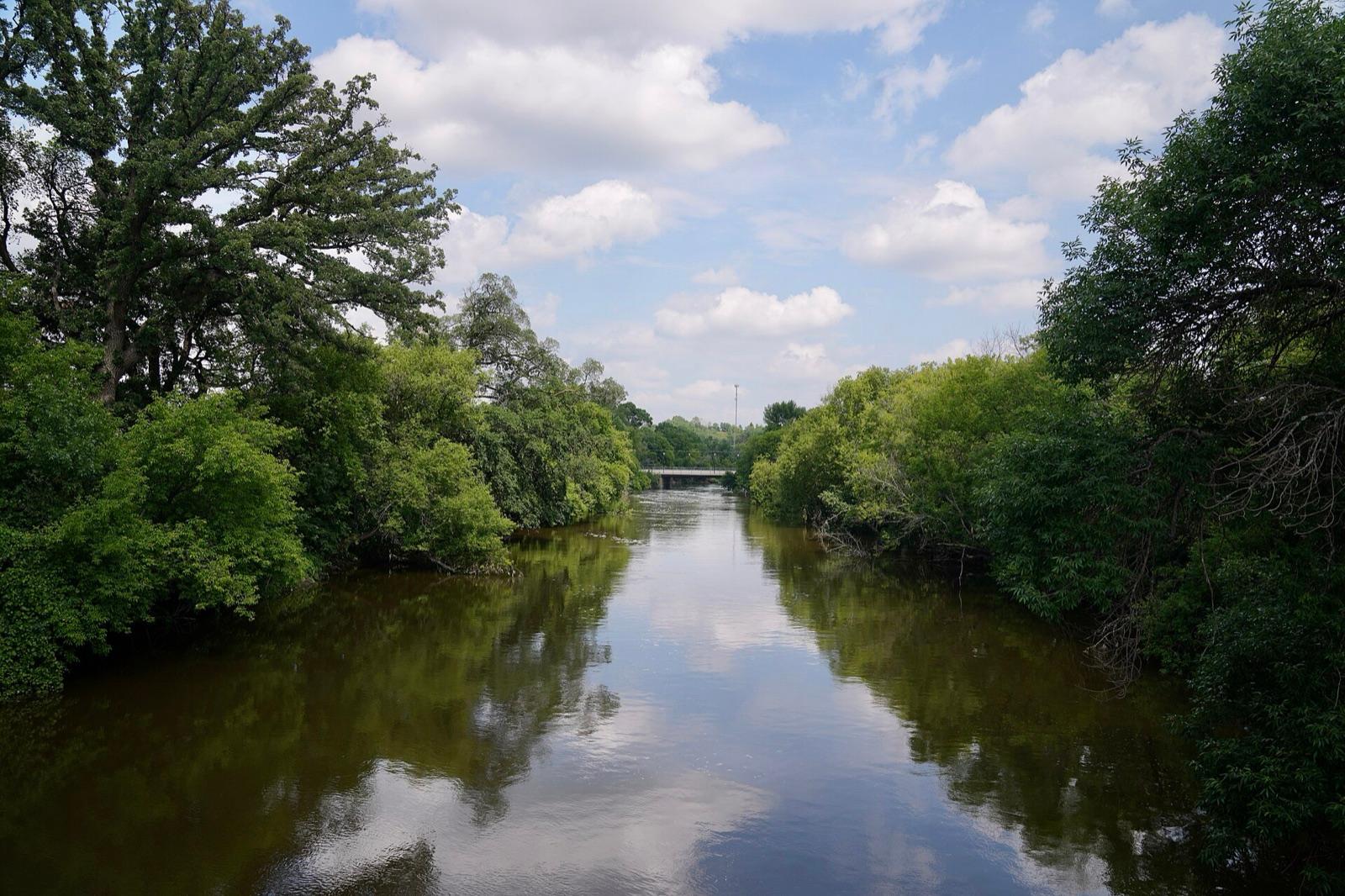
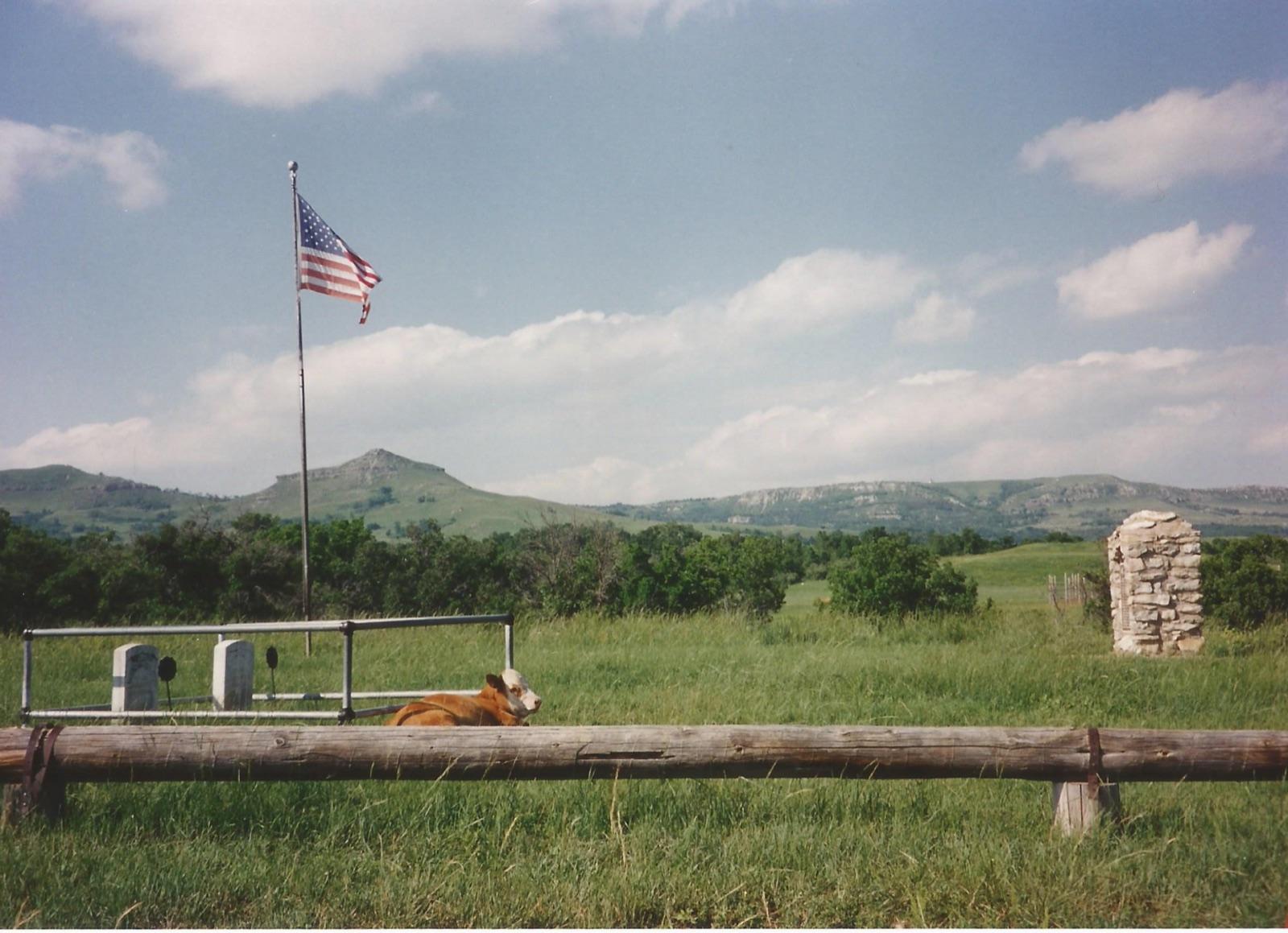
North Dakota rockhounding photos

Representative spot and material photos from locations in this state, shown where verified public image records are available.

5 photos

Top minerals found in North Dakota

Counts reflect how many spots in this list mention each mineral.

Notable areas: Medora petrified wood, Missouri River Montana moss agate, Killdeer Knife River flint, and Richardton Teredo petrified wood are the North Dakota targets collectors travel for.

Geology behind North Dakota rockhounding

Western North Dakota is the Williston Basin, capped by the Paleocene Fort Union Group. Its Sentinel Butte and Bullion Creek formations in the Little Missouri badlands around Medora, Killdeer, and McKenzie County hold petrified wood, lignite, and the baked red clinker locals call scoria, and the marine Cannonball Formation to the east around Richardton and Mandan holds Teredo-bored petrified wood and the round concretions that gave the formation its name. The Missouri River carries gravel down from the Yellowstone, so bars from Williston through Bismarck and Mandan concentrate Montana moss agate, jasper, chalcedony, and agatized wood. Knife River flint, the brown chalcedony traded across the continent for millennia, comes from the Dunn and Mercer county uplands near Killdeer. Eastern North Dakota is glacial drift with Lake Superior agate and quartzite erratics in the Souris and Sheyenne river gravels.

Best regions to focus your search

Little Missouri badlands (Billings, McKenzie, Dunn)

Petrified wood, agate, and chalcedony around Medora, along the Little Missouri, and near Killdeer on Little Missouri National Grassland ground that allows hand collecting. Theodore Roosevelt National Park is closed.

Missouri River (Williams, Burleigh, Morton)

Montana moss agate, jasper, and agatized wood on gravel bars and Lake Sakakawea shorelines from Williston to Bismarck and Mandan, reached from boat ramps and Corps recreation areas.

Cannonball country (Stark, Morton, Adams)

Teredo petrified wood and Cannonball concretions around Richardton and south toward the Cannonball River. Mostly private ranch land; ask first.

Glacial east (McHenry, Ransom)

Lake Superior agate and glacial pebbles on Souris River bars and Sheyenne River gravel around Lisbon, at public accesses and with landowner permission.

Best season

May through October. Spring rain and snowmelt wash fresh material out of the badlands and the river bars are best at late-summer low water and during Sakakawea drawdowns. Badlands clay is impassable when wet and the plains are brutal in January.

What to bring

A spray bottle and hand lens for reading agate, a small rake, sturdy boots, sun protection, and water; high clearance for grassland two-tracks. Knee boots and a screen for the river bars, and a bag for petrified wood that gets heavy fast.

Local collecting history

Knife River flint was quarried by Native Americans for at least 11,000 years and traded from the Rockies to the Atlantic. Teredo petrified wood became the state fossil in 1967. Theodore Roosevelt ranched the badlands in the 1880s, and the lignite under them powers the state today.

Rockhounding near major North Dakota cities

Day-trip range. Each section lists the closest mapped rockhounding spots within about 150 miles of the city. Most are inside a 2 to 3 hour drive.

Neighboring states with rockhounding

Geology rarely respects state borders. These states share mapped rockhounding country with North Dakota, useful when North Dakota is the start, not the whole trip. Each card links to the closest county across the line.

Rockhounding by county in North Dakota

County pages are linked once we have at least 3 mapped spots for a focused guide with coordinates, mineral notes, and nearby spots.

Top picks in North Dakota

10 best spots

Hand-picked standouts from the North Dakota list, chosen for unusual mineralogy, documented public access, or both. Each card links to coordinates, access notes, and what to look for.

Rock and mineral clubs in North Dakota

1 club in North Dakota. Clubs run field trips, shows and workshops, and many trips go to private claims you can't reach alone.

Full club directory →

North Dakota rockhounding FAQ

Is rockhounding legal in North Dakota?+
Yes, on the Little Missouri National Grassland for personal-use hand collecting, on Corps of Engineers shorelines unless posted, and on private land with permission. Theodore Roosevelt National Park, state parks, and reservation lands prohibit collecting without permission.
Where can I find petrified wood in North Dakota?+
The Little Missouri badlands around Medora, Killdeer, and McKenzie County on national grassland ground, and the Cannonball beds around Richardton for Teredo-bored wood. Lake Sakakawea shorelines also expose it during drawdowns. Take small amounts; the grassland is not a quarry.
Where do you find Montana moss agate in North Dakota?+
Missouri River gravel bars from Williston downstream through Bismarck and Mandan, and on Lake Sakakawea beaches, where the Yellowstone delivers it. Wet the gravel and look for translucent chalcedony with black dendrites.
Can I collect Knife River flint?+
The Knife River Indian Villages National Historic Site is closed to collecting and its quarries are protected archaeological sites. Loose flint cobbles turn up on Missouri River bars and private uplands in Dunn and Mercer counties with permission. Worked pieces are artifacts and must be left.
What rocks and minerals can you find in North Dakota?+
North Dakota spots in this list most often produce agate, chalcedony, jasper, silicified wood, Montana moss agate, quartz, agatized wood, and fossils, plus Knife River flint and Cannonball concretions.
Where can I go rock hunting in North Dakota?+
Rock hunting, rock collecting and rockhounding are the same hobby under different names. 25 spots are mapped in North Dakota, 22 of them with public access. McKenzie County, Dunn County, and Morton County have the most.
Is there gem mining or pay-to-dig in North Dakota?+
No fee digs or pay-to-dig gem mines are mapped in North Dakota yet. 22 of the 25 spots here have public access, so you can collect without paying a dig fee.
Where can I dig for crystals in North Dakota?+
4 mapped spots in North Dakota report quartz, amethyst, or smoky quartz, mostly in Eddy County, McHenry County, and Ransom County. Each one is in the list on this page with its land access.
Can you find geodes in North Dakota?+
None of the 25 mapped spots in North Dakota report geodes. The nearest states with mapped geode spots are South Dakota (4), Montana (1), and Wyoming (1).
Where can I go fossil hunting in North Dakota?+
4 mapped spots in North Dakota report fossils, mostly in Eddy County, Kidder County, and McHenry County. On federal land you may keep common shells, corals and plant fossils. Bones and teeth of animals with a backbone are protected.

Map every North Dakota spot in the app

Open the RockHoundR app to see North Dakota on a real map with public land overlays, weather, geology, and your saved finds.

Download on the App StoreGet it on Google Play