Amethyst and quartz country (Abbeville, Anderson, Greenwood)
Diamond Hill Mine near Antreville runs fee digging for amethyst, smoky and skeletal quartz. Nearby pegmatites produce beryl, garnet, and kyanite on private land.
Updated August 2026
51 mapped spots for rock hunting and rock collecting across 28 counties. South Carolina rockhounding pairs the Piedmont, with amethyst and skeletal quartz at Diamond Hill, historic gold ground around McCormick and the Cherokee County streams, and beryl, kyanite, and garnet in the Anderson pegmatites, with a Coastal Plain that produces megalodon and other shark teeth on the beaches and in the Lowcountry rivers, plus petrified wood in the sandhills.
The best rockhounding in South Carolina is at Diamond Hill Mine in Abbeville County (amethyst, smoky quartz), Dorn Mine in McCormick County (gold), and Bowens River and tributaries in Cherokee County (corundum, garnet). In total, 51 mapped collecting spots across 28 counties produce amethyst, quartz, and megalodon tooth, each listed below with its land access.
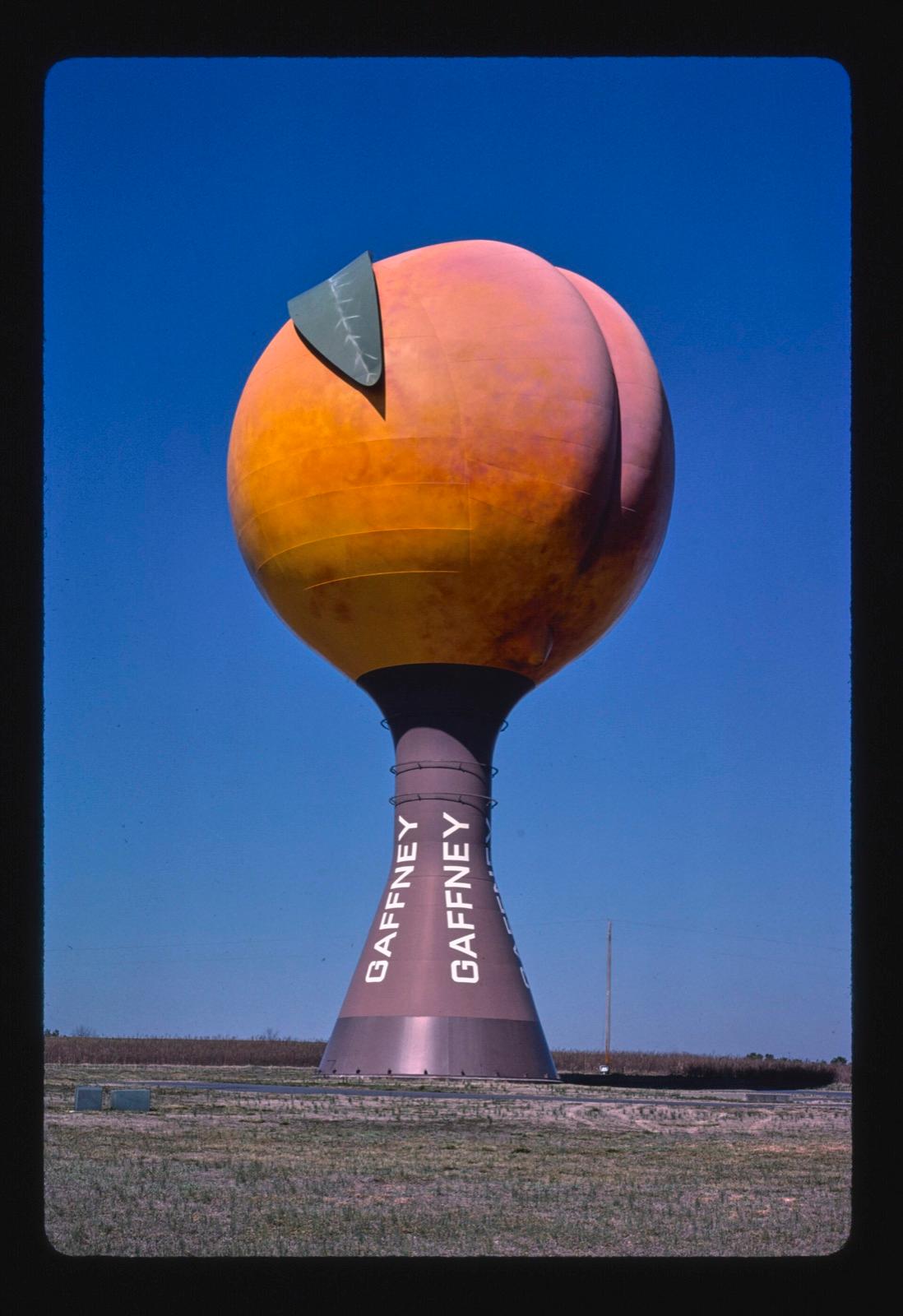 Best spotBowens River and tributariesCherokee County, South CarolinaPublic access · Corundum, Garnet, Sapphire +6
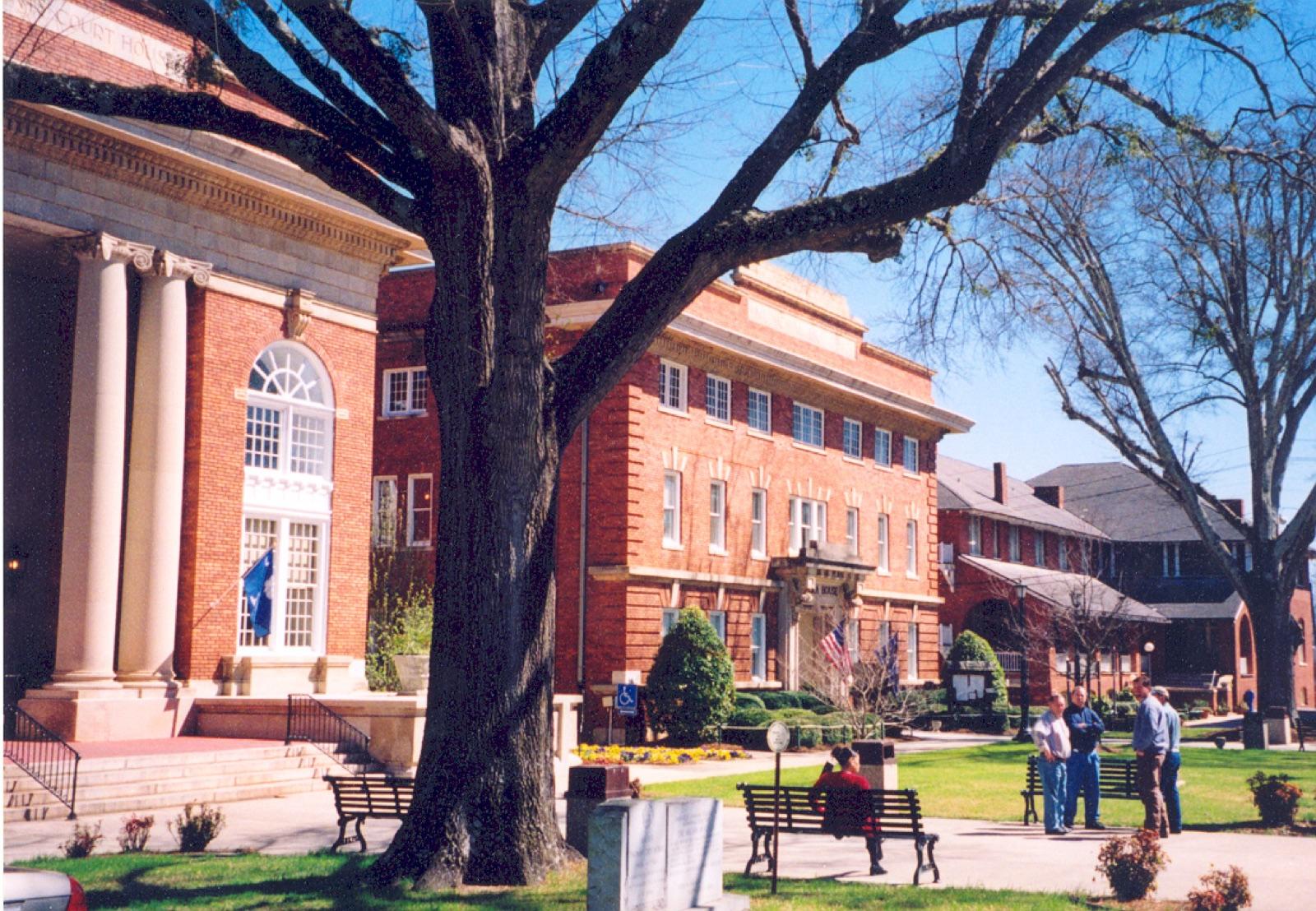 Best spotDiamond Hill MineAbbeville County, South CarolinaPublic access · Amethyst, Smoky Quartz, Beryl +2
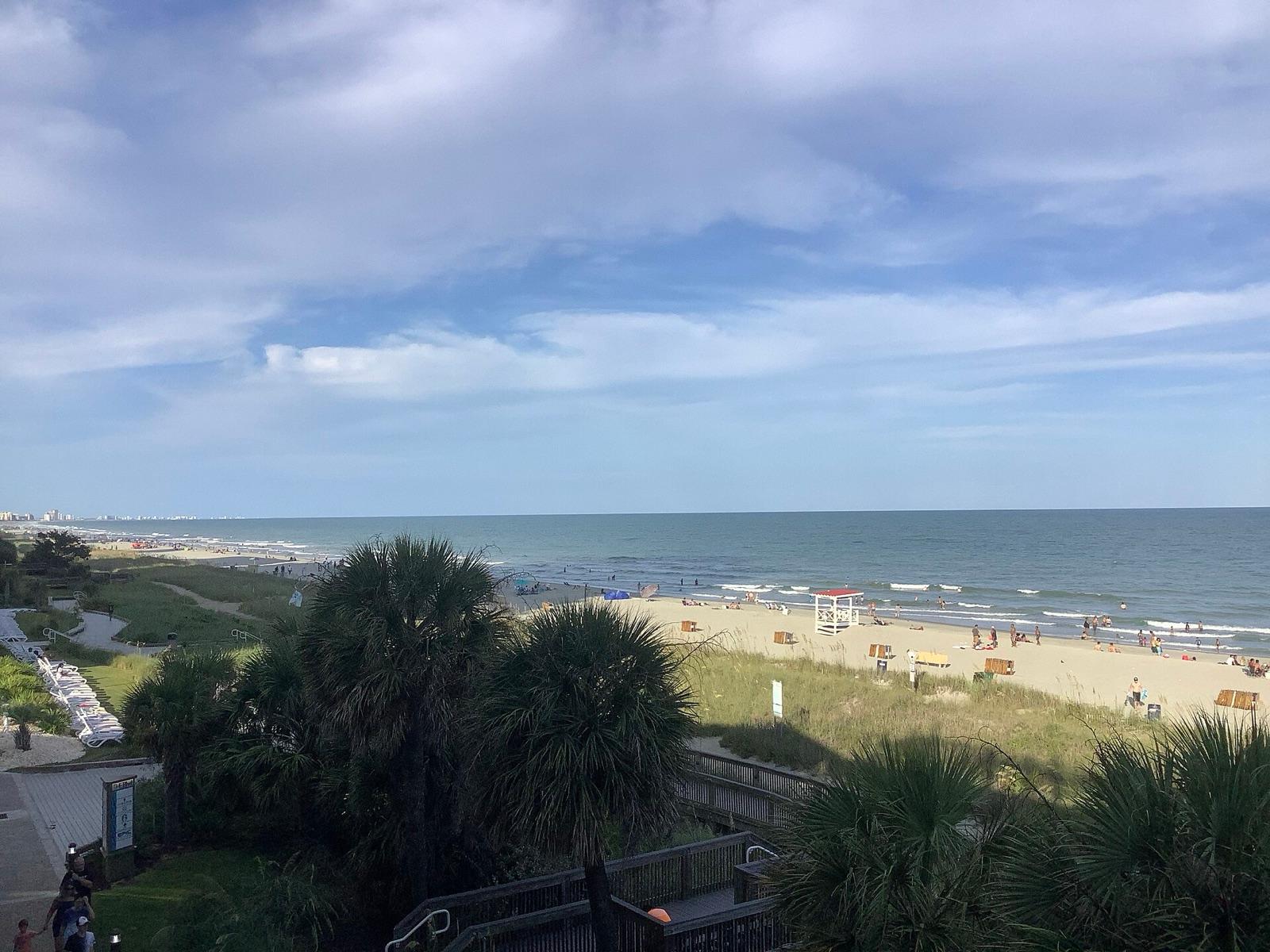 Best spotMyrtle BeachHorry County, South CarolinaPublic access · Agate, Chalcedony, Quartz +2
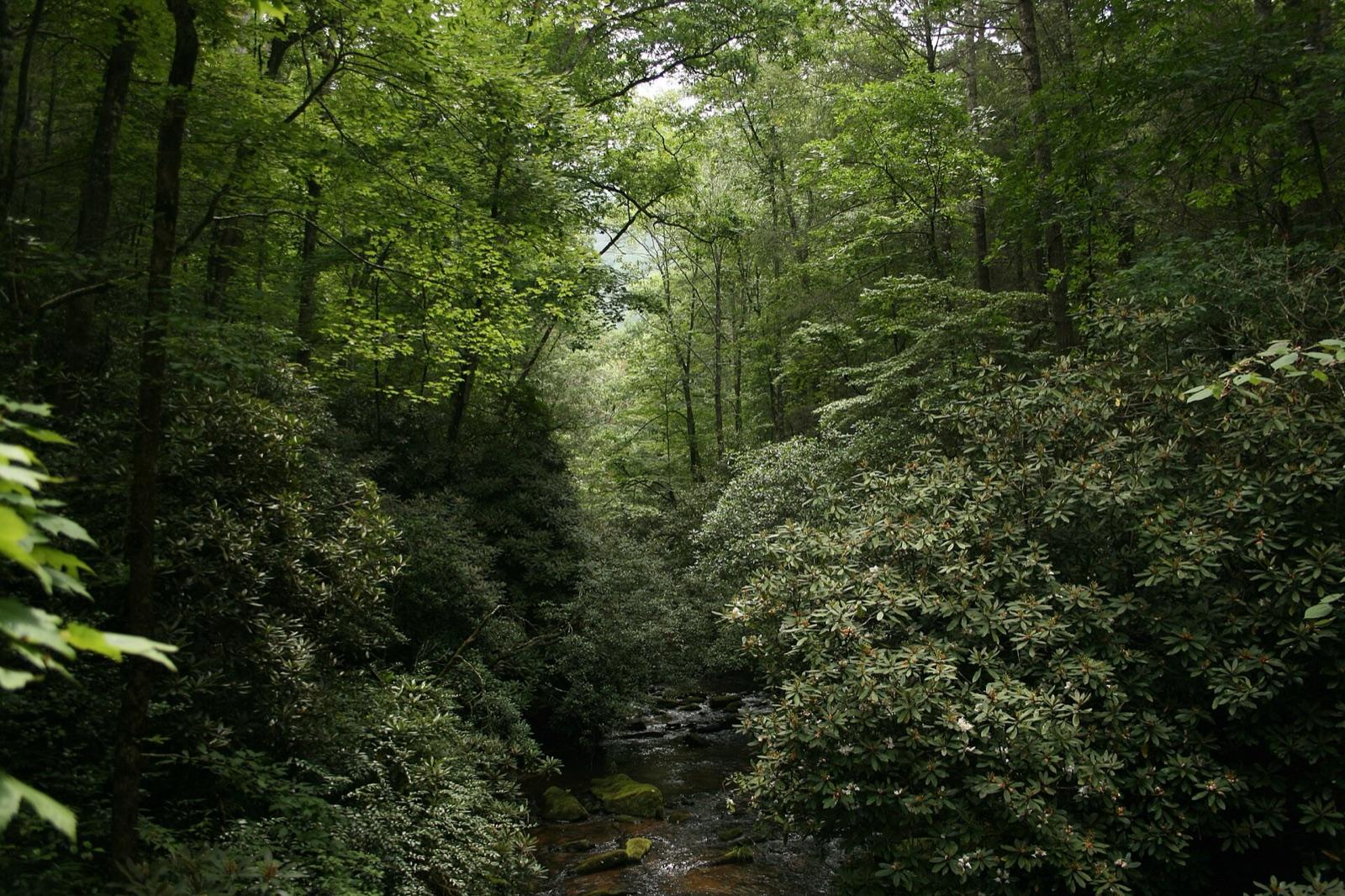 Best spotOconee CountyOconee County, South CarolinaPublic access · Gold, Graphite, Pyrite
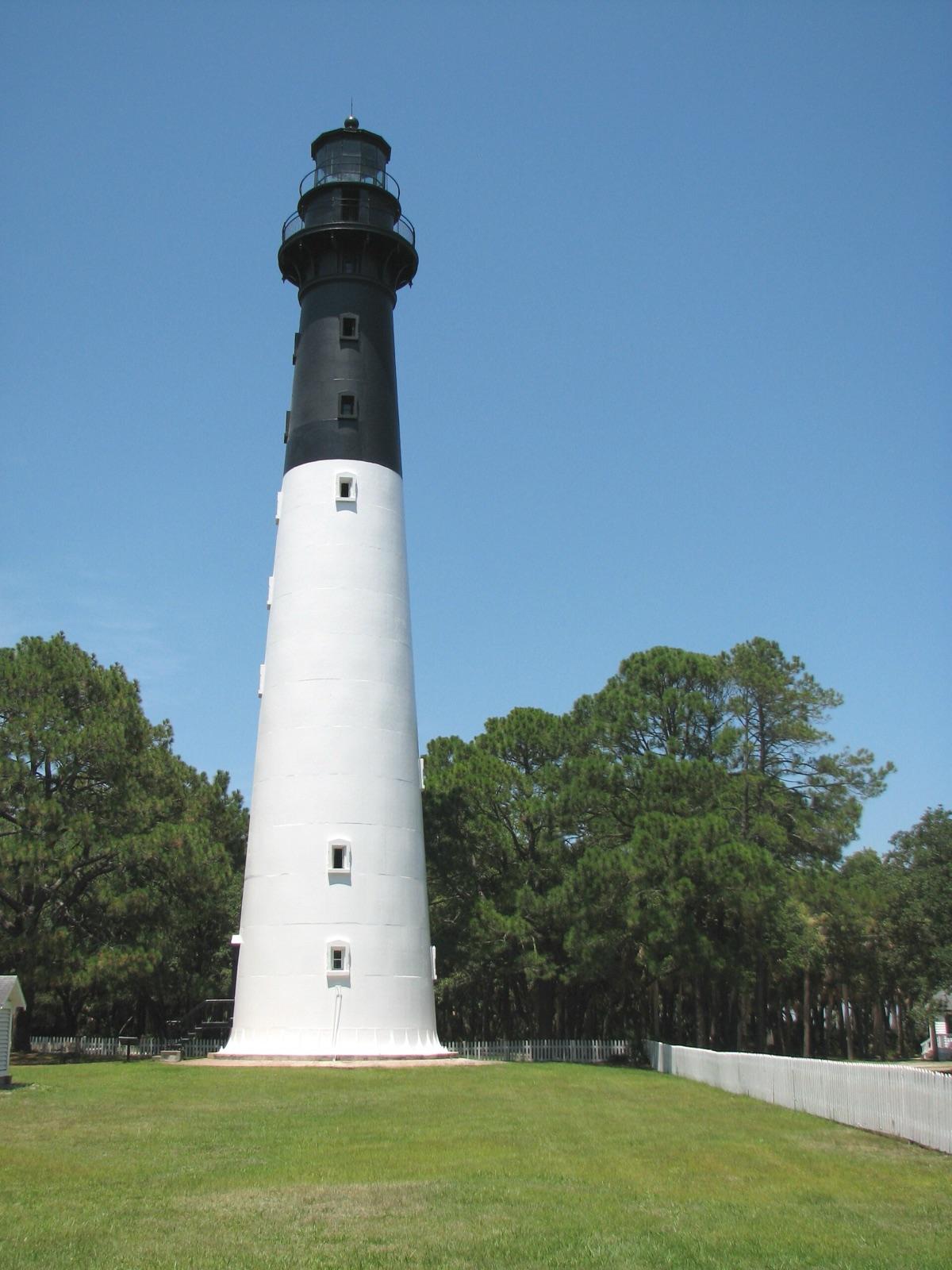 Best spotHunting Island State ParkBeaufort County, South CarolinaPublic access · Fossil Shark Tooth, Megalodon Tooth
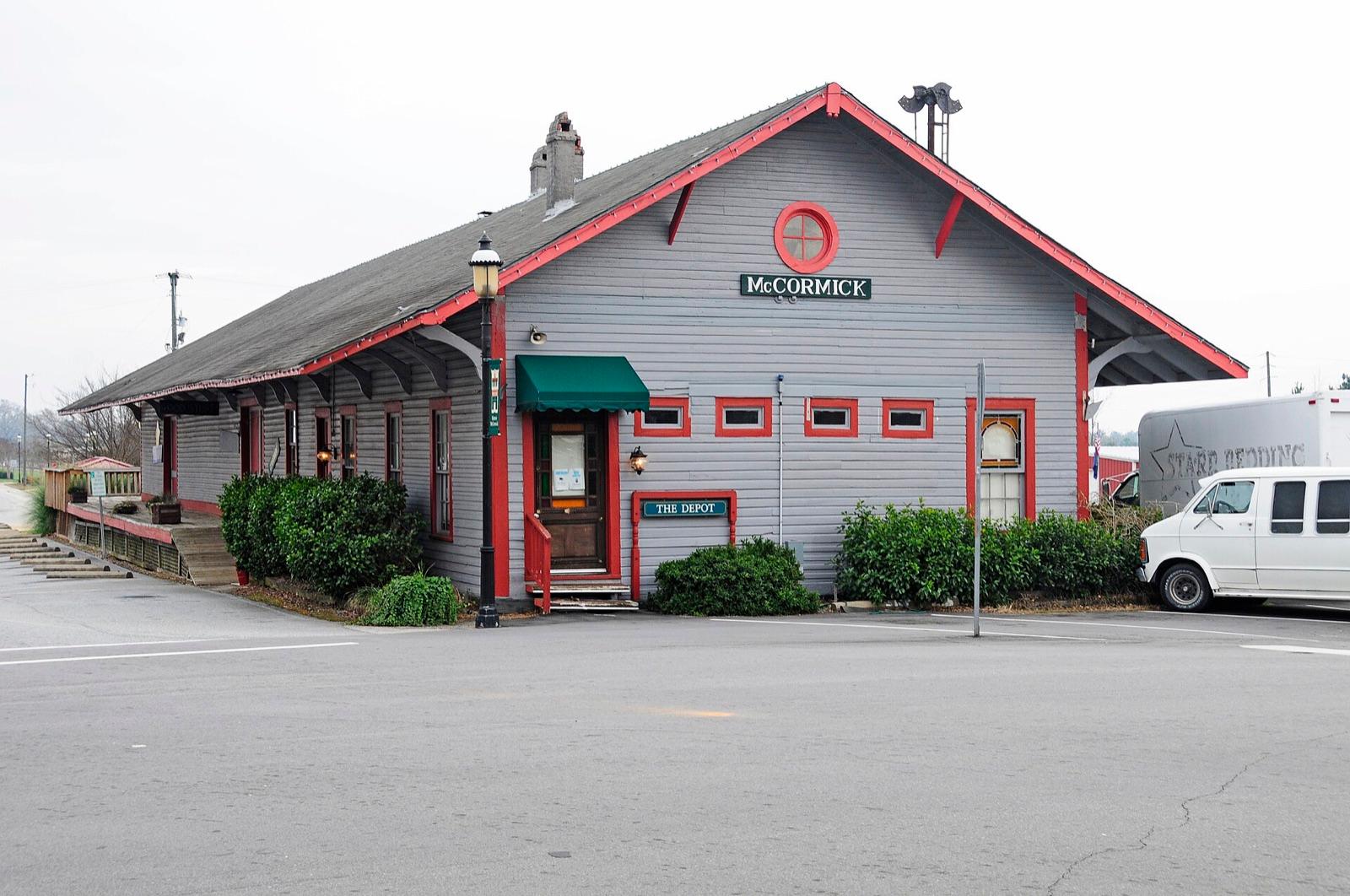 Best spotDorn MineMcCormick County, South CarolinaPublic access · Gold
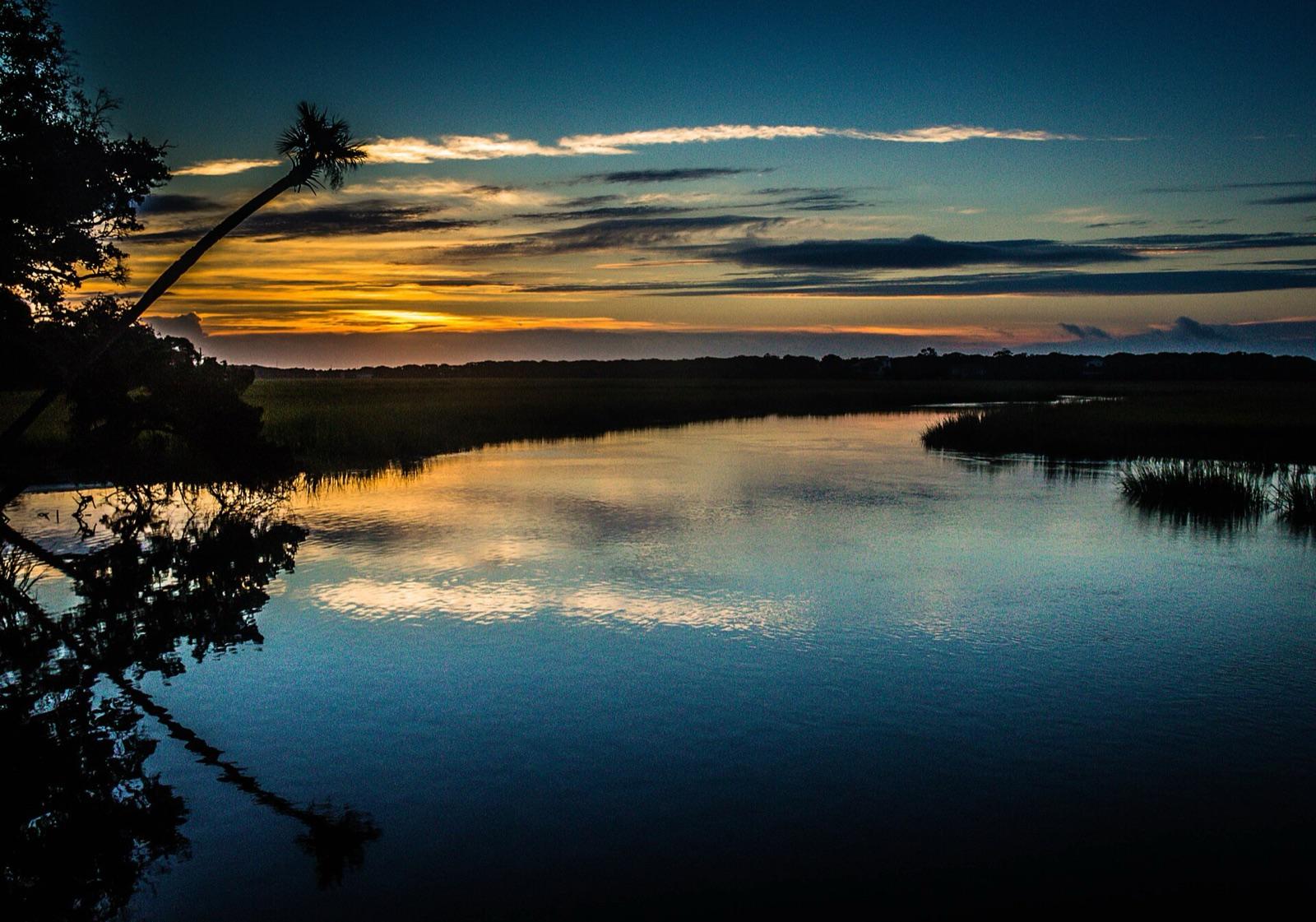 Best spotEdisto BeachColleton County, South CarolinaPublic access · Megalodon Tooth
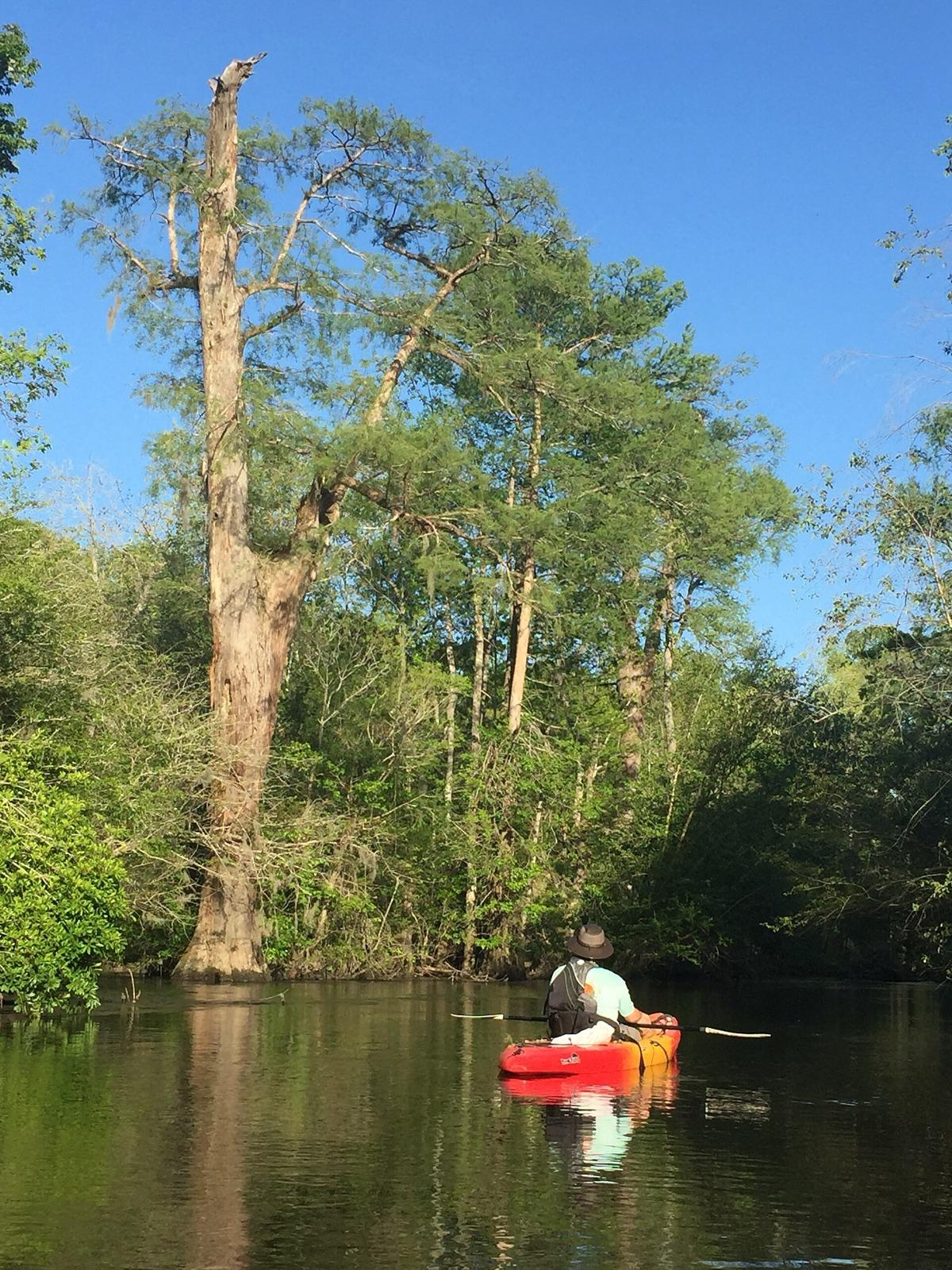 Best spotFlorence CountyFlorence County, South CarolinaPublic access · Petrified Wood
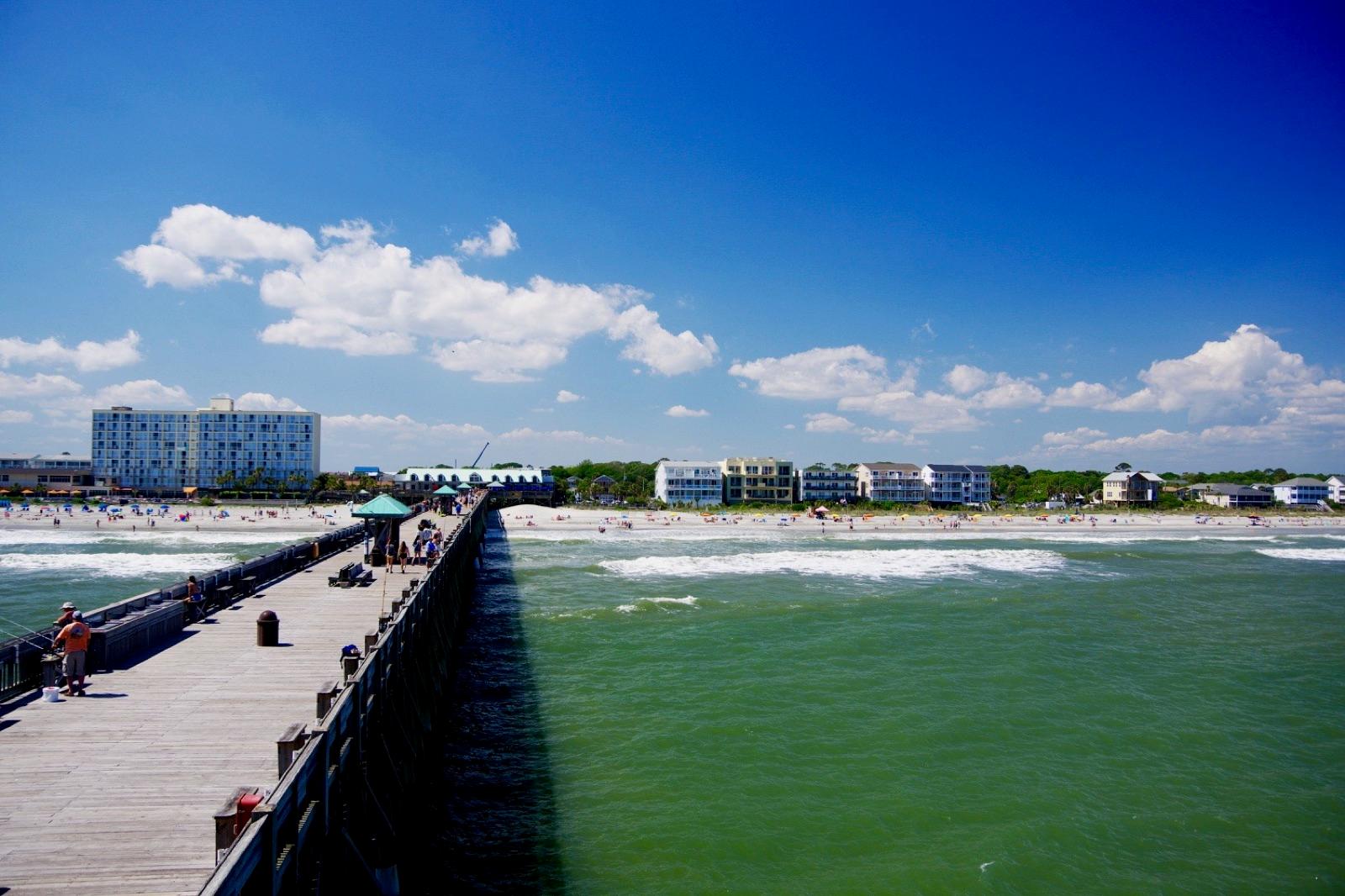 Best spotFolly BeachCharleston County, South CarolinaPublic access · Megalodon Tooth
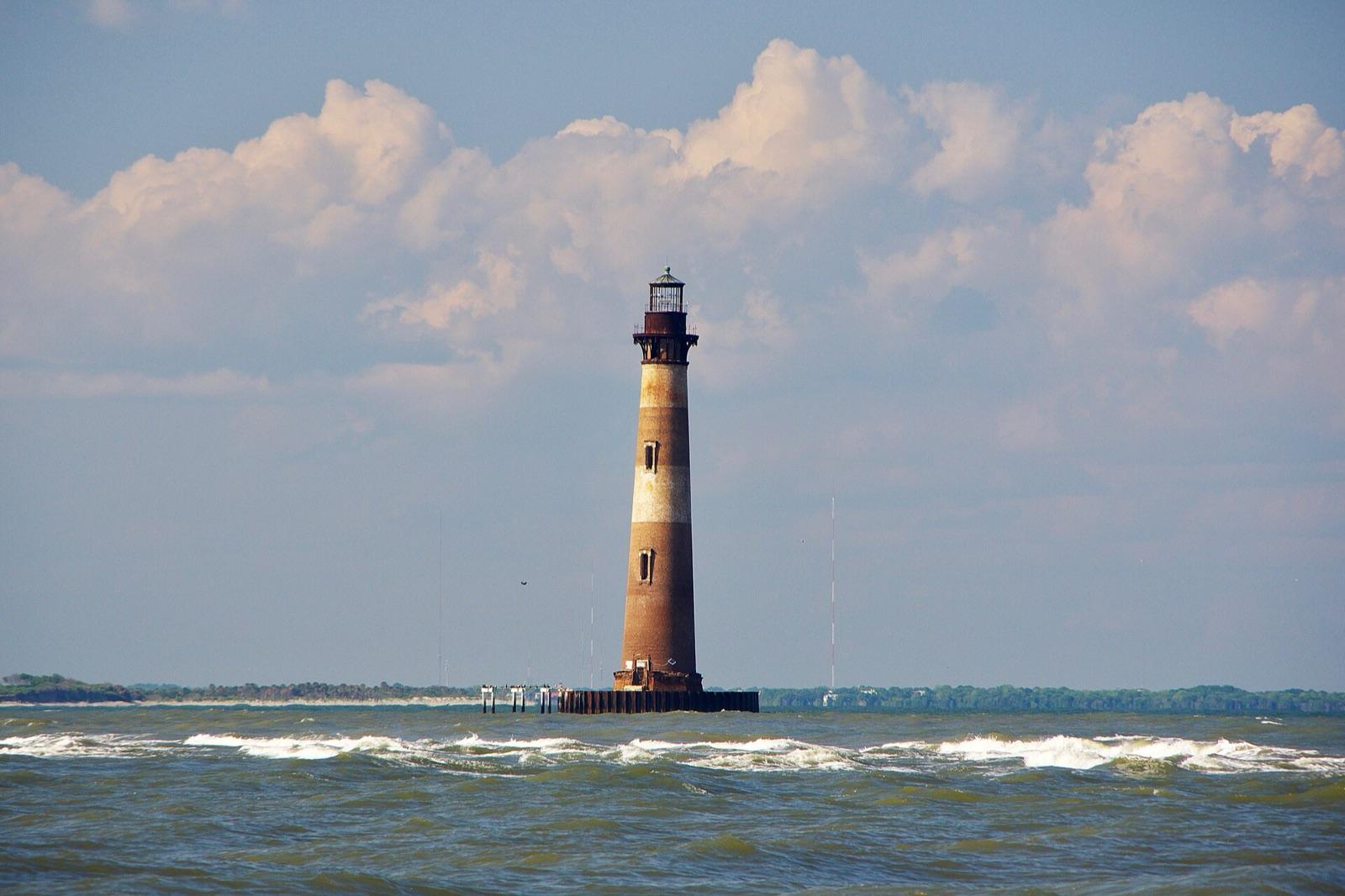 Best spotMorris IslandCharleston County, South CarolinaPublic access · Megalodon Tooth
 Clearwater & Herse ValleyAiken County, South CarolinaPublic access · Amethyst, Chalcedony, Ilmenite +5AndersonAnderson County, South CarolinaPublic access · Aquamarine, Beryl, Almandine Garnet +4Fork of Big Creek & Little Saluda RiverSaluda County, South CarolinaPublic access · Amphibolite, Chalcopyrite, Chlorite +4IvaAnderson County, South CarolinaPublic access · Corundum, Garnet, Quartz +4King's CreekCherokee County, South CarolinaPublic access · Barite, Chalcopyrite, Galena +4Cherokee CountyCherokee County, South CarolinaPublic access · Barite, Hematite, Kyanite +3
 Paris Mt. State ParkGreenville County, South CarolinaPermission required · Beryl, Garnet, Quartz +3GaffneyCherokee County, South CarolinaPublic access · Cassiterite, Feldspar, Kyanite +2Henry's KnobYork County, South CarolinaPublic access · Andalusite, Kyanite, Lazulite +2Hickory GroveYork County, South CarolinaPublic access · Andalusite, Kyanite, Lazulite +2SmyrnaYork County, South CarolinaPublic access · Calcite, Galena, Gold Nugget +2Abbeville CountyAbbeville County, South CarolinaPublic access · Beryl, Corundum, Epidote +1Diamond Hill MineWilliamsburg County, South CarolinaFee dig · Quartz, Amethyst, Smoky Quartz +1Flat CreekLancaster County, South CarolinaPublic access · Gold, Pyrite, SericiteHaile Gold MineLancaster County, South CarolinaPublic access · Gold, Pyrite, QuartzKiawah IslandCharleston County, South CarolinaPublic access · Megalodon Tooth, Shark Tooth, AgateRock'N Winn's FarmAnderson County, South CarolinaFee dig · Amethyst, Quartz, BerylLake Murray DamLexington County, South CarolinaPublic access · Garnet, KyaniteLiberty HillKershaw County, South CarolinaPublic access · Smoky Quartz, ZirconPalmetto Fossil ExcursionsDorchester County, South CarolinaFee dig · Fossil, Megalodon ToothPiedmontAnderson County, South CarolinaPublic access · Aquamarine, TourmalineSalucaGreenwood County, South CarolinaPublic access · Unakite, AmethystShoals JunctionGreenwood County, South CarolinaPublic access · Amethyst, QuartzSilver BluffAiken County, South CarolinaPublic access · Manganese, CobaltSpartanburg CountySpartanburg County, South CarolinaPublic access · Gold, DiamondAndersonAnderson County, South CarolinaPublic access · BerylBellyache CreekDarlington County, South CarolinaPublic access · Petrified WoodBlenheimMarlboro County, South CarolinaPublic access · Petrified WoodColumbiaLexington County, South CarolinaPublic access · AmethystCooper RiverBerkeley County, South CarolinaPublic access · Megalodon ToothDarlingtonFlorence County, South CarolinaPublic access · Petrified WoodDonaldsGreenwood County, South CarolinaPublic access · AmethystFairfield CountyFairfield County, South CarolinaPublic access · Petrified WoodHawe CreekMcCormick County, South CarolinaPublic access · Limonite CubeIvaAnderson County, South CarolinaPublic access · AmethystJeffersonChesterfield County, South CarolinaPublic access · TopazMcCormickMcCormick County, South CarolinaPermission required · GoldMorgan RiverBeaufort County, South CarolinaPublic access · Megalodon ToothProsperityNewberry County, South CarolinaPublic access · BariteSleepy CreekEdgefield County, South CarolinaPublic access · GoldTurkey CreekEdgefield County, South CarolinaPublic access · Serpentine
Representative spot and material photos from locations in this state, shown where verified public image records are available.
Counts reflect how many spots in this list mention each mineral.
Notable areas: Diamond Hill amethyst and skeletal quartz, Bowens River gold, Anderson County beryl, and Lowcountry megalodon teeth are the South Carolina targets collectors travel for.
The Blue Ridge corner in Oconee and Pickens counties and the wide Piedmont are Paleozoic metamorphic rocks: schist, gneiss, and the Carolina slate belt, a metavolcanic terrane that hosts the state's gold deposits at Haile, Brewer, and Dorn. Quartz veins in the Piedmont carry amethyst around Due West and Antreville in Abbeville and Anderson counties, where the Diamond Hill mine is the state's best-known fee dig for amethyst and skeletal quartz. Pegmatites in Anderson, Greenwood, and McCormick counties yield beryl, garnet, kyanite, and mica, and the Cherokee County streams around Gaffney and the Bowens River carry placer gold. The Fall Line sandhills hold petrified wood, and the Coastal Plain's Miocene through Pleistocene sediments shed shark teeth, including megalodon, onto Folly, Morris Island, Edisto, and Myrtle beaches and into the Cooper, Edisto, and Wando rivers around Summerville.
Diamond Hill Mine near Antreville runs fee digging for amethyst, smoky and skeletal quartz. Nearby pegmatites produce beryl, garnet, and kyanite on private land.
The Dorn Mine at McCormick is a historic site, the Bowens River and Cherokee County streams carry placer gold for panning, and Haile at Kershaw is an active mine that is closed. Sumter National Forest ground around Long Cane allows hand collecting.
Shark teeth on Folly Beach, Morris Island, Edisto Beach, Myrtle Beach, and Hunting Island after storms and renourishment. The Summerville rivers hold megalodon teeth but underwater collecting needs a state hobby diver license.
Petrified wood and chert in sand pits and creek beds, Cretaceous and Eocene fossils in the marl. Mostly private; ask first.
October through April for the Piedmont and gold streams, with cooler weather and washed ground. Beach fossils are best after winter and spring storms and on falling tides; summer beach crowds and heat make dawn the only good hour. Diamond Hill posts its own dig days.
Rock hammer and chisels, safety glasses, gloves, a gold pan and small shovel for the Cherokee streams, a sand scoop and quarter-inch screen for beach teeth, knee boots, and a hand lens. Sun protection and water matter year-round.
South Carolina's gold was worked from the 1820s at Haile and Brewer, and Dorn's mine at McCormick was one of the richest strikes of the 1850s. Haile reopened as a modern mine in 2017. Amethyst became the state gem in 1969 and blue granite the state stone.
Day-trip range. Each section lists the closest mapped rockhounding spots within about 150 miles of the city. Most are inside a 2 to 3 hour drive.
6 closest spots to Charleston, SC.
6 closest spots to Columbia, SC.
6 closest spots to Greenville, SC.
Geology rarely respects state borders. These states share mapped rockhounding country with South Carolina, useful when South Carolina is the start, not the whole trip. Each card links to the closest county across the line.
County pages are linked once we have at least 3 mapped spots for a focused guide with coordinates, mineral notes, and nearby spots.
Hand-picked standouts from the South Carolina list, chosen for unusual mineralogy, documented public access, or both. Each card links to coordinates, access notes, and what to look for.
Top pickAbbeville County
Diamond Hill is the most dependable place in South Carolina to dig the state's official gemstone, amethyst, along with clear and smoky quartz scepters and crystal-lined pockets in the quartz veins.
Amethyst, Smoky Quartz, Beryl, Garnet
Top pickMcCormick County
The Dorn Mine was one of the richest gold veins in South Carolina, worked from the 1850s, and it now lies within the Long Cane Ranger District of Sumter National Forest.
Gold
Top pickCherokee County
The Bowen River drainage in northern Cherokee County is South Carolina's most mineral-diverse gem stream, reported to carry corundum in ruby and sapphire colors along with garnet, zircon, topaz, and rutile eroded from the upper Piedmont metamorphic rocks.
Corundum, Garnet, Sapphire, Emerald
Top pickOconee County
Oconee County covers South Carolina's Blue Ridge corner, where the Andrew Pickens Ranger District of Sumter National Forest opens up mountain streams for legal recreational collecting.
Gold, Graphite, Pyrite
Top pickCharleston County
Folly Beach is the best walk-up, no-boat shark-tooth beach near Charleston, with fossil teeth washing in from the same phosphate-rich Pleistocene deposits that feed nearby Morris Island.
Megalodon Tooth
Top pickFlorence County
The Pee Dee region is South Carolina's petrified wood country, and Florence County's river gravels along the Great Pee Dee and lower Lynches rivers are a classic source of silicified wood weathered out of the Coastal Plain sediments.
Petrified Wood
Top pickHorry County
Myrtle Beach anchors the Grand Strand as the go-to public shark-tooth stretch on South Carolina's northern coast, where small dark fossil teeth wash in along miles of open beach.
Agate, Chalcedony, Quartz, Fossilized Shark Tooth
Top pickCharleston County
Morris Island holds the richest surface concentration of fossil shark teeth near Charleston, including megalodon, because tidal currents strip the phosphate gravel and pile teeth along the north end.
Megalodon Tooth
Top pickColleton County
Edisto Beach is one of the most reliable places in South Carolina to find fossil shark teeth, including megalodon, along with Ice Age mammal bone eroding out of the offshore Pleistocene beds.
Megalodon Tooth
Top pickBeaufort County
Hunting Island is the most accessible fossil beach in the southern Lowcountry, with fossil shark teeth turning up in the shell beds near the historic lighthouse and along the park's eroding north end.
Fossil Shark Tooth, Megalodon Tooth
3 places in South Carolina where you pay to dig and keep what you find. Prices and seasons change, so check with the operator before you drive out.
4 clubs in South Carolina. Clubs run field trips, shows and workshops, and many trips go to private claims you can't reach alone.
Open the RockHoundR app to see South Carolina on a real map with public land overlays, weather, geology, and your saved finds.