Keokuk geode beds (Lee, Henry, Van Buren, Des Moines)
Fee digs near Keokuk let you work fresh Warsaw shale; creek exposures at Lowell, Bentonsport, and around Burlington are on private farms. Geode State Park is closed to collecting.
Updated August 2026
50 mapped spots for rock hunting and rock collecting across 32 counties. Iowa rockhounding is geodes and gravel. Keokuk geodes weather out of the Warsaw Formation in the southeast corner around Lee, Henry, and Van Buren counties, and glacial gravel bars on the Cedar, Iowa, Boone, and Des Moines rivers carry Lake Superior agates, jasper, and petrified wood across the rest of the state. Devonian and Ordovician fossils add a second hobby in the northeast.
The best rockhounding in Iowa is at Ames in Story County (chalcedony, fossil), Bells Mill Park in Hamilton County (calcite), and Black Hawk County in Black Hawk County (cold water agate). In total, 50 mapped collecting spots across 32 counties produce geode, agate, and lake superior agate, each listed below with its land access.
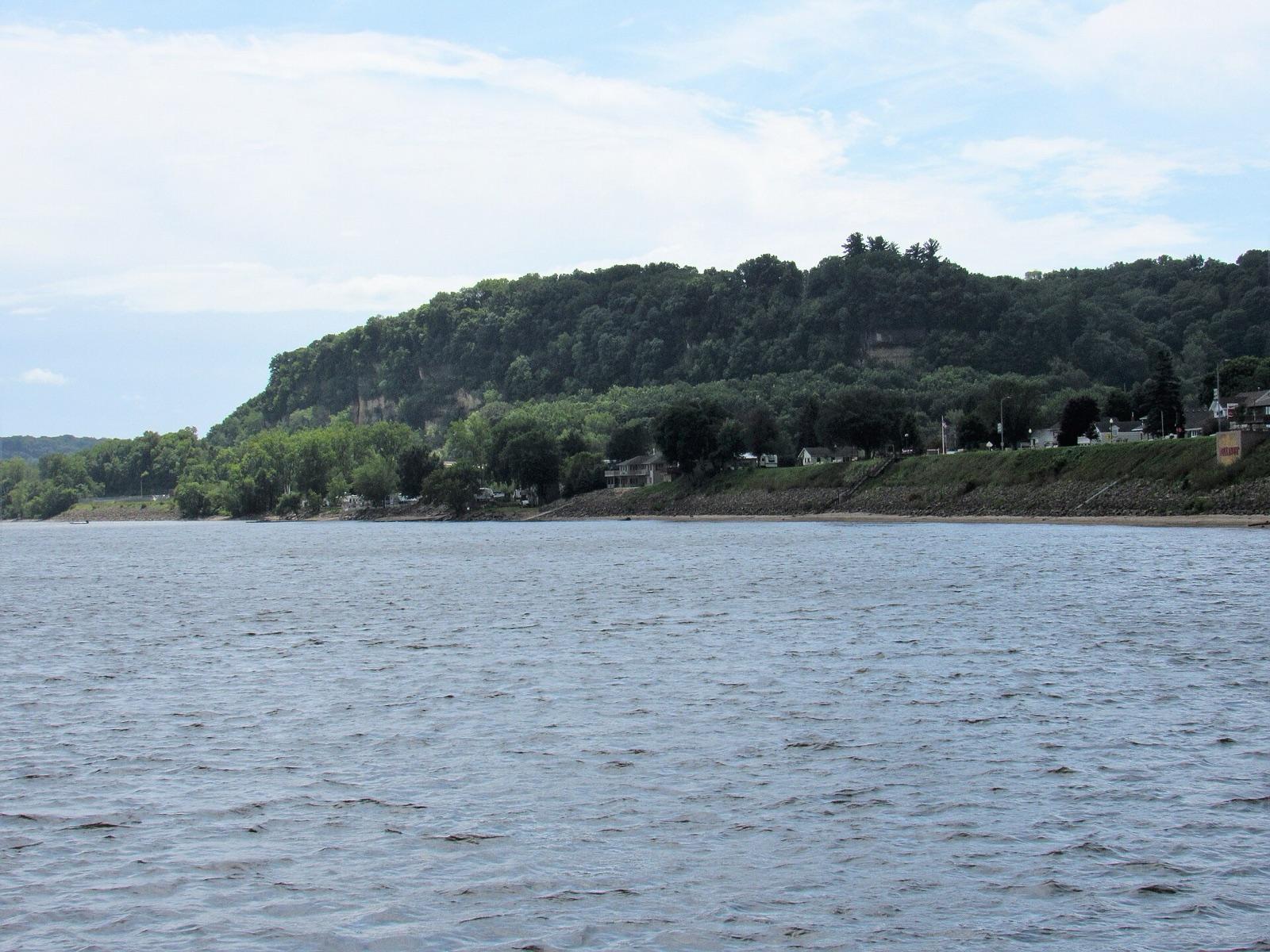 Best spotBellevueJackson County, IowaPublic access · Lake Superior Agate, Moss Agate, Carnelian +3
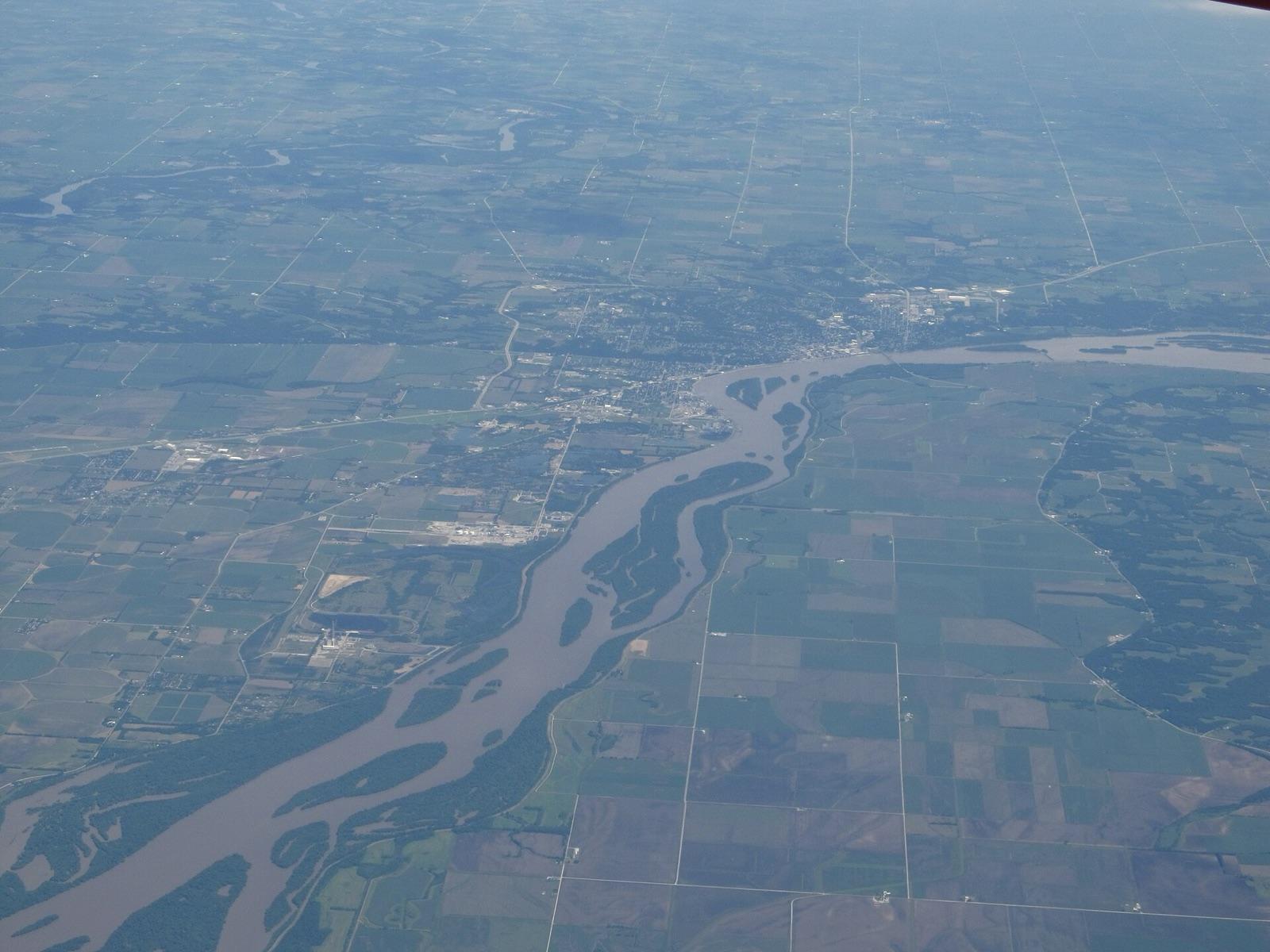 Best spotMuscatine (agate)Louisa County, IowaPublic access · Lake Superior Agate, Moss Agate, Chalcedony +1
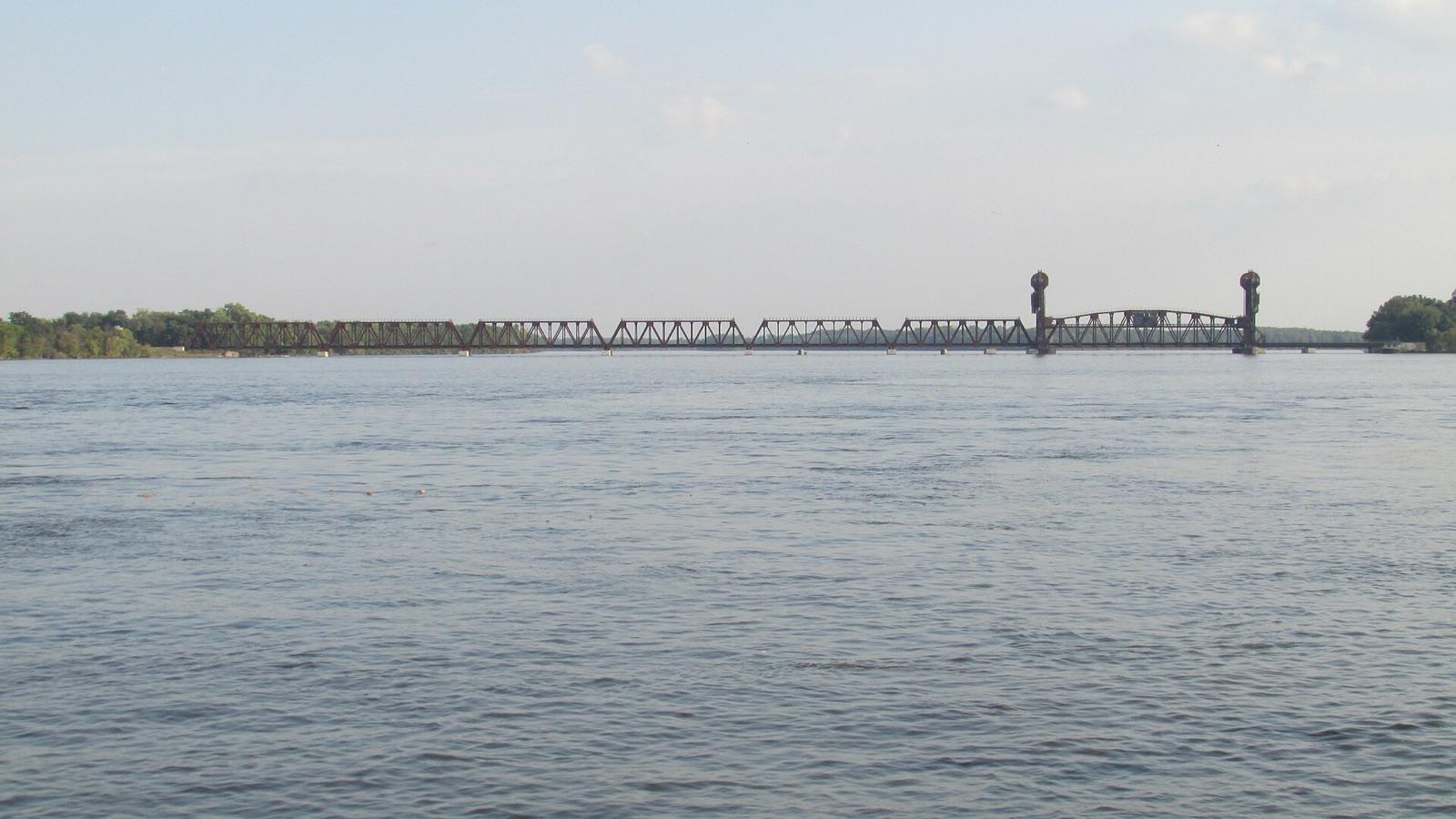 Best spotBurlington (geodes)Des Moines County, IowaPublic access · Lake Superior Agate, Quartz, Geode
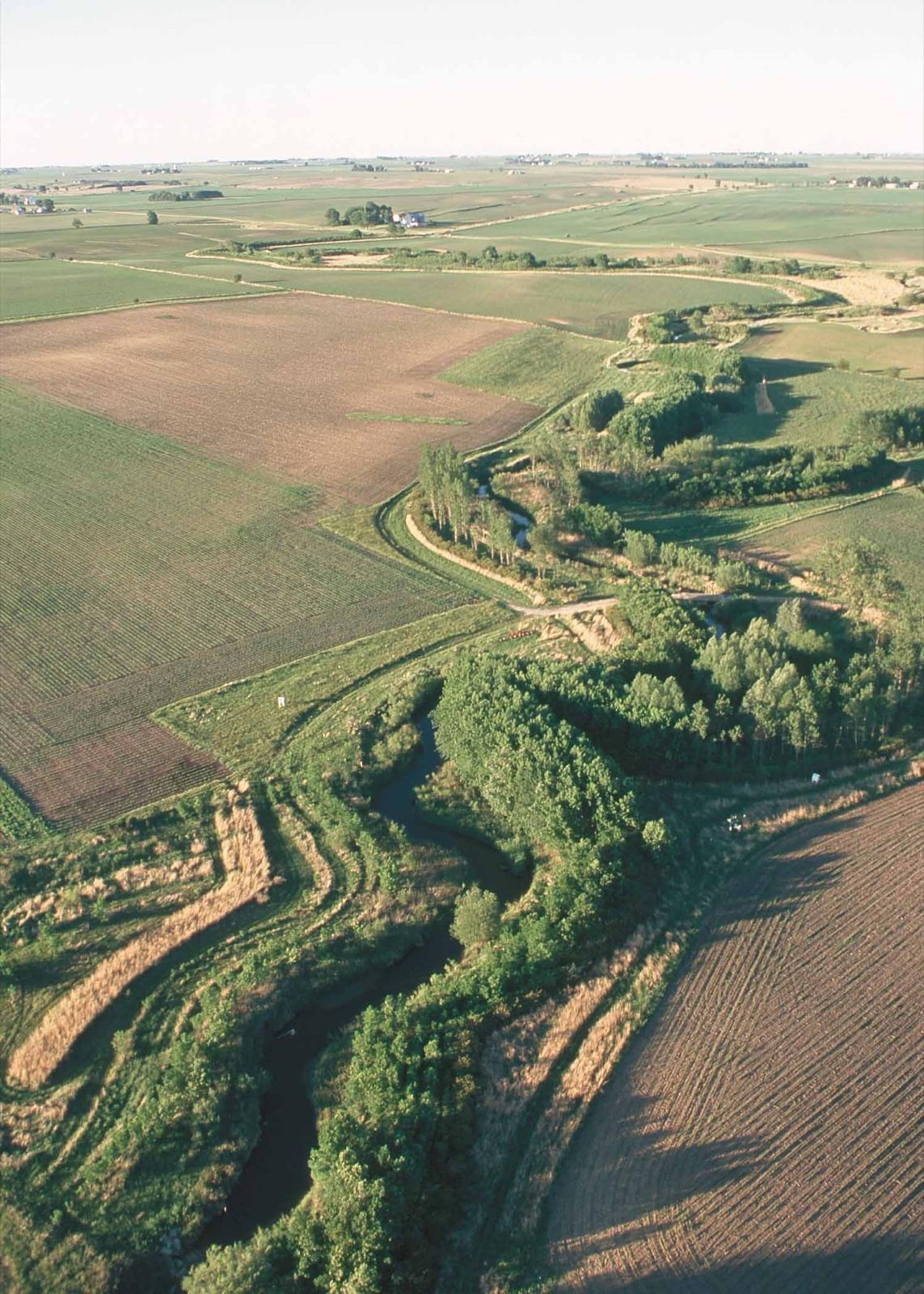 Best spotAmesStory County, IowaPublic access · Chalcedony, Fossil
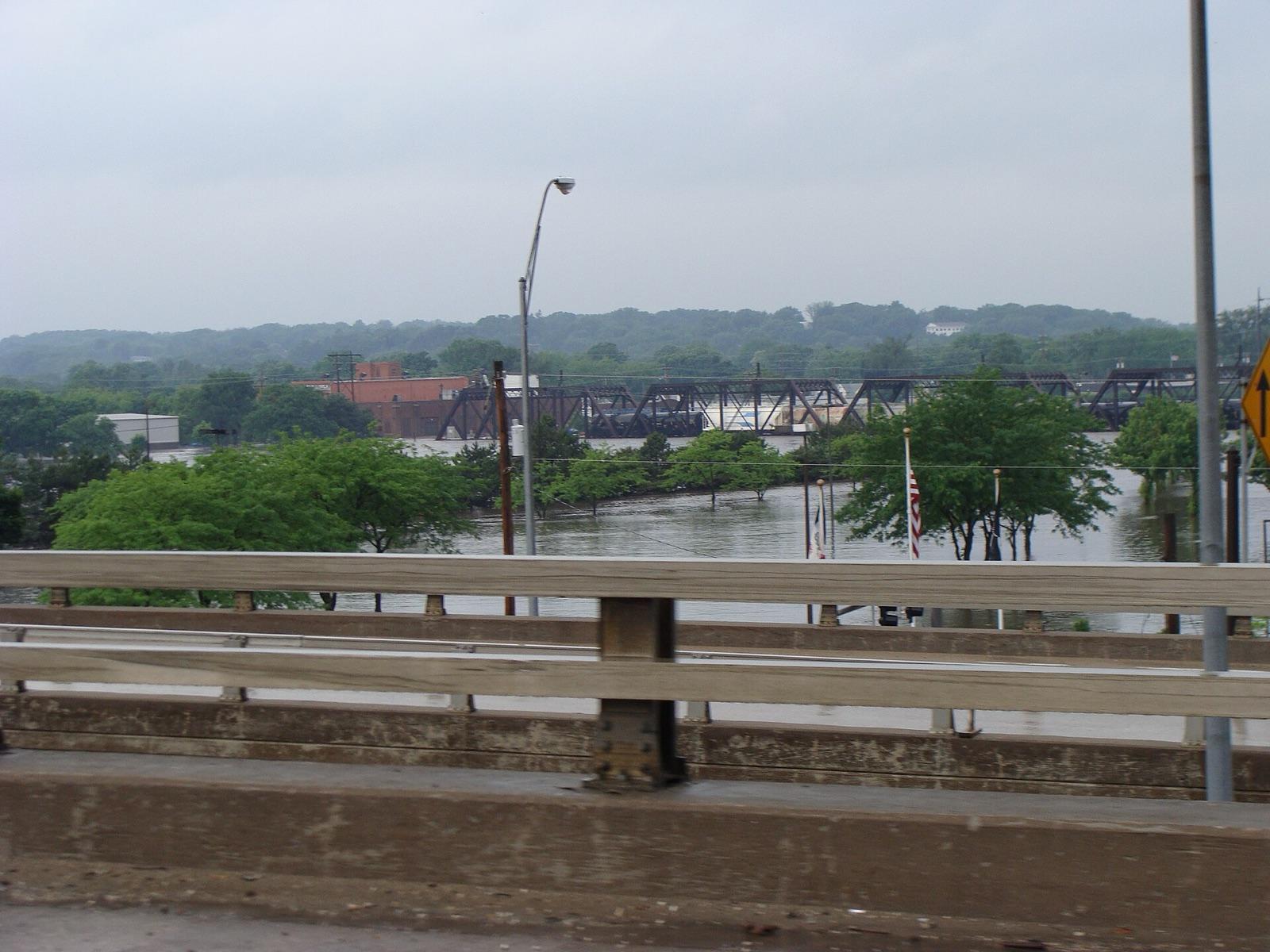 Best spotCedar RapidsLinn County, IowaPublic access · Silicified Coral, Calcified Coral
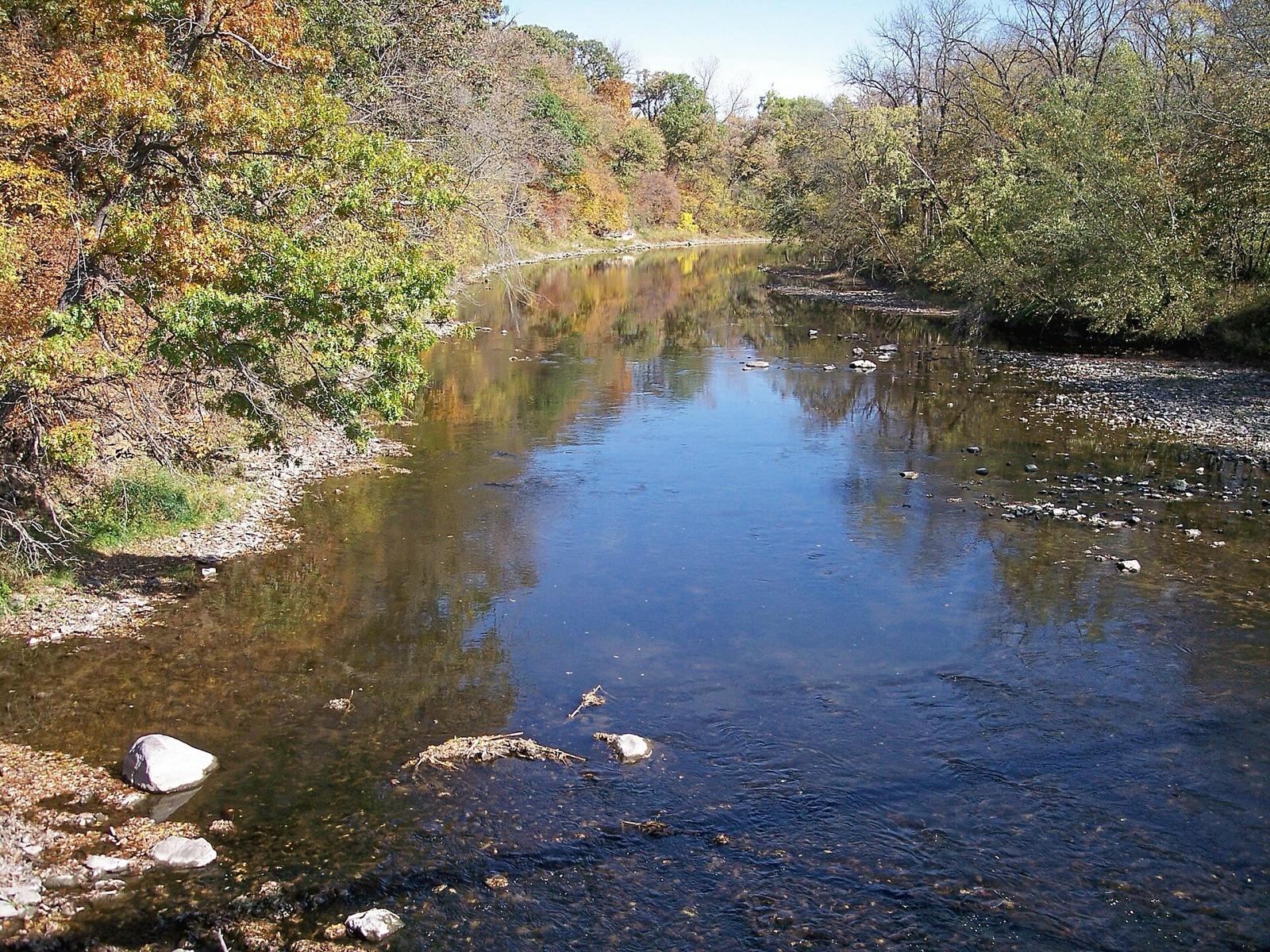 Best spotBells Mill ParkHamilton County, IowaPublic access · Calcite
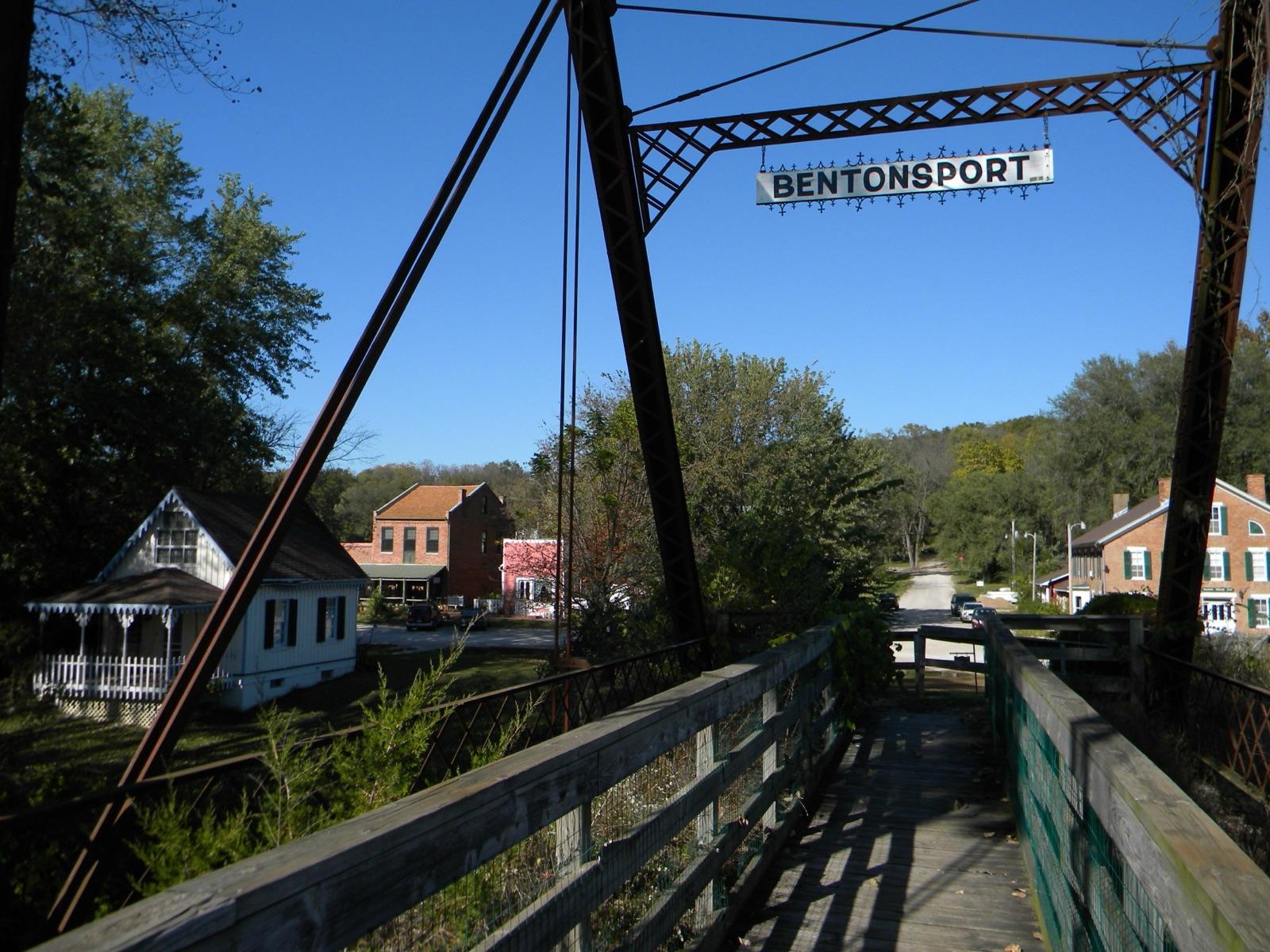 Best spotBentonsportVan Buren County, IowaPublic access · Keokuk Geode
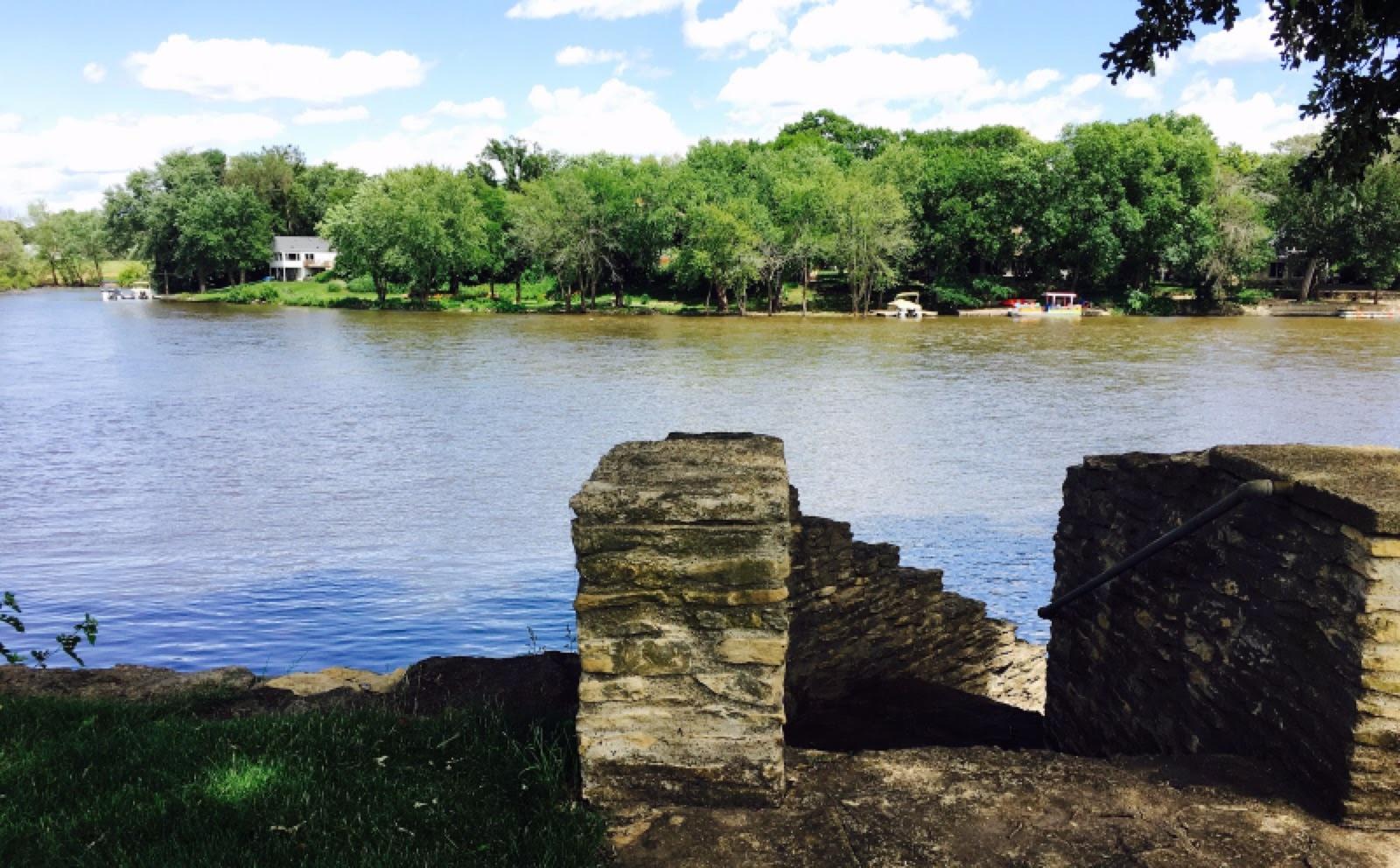 Best spotBlack Hawk CountyBlack Hawk County, IowaPublic access · Cold Water Agate
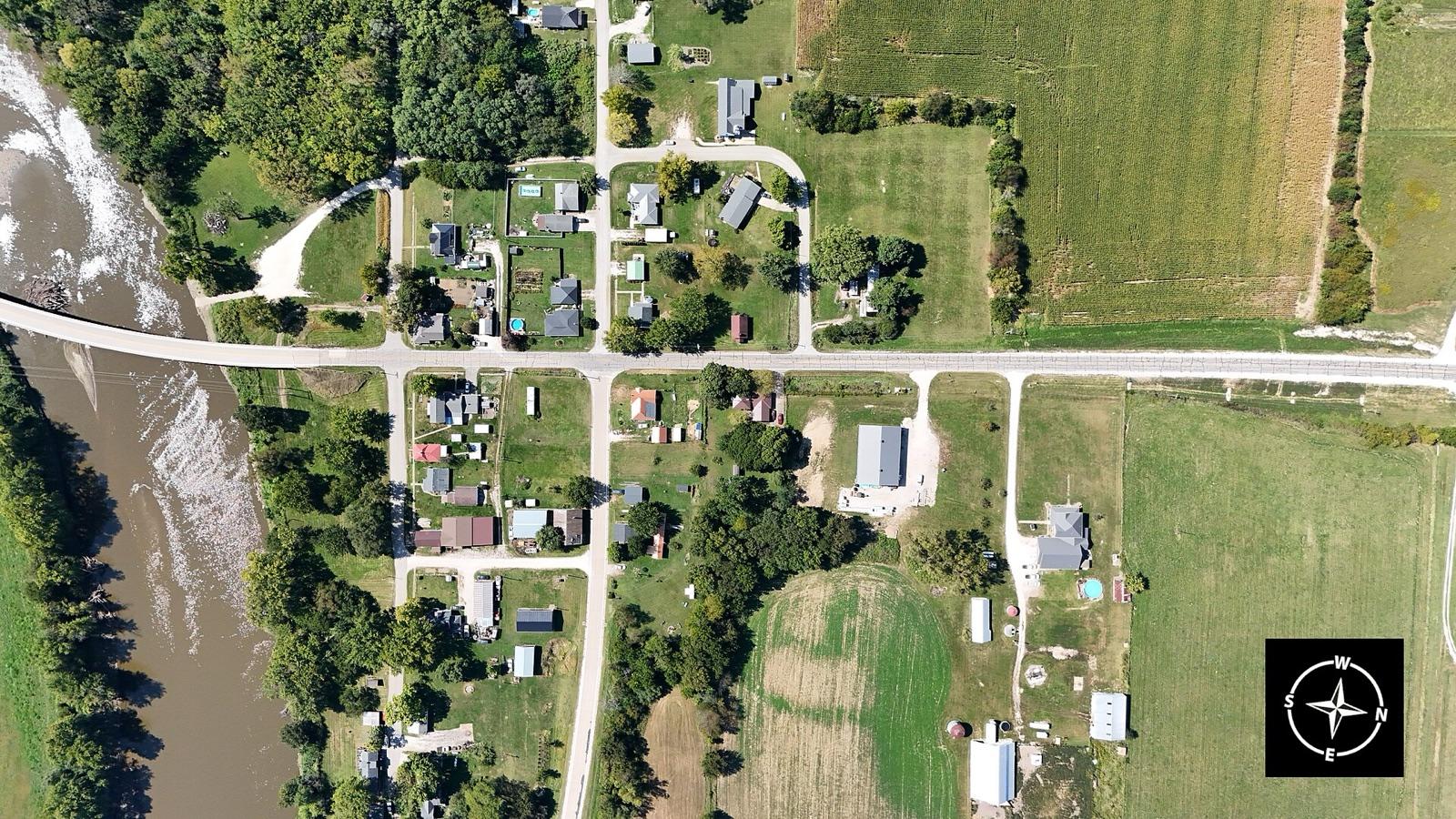 Best spotLowellHenry County, IowaPublic access · Keokuk Geode
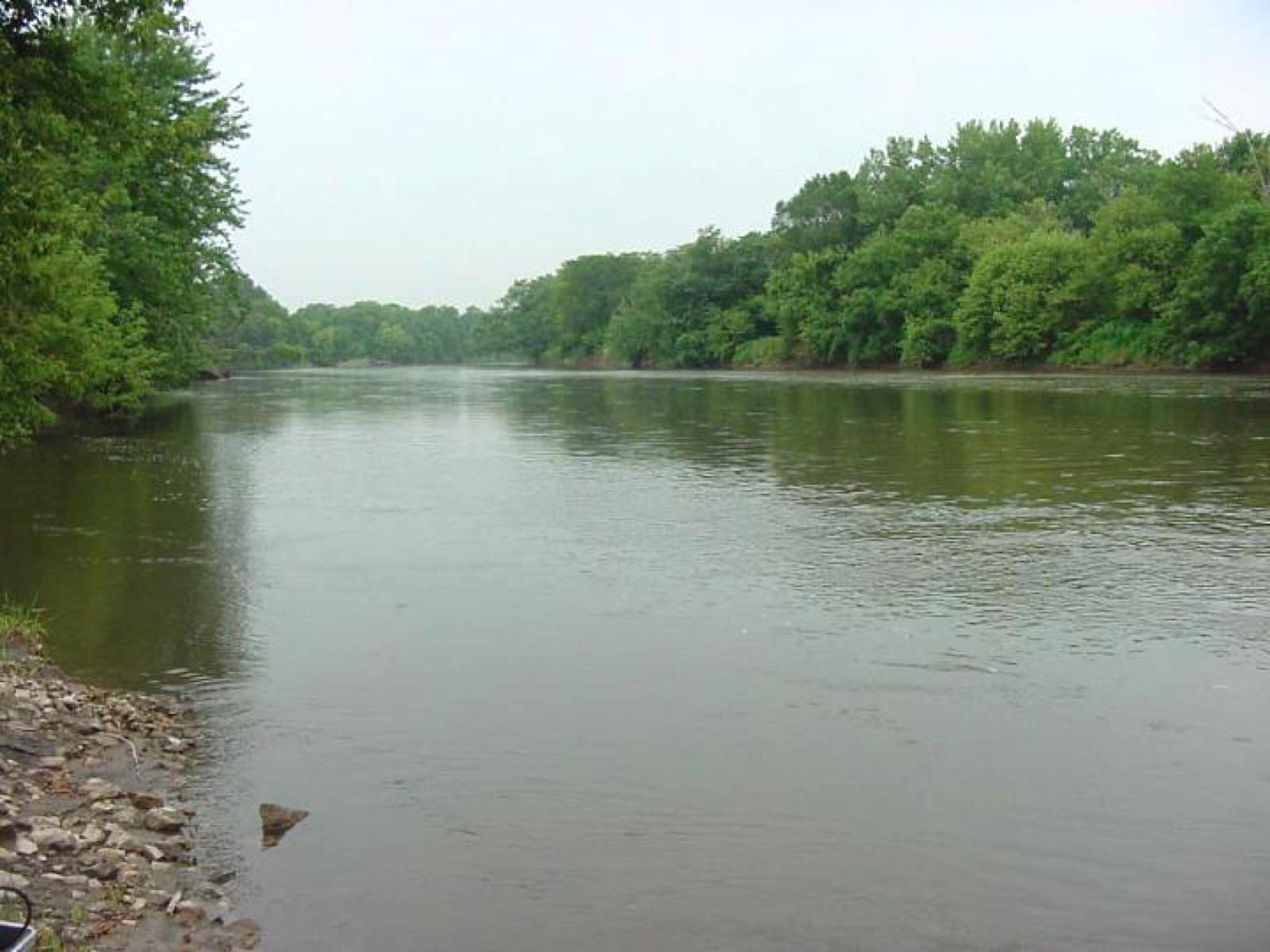 Best spotSteamboat RiverHardin County, IowaPublic access · Geode
 DubuqueDubuque County, IowaPermission required · Lake Superior Agate, Moss Agate, Oolitic Agate +4
 KeokukLee County, IowaPublic access · Keokuk Geode, Calcite, Chalcedony +4Clayton CountyClayton County, IowaPublic access · Galena, Limonite, Pyrite +1EmmetsburgPalo Alto County, IowaPublic access · Agate, Jasper, Petrified WoodGraettingerPalo Alto County, IowaPublic access · Agate, Jasper, Petrified WoodMuscatine (pearls)Muscatine County, IowaPublic access · Pink Pearl, Gold Pearl, Red PearlOrient AreaAdair County, IowaPublic access · Agate, Quartz, Petrified WoodSkunk RiverHenry County, IowaPublic access · Geode, Petrified Coral, LimoniteBrandonBuchanan County, IowaPublic access · Geode, FossilCedar CreekMahaska County, IowaPublic access · Silicified Coral, Calcified CoralCenterville (pyrite)Appanoose County, IowaPublic access · Pyrite, SeleniteCoralvilleJohnson County, IowaPublic access · Silicified Coral, Calcified CoralFarmingtonVan Buren County, IowaPublic access · Keokuk Geode, CoralFremont CountyFremont County, IowaPublic access · Fossilized Coral, StromatoporioidMount PleasantHenry County, IowaPublic access · Chert, GeodeNew LondonHenry County, IowaPublic access · Agate, JasperRed OakMontgomery County, IowaPublic access · Chert, Protozoa AgateBenton CountyBenton County, IowaPublic access · Cold Water AgateBremer CountyBremer County, IowaPublic access · Cold Water AgateBurlington (Lake Superior agate)Des Moines County, IowaPublic access · Lake Superior AgateCenterville (gypsum)Appanoose County, IowaPublic access · GypsumChapinFranklin County, IowaPublic access · GeodeDonnellsonLee County, IowaPublic access · GeodeEldoraHardin County, IowaPublic access · GeodeFarmington (geodes)Van Buren County, IowaPublic access · GeodeFayette CountyFayette County, IowaPublic access · Lake Superior AgateFort DodgeWebster County, IowaPublic access · GypsumGeode FestLee County, IowaFee dig · Keokuk GeodeGuttenburgClayton County, IowaPermission required · JasperHamilton (west)Lee County, IowaPublic access · GeodeHarper’s FerryAllamakee County, IowaPublic access · PearlKeotaWashington County, IowaPublic access · AgateLa Porte CityBlack Hawk County, IowaPublic access · AgateNevadaStory County, IowaPermission required · AgatePershingMarion County, IowaPublic access · CalciteRiverview Recreation AreaBlack Hawk County, IowaPublic access · GeodeSheffieldCerro Gordo County, IowaPublic access · GeodeShell RockButler County, IowaPublic access · Lake Superior AgateSkunk River gravels near Mount PleasantHenry County, IowaPublic access · AgateUnionHardin County, IowaPublic access · Geode
Representative spot and material photos from locations in this state, shown where verified public image records are available.
Counts reflect how many spots in this list mention each mineral.
Notable areas: Keokuk geodes, Cedar River agates, Bells Mill Park gravel jasper, and Rockford Devonian fossils are the Iowa targets collectors travel for.
Nearly all of Iowa is Paleozoic sedimentary rock buried under glacial drift. The Mississippian Warsaw Formation, exposed in the bluffs and creek banks of the Des Moines and Mississippi valleys near Keokuk, Farmington, and Lowell, holds the quartz-lined geodes that made the Keokuk name; the same beds continue into Missouri and Illinois. Glaciers spread Lake Superior agate, jasper, chert, and petrified wood from the north in till and outwash, and every major river reworks that gravel into bars: the Cedar at Cedar Rapids and Waterloo, the Iowa at Steamboat Rock, the Boone at Bells Mill, the Mississippi at Muscatine and Bellevue. Northeast Iowa's Driftless Area exposes Ordovician limestone and shale with brachiopods and trilobites around Clayton County, and Devonian limestone at Rockford and the Coralville spillway preserves corals and brachiopods. The Sioux Quartzite crops out in the far northwest.
Fee digs near Keokuk let you work fresh Warsaw shale; creek exposures at Lowell, Bentonsport, and around Burlington are on private farms. Geode State Park is closed to collecting.
Agate, jasper, and petrified wood on gravel bars of the Boone, Iowa, and Cedar rivers at Bells Mill Park, Steamboat Rock, and the Cedar Rapids and Waterloo stretches. County parks often allow picking; ask the conservation board.
Agates in the river gravel at Muscatine and Bellevue and Ordovician fossils in the Driftless bluffs of Clayton County. Public boat ramps and county parks are the access.
Rockford Fossil and Prairie Park allows collecting of Devonian brachiopods and corals; the Coralville Devonian Fossil Gorge is view-only.
Late summer and fall low water, August through October, exposes the most gravel bar; spring floods rebuild the bars and wash the geode banks. Fee geode digs run spring through fall. Winter ice and spring high water close the rivers.
A garden rake and small screen for gravel bars, knee boots, a spray bottle, and a bucket. For geodes a long-handled pick, a pry bar, gloves, and rags to wrap unbroken ones; let the shop crack them or use a pipe cutter at home.
Keokuk was a Mississippi River pearl-button and geode town by the 1890s, and Muscatine's freshwater pearl-button industry made Iowa the button capital of the world. The geode became the state rock in 1967.
Day-trip range. Each section lists the closest mapped rockhounding spots within about 150 miles of the city. Most are inside a 2 to 3 hour drive.
6 closest spots to Des Moines, IA.
6 closest spots to Cedar Rapids, IA.
6 closest spots to Davenport, IA.
Geology rarely respects state borders. These states share mapped rockhounding country with Iowa, useful when Iowa is the start, not the whole trip. Each card links to the closest county across the line.
County pages are linked once we have at least 3 mapped spots for a focused guide with coordinates, mineral notes, and nearby spots.
Hand-picked standouts from the Iowa list, chosen for unusual mineralogy, documented public access, or both. Each card links to coordinates, access notes, and what to look for.
Top pickStory County
Central Iowa lies under the Des Moines Lobe, the last glacier to cross the state, and its drift is salted with Lake Superior agate, chalcedony, and jasper carried south from the Superior basin.
Chalcedony, Fossil
Top pickHamilton County
Bells Mill Park preserves outcrops along the Boone River where dark, well-formed calcite crystals occur in the Mississippian carbonates, an unusual and distinctive Iowa mineral locality.
Calcite
Top pickBlack Hawk County
The Cedar River valley through Black Hawk County is the home ground of the Iowa coldwater agate, a pale blue-gray to cream banded agate weathered from Devonian limestone and reworked into the river gravels.
Cold Water Agate
Top pickHardin County
The Iowa River around Steamboat Rock cuts through glacial drift and Mississippian bedrock, concentrating agate, chalcedony, and clear to smoky quartz in its gravel bars.
Geode
Top pickJackson County
The Mississippi River gravel bars near Bellevue are one of Iowa's most productive Lake Superior agate grounds, working glacial drift that the river continually reworks and sorts.
Lake Superior Agate, Moss Agate, Carnelian, Moonstone
Top pickDes Moines County
Burlington marks the transition between Iowa's two great rockhounding stories: the Keokuk geode belt to the south and the Lake Superior agate fields carried in by glaciers.
Lake Superior Agate, Quartz, Geode
Top pickHenry County
Lowell sits in the heart of the Keokuk geode district, where the Mississippian Warsaw Formation sheds hollow, quartz-lined geodes into the Skunk River and its tributary creeks.
Keokuk Geode
Top pickLinn County
The Cedar River gravels around Cedar Rapids carry silicified Devonian coral weathered out of the Cedar Valley Group limestones that underlie eastern Iowa.
Silicified Coral, Calcified Coral
Top pickLouisa County
The stream gravels around Muscatine and neighboring Louisa County are named by the Iowa Geological Survey as a reliable source of Lake Superior agate, moss agate, chalcedony, and clear quartz.
Lake Superior Agate, Moss Agate, Chalcedony, Quartz
Top pickVan Buren County
Bentonsport, a preserved 19th-century village on the Des Moines River, lies within the same lower Warsaw geode horizon that defines southeast Iowa.
Keokuk Geode
1 place in Iowa where you pay to dig and keep what you find. Prices and seasons change, so check with the operator before you drive out.
5 clubs in Iowa. Clubs run field trips, shows and workshops, and many trips go to private claims you can't reach alone.
Open the RockHoundR app to see Iowa on a real map with public land overlays, weather, geology, and your saved finds.