Rockhounding in Colorado

Updated October 2026

39 mapped spots for rock hunting and rock collecting across 12 counties. Colorado is pegmatite and granite country for collectors: amazonite and smoky quartz from the Pikes Peak batholith, topaz at Devils Head and the Tarryalls, aquamarine on Mount Antero, fluorite and rare minerals at St. Peters Dome, lepidolite and beryl on the Gunnison pegmatites, and amethyst and thundereggs in the San Luis Valley, most of it on Forest Service and BLM land open to hand collecting.

Where is the best rockhounding in Colorado?

The best rockhounding in Colorado is at Mount Antero in Chaffee County (aquamarine, beryl), Italian Mountain in Gunnison County (lapis lazuli, grossular garnet), and Quartz Creek (Brown Derby) in Gunnison County (beryl, tourmaline). In total, 39 mapped collecting spots across 12 counties produce fluorite, smoky quartz, and amazonite, each listed below with its land access.

Open the full map

Every rockhounding spot in Colorado

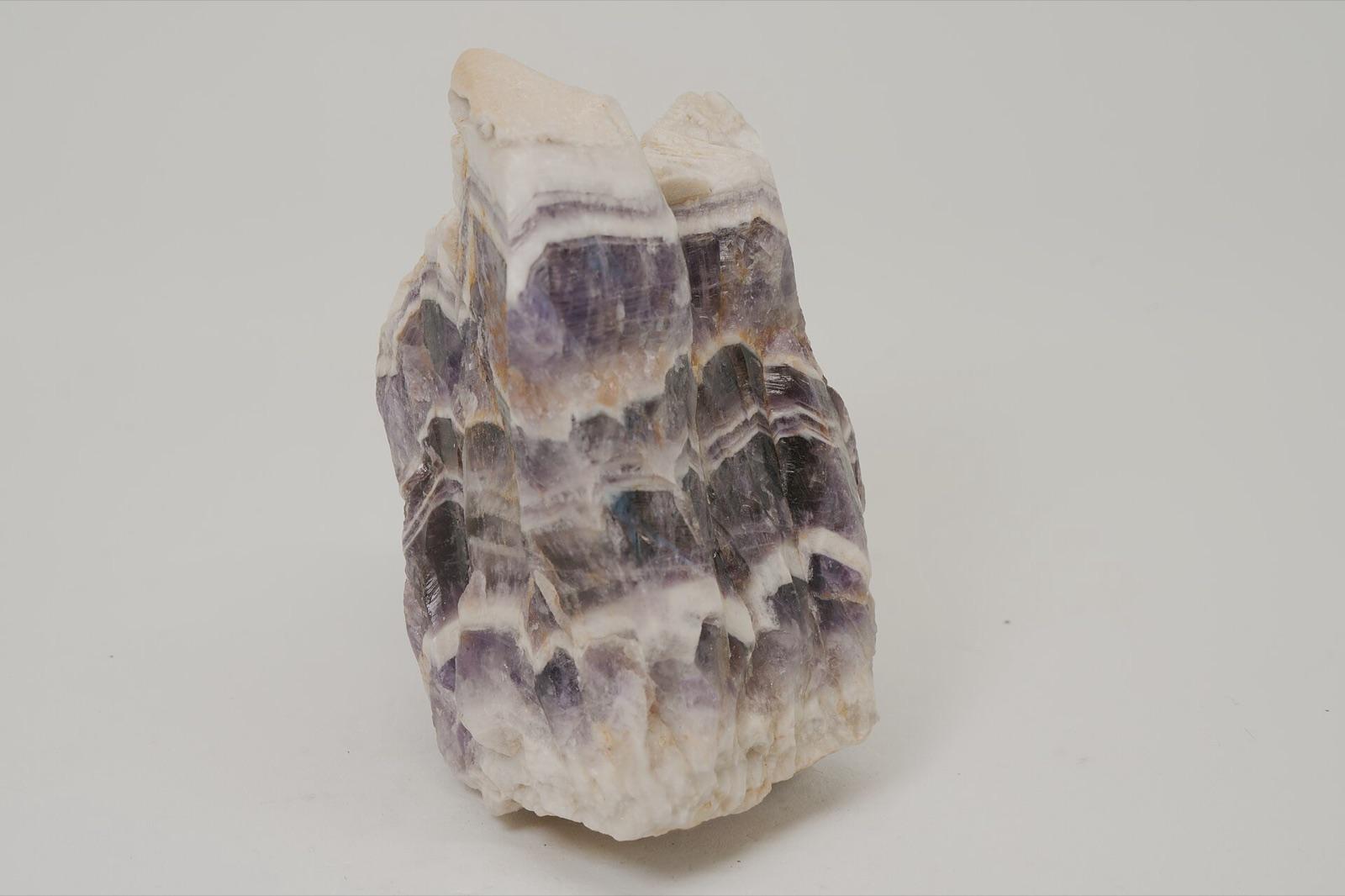
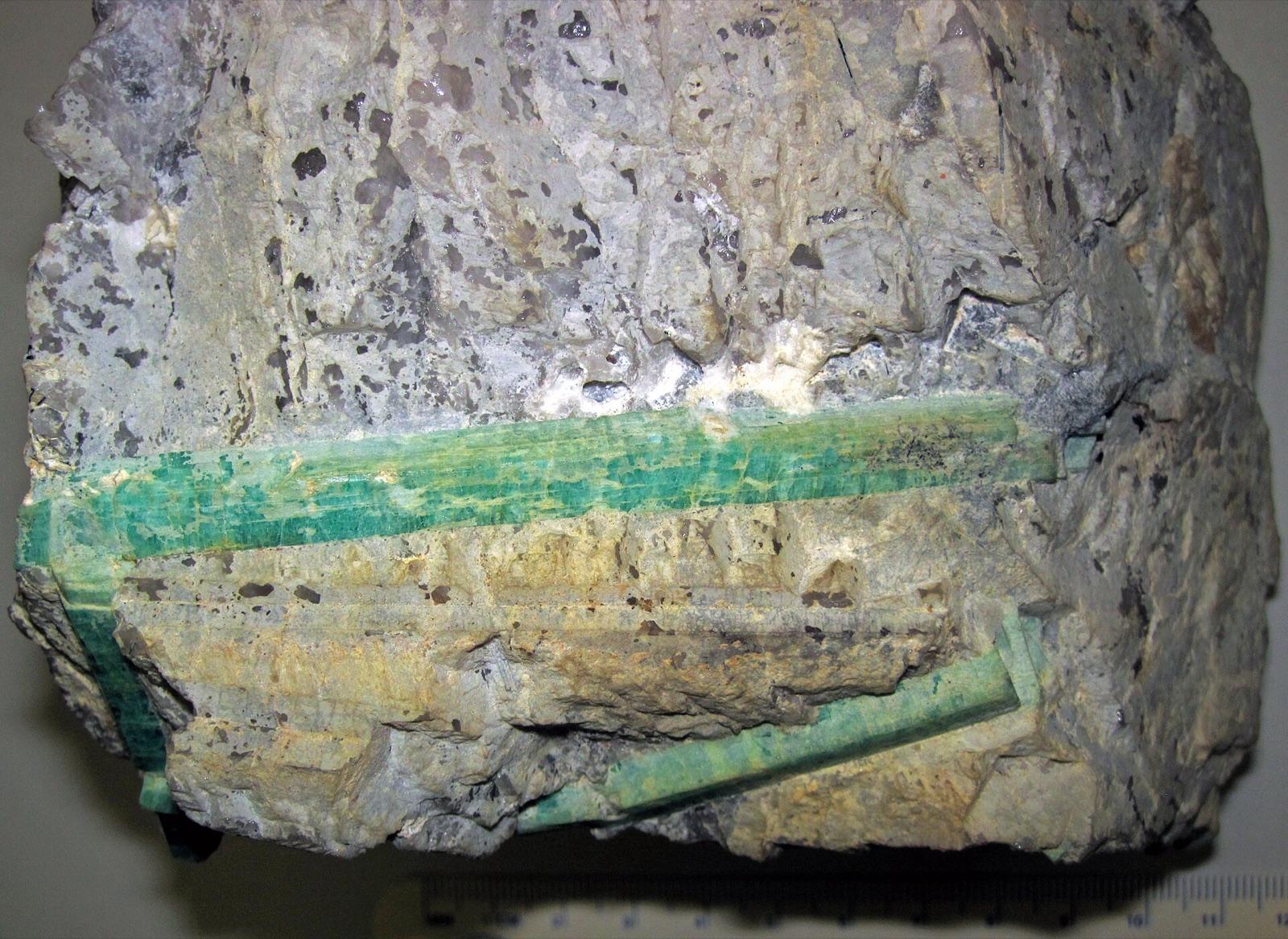
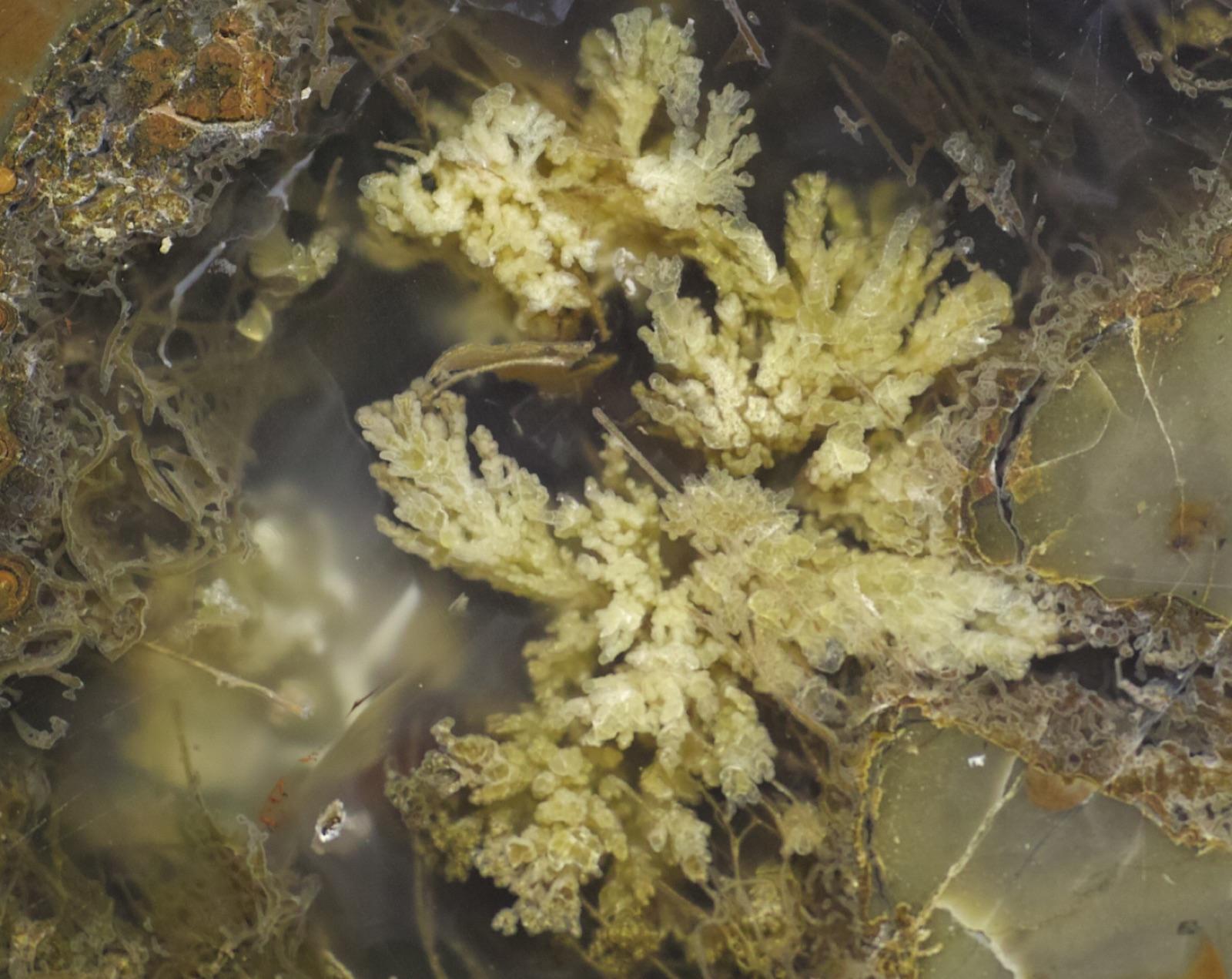
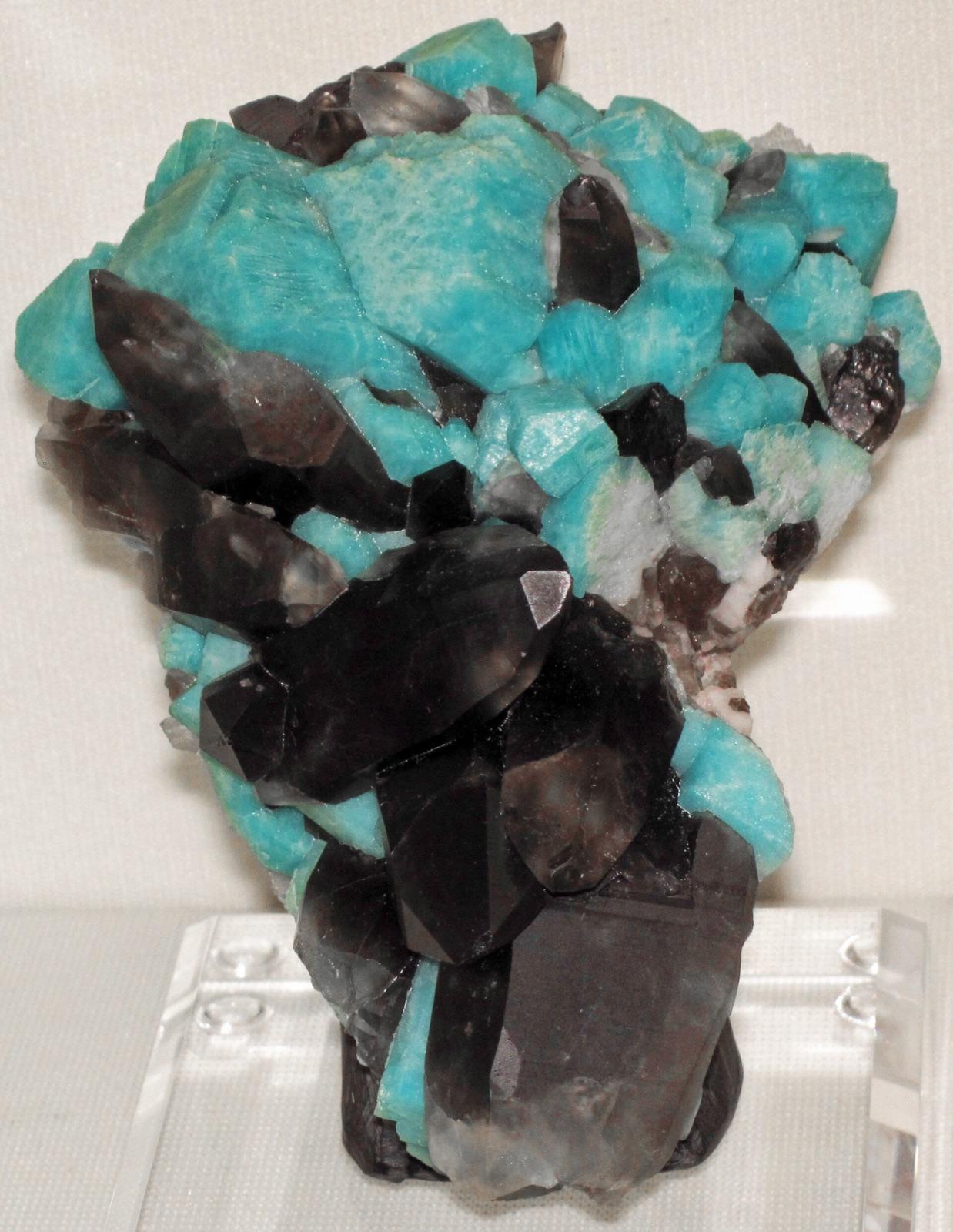
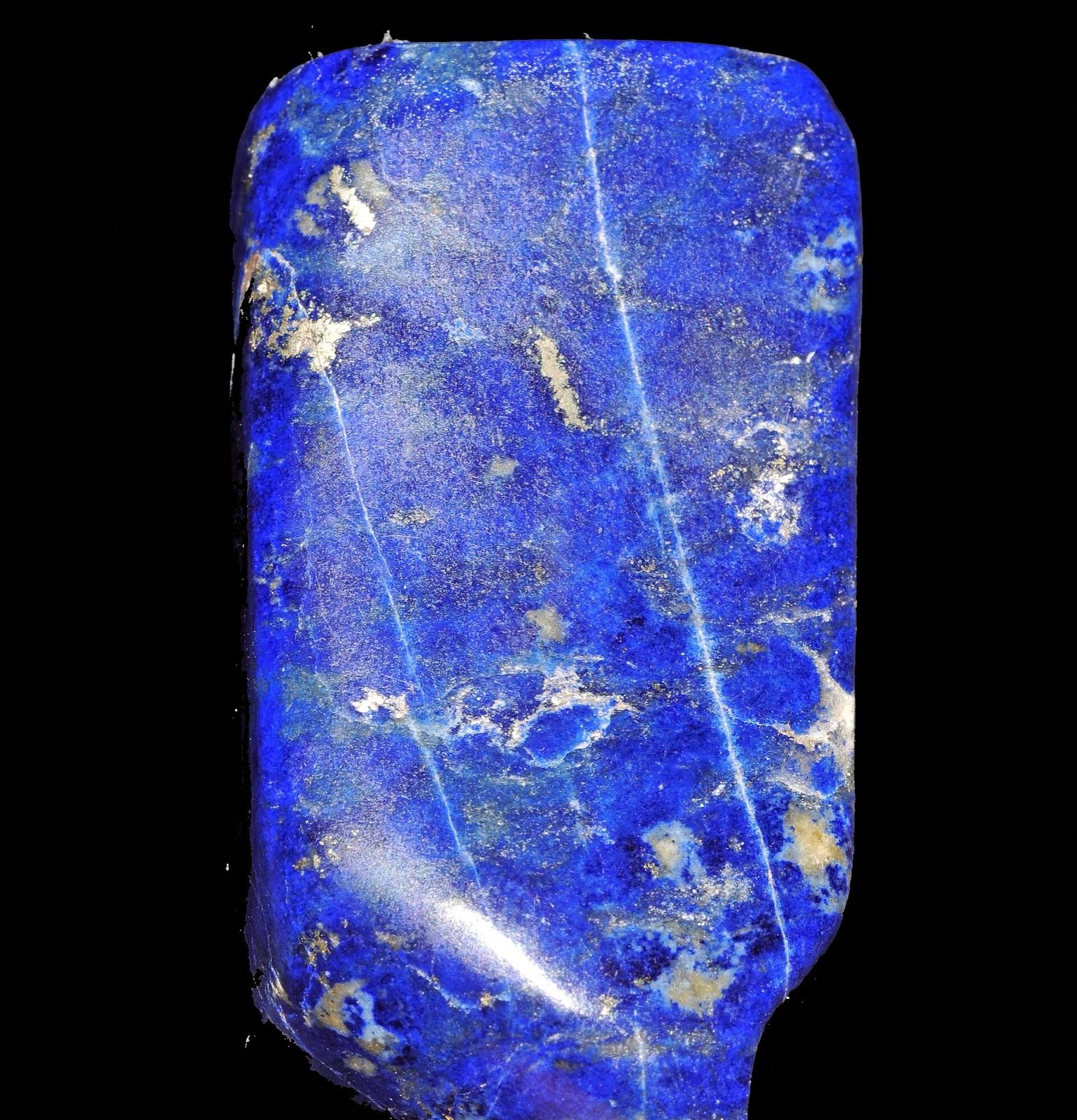
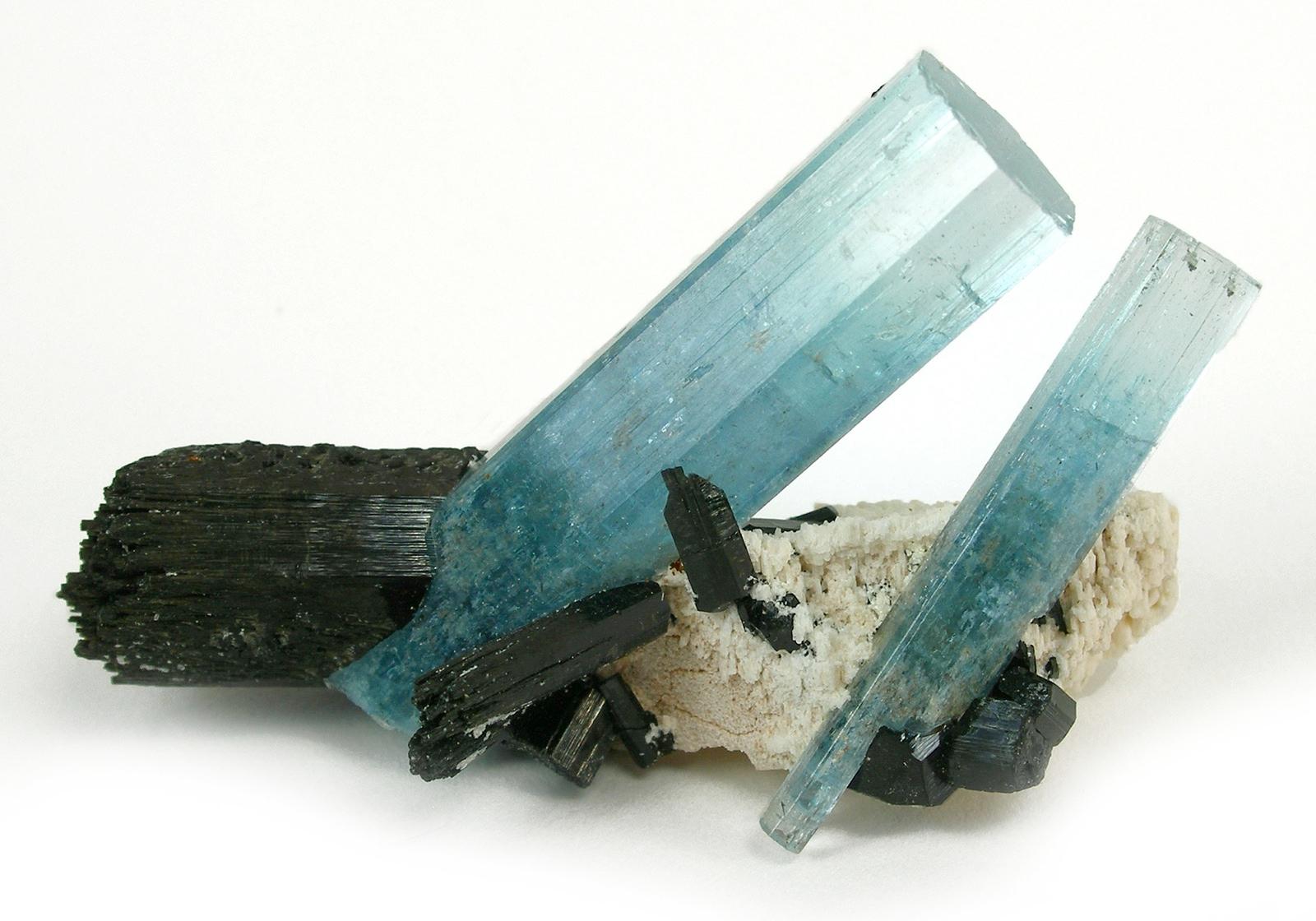
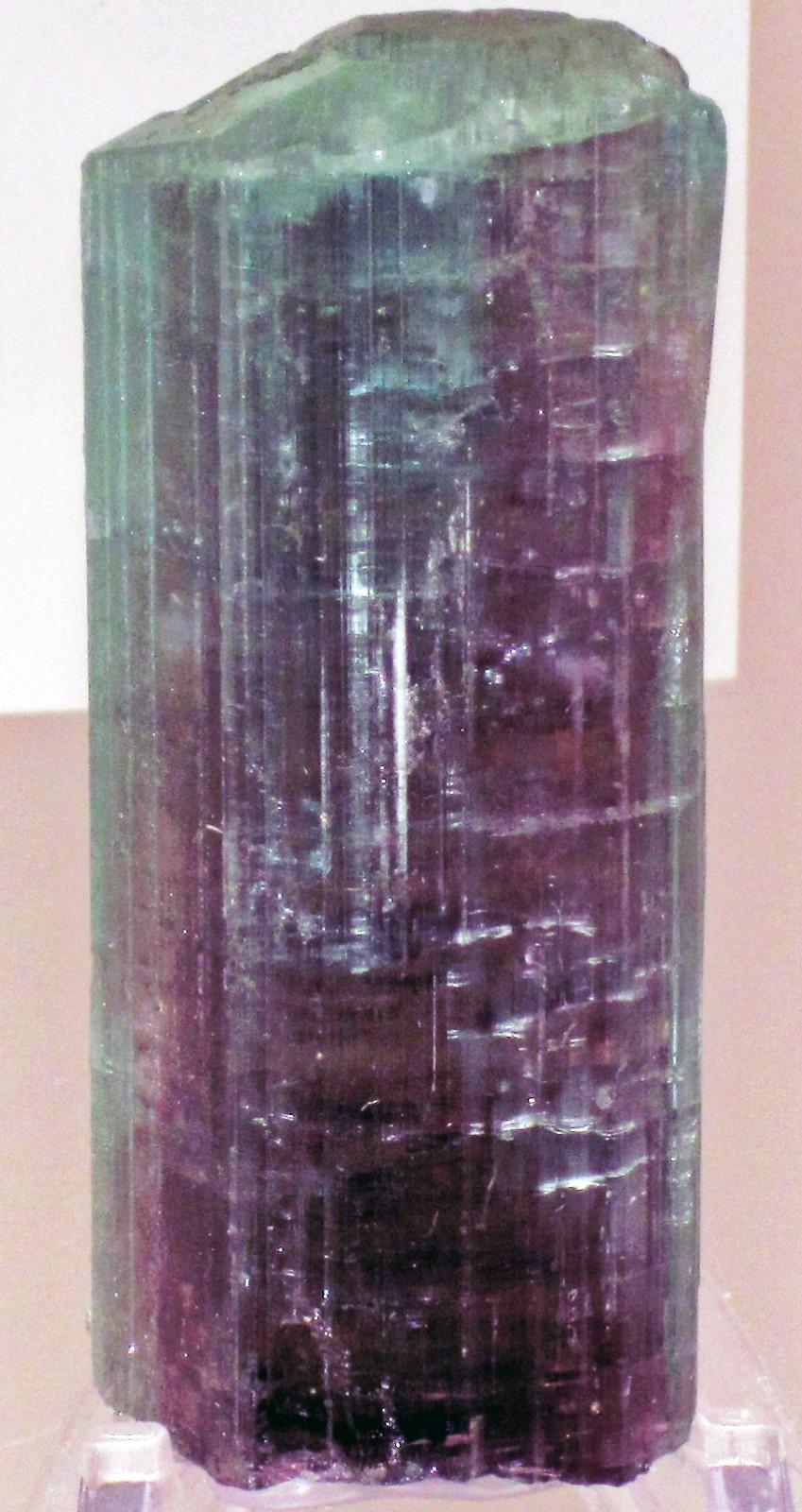
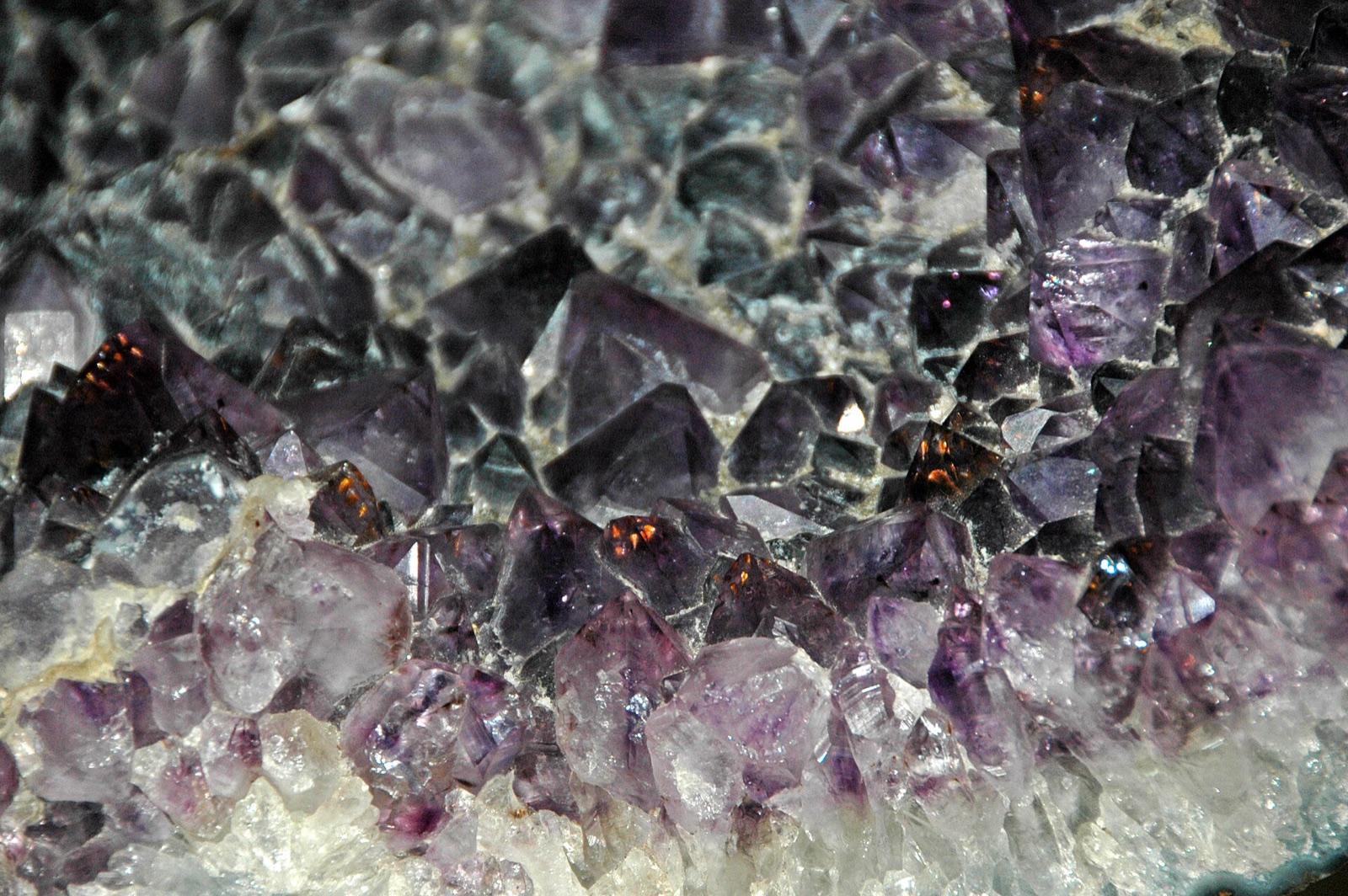
Colorado rockhounding photos

Representative spot and material photos from locations in this state, shown where verified public image records are available.

5 photos

Top minerals found in Colorado

Counts reflect how many spots in this list mention each mineral.

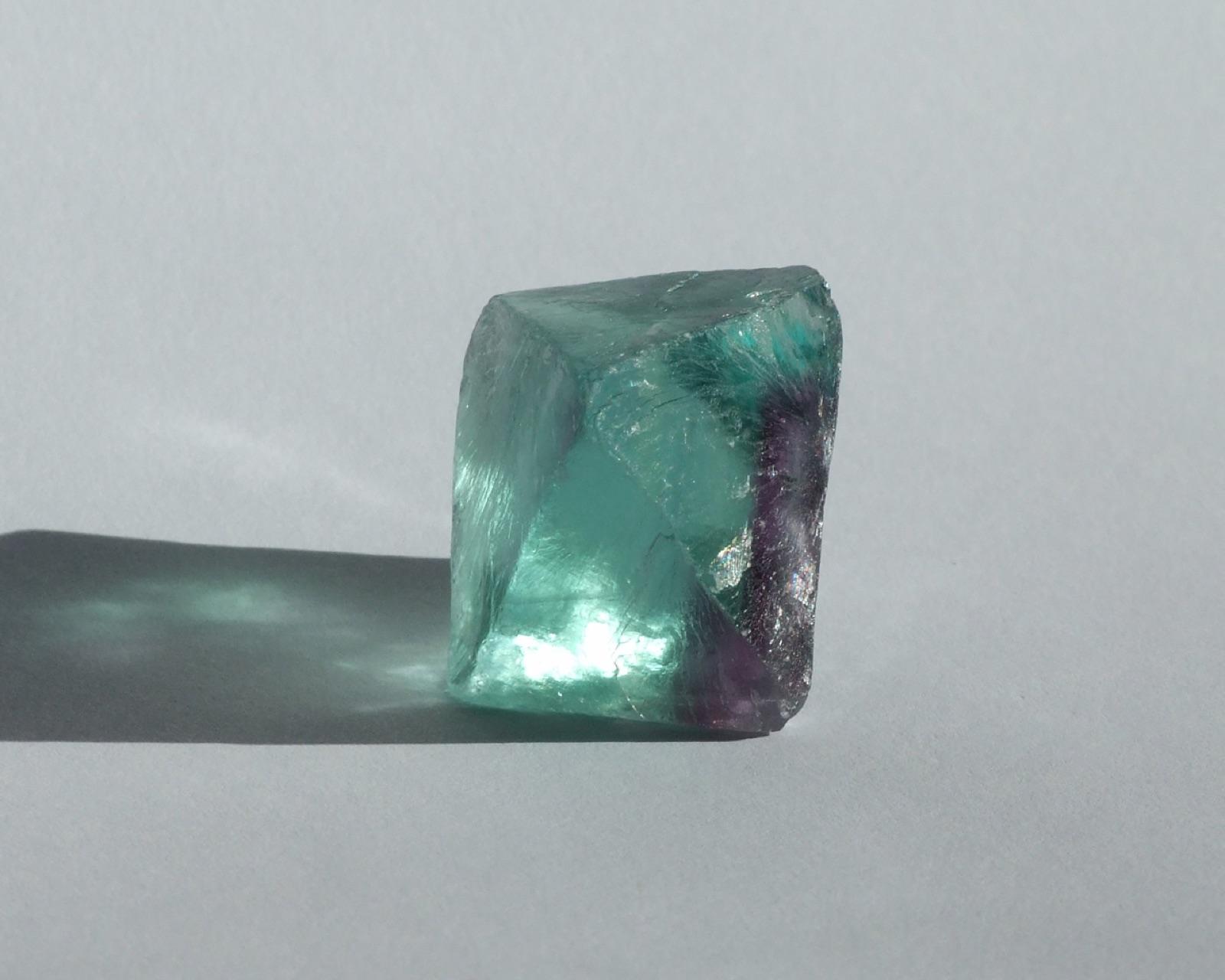
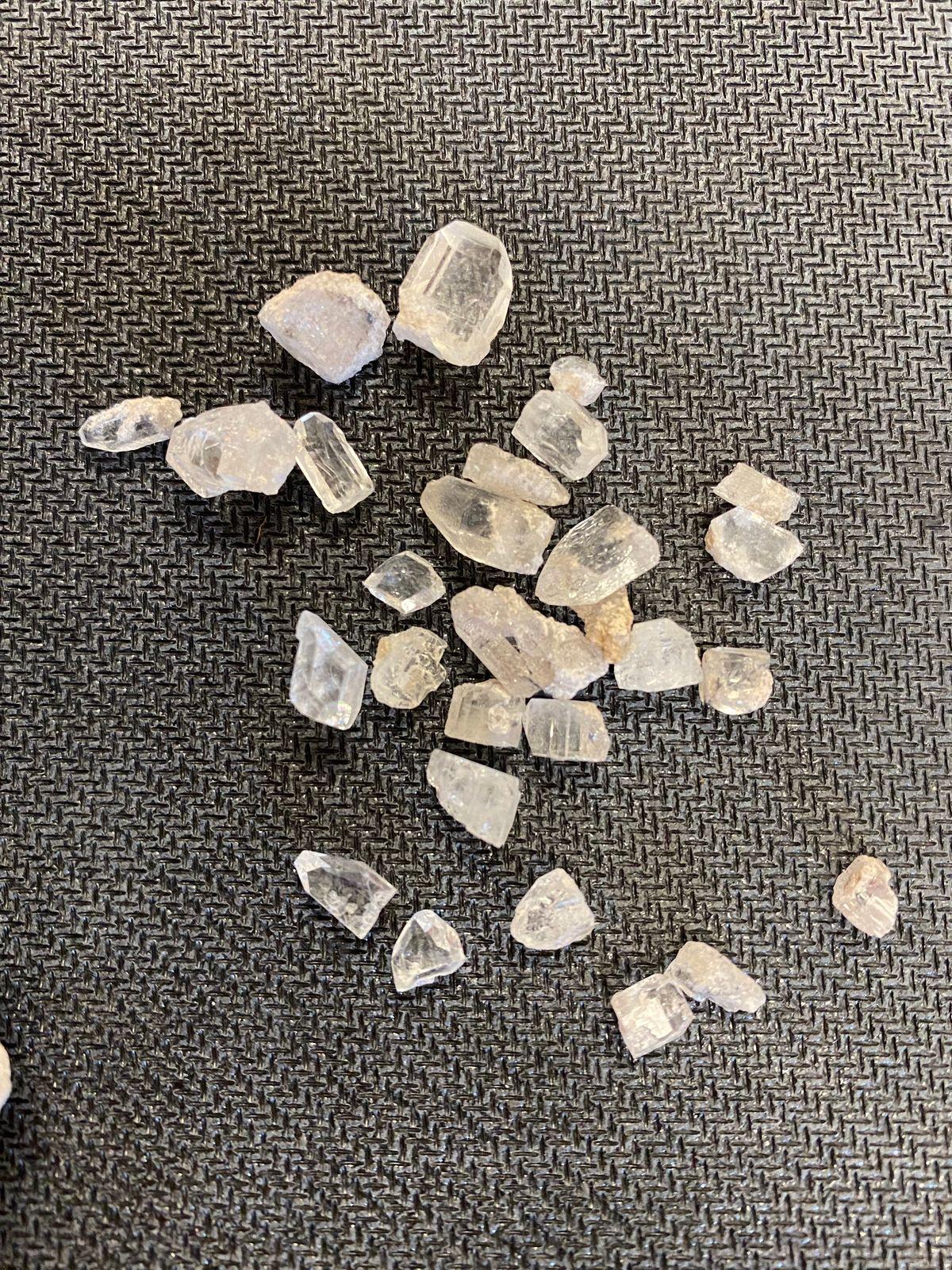
Notable areas: Crystal Peak amazonite and smoky quartz, Devils Head and Tarryall topaz, Mount Antero aquamarine, St. Peters Dome zircon and riebeckite, Crystal Hill amethyst, and Del Norte thundereggs are the Colorado targets collectors travel for.

Geology behind Colorado rockhounding

The Front Range is cored by Precambrian granite and gneiss, and the Pikes Peak batholith in El Paso, Teller, Douglas, and Park counties is its centerpiece: miarolitic pockets in the granite grow amazonite, smoky quartz, topaz, fluorite, and goethite at Crystal Peak, Lake George, Devils Head, and the Tarryall Mountains, and the alkaline St. Peters Dome area on Gold Camp Road adds riebeckite, zircon, and astrophyllite. The Sawatch Range holds Mount Antero, where beryl, aquamarine, and phenakite occur in granite pockets above 13,000 feet. The Gunnison and Larimer county pegmatites (Quartz Creek and the Brown Derby, Crystal Mountain) carry lepidolite, beryl, tourmaline, and columbite. The San Juan volcanic field in Mineral and Saguache counties produced Creede's silver, sowbelly amethyst, and Crystal Hill amethyst, plus thundereggs and agate at Del Norte and Wolf Creek Pass. On the Western Slope, Mesa County's Book Cliffs and Grand Valley BLM land carry agate, jasper, and petrified wood, and Jefferson County's Table Mountains near Golden hold zeolites in basalt.

Best regions to focus your search

Pikes Peak batholith (El Paso, Teller, Douglas, Park)

Amazonite and smoky quartz at Crystal Peak and Lake George on claims and fee digs, topaz and smoky quartz at Devils Head and the Tarryall Mountains on Pike National Forest, St. Peters Dome minerals along Gold Camp Road.

Sawatch and Gunnison (Chaffee, Gunnison)

Mount Antero aquamarine and beryl on a high, claim-studded mountain reached by four-wheel drive, and the Quartz Creek and Brown Derby pegmatites near Ohio City for lepidolite, beryl, and tourmaline.

San Luis Valley and the San Juans (Saguache, Mineral, Rio Grande)

Crystal Hill amethyst near La Garita and the Del Norte thunderegg beds on BLM land, agate and jasper at Wolf Creek Pass, Creede sowbelly agate on private claims.

Front Range foothills and the Western Slope (Larimer, Jefferson, Mesa)

Crystal Mountain and Owl Canyon minerals north of Fort Collins, Table Mountain zeolites near Golden on club days, and agate, jasper, and petrified wood on Grand Valley BLM ground.

Best season

June through September for the high country; Mount Antero and Devils Head are snowbound until late June and afternoon lightning is a daily risk in July and August, so start early and be off the ridges by noon. The San Luis Valley and Western Slope are workable from April to October. Fee digs at Lake George post their own seasons.

What to bring

A three-pound sledge, chisels, gads, a pry bar, safety glasses, gloves, and a screen for pegmatite pockets; a hand lens; sun protection, layers, and water for altitude. Four-wheel drive with high clearance for Antero and many forest roads, and a way to check afternoon storms.

Local collecting history

The 1859 Pikes Peak gold rush opened the Front Range, and Cripple Creek followed in 1890. Mount Antero aquamarine was found in 1884, Creede silver in 1890, and the Sweet Home Mine at Alma produced the rhodochrosite that became the state mineral in 2002. Aquamarine became the state gem in 1971.

Rockhounding near major Colorado cities

Day-trip range. Each section lists the closest mapped rockhounding spots within about 150 miles of the city. Most are inside a 2 to 3 hour drive.

Rockhounding near Denver

See all →

6 closest spots to Denver, CO.

Rockhounding near Colorado Springs

See all →

6 closest spots to Colorado Springs, CO.

Rockhounding near Pueblo

See all →

6 closest spots to Pueblo, CO.

Neighboring states with rockhounding

Geology rarely respects state borders. These states share mapped rockhounding country with Colorado, useful when Colorado is the start, not the whole trip. Each card links to the closest county across the line.

Rockhounding by county in Colorado

County pages are linked once we have at least 3 mapped spots for a focused guide with coordinates, mineral notes, and nearby spots.

Top picks in Colorado

10 best spots

Hand-picked standouts from the Colorado list, chosen for unusual mineralogy, documented public access, or both. Each card links to coordinates, access notes, and what to look for.

Fee digs and gem mining in Colorado

2 places in Colorado where you pay to dig and keep what you find. Prices and seasons change, so check with the operator before you drive out.

Rock and mineral clubs in Colorado

19 clubs in Colorado. Clubs run field trips, shows and workshops, and many trips go to private claims you can't reach alone.

All 19 Colorado clubs →

Colorado rockhounding FAQ

Is rockhounding legal in Colorado?+
Yes. Casual hand collecting is allowed on most BLM and national forest land under the BLM recreational limits. National parks and monuments, Colorado State Parks, and state trust lands are closed, and active mining claims cover many of the famous pegmatite districts, so watch for claim markers and use fee digs where they exist.
Where can I find amazonite and smoky quartz in Colorado?+
The Pikes Peak batholith around Crystal Peak, Lake George, and Florissant in Teller and Park counties is the classic ground, mostly under claims with a few fee digs. Devils Head and the Tarryall Mountains on Pike National Forest produce smoky quartz and topaz on open ground with hand tools.
Can I collect on Mount Antero?+
Yes on open forest and BLM ground, but the aquamarine-bearing pockets near the summit are largely claimed, the road is a serious four-wheel-drive route, and lightning above treeline is dangerous by early afternoon. Go early in a dry spell, respect claim markers, and treat it as a mountaineering day with a hammer.
What are the rockhounding limits on public land in Colorado?+
On BLM land you may collect up to 25 pounds of rock, mineral specimens, semiprecious gemstones, or invertebrate fossils per day, plus one piece, with an annual cap of 250 pounds per person. Petrified wood has the same cap counted separately. National forest collecting is small quantities by hand; no explosives or power tools without a permit.
What rocks and minerals can you find in Colorado?+
Colorado spots in this list most often produce smoky quartz, beryl, amazonite, fluorite, chalcedony, agate, amethyst, and aquamarine, plus topaz, lepidolite, zircon, thundereggs, and petrified wood.
Where can I go rock hunting in Colorado?+
Rock hunting, rock collecting and rockhounding are the same hobby under different names. 39 spots are mapped in Colorado, 33 of them with public access. El Paso County, Chaffee County, and Larimer County have the most.
Is there gem mining or pay-to-dig in Colorado?+
Yes. 2 fee digs are mapped in Colorado, where you pay to dig and keep what you find: Last Chance Mine and Hartsel Mining District. Prices and seasons change, so check with the operator before you drive out.
Where can I dig for crystals in Colorado?+
14 mapped spots in Colorado report quartz, amethyst, or smoky quartz, mostly in El Paso County, Mineral County, and Jefferson County. Each one is in the list on this page with its land access.
Can you find geodes in Colorado?+
Yes. 1 mapped spot in Colorado reports geodes, mostly in Mineral County.
Where can I go gold panning in Colorado?+
3 mapped spots in Colorado report gold, mostly in Gunnison County, Jefferson County, and Larimer County. Check for mining claims before you pan: working someone else's claim is not allowed.

Map every Colorado spot in the app

Open the RockHoundR app to see Colorado on a real map with public land overlays, weather, geology, and your saved finds.

Download on the App StoreGet it on Google Play