Western Arizona (Burro Creek, Saddle Mountain, Black Hills)
Fire agate, chalcedony roses, common opal, jasper, geodes, and quartz crystals. Long graded-dirt approaches off US-93 and I-10.
Updated October 2026
62 mapped spots for rock hunting and rock collecting across 8 counties. Arizona is strong for copper minerals, agate, fire agate, and petrified wood. Round Mountain, Saddle Mountain, Burro Creek, and old mining districts across central and southwestern Arizona give rockhounds plenty of legal places to check.
The best rockhounding in Arizona is at San Domingo Wash in Maricopa County (gold), Neptune Mine near Grays Spring in Pima County (fluorite), and Red Rover mine in Maricopa County (chalcocite, tetrahedrite). In total, 62 mapped collecting spots across 8 counties produce agate, jasper, and quartz, each listed below with its land access.
 Best spotArea near Meadow Creek PassMohave County, ArizonaPublic access · Fire Agate, Grape Agate, Chalcedony +1Best spotYork AreaGreenlee County, ArizonaPublic access · Fire Agate, Banded Agate, Carnelian +1Best spotKingman Feldspar MineMohave County, ArizonaPublic access · Allanite, Microcline, QuartzBest spot1 mi. N of old Three-Way drive-in theaterGreenlee County, ArizonaPublic access · Fire Agate, ChalcedonyBest spotRed Rover mineMaricopa County, ArizonaPublic access · Chalcocite, TetrahedriteBest spotArea around Diamond Point LookoutGila County, ArizonaPublic access · QuartzBest spotCrystal Hill Area, Kofa National Wildlife RefugeLa Paz County, ArizonaPublic access · QuartzBest spotNeptune Mine near Grays SpringPima County, ArizonaPublic access · FluoriteBest spotOn surface around Rich HillYavapai County, ArizonaPublic access · Gold NuggetBest spotSan Domingo WashMaricopa County, ArizonaPublic access · GoldBest spotUnder Burro Creek BridgeMohave County, ArizonaPublic access · Pink Agate
 South Geronimo MineLa Paz County, ArizonaFee dig · Wulfenite, Vanadinite, Mimetite +6
 All along both sides of road from Morristown to Castle Hot SpringsYavapai County, ArizonaPublic access · Agate, Chalcedony, Chert +2Area around Go John MineMaricopa County, ArizonaPublic access · Gold, Silver, Copper +2Date Creek areaYavapai County, ArizonaPublic access · Agate, Garnet, Jasper +2In pegmatite outcrops on area roadsidesYavapai County, ArizonaPublic access · Mica, Garnet, Hornblende +2Red Cloud MineLa Paz County, ArizonaFee dig · Wulfenite, Vanadinite, Fluorescent Calcite +2~4 mi. SW of Cave Creek townMaricopa County, ArizonaPublic access · Agate, Gold, Jasper +1Area of old Stanton mining campYavapai County, ArizonaPublic access · Fluorite, Garnet, Gold +1Golden Gem & Vanderbilt MinesMohave County, ArizonaPublic access · Galena, Pyrite, Sphalerite +1Oxbow & Silver Butte MinesGila County, ArizonaPublic access · Copper, Epidote, Fluorite +1Agua Fria River GravelsMaricopa County, ArizonaPublic access · Agate, Chalcedony, JasperAlong North Creek TrailGila County, ArizonaPublic access · Agate, Jasper, Septarian NoduleArea around Ellison CreekGila County, ArizonaPublic access · Agate, Jasper, GeodeArea around hotelYavapai County, ArizonaPublic access · Jasper, Agate, QuartzFoothills of Sunset PeakGreenlee County, ArizonaPublic access · Agate, Blue Jasper, Black JasperMineral MountainPinal County, ArizonaPublic access · Amethyst, Copper, QuartzNew River Area StreamsMaricopa County, ArizonaPublic access · Agate, Chalcedony, JasperOn top of steep hillYavapai County, ArizonaPublic access · Fluorite, Garnet, PyriteRowley MineMaricopa County, ArizonaPermission required · Wulfenite, Vanadinite, ChrysocollaSaddle MountainMaricopa County, ArizonaPublic access · Chalcedony, Fire Agate, CopperSandman RoadPinal County, ArizonaPublic access · Amethyst, Copper, QuartzSierrita Mountain Mine DumpsPima County, ArizonaCheck locally · Melanterite, Copper, Pyrite15 mi. NW of KingsmanMohave County, ArizonaPublic access · Arsenopyrite, DufrenoysiteArea of Mineral Park & CerbatMohave County, ArizonaPublic access · Kaolin, TurquoiseCanyon to N of road 1 mi. S of Apache Nat. ForestGreenlee County, ArizonaPublic access · Blue Agate, CarnelianCongress MineYavapai County, ArizonaPublic access · Gold, PyriteDumps near Esperanza MinePima County, ArizonaPublic access · Copper, MolybdenumEmerald Isle MineMohave County, ArizonaCheck locally · Chrysocolla, TenoriteMine dumps along Coronado TrailGreenlee County, ArizonaPublic access · Chrysocolla, TurquoiseQuartz outcrop off of jeep roadMaricopa County, ArizonaPublic access · Nodule, ThundereggSeven Springs-Bloody Basin RoadYavapai County, ArizonaPublic access · Agate, Jasper2 mi. S of road on way to Bartlett ReservoirMaricopa County, ArizonaPublic access · FluoriteArea of Natural BridgeGila County, ArizonaPublic access · SerpentineArea of old Octave mining campYavapai County, ArizonaPublic access · GoldArea S of Horseshoe DamMaricopa County, ArizonaPublic access · AgateBiMetal Gold MineMohave County, ArizonaPublic access · GoldBoth sides of Mule Creek RoadGreenlee County, ArizonaPublic access · Chalcedony GeodeFour Peaks Amethyst MineMaricopa County, ArizonaFee dig · AmethystGeode HillGila County, ArizonaPublic access · GeodeGlitter MountainMohave County, ArizonaFee dig · SeleniteHill to W of Cave CreekMaricopa County, ArizonaPublic access · Red JasperLas Vegas (manganese area)Mohave County, ArizonaPublic access · ManganeseLimestone GulchGreenlee County, ArizonaPublic access · AgateN of Mulligan PeakGreenlee County, ArizonaPublic access · Purple AgateRoad along Agua Fria RiverMaricopa County, ArizonaPublic access · QuartzRock Springs Digging AreaYavapai County, ArizonaPublic access · CopperSecond Peak in Four PeaksMaricopa County, ArizonaPermission required · AmethystSkunk CreekMaricopa County, ArizonaPublic access · Pink ChalcedonySouth Yuma MinePima County, ArizonaPermission required · WillemiteW of Mulligan PeakGreenlee County, ArizonaPublic access · NoduleWard CanyonGreenlee County, ArizonaPublic access · Red Agate
Representative spot and material photos from locations in this state, shown where verified public image records are available.
Counts reflect how many spots in this list mention each mineral.
Notable areas: Petrified wood (outside the National Park), fire agate, malachite, azurite, chrysocolla, and Arizona ruby (pyrope garnet) are among the most sought finds.
Southern and western Arizona are dominated by Basin and Range valleys with Tertiary volcanics, the source of much of the state's agate, jasper, chalcedony, and fire agate. The central highlands and Mogollon Rim expose Permian to Triassic redbeds tied to Holbrook-area petrified wood. Mining districts such as Bisbee, Globe-Miami, Morenci, and Bagdad yield secondary copper minerals including malachite, azurite, and chrysocolla, mostly from old mine dumps.
Fire agate, chalcedony roses, common opal, jasper, geodes, and quartz crystals. Long graded-dirt approaches off US-93 and I-10.
Apache tears (perlite), fire agate at Round Mountain Rockhound Area, peridot at San Carlos Apache (permit required), and copper minerals around Globe and Superior.
Holbrook-area private pay-to-dig ranches (e.g., Dobell, Jim Gray's) and small parcels of state trust land produce gem-grade Triassic petrified wood. The national park itself is strictly off-limits.
Old mine dumps and tailings on private claim ground produce malachite, azurite, chrysocolla, turquoise, and rare secondary copper minerals. Many are now fenced, confirm permission.
October through April is the comfortable window for low-desert collecting in southwest and western Arizona. Rim country and the high desert near Flagstaff are better from May through October. Avoid the west desert in July and August unless you are set up for extreme heat.
Snake-resistant boots and long pants, at least a gallon of water per person per half-day, sun protection, GPS or offline maps, a high-clearance vehicle for many backcountry approaches, and a UV light if you're heading to known fluorescent mine dumps.
Arizona's rockhounding culture has its roots in mining-camp prospectors and turn-of-the-century mineral collectors at Bisbee and the Morenci district. Petrified Forest National Park was set aside in 1906 in part because so much wood had already been carted off; ironically, that closure pushed collectors onto surrounding ranches that still operate as pay-to-dig sites today.
Day-trip range. Each section lists the closest mapped rockhounding spots within about 150 miles of the city. Most are inside a 2 to 3 hour drive.
6 closest spots to Phoenix, AZ.
6 closest spots to Tucson, AZ.
6 closest spots to Yuma, AZ.
Geology rarely respects state borders. These states share mapped rockhounding country with Arizona, useful when Arizona is the start, not the whole trip. Each card links to the closest county across the line.
County pages are linked once we have at least 3 mapped spots for a focused guide with coordinates, mineral notes, and nearby spots.
Hand-picked standouts from the Arizona list, chosen for unusual mineralogy, documented public access, or both. Each card links to coordinates, access notes, and what to look for.
 Top pick
Maricopa County
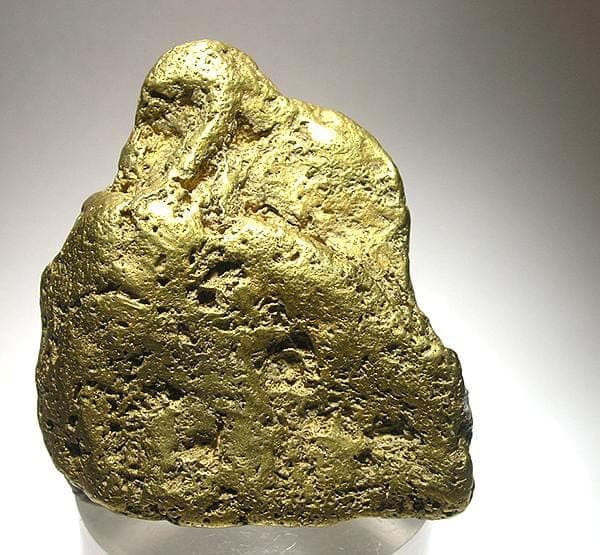
San Domingo Wash is a documented Au-Pt placer district in the western foothills of the Wickenburg Mountains, with Mindat and USGS-derived records tying the gold to stream-placer concentration.
Gold
 Top pick
Pima County
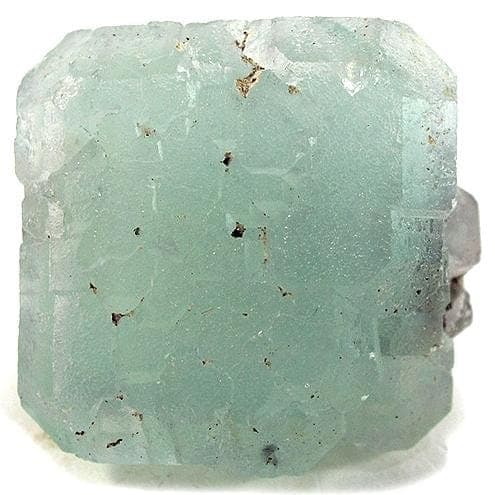
Neptune Mine is a focused Arizona fluorite locality, with Mindat and MRDS records describing a former fluorspar mine where fluorite occurs in lenses and stringers along a schist-granite contact zone.
Fluorite
 Top pick
Maricopa County
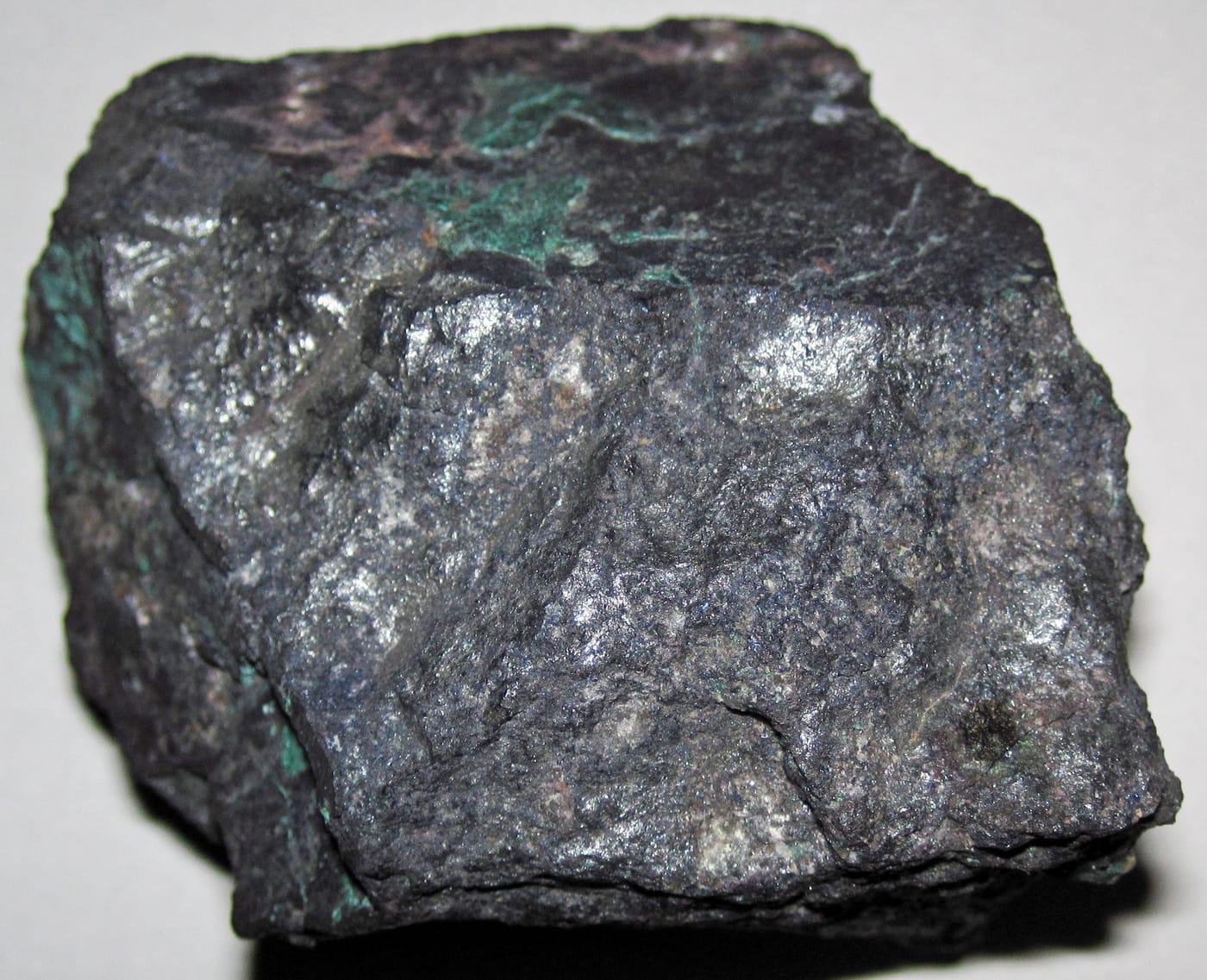
Red Rover is a compact Cave Creek district copper-silver stop, with Mindat listing chalcocite and tetrahedrite-group minerals and Western Mining History tying the mine to copper, silver, and gold.
Chalcocite, Tetrahedrite
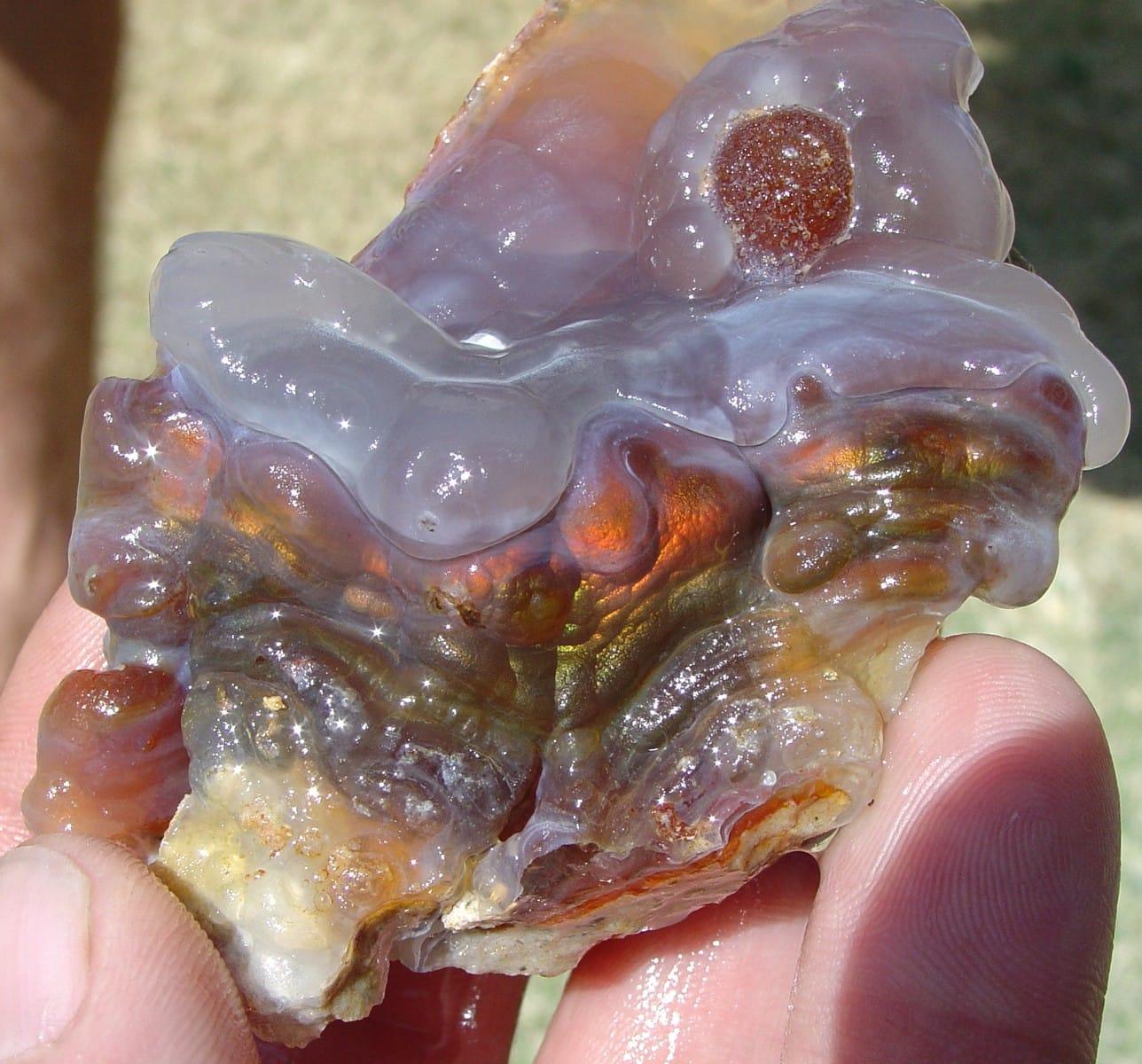
 Top pick
Greenlee County
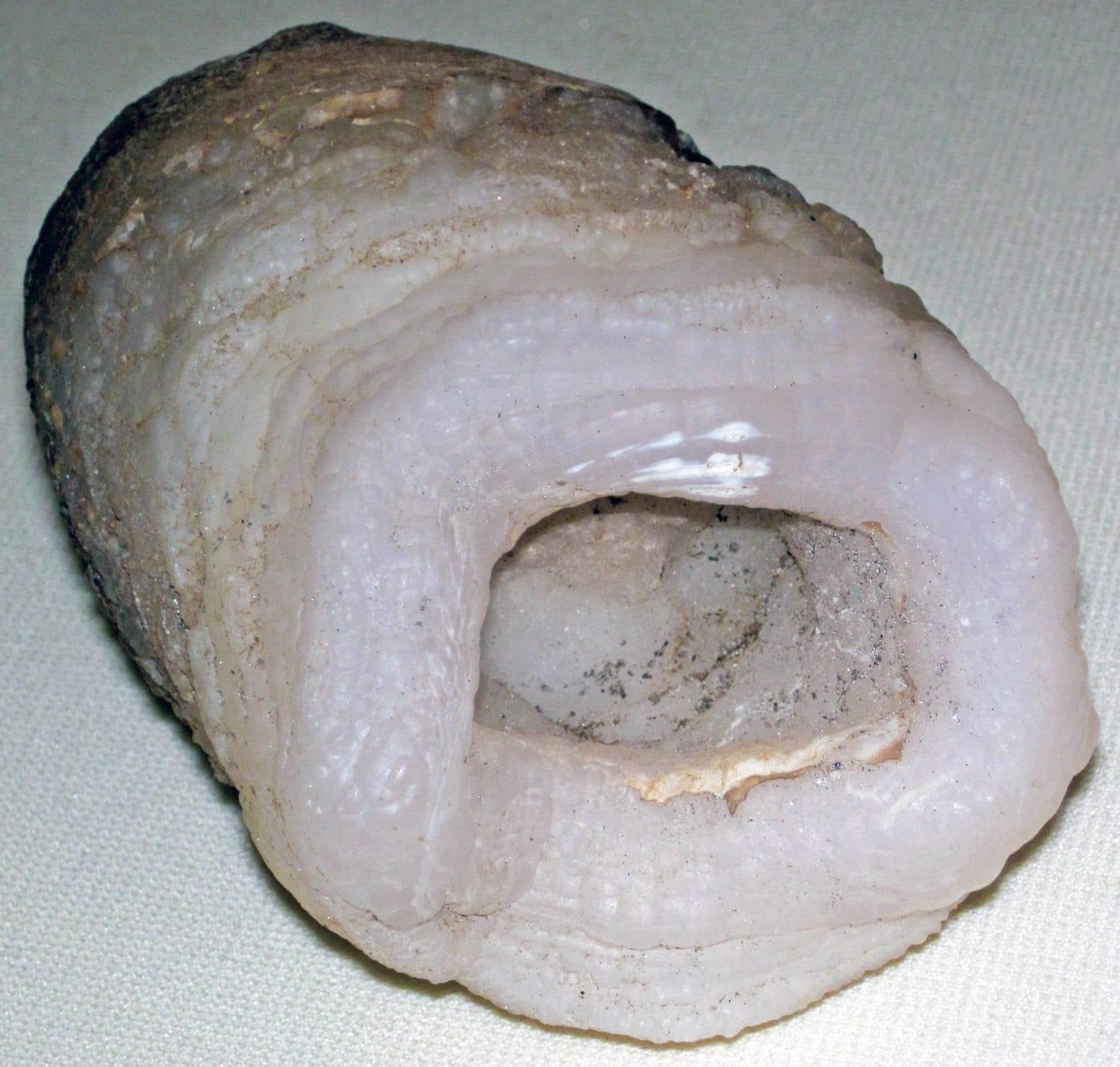
Black Hills is one of Arizona's clearest public fire-agate localities, with BLM stating that fire agate is the principal attraction and that the site is open for public digging without fees or permits.
Fire Agate, Chalcedony
 Top pick
Greenlee County
Fire agate is the reason the York and Duncan country earns the first Arizona slot: BLM identifies the nearby Round Mountain area as a public rockhounding destination, and its Arizona brochure lists fire agate as a notable Safford Field Office gemstone.
Fire Agate, Banded Agate, Carnelian, Jasper
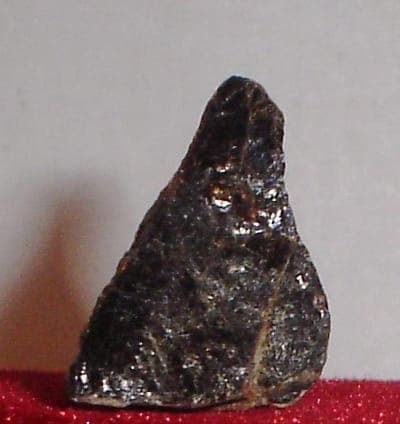 Top pick
Mohave County
Kingman Feldspar Mine represents northwestern Arizona pegmatite collecting, with documented feldspar-quartz workings and rare-earth allanite from the Kingman area.
Allanite, Microcline, Quartz
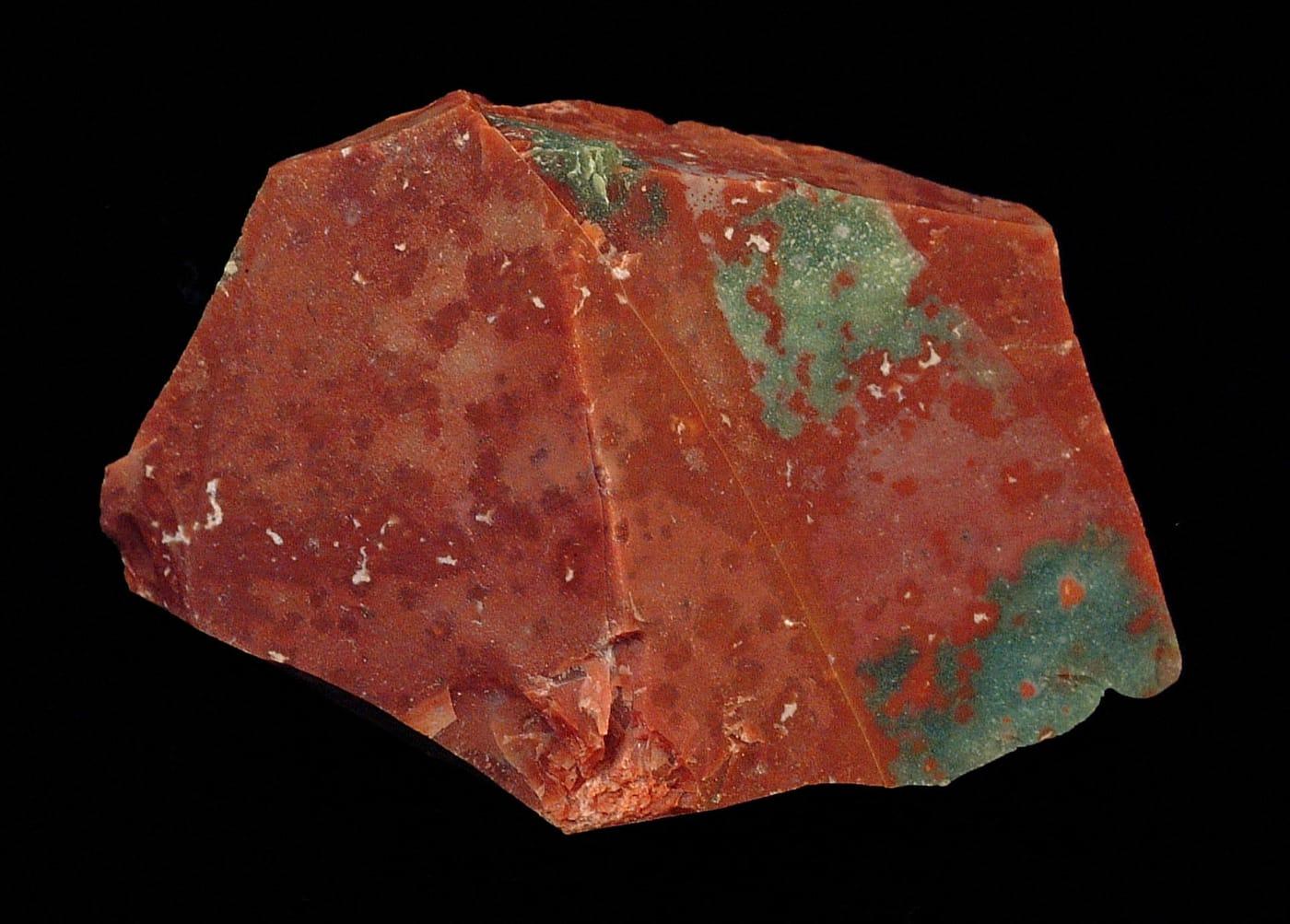 Top pick
Mohave County
Meadow Creek Pass belongs to the same western Arizona volcanic-desert collecting belt that gives Mohave County its agate, chalcedony, jasper, and fire-agate reputation.
Fire Agate, Grape Agate, Chalcedony, Jasper
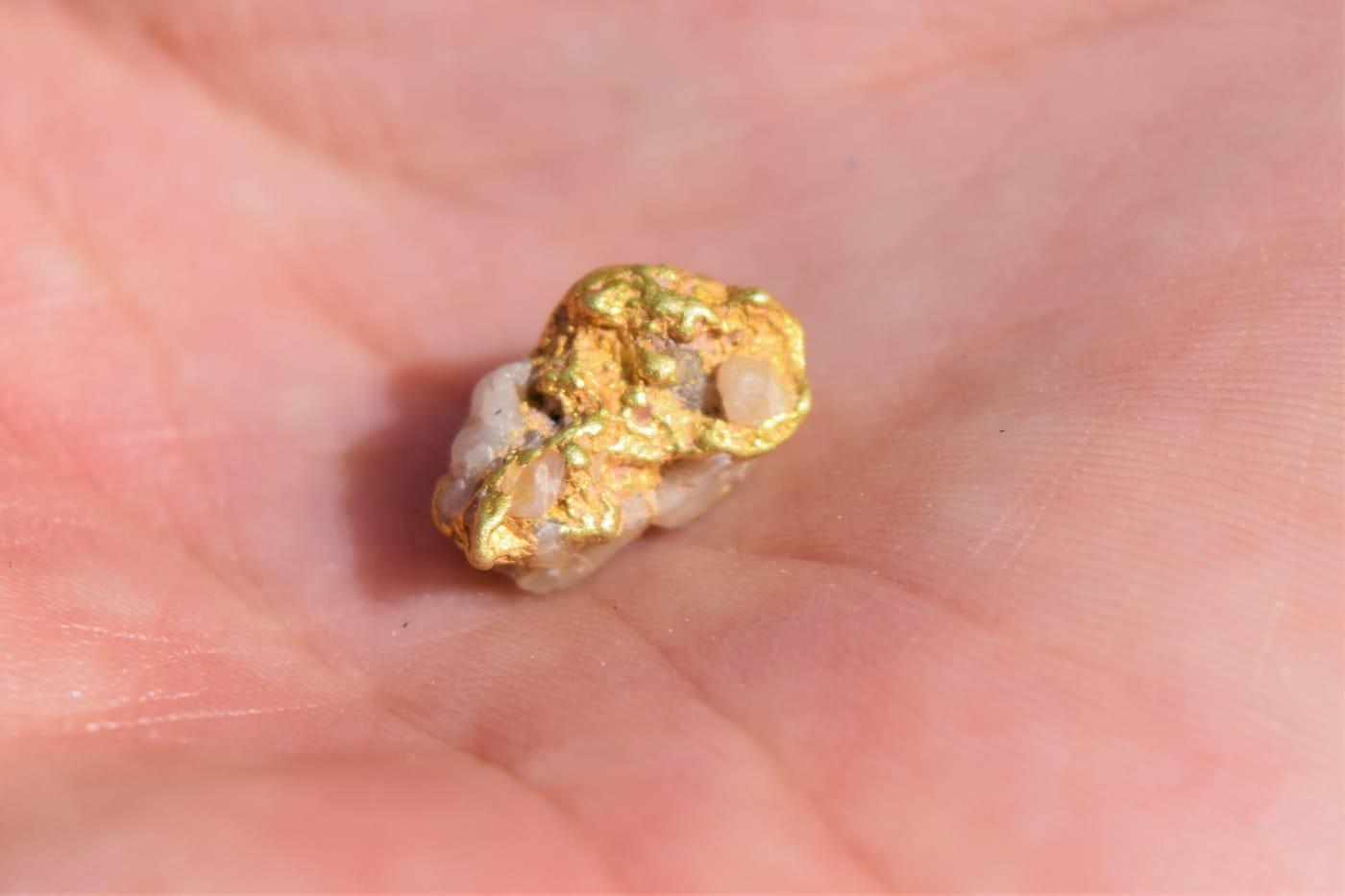 Top pick
Yavapai County
Rich Hill is Arizona's benchmark coarse-gold placer, documented by USGS as part of the Weaver district and by later geochemical work for nugget-rich placer units.
Gold Nugget
 Top pick
Mohave County
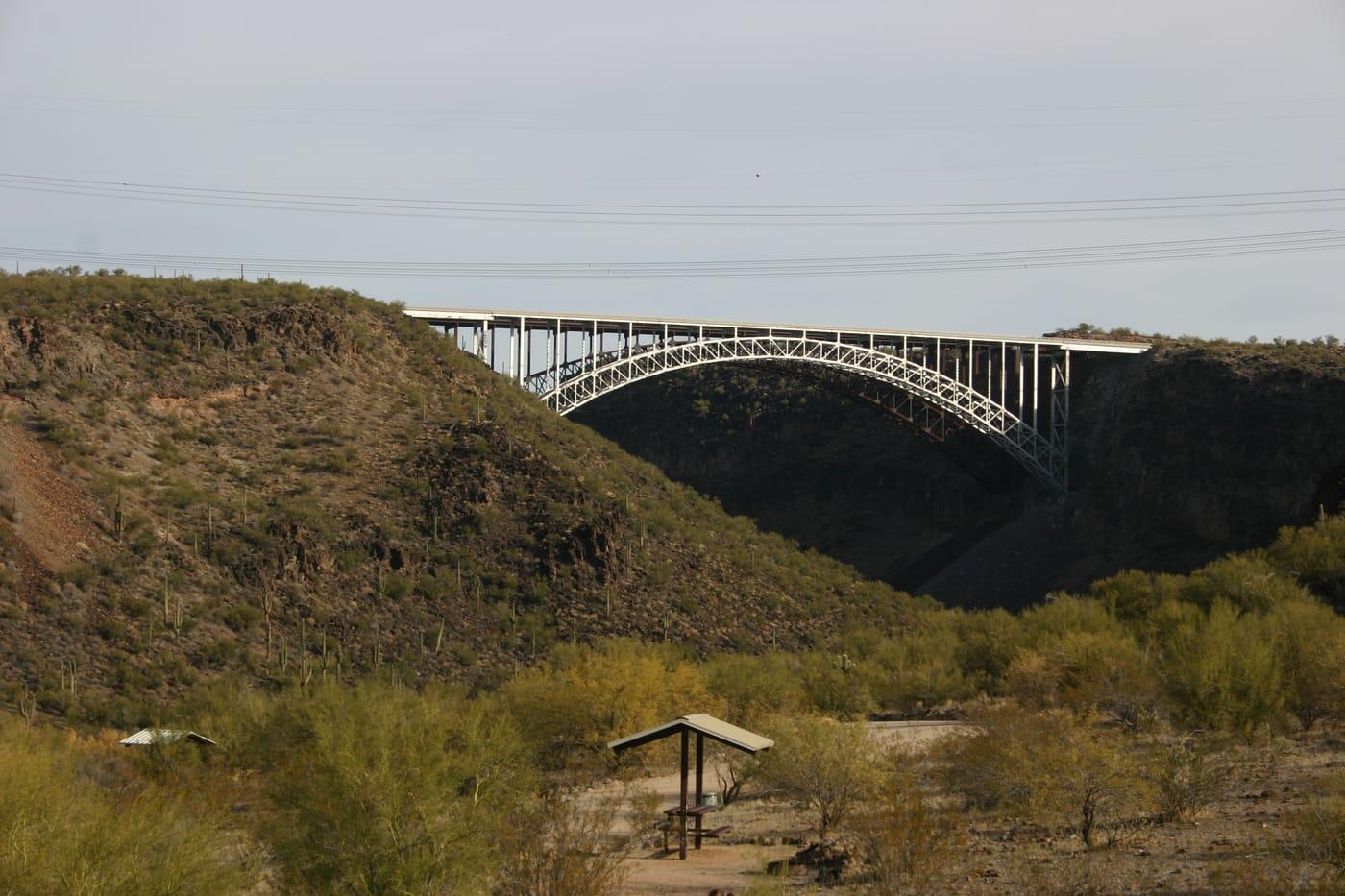
Burro Creek is a Mohave County agate landmark, with Mindat recording both the Burro Creek agate occurrence and agate in the Lower Burro Creek Wilderness Area.
Pink Agate
 Top pick
Gila County
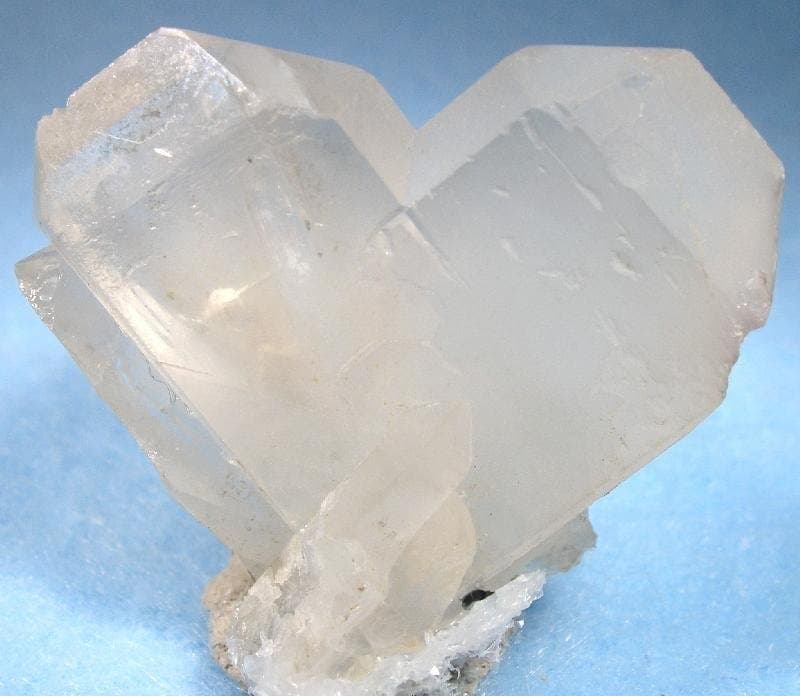
Diamond Point is a managed Forest Service crystal site where clear, doubly terminated quartz crystals weather out of cavities in the Devonian Martin Formation.
Quartz
La Paz County
Crystal Hill is the only place on the 665,400-acre Kofa National Wildlife Refuge where recreational rock and mineral collecting is permitted, per the USFWS Public Use and Hunting Regulations, which restrict it to a designated 1.5-square-mile area and prohibit collecting across the entire remainder of the refuge.
Quartz
4 places in Arizona where you pay to dig and keep what you find. Prices and seasons change, so check with the operator before you drive out.
21 clubs in Arizona. Clubs run field trips, shows and workshops, and many trips go to private claims you can't reach alone.
Open the RockHoundR app to see Arizona on a real map with public land overlays, weather, geology, and your saved finds.