Rockhounding in Indiana

Updated July 2026

33 mapped spots for rock hunting and rock collecting across 21 counties. Indiana rockhounding is geodes: the creeks of Lawrence, Monroe, Brown, and Owen counties around Bedford, Harrodsburg, Bean Blossom, and Spencer shed quartz-lined geodes by the thousand. Around them, Salem limestone crinoids, Ordovician fossils near Weisburg, Devonian fossils in the Maumee River, Lake Michigan beach stones, and quarry calcite, marcasite, and fluorite round out the state.

Where is the best rockhounding in Indiana?

The best rockhounding in Indiana is at Maumee River in Allen County (agate, jasper), Beanblossom in Brown County (geode), and Harrodsburg in Monroe County (calcite, dolomite). In total, 33 mapped collecting spots across 21 counties produce marcasite, calcite, and geode, each listed below with its land access.

Open the full map

Every rockhounding spot in Indiana

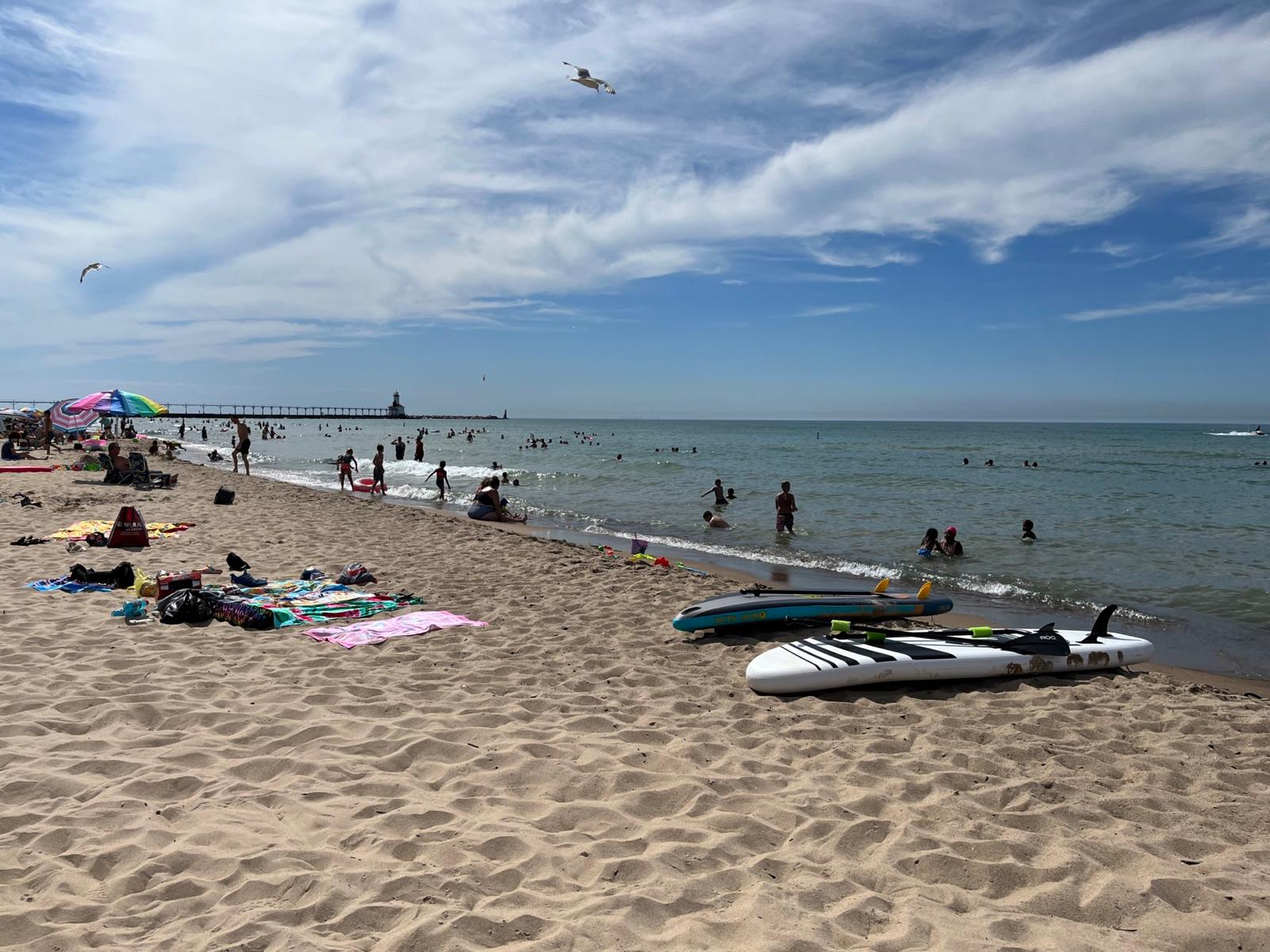
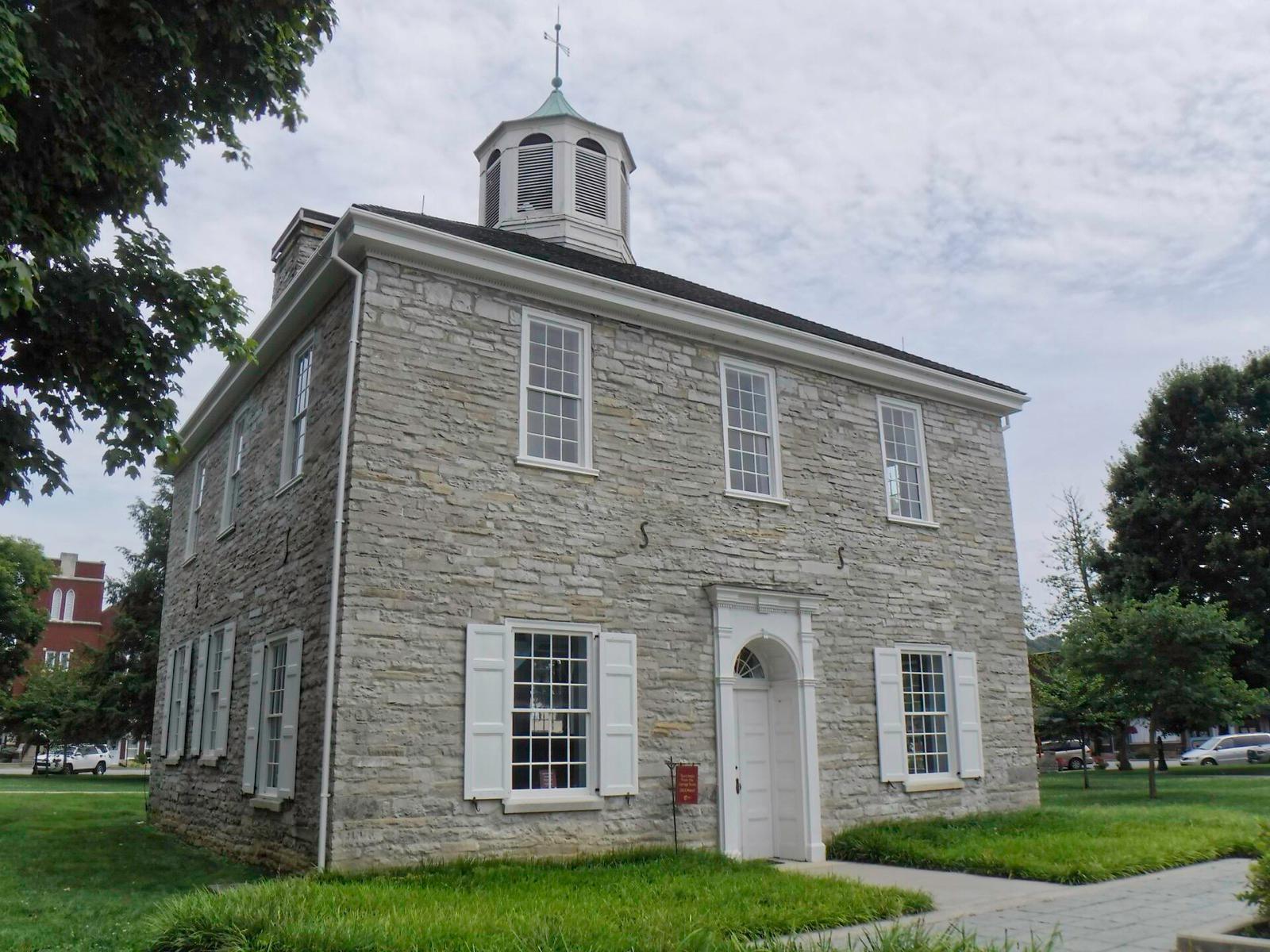
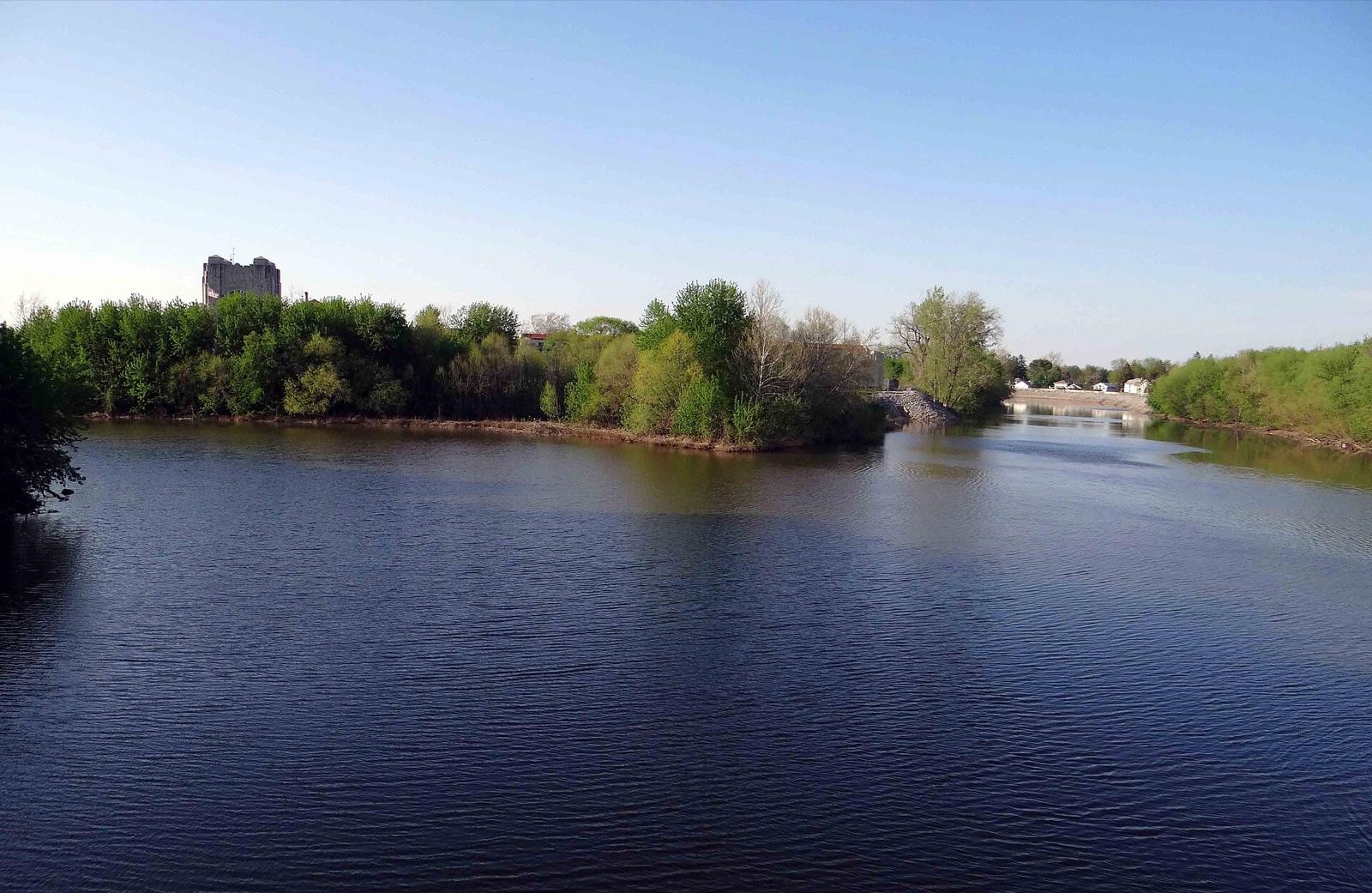
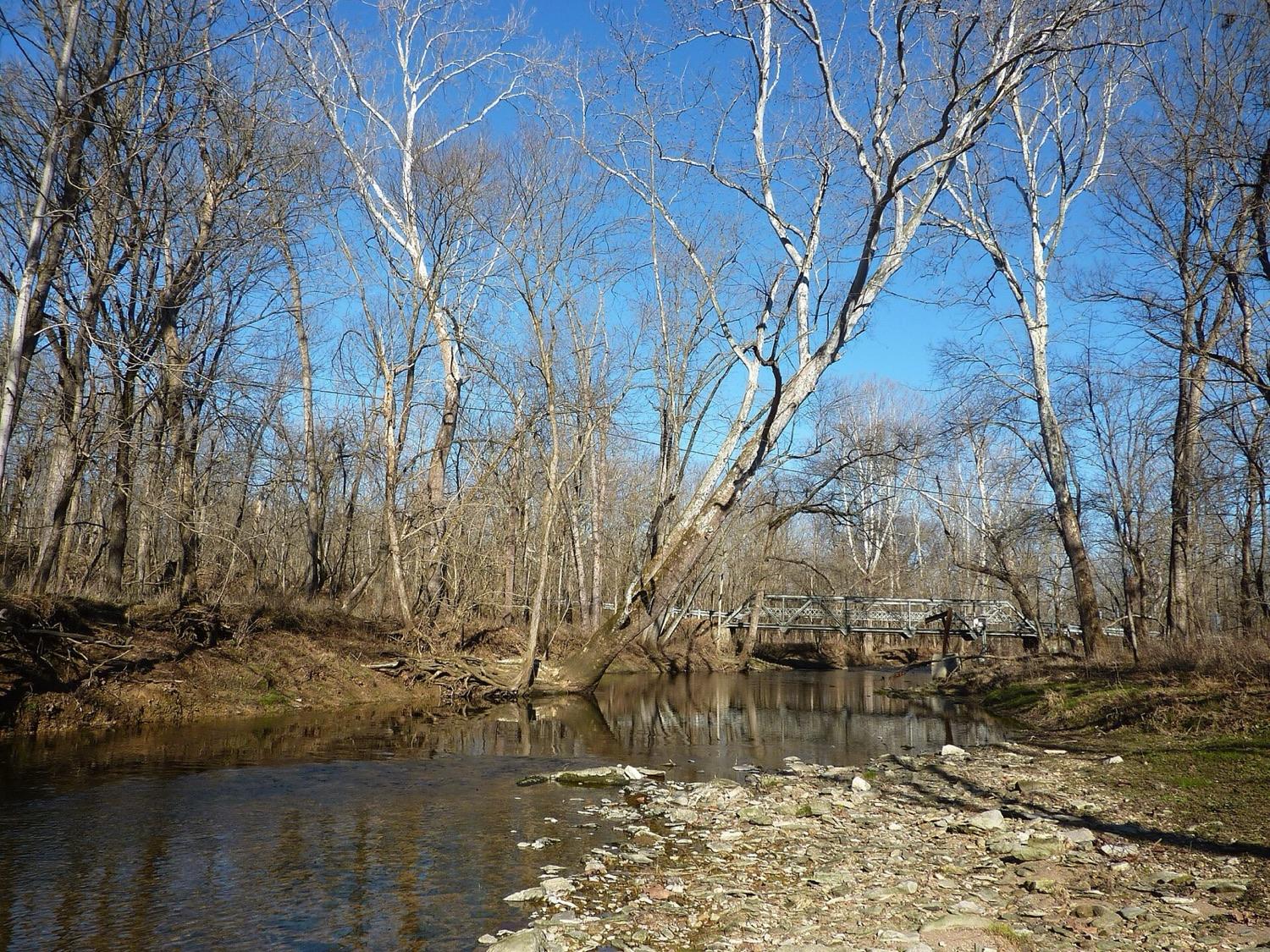
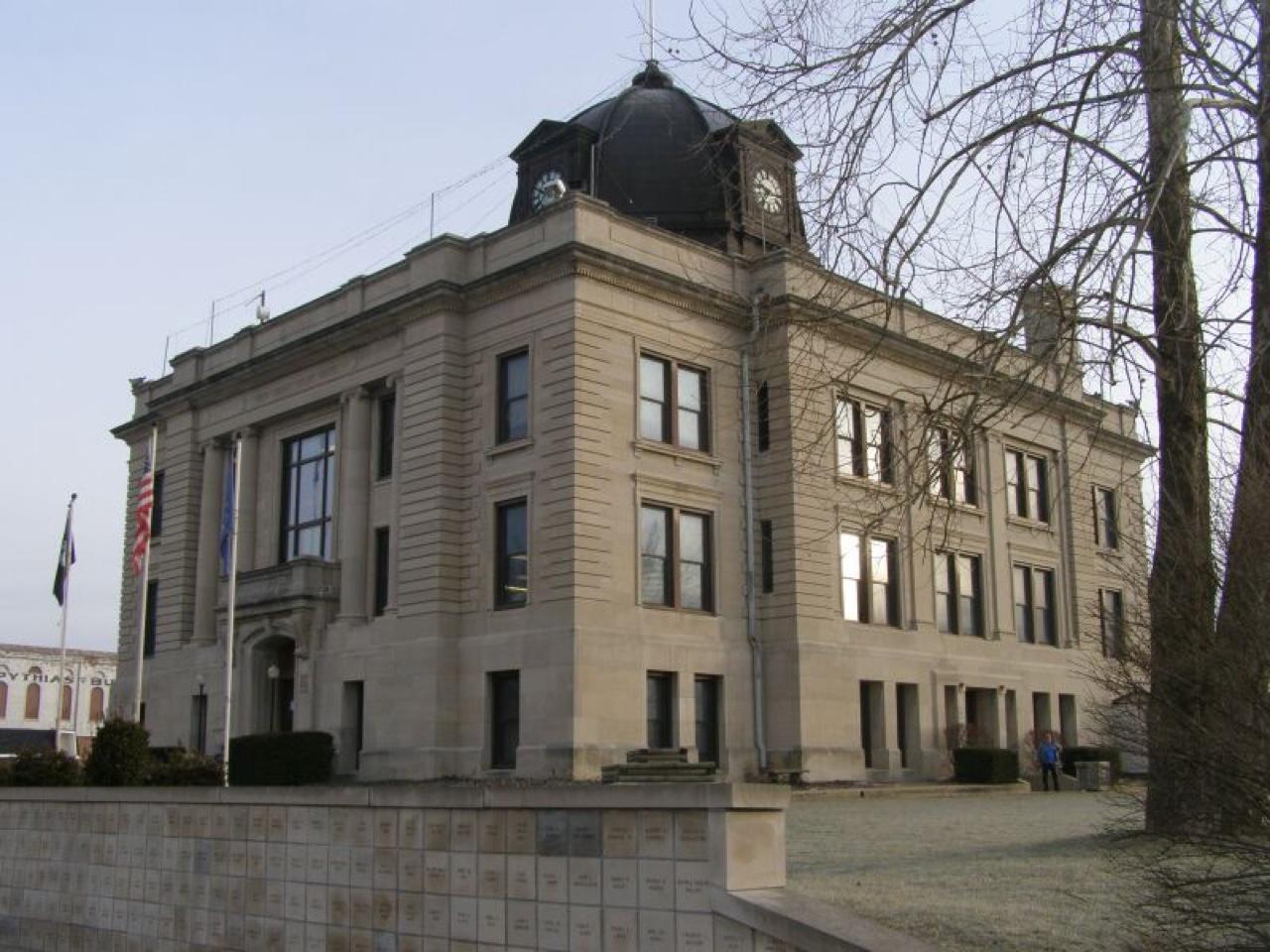
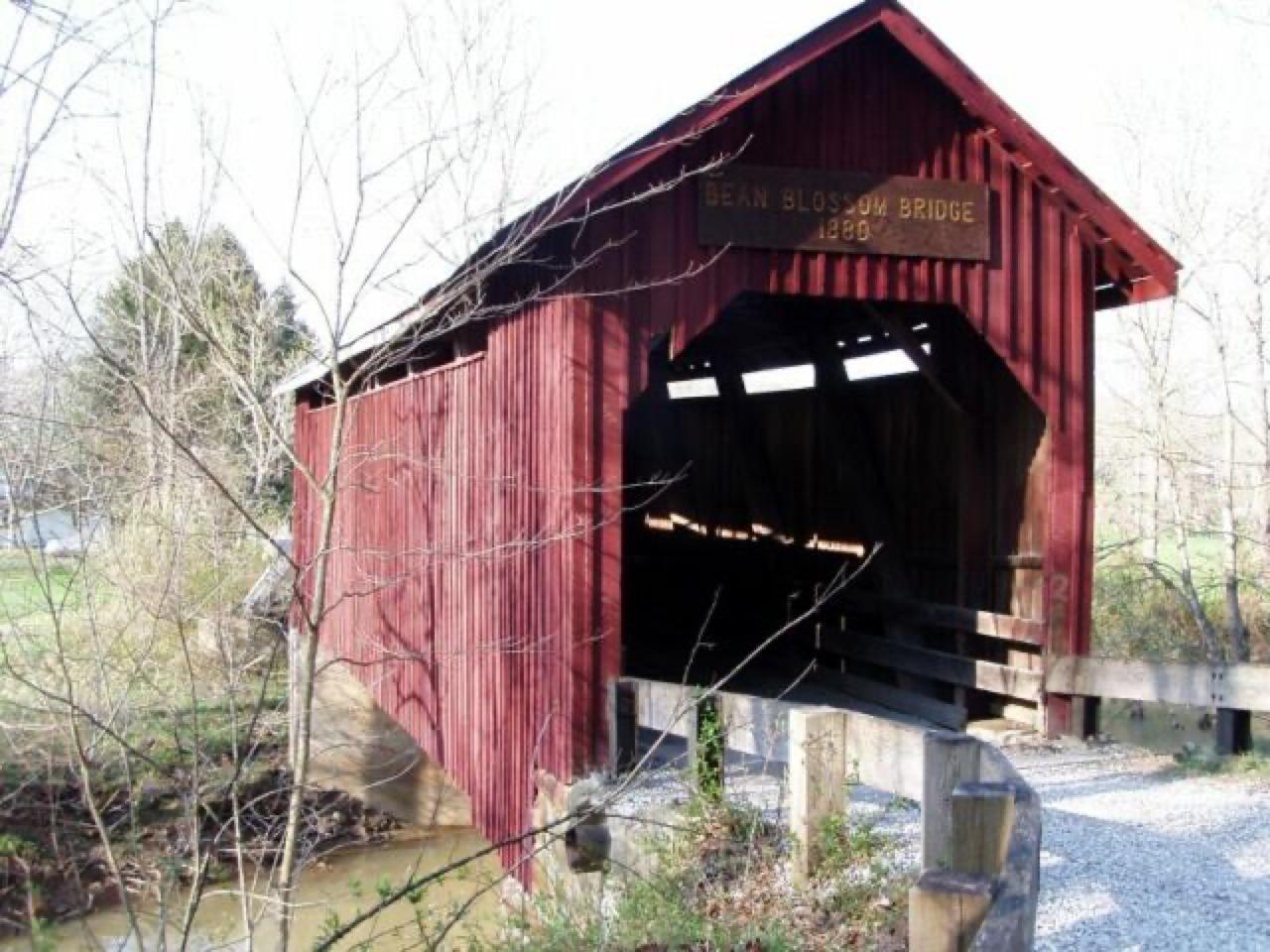
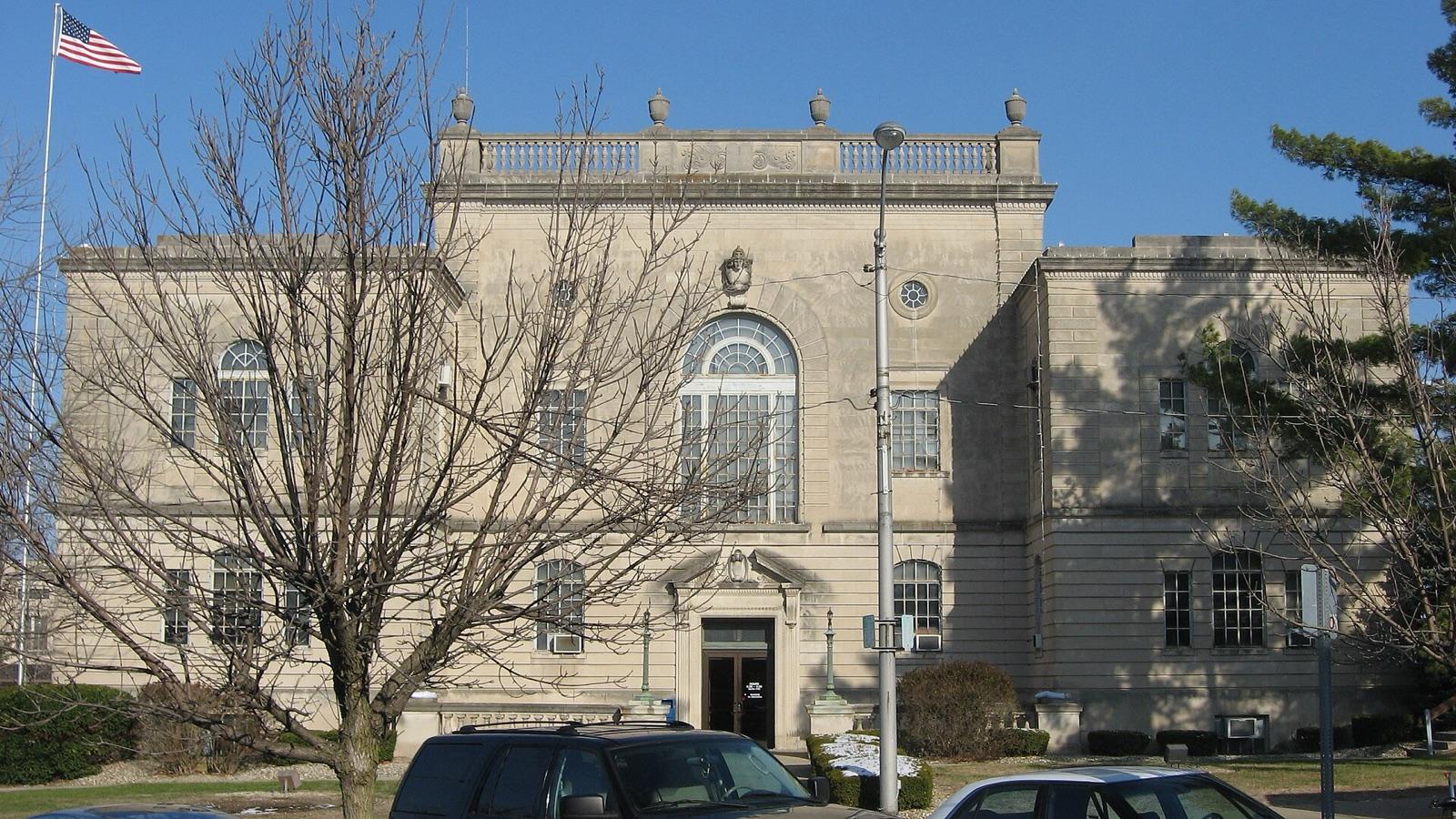
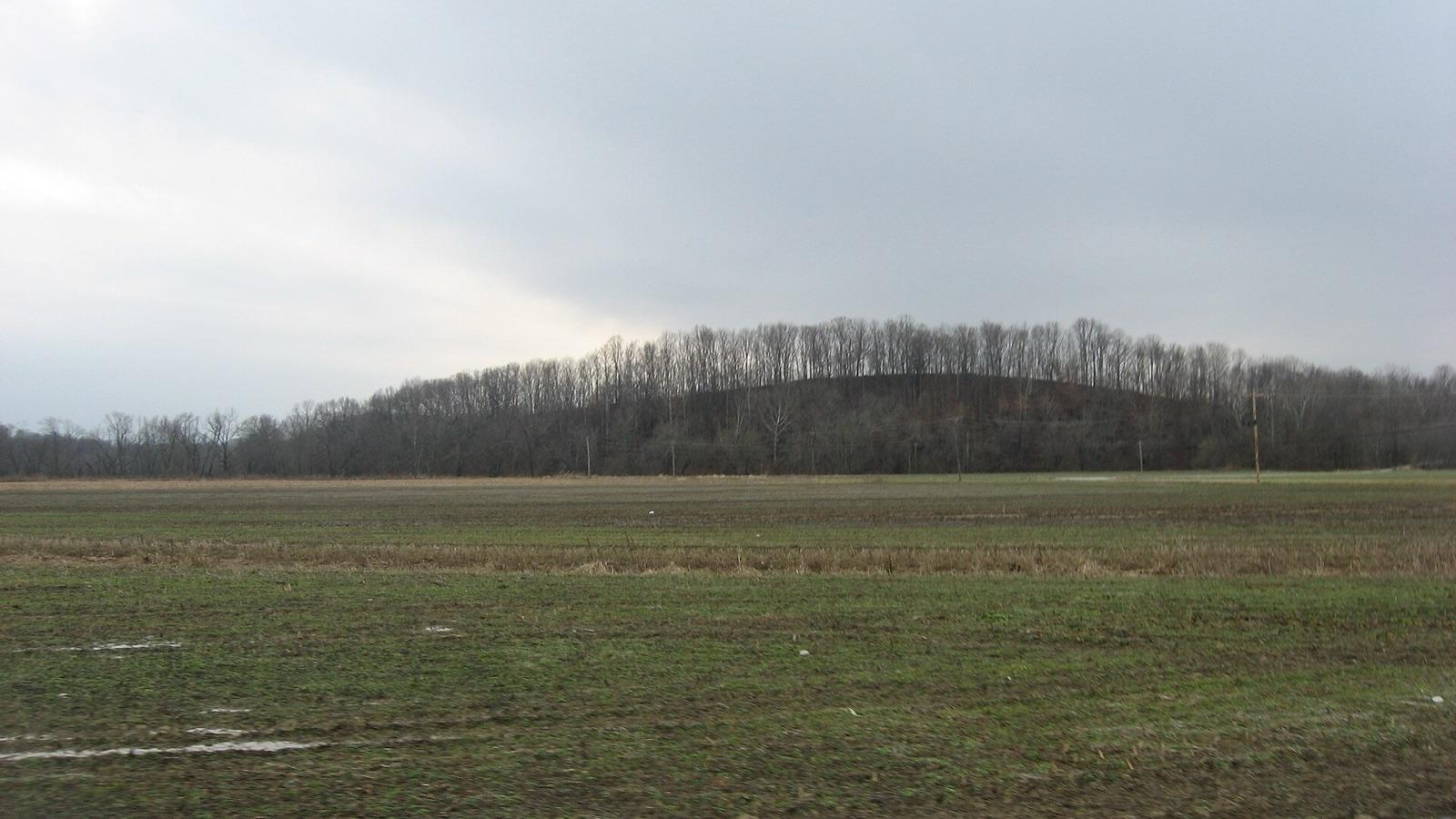
Indiana rockhounding photos

Representative spot and material photos from locations in this state, shown where verified public image records are available.

5 photos

Top minerals found in Indiana

Counts reflect how many spots in this list mention each mineral.

Notable areas: Harrodsburg and Salt Creek geodes, Bean Blossom geodes, Bedford crinoids, Weisburg Ordovician fossils, and Maumee River Devonian fossils are the Indiana targets collectors travel for.

Geology behind Indiana rockhounding

Southern Indiana's Mississippian rocks make the geode belt. The Harrodsburg and Ramp Creek limestones and the Borden Group weather out quartz geodes, some with calcite, dolomite, or sphalerite inside, into Salt Creek, Bean Blossom Creek, and the White River drainages of Lawrence, Monroe, Brown, and Owen counties. The Salem limestone quarried around Bedford and Bloomington is packed with crinoid and bryozoan debris. Southeastern Indiana on the Cincinnati Arch exposes Ordovician limestone and shale with brachiopods, bryozoans, and trilobites around Weisburg and the Ohio River. Northern Indiana is glacial till over Silurian and Devonian rock: the Maumee River near Fort Wayne cuts Devonian limestone with corals and brachiopods, quarries in the north produce calcite, marcasite, pyrite, and fluorite in vugs, and the Lake Michigan shore at Washington Park collects glacial pebbles. Indiana's gravel pits statewide turn up Lake Superior agate and jasper.

Best regions to focus your search

Geode belt (Lawrence, Monroe, Brown, Owen)

Salt Creek and Bean Blossom Creek, the creeks around Harrodsburg and Bedford, and the White River near Spencer. Private creek frontage needs permission; Hoosier National Forest ground in the belt allows hand collecting.

Salem limestone quarry country (Lawrence, Monroe)

Crinoid-rich limestone in the working quarries around Bedford and Bloomington, open only on club days, and in road cuts and spoil around Corydon.

Ordovician fossils (Dearborn, Ripley, Jefferson)

Brachiopods, bryozoans, and trilobite pieces in creek beds and road cuts around Weisburg and along the Ohio River bluffs.

North (Allen, LaPorte, Marion)

Devonian fossils in the Maumee River bed at low water, beach stones at Washington Park in Michigan City, and gravel-pit agate and jasper around Indianapolis with the operator's permission.

Best season

Late summer and fall low water, August through October, exposes the most creek gravel and geodes; spring floods rebuild the bars and wash out fresh ones from the banks. Quarry club days cluster in summer. Winter ice and spring high water close the creeks.

What to bring

Knee boots, a garden rake, a small screen, a bucket, and rags for whole geodes; a rock hammer and safety glasses for road cuts; a putty knife and newspaper for shale fossils. Copperheads live in the geode belt creeks; watch your hands under ledges.

Local collecting history

Salem limestone has been quarried around Bedford since 1827 and built the Empire State Building and the Pentagon; it became the state stone in 1971. Indiana's geodes have been collected from the Harrodsburg creeks for as long as the road cuts along Highway 37 have exposed them.

Rockhounding near major Indiana cities

Day-trip range. Each section lists the closest mapped rockhounding spots within about 150 miles of the city. Most are inside a 2 to 3 hour drive.

Rockhounding near Indianapolis

See all →

6 closest spots to Indianapolis, IN.

  • IndianapolisMarion County · Moonstone5 mi6 min drive
  • Williams CreekMarion County · Amethyst, Quartz8 mi10 min drive
  • Highland CreekMorgan County · Brown Sapphire24 mi30 min drive
  • Morgan CountyMorgan County · Quartz, Corundum25 mi31 min drive
  • NorristownShelby County · Fluorescent Calcite, Fluorite35 mi43 min drive
  • BeanblossomBrown County · Geode35 mi44 min drive

Rockhounding near Fort Wayne

See all →

6 closest spots to Fort Wayne, IN.

  • Maumee RiverAllen County · Agate, Jasper1 mi2 min drive
  • Fort WayneAllen County · Agate, Jasper3 mi3 min drive
  • HuntingtonHuntington County · Calcite, Marcasite21 mi27 min drive
  • BlufftonWells County · Dolomite, Marcasite22 mi27 min drive
  • ErieWabash County · Geode45 mi56 min drive
  • LogansportCass County · Apatite, Calcite65 mi1 hr 21 min drive

Neighboring states with rockhounding

Geology rarely respects state borders. These states share mapped rockhounding country with Indiana, useful when Indiana is the start, not the whole trip. Each card links to the closest county across the line.

Rockhounding by county in Indiana

County pages are linked once we have at least 3 mapped spots for a focused guide with coordinates, mineral notes, and nearby spots.

Top picks in Indiana

10 best spots

Hand-picked standouts from the Indiana list, chosen for unusual mineralogy, documented public access, or both. Each card links to coordinates, access notes, and what to look for.

Rock and mineral clubs in Indiana

8 clubs in Indiana. Clubs run field trips, shows and workshops, and many trips go to private claims you can't reach alone.

Full club directory →

Indiana rockhounding FAQ

Is rockhounding legal in Indiana?+
Yes, on Hoosier National Forest land for personal-use hand collecting, on club field trips to quarries, and on private land with permission. Indiana State Parks, state forests, nature preserves, and Indiana Dunes National Park prohibit collecting.
Where can I find geodes in Indiana?+
The creeks of Lawrence, Monroe, Brown, and Owen counties: Salt Creek near Bedford, Bean Blossom Creek, the creeks around Harrodsburg, and the White River near Spencer. Walk the gravel bars at low water and look for round, knobby nodules; the hollow ones feel light. Ask the landowner before entering.
Can I collect crinoids at the Bedford quarries?+
The working Salem limestone quarries are private and open only to mineral and fossil clubs on scheduled days, when crinoid-rich blocks and spoil are available. Road cuts and creek beds in the same rock offer smaller pieces.
Where are Indiana's fossil sites?+
Southeastern Indiana around Weisburg for Ordovician brachiopods and trilobite pieces, the Maumee River bed near Fort Wayne for Devonian corals at low water, and the Corydon and Bedford areas for Mississippian crinoids. Falls of the Ohio is view-only.
What rocks and minerals can you find in Indiana?+
Indiana spots in this list most often produce calcite, marcasite, quartz, geodes, pyrite, barite, dolomite, and fluorite, plus crinoids and Ordovician and Devonian fossils.
Where can I go rock hunting in Indiana?+
Rock hunting, rock collecting and rockhounding are the same hobby under different names. 33 spots are mapped in Indiana, 31 of them with public access. Lawrence County, Brown County, and Allen County have the most.
Is there gem mining or pay-to-dig in Indiana?+
No fee digs or pay-to-dig gem mines are mapped in Indiana yet. 31 of the 33 spots here have public access, so you can collect without paying a dig fee.
Where can I dig for crystals in Indiana?+
7 mapped spots in Indiana report quartz, amethyst, or smoky quartz, mostly in Brown County, Cass County, and Harrison County. Each one is in the list on this page with its land access.
Where can I go gold panning in Indiana?+
1 mapped spot in Indiana reports gold, mostly in Brown County. Check for mining claims before you pan: working someone else's claim is not allowed.

Map every Indiana spot in the app

Open the RockHoundR app to see Indiana on a real map with public land overlays, weather, geology, and your saved finds.

Download on the App StoreGet it on Google Play