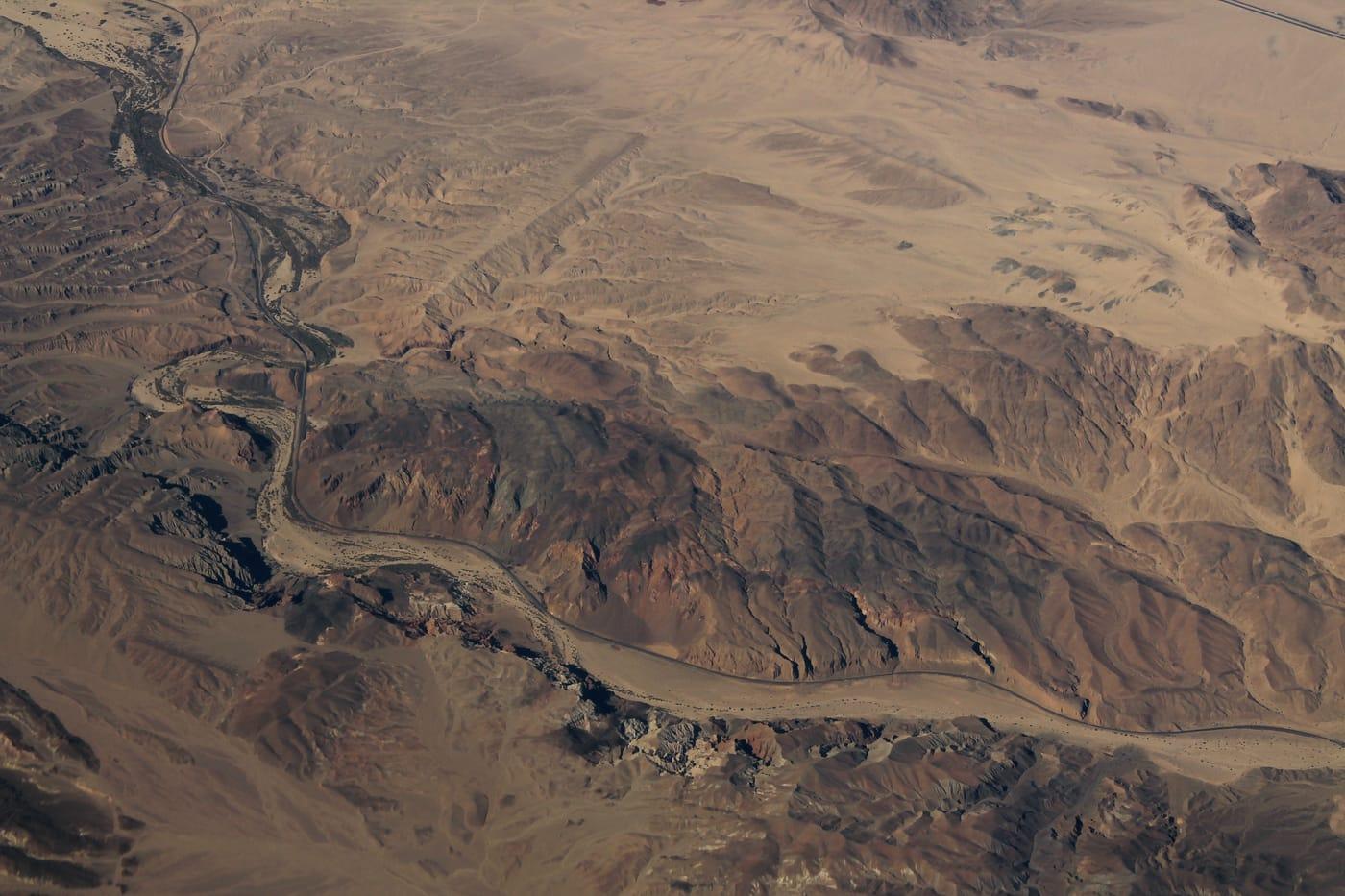
Mojave Desert & southeast California
Wiley Well, Hauser, Black Hills geode beds, Cady Mountains agate, fire agate at Saddleback Butte vicinity, and jasper across BLM lands east of Barstow.
Updated October 2026
104 mapped spots for rock hunting and rock collecting across 24 counties. California covers a wide range of rockhounding: gold-bearing rivers in the Mother Lode, jade on the central coast, and agate and jasper in the Mojave. Collecting is allowed on most BLM and Forest Service land outside designated wilderness.
The best rockhounding in California is at Happy Camp Jade Mines in Siskiyou County (jade, gold), Trinity River in Trinity County (chalcedony, gold), and Glass Mountain in Siskiyou County (obsidian). In total, 104 mapped collecting spots across 24 counties produce jasper, agate, and chalcedony, each listed below with its land access.
 Best spotEl Paso MountainsKern County, CaliforniaPublic access · Agate, Opal, Jasper +2Best spotGem HillKern County, CaliforniaPublic access · Agate, Chalcedony, Jasper +2Best spotTrinity RiverTrinity County, CaliforniaPublic access · Chalcedony, Gold, Jasper +2Best spotHappy Camp Jade MinesSiskiyou County, CaliforniaPublic access · Jade, Gold, Serpentine +1Best spotNew Almaden Area MinesSanta Clara County, CaliforniaPublic access · Chert, Cinnabar, Apophyllite +1
 Best spotBig Sur areaMonterey County, CaliforniaPermission required · Jade, Nephrite, SerpentineBest spotJacolitos CanyonFresno County, CaliforniaPublic access · Jasper, Petrified Wood, Fossilized CoralBest spotAfton CanyonSan Bernardino County, CaliforniaPermission required · Opalite, JasperBest spotUnnamed Location (Fire Agate)Riverside County, CaliforniaPublic access · Chalcedony, Fire AgateBest spotGlass MountainSiskiyou County, CaliforniaPublic access · Obsidian
 Castle Butte FoothillsKern County, CaliforniaPublic access · Agate, Chalcedony, Chert +2Crescent City BeachesDel Norte County, CaliforniaPublic access · Agate, Chalcedony, Jasper +2
 Eagle CragsSan Bernardino County, CaliforniaPermission required · Blue Agate, Bentonite, Calcite +2Fort Point AreaCaliforniaPermission required · Diabase, Datolite, Basalt +2Lead Pipe Spring AreaSan Bernardino County, CaliforniaPermission required · Blue Agate, Chalcedony, Jasper +2Mine Dumps (San Diego Co.)San Diego County, CaliforniaPublic access · Aquamarine, Beryl, Lepidolite +2Unnamed Location (Apatite/Aquamarine)San Diego County, CaliforniaPublic access · Apatite, Aquamarine, Beryl +2Victor MineSan Diego County, CaliforniaPermission required · Cookeite, Albite, Bismuth +2Ware MineSan Diego County, CaliforniaPublic access · Beryl, Lepidolite, Quartz +2Agate Area (Klamath River)Siskiyou County, CaliforniaPublic access · Agate, Bloodstone, Jasper +1Agate BeachHumboldt County, CaliforniaPermission required · Agate, Jasper, Brecciated Jasper +1Escondido CanyonLos Angeles County, CaliforniaPublic access · Amethyst Geode, Banded Agate, Moss Agate +1Fandango PassModoc County, CaliforniaPublic access · Agate, Chalcedony, Jasper +1Impassable RockMendocino County, CaliforniaPermission required · Rhodochrosite, Inesite, Bementite +1Jenny CreekSiskiyou County, CaliforniaPublic access · Agate, Carnelian, Petrified Wood +1Leech Lake AreaMendocino County, CaliforniaPermission required · Pectolite, Nephrite, Calcite +1Little Acorn MineKern County, CaliforniaPublic access · Epidote, Quartz, Smoky Quartz +1Nipomo AreaSan Luis Obispo County, CaliforniaPublic access · Moss Agate, Jasper, Petrified Wood +1Rouse HillRiverside County, CaliforniaPublic access · Amazonite, Idocrase, Rose Quartz +1Searles LakeSan Bernardino County, CaliforniaPublic access · Borax, Aphthitalite, Halite +1Unnamed Location (LA County)Los Angeles County, CaliforniaPublic access · Agate, Chalcedony, Jasper +1Alabama MinePlacer County, CaliforniaPublic access · Argentite, Gold Quartz, GalenaAlum Rock ParkSanta Clara County, CaliforniaPublic access · Albandite, Hausmannite, TephroiteAmboy CraterSan Bernardino County, CaliforniaPermission required · Boltwoodite, Jasper, ObsidianArea around Goose LakeModoc County, CaliforniaPublic access · Agate, Chalcedony, JasperGolden Jubilee MineTrinity County, CaliforniaPublic access · Limonite, Quartz, PyriteHimalaya Tourmaline Mine (Mesa Grande)San Diego County, CaliforniaFee dig · Tourmaline, Lepidolite, QuartzLimekiln Creek Beaches AreaMonterey County, CaliforniaPermission required · Rhodonite, Axinite, Nephrite JadeNorth Fork of Eel RiverMendocino County, CaliforniaPublic access · Nephrite Jade, Crocidolite, JadeiteSurprise ClaimMariposa County, CaliforniaPublic access · Rhodochrosite, Rhodonite, Spessartine GarnetTick CanyonLos Angeles County, CaliforniaPublic access · Chalcedony, Banded Agate, BloodstoneWoods MineHumboldt County, CaliforniaPublic access · Bementite, Neotocite, RhodochrositeClark ValleyFresno County, CaliforniaPublic access · Apatite, AndalusiteCoffee CreekTrinity County, CaliforniaPublic access · Anthophyllite, SerpentineCoyote PointSan Mateo County, CaliforniaPublic access · Chert, JasperDeep CreekModoc County, CaliforniaPublic access · Agate, Opalized WoodEel River GravelsMendocino County, CaliforniaPublic access · Jadeite, NephriteHorse Canyon Agate BedsKern County, CaliforniaPublic access · Agate, Fossilized Horse BoneHungry CreekSiskiyou County, CaliforniaPublic access · Cassiterite, CopperSearles Lake Pink HaliteSan Bernardino County, CaliforniaPermission required · Halite, HanksiteShady Run GravelsPlacer County, CaliforniaPublic access · Garnet, SerpentineShelly Creek & Monkey Creek MinesDel Norte County, CaliforniaPublic access · Gold, ArsenopyriteTrinity River GravelsTrinity County, CaliforniaPublic access · Diamond, Platinum NuggetUnnamed Location (Chalcedony/Curtisite)CaliforniaPublic access · Chalcedony, CurtisiteUnnamed Location (Chromite/Uvarovite)El Dorado County, CaliforniaPublic access · Chromite, UvaroviteUnnamed Location (Grossular garnet)Fresno County, CaliforniaPublic access · Grossular Garnet, VesuvianiteWillow Creek areaMonterey County, CaliforniaPublic access · Nephrite Jade, SerpentineWolf CreekNevada County, CaliforniaPublic access · Pyrolusite, RhodoniteArea Near Jenson QuarryRiverside County, CaliforniaPublic access · HornblendeArea Near Redondo BeachLos Angeles County, CaliforniaPublic access · MoonstoneArea Stream Beds (Rhodonite nodules)Trinity County, CaliforniaPermission required · Rhodonite NoduleAurora Mine (permission required)San Benito County, CaliforniaPermission required · SerpentineBabcock PeakPlumas County, CaliforniaPublic access · Rose QuartzBristol Dry LakeSan Bernardino County, CaliforniaCheck locally · Celestite ConcretionClark Valley (North Side)Fresno County, CaliforniaPublic access · EpidoteCoastal TrailCaliforniaPermission required · Spherulitic ChertCoyote CreekSanta Clara County, CaliforniaPermission required · SideriteCrystal Springs ReservoirSan Mateo County, CaliforniaPermission required · ChromiteDavis Creek MercantileModoc County, CaliforniaFee dig · ObsidianDiamond CreekDel Norte County, CaliforniaPublic access · Native CopperGuadeloupe CreekSanta Clara County, CaliforniaPublic access · Dendritic AgateHallelujah JunctionLassen County, CaliforniaFee dig · QuartzHauser Geode BedsImperial County, CaliforniaPublic access · ThundereggHorse Mt (Chromite)Humboldt County, CaliforniaPublic access · ChromiteHorse Mt (West Side)Humboldt County, CaliforniaPublic access · EpidoteHowlands Landing (Catalina Island)Los Angeles County, CaliforniaPublic access · AlbiteIndian Creek gravelsTrinity County, CaliforniaPermission required · RhodoniteJones BeachSiskiyou County, CaliforniaPublic access · OlivineKeystone MineDel Norte County, CaliforniaPublic access · Copper NuggetMalibu Lake AreaLos Angeles County, CaliforniaPermission required · AnalciteMidway Area (Lavic Jasper)San Bernardino County, CaliforniaPublic access · Lavic JasperModoc ObsidianModoc County, CaliforniaPublic access · ObsidianMorgan Hill CreeksSanta Clara County, CaliforniaPublic access · Poppy JasperOcean beach area (Big Sur coast)San Luis Obispo County, CaliforniaPermission required · JadeOcean Beaches (Central Coast)San Luis Obispo County, CaliforniaPublic access · California JadeOld Quarry (Riverside)Riverside County, CaliforniaPublic access · AxinitePaso Robles AreaSan Luis Obispo County, CaliforniaPublic access · JadeitePine Tree CanyonKern County, CaliforniaPublic access · BaritePoplar BeachSan Mateo County, CaliforniaPublic access · AgatePortal Ridge AreaLos Angeles County, CaliforniaPublic access · RhodonitePurcell-Griffin MineMariposa County, CaliforniaPublic access · ChromiteSan Simeon BeachesSan Luis Obispo County, CaliforniaPublic access · MoonstoneSmith River GravelsDel Norte County, CaliforniaPublic access · DiamondStewart MineSan Diego County, CaliforniaPublic access · BismuthTrinity River / Willow CreekTrinity County, CaliforniaPublic access · JadeUnnamed Location (Actinolite prisms)Mendocino County, CaliforniaPublic access · Actinolite PrismUnnamed Location (Allanite)San Diego County, CaliforniaPublic access · AllaniteUnnamed Location (Jade)Mariposa County, CaliforniaPublic access · JadeUnnamed Location (Mariposite)Mariposa County, CaliforniaPublic access · MaripositeUnnamed Location (Wonderstone rhyolite)Lassen County, CaliforniaPublic access · Wonderstone RhyoliteWingate PassSan Bernardino County, CaliforniaPermission required · Sagenite AgateBenitoite Gem MineSan Benito County, CaliforniaFee digBenitoite Mining CompanyFresno County, CaliforniaFee digDig for GemsSan Diego County, CaliforniaFee dig
Representative spot and material photos from locations in this state, shown where verified public image records are available.
Counts reflect how many spots in this list mention each mineral.
Notable areas: Big Sur jade, Mojave jasper, blue chalcedony, gold panning, and limited benitoite access are common California search terms.
California's collecting reflects its tectonic complexity. The Mojave's Tertiary volcanics produce agate, jasper, and chalcedony. The Sierra Nevada foothills hold the Mother Lode gold belt and its associated quartz, schist, and mariposite. The Coast Ranges expose serpentinite and the Franciscan complex, host to jade, nephrite, and rare benitoite. The Klamath and Salmon Mountains contribute garnet schist, gold, and platinum-group placers.
Wiley Well, Hauser, Black Hills geode beds, Cady Mountains agate, fire agate at Saddleback Butte vicinity, and jasper across BLM lands east of Barstow.
Recreational gold panning on the American, Yuba, Feather, and Mokelumne rivers; mariposite, quartz crystals, and copper minerals in old mine dumps. Stick to legal access points, much of the river bank is private or claimed.
Big Sur jade picked from the surf at Jade Cove, hand collecting only below the mean high-tide line within the Monterey Bay National Marine Sanctuary boundaries.
Beach agates, jade, and serpentine; rough country with active mining claims. The benitoite type locality in San Benito County is closed to public collecting.
Mojave: October through April. Sierra rivers: late summer through early fall when water is low. North Coast and Big Sur jade: year-round, with fresh material most likely after winter storms move gravel and nephrite in the surf.
Mojave desert: gallon-per-person water minimum, spare tire, paper map, sun protection. Mother Lode: classifier, sluice box (legal restrictions apply, see CDFW dredging rules), and recreational gold pan. Jade Cove: snorkel or wade gear and a mesh bag.
The 1849 California Gold Rush shaped mineral collecting across the West. Big Sur jade became better known in the 1970s, when divers and beach pickers began bringing nephrite out of the surf; the Big Sur Jade Festival still marks that local history.
Day-trip range. Each section lists the closest mapped rockhounding spots within about 150 miles of the city. Most are inside a 2 to 3 hour drive.
6 closest spots to Los Angeles, CA.
6 closest spots to San Diego, CA.
6 closest spots to San Jose, CA.
Geology rarely respects state borders. These states share mapped rockhounding country with California, useful when California is the start, not the whole trip. Each card links to the closest county across the line.
County pages are linked once we have at least 3 mapped spots for a focused guide with coordinates, mineral notes, and nearby spots.
Hand-picked standouts from the California list, chosen for unusual mineralogy, documented public access, or both. Each card links to coordinates, access notes, and what to look for.
 Top pick
Siskiyou County
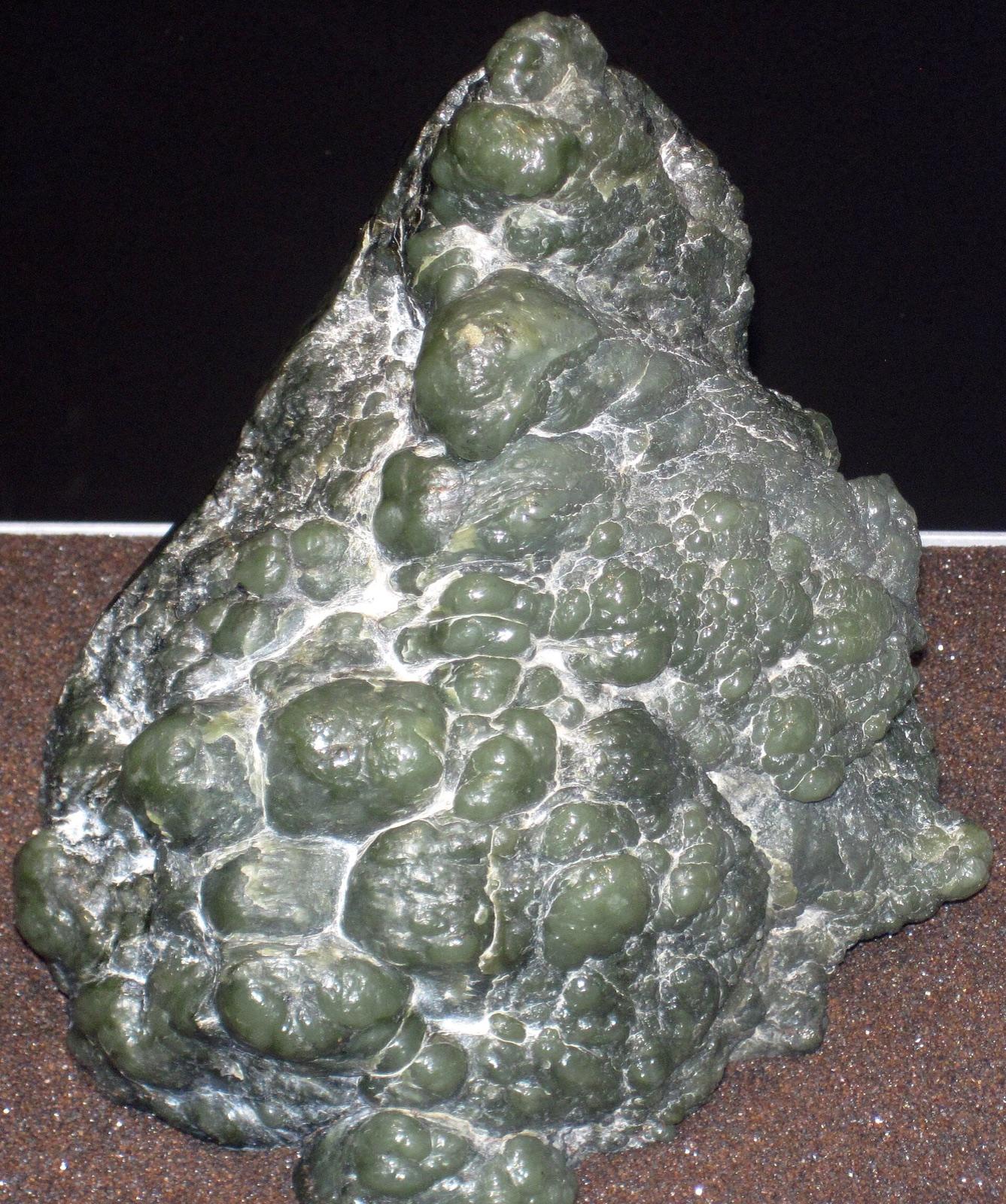
Happy Camp gives the top-10 list a Klamath Mountains jade and gold locality rather than another Mojave silica field.
Jade, Gold, Serpentine, Gold-laced Jade
 Top pick
Trinity County
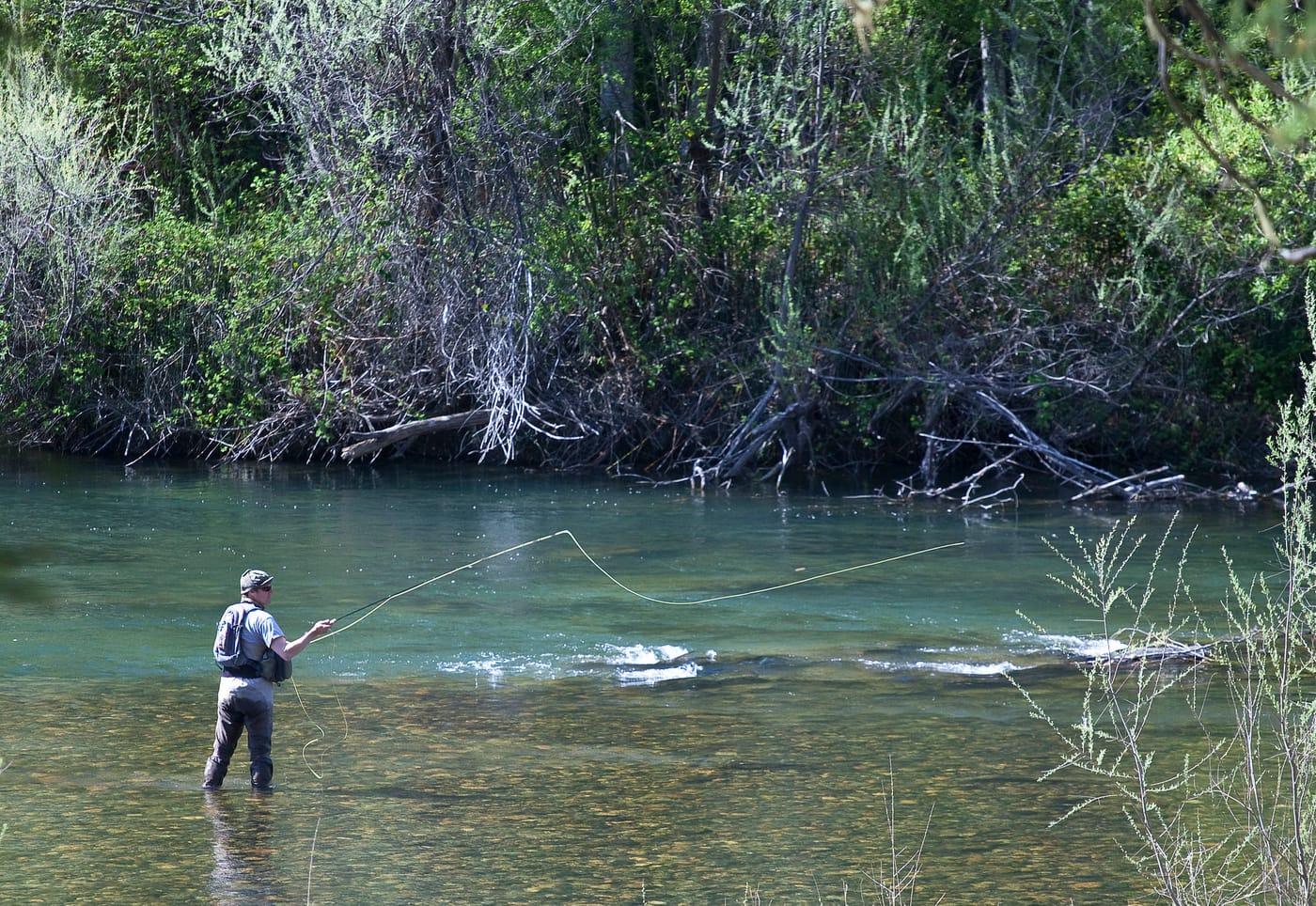
The Trinity River is a north-state benchmark because it combines historic placer-gold country with Klamath Mountains metamorphic and ultramafic source rocks.
Chalcedony, Gold, Jasper, Jade
 Top pick
Siskiyou County
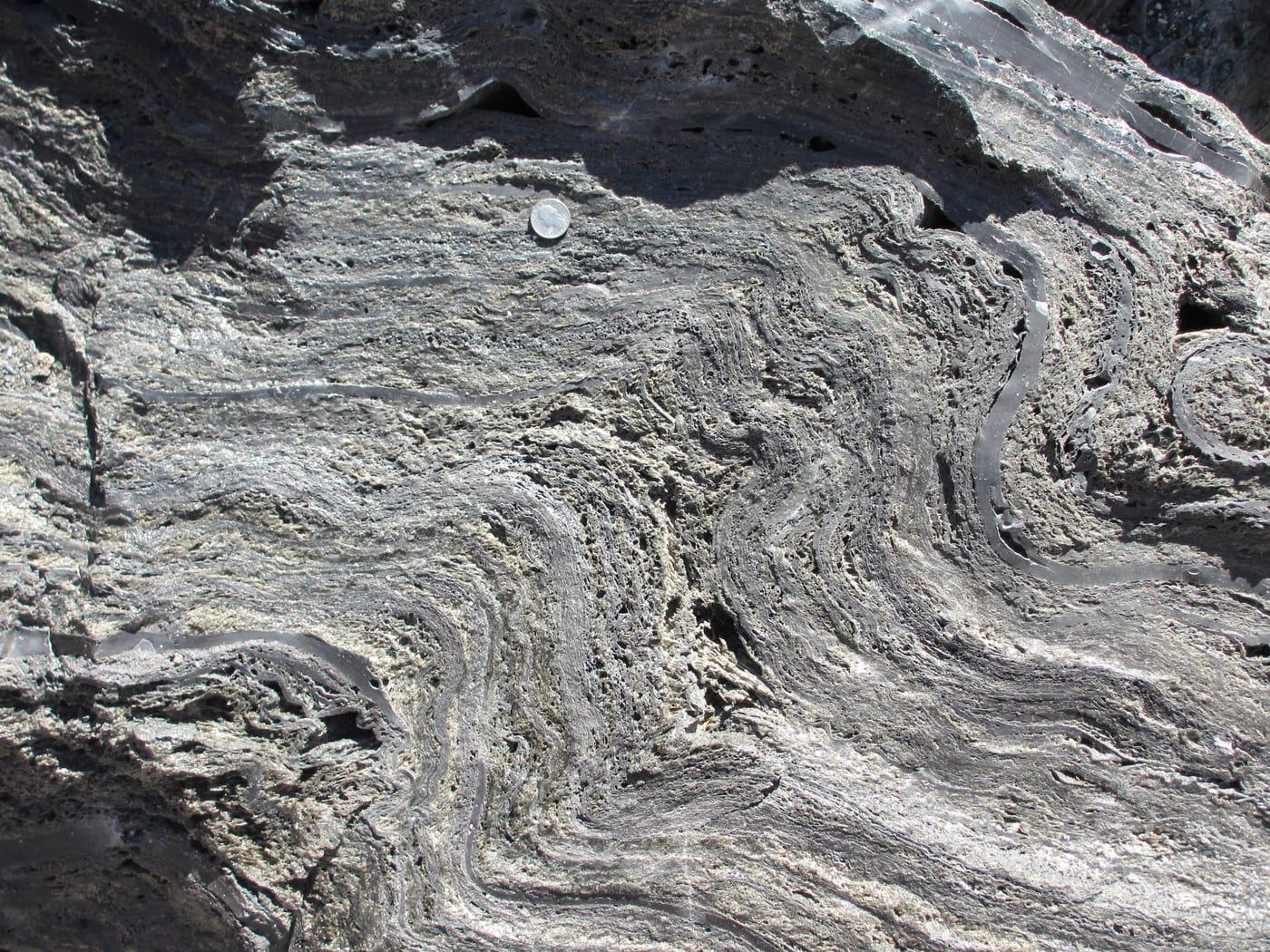
Glass Mountain represents California's northern volcanic-glass collecting better than any ordinary agate wash, with Forest Service materials identifying designated obsidian collecting areas in the Modoc country.
Obsidian
 Top pick
Fresno County
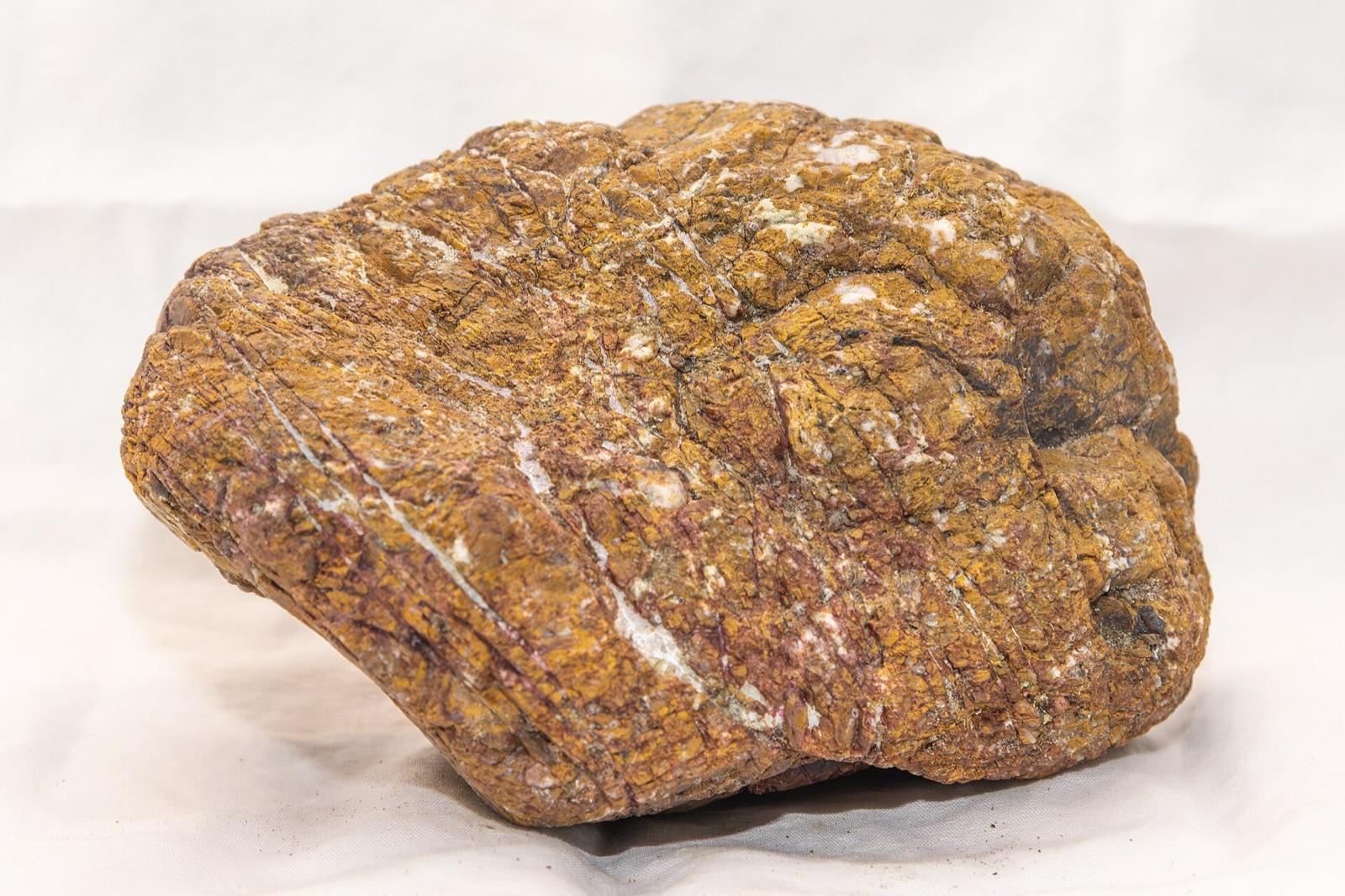
Jacolitos Canyon adds a Coast Range sedimentary and fossil-bearing locality to a list otherwise dominated by volcanic glass, agate, jade, and gold.
Jasper, Petrified Wood, Fossilized Coral
 Top pick
Santa Clara County
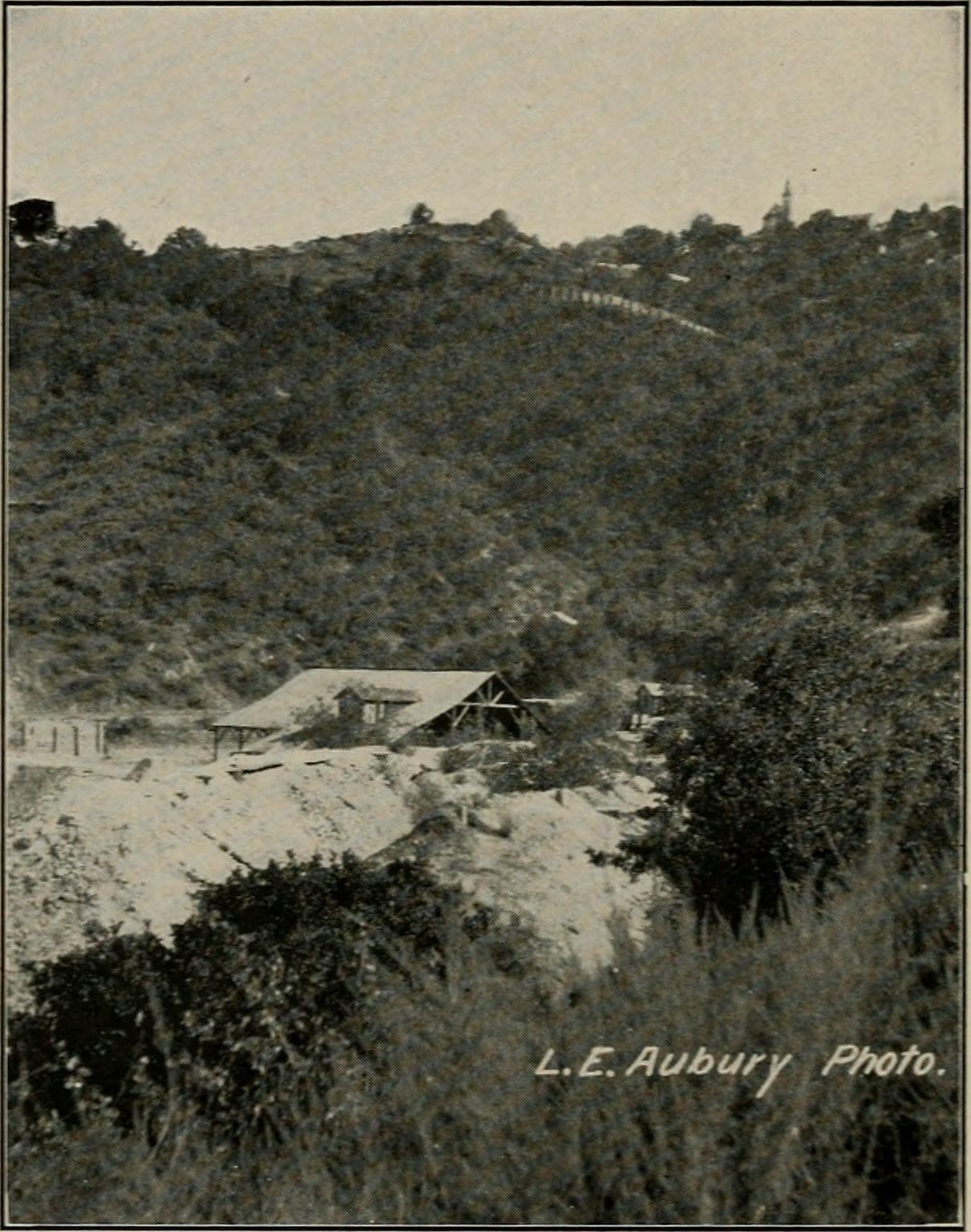
New Almaden is not just a cinnabar stop, it is one of California's classic mercury districts, hosted in altered serpentinite and silica-carbonate rock.
Chert, Cinnabar, Apophyllite, Gyrolite
 Top pick
Monterey County
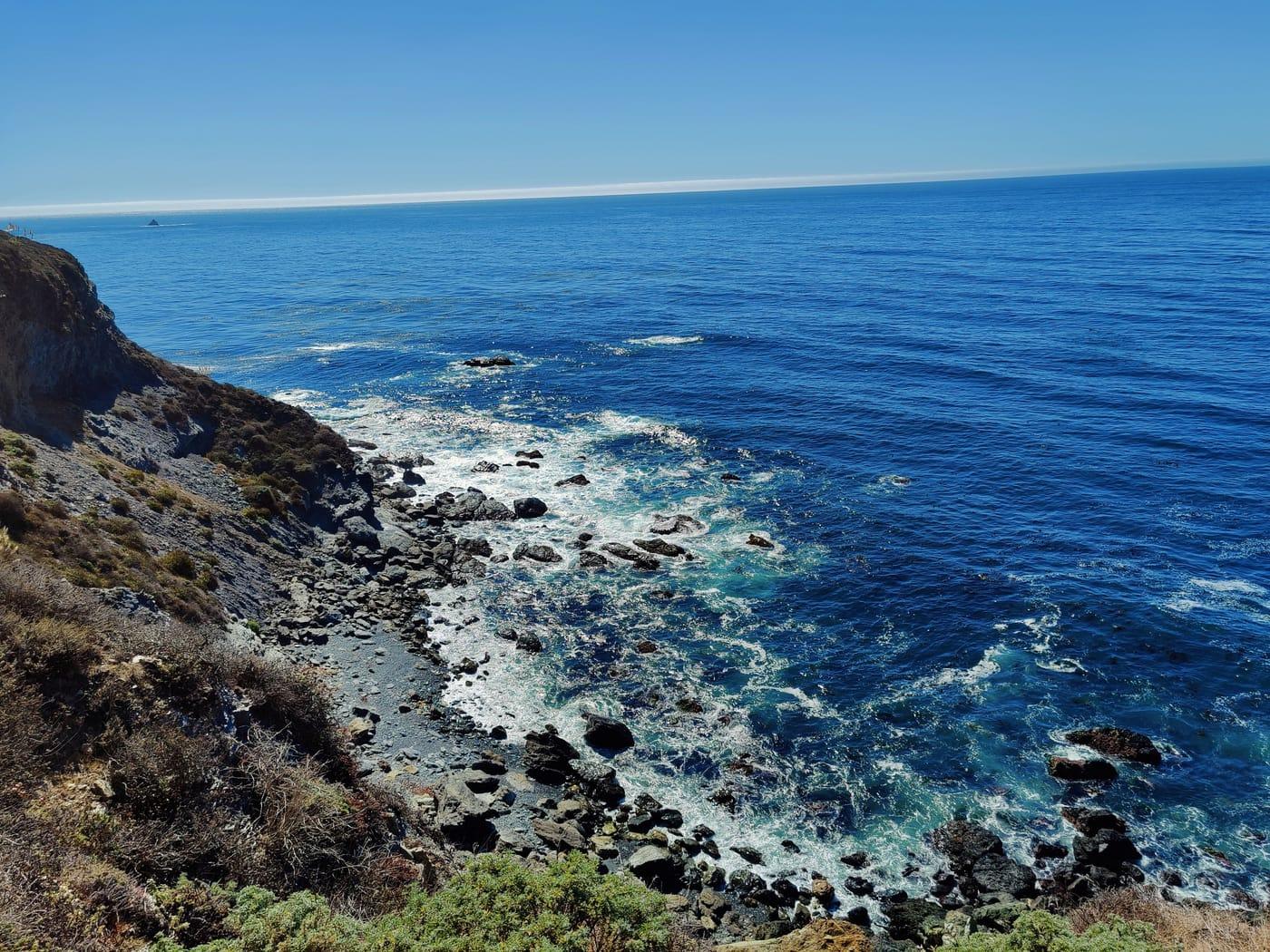
Big Sur is California's clearest public jade locality because sanctuary rules specifically allow loose nephrite collection in the Jade Cove authorized area below mean high tide.
Jade, Nephrite, Serpentine
 Top pick
Riverside County
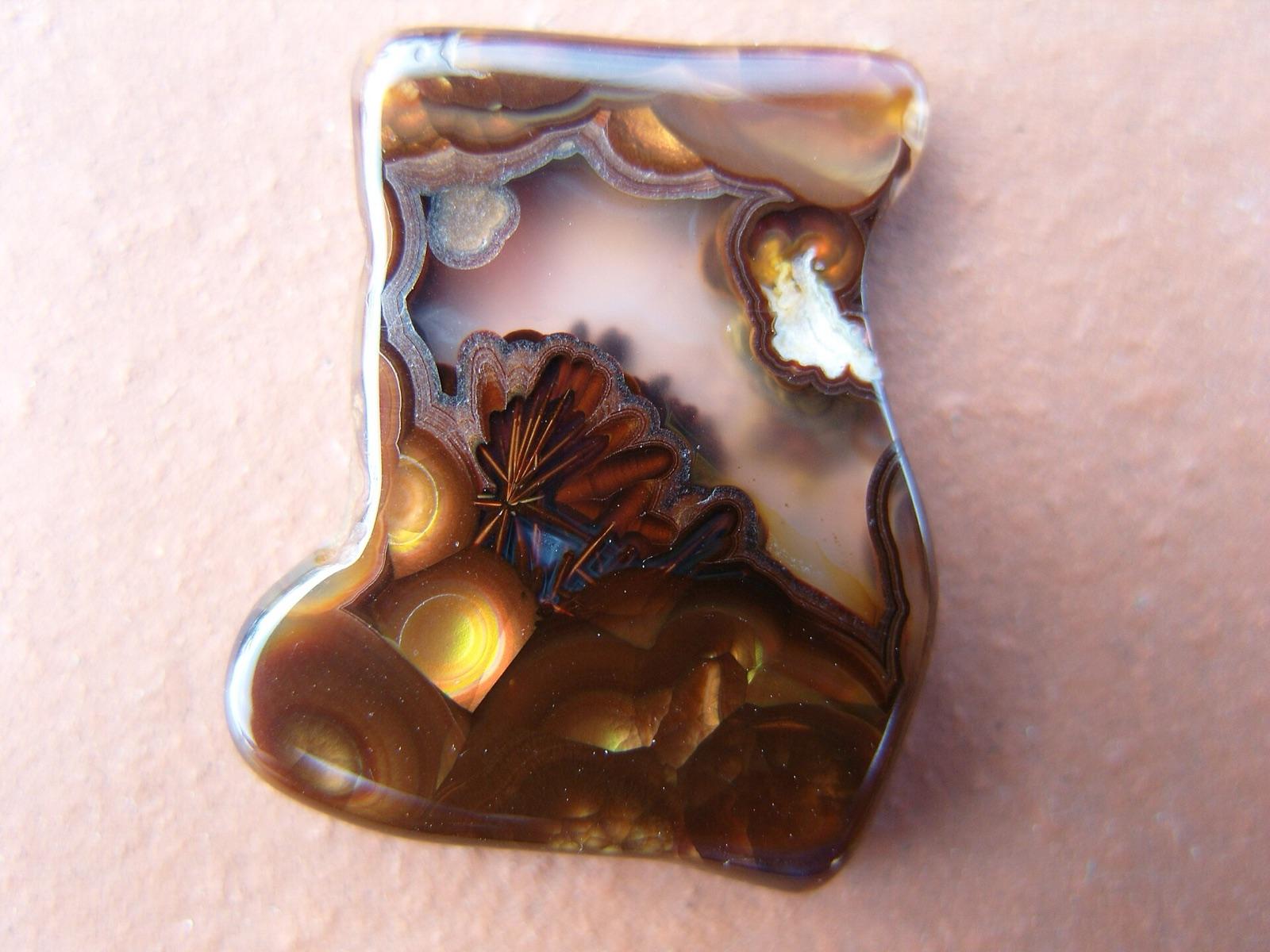
The Wiley Well and Mule Mountains area is one of California's best documented public desert collecting districts, with BLM specifically identifying the Wiley Well District Geode Beds for rockhounding.
Chalcedony, Fire Agate
 Top pick
San Bernardino County
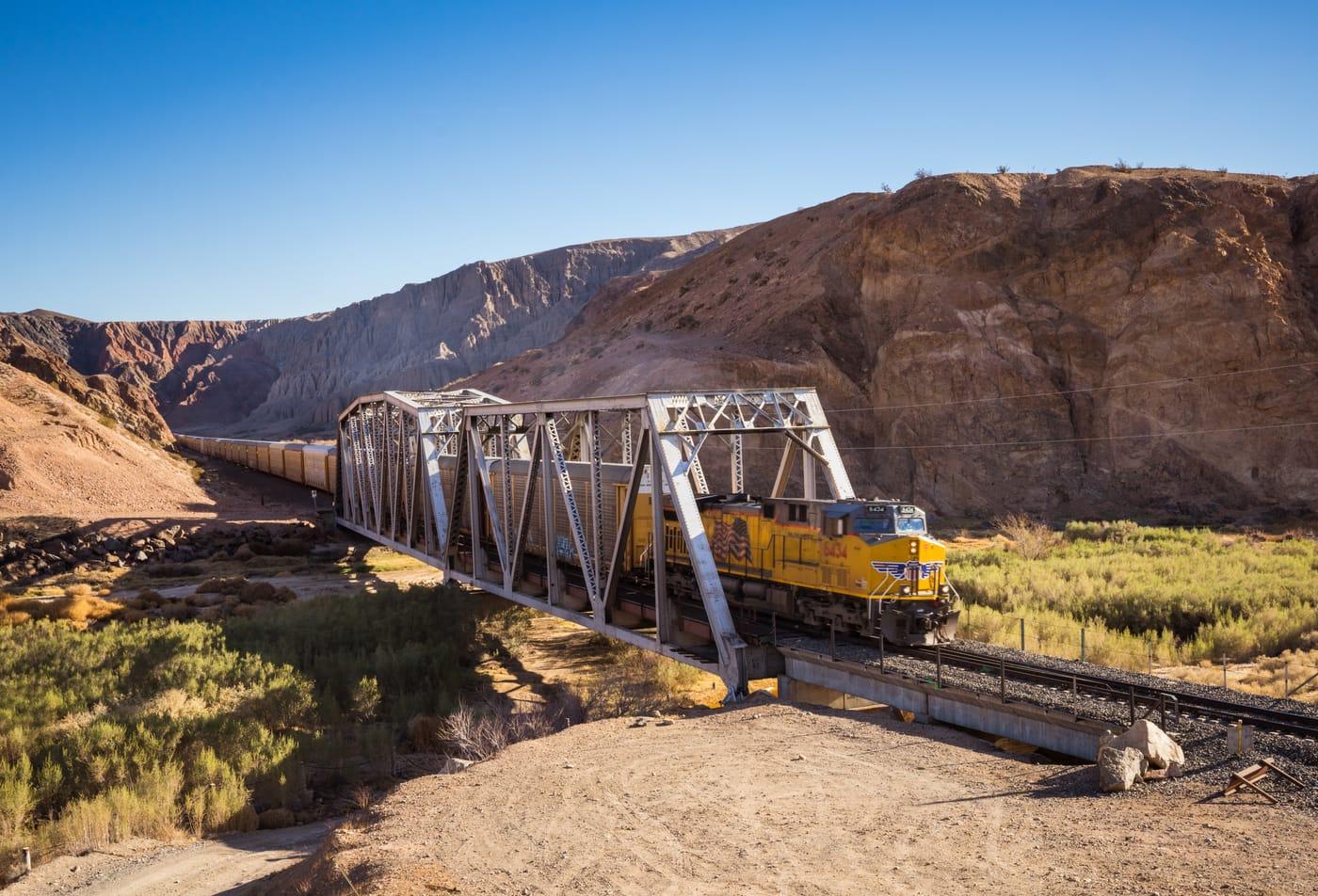
Afton Canyon pairs documented BLM rockhounding access with a strong Mojave silica suite: Mindat lists opal, opalite, chalcedony, plume agate, agate-jasper, petrified wood, and jasper in the canyon area.
Opalite, Jasper
 Top pick
Kern County
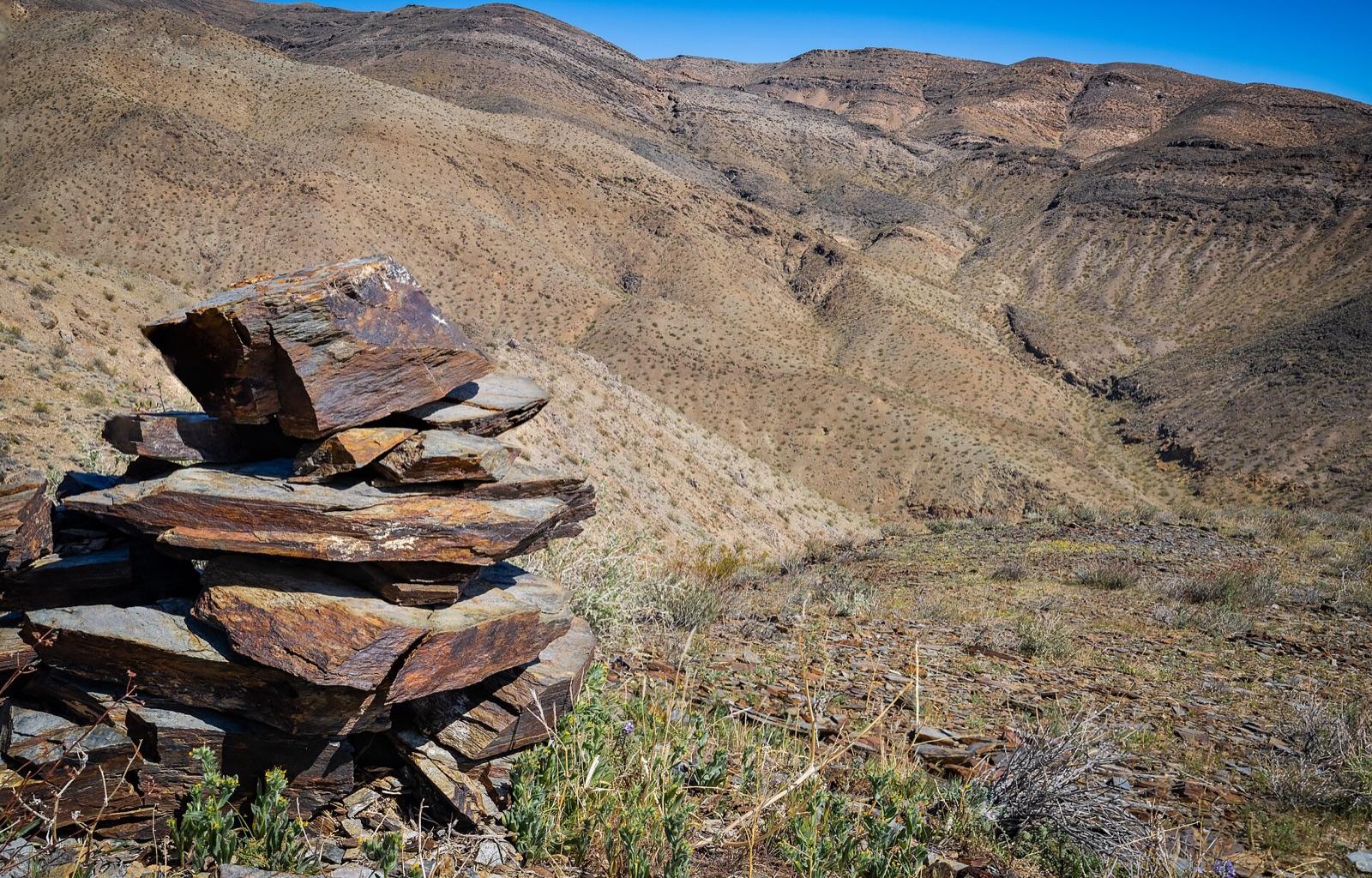
The El Paso Mountains stand out because BLM identifies the area as a place where rock hounds find material among dark volcanic mesas, red buttes, and fossil-bearing badlands.
Agate, Opal, Jasper, Gold
 Top pick
Kern County
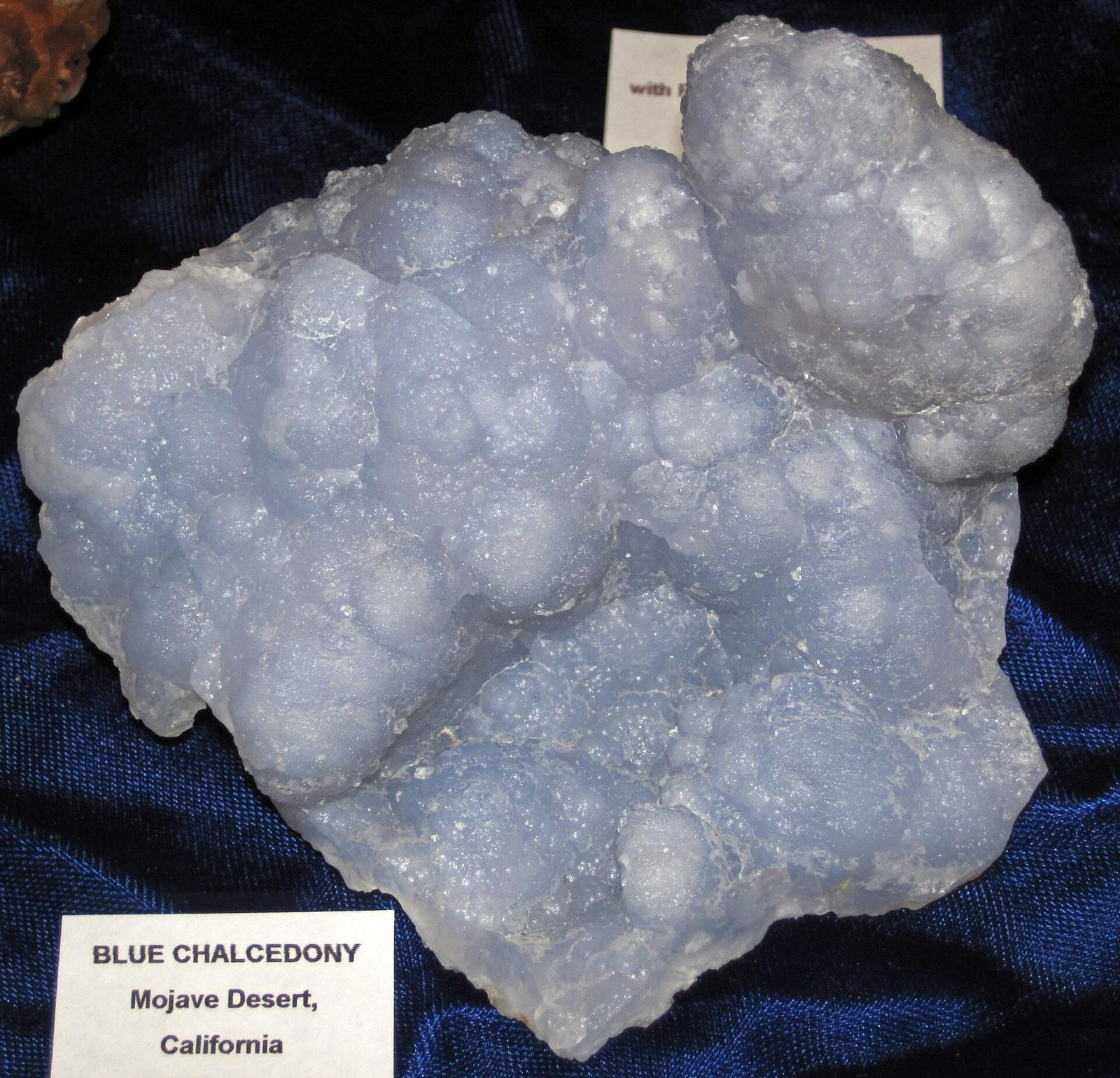
Gem Hill is a focused Kern County silica locality, with Mindat recording agate, chalcedony, iris agate, jasper, petrified wood, native gold, and uranium minerals nearby.
Agate, Chalcedony, Jasper, Uraninite
6 places in California where you pay to dig and keep what you find. Prices and seasons change, so check with the operator before you drive out.
82 clubs in California. Clubs run field trips, shows and workshops, and many trips go to private claims you can't reach alone.
Open the RockHoundR app to see California on a real map with public land overlays, weather, geology, and your saved finds.