
Big Bend region (West Texas)
Balmorhea blue agate (Stillwell, Woodward, Walker ranches, fee-dig only), Big Bend plume agates, opal, and red plume jasper. National park is off-limits.
Updated August 2026
95 mapped spots for rock hunting and rock collecting across 50 counties. Texas rockhounding spans agate fields in the Big Bend region, petrified palm wood across the south and east, and limestone fossils across most of the state. Public-collecting opportunities are concentrated on TPWD lands and a network of fee-dig sites.
The best rockhounding in Texas is at Colorado River at Smithville in Bastrop County (petrified palm wood, petrified wood), Llanite Roadcut on Highway 16 in Llano County (llanite, blue quartz), and Mineral Wells Fossil Park in Palo Pinto County (crinoid stem, brachiopod). In total, 95 mapped collecting spots across 50 counties produce agate, jasper, and petrified wood, each listed below with its land access.
 Best spotBrazos River at Brazos Park EastMcLennan County, TexasPublic access · Petrified Wood, Agatized Wood, Agate +2Best spotDavy Crockett National Forest (Ratcliff Lake)Houston County, TexasPublic access · Petrified Wood, Agatized Wood, Jasper +2Best spotLadonia Fossil ParkFannin County, TexasPublic access · Fossilized Shark Tooth, Ammonite, Mosasaur Tooth +2Best spotMineral Wells Fossil ParkPalo Pinto County, TexasPublic access · Crinoid Stem, Brachiopod, Echinoid +2Best spotSam Houston National Forest (Double Lake)San Jacinto County, TexasPublic access · Petrified Palm Wood, Petrified Wood, Agate +2Best spotLlano River at Grenwelge ParkLlano County, TexasPublic access · Blue Quartz, Quartz, Almandine Garnet +1Best spotLyndon B. Johnson National Grassland (Black Creek Lake)Wise County, TexasPublic access · Fossilized Oyster, Agate, Petrified Wood +1Best spotWhiskey Bridge (Brazos River)Burleson County, TexasPublic access · Fossil Snail, Fossilized Shell, Coral +1Best spotColorado River at SmithvilleBastrop County, TexasPublic access · Petrified Palm Wood, Petrified Wood, AgateBest spotLlanite Roadcut on Highway 16Llano County, TexasPublic access · Llanite, Blue Quartz
 Chinati MtsPresidio County, TexasPublic access · Fluorite, Galena, Argentite +5Plata Verde MineHudspeth County, TexasPublic access · Anglesite, Barite, Bromargyrite +5TerlinguaBrewster County, TexasPublic access · Calcite, Calomel, Cinnabar +5Fly Gap Road pegmatitesMason County, TexasPublic access · Amazonite, Feldspar, Smoky Quartz +4Quitman Mountains (South)Hudspeth County, TexasPublic access · Agate, Amethyst, Carnelian +3Ranches W of MasonMason County, TexasPublic access · Amazonite, Feldspar, Quartz +3StreeterMason County, TexasPublic access · Amazonite, Feldspar, Smoky Quartz +3General AreaBrewster County, TexasPublic access · Moss Agate, Plume Agate, Chalcedony +2W side of Glass MountainsBrewster County, TexasPublic access · Moss Agate, Plume Agate, Chalcedony +2Btwn Groveton & TrinityTrinity County, TexasPublic access · Agate, Chalcedony, Jasper +1Eagle PassMaverick County, TexasPublic access · Agate, Amber, Chalcedony +1LopenoZapata County, TexasPublic access · Agate, Agatized Wood, Chalcedony +1Moss Ranch area near Enchanted RockLlano County, TexasPublic access · Epidote, Pink Feldspar, Quartz +1Rio Grande River AreaWebb County, TexasPublic access · Agate, Agatized Wood, Chalcedony +1Terlingua CreekBrewster County, TexasPublic access · Amber, Agate, Chalcedony +1Bonanza MineHudspeth County, TexasPublic access · Chalcopyrite, Galena, SphaleriteBroad area around BediasGrimes County, TexasPublic access · Tektite, Black Diamond, Fire PearlChinati MtsPresidio County, TexasPublic access · Agate, Chalcedony, JasperErdman FarmKarnes County, TexasPublic access · Petrified Palm Wood, Opalized Wood, FossilFalcon Lake General AreaZapata County, TexasPublic access · Agate, Agatized Wood, Jasper
 General AreaEl Paso County, TexasPermission required · Garnet, Mica, Pink SerpentineGeneral AreaLlano County, TexasPublic access · Barite, Serpentine, SoapstoneGravel pits near Rio GrandeHidalgo County, TexasPublic access · Agate, Jasper, Agatized WoodH.D. House Ranch areaLive Oak County, TexasPublic access · Agatized Fern Bud, Jasper, ChalcedonyMarfa and Ft. DavisJeff Davis County, TexasPublic access · Agate, Chalcedony, JasperRio GrandeStarr County, TexasPublic access · Agate, Chalcedony, JasperAgua Fria RanchBrewster County, TexasPublic access · Agate, Agatized WoodAmethyst Hill on Althaus RanchBlanco County, TexasPublic access · Amethyst, CitrineCreek beds & hill slopes between Caldwell & SomervilleBurleson County, TexasPublic access · Petrified Wood, Agatized WoodE of AustinTravis County, TexasPublic access · Agatized Wood, Petrified Palm WoodE of New CaneyMontgomery County, TexasPublic access · Jasper, Petrified Palm WoodGeneral AreaBrewster County, TexasPublic access · Agate, GeodeGeneral AreaReeves County, TexasPublic access · Agate, Petrified WoodHinton CreekSan Saba County, TexasPublic access · Chalcedony, ChertLarge area between CrockettHouston County, TexasPublic access · Jasper, Agatized WoodLlano countyLlano County, TexasPublic access · Topaz, ZirconMoultonLavaca County, TexasPublic access · Agate, Petrified WoodNE side of Carizo MtsCulberson County, TexasPublic access · Limonite, TurquoisePeach CreekGonzales County, TexasPublic access · Agate, Petrified WoodRabb's CreekFayette County, TexasPublic access · Petrified Wood, Opalized WoodRoad cut N of roadNacogdoches County, TexasPublic access · Pyrite, SeleniteSW of FreerDuval County, TexasPublic access · Agate, Silicified WoodThe SlabLlano County, TexasPublic access · Llanite, RhyoliteAlong Plum CreekMoore County, TexasPublic access · Alibates FlintAlong US 67Presidio County, TexasPublic access · Texas Bouquet AgateArea EBrewster County, TexasPermission required · BariteBanks of Llano RiverMason County, TexasPublic access · Crinoid StemBishop RanchPresidio County, TexasPublic access · Texas Bouquet AgateEagle FlatHudspeth County, TexasPublic access · AugiteGeneral AreaBrewster County, TexasPublic access · MoonstoneGeneral AreaChildress County, TexasPublic access · AlabasterGeneral AreaEllis County, TexasPublic access · Fossilized Shark ToothGeneral AreaHudspeth County, TexasPublic access · TurquoiseGeneral AreaLampasas County, TexasPublic access · CelestiteGeneral AreaWebb County, TexasPublic access · Petrified PalmGeneral AreaWise County, TexasPublic access · Pyrite CubeGeneral Area N.E. Lake BridgeportWise County, TexasPublic access · FossilGibbons creekGrimes County, TexasPublic access · TektiteLampasasLampasas County, TexasPublic access · Fluorescent CalciteLarge area btwn Camden and ChesterPolk County, TexasPublic access · Petrified Palm WoodLimestone road cutsCoryell County, TexasPublic access · Turritella AgateLimestone road cutsCoryell County, TexasPublic access · Turritella AgateLittle Lucy CreekLampasas County, TexasPublic access · CelestiteLobo valleyCulberson County, TexasPublic access · Texas Bouquet AgateMathisSan Patricio County, TexasPublic access · Moss AgateMcGee Bend damJasper County, TexasPermission required · Agatized WoodN & E sides of Balmorhea LakeReeves County, TexasPublic access · Balmorhea Blue AgateN of CrossMadison County, TexasPublic access · Petrified WoodN of Lake LivingstonTrinity County, TexasPublic access · Petrified Palm WoodNails Creek ParkLee County, TexasPermission required · TektiteNeedle PeakPresidio County, TexasPermission required · AgateNew BraunfelsComal County, TexasPublic access · Petrified WoodPalo Duro CanyonRandall County, TexasPublic access · Agatized WoodPecos River AreaVal Verde County, TexasPublic access · FossilPecos River AreaVal Verde County, TexasPublic access · BaritePrairie Dog Town Fork of Red RiverArmstrong County, TexasPublic access · Agatized WoodRoad cut on E side of US 87Gillespie County, TexasPublic access · FossilS side of US 287Ellis County, TexasPublic access · Fossil Leaf PrintSeven Hearts GapCulberson County, TexasPublic access · BariteSides of creekEllis County, TexasPublic access · PyriteSierra BlancHudspeth County, TexasPublic access · TurquoiseStillwell Ranch N of Big Bend Natl ParkBrewster County, TexasPublic access · AgateStream gravels around FredericksburgGillespie County, TexasPublic access · Almandine GarnetTessman FarmKarnes County, TexasPublic access · Agatized Palm WoodThe SolitarioPresidio County, TexasPermission required · Galena
Representative spot and material photos from locations in this state, shown where verified public image records are available.
Counts reflect how many spots in this list mention each mineral.
Notable areas: Balmorhea agate, Big Bend agate (outside the park), Texas petrified palm wood, and Cretaceous fossils are common targets.
Texas is over 95% private land, so access matters as much as geology. The Big Bend region exposes Cretaceous limestones and Tertiary volcanics, including sources for Balmorhea blue agate and Big Bend plume agate. The Eagle Ford and Austin Chalk produce ammonites and shark teeth. South and east Texas Pleistocene gravels yield petrified palm wood, the state stone.
Balmorhea blue agate (Stillwell, Woodward, Walker ranches, fee-dig only), Big Bend plume agates, opal, and red plume jasper. National park is off-limits.
Cretaceous fossils (ammonites, oysters, mosasaur fragments) in road cuts and creek beds. Ladonia Fossil Park (paleontology park) is open to the public.
Texas petrified palm wood in Pleistocene gravels along the Brazos, Colorado, and Sabine rivers. Often on private ranchland, get permission.
Shark teeth, agatized coral, petrified wood, and Pleistocene shells on public beaches like Galveston, North Padre, and Bolivar.
October through April for Big Bend. For Central Texas fossils, spring creek floods can refresh gravel bars. Gulf Coast beach hunting improves after fronts push shells and gravel onshore.
West Texas: rattlesnake-aware boots, gallon-per-person water, sun shade. Fossil hunting: a small pick, brushes, and consolidant for fragile finds. Beach: a mesh bag and a stiff sifter.
Texas petrified palm wood was designated the state stone in 1969. Big Bend agate hunting dates back to ranch lease arrangements set up in the 1950s, many of the same families (Woodward, Stillwell) still operate the fee digs today.
Day-trip range. Each section lists the closest mapped rockhounding spots within about 150 miles of the city. Most are inside a 2 to 3 hour drive.
6 closest spots to Houston, TX.
6 closest spots to San Antonio, TX.
6 closest spots to Dallas, TX.
Geology rarely respects state borders. These states share mapped rockhounding country with Texas, useful when Texas is the start, not the whole trip. Each card links to the closest county across the line.
County pages are linked once we have at least 3 mapped spots for a focused guide with coordinates, mineral notes, and nearby spots.
Hand-picked standouts from the Texas list, chosen for unusual mineralogy, documented public access, or both. Each card links to coordinates, access notes, and what to look for.
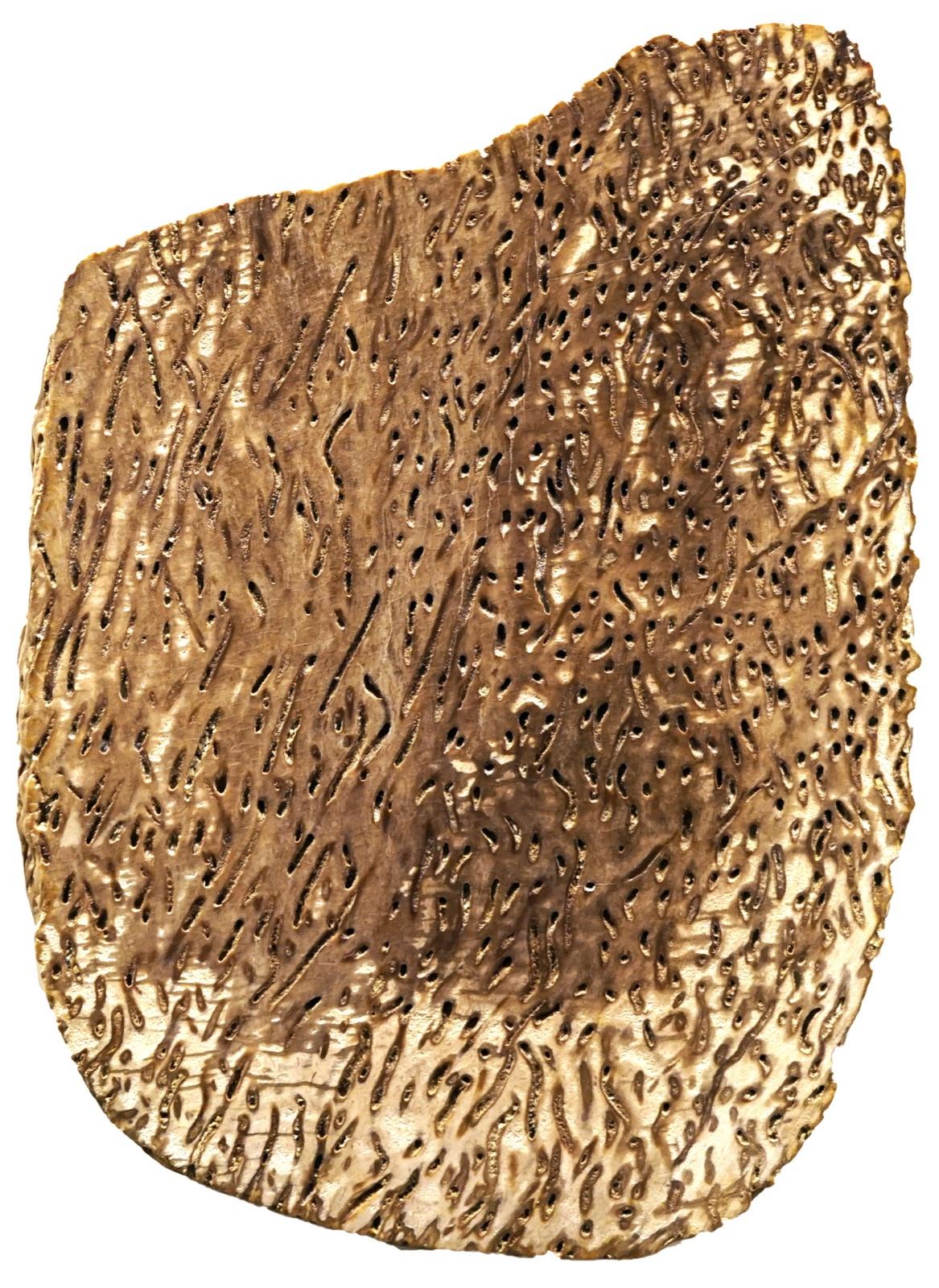 Top pick
Bastrop County
The Colorado River at Smithville is a navigable Texas river, so its bed is state-owned public land, and the City of Smithville maintains free river access at Vernon L. Richards Riverbend Park beneath the Highway 71 bridges.
Petrified Palm Wood, Petrified Wood, Agate
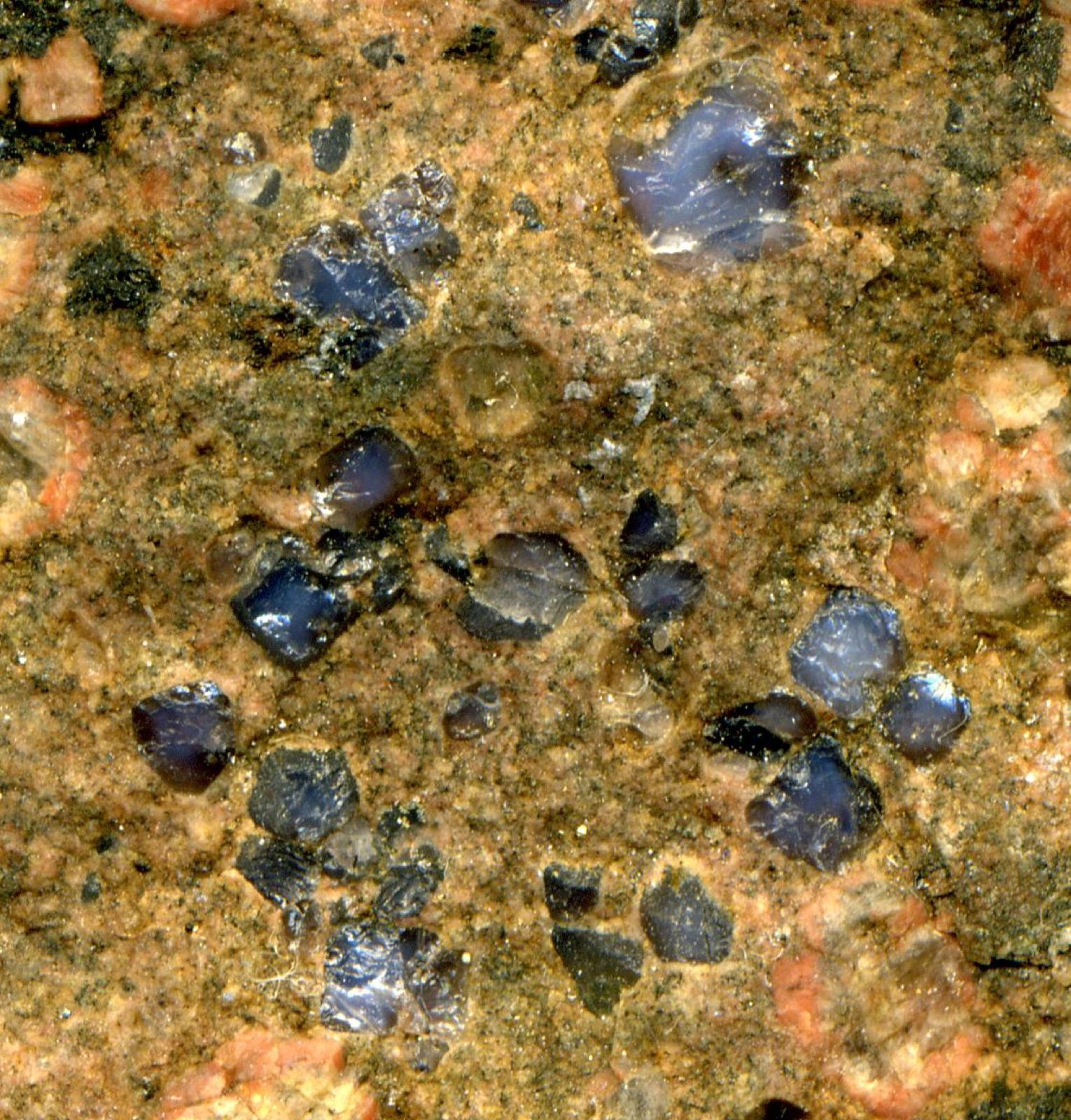 Top pick
Llano County
The roadcut on Texas Highway 16 about nine miles north of Llano slices through the only known outcrop of llanite, a 1.1-billion-year-old rhyolite porphyry flecked with blue quartz crystals found essentially nowhere else on Earth.
Llanite, Blue Quartz
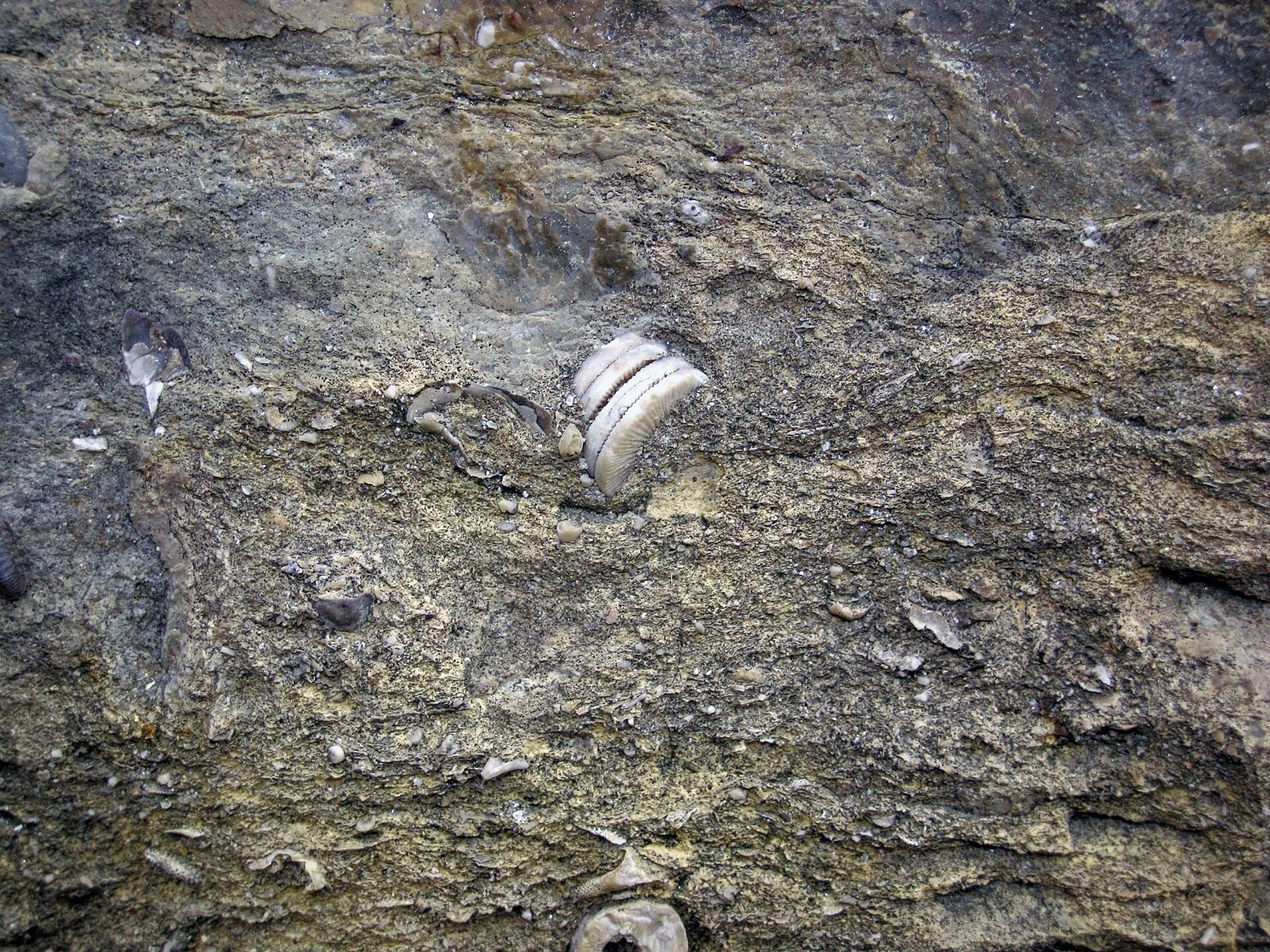 Top pick
Palo Pinto County
Mineral Wells Fossil Park exposes Pennsylvanian marine shale roughly 300 million years old, where eroded slopes yield abundant crinoid stems, brachiopods, sea urchins, and bivalves.
Crinoid Stem, Brachiopod, Echinoid, Bivalve
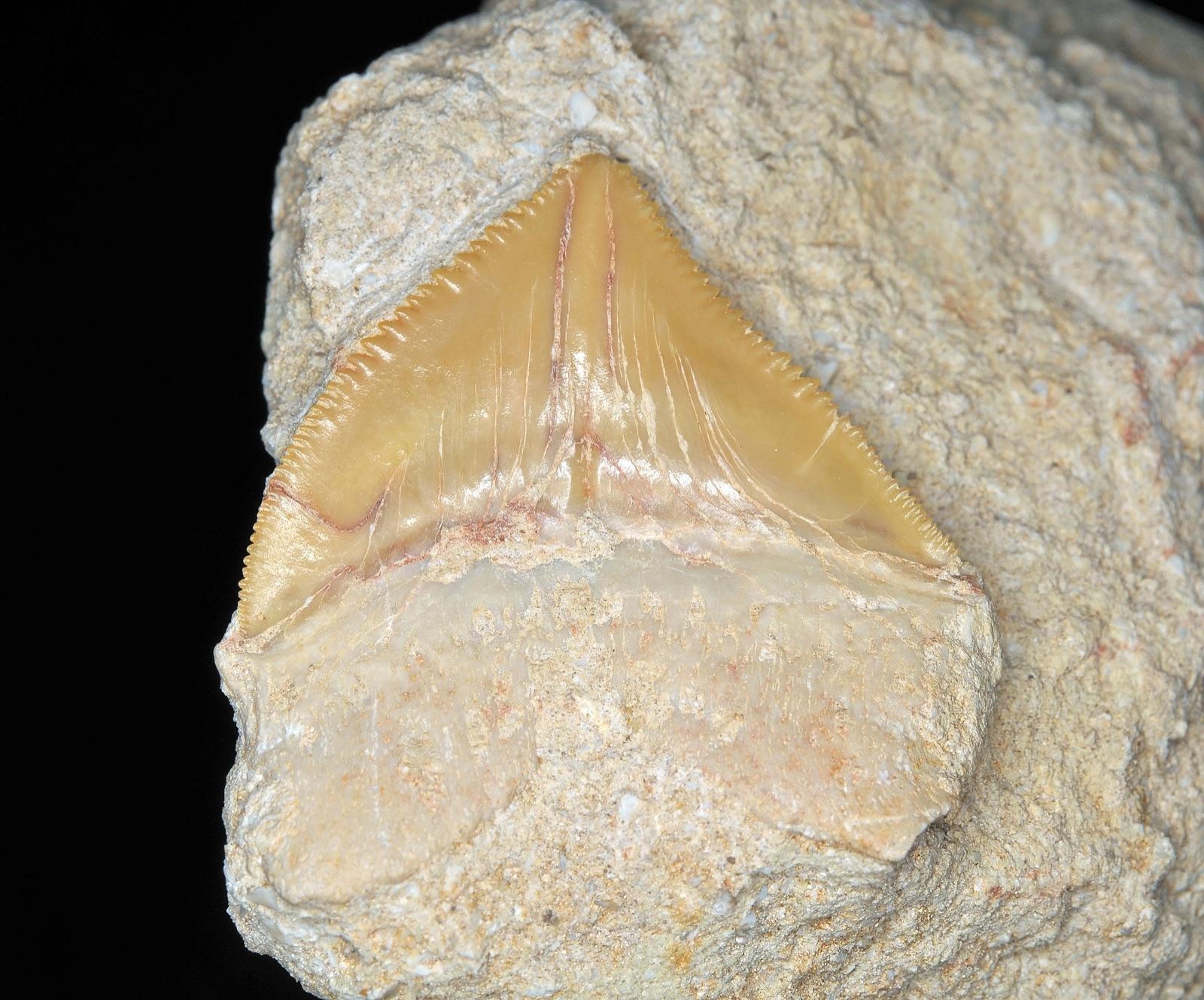 Top pick
Fannin County
The North Sulphur River channel at Ladonia cuts into Late Cretaceous marine beds that yield shark teeth, mosasaur teeth and bone, ammonites, and Exogyra oysters.
Fossilized Shark Tooth, Ammonite, Mosasaur Tooth, Fossilized Oyster
 Top pick
Burleson County
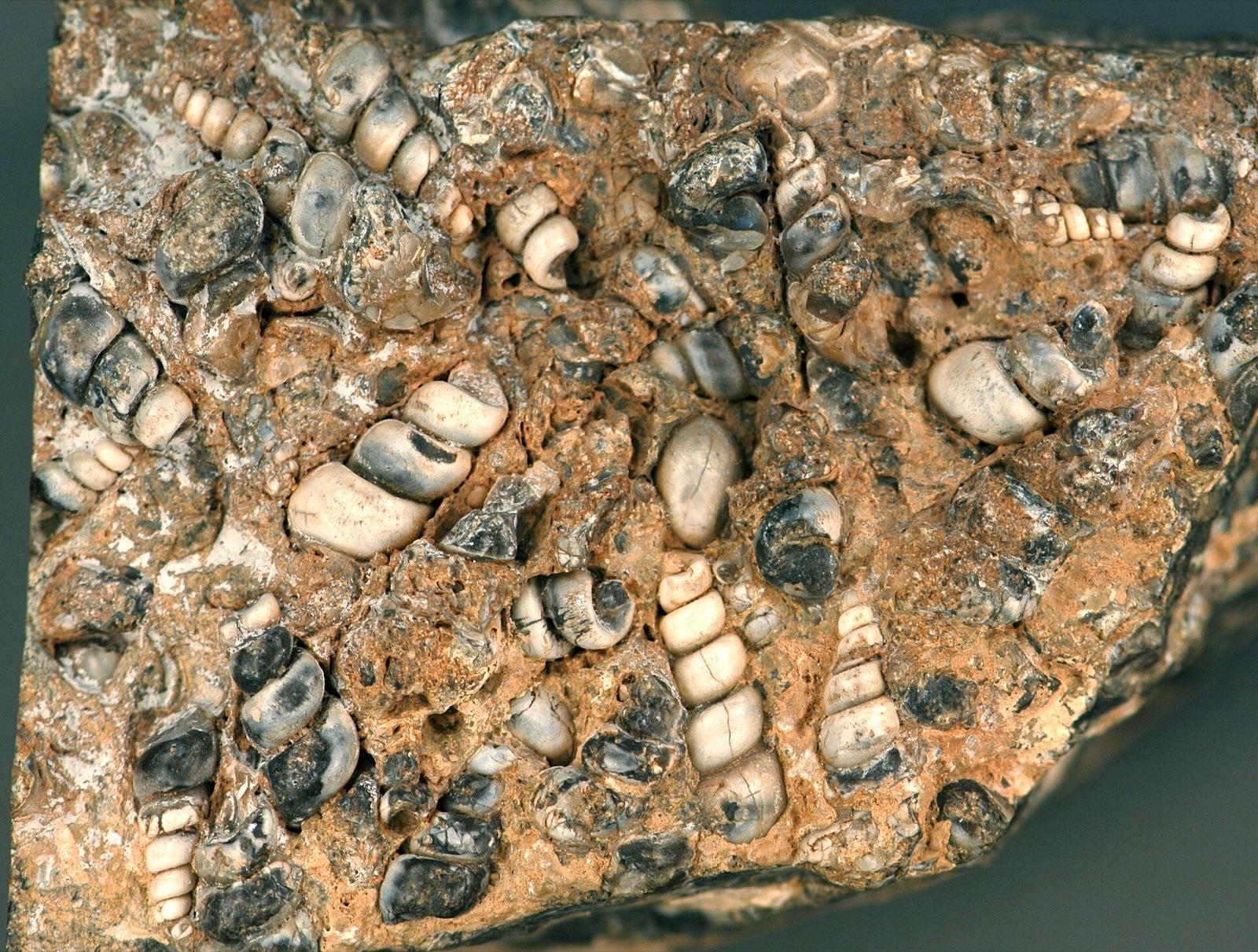
Whiskey Bridge exposes the Stone City beds of the Eocene Crockett Formation, widely regarded as the most fossiliferous marine outcrop in Texas, with well over 200 identified species.
Fossil Snail, Fossilized Shell, Coral, Scaphopod
 Top pick
McLennan County
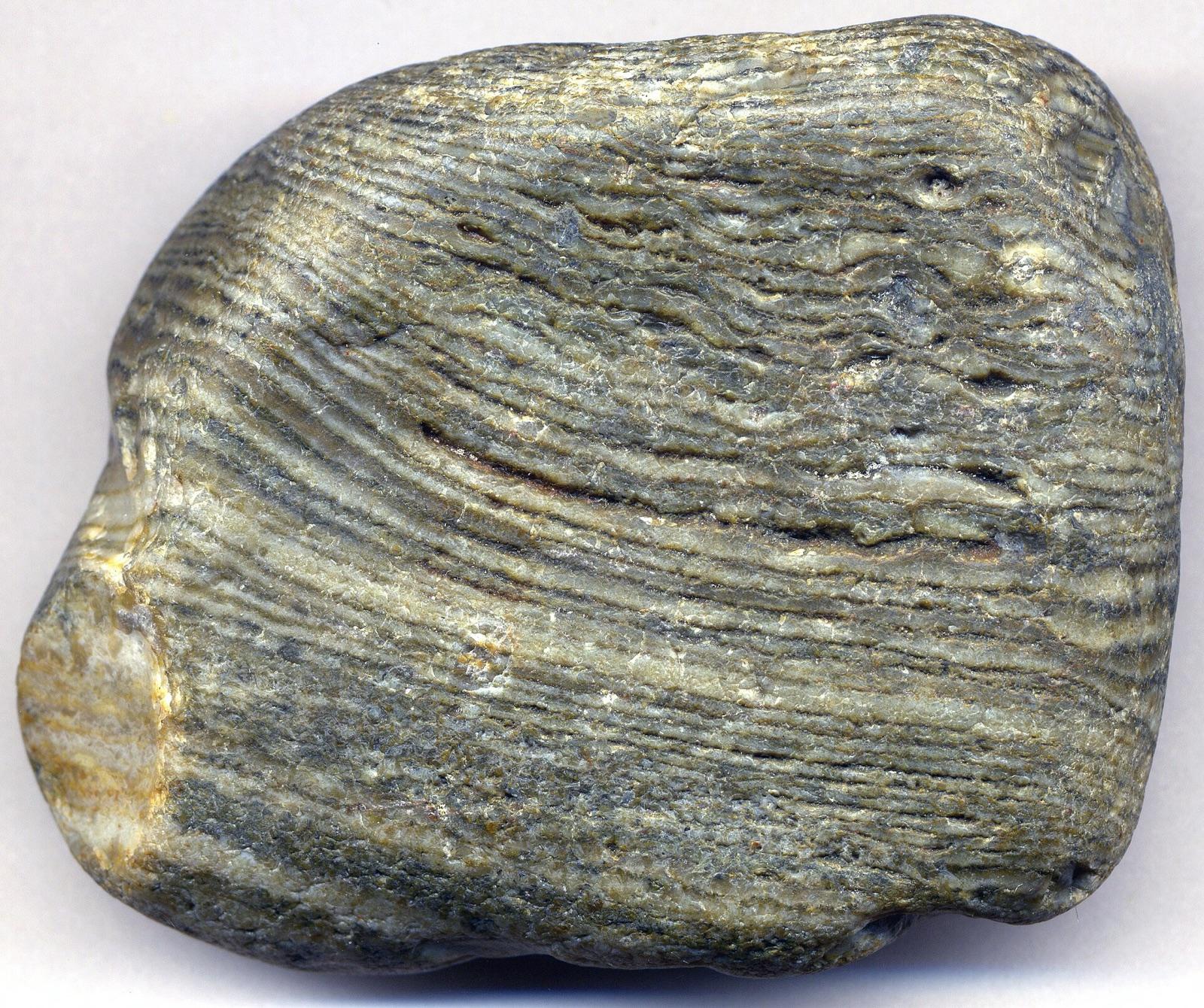
The Brazos is a navigable Texas river, so its bed is state-owned and open to public use where reached from a public access point.
Petrified Wood, Agatized Wood, Agate, Jasper
 Top pick
Llano County
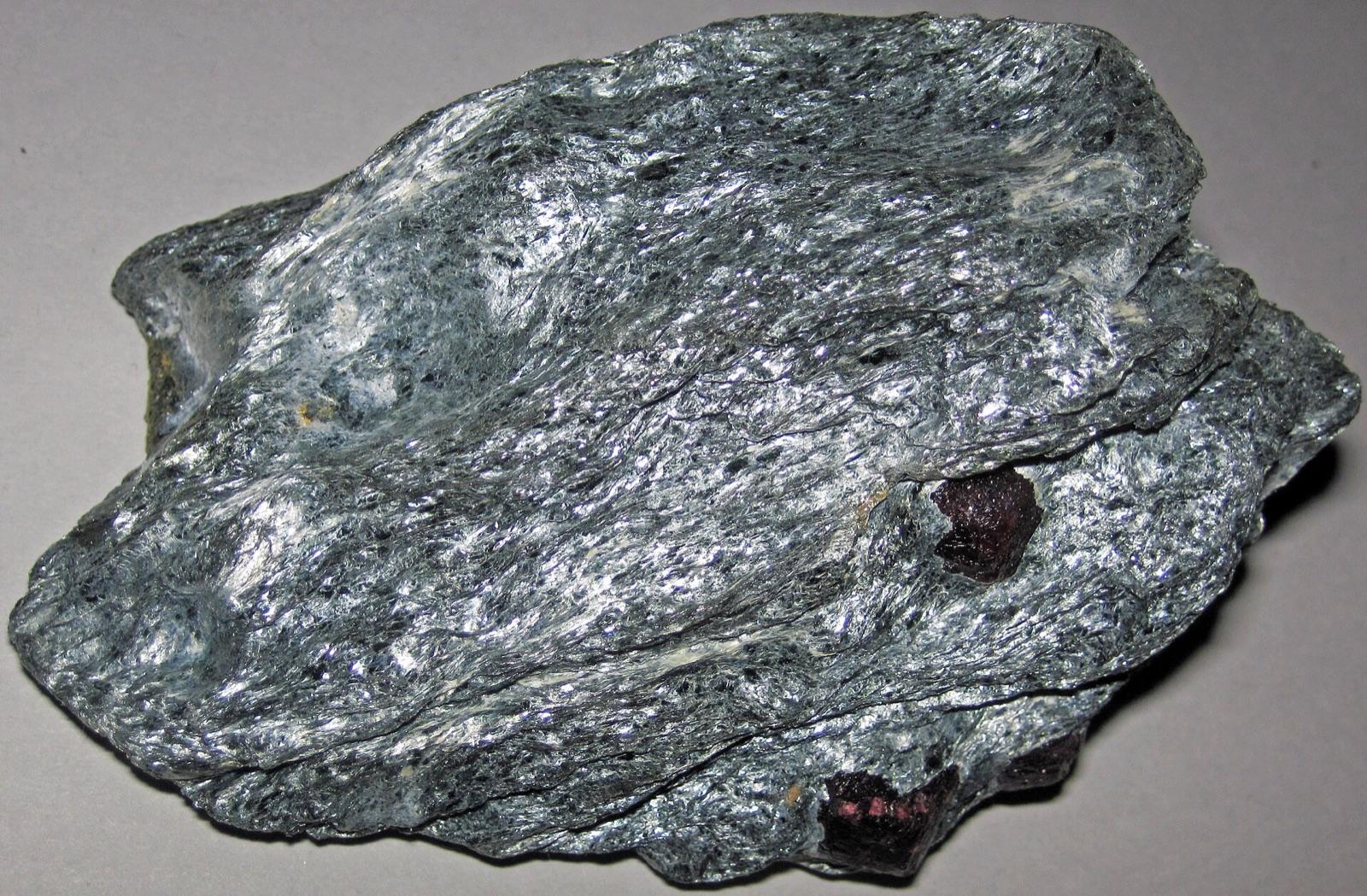
The Llano River cuts through the Precambrian Llano Uplift, so its gravels carry granite, gneiss, schist, garnet, and quartz, including the blue quartz that defines local llanite.
Blue Quartz, Quartz, Almandine Garnet, Granite
 Top pick
Houston County
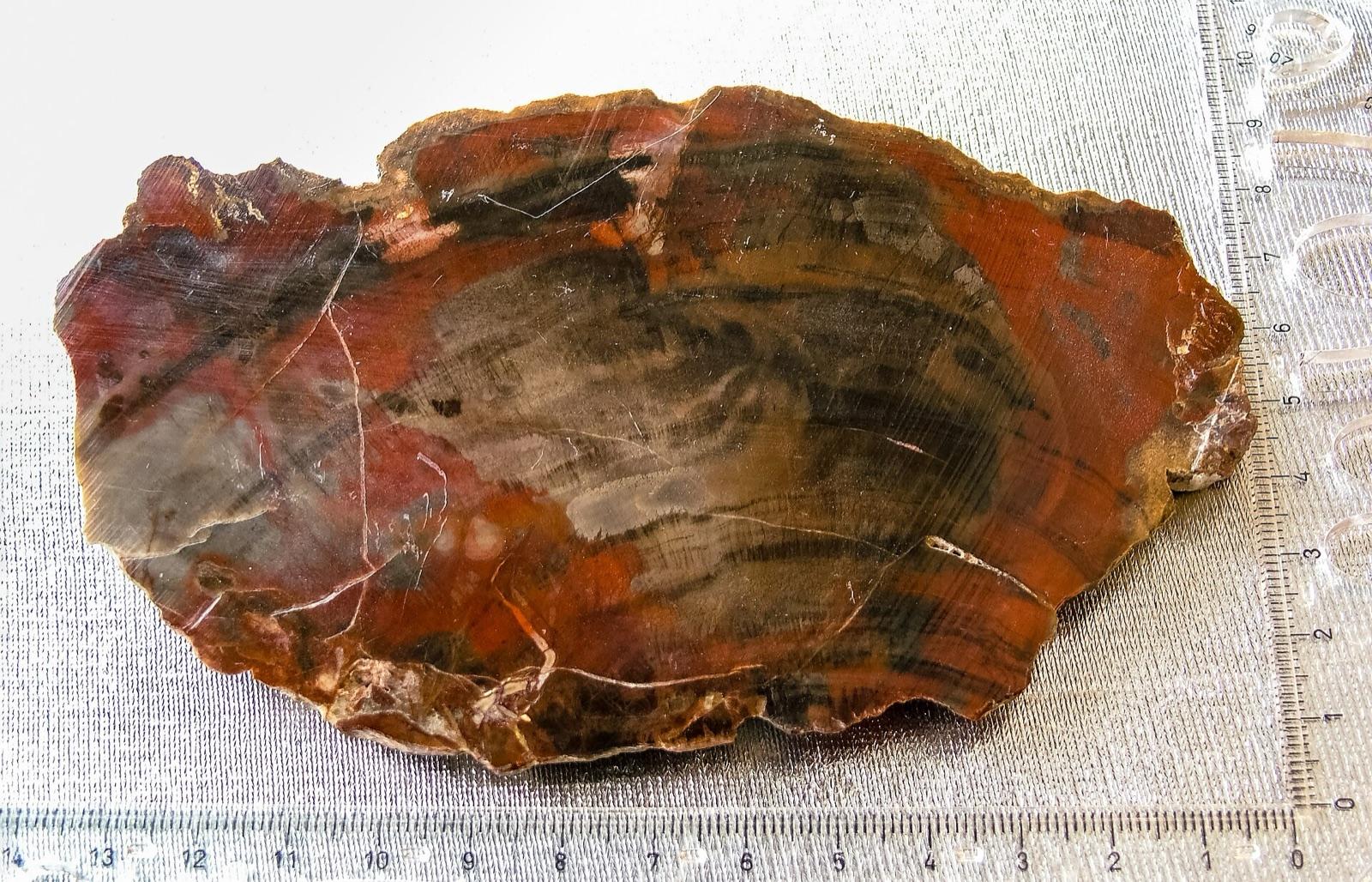
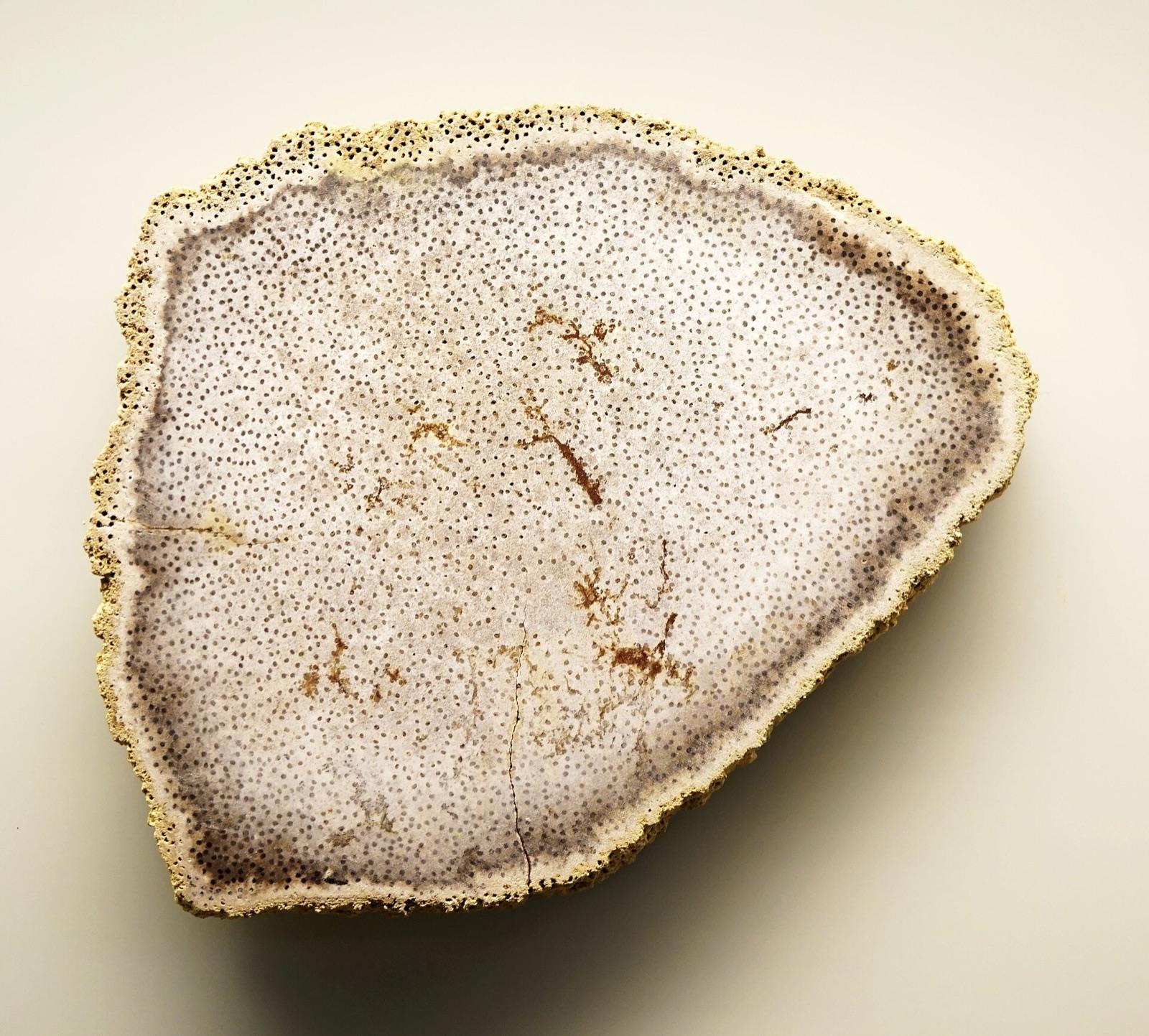
The Davy Crockett National Forest sits in the petrified-wood belt of East Texas, where silicified and agatized wood weathers out of Catahoula and Manning Formation gravels alongside jasper and agate.
Petrified Wood, Agatized Wood, Jasper, Agate
 Top pick
San Jacinto County
Sam Houston National Forest carries petrified palm wood, the official Texas state stone since 1969, along with agate, jasper, and chalcedony weathered from young Gulf Coastal Plain gravels.
Petrified Palm Wood, Petrified Wood, Agate, Jasper
 Top pick
Wise County
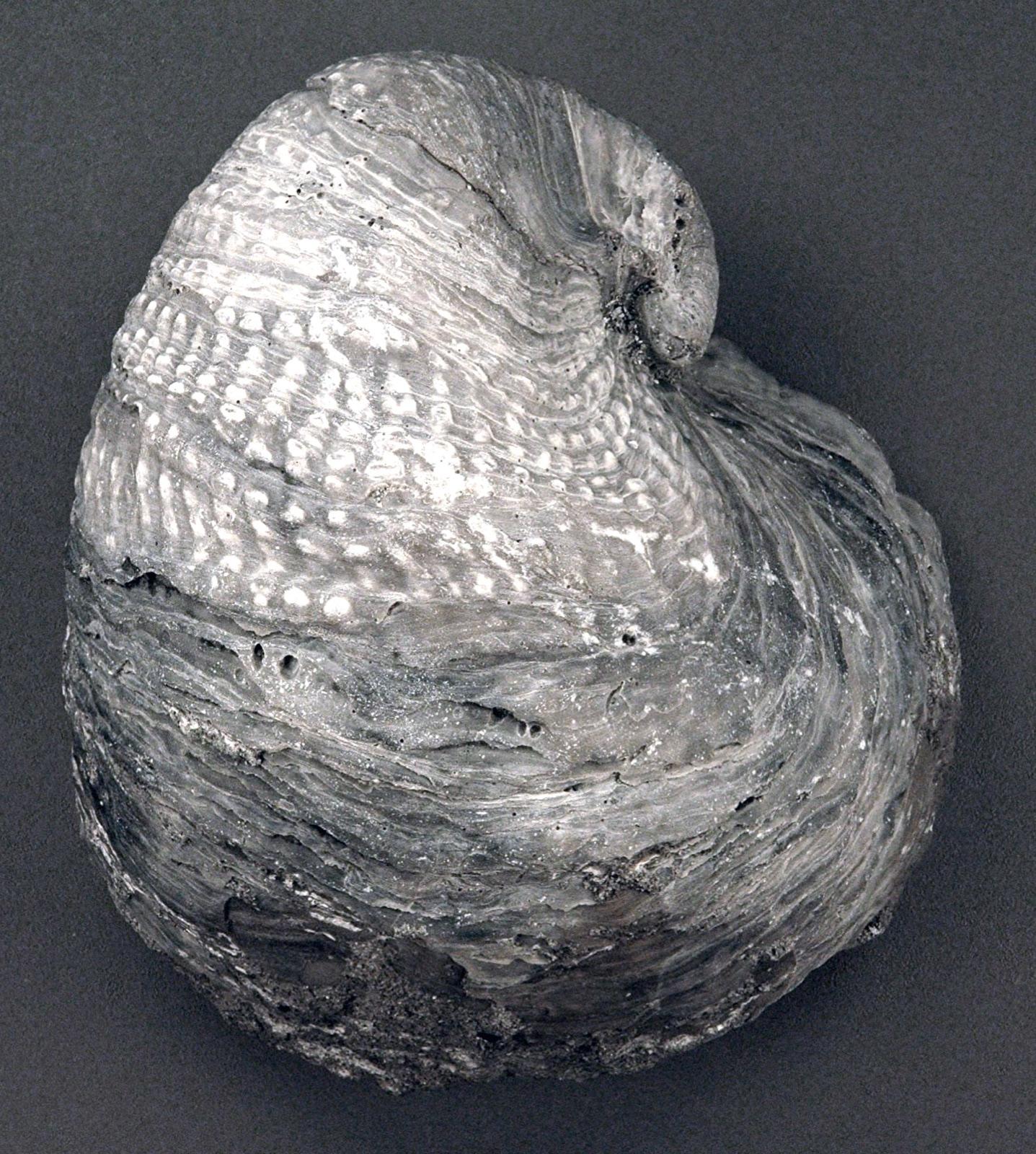
The Lyndon B. Johnson National Grassland exposes Cretaceous limestone full of fossil oysters along its ridges, plus agate, chert, and petrified wood in its sandy soils.
Fossilized Oyster, Agate, Petrified Wood, Chert
25 clubs in Texas. Clubs run field trips, shows and workshops, and many trips go to private claims you can't reach alone.
Open the RockHoundR app to see Texas on a real map with public land overlays, weather, geology, and your saved finds.

