
Gulf shark-tooth beaches (Sarasota, Charlotte)
Venice, Caspersen, and Englewood beaches for shark teeth in the swash line, best after storms and offshore dredging. Public beaches allow picking; no permit is needed for shark teeth.
Updated August 2026
42 mapped spots for rock hunting and rock collecting across 27 counties. Florida rockhounding is fossils and agatized coral: shark teeth on the Gulf beaches at Venice and Englewood, Pleistocene mammal bones and teeth in the Peace River, agatized coral from the Tampa Bay and Withlacoochee drainages, chert and calcite in the limestone country around Brooksville and Crystal River, and quartz-lined geodes near Quincy. A state fossil permit is the one rule most newcomers miss.
The best rockhounding in Florida is at Crystal River in Citrus County (calcite, quartz), Brooksville in Hernando County (calcite, echinoid geode), and Hillsborough River in Hillsborough County (brain coral, finger coral). In total, 42 mapped collecting spots across 27 counties produce chert, fossil, and agatized coral, each listed below with its land access.
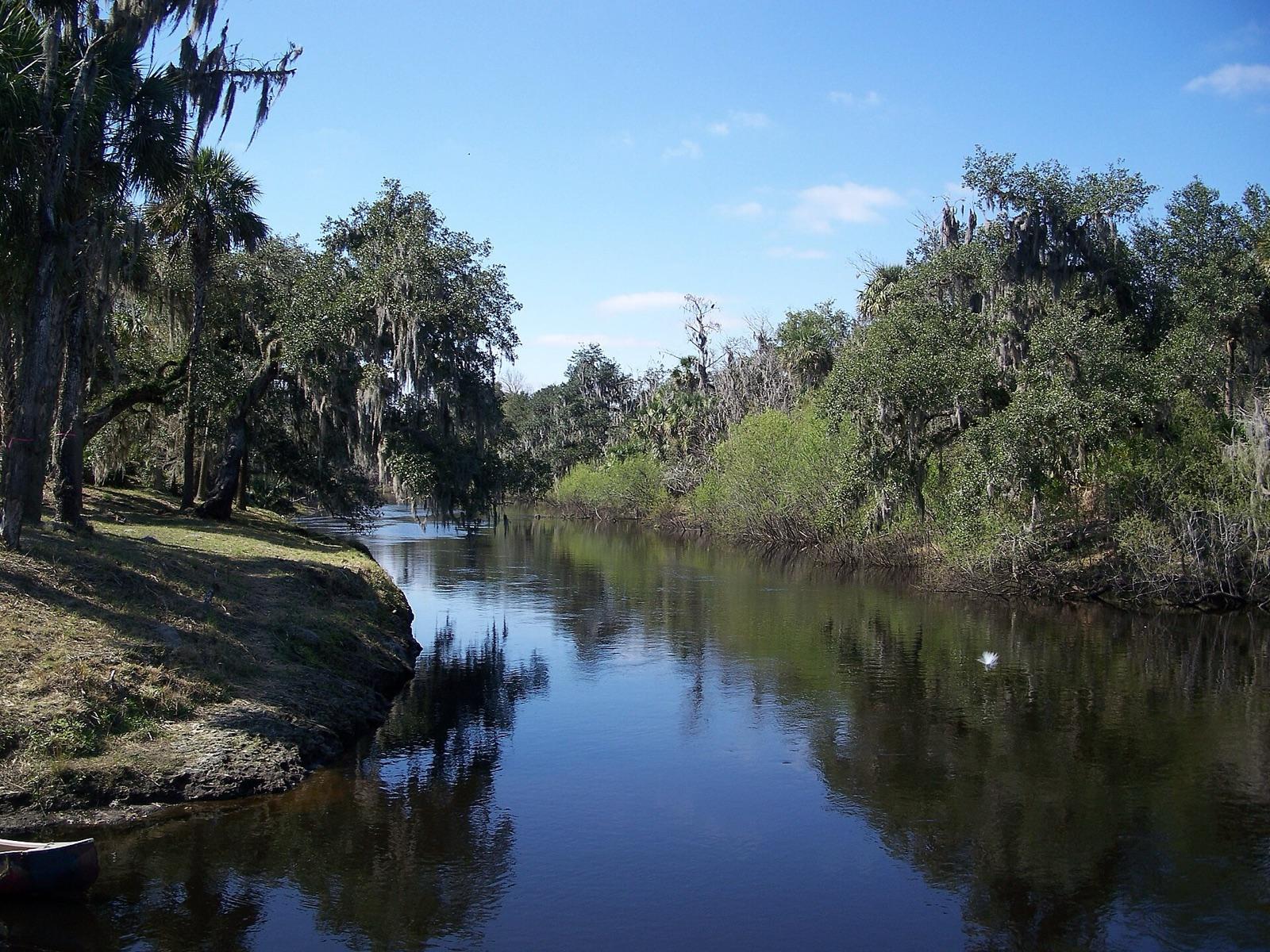 Best spotPeace RiverDeSoto County, FloridaPublic access · Shark Tooth, Megalodon Tooth, Fossil +2
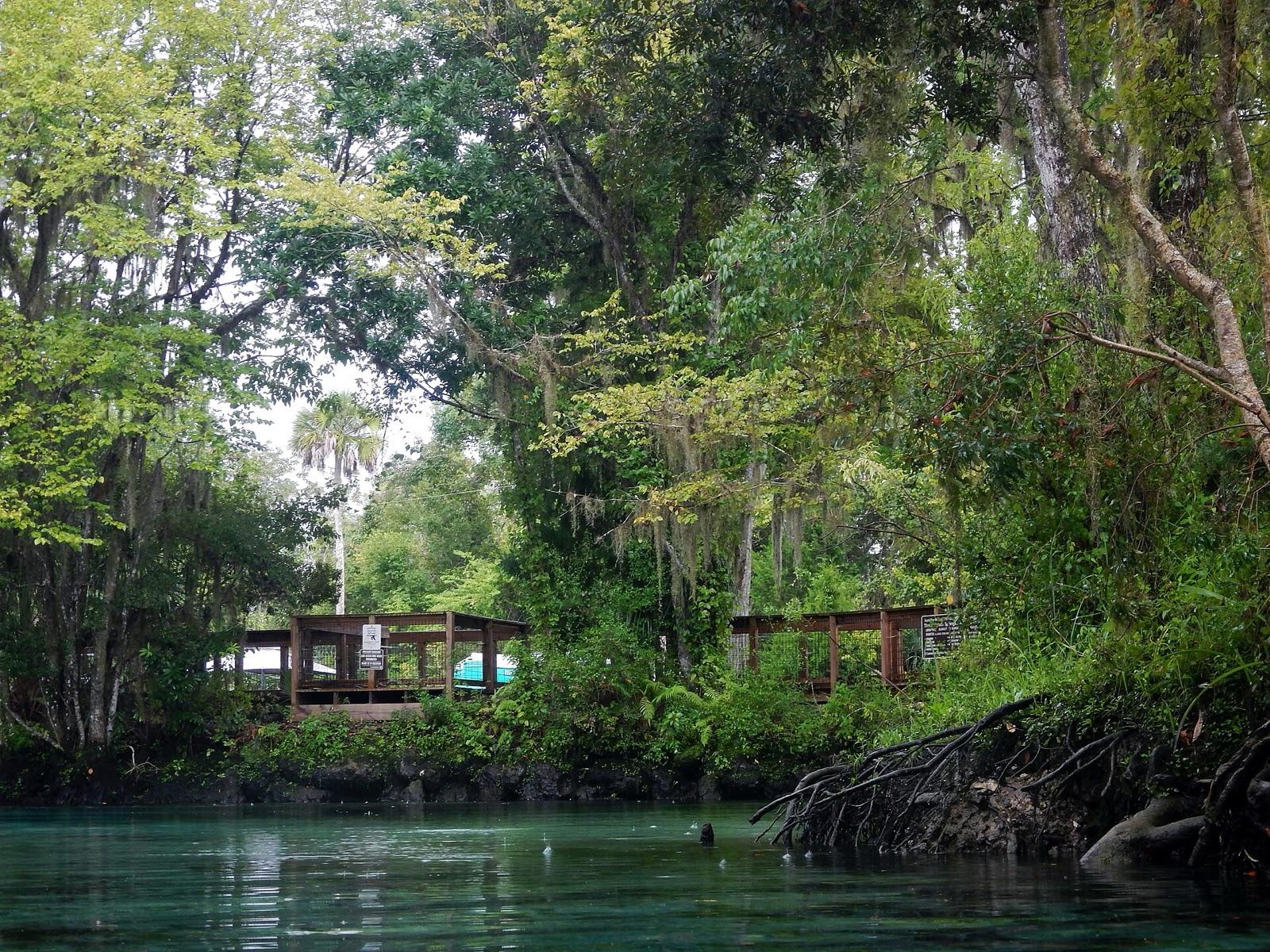 Best spotCrystal RiverCitrus County, FloridaPublic access · Calcite, Quartz, Chert +1
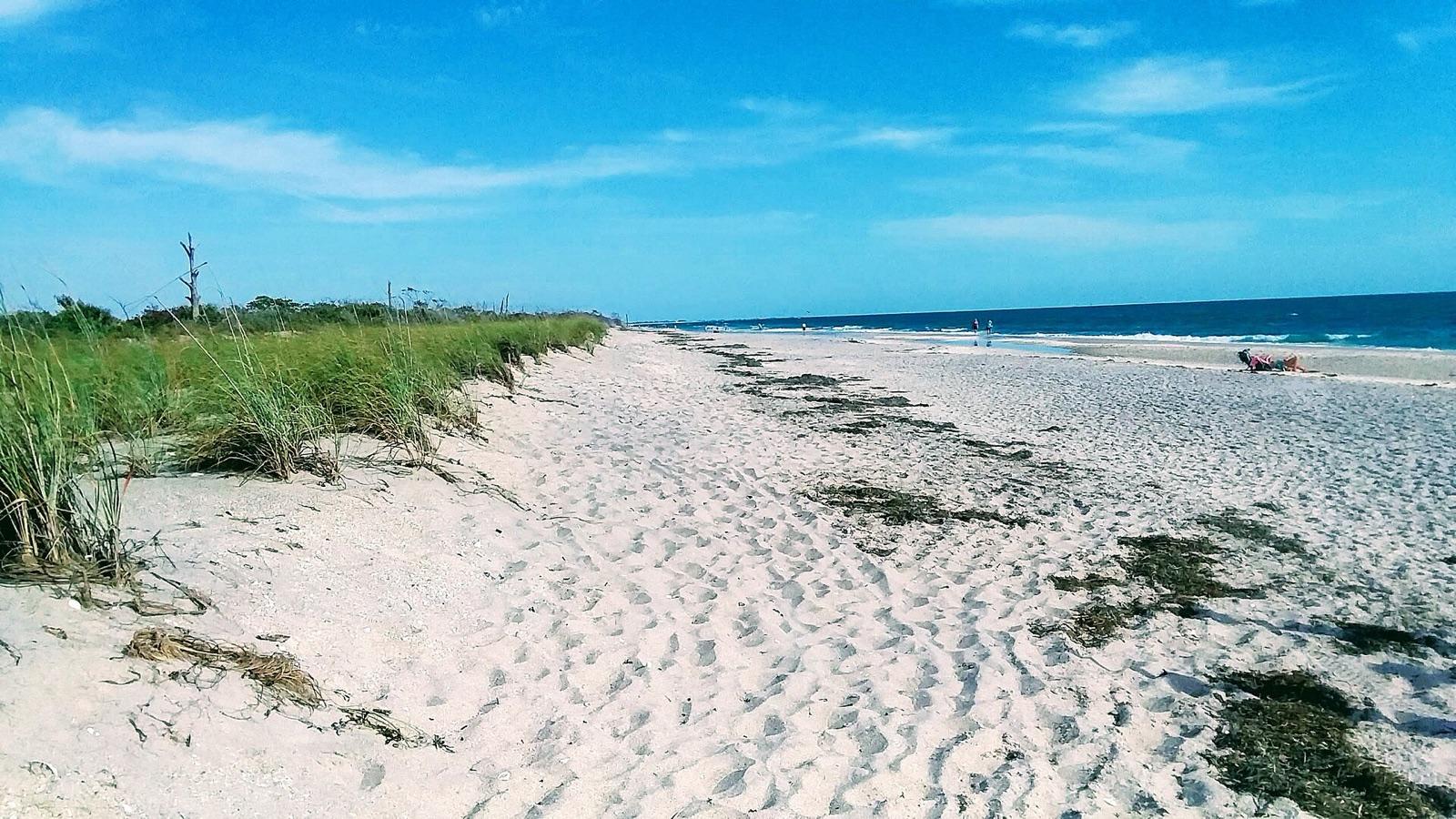 Best spotEnglewood BeachCharlotte County, FloridaPublic access · Fossilized Coral, Shark Tooth, Sponge +1
 Best spotGulf BeachesSarasota County, FloridaPublic access · Fossilized Coral, Shark Tooth, Sponge +1
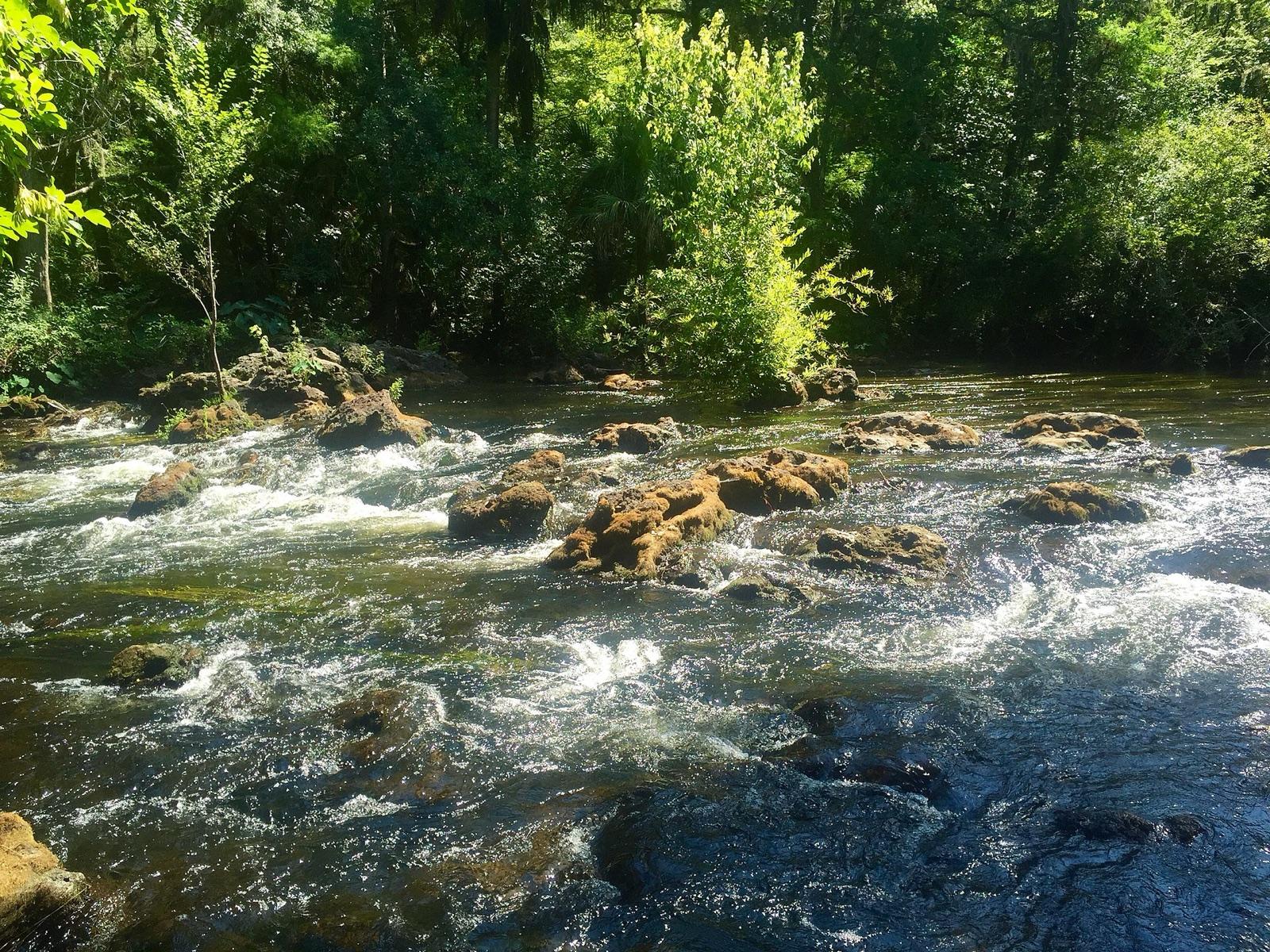 Best spotHillsborough RiverHillsborough County, FloridaPublic access · Brain Coral, Finger Coral, Agate
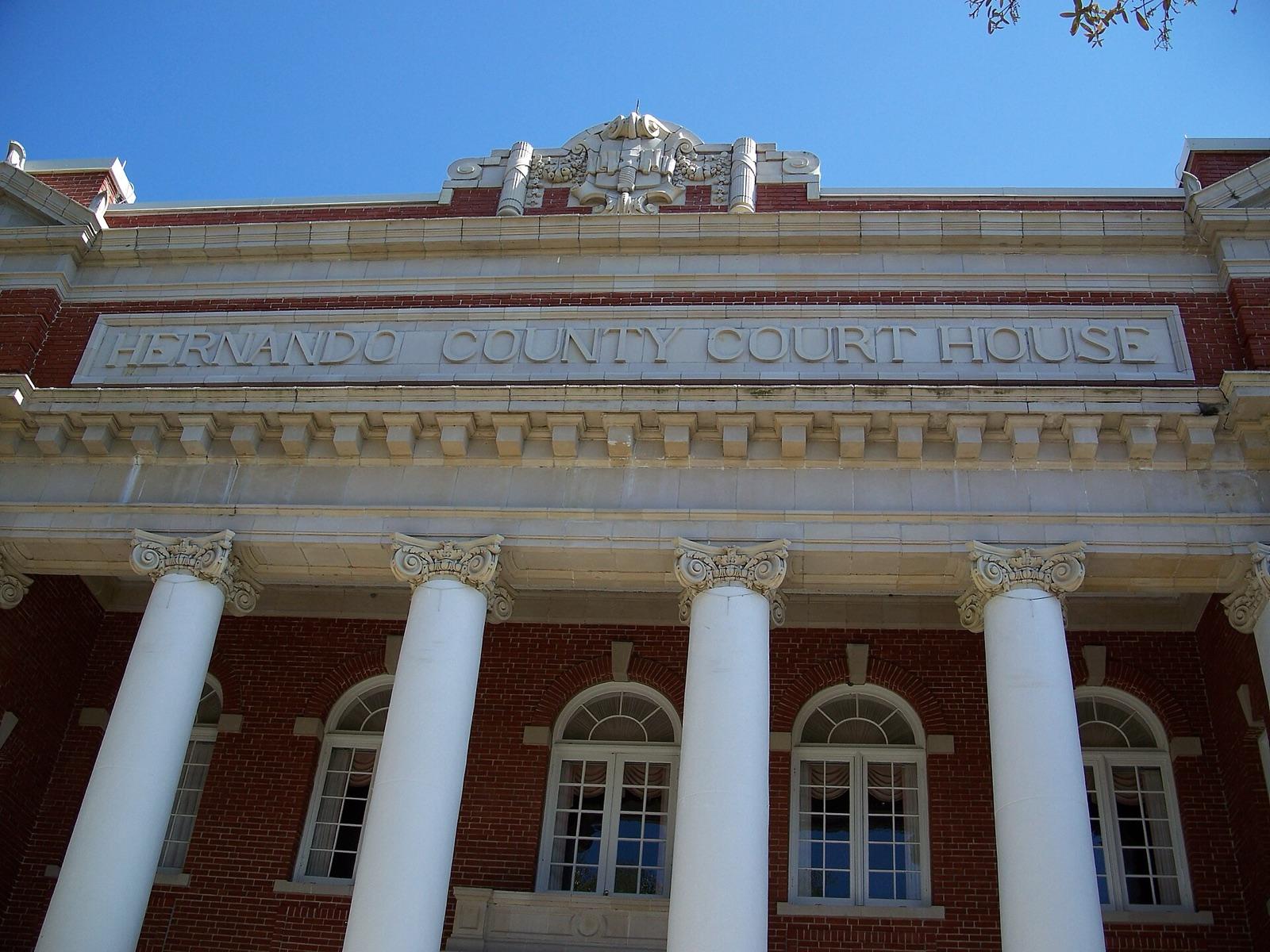 Best spotBrooksvilleHernando County, FloridaPublic access · Calcite, Echinoid Geode
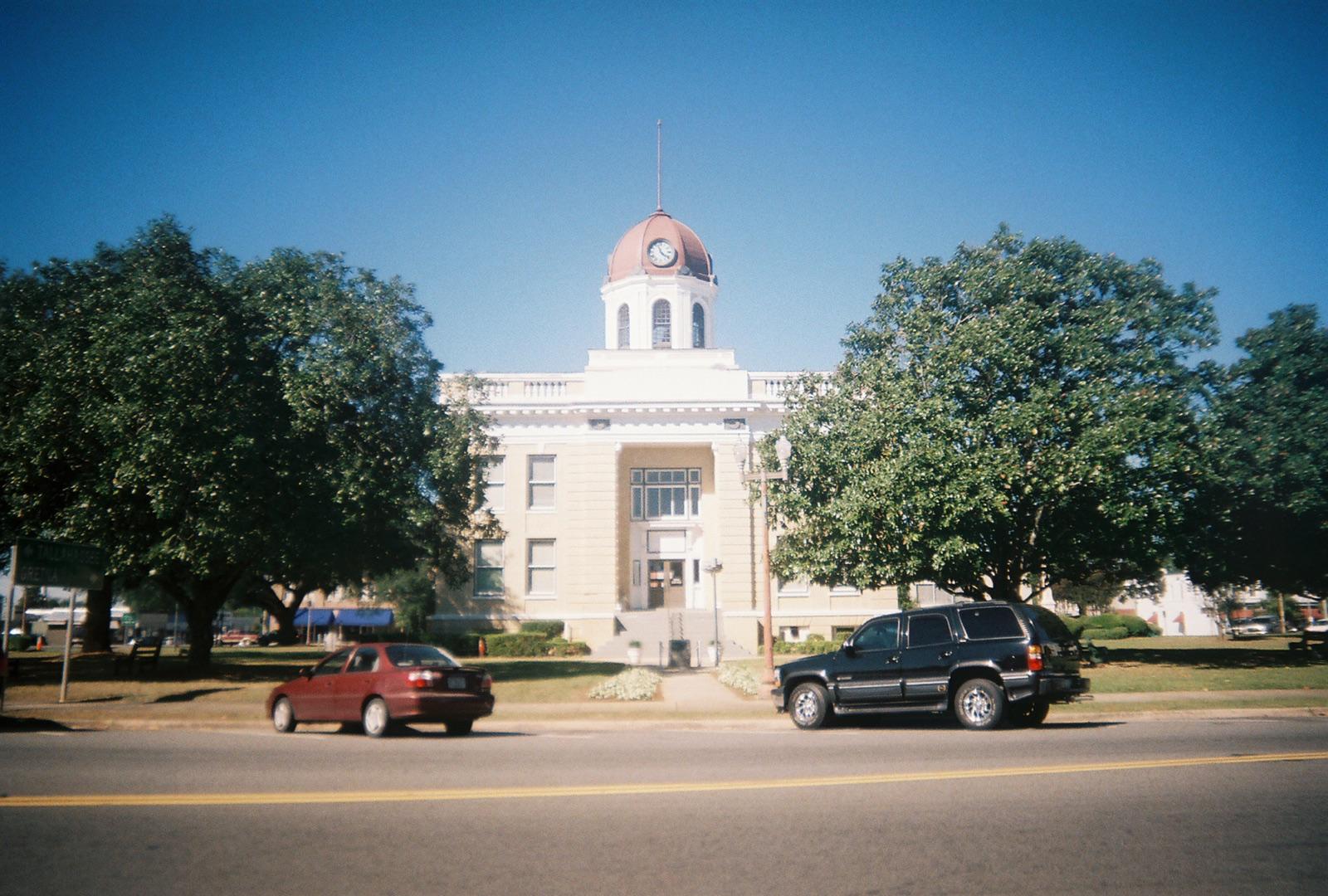 Best spotQuincy AreaGadsden County, FloridaPublic access · Silicified Wood, Fossil
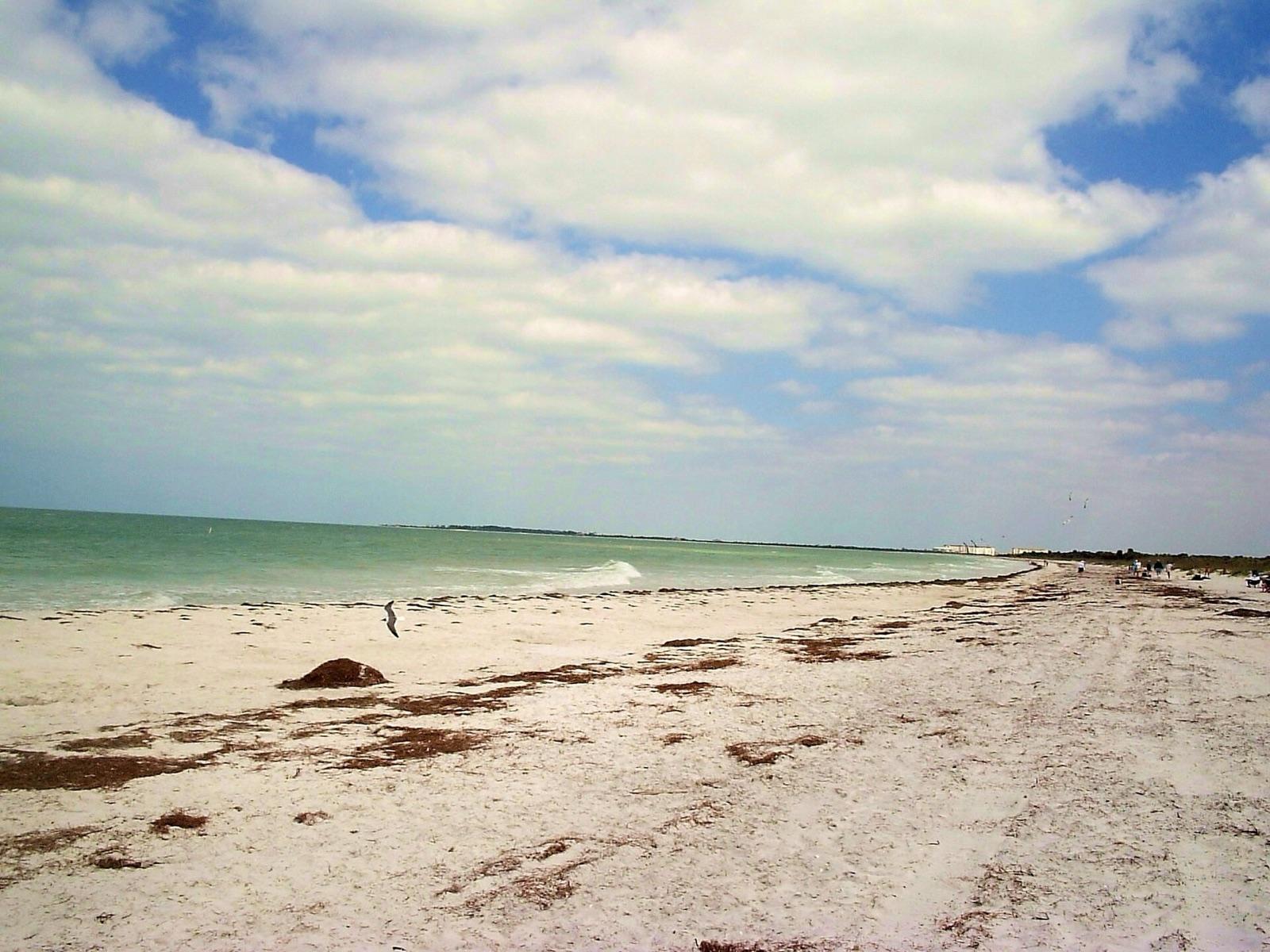 Best spotCaledesi Causeway BanksPinellas County, FloridaPublic access · Chalcedony
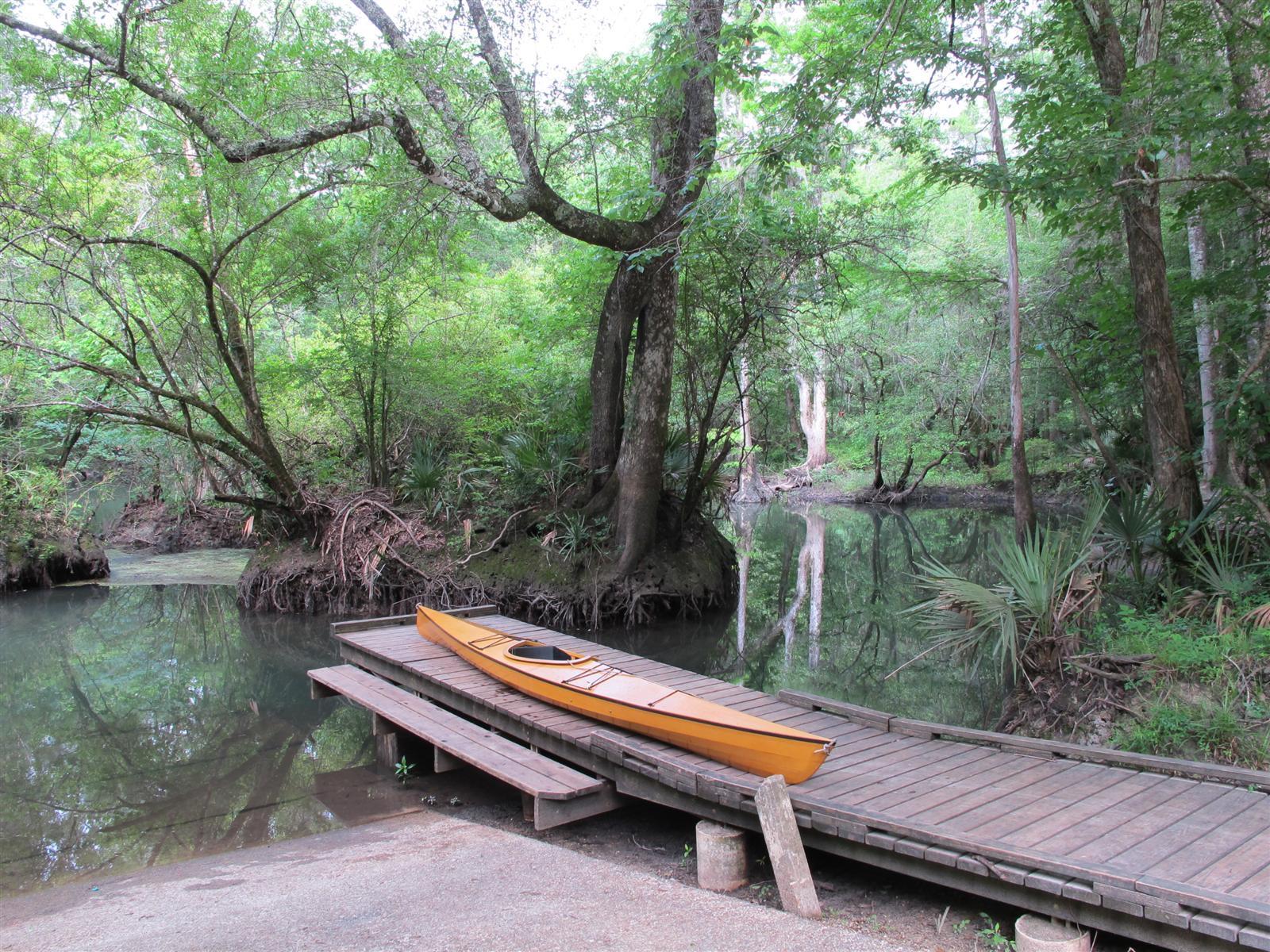 Best spotCottondale AreaJackson County, FloridaPublic access · Chert
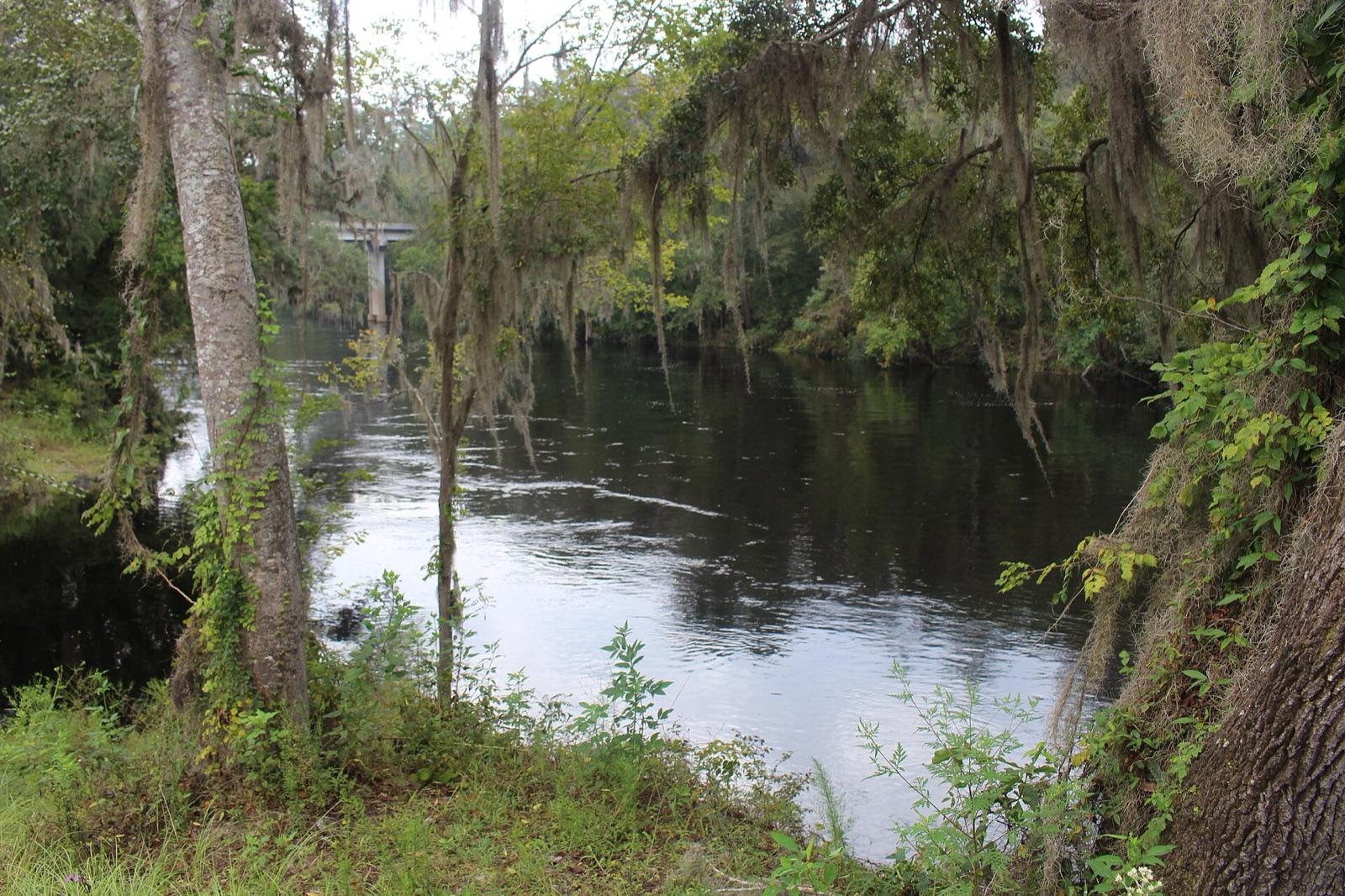 Best spotSuwannee RiverHamilton County, FloridaPublic access · Agatized Coral
 Pinellas & Hillsborough BeachesPinellas County, FloridaPublic access · Agate, Carnelian, Chalcedony +2Polk County QuarriesPolk County, FloridaPublic access · Fossil, Gypsum, Petrified Wood +2Unnamed Area (Agatized Coral #2)Hillsborough County, FloridaPublic access · Agatized Coral, Coral, Chalcedony +2
 Fort Drum Crystal MineOkeechobee County, FloridaFee dig · Fossil Coral, Calcite, Aragonite +1Gulf Beaches (South)Collier County, FloridaPublic access · Fossilized Coral, Shark Tooth, Sponge +1Chipley AreaWashington County, FloridaPublic access · Calcite, Chalk, ChertLawtey Highland MineBradford County, FloridaPermission required · Kyanite, Zircon, IlmeniteSkinner MineDuval County, FloridaPermission required · Ilmenite, Rutile, ZirconAlachua County QuarriesAlachua County, FloridaPublic access · Chert, Fossilized IvoryBradford CountyCitrus County, FloridaPublic access · Chert, Fossilized IvoryCross Florida Barge CanalPutnam County, FloridaPublic access · Fossil, Silicified CoralFlor-a-MarPasco County, FloridaPublic access · Agatized Coral, ChalcedonyFort DrumOkeechobee County, FloridaFee dig · Calcite, FossilJackson County AreaJackson County, FloridaPublic access · Fossil, ChertLakelandPolk County, FloridaPublic access · Chalcedony, Silicified CoralMarion County QuarriesMarion County, FloridaPublic access · Chert, Fossilized IvoryRucks PitOkeechobee County, FloridaFee dig · Calcite, FossilSumter County QuarriesSumter County, FloridaPublic access · Chert, Fossilized IvoryUnnamed Area (Agatized Coral #1)Hillsborough County, FloridaPublic access · Agatized Coral, GeodeUnnamed Area (Silicified Wood)Gadsden County, FloridaPublic access · Silicified Wood, FossilWashington County AreaWashington County, FloridaPublic access · Chert, FlintBlowing Rocks PreserveMartin County, FloridaPublic access · CoquinaDunedinPinellas County, FloridaPermission required · GeodeFort Myers BeachLee County, FloridaPublic access · OcherKey LargoMonroe County, FloridaPublic access · Fossilized CoralMiami QuarriesMiami-Dade County, FloridaPublic access · LimestonePasco CountyPasco County, FloridaPublic access · Silicified CoralSt. Johns County AreaSaint Johns County, FloridaPermission required · CoquinaStephen Foster State ParkHamilton County, FloridaPublic access · Agatized CoralSuwannee River (North)Suwannee County, FloridaPublic access · Silicified CoralUnnamed Area (Agatized Coral)Hamilton County, FloridaPublic access · Agatized CoralWithlacoochee RiverSumter County, FloridaPublic access · Agatized Coral
Representative spot and material photos from locations in this state, shown where verified public image records are available.
Counts reflect how many spots in this list mention each mineral.
Notable areas: Venice shark teeth, Peace River mammoth and horse teeth, Tampa Bay agatized coral, Fort Drum calcite clams, and Quincy geodes are the Florida targets collectors travel for.
Florida is a carbonate platform. Eocene and Oligocene limestone (Ocala, Suwannee) crops out on the Brooksville Ridge and along the Suwannee and Withlacoochee rivers, weathering to chert and, where silica replaced coral heads, to the agatized coral that is the state stone. The Miocene Hawthorn Group covers much of the peninsula with phosphatic sand and clay; its Bone Valley member in Polk and Hillsborough counties is the phosphate district and a famous fossil producer, and Hawthorn clays around Quincy in Gadsden County hold quartz geodes. Rivers like the Peace, Hillsborough, and Suwannee cut through Pleistocene and Miocene beds and concentrate mammoth, mastodon, horse, and dugong material with shark teeth in their gravel. The Gulf beaches from Venice to Englewood erode offshore fossil beds and wash shark teeth ashore, and Okeechobee County's shell pits produced the golden calcite that grew inside fossil clams at Fort Drum.
Venice, Caspersen, and Englewood beaches for shark teeth in the swash line, best after storms and offshore dredging. Public beaches allow picking; no permit is needed for shark teeth.
Sifting the Peace River gravel at low water for shark teeth, mammal teeth, and bone. Vertebrate fossils require the state fossil permit. The phosphate mines are private; the Mulberry museum is the way to see Bone Valley.
Agatized coral in the Hillsborough River, Tampa Bay shorelines, and Withlacoochee gravel, chert and calcite around Brooksville and Crystal River. Much of the classic Ballast Point ground is developed; rivers and quarry club days are the access.
Suwannee River chert and fossils at low water, quartz geodes in the Quincy clays, and Marianna limestone fossils around Cottondale. Mostly private; ask first.
November through April, the dry season, when rivers run low and clear enough to sift and the heat is bearable. The Peace River is best from December to March; summer rains make it high and fast. Beach teeth are best after winter cold fronts and storms.
A floating sifter or a quarter-inch screen and a shovel for the rivers, a sand scoop for the beaches, water shoes, sun protection, and the Florida vertebrate fossil permit if you plan to keep bone or mammal teeth. Watch for alligators on river banks and never sift alone.
Bone Valley phosphate mining began in the 1880s and turned up the fossils that made Florida a paleontology destination. Venice has called itself the shark tooth capital of the world for decades. Agatized coral became the state stone in 1979.
Day-trip range. Each section lists the closest mapped rockhounding spots within about 150 miles of the city. Most are inside a 2 to 3 hour drive.
6 closest spots to Jacksonville, FL.
6 closest spots to Miami, FL.
6 closest spots to Tampa, FL.
Geology rarely respects state borders. These states share mapped rockhounding country with Florida, useful when Florida is the start, not the whole trip. Each card links to the closest county across the line.
County pages are linked once we have at least 3 mapped spots for a focused guide with coordinates, mineral notes, and nearby spots.
Hand-picked standouts from the Florida list, chosen for unusual mineralogy, documented public access, or both. Each card links to coordinates, access notes, and what to look for.
Top pickCitrus County
Crystal River sits on the Nature Coast where the Eocene Crystal River Formation limestone hosts calcite and quartz crystal pockets, chalcedony-filled fossil molds, and chert, along with fossil echinoids and mollusks.
Calcite, Quartz, Chert, Fossil
Top pickHernando County
The Brooksville area sits on the Ocala Uplift, where Eocene Ocala Limestone produces calcite crystal pockets and echinoid (sea biscuit) fossils, some hollow and lined with calcite as geodes.
Calcite, Echinoid Geode
Top pickHillsborough County
The Tampa Bay area is the third of Florida's classic agatized coral regions, and the Hillsborough River drainage yields silicified corals and agate along with brain and finger coral fossils.
Brain Coral, Finger Coral, Agate
Top pickSarasota County
Venice bills itself as the Shark Tooth Capital of the World, and the Sarasota County beaches around the Venice jetty sit above a Miocene to Pleistocene fossil layer that feeds fossil shark teeth onto the sand.
Fossilized Coral, Shark Tooth, Sponge, Manatee Bone
Top pickCharlotte County
Manasota Key at Englewood is the Charlotte County extension of the Venice shark tooth beaches, drawing fossil teeth and fossil coral from the same offshore Miocene bone bed.
Fossilized Coral, Shark Tooth, Sponge, Manatee Bone
Top pickPinellas County
The causeway and beaches near Dunedin and Honeymoon Island are cited as one of the best remaining public sources of agatized coral and chalcedony in the Tampa Bay region.
Chalcedony
Top pickHamilton County
The Suwannee River bed and banks downstream of White Springs are one of the three classic sources of Florida's state stone, agatized coral, where silica has replaced fossil coral to form chalcedony that keeps the original coral structure.
Agatized Coral
Top pickGadsden County
Gadsden County in the eastern Panhandle is one of Florida's better sources of silicified (petrified) wood, which weathers out as tan to brown grain-patterned fragments from silica-rich Tertiary sediments.
Silicified Wood, Fossil
Top pickJackson County
Jackson County in the western Panhandle exposes the Oligocene Marianna Limestone and its Marianna chert, a highly fossiliferous unit carrying echinoids, mollusks, and bryozoans along the Chipola River near Marianna and Cottondale.
Chert
Top pickDeSoto County
The Peace River was a shark nursery during the Miocene and later ran through Ice Age Florida, so its gravel bars carry fossil shark teeth, including large megalodon teeth, alongside mammoth, mastodon, and other Pleistocene mammal fossils.
Shark Tooth, Megalodon Tooth, Fossil, Mammoth
3 places in Florida where you pay to dig and keep what you find. Prices and seasons change, so check with the operator before you drive out.
20 clubs in Florida. Clubs run field trips, shows and workshops, and many trips go to private claims you can't reach alone.
Open the RockHoundR app to see Florida on a real map with public land overlays, weather, geology, and your saved finds.

