
Spruce Pine pegmatite district (Mitchell County)
Aquamarine, beryl, garnet, smoky quartz, feldspar, and mica on private mines and dumps (Crabtree Emerald Mine, Emerald Hollow Mine, Rio Doce, and others). Mostly fee-dig.
Updated August 2026
207 mapped spots for rock hunting and rock collecting across 57 counties. North Carolina has a long gem-mining record, especially in the western mountains. Hiddenite emeralds, Cowee Valley rubies and sapphires, Spruce Pine pegmatites, and fee-dig mines are the main draw.
The best rockhounding in North Carolina is at Little Pine Garnet Mine in Madison County (garnet, quartz), Linville Mountain in Burke County (actinolite, graphite), and Vengeance Creek in Cherokee County (calcite, garnet). In total, 207 mapped collecting spots across 57 counties produce quartz, garnet, and gold, each listed below with its land access.
 Best spotBurnsvilleYancey County, North CarolinaPublic access · Albite, Amazonite, Apatite +13Best spotIsland CreekVance County, North CarolinaPublic access · Apatite, Chalcopyrite, Fluorite +7Best spotEldoradoMontgomery County, North CarolinaPublic access · Azurite, Calcite, Gold +6Best spotCorundum HillMacon County, North CarolinaPublic access · Corundum, Ruby, Blue Sapphire +4Best spotDanburyStokes County, North CarolinaPublic access · Agate, Carnelian, Chalcedony +4Best spotLinville MountainBurke County, North CarolinaPublic access · Actinolite, Graphite, Manaccanite +2Best spotLittle Snowbird MountainsCherokee County, North CarolinaPublic access · Chloritoid, Ottrelite, Garnet +2Best spotVengeance CreekCherokee County, North CarolinaPublic access · Calcite, Garnet, Quartz +1Best spotLittle Pine Garnet MineMadison County, North CarolinaPublic access · Garnet, Quartz, ChloriteBest spotChunky Gal MountainClay County, North CarolinaPublic access · Garnet, Staurolite
 Elijah Mountain Gem MineHenderson County, North CarolinaPublic access · Ruby, Sapphire, Emerald +15FranklinMacon County, North CarolinaPublic access · Amethyst, Bronzite, Epidote +11
 Crowder's MountainGaston County, North CarolinaPermission required · Barite, Chalcopyrite, Corundum +10Higdon MountainMacon County, North CarolinaPublic access · Actinolite, Chalcedony, Chromite +10Cowee CreekMacon County, North CarolinaPublic access · Garnet, Ruby, Sapphire +8Davidson CountyDavidson County, North CarolinaPublic access · Chalcopyrite, Gold, Pyrite +8Emerald Hollow MineAlexander County, North CarolinaPublic access · Emerald, Aquamarine, Sapphire +8Balsam Gap MineJackson County, North CarolinaPublic access · Magnesite, Albite, Allanite +7Bryson CitySwain County, North CarolinaPublic access · Allanite, Garnet, Magnetite +7Clubb MountainGaston County, North CarolinaPublic access · Corundum, Lazulite, Kyanite +7Foote Mine and other minesCleveland County, North CarolinaPermission required · Apatite, Beryl, Calcite +7Hiddenite (area 2)Alexander County, North CarolinaPublic access · Aquamarine, Beryl, Quartz +7Reed Gold MineCabarrus County, North CarolinaPublic access · Azurite, Gold, Malachite +7Anson CountyAnson County, North CarolinaPublic access · Gold, Calcite, Garnet +5Pressley MineHaywood County, North CarolinaPublic access · Albite, Amphibolite, Corundum +5Roberson RidgeHaywood County, North CarolinaPermission required · Ankerite, Apatite, Biotite +5StratfordAlleghany County, North CarolinaPublic access · Chalcopyrite, Cuprite, Galena +5Davis MountainAlexander County, North CarolinaPublic access · Anglesite, Chrysotile, Cerussite +4Deer Park MineMitchell County, North CarolinaPublic access · Autunite, Feldspar, Garnet +4Gardner QuarryHarnett County, North CarolinaPermission required · Fluorite, Chalcopyrite, Calcite +4UnakaCherokee County, North CarolinaPublic access · Staurolite, Agate, Epidote +4BullockGranville County, North CarolinaPublic access · Epidote, Labradorite, Titanite +3Cape Fear River and tributariesCumberland County, North CarolinaPublic access · Agate, Chalcedony, Chert +3Cumberland CountyCumberland County, North CarolinaPublic access · Agate, Chalcedony, Chert +3DemocratBuncombe County, North CarolinaPublic access · Chalcedony, Feldspar, Garnet +3Gold HillRowan County, North CarolinaPermission required · Magnetite, Manganese, Garnet +3Mason Mtn Garnet MineMacon County, North CarolinaFee dig · Rhodolite, Garnet, Ruby +3Stice Shoal Lake DamCleveland County, North CarolinaPublic access · Aquamarine, Beryl, Emerald +3Caswell CountyCaswell County, North CarolinaPublic access · Gold, Allanite, Mica +2Celo RidgeYancey County, North CarolinaPublic access · Sapphire, Feldspar, Garnet +2Conrad Hill Mine near LexingtonDavidson County, North CarolinaPublic access · Chalcopyrite, Limonite, Malachite +2CranberryAvery County, North CarolinaPublic access · Epidote, Garnet, Hematite +2ElfClay County, North CarolinaPublic access · Corundum, Amphibolite, Opal +2Emerald Hollow MineCatawba County, North CarolinaFee dig · Emerald, Amethyst, Quartz +2Hall Creek and Silver CreekBurke County, North CarolinaPublic access · Corundum, Diamond, Pyrope Garnet +2InezWarren County, North CarolinaPublic access · Amethyst, Beryl, Lepidolite +2Ivy CreekMadison County, North CarolinaPublic access · Chrysolite, Genthite, Talc +2Little Scaly MountainMacon County, North CarolinaPublic access · Asbestos, Corundum, Rutile +2Mt. TirzahPerson County, North CarolinaPublic access · Actinolite, Hematite, Limonite +2Sink Hole Mine and other area minesMitchell County, North CarolinaPublic access · Blue Beryl, Apatite, Garnet +2Stony PointAlexander County, North CarolinaPublic access · Chlorite, Goethite, Monazite +2White PlainsSurry County, North CarolinaPublic access · Beryl, Columbite, Quartz +2Brown MountainBurke County, North CarolinaPublic access · Albite, Fluorite, Gold +1Cane CreekBuncombe County, North CarolinaPublic access · Calcite, Gold, Hematite +1CatawbaIredell County, North CarolinaPublic access · Gold, Calcite, Magnetite +1Cherokee Ruby & Sapphire MineMacon County, North CarolinaFee dig · Ruby, Sapphire, Garnet +1ConcordCabarrus County, North CarolinaPublic access · Agate, Carnelian, Chalcedony +1Granville CountyGranville County, North CarolinaPublic access · Topaz, Andalusite, Carnelian +1HiddeniteAlexander County, North CarolinaPublic access · Emerald, Quartz, Smoky Quartz +1LattimoreCleveland County, North CarolinaPublic access · Quartz, Black Tourmaline, Beryl +1Mason MountainMacon County, North CarolinaPublic access · Corundum, Garnet, Hornblende +1Medoc Mountain State ParkHalifax County, North CarolinaPermission required · Chalcopyrite, Molybdenite, Pyrite +1Poplar SpringsSurry County, North CarolinaPublic access · Rutile, Limonite, Quartz +1Reel MineLincoln County, North CarolinaFee dig · Amethyst, Beryl, Quartz +1ShelbyCleveland County, North CarolinaPublic access · Beryl, Aquamarine, Emerald +1South MountainsBurke County, North CarolinaPermission required · Aquamarine, Beryl, Feldspar +1SpearAvery County, North CarolinaPublic access · Beryl, Garnet, Epidote +1Winston-SalemForsyth County, North CarolinaPublic access · Halloysite, Hematite, Magnetite +1AlexisLincoln County, North CarolinaPublic access · Kyanite, Lazulite, RutileBig CreekStokes County, North CarolinaPublic access · Garnet, Moonstone, Smoky QuartzBlue ValleyMacon County, North CarolinaPublic access · Blue Corundum, Sapphire, Almandine GarnetBullhead MountainAlleghany County, North CarolinaPublic access · Garnet, Kyanite, MagnetiteBurlingtonAlamance County, North CarolinaPublic access · Quartz, Red Quartzite, SerpentineButnerDurham County, North CarolinaPublic access · Agate, Amethyst, JasperCaldwellMecklenburg County, North CarolinaPublic access · Agate, Carnelian, ChalcedonyCharlotteMecklenburg County, North CarolinaPublic access · Jasper, Leopardite, CopperChunky Gal Mountain - Perry GapClay County, North CarolinaPublic access · Corundum, Ruby, SmaragditeCreedmoreGranville County, North CarolinaPublic access · Agate, Jasper, ChalcedonyEllendaleAlexander County, North CarolinaPublic access · Golden Beryl, Green Beryl, Yellow BerylFlint KnobWilkes County, North CarolinaPublic access · Calcite, Galena, PyriteGrandmother MountainAvery County, North CarolinaPublic access · Gold, Pyrite, QuartzHenderson PointVance County, North CarolinaPublic access · Quartz, Rutile, SillimaniteHighlandsMacon County, North CarolinaPublic access · Corundum, Almandine Garnet, QuartzHollands CreekRutherford County, North CarolinaPublic access · Diamond, Platinum, Blue QuartzHorse CreekAshe County, North CarolinaPublic access · Epidote, Garnet, MagnetiteKernersvilleForsyth County, North CarolinaPublic access · Chrysolite, Bronzite, TourmalineLong Shoals CreekAshe County, North CarolinaPublic access · Quartz, Pyrite, EpidoteMason's Ruby & Sapphire MineMacon County, North CarolinaFee dig · Ruby, Sapphire, GarnetMitchell RiverSurry County, North CarolinaPublic access · Yellow Chalcedony, Hornblende, SteatiteMooresvilleCatawba County, North CarolinaPublic access · Agate, Amethyst, QuartzMount AirySurry County, North CarolinaPublic access · Feldspar, Quartz, JasperNorth Toe RiverYancey County, North CarolinaPublic access · Kyanite, Corundum, SapphireOttoMacon County, North CarolinaPublic access · Amethyst, Garnet, QuartzPee Dee RiverAnson County, North CarolinaPublic access · Agatized Wood, Chalcedony, JasperSalisburyRowan County, North CarolinaPublic access · Amethyst, Pink Tourmaline, Green TourmalineSandy Level ChurchRutherford County, North CarolinaPublic access · Gold, Platinum, DiamondSouth Hardin Mica MineAshe County, North CarolinaPublic access · Aquamarine, Golden Beryl, MuscoviteSouth Yadkin RiverIredell County, North CarolinaPublic access · Beryl, Corundum, TourmalineSpruce PineMitchell County, North CarolinaPublic access · Actinolite, Talc, SteatiteStatesvilleIredell County, North CarolinaPublic access · Agate, Amethyst, QuartzSuperior Stone CompanyGuilford County, North CarolinaPublic access · Copper, Iron, QuartzTraphillWilkes County, North CarolinaPublic access · Moss Agate, Jasper, ChalcedonyWilkesboroWilkes County, North CarolinaPublic access · Garnet, Serpentine, TalcBurchSurry County, North CarolinaPublic access · Jasper, QuartzCabin Creek & Dry CreekMoore County, North CarolinaPublic access · Amethyst, QuartzCasarCleveland County, North CarolinaPublic access · Agate, QuartzChapel HillOrange County, North CarolinaPublic access · Moss Agate, Petrified WoodCherokee Ruby and Sapphire MineMacon County, North CarolinaPublic access · Ruby, SapphireCollettsvilleCaldwell County, North CarolinaPublic access · Epidote, Pyrite CubeCrabtree Emerald MineMitchell County, North CarolinaPublic access · Apatite, EmeraldDenverCatawba County, North CarolinaPublic access · Amethyst, QuartzEarlCleveland County, North CarolinaPublic access · Aquamarine, GarnetFarmingtonDavie County, North CarolinaPublic access · Autunite, ColumbiteGibsonvilleGuilford County, North CarolinaPublic access · Green Quartz, ActinoliteHager's MountainPerson County, North CarolinaPublic access · Kyanite, PyrophylliteHanging Dog CreekCherokee County, North CarolinaPublic access · Staurolite, TourmalineHilliardstonFranklin County, North CarolinaPublic access · Gold, DiamondHillsboroughOrange County, North CarolinaPublic access · Moss Agate, QuartzHuckleberry MountainRutherford County, North CarolinaPublic access · Mica, QuartzHyatt CreekCherokee County, North CarolinaPublic access · Almandine Garnet, StauroliteMarbleCherokee County, North CarolinaPublic access · Sillimanite, StauroliteMarlin KnobRutherford County, North CarolinaPublic access · Garnet, UnakiteMcDowell CountyMcDowell County, North CarolinaPublic access · Pyrope Garnet, GoldMontgomery CountyMontgomery County, North CarolinaPublic access · Quartz, Smoky QuartzMontvaleChatham County, North CarolinaPublic access · Ruby, SapphireMoriaPerson County, North CarolinaPublic access · Pyrite, Limonite CubeMount UllaRowan County, North CarolinaPublic access · Amethyst, QuartzPiney CreekAlleghany County, North CarolinaPublic access · Manganese, RutilePlumtreeAvery County, North CarolinaPublic access · Feldspar, GarnetPocomokeGranville County, North CarolinaPublic access · Lepidolite, RubellitePressley MineHaywood County, North CarolinaPublic access · Corundum, SapphireRoan MountainMitchell County, North CarolinaPublic access · Unakite, EpidoteSouth Muddy CreekMcDowell County, North CarolinaPublic access · Diamond, GoldUwharrie MountainsMontgomery County, North CarolinaPublic access · Quartz, GoldWiseman's ViewBurke County, North CarolinaPermission required · Quartz, SandstoneYadkin RiverAlexander County, North CarolinaPublic access · Quartz, Smoky QuartzYadkin ValleyCaldwell County, North CarolinaPublic access · Beryl, GarnetAlamance CountyAlamance County, North CarolinaPublic access · SerpentineBat CaveHenderson County, North CarolinaPublic access · EpidoteBeaverdam CreekGaston County, North CarolinaPublic access · CassiteriteBethesdaDurham County, North CarolinaPublic access · Silicified WoodBlack Ankle MineMontgomery County, North CarolinaPublic access · GoldBlowing RockWatauga County, North CarolinaCheck locally · GoldBrasstownCherokee County, North CarolinaPublic access · GarnetBroad River and tributariesCleveland County, North CarolinaPublic access · QuartzBullockGranville County, North CarolinaPublic access · PyriteBurkemont MountainBurke County, North CarolinaPermission required · BerylBurningtown CreekMacon County, North CarolinaPublic access · Pink SapphireChestnut KnobMacon County, North CarolinaPublic access · White Star CorundumClay CountyMacon County, North CarolinaPublic access · UnakiteCraggy Gardens Picnic SiteBuncombe County, North CarolinaPublic access · Almandine GarnetElfClay County, North CarolinaPublic access · CorundumEllberleRichmond County, North CarolinaPublic access · Petrified WoodEno RiverDurham County, North CarolinaPublic access · Agatized WoodFarmerRandolph County, North CarolinaPublic access · QuartzFox MountainIredell County, North CarolinaPublic access · RutileGroverCleveland County, North CarolinaPublic access · AquamarineHalifax CountyHalifax County, North CarolinaPublic access · Petrified WoodHanging Dog and Persimmon CreeksCherokee County, North CarolinaPublic access · StauroliteHelton CreekAshe County, North CarolinaPublic access · MagnetiteHibriten MountainCaldwell County, North CarolinaPublic access · FeldsparHigh PeakBurke County, North CarolinaPublic access · GarnetIngallsAvery County, North CarolinaPublic access · GarnetIron StationLincoln County, North CarolinaPublic access · AmethystKings MountainCleveland County, North CarolinaPublic access · DiamondLake SummitHenderson County, North CarolinaPublic access · AgateLemon GapMadison County, North CarolinaPublic access · AllaniteLincoln CountyLincoln County, North CarolinaPublic access · CassiteriteLooking Glass FallsTransylvania County, North CarolinaPublic access · GarnetLookout MountainBuncombe County, North CarolinaPermission required · KyaniteLouisburgNash County, North CarolinaPublic access · AmethystMeyer’s Chapel & General AreaClay County, North CarolinaPublic access · CorundumMitchell CountyMitchell County, North CarolinaPublic access · AgateMount PisgahHaywood County, North CarolinaPublic access · ChrysopraseNash & Franklin CountiesFranklin County, North CarolinaPublic access · GoldNeboMcDowell County, North CarolinaPublic access · QuartzNeuse RiverWake County, North CarolinaPublic access · AmethystNewfound GapHaywood County, North CarolinaPublic access · RubyNorth Fork New RiverAshe County, North CarolinaPublic access · StauroliteNutbrush CreekVance County, North CarolinaPublic access · QuartzPenlandMitchell County, North CarolinaPublic access · KyanitePilot MountainSurry County, North CarolinaPermission required · QuartzPink Beds Picnic AreaTransylvania County, North CarolinaPublic access · Smoky QuartzPittsboroChatham County, North CarolinaPublic access · LimonitePropst Farm Ruby MineCatawba County, North CarolinaFee dig · RubyRaleighWake County, North CarolinaPublic access · AmethystReems CreekBuncombe County, North CarolinaPublic access · GarnetRidgecrestBuncombe County, North CarolinaPublic access · CorundumRoaring Fork CreekMadison County, North CarolinaPublic access · UnakiteRose Creek MineMacon County, North CarolinaFee dig · GarnetRosmanTransylvania County, North CarolinaPublic access · Dogtooth CalciteSapphire LakeJackson County, North CarolinaPublic access · SapphireSheep Knob MountainMacon County, North CarolinaPublic access · AquamarineShinning Rock LedgeHaywood County, North CarolinaPermission required · Rose QuartzShooting CreekClay County, North CarolinaPublic access · Hyalite Opal GeodeThermal CityRutherford County, North CarolinaPublic access · GarnetTownsvillVance County, North CarolinaPublic access · QuartzTroyMontgomery County, North CarolinaPublic access · Petrified WoodTuckasegeeJackson County, North CarolinaPublic access · Golden BerylTyroDavidson County, North CarolinaPublic access · AmethystWadesboroAnson County, North CarolinaPublic access · GoldWalnut Knob MineAshe County, North CarolinaPublic access · AquamarineWilliamsboroVance County, North CarolinaPublic access · QuartzWoodlawnMcDowell County, North CarolinaPublic access · Phantom QuartzYadkin CountyYadkin County, North CarolinaPublic access · CarnelianEmerald VillageMitchell County, North CarolinaFee digRockhound Ridge Gem MineJackson County, North CarolinaFee dig
Representative spot and material photos from locations in this state, shown where verified public image records are available.
Counts reflect how many spots in this list mention each mineral.
Notable areas: Hiddenite emeralds, Cowee Valley corundum, Spruce Pine quartz and aquamarine, and emerald, garnet, and beryl pegmatites are highlights.
Western North Carolina sits on the Blue Ridge, where high-grade metamorphic rocks are cut by pegmatites. The Spruce Pine pegmatite district produces emerald, aquamarine, beryl, mica, feldspar, and high-purity quartz. Cowee Valley near Franklin sits over corundum-bearing schists. Hiddenite, in Alexander County, is the type locality for the green spodumene mineral hiddenite.
Aquamarine, beryl, garnet, smoky quartz, feldspar, and mica on private mines and dumps (Crabtree Emerald Mine, Emerald Hollow Mine, Rio Doce, and others). Mostly fee-dig.
Ruby and sapphire fee-dig flumes, Mason's Ruby and Sapphire Mine, Mason Mountain, Sheffield Mine. Many salt the buckets with imported gems for value; native finds still happen, particularly at Mason's.
Emerald Hollow Mine in Hiddenite is the only emerald mine in the U.S. open to the public for digging. Also produces hiddenite (green spodumene), garnet, quartz crystals.
Gold panning in Reed Gold Mine country and Uwharrie creeks; offshore megalodon teeth scuba dives off Wilmington and along North Topsail.
April through October. Most mountain fee-dig mines close for winter (typically November–March). Coastal megalodon dives run year-round, weather permitting.
Fee-dig mines supply most tools (screens, shovels, picks). Bring sturdy shoes, a hand lens, a sun hat, and patience. For native digs (Crabtree, Emerald Hollow's creek), bring your own hammer and chisels.
North Carolina's gem mining tradition started in 1799 with the first authenticated U.S. gold find at Reed Gold Mine. Hiddenite was first described in 1879 by a mineralogist from Asheville. Cowee Valley ruby mines have operated continuously since the 1870s.
Day-trip range. Each section lists the closest mapped rockhounding spots within about 150 miles of the city. Most are inside a 2 to 3 hour drive.
6 closest spots to Charlotte, NC.
6 closest spots to Raleigh, NC.
6 closest spots to Greensboro, NC.
Geology rarely respects state borders. These states share mapped rockhounding country with North Carolina, useful when North Carolina is the start, not the whole trip. Each card links to the closest county across the line.
County pages are linked once we have at least 3 mapped spots for a focused guide with coordinates, mineral notes, and nearby spots.
Hand-picked standouts from the North Carolina list, chosen for unusual mineralogy, documented public access, or both. Each card links to coordinates, access notes, and what to look for.
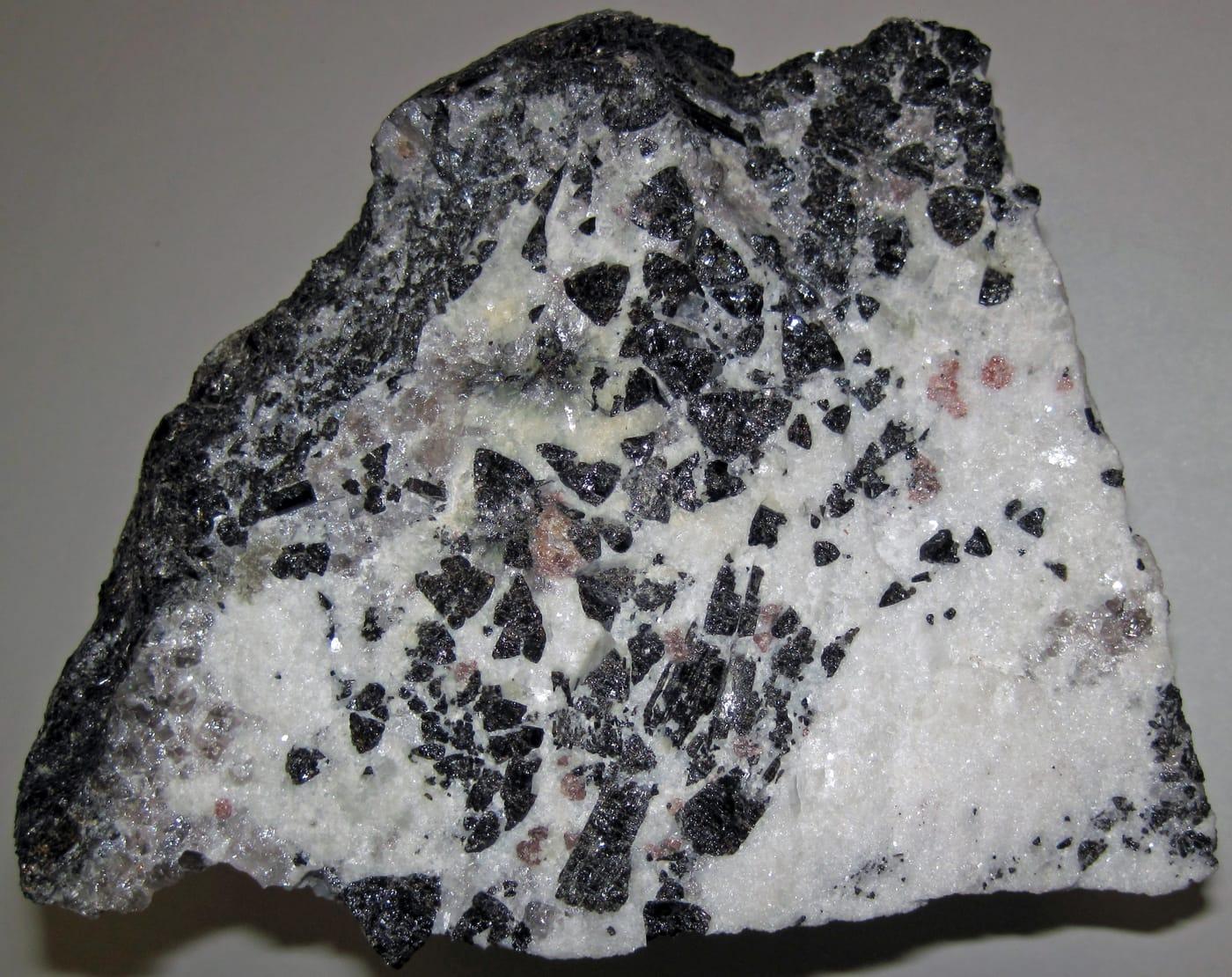 Top pick
Madison County
Little Pine is a focused almandine locality where Mindat records red garnets up to 6 inches in green chlorite schist, a scale that separates it from ordinary garnet-bearing roadcuts.
Garnet, Quartz, Chlorite
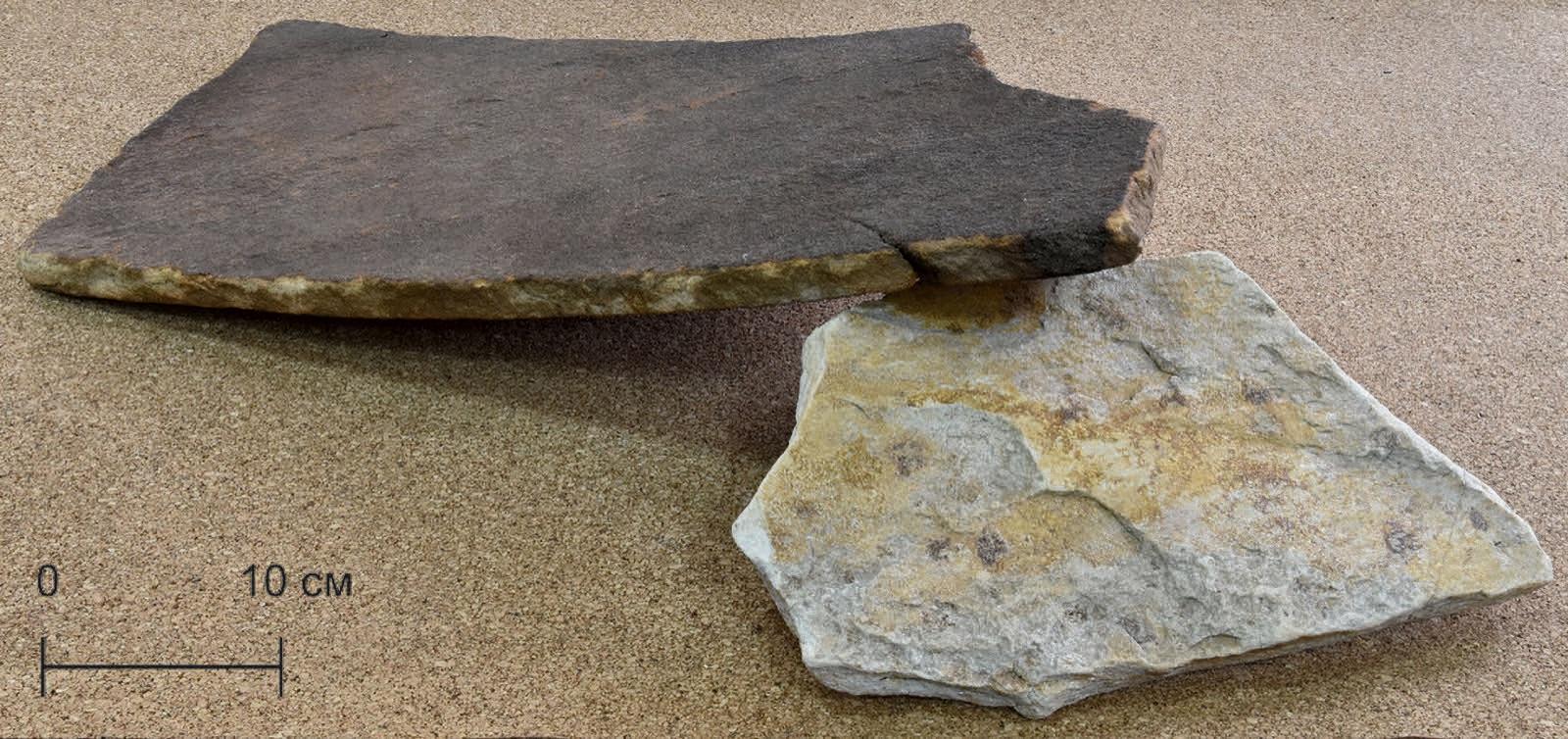 Top pick
Burke County
Linville Mountain is a useful Burke County contrast because NCGS collecting-site maps call out itacolumite, a flexible quartzite, along with pyrophyllite and related metamorphic minerals.
Actinolite, Graphite, Manaccanite, Pyrophyllite
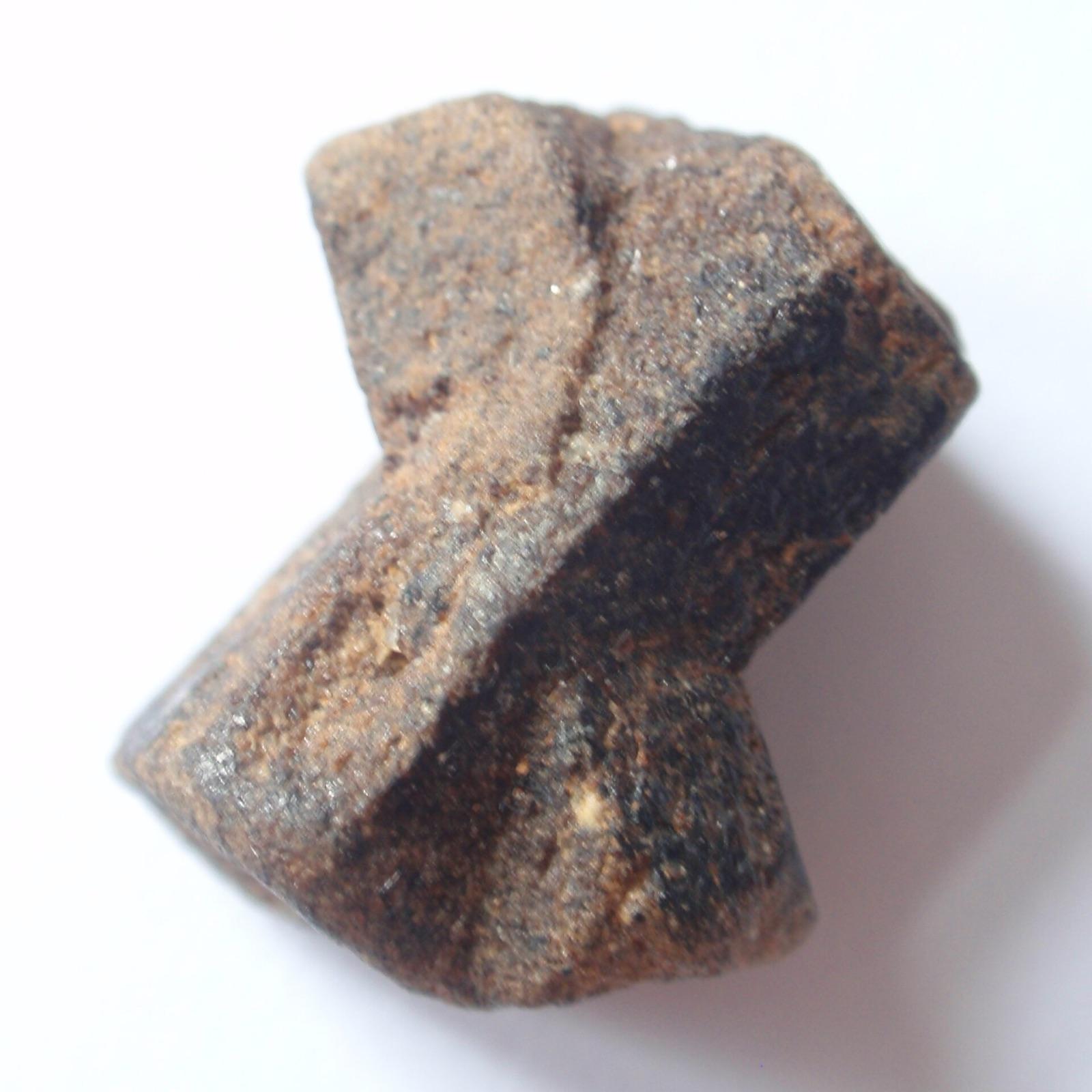 Top pick
Cherokee County
Vengeance Creek is one of the better free Cherokee County entries for staurolite, with garnet, quartz, and calcite adding a compact metamorphic suite.
Calcite, Garnet, Quartz, Staurolite
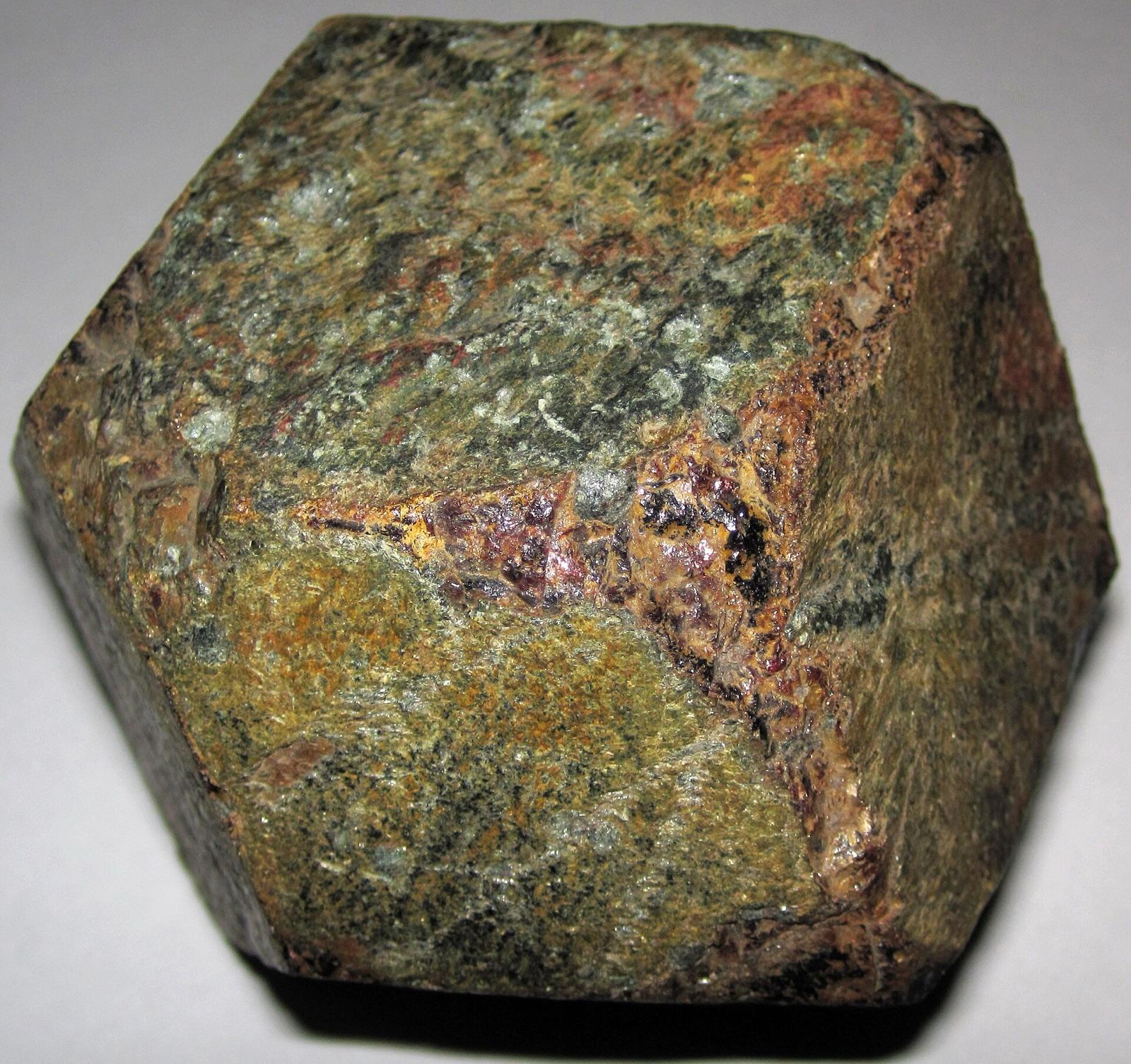 Top pick
Cherokee County
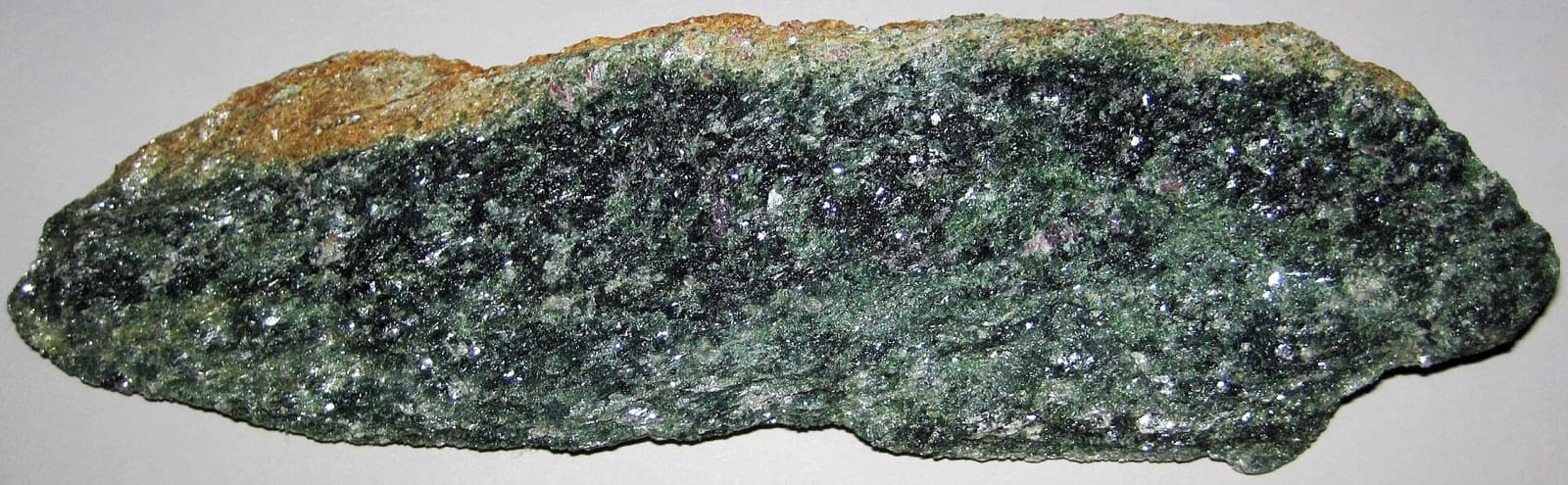
The Little Snowbird Mountains add chloritoid, ottrelite, staurolite, garnet, and gold to the western North Carolina set, a distinctly metamorphic association rather than another pegmatite stop.
Chloritoid, Ottrelite, Garnet, Gold
 Top pick
Clay County
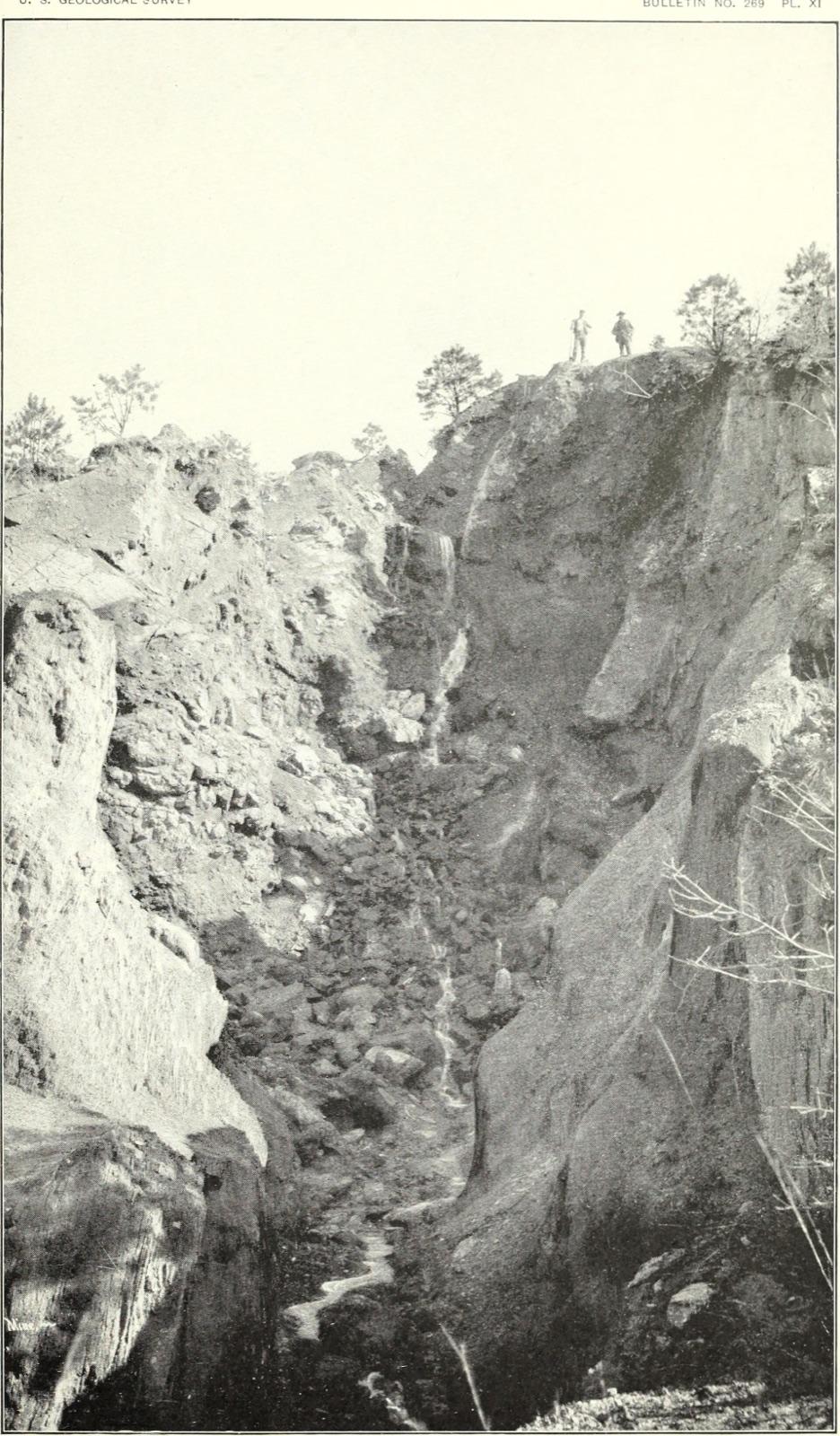
Chunky Gal Mountain stands out because the Buck Creek dunite body is a named mafic-ultramafic complex, not just a generic mountain roadcut.
Garnet, Staurolite
 Top pick
Macon County
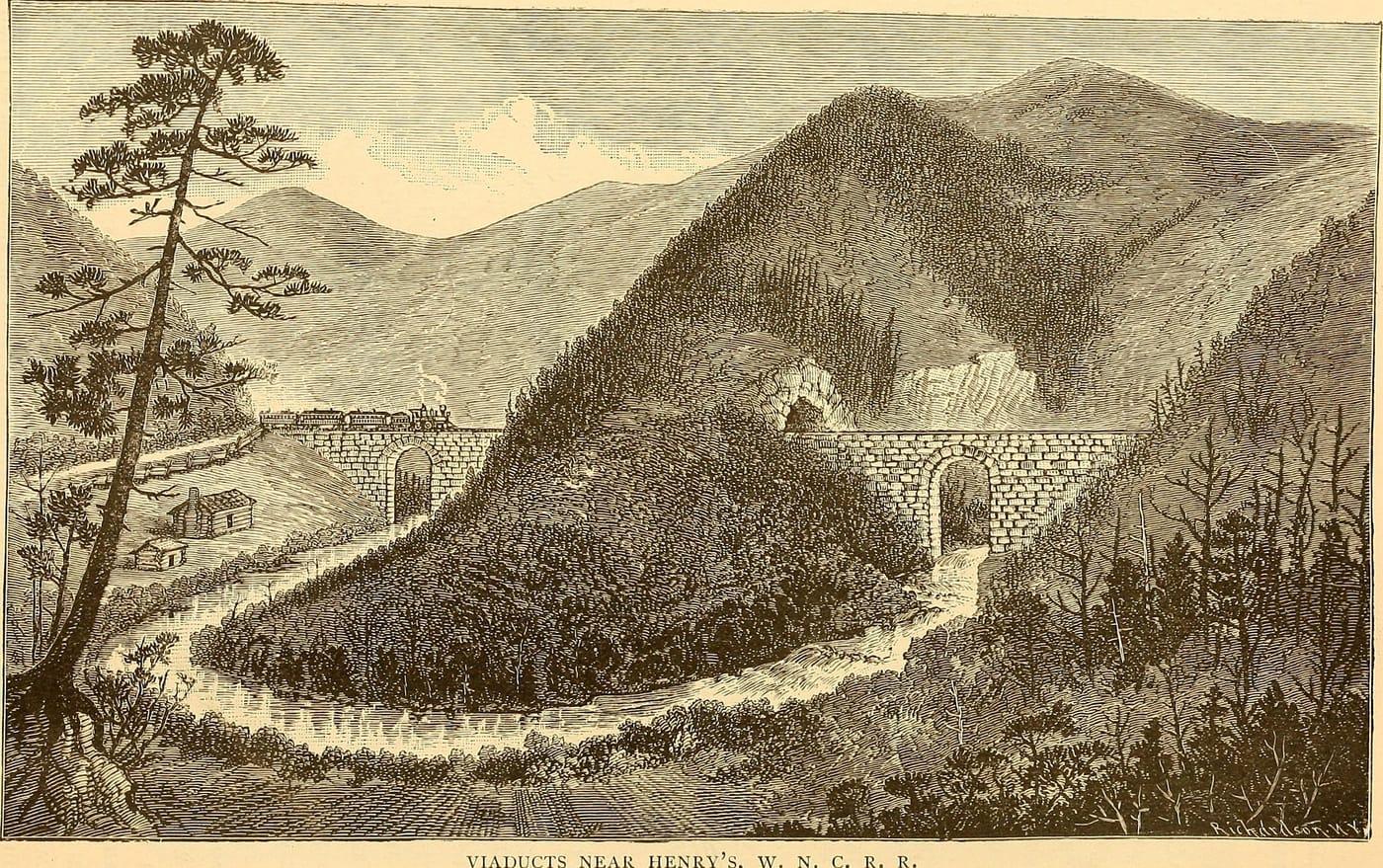
Corundum Hill belongs to the Cowee Valley ruby and sapphire belt, one of the classic eastern U.S. corundum districts described in early USGS work.
Corundum, Ruby, Blue Sapphire, Green Sapphire
 Top pick
Yancey County
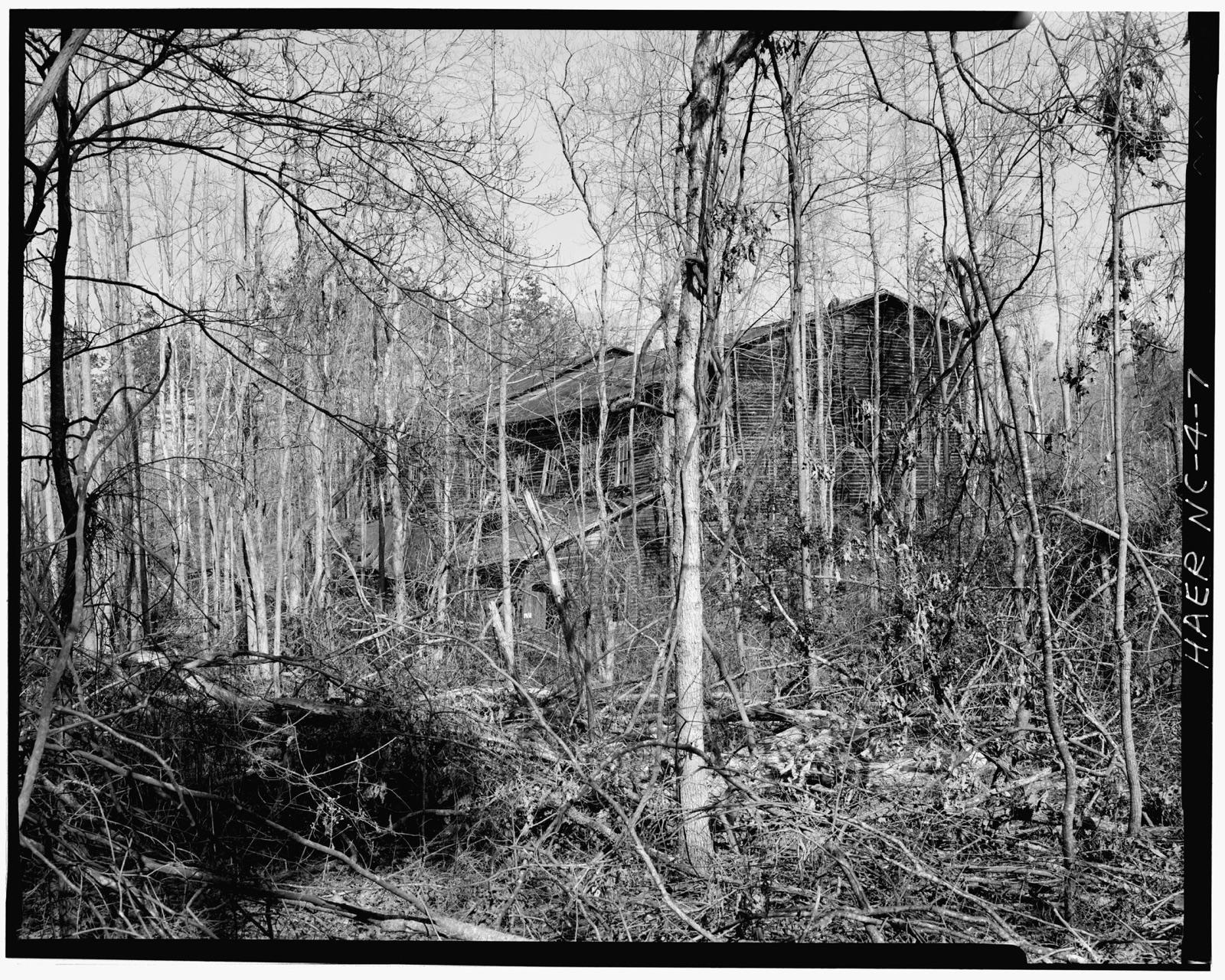
Ray Mine gives North Carolina a rare free public pegmatite locality, with Mindat documenting aquamarine, beryl, amazonite, muscovite, rutile, tourmaline, and other Spruce Pine district minerals.
Albite, Amazonite, Apatite, Aquamarine
 Top pick
Montgomery County
Eldorado is the Uwharrie-region gold and base-metal pick, tied to the Carolina Slate Belt rather than the Blue Ridge gem belts.
Azurite, Calcite, Gold, Malachite
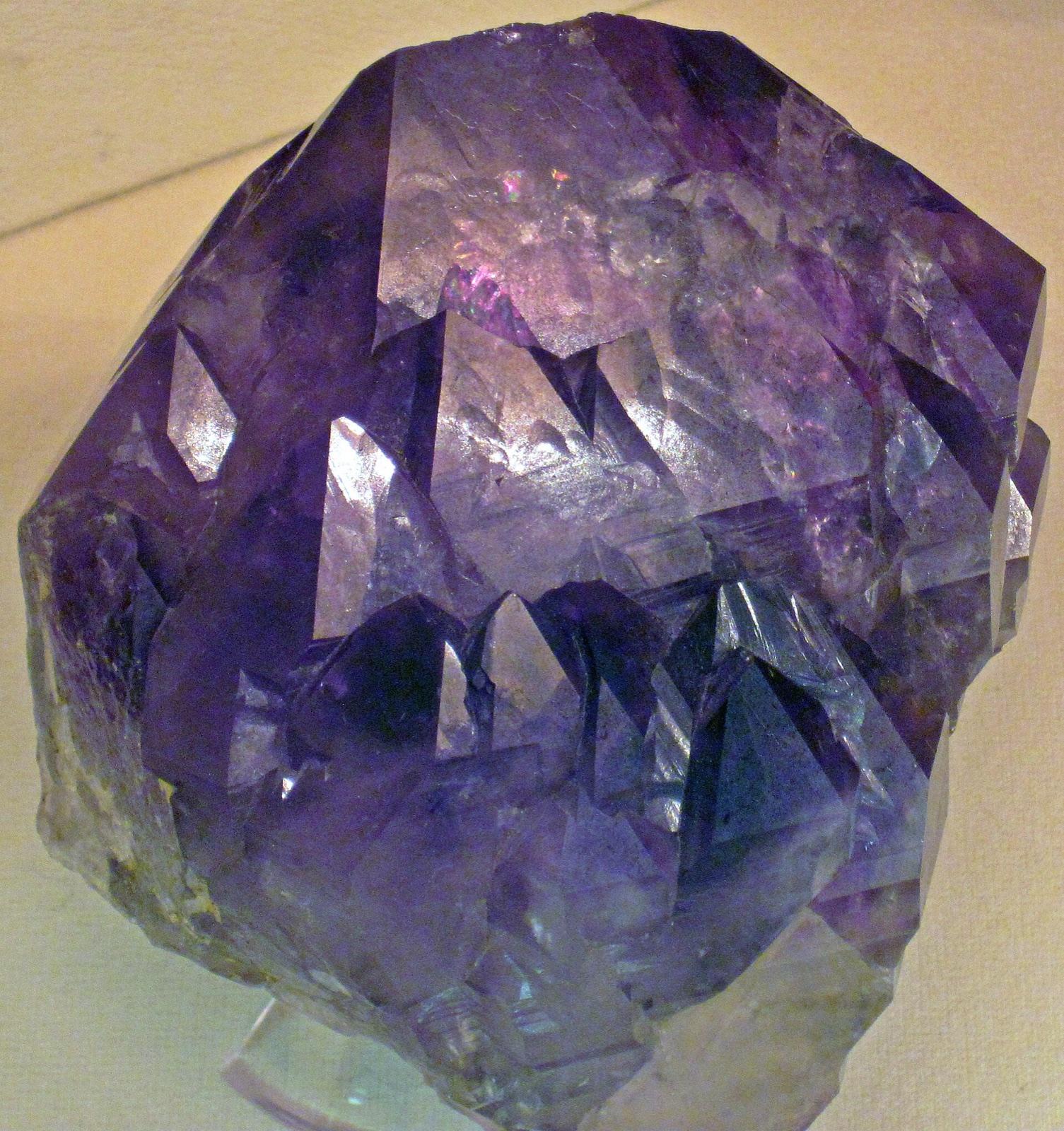 Top pick
Stokes County
Danbury is the best northern Piedmont silica stop in this set, with agate, carnelian, chalcedony, jasper, hyalite opal, hematite, and amethyst listed from the Stokes County area.
Agate, Carnelian, Chalcedony, Jasper
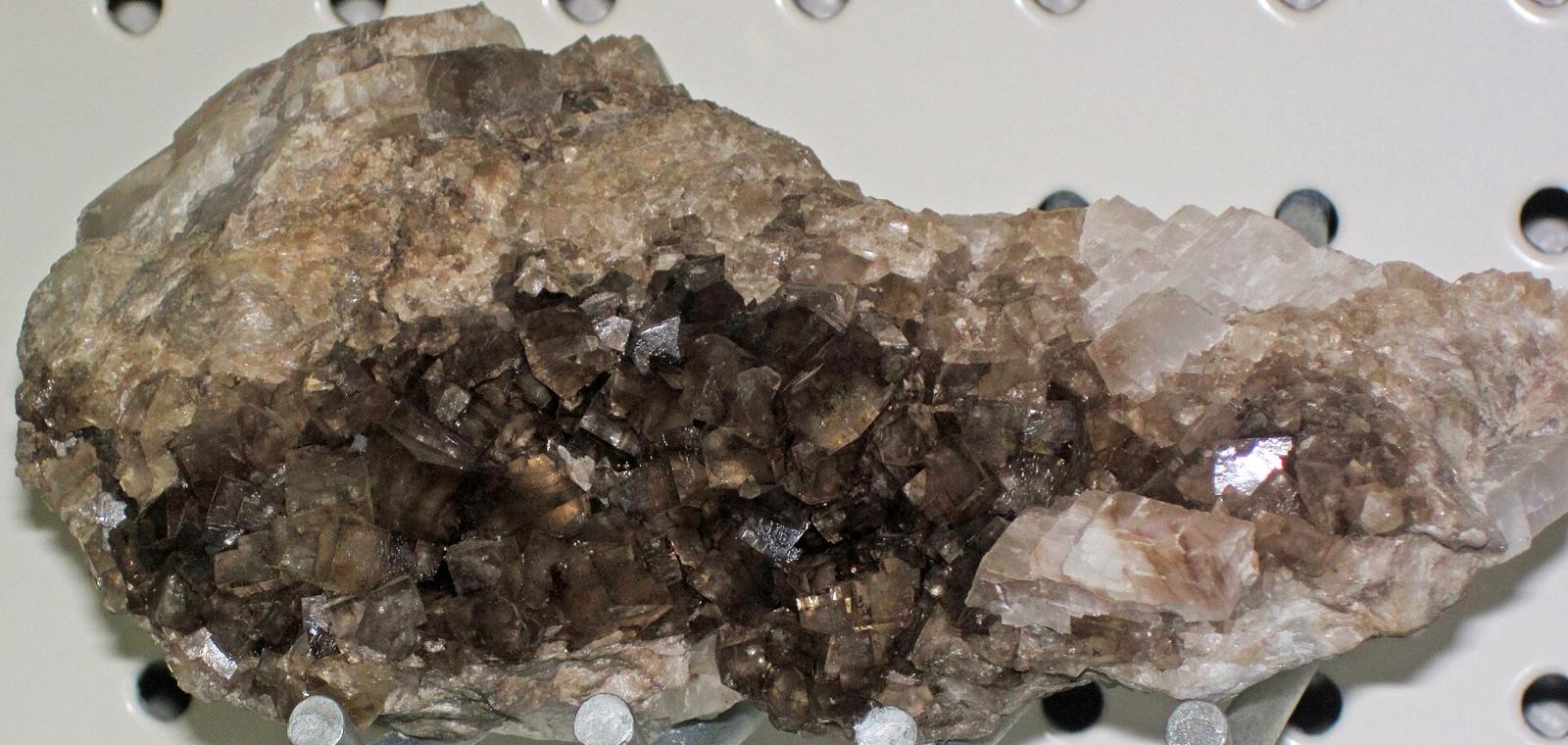 Top pick
Vance County
Island Creek represents the Hamme tungsten district, where NCGS work identifies hubnerite-bearing veins with quartz, sericite, fluorite, and scheelite at the Tungsten Queen mine.
Apatite, Chalcopyrite, Fluorite, Galena
9 places in North Carolina where you pay to dig and keep what you find. Prices and seasons change, so check with the operator before you drive out.
13 clubs in North Carolina. Clubs run field trips, shows and workshops, and many trips go to private claims you can't reach alone.
Open the RockHoundR app to see North Carolina on a real map with public land overlays, weather, geology, and your saved finds.

