Rockhounding in Minnesota

Updated August 2026

53 mapped spots for rock hunting and rock collecting across 23 counties. Minnesota is Lake Superior agate country. The state gemstone shows up on North Shore beaches from Duluth to Grand Marais, in gravel pits around Cloquet and Moose Lake, and in river bars as far south as Little Falls. Thomsonite at Grand Marais, iron-range minerals on the Mesabi and Cuyuna, staurolite at Little Falls, and Ordovician fossils around Rochester round out the state.

Where is the best rockhounding in Minnesota?

The best rockhounding in Minnesota is at Cloquet in Carlton County (lake superior agate, garnet), Grand Marais in Cook County (lintonite, thomsonite), and Beaver Bay in Lake County (lake superior agate, thomsonite). In total, 53 mapped collecting spots across 23 counties produce lake superior agate, jasper, and agate, each listed below with its land access.

Open the full map

Every rockhounding spot in Minnesota

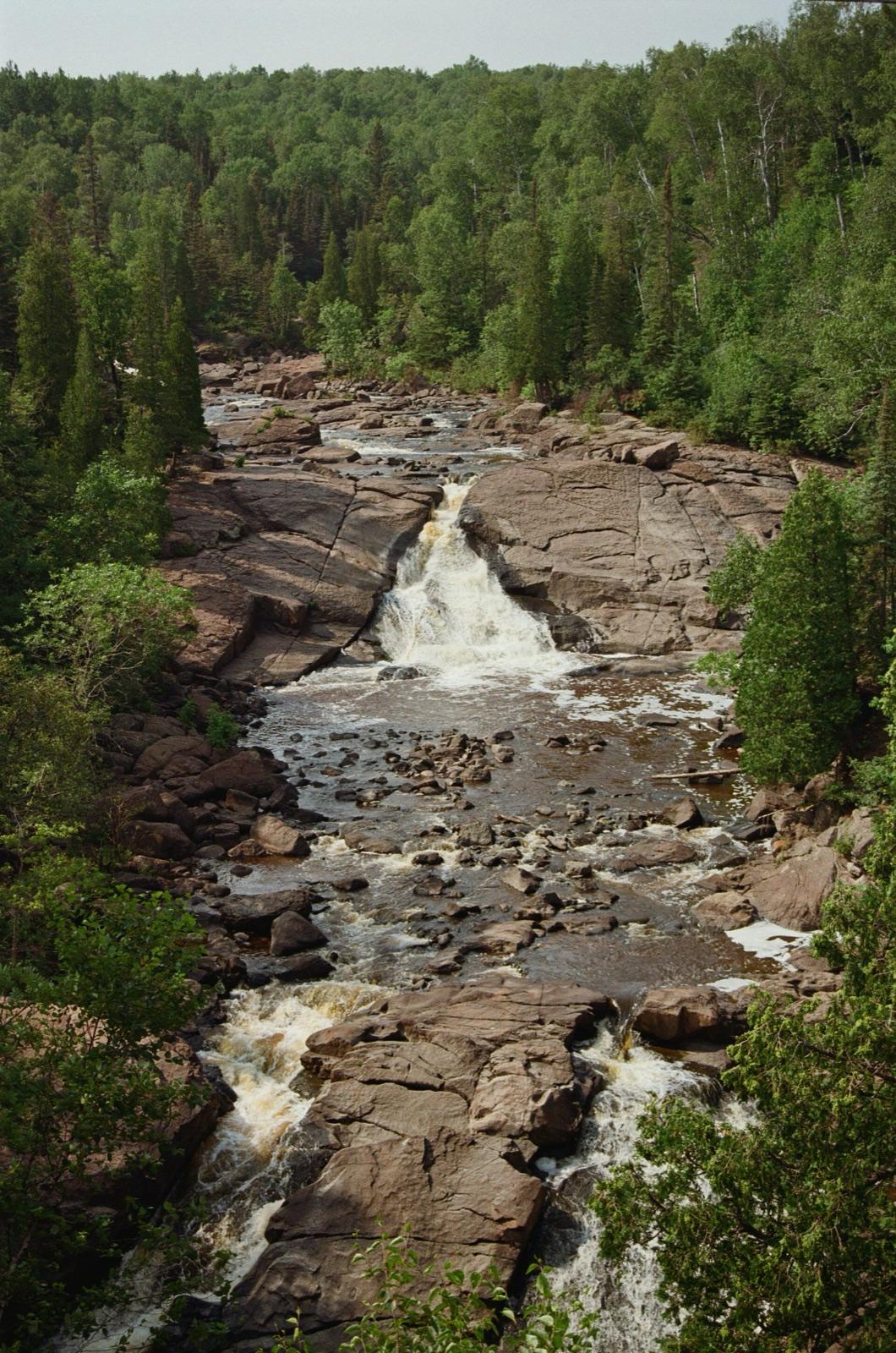
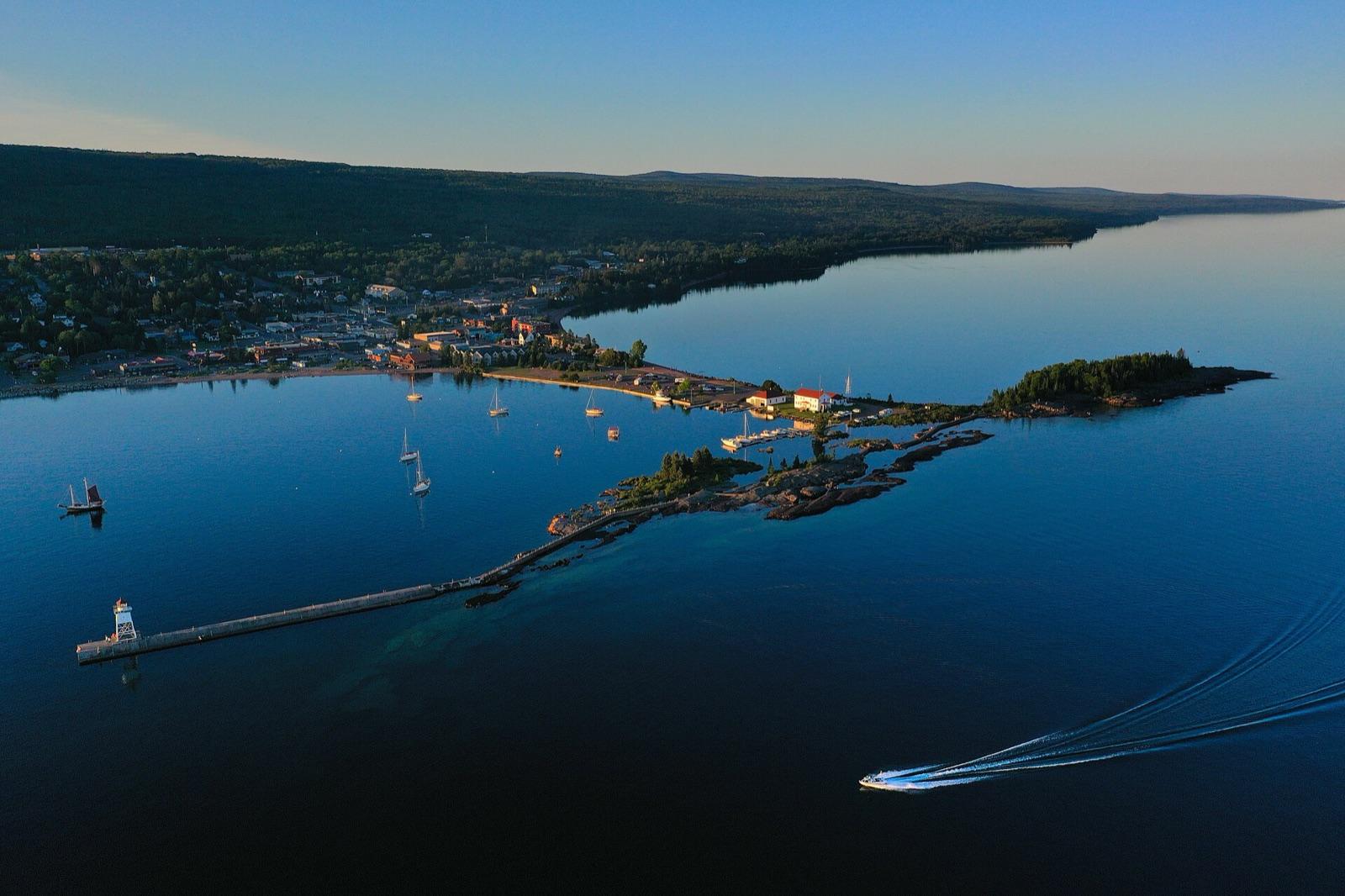
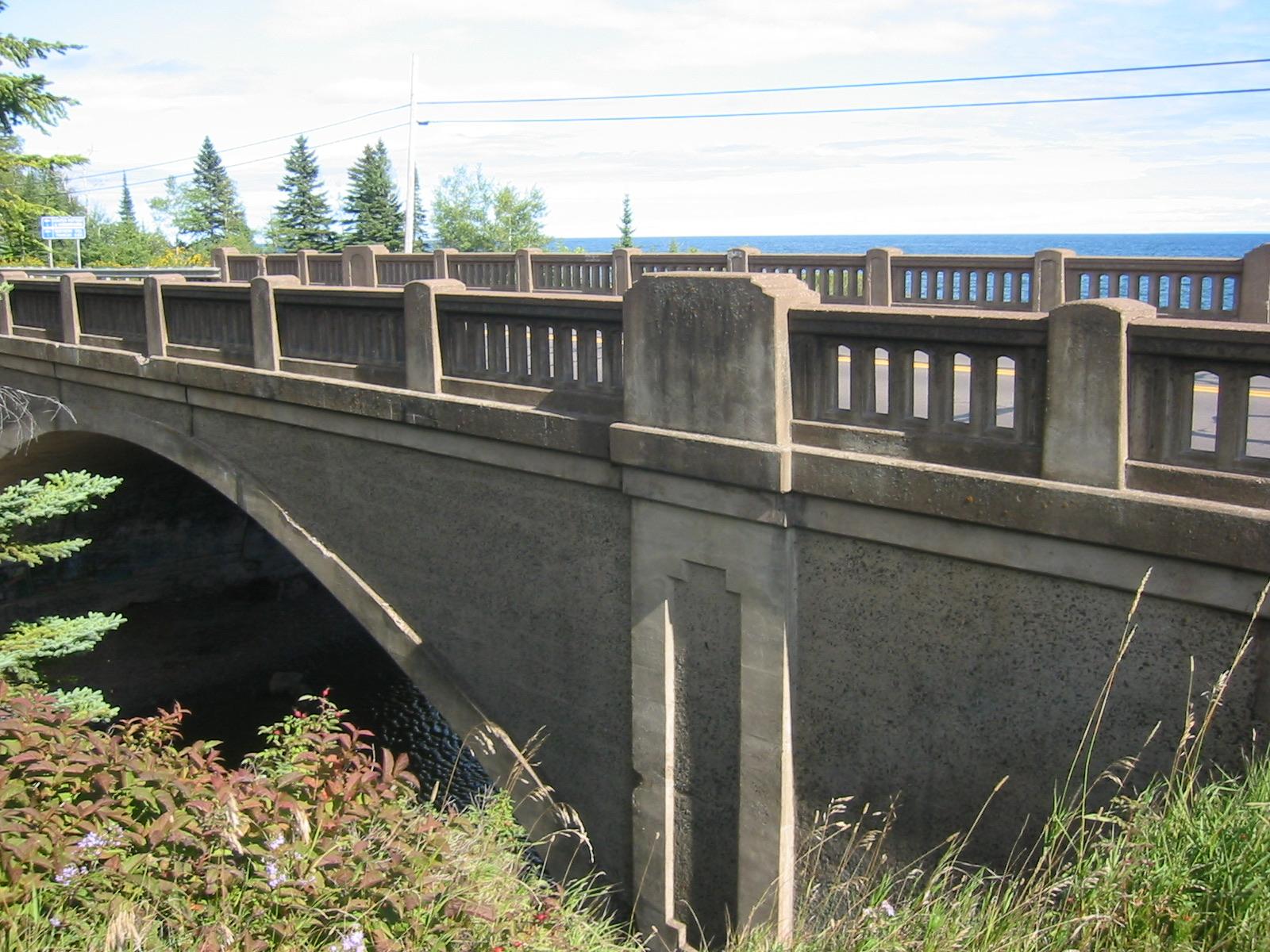
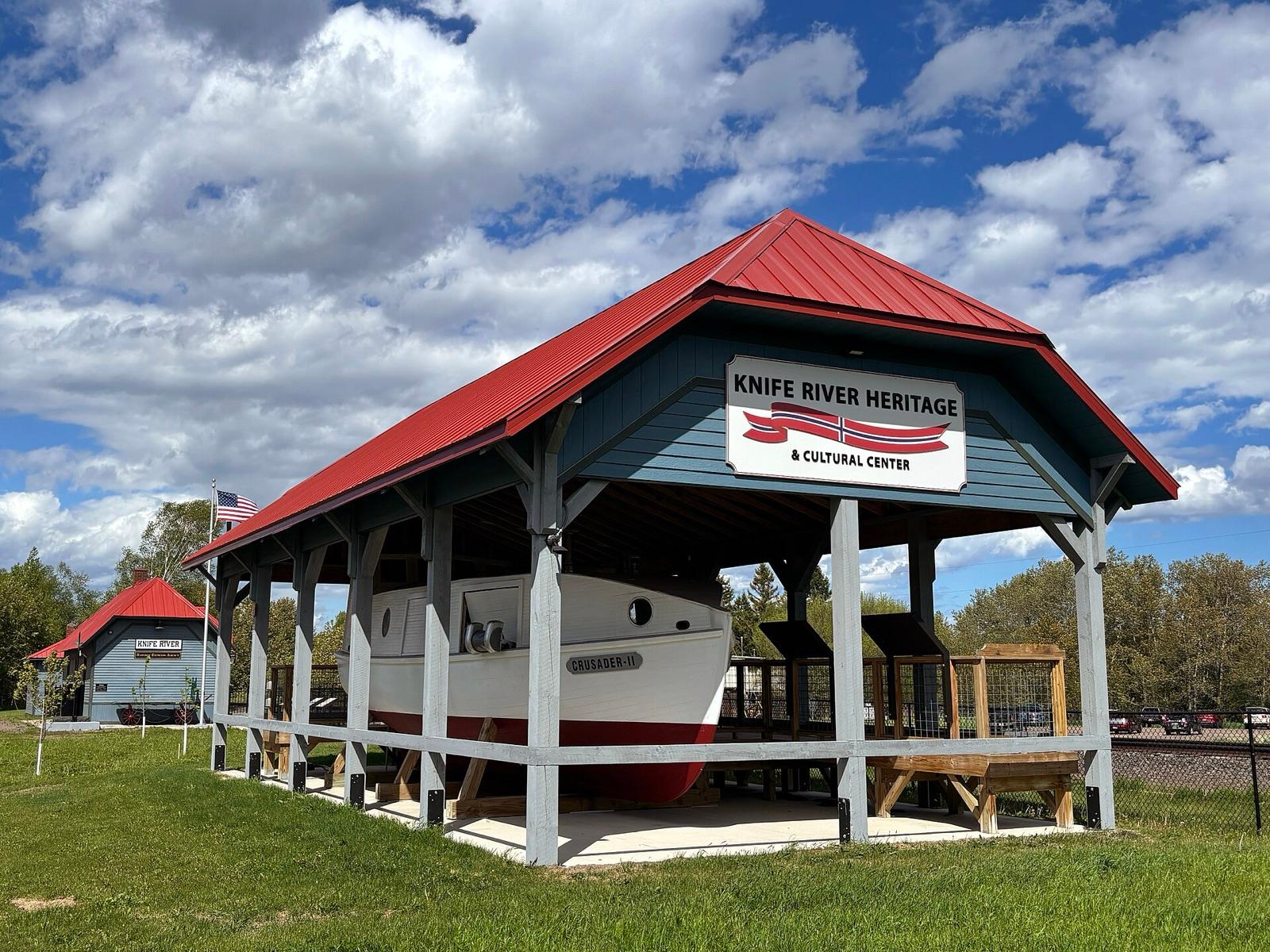
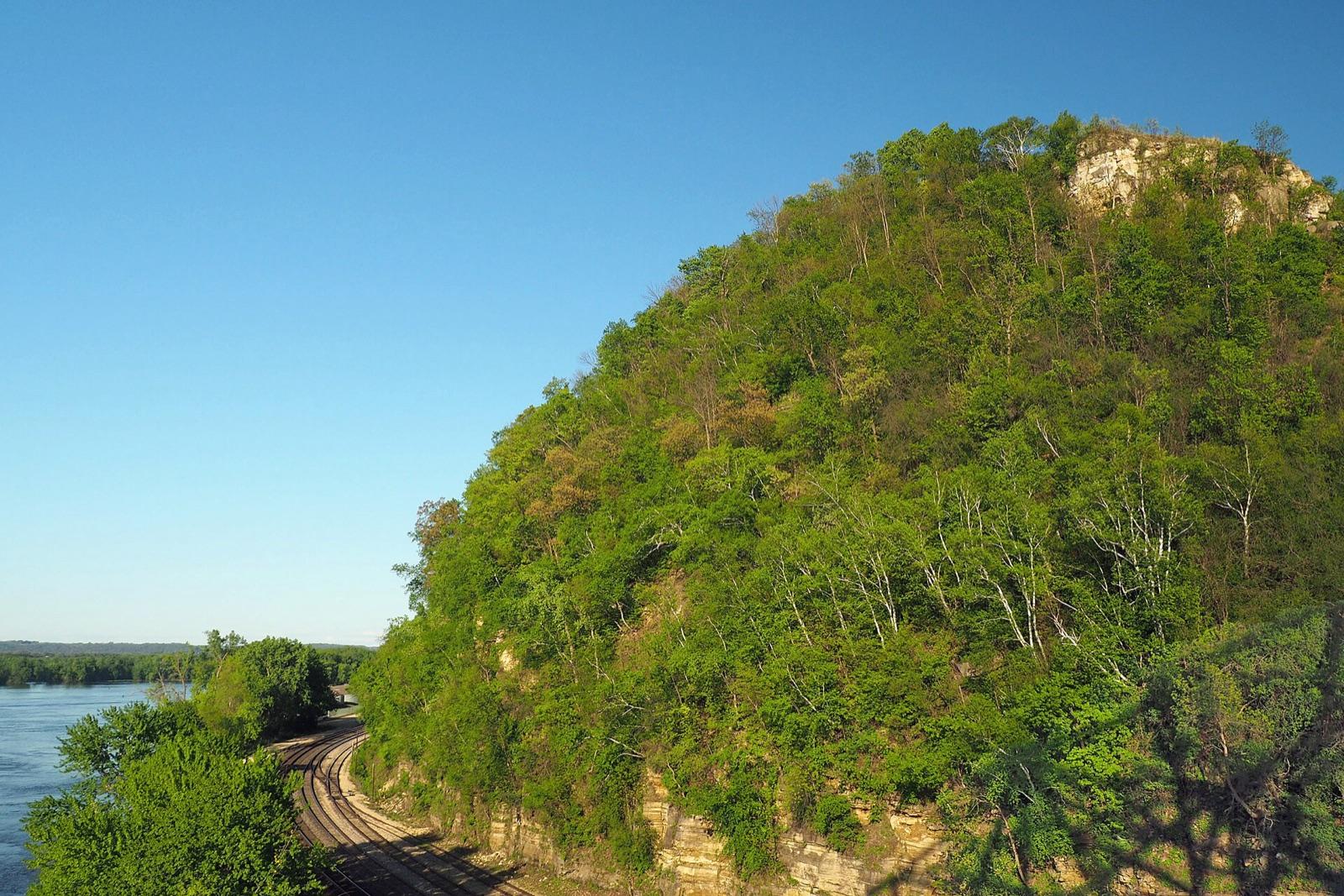
Minnesota rockhounding photos

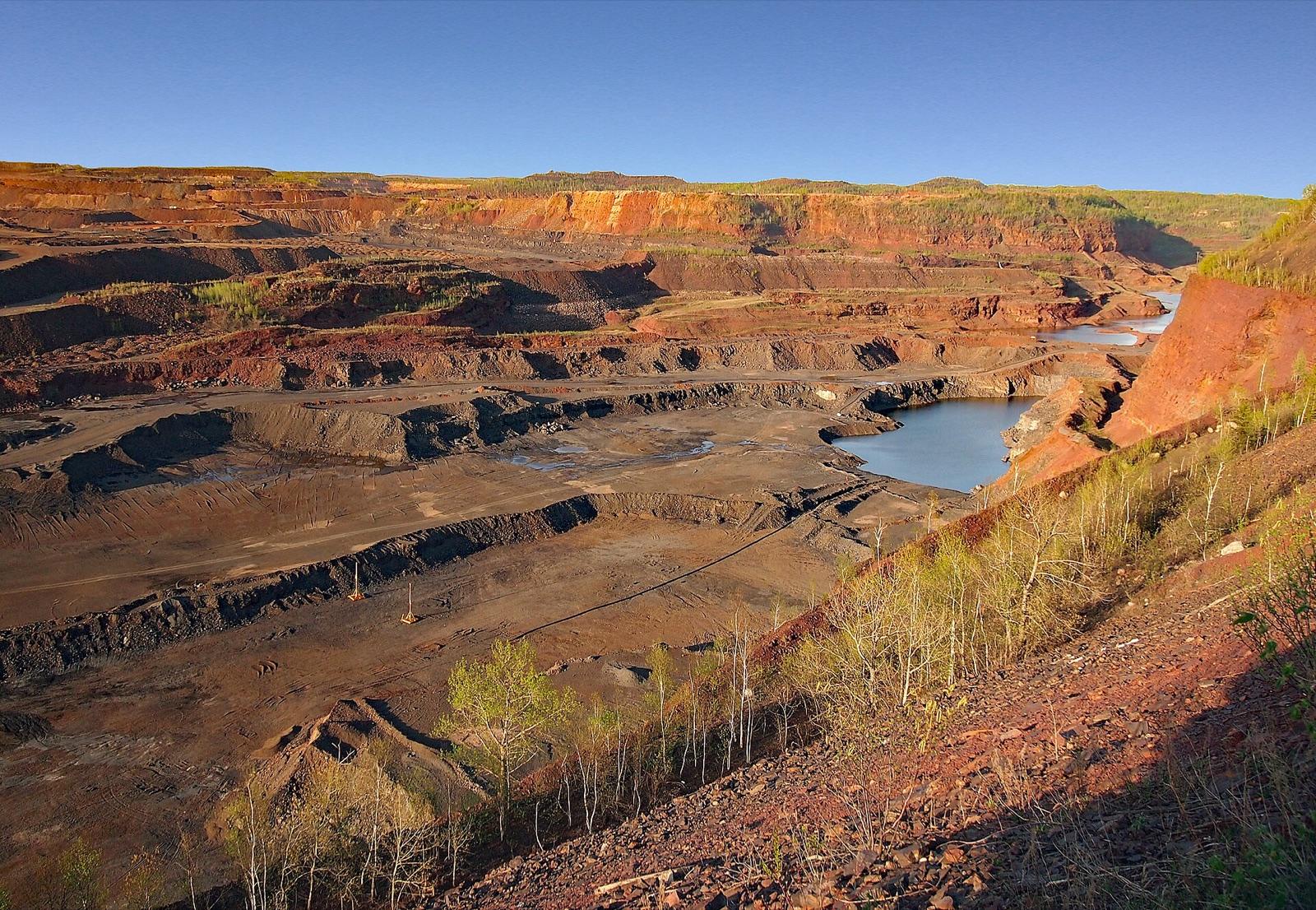
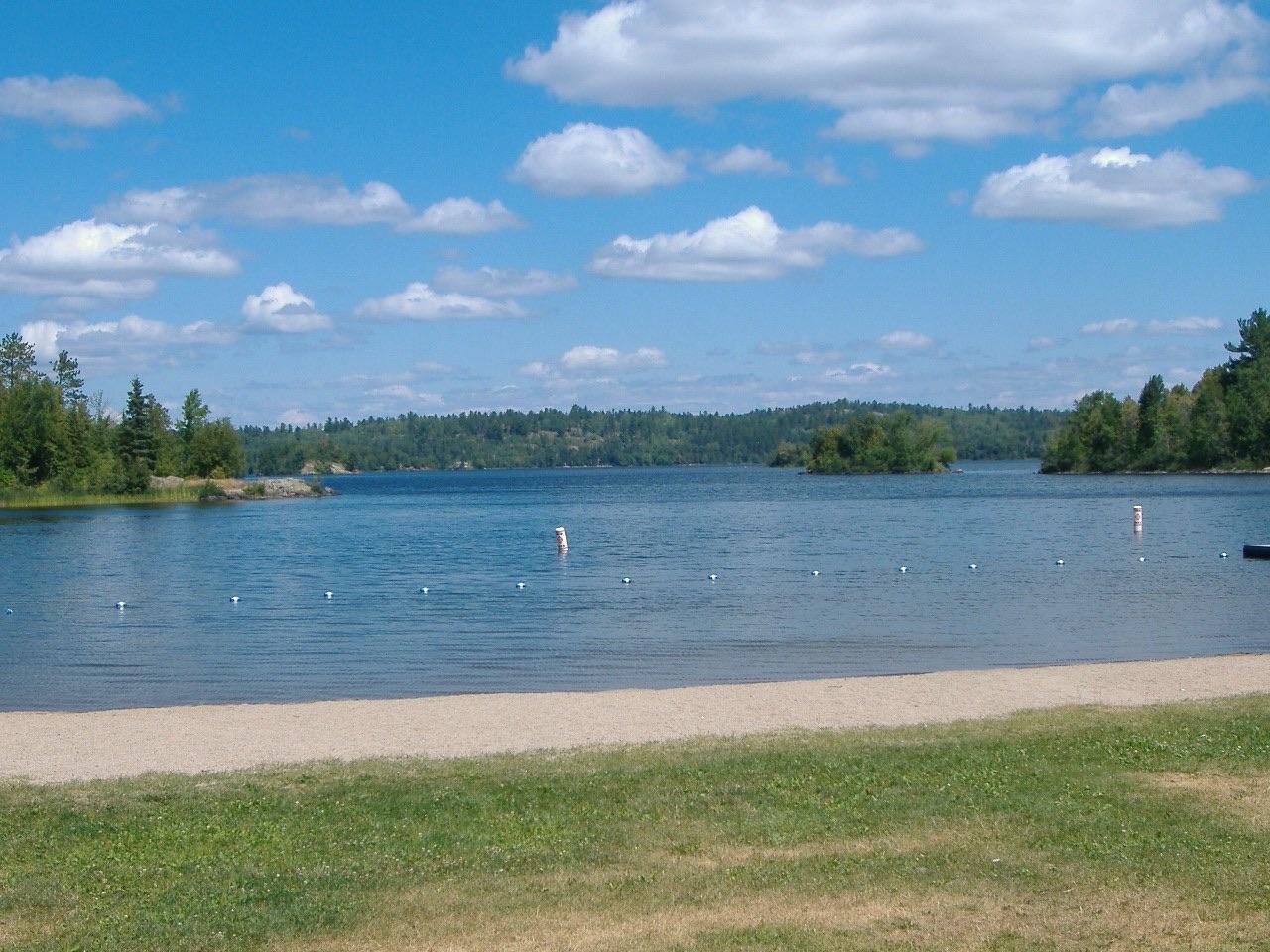
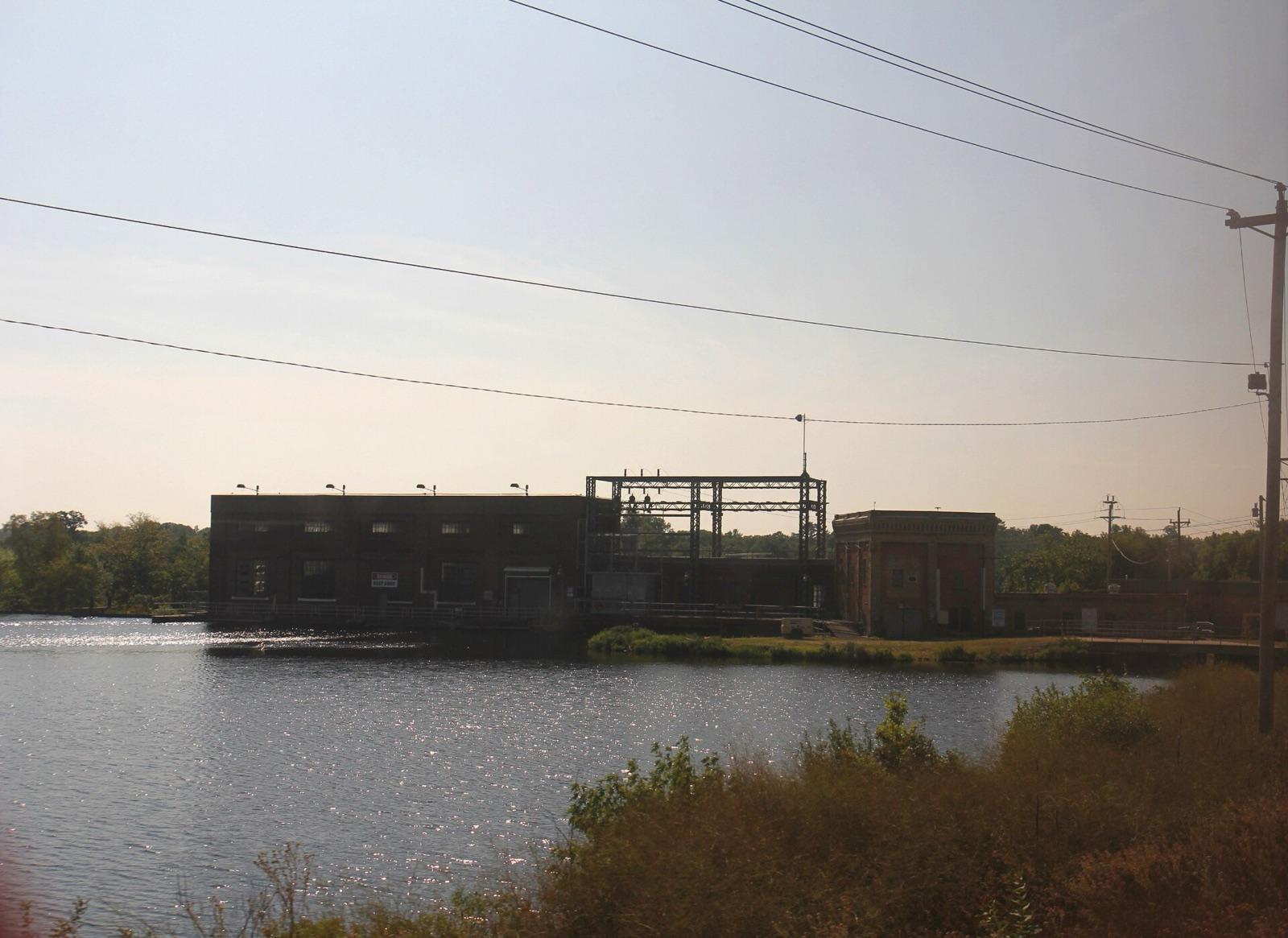
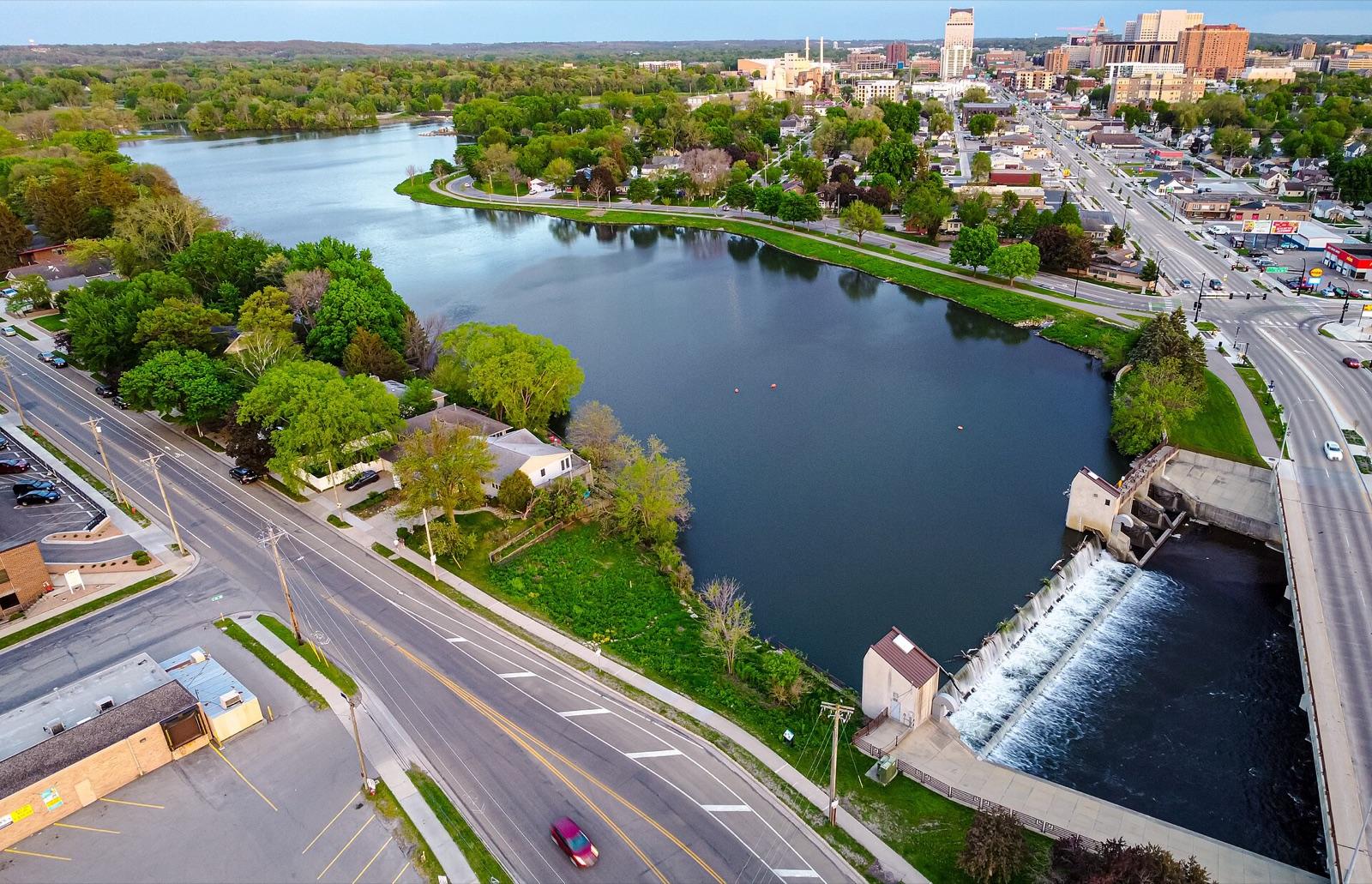
Representative spot and material photos from locations in this state, shown where verified public image records are available.

5 photos

Top minerals found in Minnesota

Counts reflect how many spots in this list mention each mineral.

Notable areas: North Shore Lake Superior agates, Grand Marais thomsonite, Cuyuna binghamite, Little Falls staurolite, and Mesabi hematite are the Minnesota targets collectors travel for.

Geology behind Minnesota rockhounding

The North Shore Volcanic Group, billion-year-old basalt flows from the Midcontinent Rift, is the source rock for Lake Superior agate, thomsonite, prehnite, and the zeolites that fill its gas cavities, and the Duluth Complex gabbro sits behind it. Glaciers plucked agates from those flows and spread them across the state in till and outwash, which is why gravel pits at Cloquet, Moose Lake, and Cambridge and river bars on the Mississippi at Little Falls produce them far from the lake. The Mesabi, Cuyuna, and Vermilion iron ranges are Precambrian iron formation with hematite, magnetite, greenalite, and the Cuyuna's banded quartz and goethite sold as binghamite and silkstone; Ely's greenstone belt is older still. The Little Falls Formation schist around Morrison County carries staurolite crystals. Southeastern Minnesota is unglaciated Paleozoic limestone and shale, with Ordovician brachiopods, trilobites, and crinoids in road cuts and stream banks around Rochester and Winona. Pipestone's catlinite is protected and quarried only by Native Americans.

Best regions to focus your search

North Shore beaches (Lake, Cook, St. Louis)

Agates at the Knife River beaches, Kelsey Beach, Beaver Bay, and Grand Marais, with thomsonite at the Grand Marais area beaches. Public accesses and town beaches allow picking; the state park beaches (Gooseberry, Split Rock, Tettegouche) do not.

Agate gravel country (Carlton, Pine, Isanti, Morrison)

Gravel pits around Cloquet and Moose Lake, the Moose Lake Agate Days stampede each July, and Mississippi River bars at Little Falls, which also produce staurolite from the schist upstream. Pits are private; ask the operator.

Iron ranges (St. Louis, Itasca, Crow Wing)

Hematite, magnetite, and greenalite on Mesabi dumps around Hibbing, binghamite and silkstone on the Cuyuna around Crosby and Ironton, Ely greenstone and pillow basalt in the Vermilion district. Mine property is private or reclaimed; some Cuyuna dumps are in county recreation areas with their own rules.

Southeast fossil country (Olmsted, Winona, Goodhue)

Ordovician fossils in road cuts and creeks around Rochester, Winona, and Red Wing, and Mississippi River gravel agates below the bluffs.

Best season

Ice-out in April and May and the storm season from October into November are the best agate beach windows, when fresh gravel is thrown up. Gravel pits and river bars are good all summer; Agate Days is the third weekend of July. Winter closes the North Shore beaches under ice.

What to bring

A spray bottle and a small garden rake for beach gravel, a rock hammer and safety glasses for the iron ranges and road cuts, knee boots, a bucket, and layers: Lake Superior is cold on the shore even in August. A UV lamp is worth packing for the North Shore's fluorescent finds.

Local collecting history

Iron shipped from the Vermilion Range in 1884 and the Mesabi in 1892, and for a century Minnesota supplied most of the country's ore. The Lake Superior agate became the state gemstone in 1969, and Moose Lake has hosted Agate Days since 1969 as well.

Rockhounding near major Minnesota cities

Day-trip range. Each section lists the closest mapped rockhounding spots within about 150 miles of the city. Most are inside a 2 to 3 hour drive.

Rockhounding near Minneapolis

See all →

6 closest spots to Minneapolis, MN.

  • MinneapolisHennepin County · Lake Superior Agate3 mi3 min drive
  • Quarry IslandDakota County · Lake Superior Agate9 mi11 min drive
  • OsseoHennepin County · Lake Superior Agate, Chalcedony11 mi13 min drive
  • St. PaulRamsey County · Lake Superior Agate12 mi15 min drive
  • StillwaterWashington County · Tripoli23 mi29 min drive
  • JordanScott County · Gold27 mi34 min drive

Rockhounding near Rochester

See all →

6 closest spots to Rochester, MN.

  • RochesterOlmsted County · Lake Superior Agate, Chalcedony1 mi2 min drive
  • Olmsted CountyOlmsted County · Gold5 mi6 min drive
  • Rochester (area 2)Olmsted County · Lake Superior Agate, Fossil10 mi12 min drive
  • Lake PepinWabasha County · Lake Superior Agate31 mi39 min drive
  • WabashaWabasha County · Lake Superior Agate33 mi42 min drive
  • Nelson Public Boat LandingBuffalo County · Lake Superior Agate36 mi45 min drive

Neighboring states with rockhounding

Geology rarely respects state borders. These states share mapped rockhounding country with Minnesota, useful when Minnesota is the start, not the whole trip. Each card links to the closest county across the line.

Rockhounding by county in Minnesota

County pages are linked once we have at least 3 mapped spots for a focused guide with coordinates, mineral notes, and nearby spots.

Top picks in Minnesota

10 best spots

Hand-picked standouts from the Minnesota list, chosen for unusual mineralogy, documented public access, or both. Each card links to coordinates, access notes, and what to look for.

Fee digs and gem mining in Minnesota

3 places in Minnesota where you pay to dig and keep what you find. Prices and seasons change, so check with the operator before you drive out.

  • Airport PitCarlton CountyAgate
  • Moose Lake Agate PitCarlton CountyAgate
  • Soo PitCarlton CountyAgate

Rock and mineral clubs in Minnesota

7 clubs in Minnesota. Clubs run field trips, shows and workshops, and many trips go to private claims you can't reach alone.

Full club directory →

Minnesota rockhounding FAQ

Is rockhounding legal in Minnesota?+
Yes, on Superior National Forest land for personal-use hand collecting, on public beach accesses and town beaches, at gravel pits with the operator's permission, and on private land with permission. State parks, scientific and natural areas, and the national park units prohibit collecting.
Where is the best place to find Lake Superior agates?+
North Shore beaches with public access between Two Harbors and Grand Marais, such as the Knife River beaches, Kelsey Beach, and Beaver Bay, after storms or spring ice-out. Inland, gravel pits around Moose Lake and Cloquet and the Mississippi bars at Little Falls are reliable. Wet the gravel and look for the waxy luster and banding.
Where can I find thomsonite in Minnesota?+
The Grand Marais area of Cook County, where a few beaches on private and resort land are the classic source. Ask before collecting on private shore. Thomsonite forms pink and green eyes in the basalt and washes out as small pebbles.
Can I collect on the iron ranges?+
Mine dumps are mostly private or reclaimed and active pits are closed. The Cuyuna Country State Recreation Area around Crosby has its own rules, and local clubs and the Hibbing and Chisholm mining museums can point you to tolerated spots for hematite, binghamite, and silkstone.
What rocks and minerals can you find in Minnesota?+
Minnesota spots in this list most often produce Lake Superior agate, jasper, agate, chalcedony, garnet, iron minerals, greenalite, and magnetite, plus thomsonite, staurolite, binghamite, and Ordovician fossils.
Where can I go rock hunting in Minnesota?+
Rock hunting, rock collecting and rockhounding are the same hobby under different names. 53 spots are mapped in Minnesota, 45 of them with public access. Saint Louis County, Carlton County, and Lake County have the most.
Is there gem mining or pay-to-dig in Minnesota?+
Yes. 3 fee digs are mapped in Minnesota, where you pay to dig and keep what you find: Airport Pit, Moose Lake Agate Pit, and Soo Pit. Prices and seasons change, so check with the operator before you drive out.
Where can I dig for crystals in Minnesota?+
1 mapped spot in Minnesota reports quartz, amethyst, or smoky quartz, mostly in Saint Louis County. Each one is in the list on this page with its land access.
Can you find geodes in Minnesota?+
None of the 53 mapped spots in Minnesota report geodes. The nearest states with mapped geode spots are Wisconsin (1), Michigan (1), and Iowa (18).
Where can I go gold panning in Minnesota?+
2 mapped spots in Minnesota report gold, mostly in Olmsted County and Scott County. Check for mining claims before you pan: working someone else's claim is not allowed.
Where can I go fossil hunting in Minnesota?+
3 mapped spots in Minnesota report fossils, mostly in Olmsted County and Le Sueur County. On federal land you may keep common shells, corals and plant fossils. Bones and teeth of animals with a backbone are protected.

Map every Minnesota spot in the app

Open the RockHoundR app to see Minnesota on a real map with public land overlays, weather, geology, and your saved finds.

Download on the App StoreGet it on Google Play