Rockhounding in Georgia

Updated August 2026

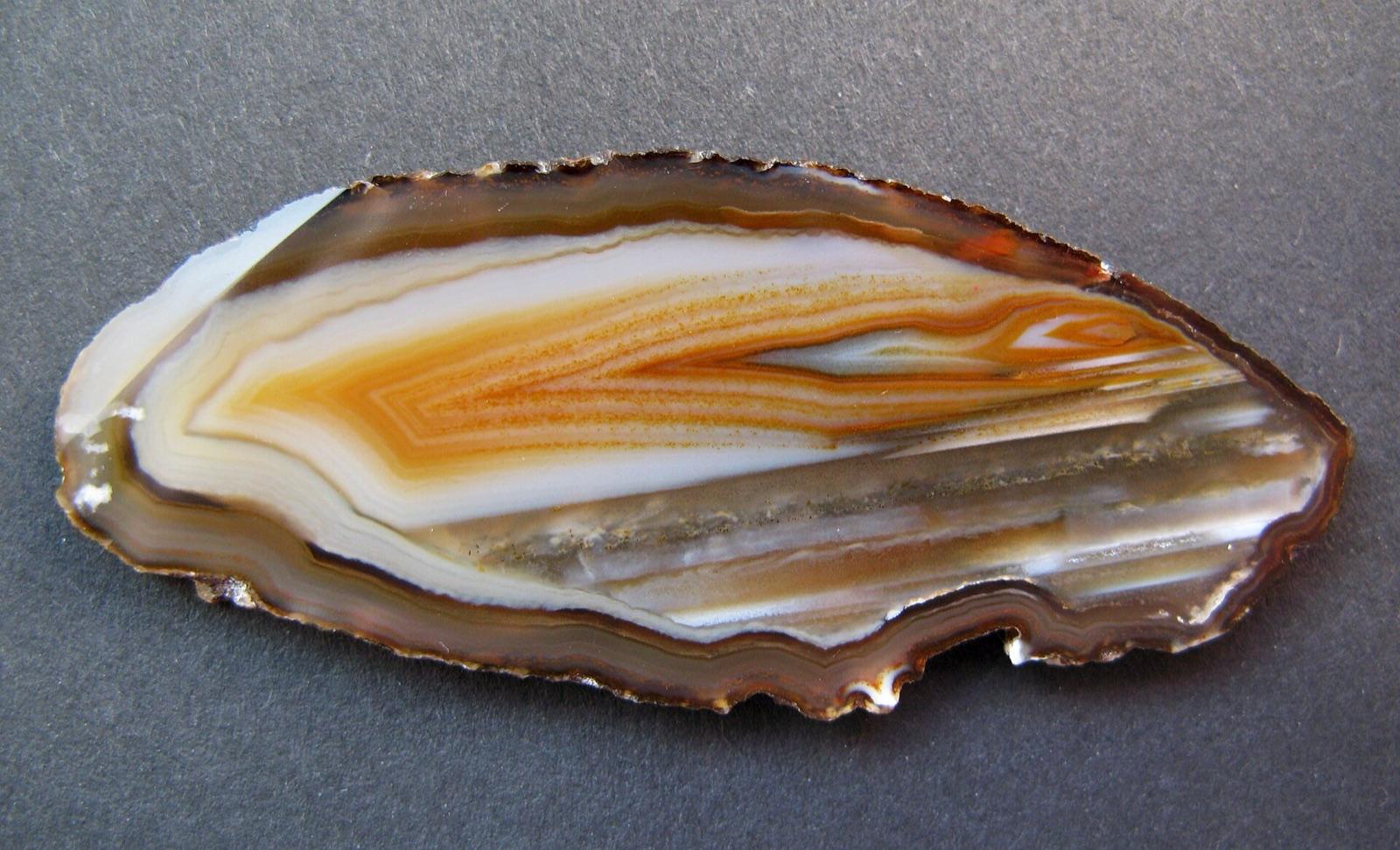
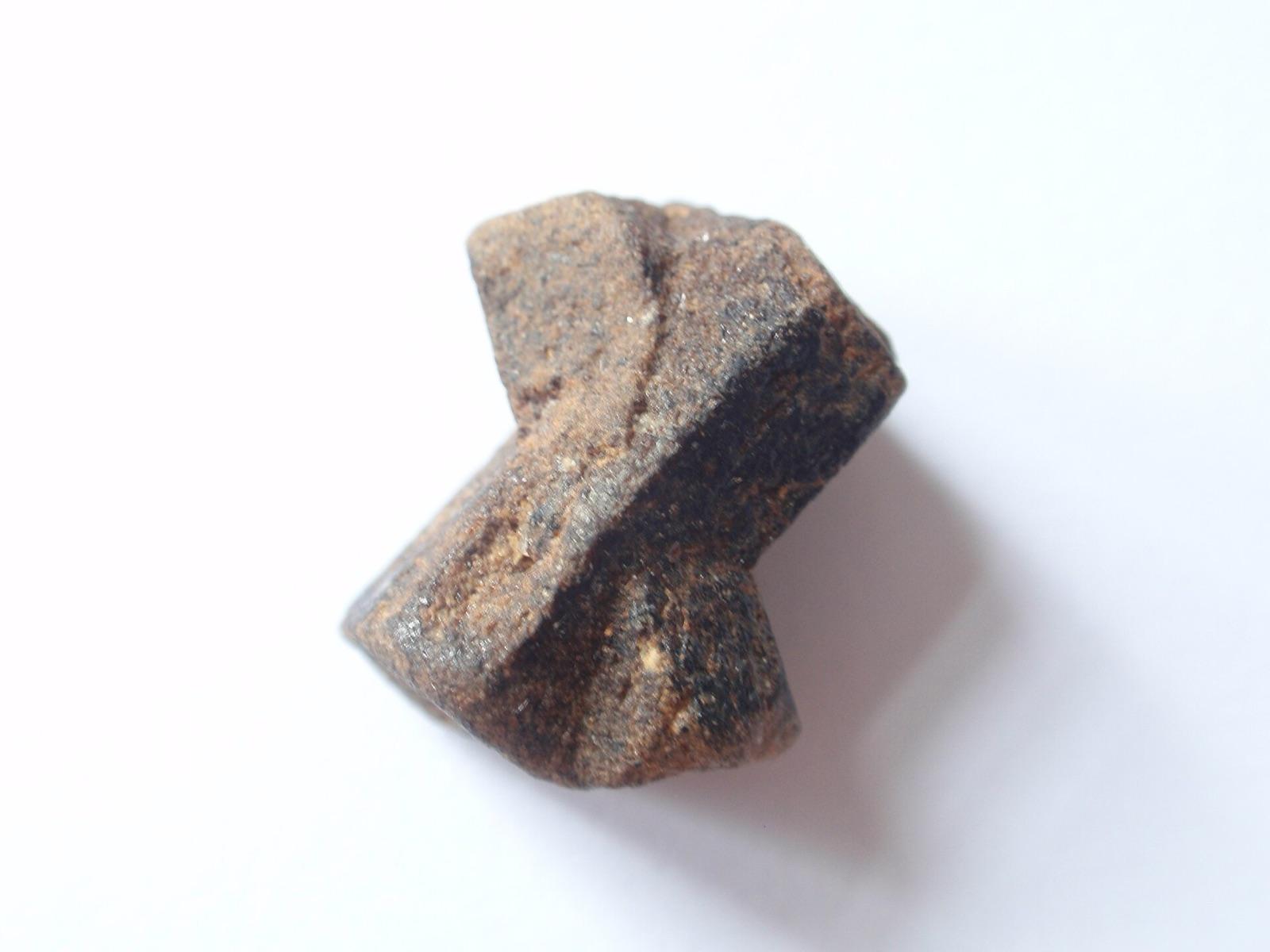
97 mapped spots for rock hunting and rock collecting across 53 counties. Georgia rockhounding runs from the Blue Ridge in the north, where staurolite fairy crosses, garnet, kyanite, and corundum weather out of the schists, through the Piedmont gold belt around Dahlonega, to Coastal Plain rivers that carry agatized coral, chert, and fossil shark teeth.

Where is the best rockhounding in Georgia?

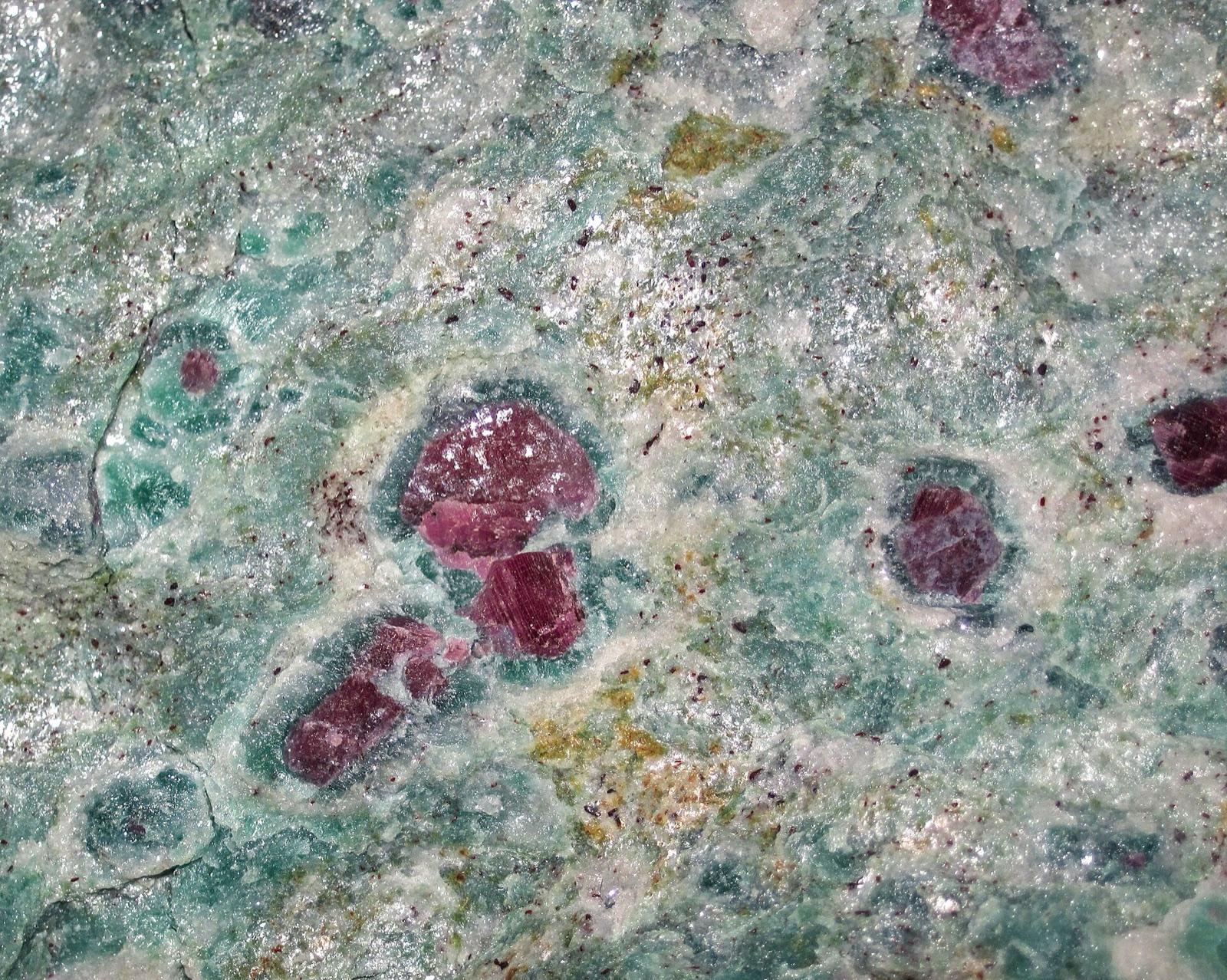
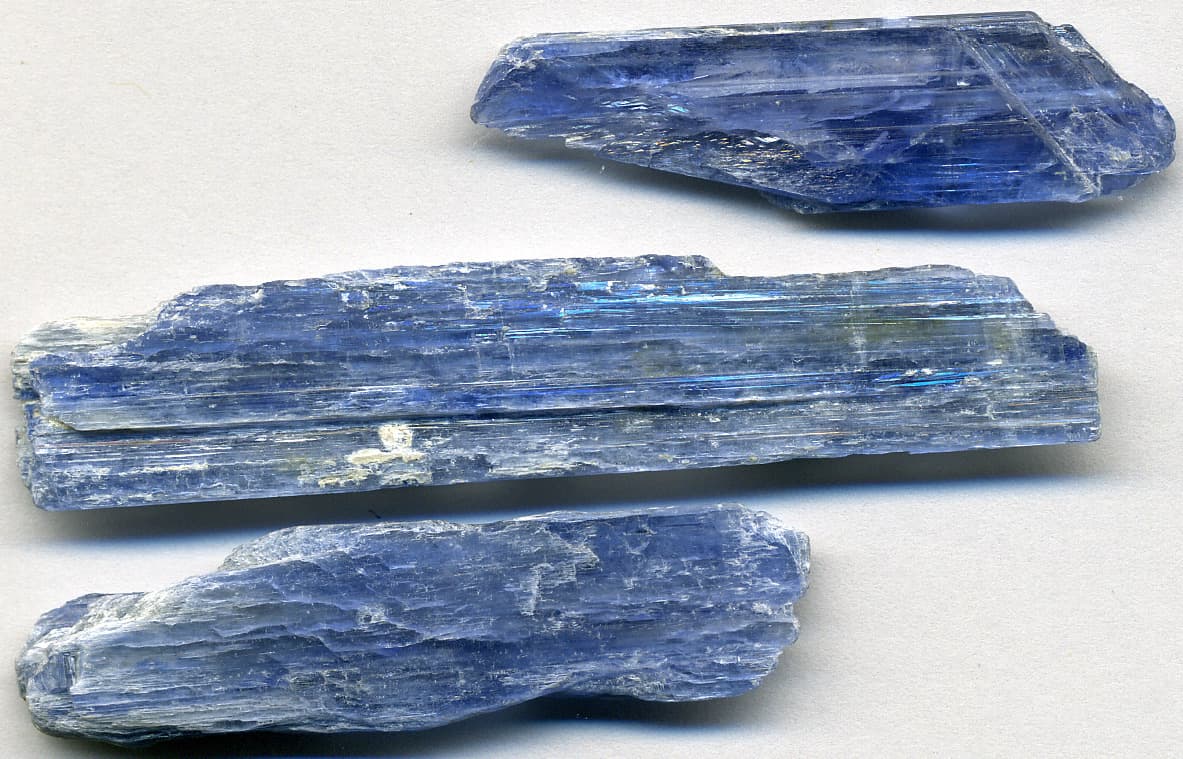
The best rockhounding in Georgia is at Tallapoosa River in Carroll County (ruby), Windy Ridge and Mineral Bluff in Fannin County (staurolite), and Soquee River in Habersham County (kyanite). In total, 97 mapped collecting spots across 53 counties produce quartz, beryl, and garnet, each listed below with its land access.

Open the full map

Every rockhounding spot in Georgia

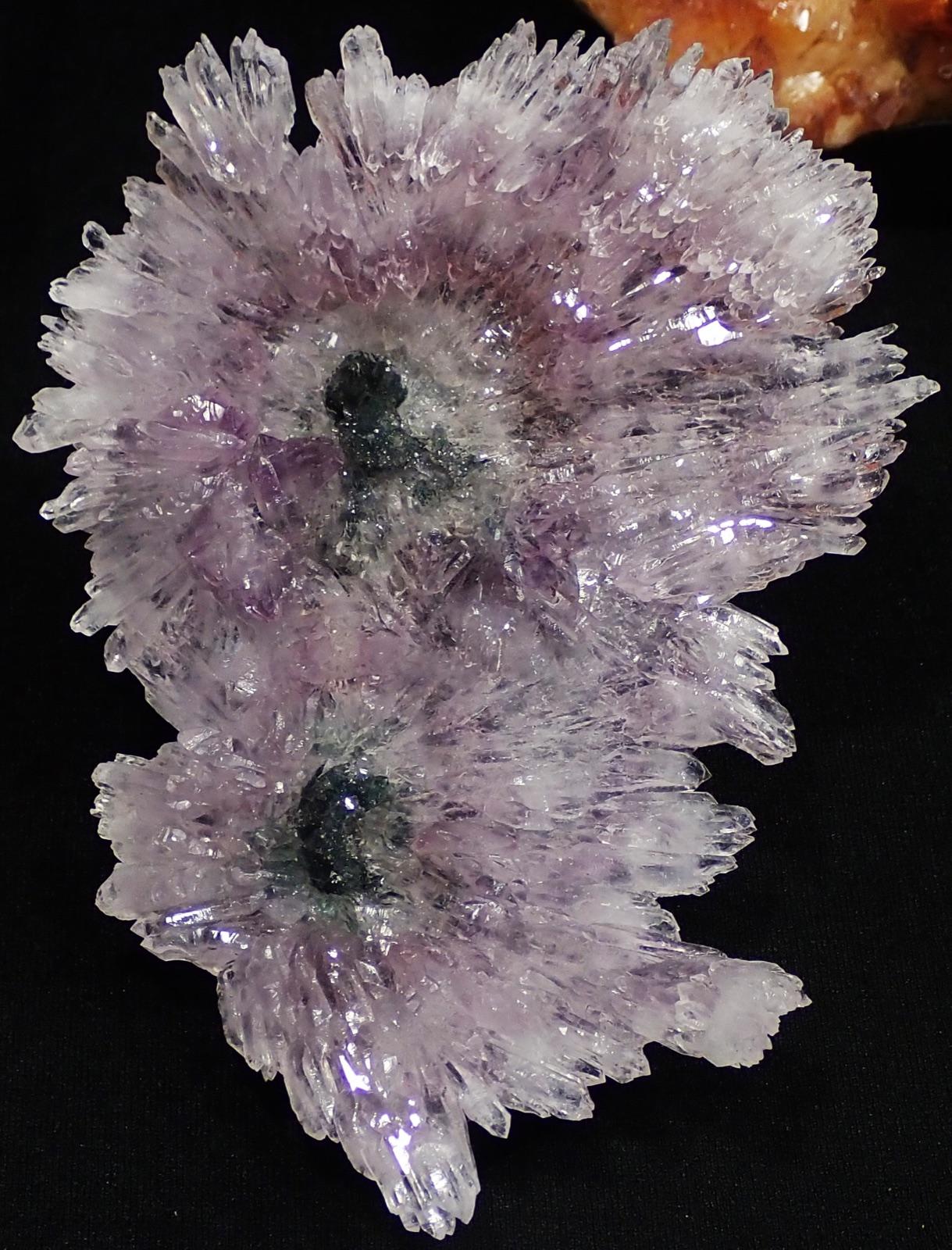
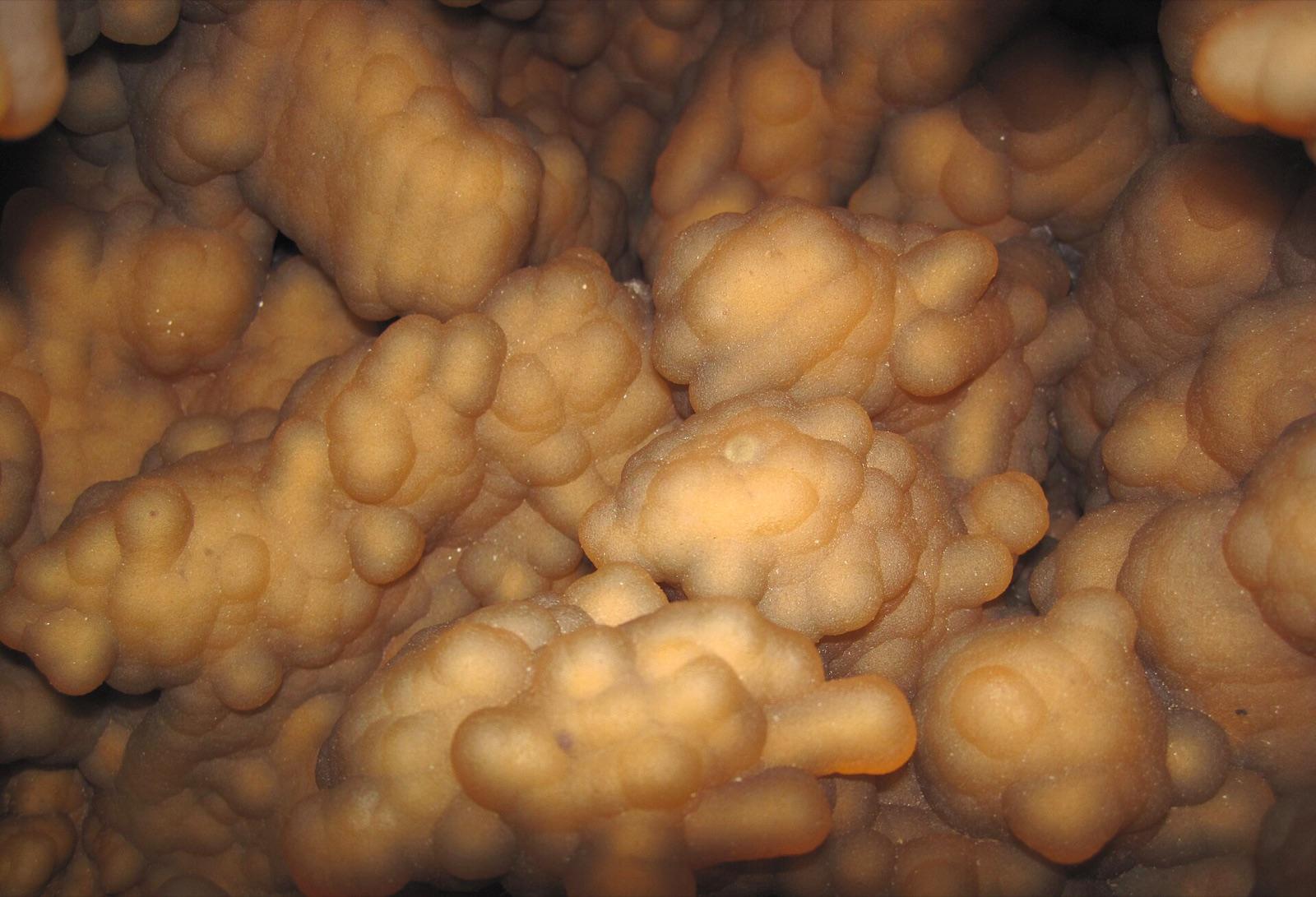
Georgia rockhounding photos

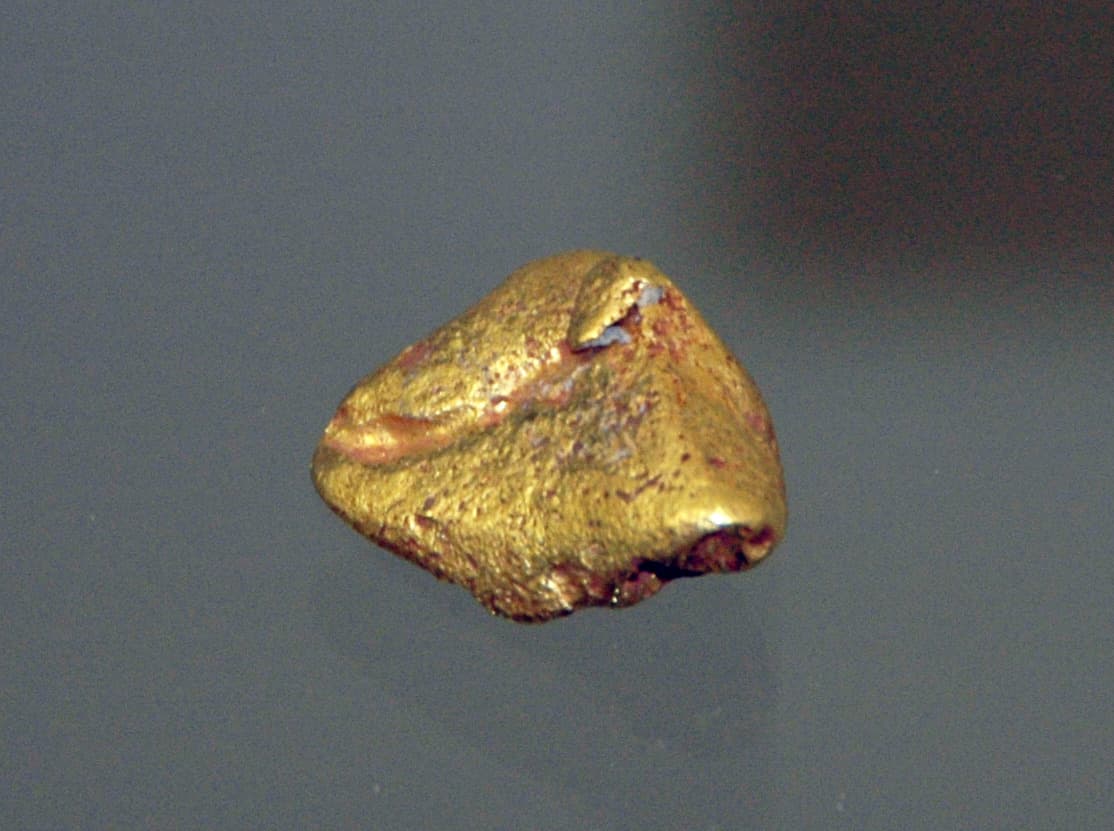
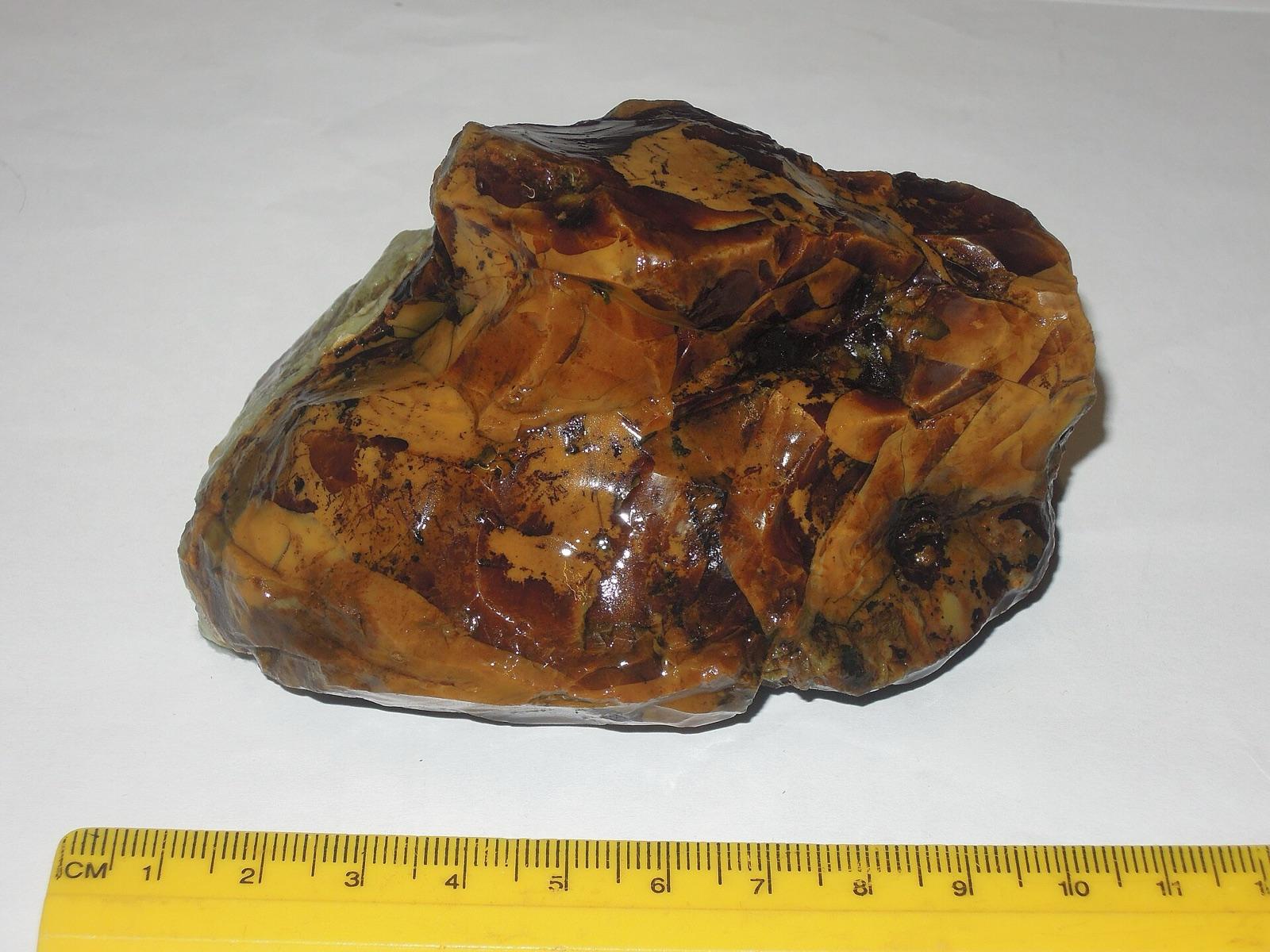
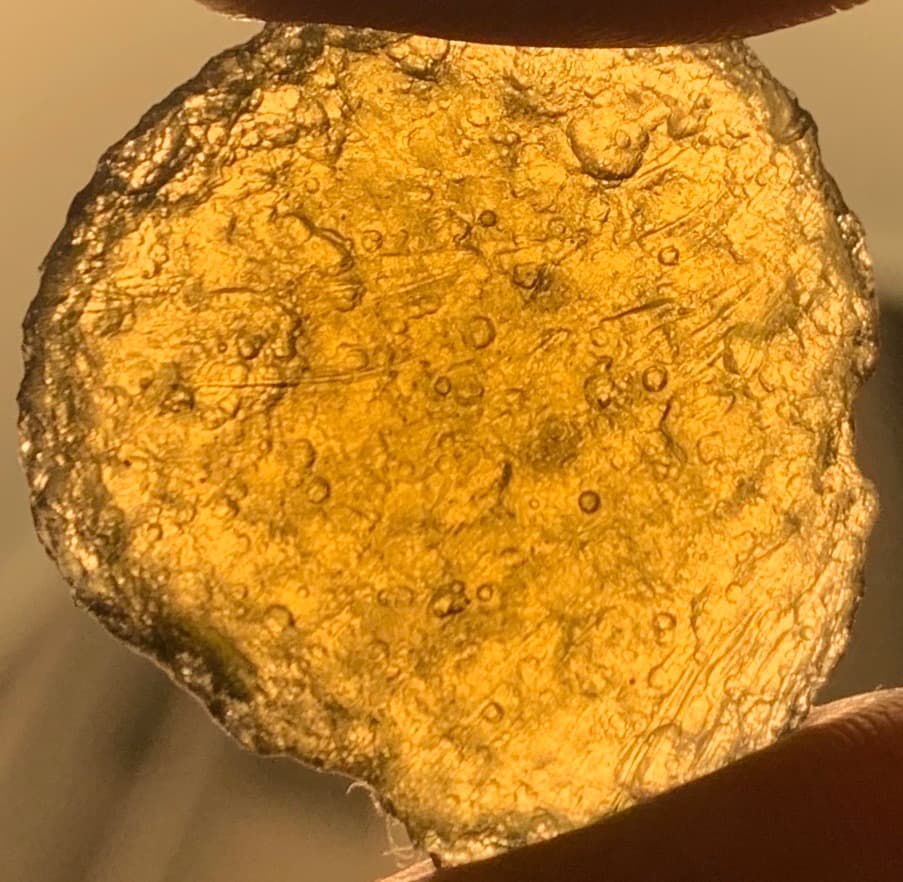
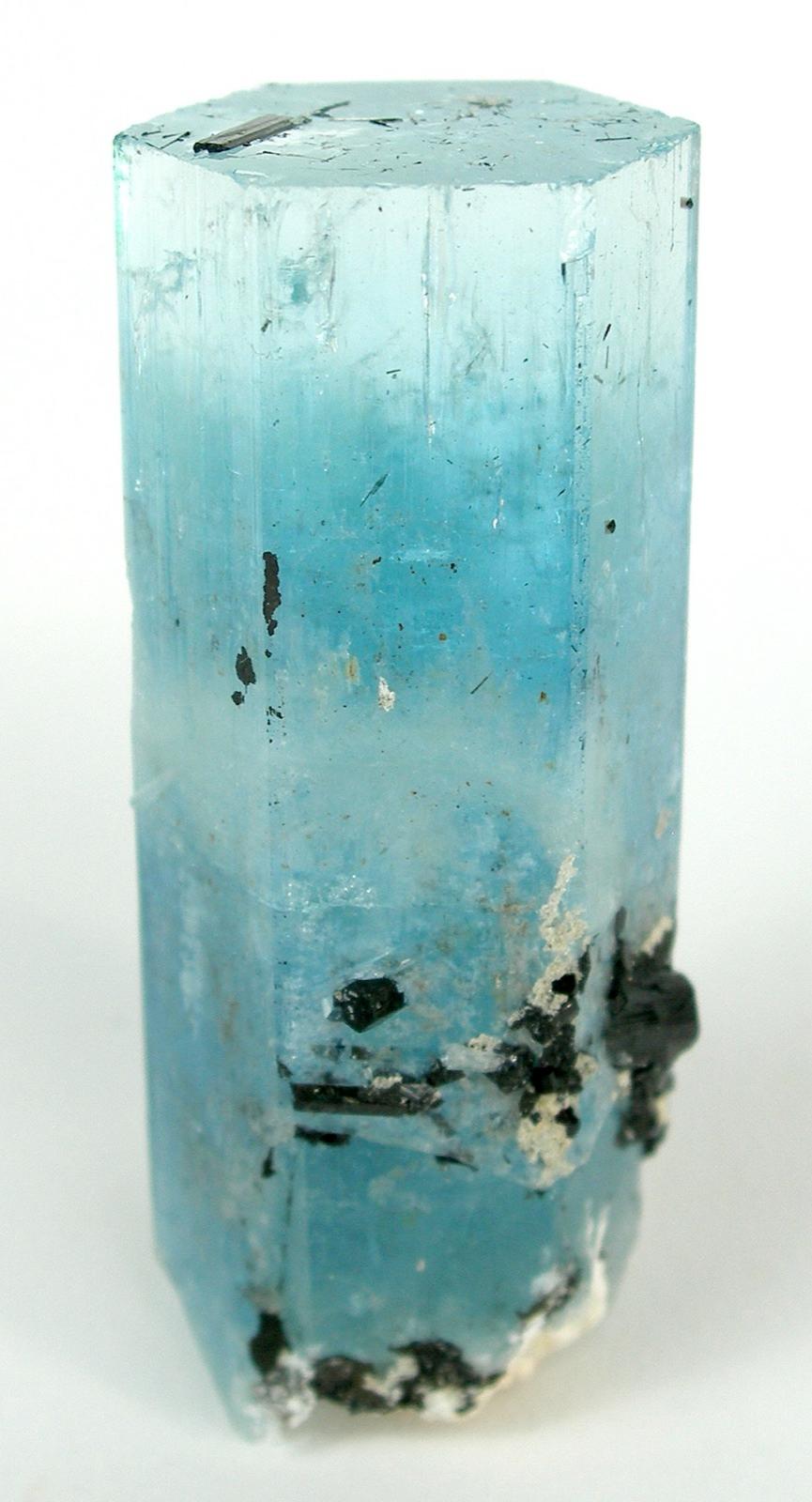
Representative spot and material photos from locations in this state, shown where verified public image records are available.

5 photos

Top minerals found in Georgia

Counts reflect how many spots in this list mention each mineral.

Notable areas: Fannin County staurolite crosses, Graves Mountain rutile and lazulite, Hogg Mine beryl and rose quartz, Dahlonega placer gold, and Flint River agatized coral are the classic Georgia targets.

Geology behind Georgia rockhounding

Three provinces do the work. The Blue Ridge and northern Piedmont are Precambrian and Paleozoic metamorphic rocks (schist, gneiss, amphibolite) that host staurolite in Fannin and Cherokee counties, kyanite and lazulite at Graves Mountain in Lincoln County, corundum in Towns and Rabun counties, and garnet almost everywhere the schist is fresh. Pegmatites cut through the Piedmont and carry beryl, aquamarine, rose quartz, and tourmaline, with the Hogg Mine near LaGrange the best-known fee site. The Dahlonega gold belt runs northeast through Lumpkin, White, and Cherokee counties as quartz veins and saprolite that still yield color in the pans. South of the Fall Line the Coastal Plain is Cretaceous through Miocene sediment: chert and agatized coral in the Flint and Withlacoochee drainages, petrified wood in Dodge and surrounding counties, and Miocene shark teeth along the coastal rivers.

Best regions to focus your search

Blue Ridge (Fannin, Gilmer, Towns, Rabun, Habersham)

Staurolite crosses at Windy Ridge and Mineral Bluff, corundum and garnet in the Towns County schists, and stream gravel along the Soquee and Chattooga. Chattahoochee National Forest ground allows hand collecting; much of the best staurolite ground is private.

Dahlonega gold belt (Lumpkin, White, Cherokee)

Baggs Branch and the Chestatee and Etowah drainages carry placer gold. Consolidated and Crisson are fee panning operations in Dahlonega; the surrounding creeks mix national forest with private frontage.

Piedmont pegmatites and Graves Mountain (Troup, Upson, Elbert, Lincoln)

Beryl, aquamarine, and rose quartz from the LaGrange pegmatites, granite country around Elberton, and Graves Mountain rutile, lazulite, and kyanite on its scheduled open weekends only.

Coastal Plain rivers (Flint, Withlacoochee, Ocmulgee, Savannah)

Agatized coral and banded chert in gravel bars, petrified wood in Dodge and Burke county exposures, and shark teeth on Savannah River spoil near Girard. Low water in late summer exposes the most gravel.

Best season

October through April for the mountains and Piedmont: cooler, fewer snakes and ticks, and leaf-off makes outcrops easier to read. Coastal Plain river gravel is best at late-summer low water, September and October. Graves Mountain opens only on its spring and fall Rock Swap weekends.

What to bring

Rock hammer, chisels, safety glasses, gloves, a garden trowel and a small screen for saprolite and creek gravel, a gold pan for the Dahlonega belt, knee boots for river bars, and a hand lens. Summer heat, ticks, and copperheads argue for long pants and plenty of water.

Local collecting history

The 1829 Dahlonega gold rush predated California by two decades and put a U.S. Mint branch in Lumpkin County. Graves Mountain was mined for kyanite into the 1980s and is now famous among collectors for its rutile and lazulite. Staurolite became the state mineral in 1976 and quartz the state gem the same year.

Rockhounding near major Georgia cities

Day-trip range. Each section lists the closest mapped rockhounding spots within about 150 miles of the city. Most are inside a 2 to 3 hour drive.

Rockhounding near Atlanta

See all →

6 closest spots to Atlanta, GA.

  • MorrowClayton County · Diamond11 mi14 min drive
  • Stone MountainDeKalb County · Quartz14 mi17 min drive
  • Arabia MountainDeKalb County · Tourmaline17 mi21 min drive
  • LithoniaDeKalb County · Calcite, Epidote17 mi21 min drive
  • Autry Mill Nature PreserveFulton County · Corundum21 mi26 min drive
  • Garnet HillPaulding County · Garnet25 mi32 min drive

Rockhounding near Columbus

See all →

6 closest spots to Columbus, GA.

  • Chattahoochee RiverMuscogee County · Chalcedony, Chert4 mi5 min drive
  • Bull CreekMuscogee County · Petrified Wood5 mi6 min drive
  • ColumbusMuscogee County · Silicified Wood11 mi14 min drive
  • Chattahoochee CountyChattahoochee County · Chert, Quartz14 mi18 min drive
  • Pine Mountain ValleyHarris County · Rose Quartz, Beryl25 mi32 min drive
  • Hogg MineTroup County33 mi41 min drive

Rockhounding near Augusta

See all →

6 closest spots to Augusta, GA.

  • Clearwater & Herse ValleyAiken County · Amethyst, Chalcedony12 mi15 min drive
  • Silver BluffAiken County · Manganese, Cobalt14 mi18 min drive
  • Turkey CreekEdgefield County · Serpentine28 mi35 min drive
  • Hawe CreekMcCormick County · Limonite Cube33 mi41 min drive
  • Sleepy CreekEdgefield County · Gold34 mi43 min drive
  • Graves Mountain, GeorgiaLincoln County35 mi44 min drive

Neighboring states with rockhounding

Geology rarely respects state borders. These states share mapped rockhounding country with Georgia, useful when Georgia is the start, not the whole trip. Each card links to the closest county across the line.

Rockhounding by county in Georgia

County pages are linked once we have at least 3 mapped spots for a focused guide with coordinates, mineral notes, and nearby spots.

Top picks in Georgia

10 best spots

Hand-picked standouts from the Georgia list, chosen for unusual mineralogy, documented public access, or both. Each card links to coordinates, access notes, and what to look for.

Fee digs and gem mining in Georgia

3 places in Georgia where you pay to dig and keep what you find. Prices and seasons change, so check with the operator before you drive out.

Rock and mineral clubs in Georgia

6 clubs in Georgia. Clubs run field trips, shows and workshops, and many trips go to private claims you can't reach alone.

Full club directory →

Georgia rockhounding FAQ

Is rockhounding legal in Georgia?+
Yes, on national forest land for personal-use hand collecting, at fee mines, and on private land with permission. Georgia State Parks, wildlife management areas, and national park units do not allow it. Because most classic Georgia localities are private, fee digs and club field trips are how most collecting actually happens.
Where can I find staurolite fairy crosses in Georgia?+
Fannin County, around Mineral Bluff, Windy Ridge, and Blue Ridge, is the historic source, with more in Gilmer and Cherokee counties. Crosses weather out of mica schist and collect in road ditches and plowed ground after rain. Much of it is private, so ask first; the national forest ground nearby is open to hand collecting.
Can I pan for gold in Georgia?+
Yes. Consolidated Gold Mine and Crisson Gold Mine in Dahlonega run fee panning year-round. On Chattahoochee National Forest streams in the gold belt, recreational panning with a pan and hand tools is allowed; dredges and sluices are not without a permit, and creeks fronting private land need the owner's permission.
When is Graves Mountain open to collectors?+
Only on its scheduled open weekends, usually one in spring and one in fall, organized by the site's caretaker. Outside those dates the property is closed and posted. Rutile, lazulite, pyrophyllite, kyanite, and iridescent hematite are the draw.
What rocks and minerals can you find in Georgia?+
Georgia spots in this list produce quartz, jasper, kyanite, garnet, staurolite, beryl, corundum, and chalcedony most often, plus placer gold, agatized coral, petrified wood, and shark teeth on the Coastal Plain.
Where can I go rock hunting in Georgia?+
Rock hunting, rock collecting and rockhounding are the same hobby under different names. 97 spots are mapped in Georgia, 87 of them with public access. Towns County, Habersham County, and Lumpkin County have the most.
Is there gem mining or pay-to-dig in Georgia?+
Yes. 3 fee digs are mapped in Georgia, where you pay to dig and keep what you find: Graves Mountain, Georgia, Crisson Gold Mine, and Hogg Mine. Prices and seasons change, so check with the operator before you drive out.
Where can I dig for crystals in Georgia?+
28 mapped spots in Georgia report quartz, amethyst, or smoky quartz, mostly in Towns County, Elbert County, and Jasper County. Each one is in the list on this page with its land access.
Can you find geodes in Georgia?+
Yes. 3 mapped spots in Georgia report geodes, mostly in Bartow County and Floyd County.
Where can I go fossil hunting in Georgia?+
1 mapped spot in Georgia reports fossils, mostly in Burke County. On federal land you may keep common shells, corals and plant fossils. Bones and teeth of animals with a backbone are protected.

Map every Georgia spot in the app

Open the RockHoundR app to see Georgia on a real map with public land overlays, weather, geology, and your saved finds.

Download on the App StoreGet it on Google Play