Rockhounding in New Mexico

Updated October 2026

143 mapped spots for rock hunting and rock collecting across 26 counties. New Mexico is strong high-desert rockhounding country. Rockhound State Park near Deming, Round Mountain, and broad BLM tracts produce thundereggs, jasper, agate, perlite, Apache tears, and pumice.

Where is the best rockhounding in New Mexico?

The best rockhounding in New Mexico is at Zuni Mountains in Cibola County (agate, chalcedony), Harding Pegmatite Mine in Taos County (blue apatite, bityite), and Jemez National Recreation Area in Sandoval County (obsidian, opalized wood). In total, 143 mapped collecting spots across 26 counties produce agate, jasper, and chalcedony, each listed below with its land access.

Open the full map

Every rockhounding spot in New Mexico

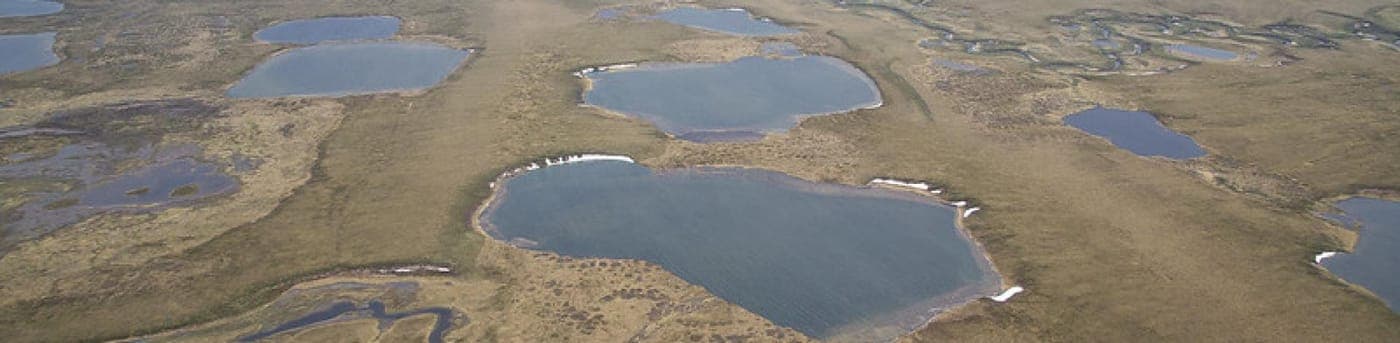
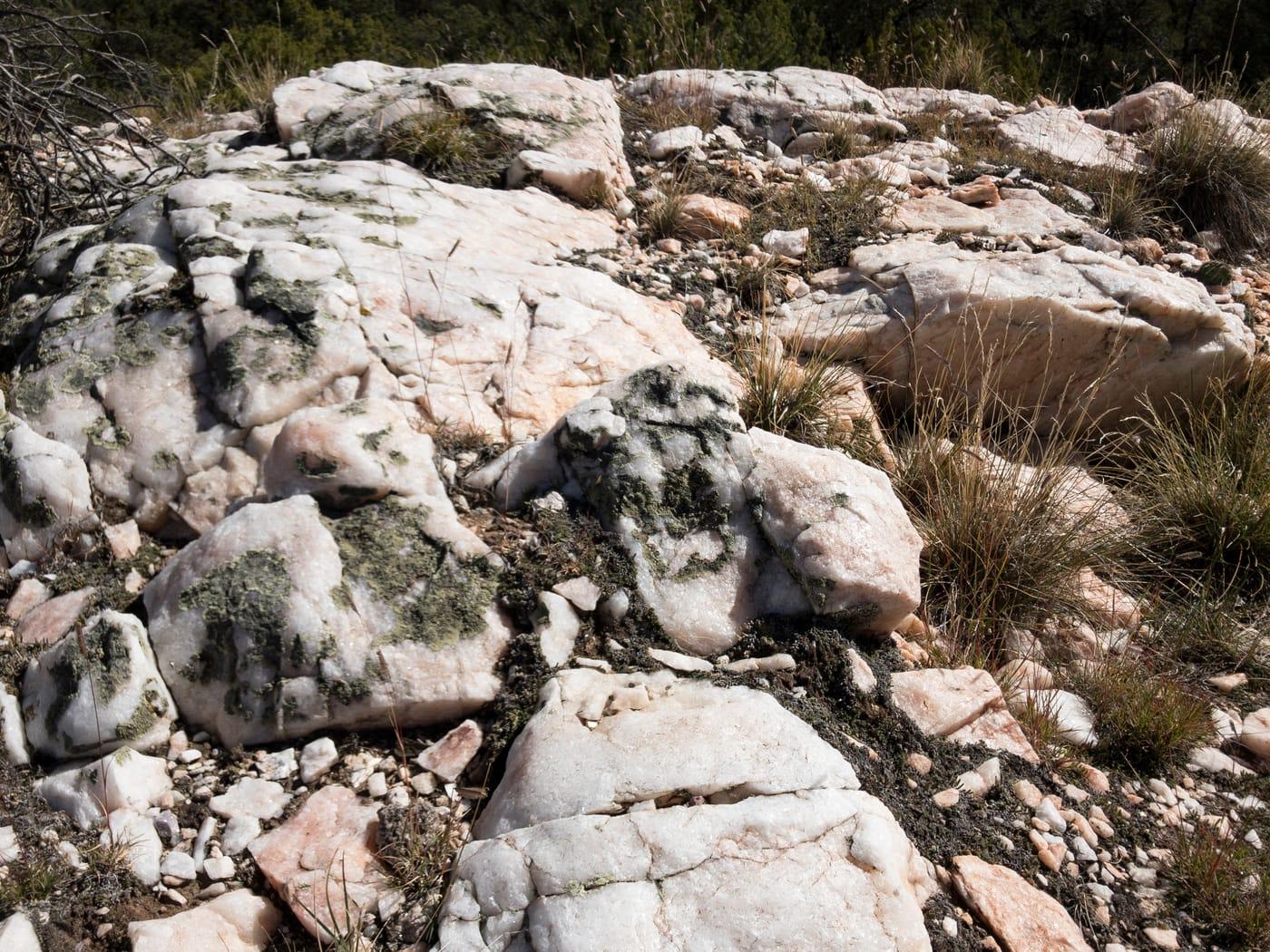
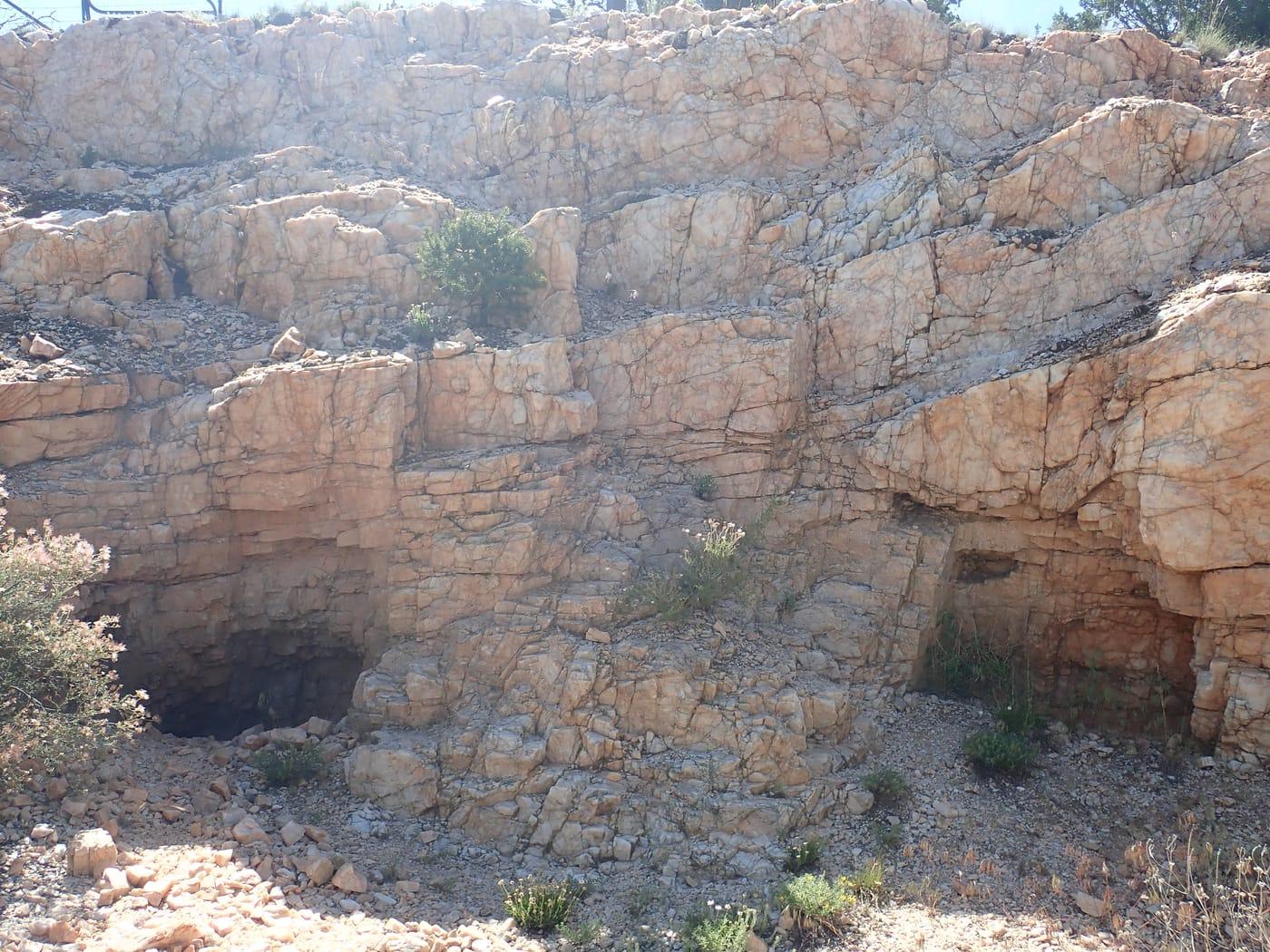
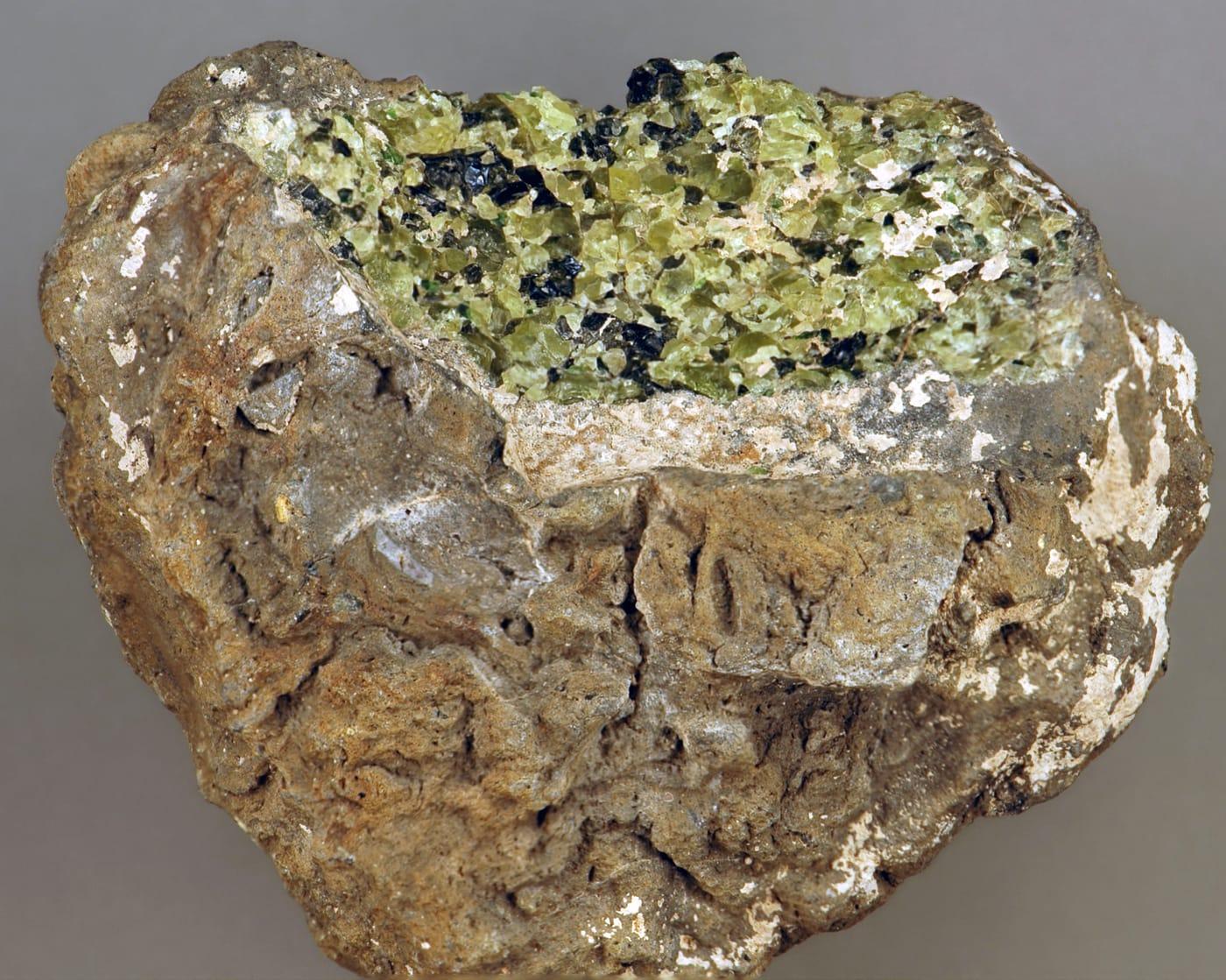
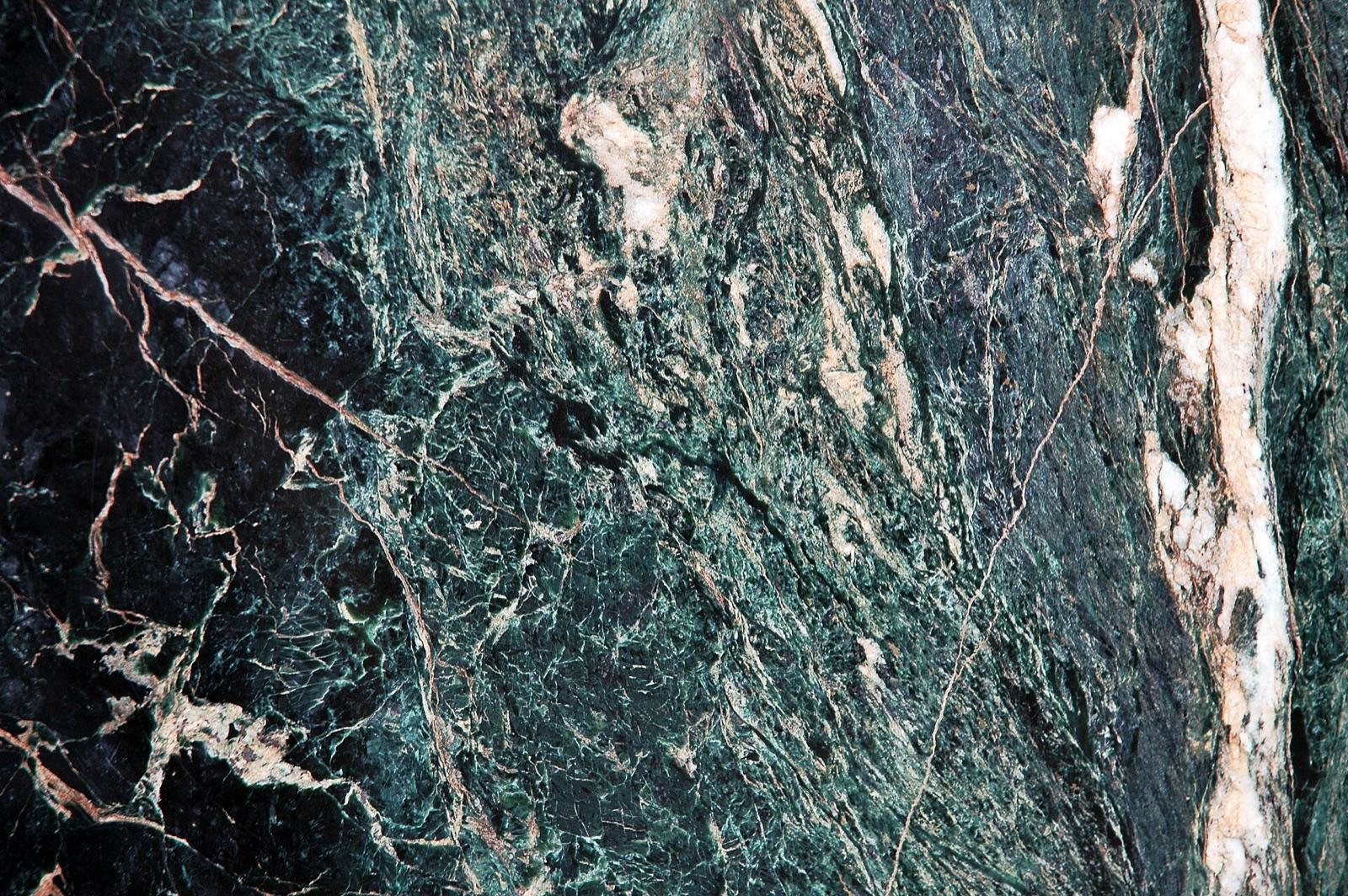
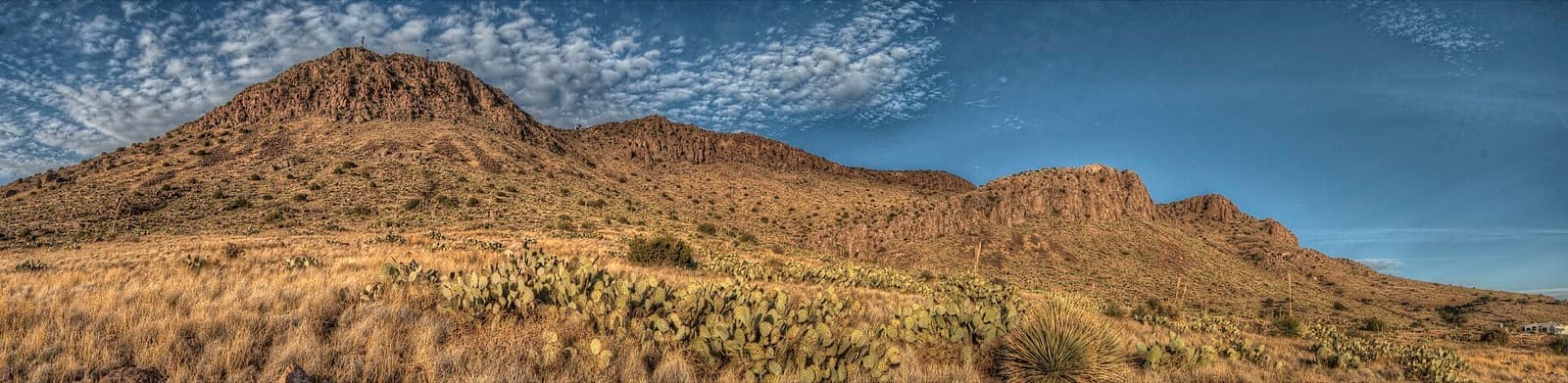
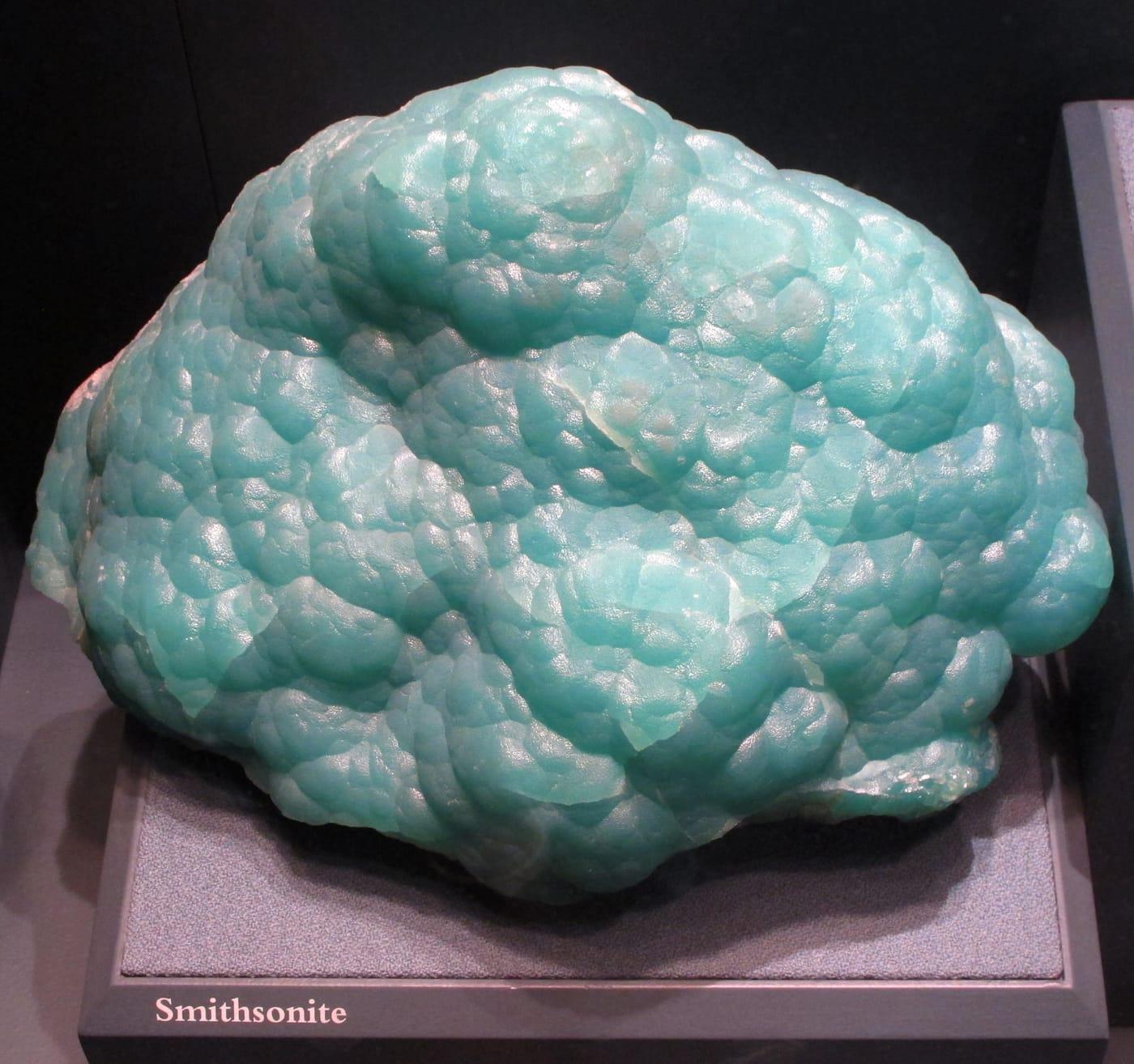
New Mexico rockhounding photos

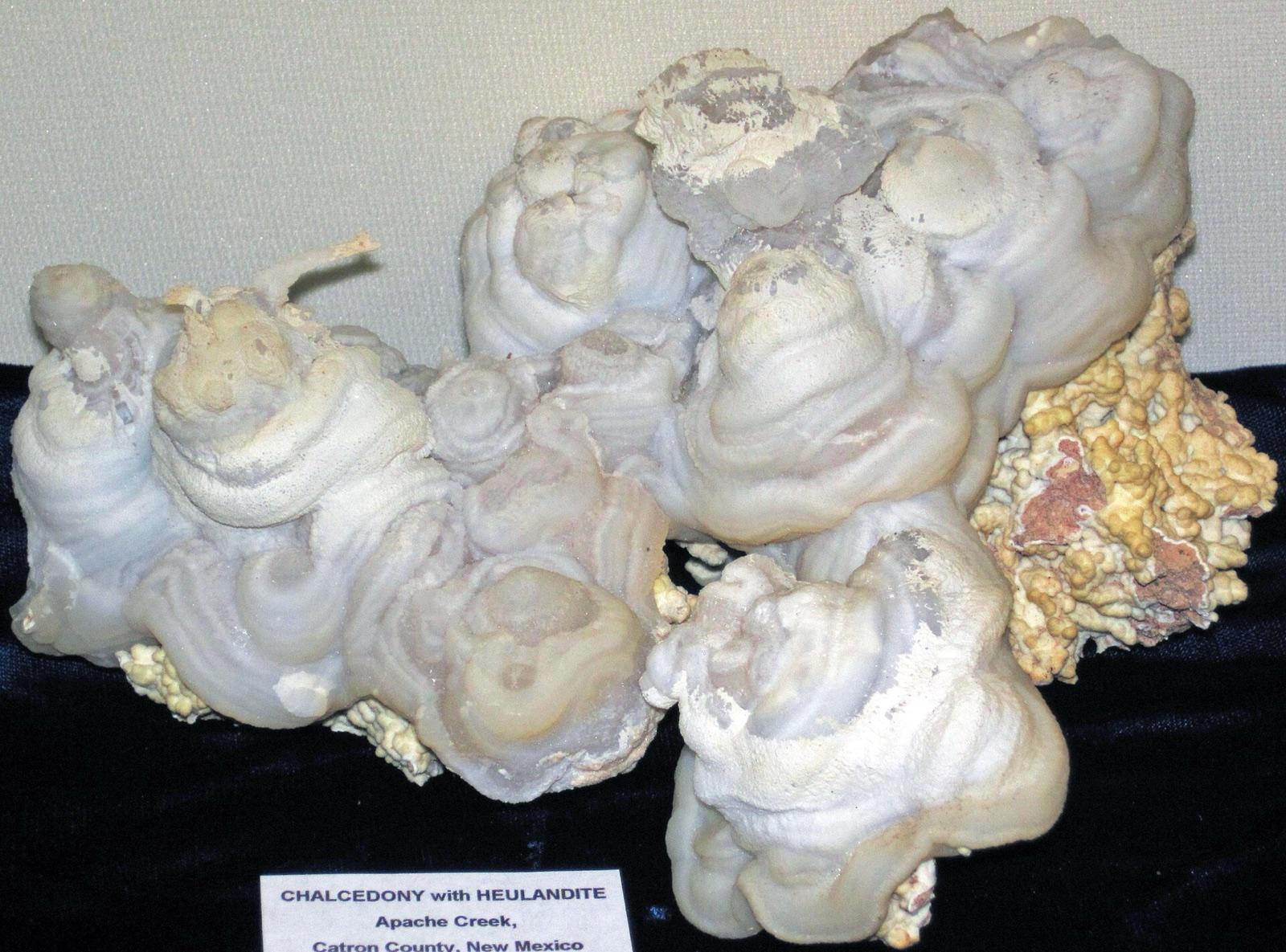
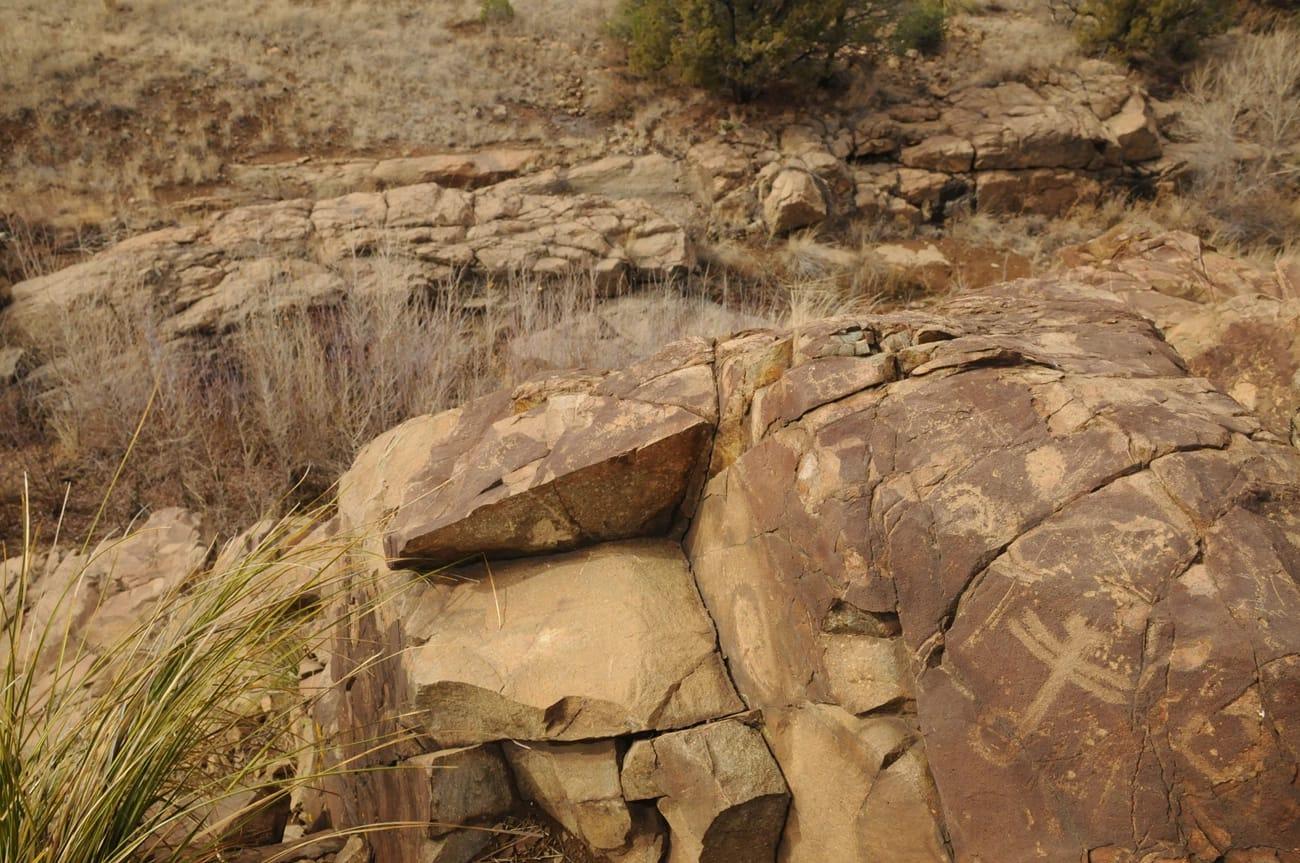
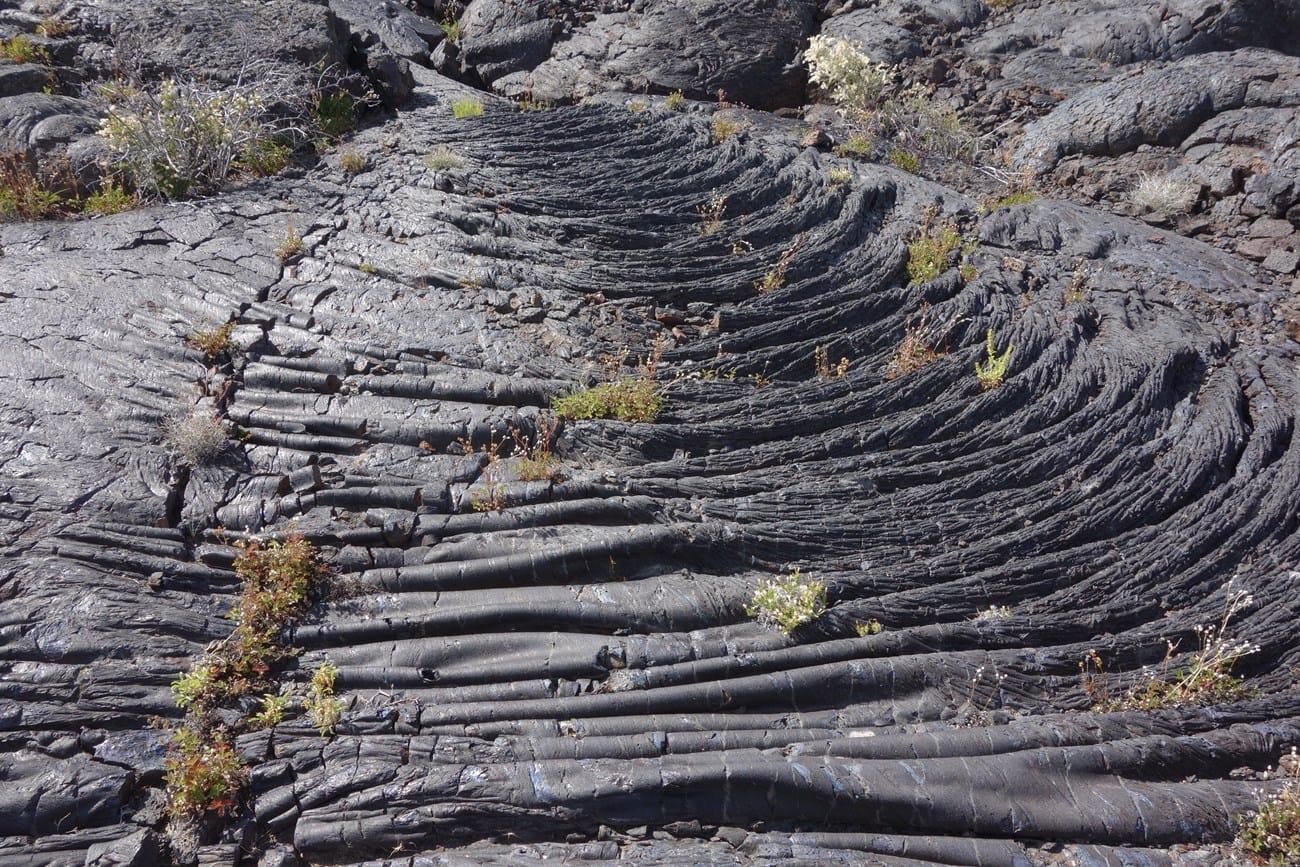
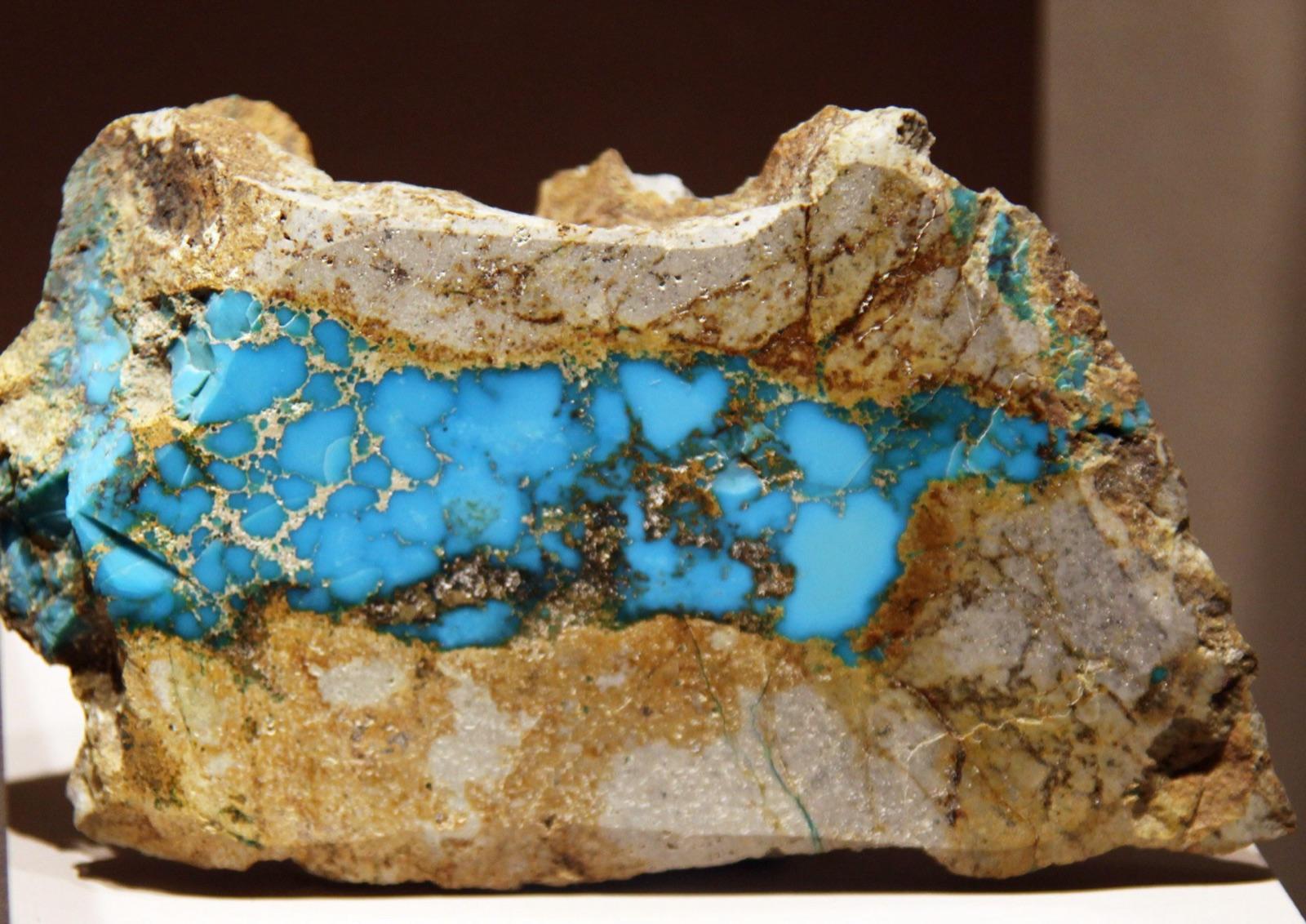
Representative spot and material photos from locations in this state, shown where verified public image records are available.

5 photos

Top minerals found in New Mexico

Counts reflect how many spots in this list mention each mineral.

Notable areas: Rockhound State Park, Apache tears at Round Mountain, and Luna County agates are common New Mexico targets.

Geology behind New Mexico rockhounding

Southwest New Mexico's Tertiary volcanic field produces many of the state's common targets, including thundereggs, agate, jasper, perlite, and Apache tears. The Rio Grande Rift exposes Precambrian and Paleozoic mineralization through central New Mexico. The San Juan Basin in the northwest has petrified wood and Cretaceous invertebrates. The Pecos and Sangre de Cristo ranges add pegmatite minerals.

Best regions to focus your search

Southwest (Rockhound State Park, Deming, Bisbee Hills)

Rockhound State Park (where the state actively encourages visitors to take a small amount of material), Spring Canyon, the Florida Mountains, and Apache tears at Round Mountain. The state's main collecting hub.

Central New Mexico (Magdalena, Socorro, Mockingbird Gap)

Smoky quartz, fluorite, mine-dump barite, and selenite. The Magdalena and Kelly mining districts produce a long list of secondary minerals.

Northwest (San Juan Basin, Bisti)

Petrified wood and Cretaceous invertebrate fossils on BLM. The Bisti/De-Na-Zin Wilderness is closed to collecting; surrounding BLM is open under the standard rule.

Best season

October through April for the southwest deserts; summers are hot. The Sangre de Cristo and Jemez highlands are easier from May through October.

What to bring

Water, sun protection, and a rake for surface-picking thundereggs and Apache tears in the southwest. The Florida Mountains are steep and in snake country, so wear sturdy boots.

Local collecting history

Rockhound State Park near Deming, established in 1965, was the first state park in the U.S. created specifically for rockhounding. New Mexico designated turquoise as its state gem in 1967; the historic Cerrillos turquoise mines south of Santa Fe are mostly closed but a few still offer occasional tours.

Rockhounding near major New Mexico cities

Day-trip range. Each section lists the closest mapped rockhounding spots within about 150 miles of the city. Most are inside a 2 to 3 hour drive.

Rockhounding near Santa Fe

See all →

6 closest spots to Santa Fe, NM.

Neighboring states with rockhounding

Geology rarely respects state borders. These states share mapped rockhounding country with New Mexico, useful when New Mexico is the start, not the whole trip. Each card links to the closest county across the line.

Rockhounding by county in New Mexico

County pages are linked once we have at least 3 mapped spots for a focused guide with coordinates, mineral notes, and nearby spots.

Top picks in New Mexico

10 best spots

Hand-picked standouts from the New Mexico list, chosen for unusual mineralogy, documented public access, or both. Each card links to coordinates, access notes, and what to look for.

Fee digs and gem mining in New Mexico

3 places in New Mexico where you pay to dig and keep what you find. Prices and seasons change, so check with the operator before you drive out.

Rock and mineral clubs in New Mexico

5 clubs in New Mexico. Clubs run field trips, shows and workshops, and many trips go to private claims you can't reach alone.

Full club directory →

New Mexico rockhounding FAQ

Is rockhounding legal in New Mexico?+
Yes on BLM and USFS land under the standard BLM rule (25 lb/day, 250 lb/year). New Mexico is also unusual in that Rockhound State Park near Deming actively encourages collecting, with a posted 15-pounds-per-visit limit. Most other state parks, all national parks, and tribal lands are closed.
How much can I take from Rockhound State Park?+
Rockhound State Park near Deming posts a 15-pound-per-person-per-visit limit on rocks and mineral specimens. You may not dig pits or use heavy tools; hand picking and small hand tools only. Unlike most state parks, this park specifically allows limited collecting.
Where can I find Apache tears in New Mexico?+
Round Mountain in the Black Range and surrounding BLM ground produces large quantities of Apache tears (small obsidian nodules weathered out of perlite). The trail to the perlite slopes is well used; the apache tears come from weathered surface scree.
Can I dig in the Bisti badlands?+
No. The Bisti/De-Na-Zin Wilderness is closed to all collecting. You may walk through and photograph the area. Adjacent BLM ground outside the wilderness boundary is open under the standard 25 lb/day rule.
What rocks and minerals can you find in New Mexico?+
Common targets include thundereggs (Rockhound State Park, Spring Canyon), Apache tears (Round Mountain), agate and jasper across the southwest, perlite, fluorite, petrified wood (San Juan Basin BLM), and turquoise (historic Cerrillos and Burro Mountains, mostly on claims).
Where can I go rock hunting in New Mexico?+
Rock hunting, rock collecting and rockhounding are the same hobby under different names. 143 spots are mapped in New Mexico, 110 of them with public access. Catron County, Grant County, and Luna County have the most.
Is there gem mining or pay-to-dig in New Mexico?+
Yes. 3 fee digs are mapped in New Mexico, where you pay to dig and keep what you find: Big Diggins Mine, Graphic Mine, and Nit Mine. Prices and seasons change, so check with the operator before you drive out.
Where can I dig for crystals in New Mexico?+
16 mapped spots in New Mexico report quartz, amethyst, or smoky quartz, mostly in Catron County, De Baca County, and Doña Ana County. Each one is in the list on this page with its land access.
Can you find geodes in New Mexico?+
Yes. 4 mapped spots in New Mexico report geodes, mostly in Grant County, Catron County, and Rio Arriba County.
Where can I go gold panning in New Mexico?+
3 mapped spots in New Mexico report gold, mostly in Colfax County and Lincoln County. Check for mining claims before you pan: working someone else's claim is not allowed.
Where can I go fossil hunting in New Mexico?+
1 mapped spot in New Mexico reports fossils, mostly in Socorro County. On federal land you may keep common shells, corals and plant fossils. Bones and teeth of animals with a backbone are protected.

Map every New Mexico spot in the app

Open the RockHoundR app to see New Mexico on a real map with public land overlays, weather, geology, and your saved finds.

Download on the App StoreGet it on Google Play