Rockhounding in Tennessee

Updated August 2026

60 mapped spots for rock hunting and rock collecting across 36 counties. Tennessee rockhounding runs from the Unaka Mountains and Cherokee National Forest in the east, the type locality for unakite and home to Cocke County paint rock agate and the Ducktown copper basin, through the Central Basin's celestite, calcite, and fluorite, to the geodes of Cannon and Warren counties and the Horse Mountain agate of Bedford County.

Where is the best rockhounding in Tennessee?

The best rockhounding in Tennessee is at Tennessee River & Streams in Decatur County (pearl), Wayne County in Wayne County (chert, agatized fossil), and Horse Mountain in Bedford County (horse mountain agate). In total, 60 mapped collecting spots across 36 counties produce calcite, pyrite, and quartz, each listed below with its land access.

Open the full map

Every rockhounding spot in Tennessee

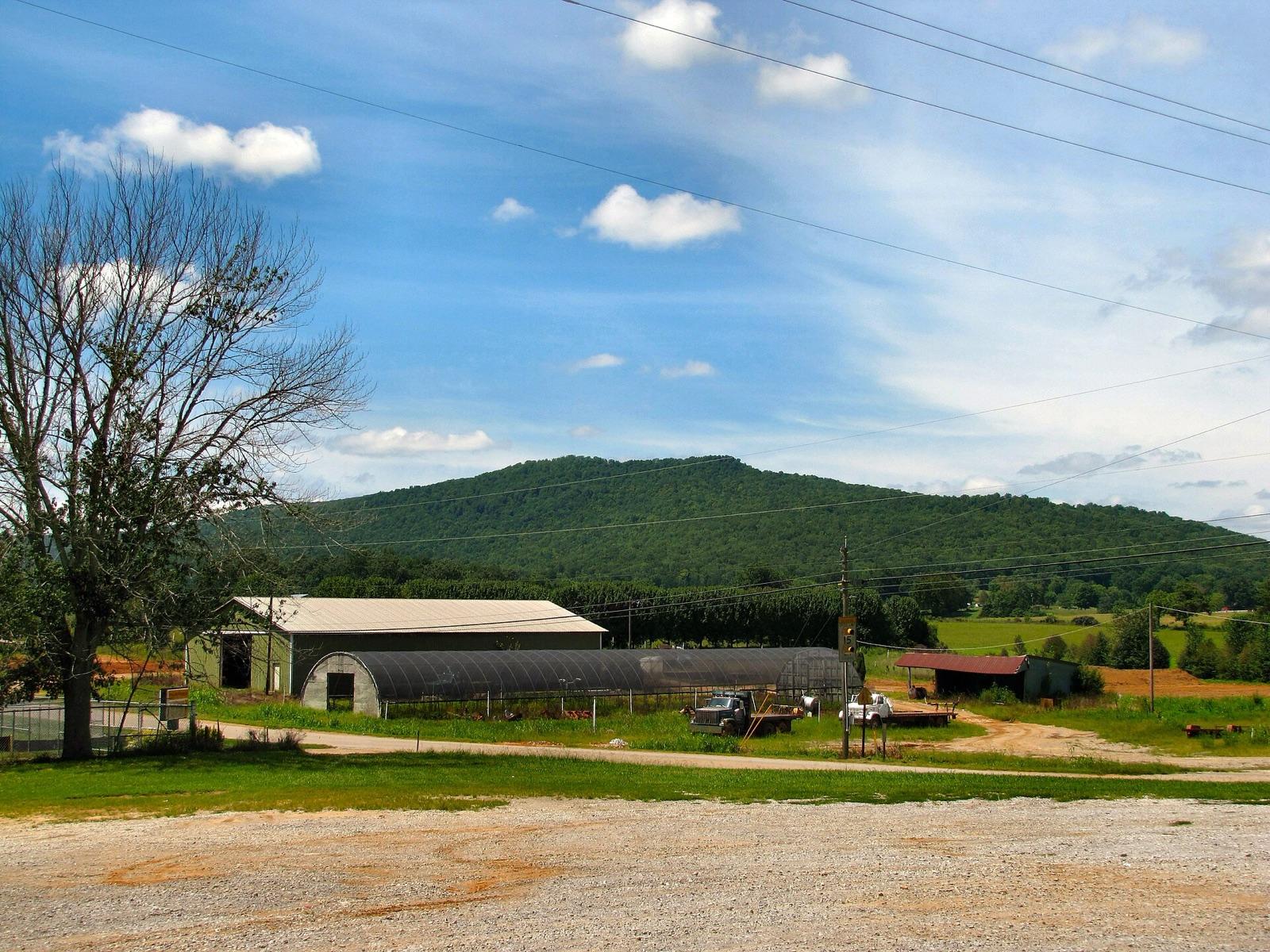
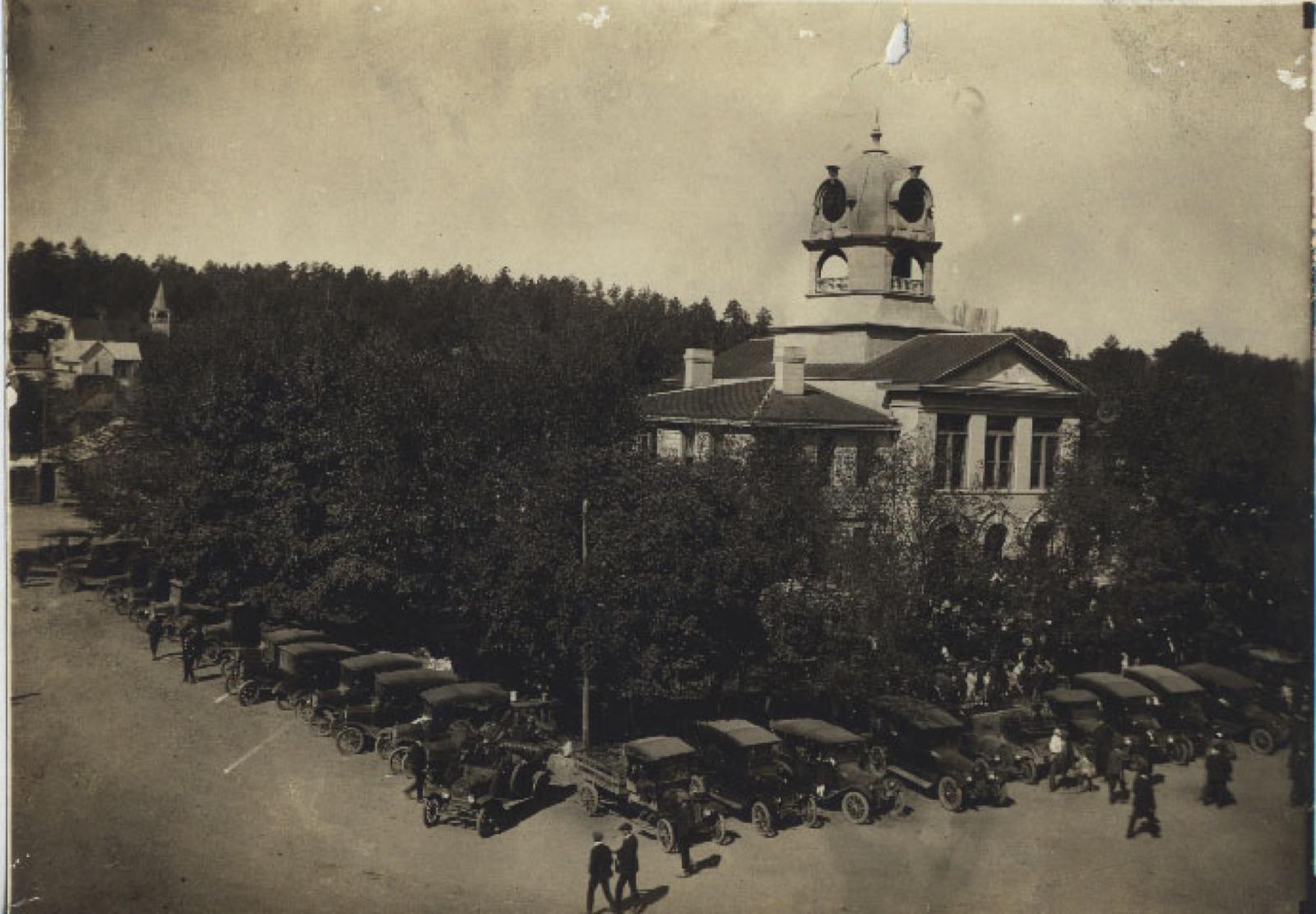
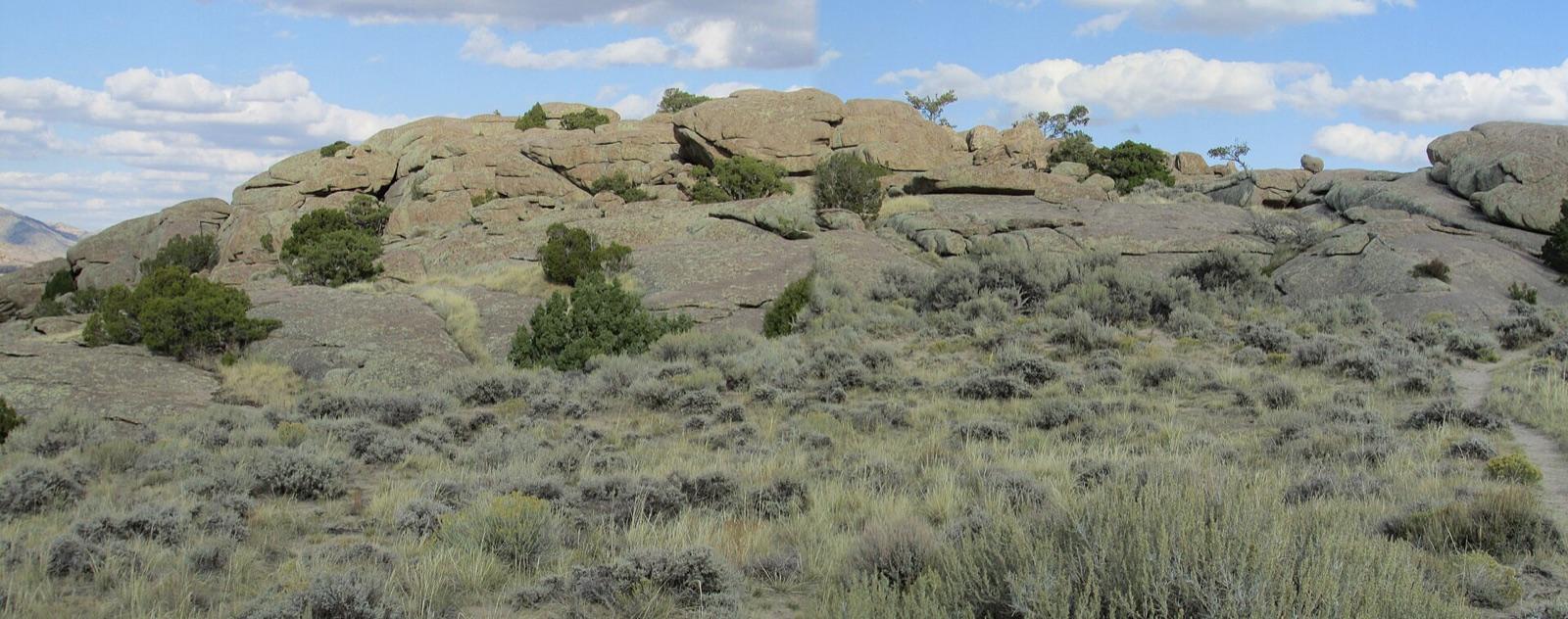
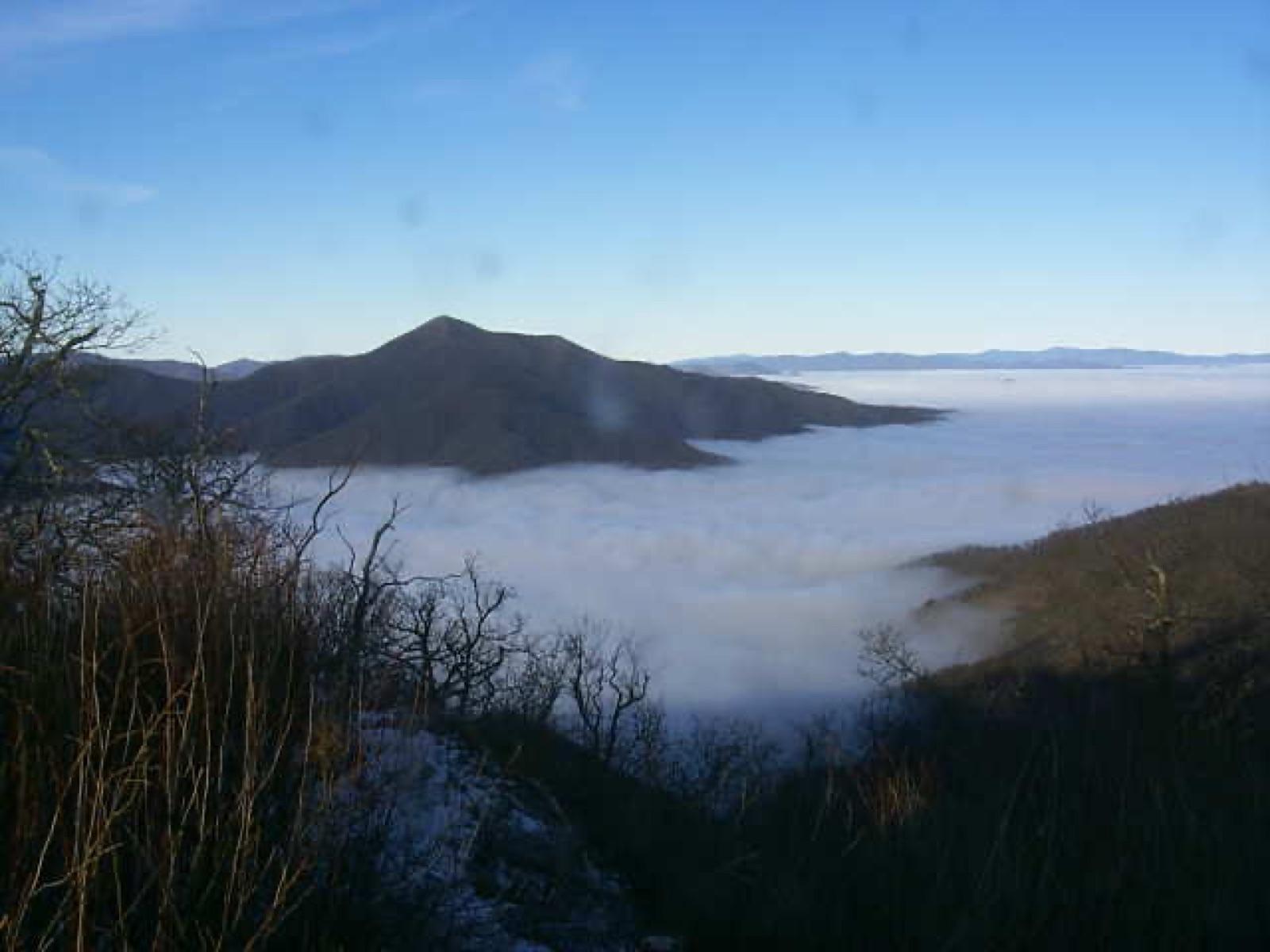
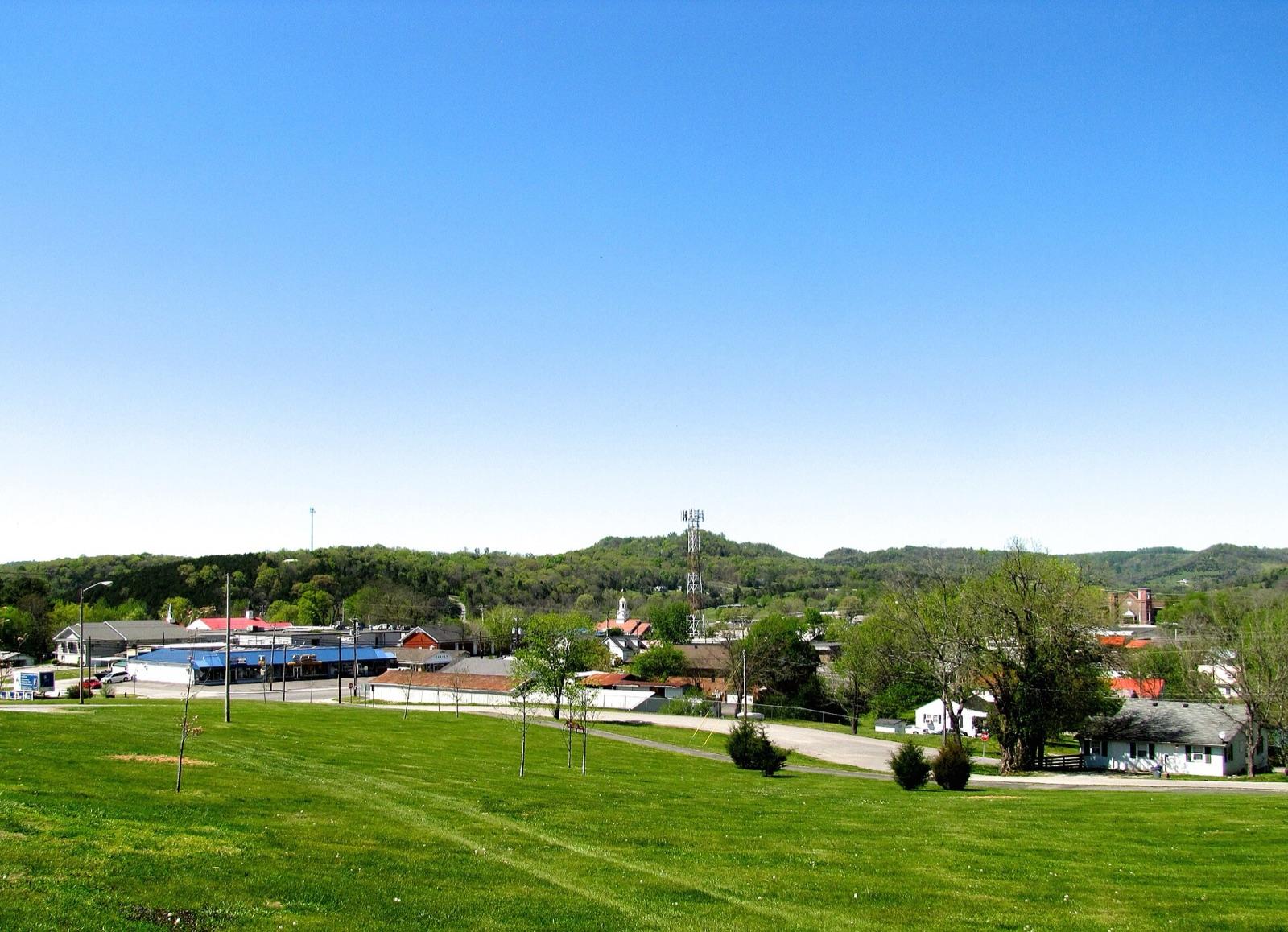
Tennessee rockhounding photos

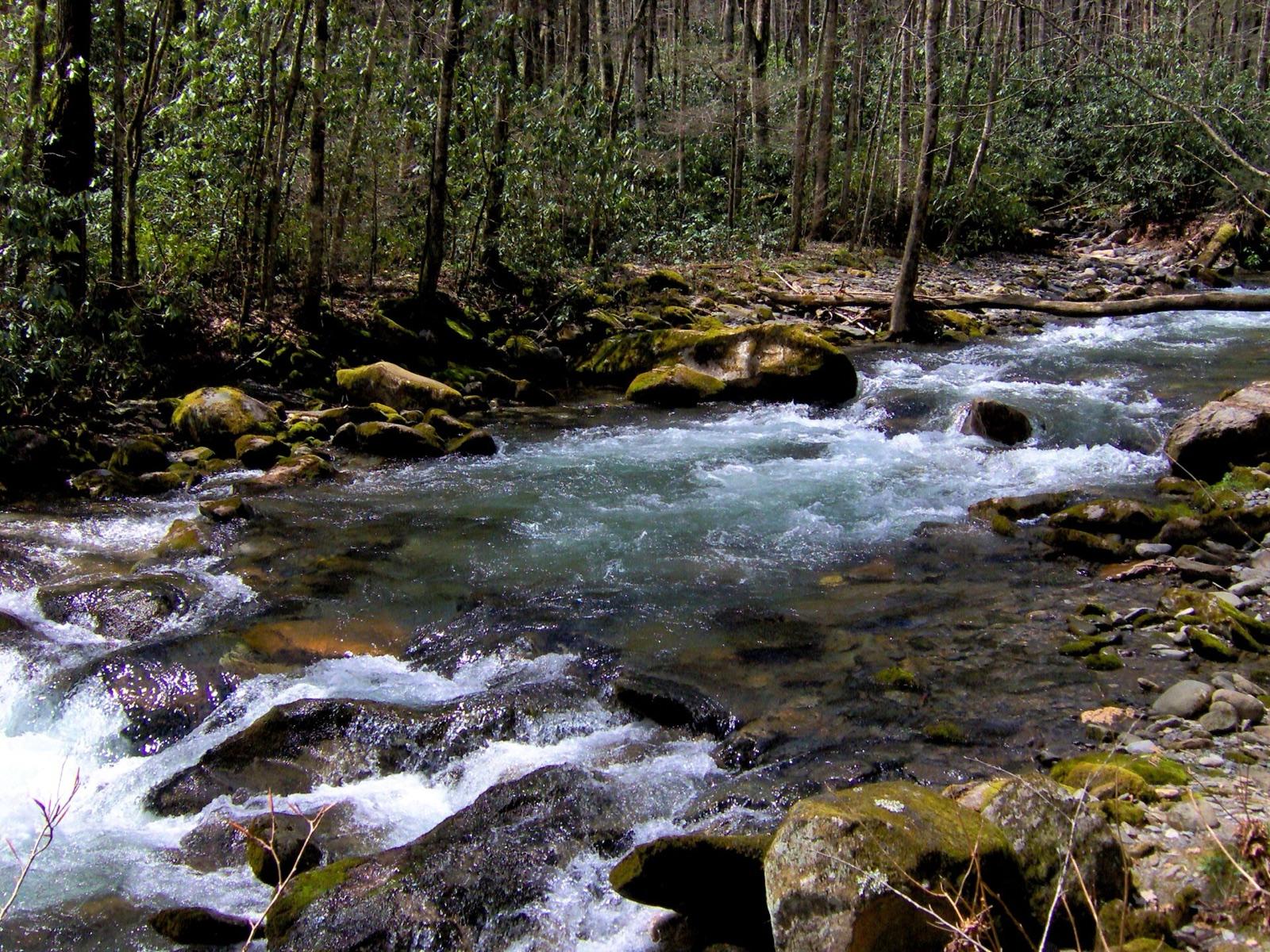
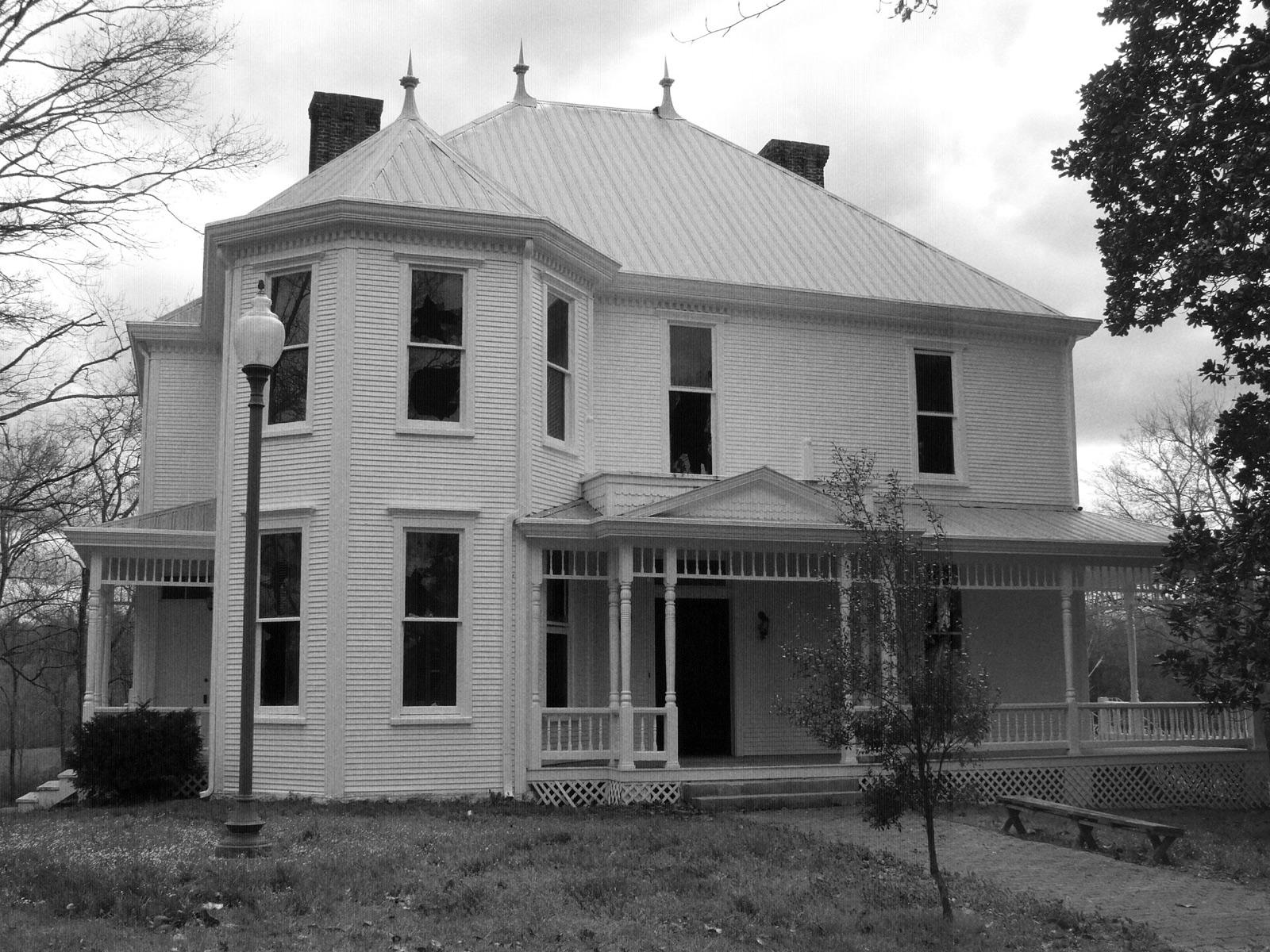
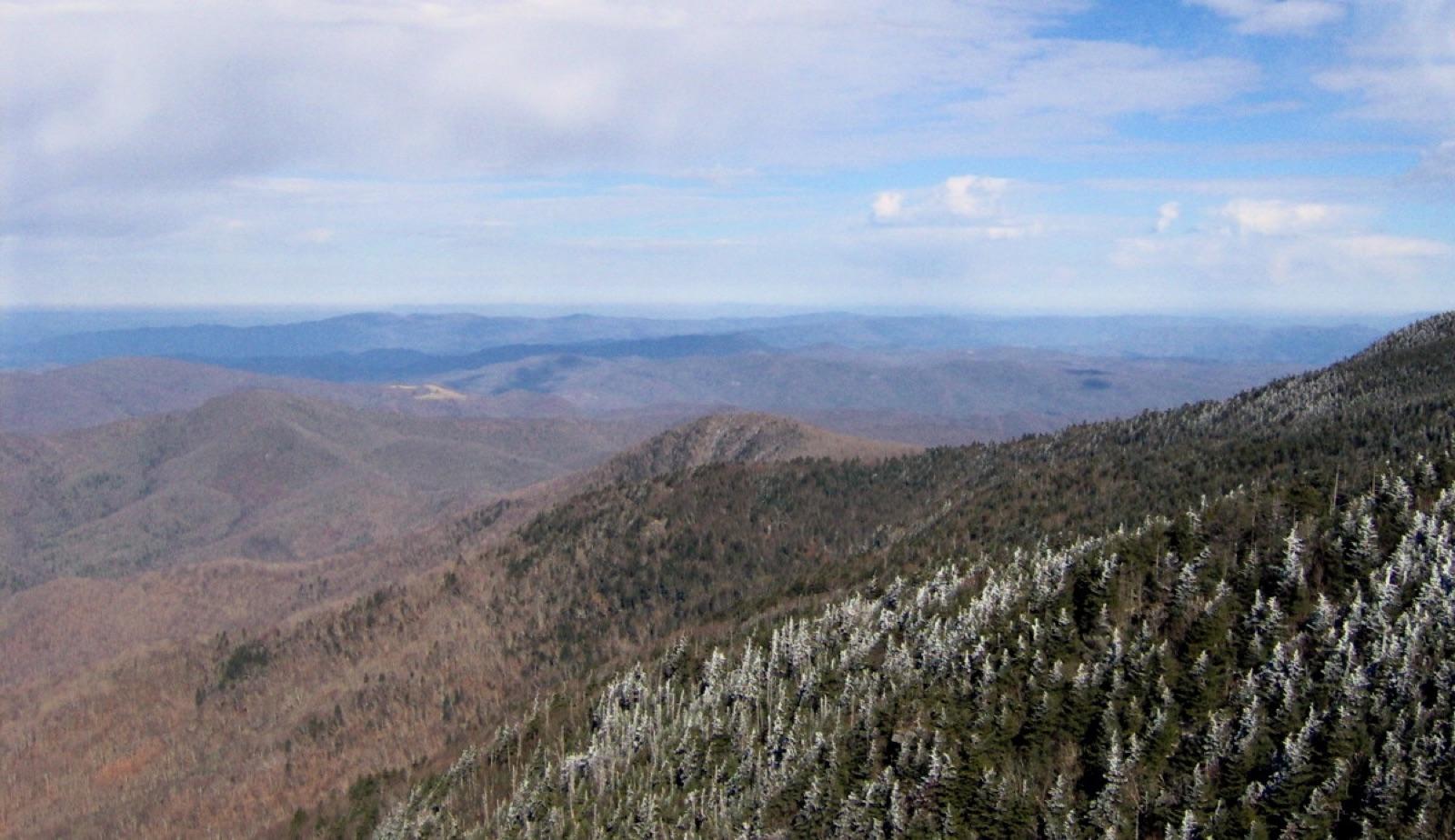
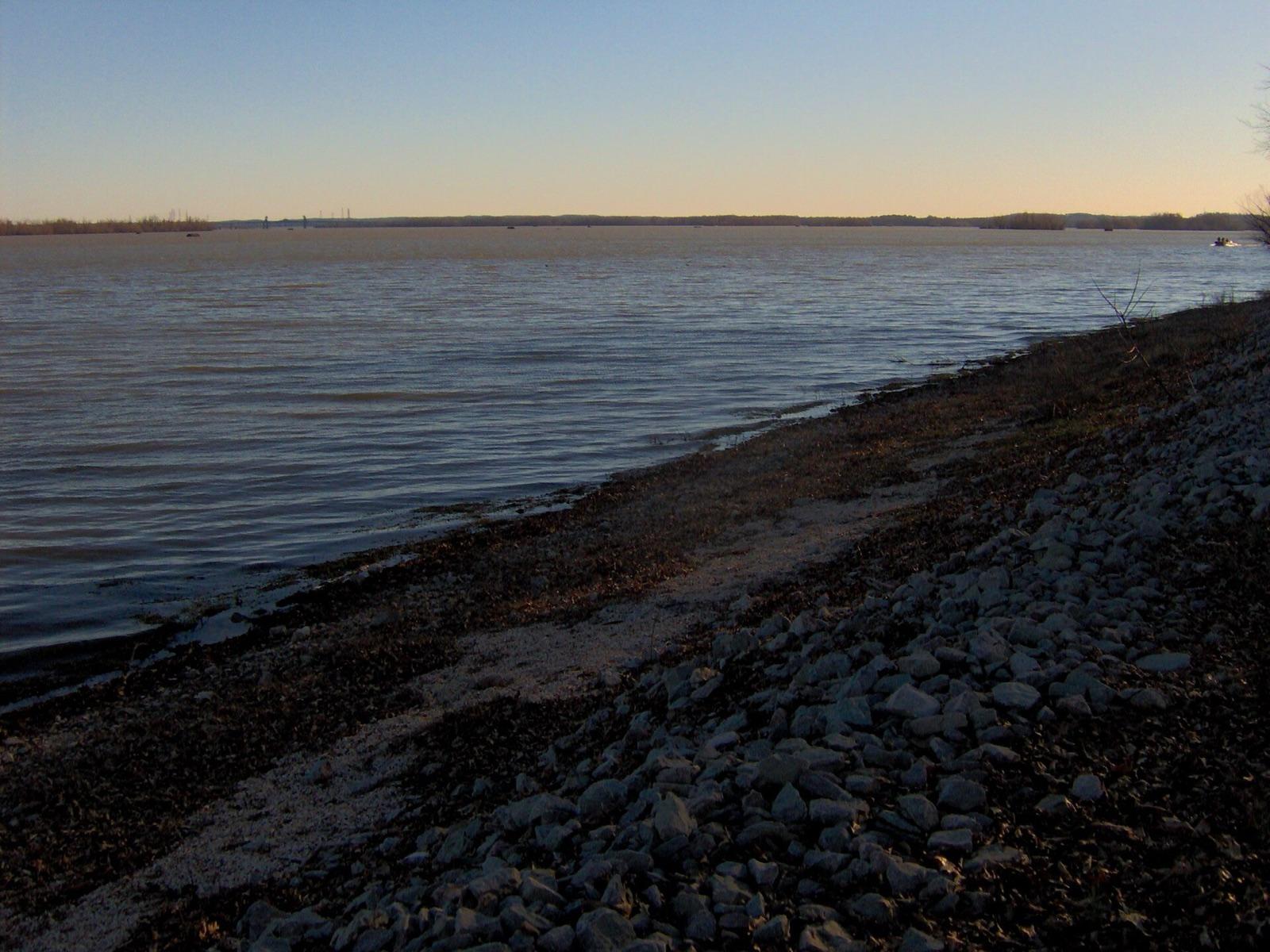
Representative spot and material photos from locations in this state, shown where verified public image records are available.

5 photos

Top minerals found in Tennessee

Counts reflect how many spots in this list mention each mineral.

Notable areas: Cocke County paint rock agate, Horse Mountain agate, Cannon County geodes, Unaka unakite, Elmwood fluorite and celestite, and Coker Creek gold are the Tennessee targets collectors travel for.

Geology behind Tennessee rockhounding

East Tennessee is Blue Ridge and Valley and Ridge. The Unaka and Roan mountains are Precambrian gneiss and granite whose pink feldspar and green epidote weathering product, unakite, was named here. Cocke and Greene counties carry Cambrian rocks that produce the red and yellow Tennessee paint rock agate, and the Ducktown basin in Polk County is a metamorphosed copper-sulfide district with pyrrhotite, chalcopyrite, garnet, and actinolite on its historic ground. The East Tennessee zinc district around Sweetwater, Jefferson City, and Mascot yields sphalerite, calcite, and fluorite in Ordovician dolomite. Middle Tennessee is the Central Basin, Ordovician limestone whose Elmwood and Gordonsville mines produced world-class fluorite, calcite, celestite, and sphalerite, and whose surrounding Mississippian rocks host the quartz geodes of Cannon and Warren counties and the Horse Mountain agate near Shelbyville. West Tennessee is Coastal Plain gravel and Cretaceous marl, with agate and petrified wood in the Tennessee River gravels and freshwater pearls in the river mussels.

Best regions to focus your search

Unaka Mountains and Cherokee National Forest (Unicoi, Carter, Cocke, Polk)

Unakite and epidote float on the Unaka and Roan ranges, paint rock agate around Big Creek and Del Rio, Coker Creek gold panning, and Ducktown basin minerals. Cherokee National Forest ground allows hand collecting.

East Tennessee zinc district (Monroe, Jefferson, Knox)

Sphalerite, calcite, and fluorite from the Sweetwater and Jefferson City areas. Active mines are closed; old dumps and road cuts on private ground need permission.

Central Basin (Smith, Bedford, Cannon, Warren, Wilson)

Horse Mountain agate near Shelbyville, quartz geodes around Woodbury and Ben Lomond Mountain, and celestite, calcite, and fluorite from the Elmwood district on club trips only.

Tennessee River and the west (Decatur, Wayne, Hardin)

Agate, jasper, and petrified wood in river gravel bars, freshwater pearl country around Camden, and Cretaceous fossils in the Coon Creek beds. Public boat ramps and gravel bars below the TVA dams are the usual access.

Best season

October through April for the mountains and Central Basin, with leaf-off and rain-washed ground. River gravel bars are best at late-summer low water when TVA draws the lakes down. Summer heat and humidity make midday collecting hard work.

What to bring

Rock hammer and chisel, safety glasses, gloves, a small screen and trowel for creek gravel, a gold pan for Coker Creek, knee boots, and a spray bottle for reading agate and geodes. Long pants for the mountains; timber rattlesnakes and copperheads live here.

Local collecting history

Ducktown's copper mines ran from 1850 to 1987 and their sulfur smoke stripped the basin bare, a scar visible for a century. The Coker Creek gold field in Monroe County was worked from 1827. Tennessee named limestone its state rock in 1979, the river pearl its state gem the same year, and agate its state mineral in 2009.

Rockhounding near major Tennessee cities

Day-trip range. Each section lists the closest mapped rockhounding spots within about 150 miles of the city. Most are inside a 2 to 3 hour drive.

Rockhounding near Nashville

See all →

6 closest spots to Nashville, TN.

  • SpringfieldRobertson County · Quartz25 mi32 min drive
  • MurfreesboroRutherford County · Chert, Agate31 mi39 min drive
  • Cannon CountyCannon County · Calcite, Fluorite46 mi58 min drive
  • CentervilleHickman County · Cobalt, Nickel48 mi1 hr drive
  • Pannell RidgeBedford County · Agatized Coral49 mi1 hr 1 min drive
  • BeechgroveCoffee County · Chalcedony Nodule49 mi1 hr 1 min drive

Rockhounding near Knoxville

See all →

6 closest spots to Knoxville, TN.

Neighboring states with rockhounding

Geology rarely respects state borders. These states share mapped rockhounding country with Tennessee, useful when Tennessee is the start, not the whole trip. Each card links to the closest county across the line.

Rockhounding by county in Tennessee

County pages are linked once we have at least 3 mapped spots for a focused guide with coordinates, mineral notes, and nearby spots.

Top picks in Tennessee

10 best spots

Hand-picked standouts from the Tennessee list, chosen for unusual mineralogy, documented public access, or both. Each card links to coordinates, access notes, and what to look for.

Rock and mineral clubs in Tennessee

4 clubs in Tennessee. Clubs run field trips, shows and workshops, and many trips go to private claims you can't reach alone.

Full club directory →

Tennessee rockhounding FAQ

Is rockhounding legal in Tennessee?+
Yes, on Cherokee National Forest land for personal-use hand collecting, at fee sites, on club field trips, and on private land with permission. Great Smoky Mountains National Park, Tennessee State Parks, and TVA lands prohibit collecting.
Where can I find Tennessee paint rock agate?+
Cocke and Greene counties in the northeast, around Big Creek, Del Rio, and Greeneville, where it weathers out of Cambrian rocks into creek gravel and road cuts. Much of the ground is Cherokee National Forest, where hand collecting is allowed; the rest is private farmland.
Where are the geodes in Tennessee?+
Cannon County around Woodbury and Warren County around Ben Lomond Mountain and McMinnville, where quartz geodes weather out of Mississippian limestone into creeks and road cuts. Most land is private; ask the owner. Bring a pick and wrap the good ones whole.
Can I pan for gold in Tennessee?+
Yes, at Coker Creek in Monroe County on Cherokee National Forest land, where recreational panning with a pan and hand tools is allowed in the designated area. No dredges or sluices. Color is fine but real; expect flour gold and small flakes.
What rocks and minerals can you find in Tennessee?+
Tennessee spots in this list most often produce calcite, geodes, celestite, dolomite, sphalerite, quartz, fluorite, and unakite, plus paint rock agate, Horse Mountain agate, garnet at Ducktown, and river gravel jasper.
Where can I go rock hunting in Tennessee?+
Rock hunting, rock collecting and rockhounding are the same hobby under different names. 60 spots are mapped in Tennessee, 55 of them with public access. Cocke County, Bedford County, and Unicoi County have the most.
Is there gem mining or pay-to-dig in Tennessee?+
No fee digs or pay-to-dig gem mines are mapped in Tennessee yet. 55 of the 60 spots here have public access, so you can collect without paying a dig fee.
Where can I dig for crystals in Tennessee?+
11 mapped spots in Tennessee report quartz, amethyst, or smoky quartz, mostly in Polk County, Cocke County, and Hawkins County. Each one is in the list on this page with its land access.
Where can I go fossil hunting in Tennessee?+
2 mapped spots in Tennessee report fossils, mostly in Tipton County and Wayne County. On federal land you may keep common shells, corals and plant fossils. Bones and teeth of animals with a backbone are protected.

Map every Tennessee spot in the app

Open the RockHoundR app to see Tennessee on a real map with public land overlays, weather, geology, and your saved finds.

Download on the App StoreGet it on Google Play