
Lightning stone is the local Michigan name for septarian nodules: clay concretions that cracked internally, with the cracks later filled by white to yellow calcite. The Michigan Mineralogical Society lists Deer Lick Creek Park in South Haven, Pier Cove Park Beach near Fennville and Van Buren Park as places to find them.
Is this lightning stone?
2-step field checkRun through these checks against the specimen in your hand. The more boxes tick, the more confident the ID.
- 1Read the textureLook at a fresh break with a hand lens. Texture: Concretion cracked internally, with the cracks filled by calcite.
- 2Pick out the mineralsComposition: Clay nodule with white to yellow calcite filling the cracks. Identify the two or three most abundant grains.
Often found alongside lightning stone
Minerals reported to co-occur with lightning stone. Spotting these in float or country rock is a strong cue you are in the right ground.
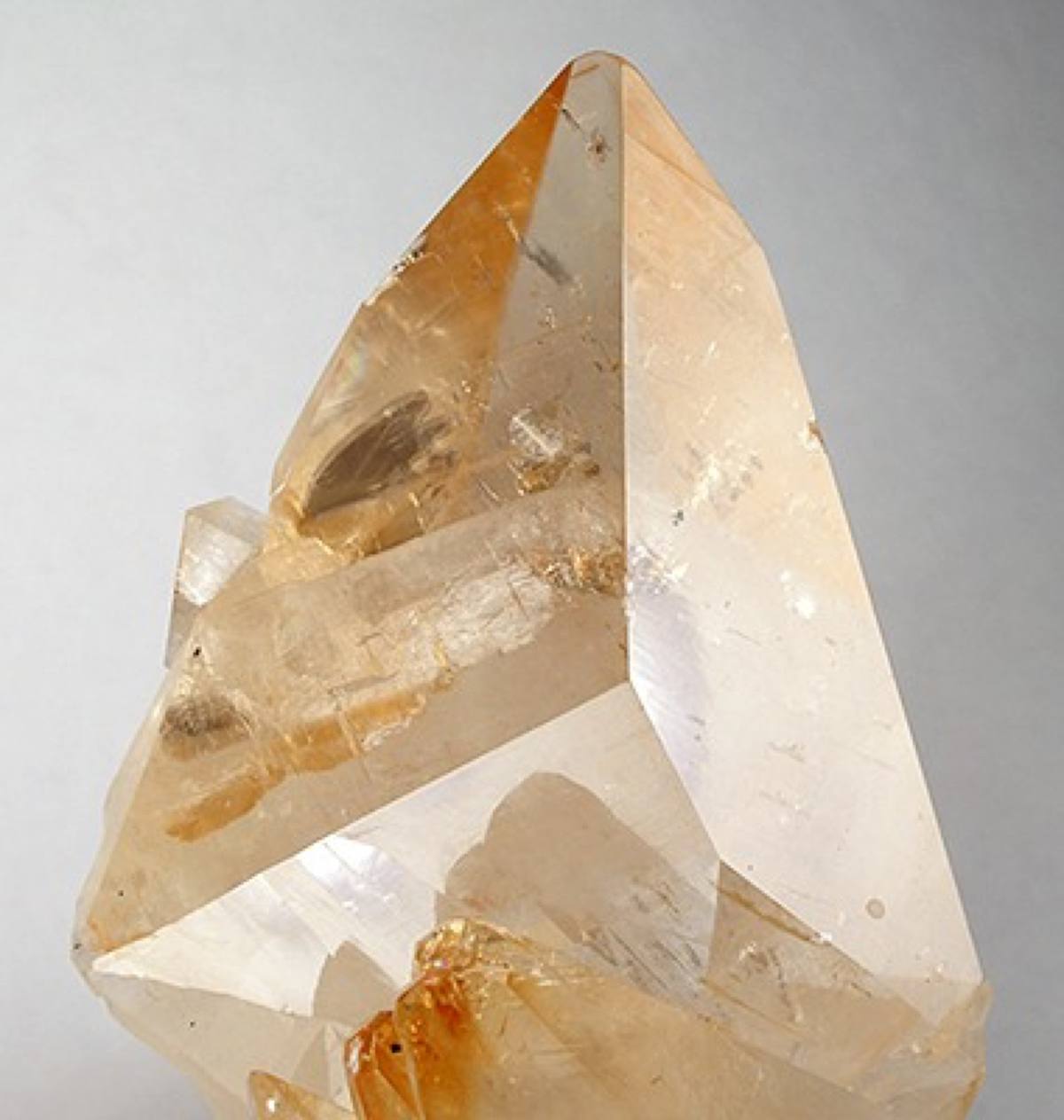
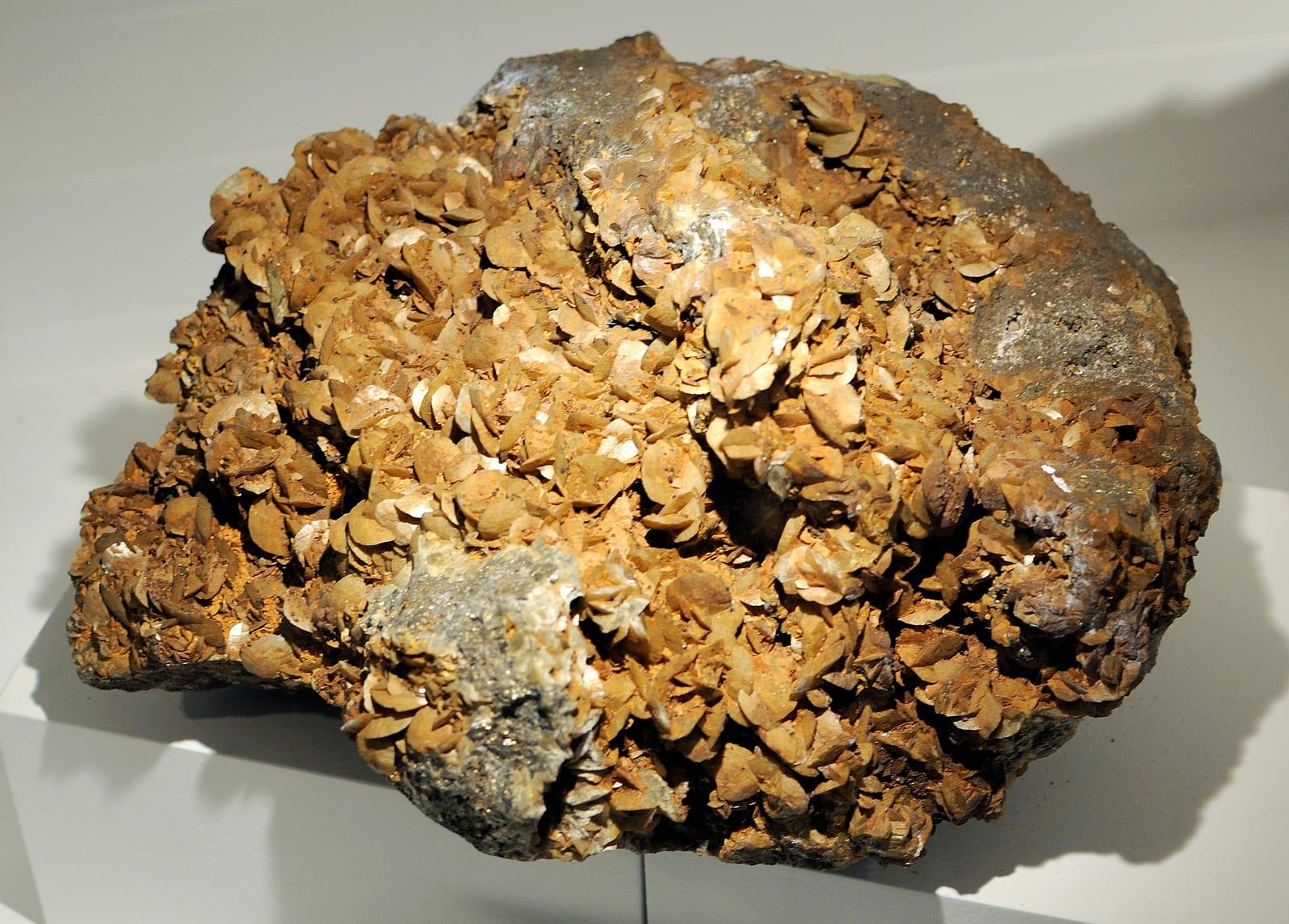
All properties
- Uses
- Jewelry
- Host rock
- Carbonate-rich mudrock, where septarian nodules typically form
- Texture
- Concretion cracked internally, with the cracks filled by calcite
- Composition
- Clay nodule with white to yellow calcite filling the cracks
Where rockhounds find lightning stone
4 mapped spotsClassic worldwide localities
- Deer Lick Creek Park, South Haven, Michigan
- Pier Cove Park Beach, near Fennville, Michigan
- Van Buren Park, Michigan
Field-hunting tip
Where it forms: Carbonate-rich mudrock, where septarian nodules typically form. If you start seeing calcite, siderite in float, you are in the right ground. In the U.S., the densest reported localities are in Michigan. Start trip planning there.
Common questions
Where is lightning stone found?+
Can I find lightning stone in the United States?+
What minerals are found with lightning stone?+
What kind of rock does lightning stone form in?+
What is lightning stone used for?+
Find lightning stone on the map
RockHoundR shows mapped rockhounding spots, access rules, and lets you log every find.

