Museumite is not a recognized mineral species by the IMA-CNMNC. The term is occasionally used in casual hobbyist circles or historical contexts, but it lacks scientific standing and defined mineralogical properties.
Hardness
1-1.5
Mohs
Luster
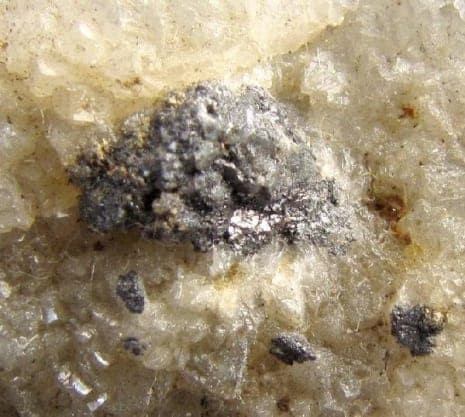
Metallic
Streak
Gray-black
Transparency
Opaque
Is this museumite?
5-step field checkRun through these checks against the specimen in your hand. The more boxes tick, the more confident the ID.
- 1Test the hardnessTry to scratch museumite with a known reference. Museumite sits at Mohs 1-1.5, softer than the next harder reference, harder than the previous one.
- 2Check the streakDrag the specimen across an unglazed porcelain plate. Streak: gray-black.
- 3Read the lusterHold the specimen under a strong light. Luster: metallic.
- 4Match the color rangeCompare against the expected color range: dark silver gray.
- 5Look at form & habitCrystal system: monoclinic.
Often found alongside museumite
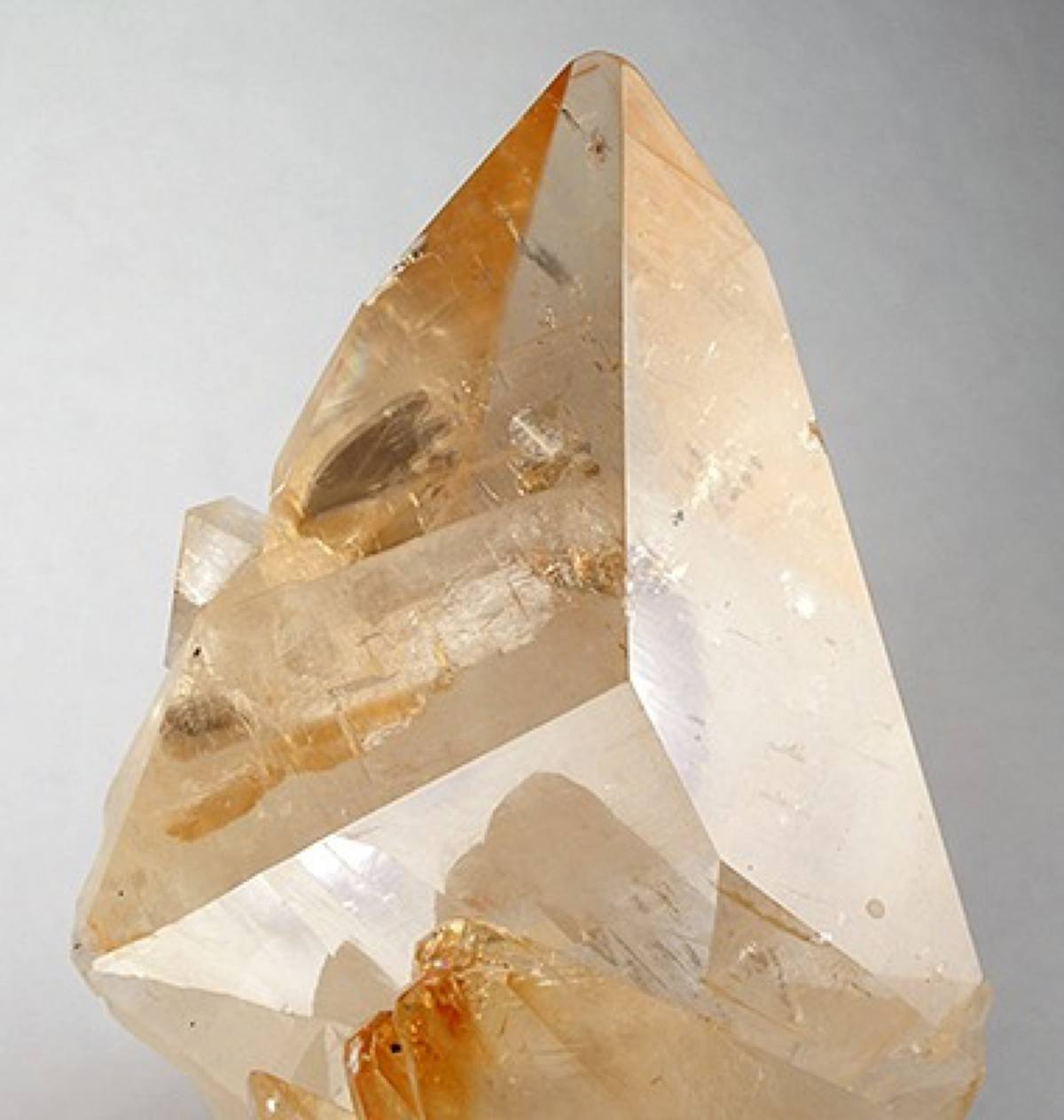
Minerals reported to co-occur with museumite. Spotting these in float or country rock is a strong cue you are in the right ground.
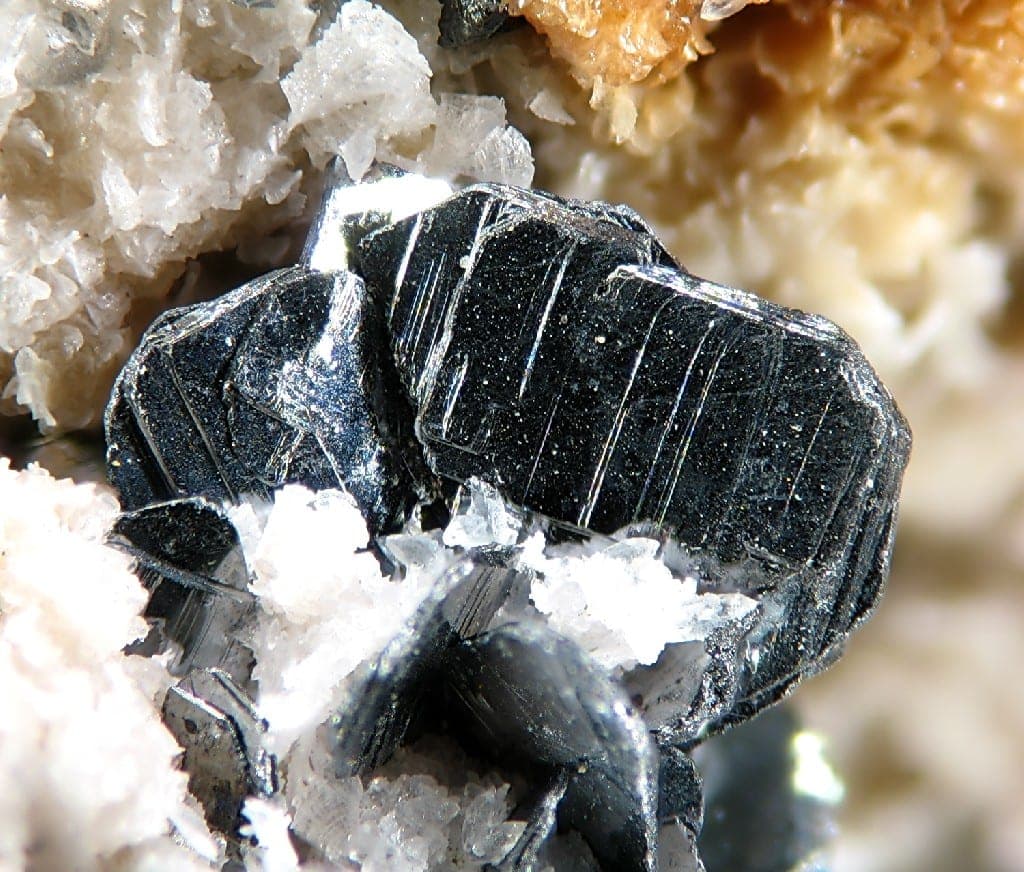
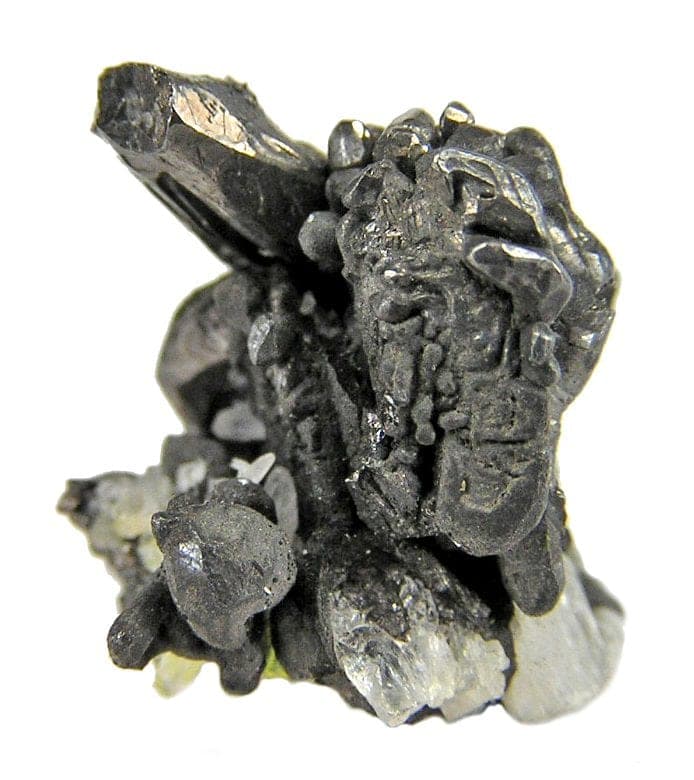
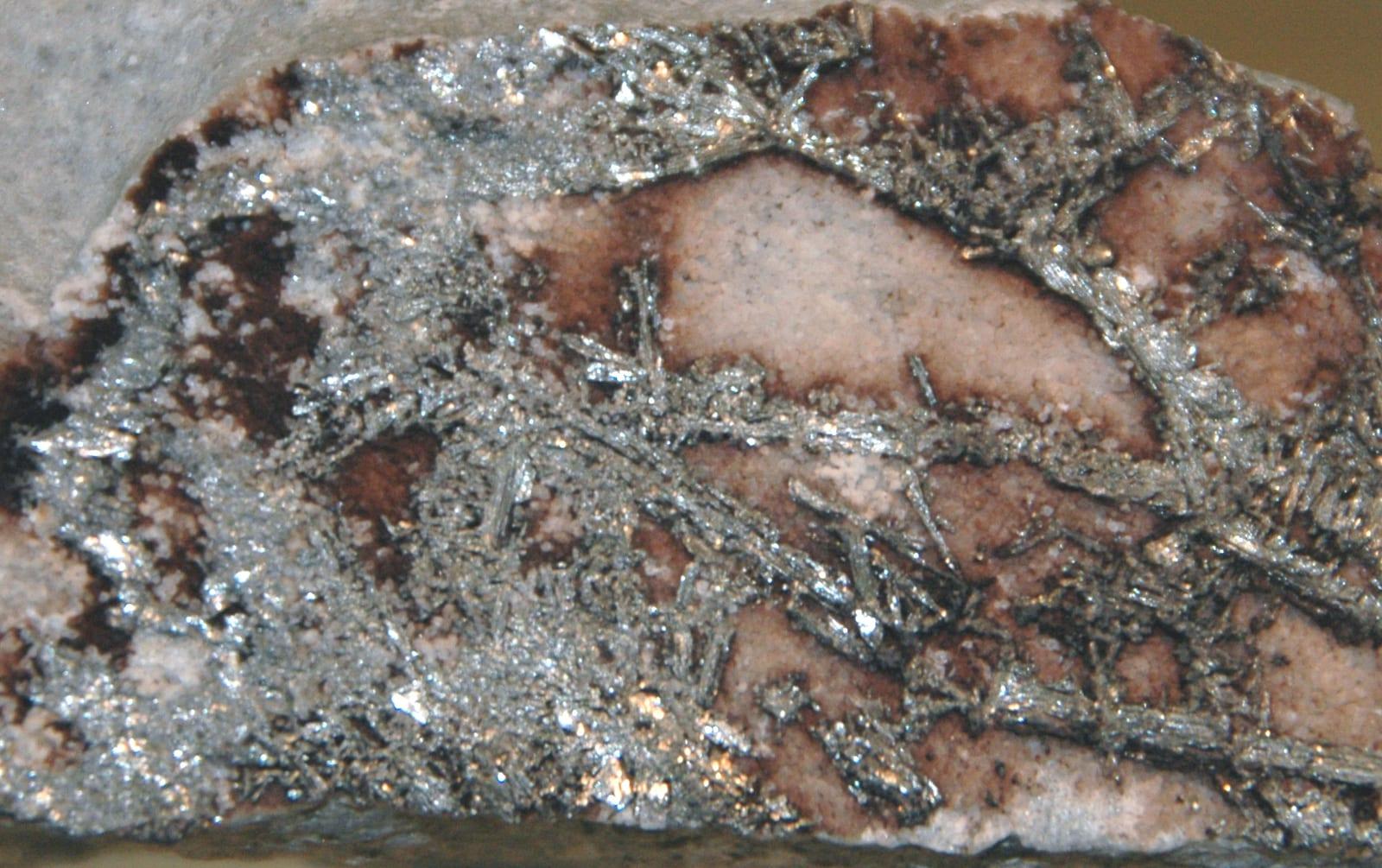
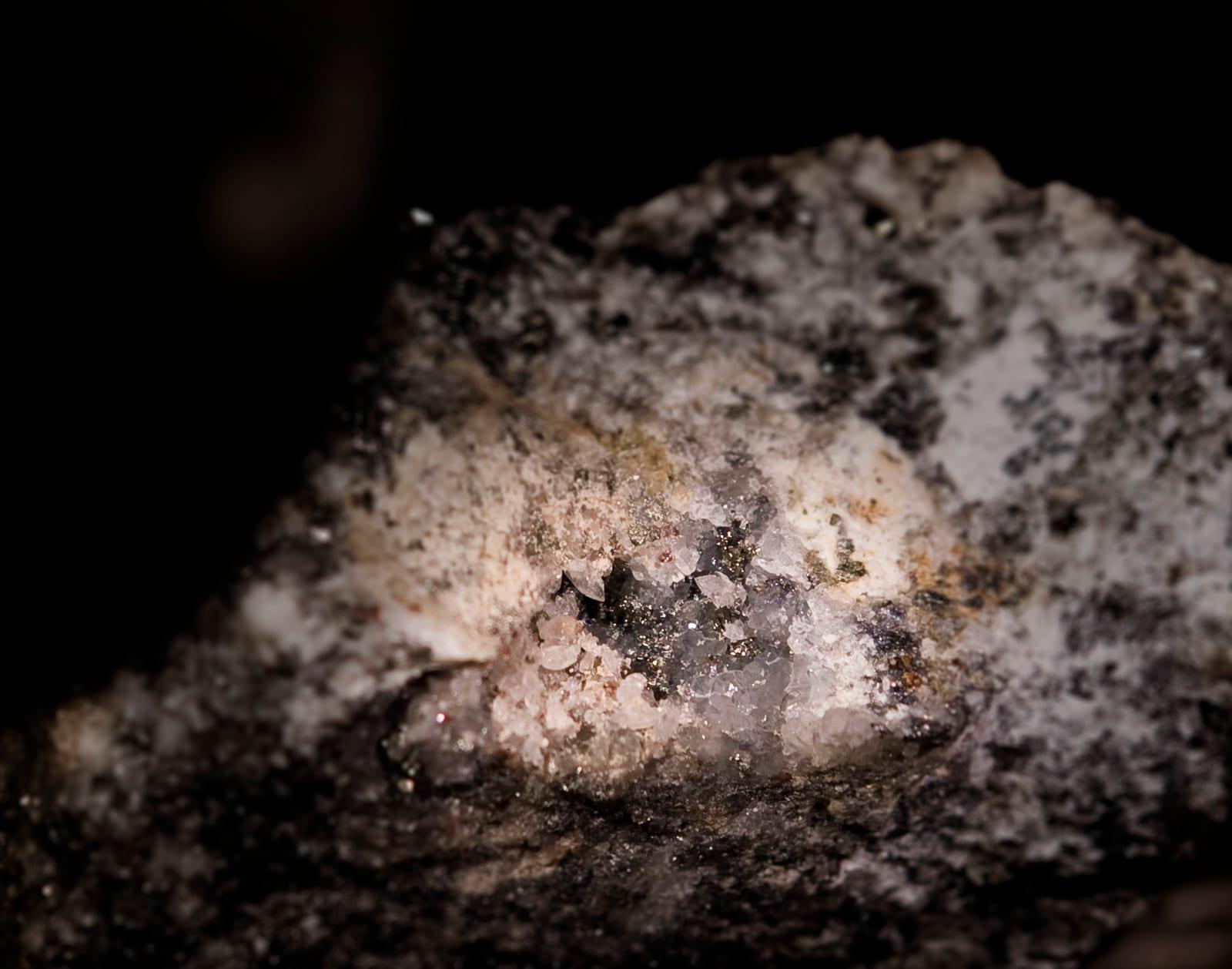
All properties
- Chemical formula
- [Pb₂(Pb,Sb)₂S₈][(Te,Au)₂]
- Mohs hardness
- 1-1.5
- Density
- 9.04 g/cm³
- Colors
- Dark silver gray
- Streak
- Gray-black
- Luster
- Metallic
- Transparency
- Opaque
- Crystal system
- Monoclinic
- Cleavage
- Perfect on {001}
- Rarity
- Common
- Host rock
- Fills cavities and vugs in nagyágite with which its contacts are sharp with evidence of replacement
Where rockhounds find museumite
Classic worldwide localities
- Sacarîmb (the former Nagyág) gold-telluride deposit, southeastern part of the Metaliferi Mountains, western Romania
Field-hunting tip
Where it forms: Fills cavities and vugs in nagyágite with which its contacts are sharp with evidence of replacement. If you start seeing nagyágite, hessite, sylvanite in float, you are in the right ground.
Common questions
How do you identify museumite?+
Mohs hardness is 1-1.5. Luster: metallic. The streak is gray-black. Common colors include dark silver gray.
Where is museumite found?+
Notable localities include Sacarîmb (the former Nagyág) gold-telluride deposit, southeastern part of the Metaliferi Mountains, western Romania.
Is museumite safe to handle?+
Museumite contains antimony and lead. Wash your hands afterwards, never grind or breathe the dust, and store it apart from specimens you handle often.
What minerals are found with museumite?+
Museumite commonly co-occurs with Nagyágite, Hessite, Sylvanite, Petzite, Coloradoite, Calcite. Spotting any of these in float or country rock is a useful trip signal.
What kind of rock does museumite form in?+
Where it forms: Fills cavities and vugs in nagyágite with which its contacts are sharp with evidence of replacement. Working float back to the host body is the standard way to chase a fresh occurrence.
Find museumite on the map
RockHoundR shows mapped rockhounding spots, access rules, and lets you log every find.