Target guide · 9 min
How to Pan for Gold: Where It Is Legal and How to Do It
A pan, a stream, and a free afternoon are enough to start. Here is where it is legal, where gold settles, how to work a pan, and how to know what you have. If you only want to know where to look, the gold map lists every mapped spot by state.
By RockHoundR Editorial Team · Updated 2026-11-27
Is it legal
A pan and hand tools need no permit on most BLM and national forest land. Not in national parks, and not on someone's claim.
Where
Where the current slows: the inside of bends, behind boulders, and where the stream has overflowed.
How to tell
Gold stays yellow in shade, dents under a pin, and stays in the pan. Pyrite and mica fail all three.
Before you go
Is it legal where you are?
Land type decides it. These are the national rules for gold on each kind of land.
- Allowed
BLM land
Hand panning, non-motorized sluicing, metal detectors, and hand or battery-operated drywashers are casual use. Casual use needs no notice to BLM, as long as the disturbance is negligible and you reclaim what you disturb. Earth-moving equipment, chemicals, and explosives are never casual, and before using a suction dredge you must contact BLM.
- Allowed
National forest
Gold panning, metal detecting, non-motorized hand sluicing, and battery-operated dry washers need no notice of intent, as long as they cause no significant surface disturbance. Work that might disturb the surface significantly needs a notice to the District Ranger first. Forests and ranger districts post their own closures.
- Not allowed
National park
Gold is a mineral resource, so the park rule prohibits taking it, and possessing a metal detector is prohibited too unless it is broken down and packed away. Most park areas in Alaska are the exception: a hand-held gold pan is allowed for personal recreational use, with no shovels, pickaxes, sluice boxes, or dredges.
- Permit or permission
Private land
The federal casual-collecting rules stop at the property line. You need the landowner's permission to enter and to take anything. A fee-dig site is the simple version: you pay, you dig, and you keep what the owner allows.
Property law, not a federal collecting rule.
Check for a mining claim first. A mining claim on federal land is not open to panning without the claimholder’s permission. BLM keeps the claim records: ask the local field office before you dig. Field offices and ranger districts can also close areas or add rules. The full rules board covers rocks, fossils, and petrified wood too.
Gear
What you can use without paperwork
The rules sort gear by how much ground it disturbs. Hand tools are free to use. The heavier the gear, the more the land manager wants to know first.
- Gold panBLM landNo notice neededNational forestNo notice needed
- Hand sluice, no motorBLM landNo notice neededNational forestNo notice needed
- Metal detectorBLM landNo notice neededNational forestNo notice needed
- Drywasher, hand or batteryBLM landNo notice neededNational forestNo notice needed
- Suction dredgeBLM landContact BLM firstNational forestAsk the District Ranger
- Earth-moving equipment, chemicals, explosivesBLM landNotice or plan of operationsNational forestNotice of intent first
Fill your holes. On BLM land you must reclaim any disturbance you create, even under casual use. On national forest land the no-notice rule only holds while you cause no significant surface disturbance.
Dredges are a state matter too. Where a state requires its own authorization for a suction dredge, you need that as well. Ask before you buy one.
Reading the water
Where gold settles in a stream
Gold is heavier than nearly everything else a stream carries, so it drops out wherever the current slows. Prospectors call these places gold traps. Look for three.
- 1
Inside of a bend
The current is slowest on the inside of a curve, where the stream drops a bar of sand and gravel. These point bars are the first place to try.
- 2
Where the stream has overflowed
High water spreads out over the bank, slows, and drops what it was carrying. Look at the gravel it left behind.
- 3
Downstream of a boulder
A boulder or any other obstruction leaves a patch of slack water on its downstream side. Heavy grains settle there.
At the stream
Six steps to work a pan
A gold pan is flat-bottomed, 2 to 3 inches deep, and at least 15 inches across, with sides that slope at about 45 degrees. Bring something to dig with, a magnet, and tweezers.
- 1
Fill it
Fill the pan half to two-thirds full of soil, gravel, and small rocks from the bank or the channel.
- 2
Sink it
Put the pan under water. Break up the lumps of clay and throw out the stones.
- 3
Shake it level
Keep it level and under water, hands on opposite sides, and rotate it back and forth quickly. The clay washes out and the heavy material works down to the bottom.
- 4
Tilt and wash
Tilt the pan forward, away from you, and slightly down. Rotate and shake so the light gravel and sand spill out the front. Push the big pieces out with your thumbs. Repeat steps 3 and 4 until fine dark material is left under a thin light layer.
- 5
Swirl
Lift the pan out with a little water in it and swirl it in a circle. The water carries the lighter grains ahead. Gold lags behind.
- 6
Pick
Stop and look for flecks in the dark material at the bottom. Drain the pan and let it dry, lift out most of the black sand with a magnet, and pick out the gold with tweezers.
What the black sand is. The dark material left with the gold is other heavy minerals: magnetite, pyrite, ilmenite, chromite, and garnet. A magnet lifts the magnetite out, which is why it is in the kit. Method from the Oregon state geology brochure.
In the pan
Real gold or fool’s gold
Not everything gold colored in the pan is gold. Three quick tests settle almost every false alarm.
1Shade it
Gold stays bright yellow in shadow. Pyrite darkens, and mica goes grey and loses its flash.
2Press it
Gold is soft: a flake dents and bends under a pin. Pyrite is brittle and shatters.
3Wash it
Gold sits at the bottom of the pan and stays there. Mica floats or washes straight out.
GoldThe one you want
Always gold colored, soft, and bendable. It turns up as flat flecks, small lumps, or wires.
Pyrite
Fool's gold. Brassy, sometimes tarnished, and it forms crystals, often cubes. It changes shade as you turn it in the sun.
Mica
Flakes that flash in the sun and vanish in shade. So light they float or wash out of the pan, and they split into flat sheets.
Chalcopyrite
A deeper brass than pyrite, often with a rainbow tarnish, and just as brittle. It fails the pin test too.
United States
Go where gold has been found before
That is the advice from the U.S. Geological Survey, and these are the placer regions it names. The map shows all 268 US gold spots in our data, and the numbers under each region link to that state’s spots.
- 1
California's Mother Lode rivers
The streams that drain the Mother Lode (the Feather, Yuba, American, Cosumnes, Mokelumne, and Calaveras Rivers) and the Trinity River in the north have concentrated a great deal of gold in their gravels.
- 2
Alaska
Much of Alaska's gold came from placers along its major rivers and their tributaries. The Yukon River basin has been the main region, with the Fairbanks district the most productive and the beach sands at Nome second.
- 3
Montana and Idaho
Montana's placer districts are in the southwest, led by Alder Gulch near Virginia City. Idaho was once a leading placer state: the Boise Basin, the Salmon and Clearwater Rivers, and very fine flour gold along the Snake River.
- 4
Oregon
In the northeast, streams draining the Blue and Wallowa Mountains carry placer gold, with Sumpter on the upper Powder River among the most productive districts. In the southwest, look to the tributaries of the Rogue River.
- 5
The desert Southwest
Placer gold lies along many of the dry and seasonal streams of Nevada, Arizona, New Mexico, and southern California. With no permanent water, it takes dry methods such as a drywasher to recover it.
- 6
The southern Appalachians and New England
Limited amounts of gold have been washed from streams on the eastern slope of the southern Appalachians, from Maryland to Alabama, and small quantities in New England. Most land in the East is private, so get the owner's permission first.
Three places to start
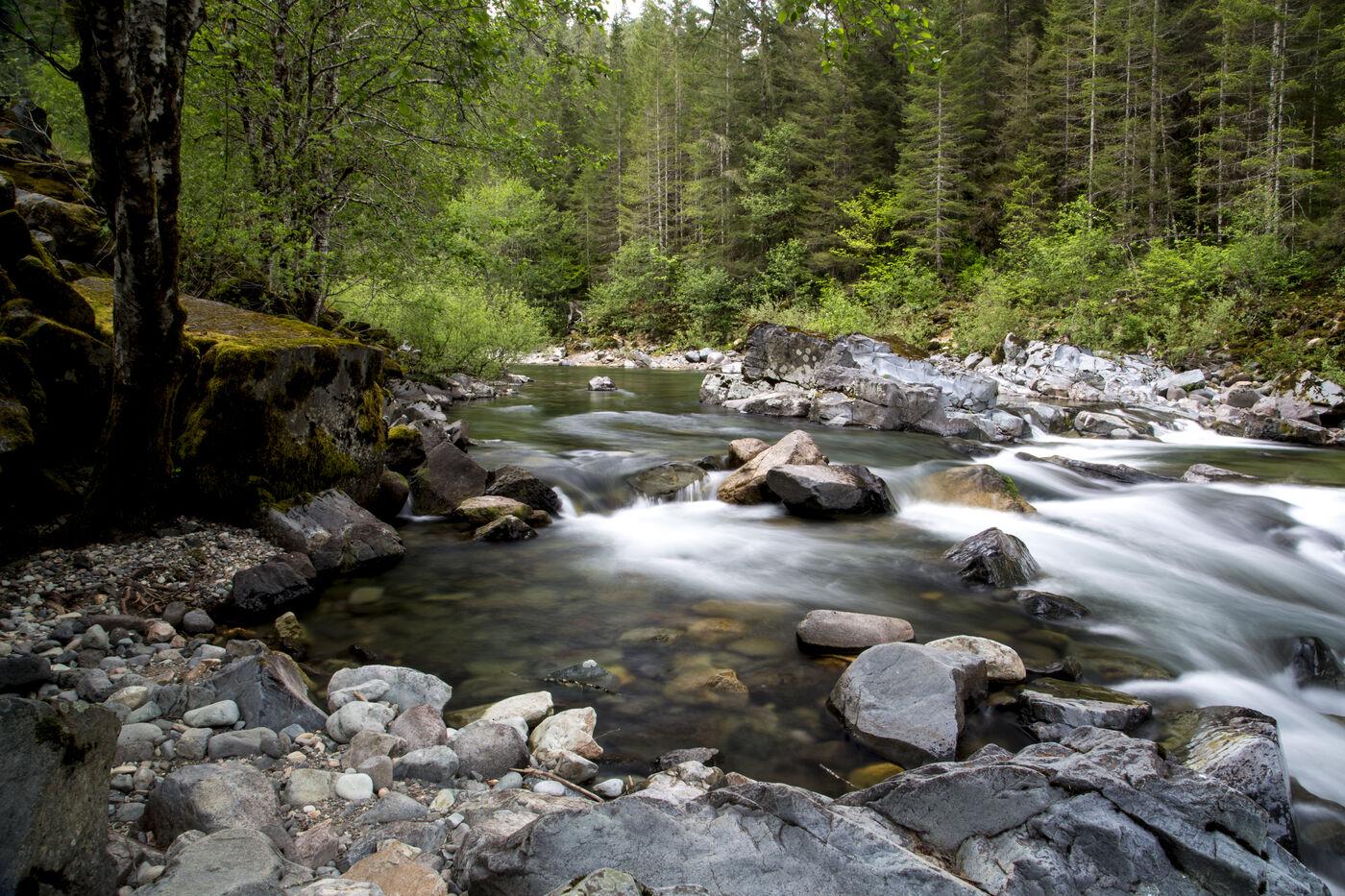
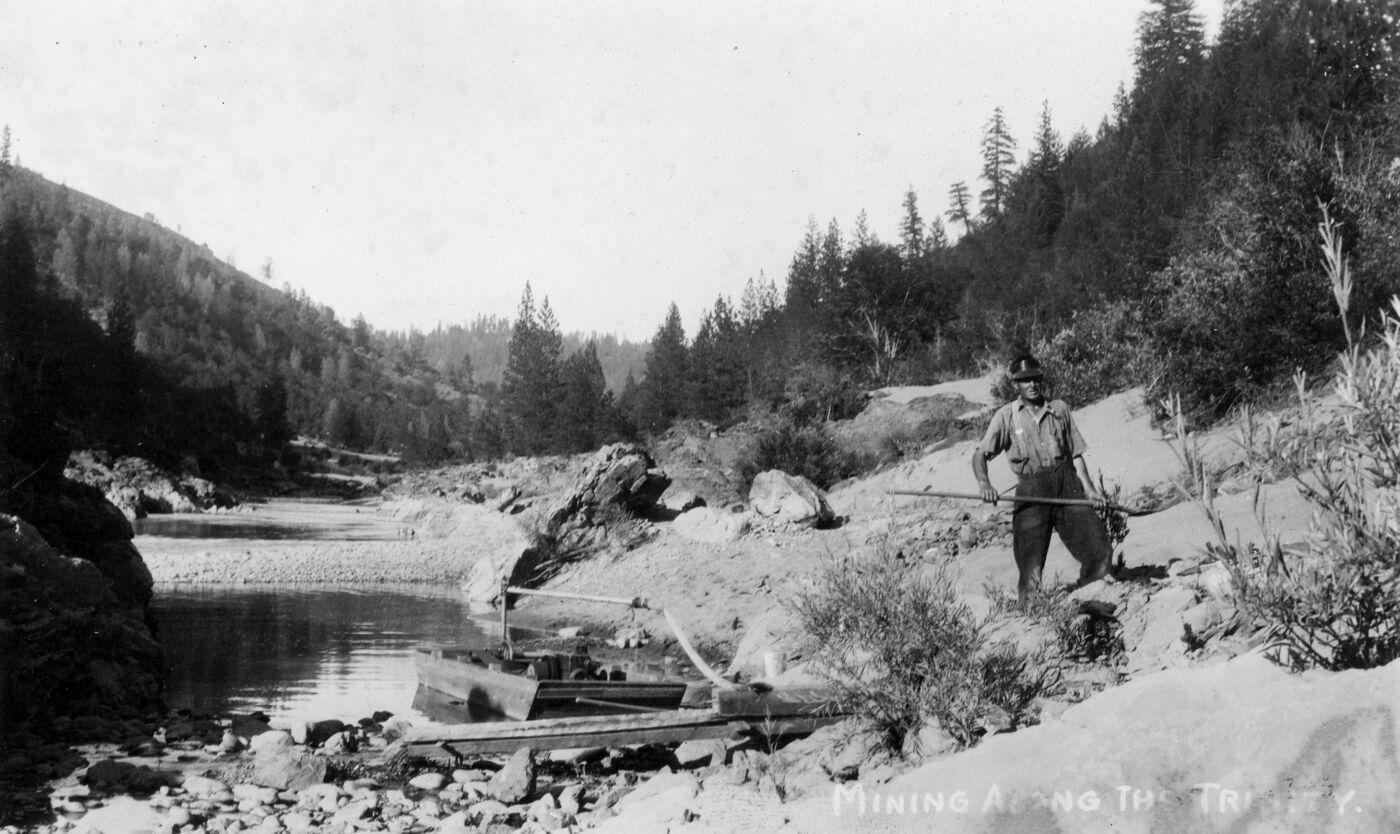
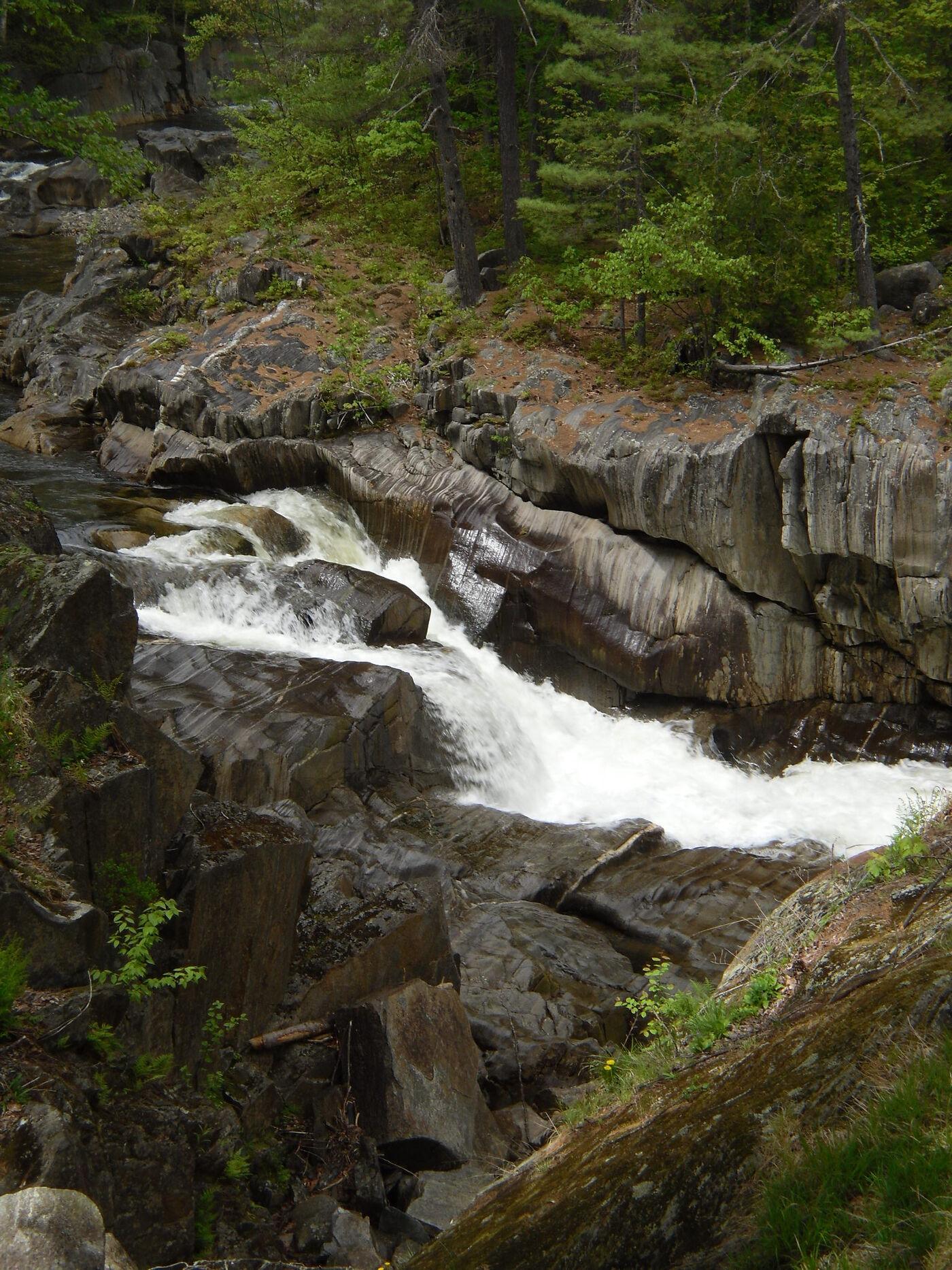
Honest expectations
You are panning for the afternoon, not for wages
Flecks, not nuggets
Gold in a pan runs from near-microscopic specks, called colors, upward. The chance of a fist-sized nugget is remote.
Worked ground
USGS notes that most placer deposits have been thoroughly reworked at least twice since the first rush.
A real skill
USGS calls panning a tedious, back-breaking job that only practice makes you good at. Your tenth pan will be better than your first.
Questions people ask
Is gold panning legal on public land?+
On most BLM land and national forest land, yes. Hand panning counts as casual use on BLM land and needs no notice (43 CFR 3809.5), and on national forest land it needs no notice of intent as long as it causes no significant surface disturbance (36 CFR 228.4). National parks are closed to it outside Alaska, private land needs the owner's permission, and an existing mining claim needs the claimholder's permission.
Do I need a permit to pan for gold?+
Not for a pan and hand tools on open BLM or national forest land under the federal rules. A suction dredge is different: contact BLM or the District Ranger before using one, and your state may require its own authorization. Local offices can close areas or add rules, so check before a trip.
Can I use a sluice box or a metal detector?+
A hand sluice with no motor and a metal detector are both allowed without notice on BLM and national forest land, under the same conditions as a pan. In national parks, possessing a metal detector is prohibited unless it is broken down and packed away (36 CFR 2.1).
How do I tell gold from fool's gold?+
Gold is always gold colored, soft, and bendable, and it stays bright yellow in shadow. Pyrite, or fool's gold, is brassy, forms crystals, changes shade as you turn it in the sun, and shatters under a pin. Mica flecks are so light they float or wash out of the pan.
Where is the best place to pan for gold?+
Go where gold has been found before. In the West that means the streams of old placer districts in California, Alaska, Montana, Idaho, and Oregon. In the East, limited amounts have come from streams on the eastern slope of the southern Appalachians. Within a stream, try the inside of bends, the downstream side of boulders, and places where the stream has overflowed.
Keep reading
- How to Find Geodes and Open ThemHow to spot a geode in the field, the regions where they turn up, and the tools that open one cleanly instead of smashing it.
- Rockhounding Tools for Beginners: What to BringThe ten tools a beginner rockhound needs, from the U.S. Geological Survey's own kit list, plus what to add for crystals, geodes, fossils, and agates, and the tool rules at popular sites.
- Can You Take Rocks From BLM Land? Rules and LimitsYes: reasonable amounts, for yourself, by hand. What you can take from BLM land by material, the limits four state offices set, and where the rule stops.
Take the gold map into the field
RockHoundR maps thousands of spots and overlays BLM, USFS, NPS, and tribal land, so you can see who owns the ground before you dig.