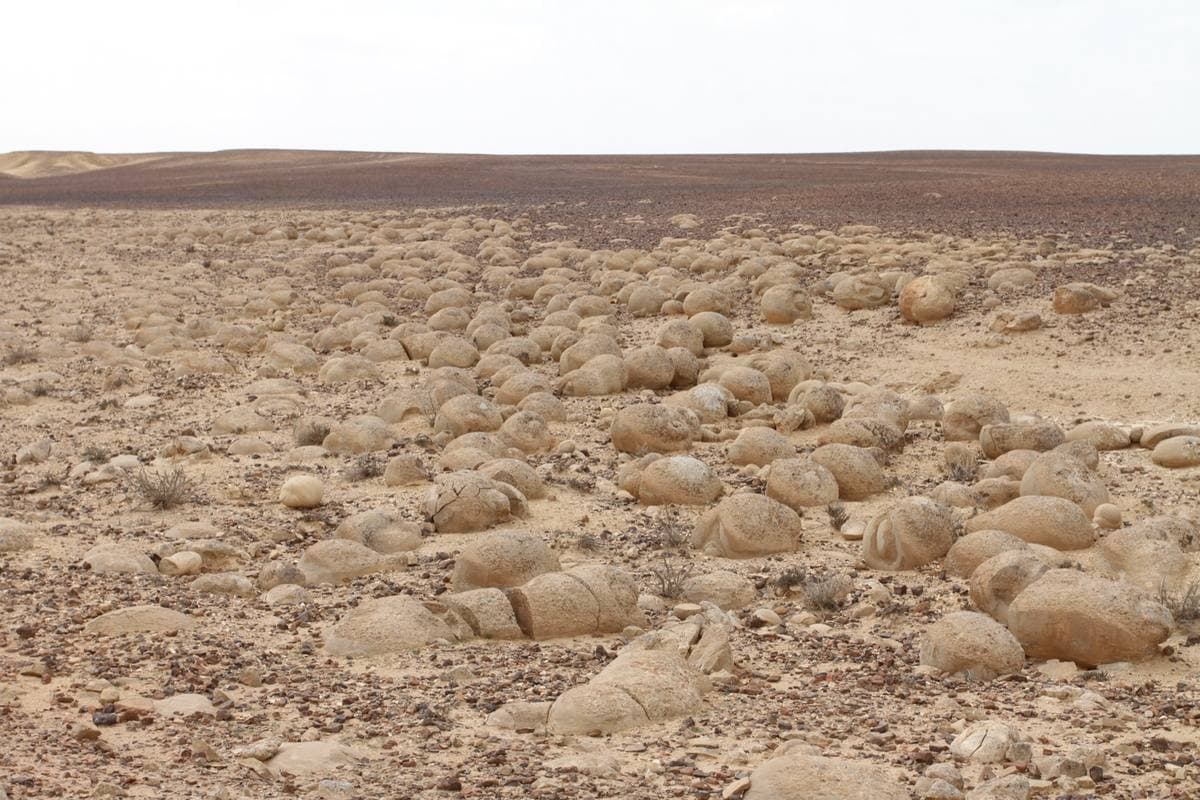
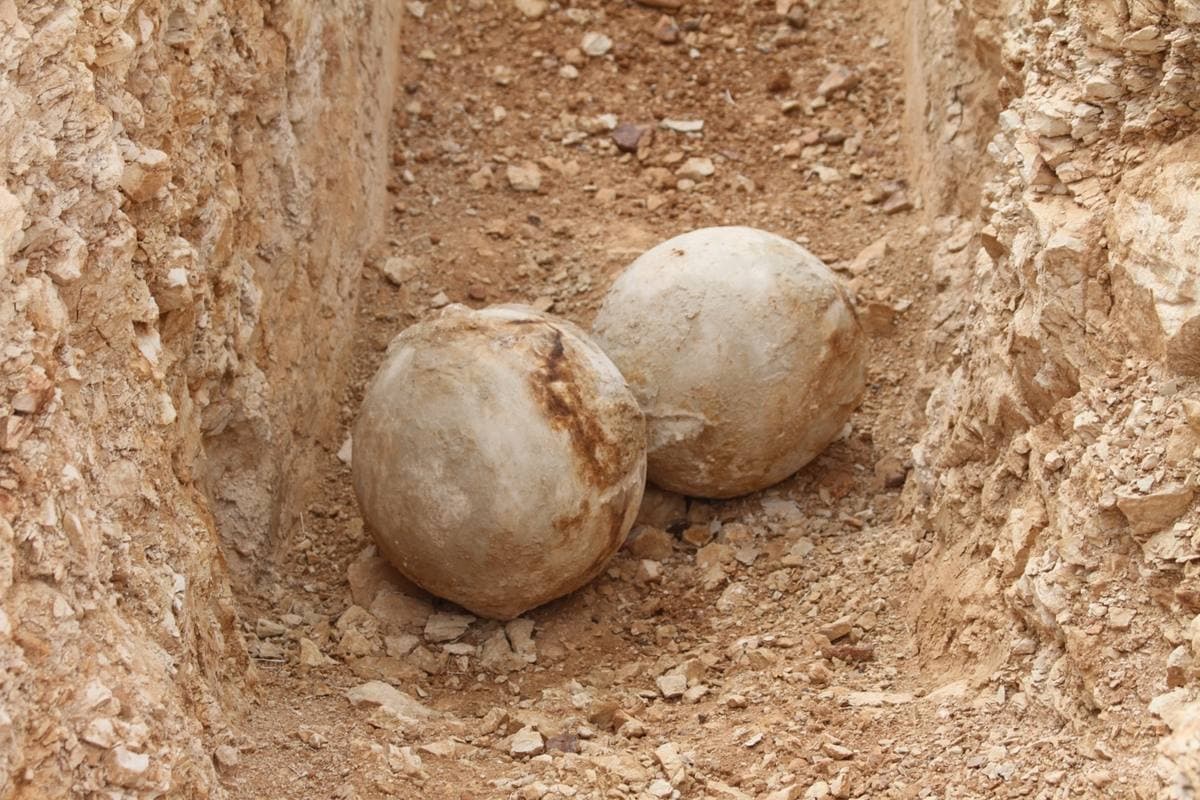
A concretion with a fossil is a compact, spherical or irregular mass of sedimentary rock formed by mineral cement precipitating around a central nucleus, usually a fossil. Cracking one open can reveal a perfectly preserved, three-dimensional fossil such as a shrimp, leaf, or ammonite. It is typically found in soft shale or mudstone where weathering exposes the harder nodule.
Is this concretion with fossil?
5-step field checkRun through these checks against the specimen in your hand. The more boxes tick, the more confident the ID.
- 1Test the hardnessTry to scratch concretion with fossil with a known reference. Concretion With Fossil sits at Mohs 3-5, softer than the next harder reference, harder than the previous one.
- 2Name the organismDecide what left the fossil before worrying about the rock. Organism: Plants and animals, including soft-bodied organisms (Mazon Creek). Age: Mazon Creek concretions: mid-Pennsylvanian (about 309 million years ago).
- 3Check the preservationPreservation: Ironstone (siderite) concretions preserving hard and soft tissue. That controls the weight, the hardness and how the piece takes a polish.
- 4Read the lusterHold the specimen under a strong light. Luster: dull.
- 5Match the color rangeCompare against the expected color range: brown, gray, tan, black.
Often found alongside concretion with fossil
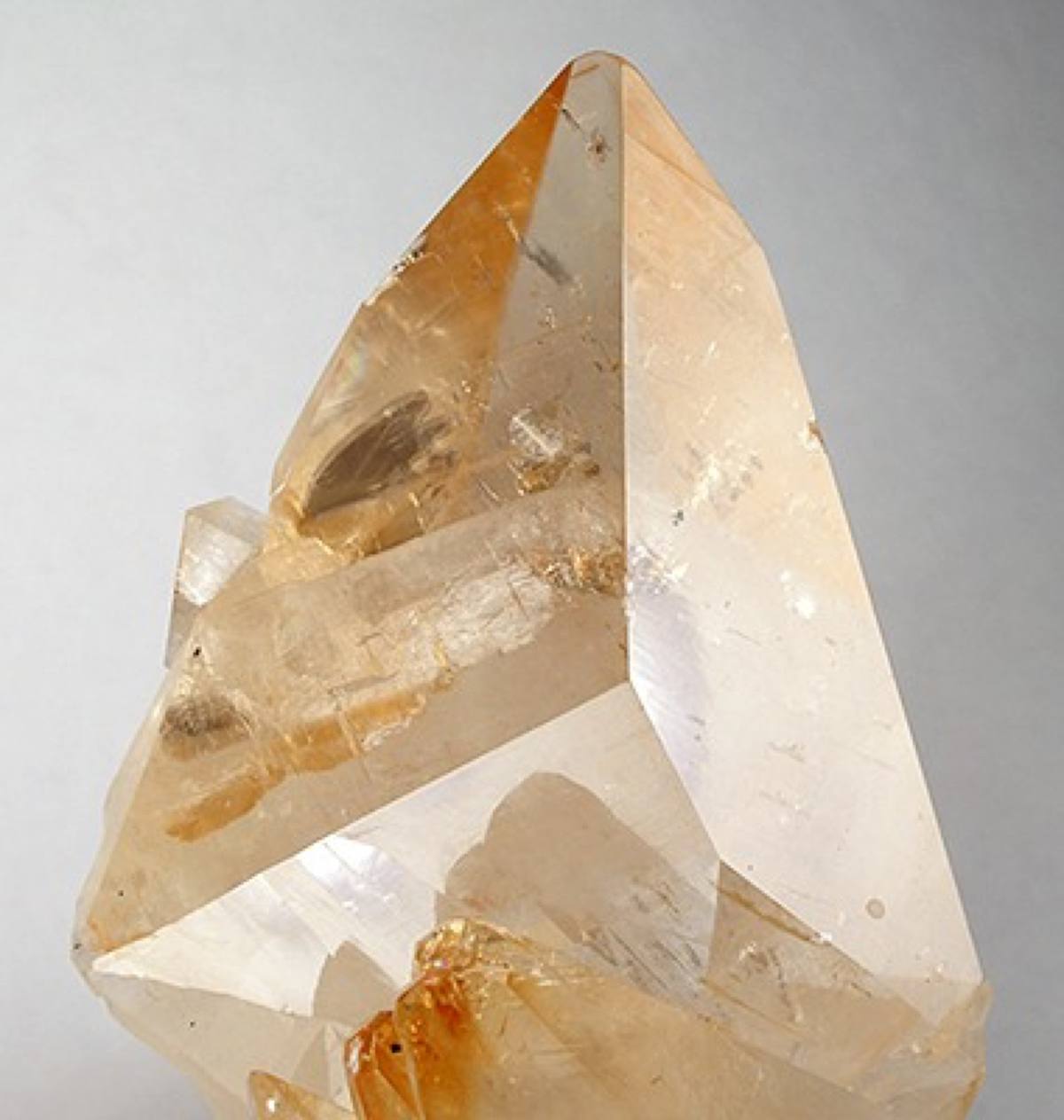
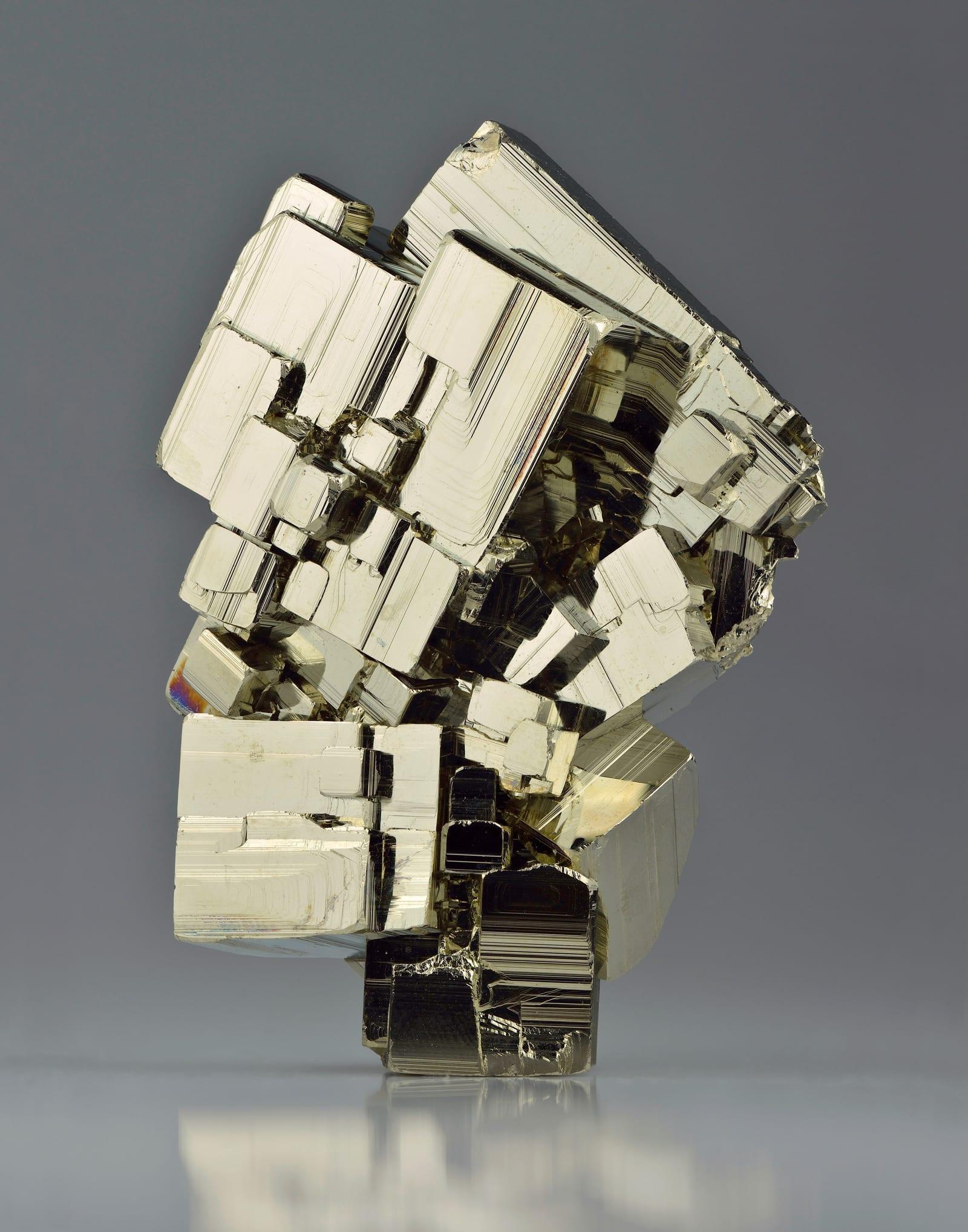
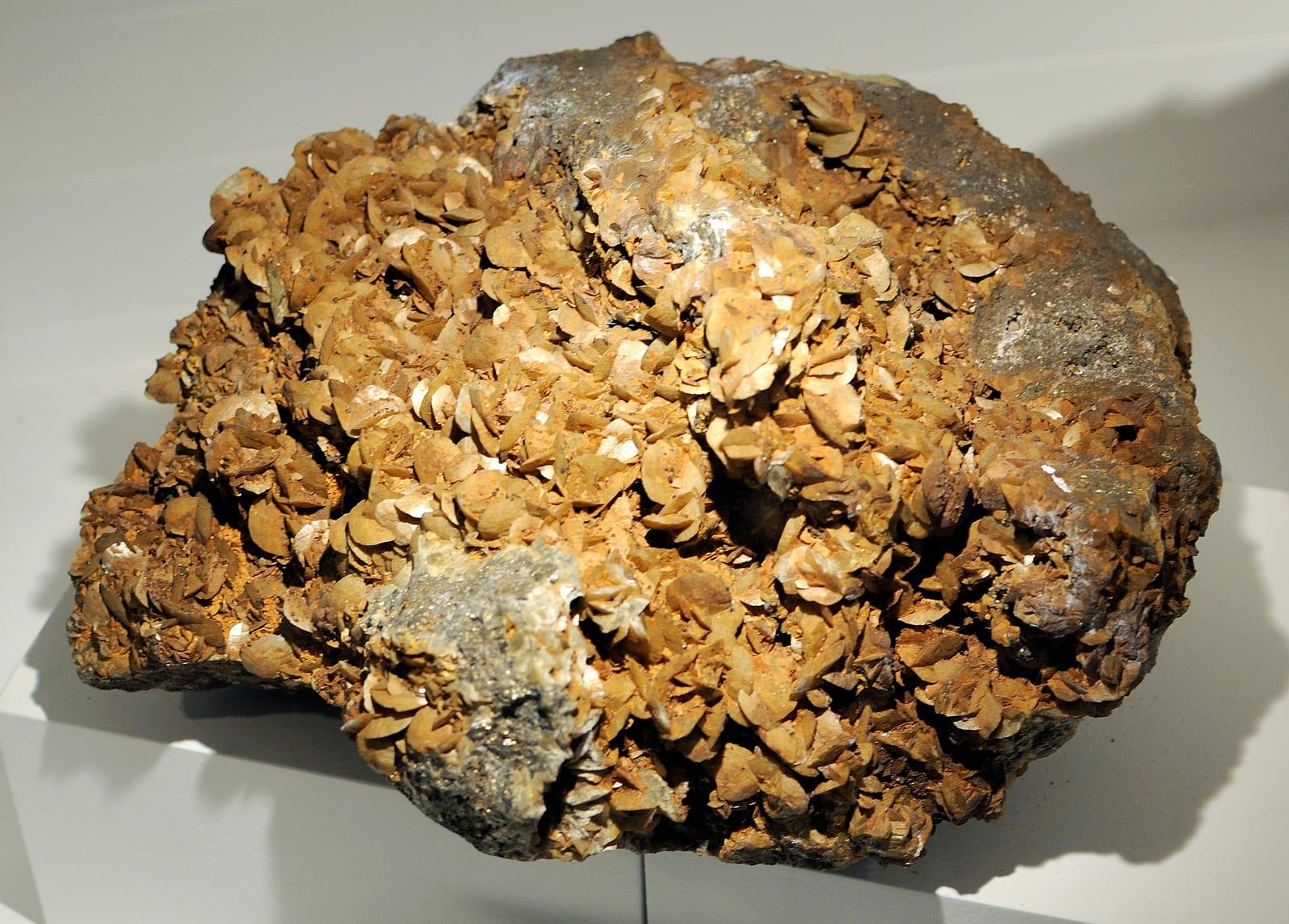
Minerals reported to co-occur with concretion with fossil. Spotting these in float or country rock is a strong cue you are in the right ground.
All properties
- Mohs hardness
- 3-5
- Density
- 2.5-2.7 g/cm³
- Luster
- Dull
- Transparency
- Opaque
- Rarity
- Common
- Uses
- Collector, Decorative, Lapidary
- Host rock
- shale and mudstone
- Organism
- Plants and animals, including soft-bodied organisms (Mazon Creek)
- Age
- Mazon Creek concretions: mid-Pennsylvanian (about 309 million years ago)
- Preservation
- Ironstone (siderite) concretions preserving hard and soft tissue
Where rockhounds find concretion with fossil
2 mapped spotsClassic worldwide localities
- Mazon Creek, Illinois
- Jurassic Coast, UK
- Western interior seaway, USA
- Alberta, Canada
Field-hunting tip
Where it forms: shale and mudstone. If you start seeing calcite, pyrite, siderite in float, you are in the right ground. In the U.S., the densest reported localities are in Illinois. Start trip planning there.
More concretion with fossil photos
Common questions
How do you identify concretion with fossil?+
Where is concretion with fossil found?+
Can I find concretion with fossil in the United States?+
What minerals are found with concretion with fossil?+
What kind of rock does concretion with fossil form in?+
What is concretion with fossil used for?+
Find concretion with fossil on the map
RockHoundR shows mapped rockhounding spots, access rules, and lets you log every find.