Where to Find Agate in Minnesota
Minnesota has 6 mapped collecting spots that report agate, spread across 3 counties. The largest share sits in Carlton County with 3 spots. 3 of the spots are on land mapped as publicly accessible, and 3 are fee-dig sites.
Every agate spot we track in Minnesota
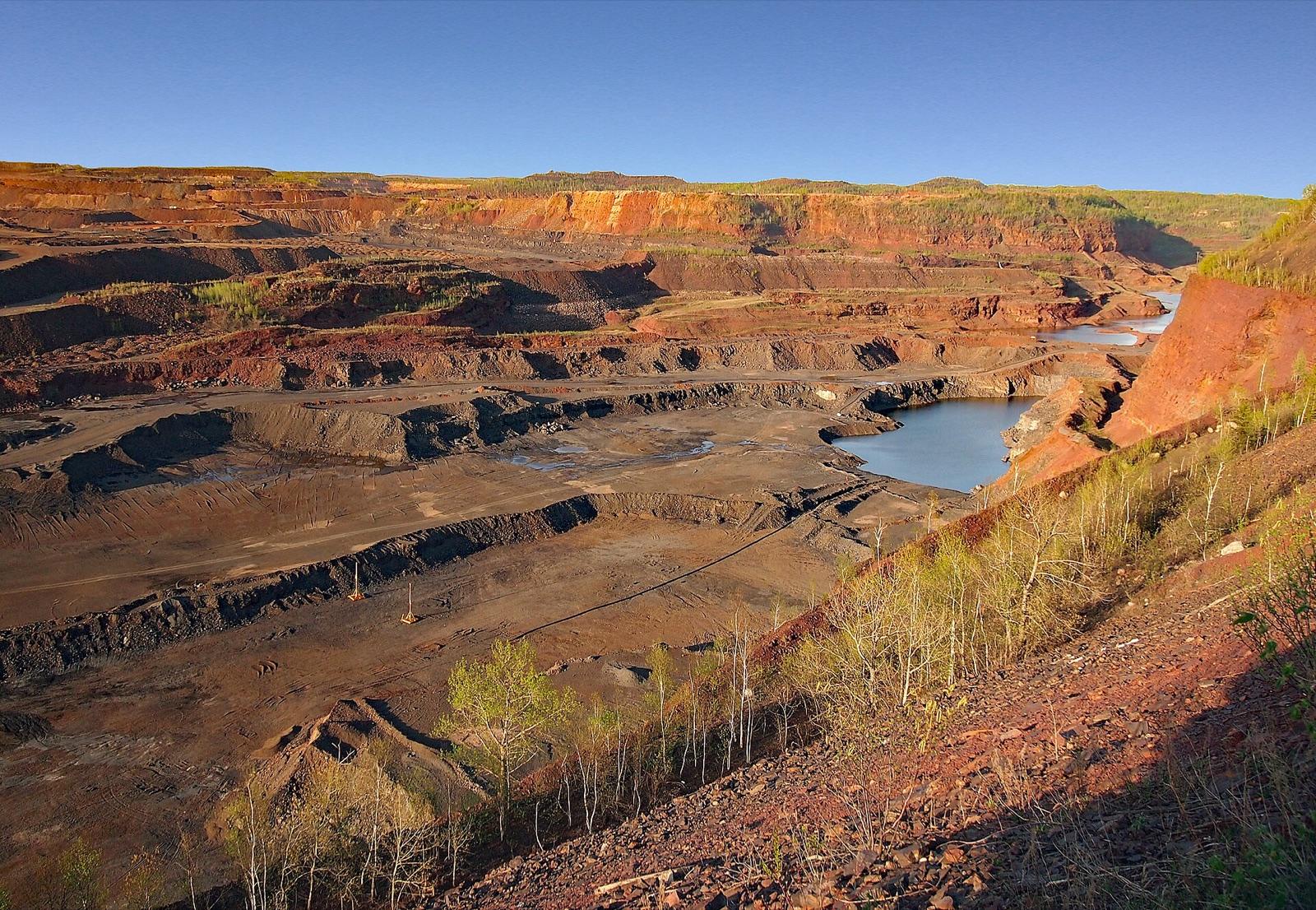 Best spotHibbing (area 2)Saint Louis County, MinnesotaPublic access · Iron, Agate, Jasper +3
 Arco MineCrow Wing County, MinnesotaPublic access · Agate, Chalcedony, Jasper +3
- Portsmouth MineCrow Wing County, MinnesotaPublic access · Agate, Chalcedony, Jasper +3
 Airport PitCarlton County, MinnesotaFee dig · Agate
- Moose Lake Agate PitCarlton County, MinnesotaFee dig · Agate
- Soo PitCarlton County, MinnesotaFee dig · Agate
Standout agate spots in Minnesota
Hand-picked from the full list above, with the reason each one earns a trip.
Best counties for agate in Minnesota
Ranked by the number of mapped agate spots. County links open the full rockhounding page for that county.
Before you go
Read the agate identification guide so you know what a keeper looks like in the field: Agate in the encyclopedia.
Agate in Minnesota FAQ
Where can you find agate in Minnesota?+
The mapped spots concentrate in Carlton County, Crow Wing County, and Saint Louis County. Every spot on this page is on the map, and each spot's own page has its coordinates and access notes.
How many agate spots are mapped in Minnesota?+
6 spots across 3 counties. The RockHoundR app keeps the same spots on an offline map with public land overlays, geology layers, and your saved finds.
Is it legal to collect agate in Minnesota?+
Hand collecting of common rocks and minerals in small amounts for personal use is generally allowed on BLM and U.S. Forest Service land, with limits set by the local field office. National parks, most state parks, and tribal land are closed to collecting. 3 of the 6 mapped spots here sit on land marked public, and 3 are fee-dig operations where you pay for access and keep what you find. Always confirm current rules with the managing agency before you dig.
Where else to find agate
More minerals to hunt in Minnesota
Hunt agate in Minnesota with the map in your pocket
RockHoundR puts these spots on an offline map with BLM and Forest Service overlays, geology layers, and a log for your finds.