Where to Find Quartz in Alabama
Alabama has 9 mapped collecting spots that report quartz, spread across 7 counties. 2 of the spots are on land mapped as publicly accessible, and 1 is a fee-dig site.
Every quartz spot we track in Alabama
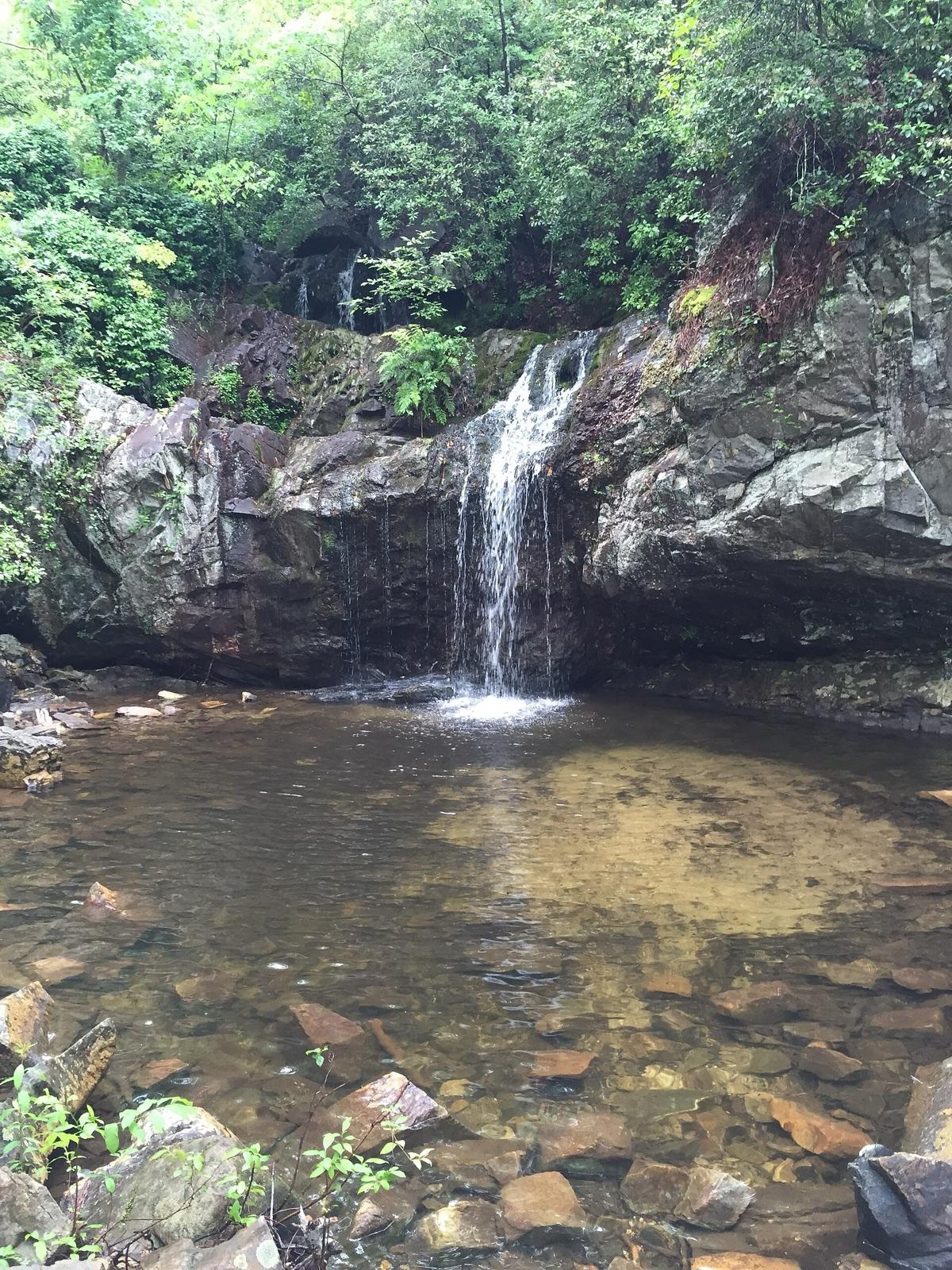 Best spotTalladega National Forest (Shoal Creek)Cleburne County, AlabamaPublic access · Gold, Quartz, Garnet +2
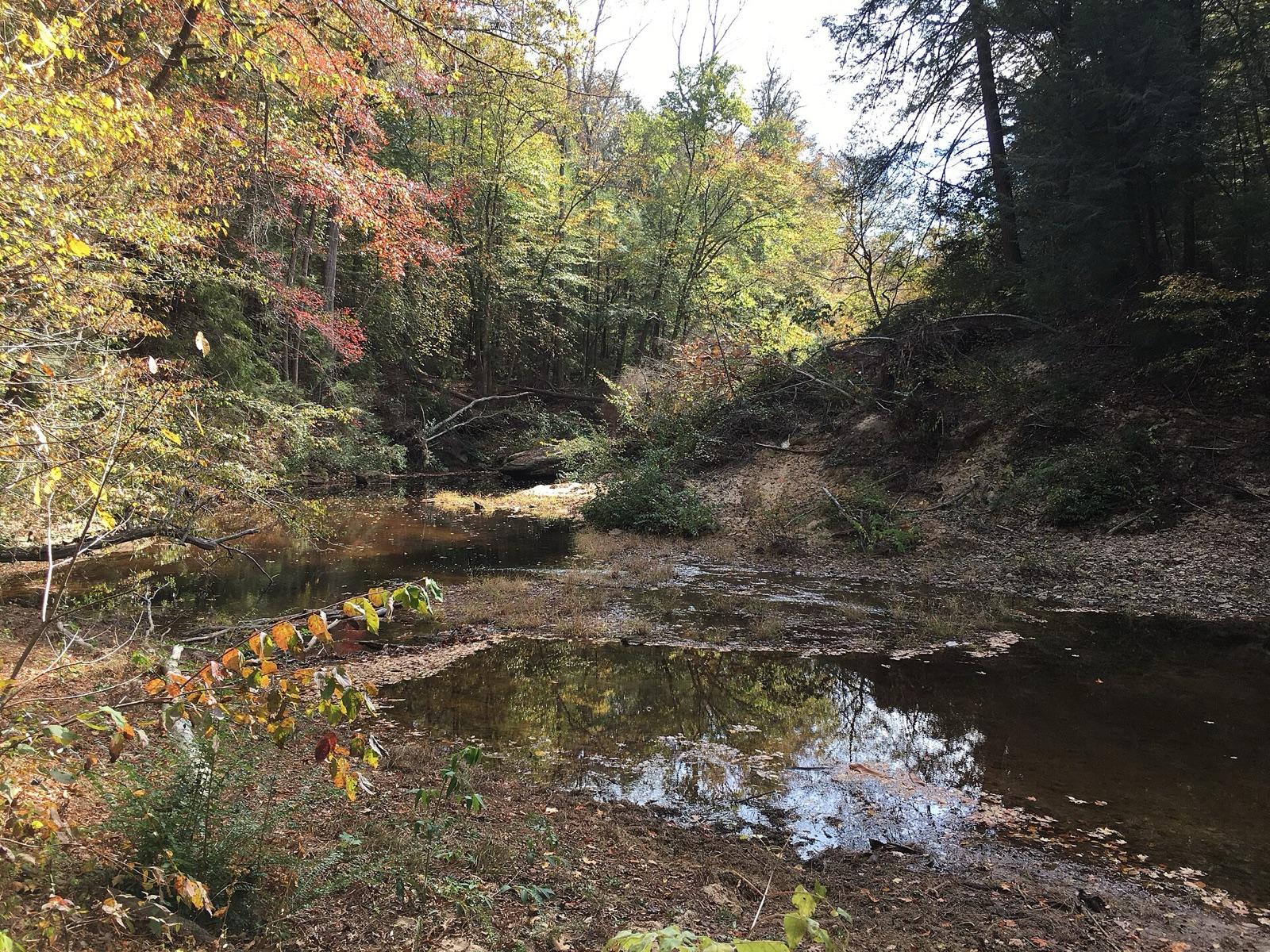 Best spotBankhead National ForestWinston County, AlabamaPublic access · Quartz, Chert, Fossil +1
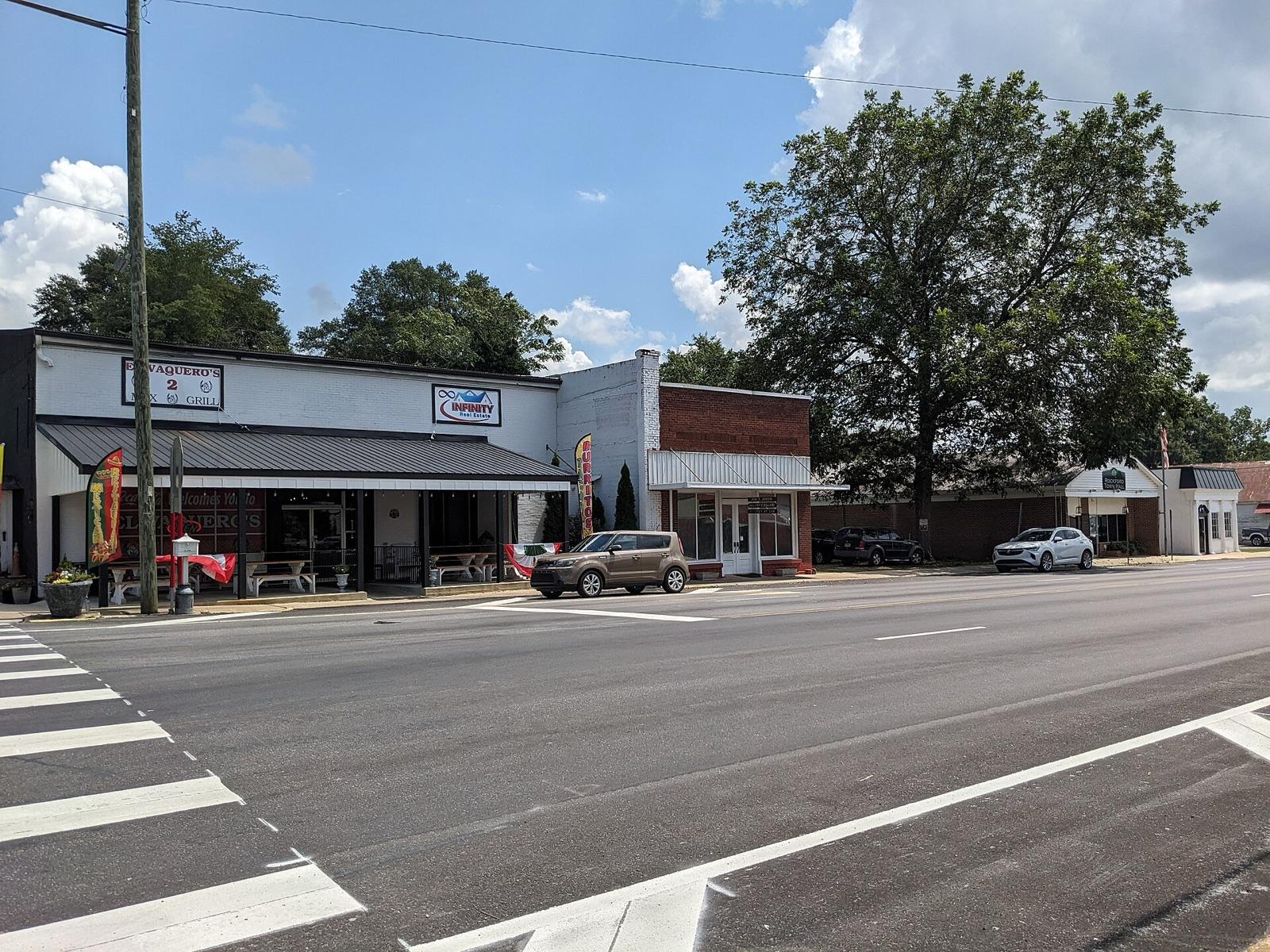 Best spotPegmatite OutcropingsCoosa County, AlabamaPermission required · Cassiterite, Feldspar, Muscovite +1
 Lake Martin OutcropsTallapoosa County, AlabamaCheck locally · Epidote, Actinolite, Bronzite +4
- Brookwood Strip MinesTuscaloosa County, AlabamaCheck locally · Hematite, Quartz, Siderite +2
- Near Pond MineCoosa County, AlabamaCheck locally · Feldspar, Garnet, Moonstone +2
- BrilliantMarion County, AlabamaFee dig · Petrified Wood, Quartz
- Tuscaloosa Rockhounding Area (Petrified Wood)Tuscaloosa County, AlabamaCheck locally · Quartz, Petrified Wood
- Pleasant Grove RoadClay County, AlabamaCheck locally · Quartz
Standout quartz spots in Alabama
Hand-picked from the full list above, with the reason each one earns a trip.
Talladega National Forest (Shoal Creek)
Cleburne County
The Talladega National Forest sits on the southern end of the Appalachian gold belt, and the Shoal Creek district is the most reliable place in Alabama to prospect on open public land rather than private mine ground.
Pegmatite Outcropings
Coosa County
Coosa County is widely regarded as the richest single county in Alabama for variety, with pegmatites and the historic tin belt producing feldspar, muscovite, tourmaline, cassiterite, beryl, and garnet.
Bankhead National Forest
Winston County
The William B. Bankhead National Forest spreads across about 181,000 acres of the Cumberland Plateau in northwest Alabama, where the Sipsey Fork cuts sandstone gorges that expose fresh rock.
Best counties for quartz in Alabama
Ranked by the number of mapped quartz spots. County links open the full rockhounding page for that county.
Before you go
Read the quartz identification guide so you know what a keeper looks like in the field: Quartz in the encyclopedia.
Quartz in Alabama FAQ
Where can you find quartz in Alabama?+
How many quartz spots are mapped in Alabama?+
Is it legal to collect quartz in Alabama?+
Where else to find quartz
More minerals to hunt in Alabama
Hunt quartz in Alabama with the map in your pocket
RockHoundR puts these spots on an offline map with BLM and Forest Service overlays, geology layers, and a log for your finds.