A fossil plant is the preserved remains of ancient botanical life found within sedimentary layers. Look for distinct cellular structure or a leaf imprint preserved in material such as shale, chert, or agatized wood.
Is this fossil plant?
2-step field checkRun through these checks against the specimen in your hand. The more boxes tick, the more confident the ID.
- 1Match the color rangeCompare against the expected color range: brown, black, gray, tan, white.
- 2Look at form & habitTypical habit: impressions, casts, molds, permineralized wood, carbonaceous films.
Often found alongside fossil plant
Minerals reported to co-occur with fossil plant. Spotting these in float or country rock is a strong cue you are in the right ground.
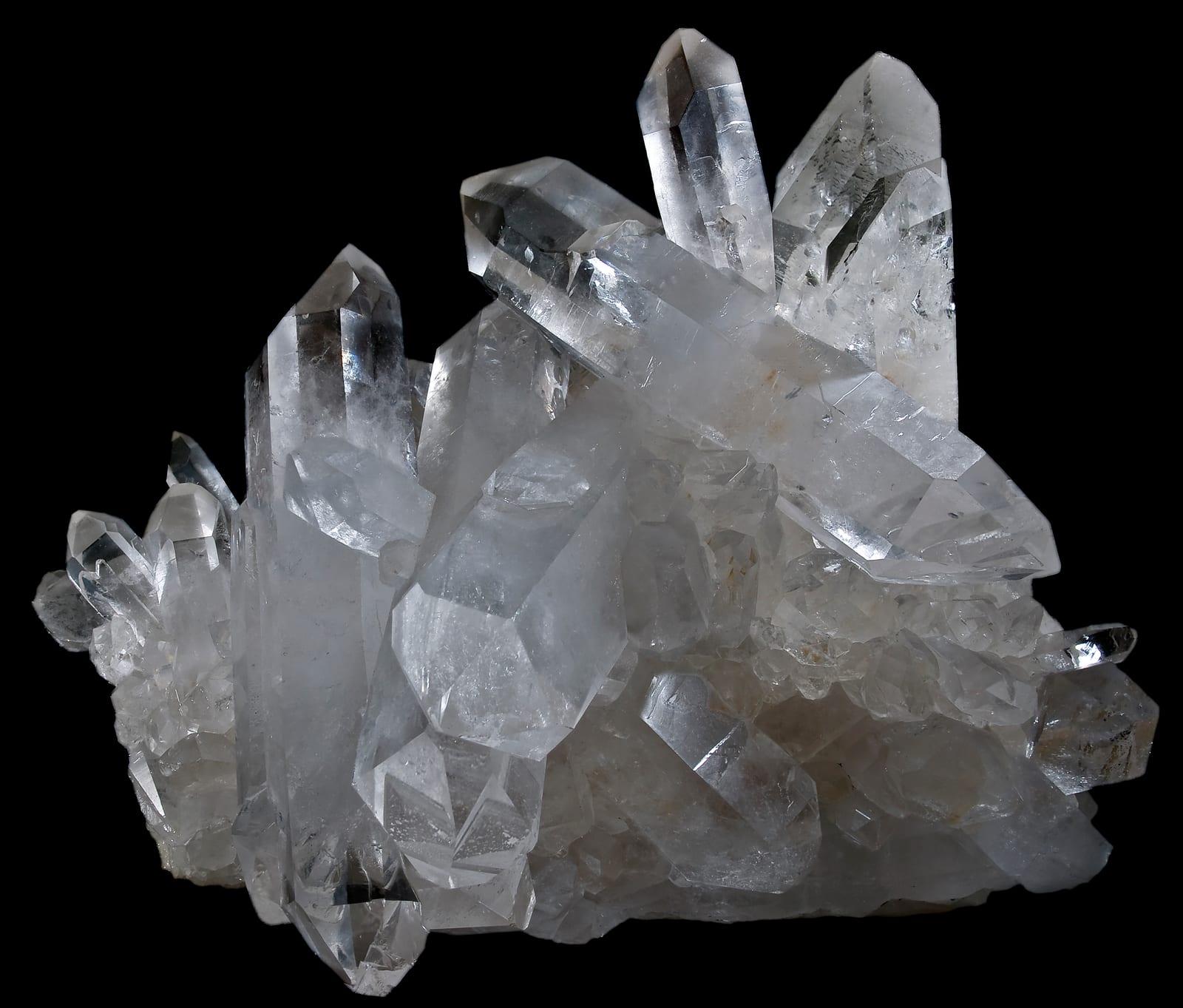
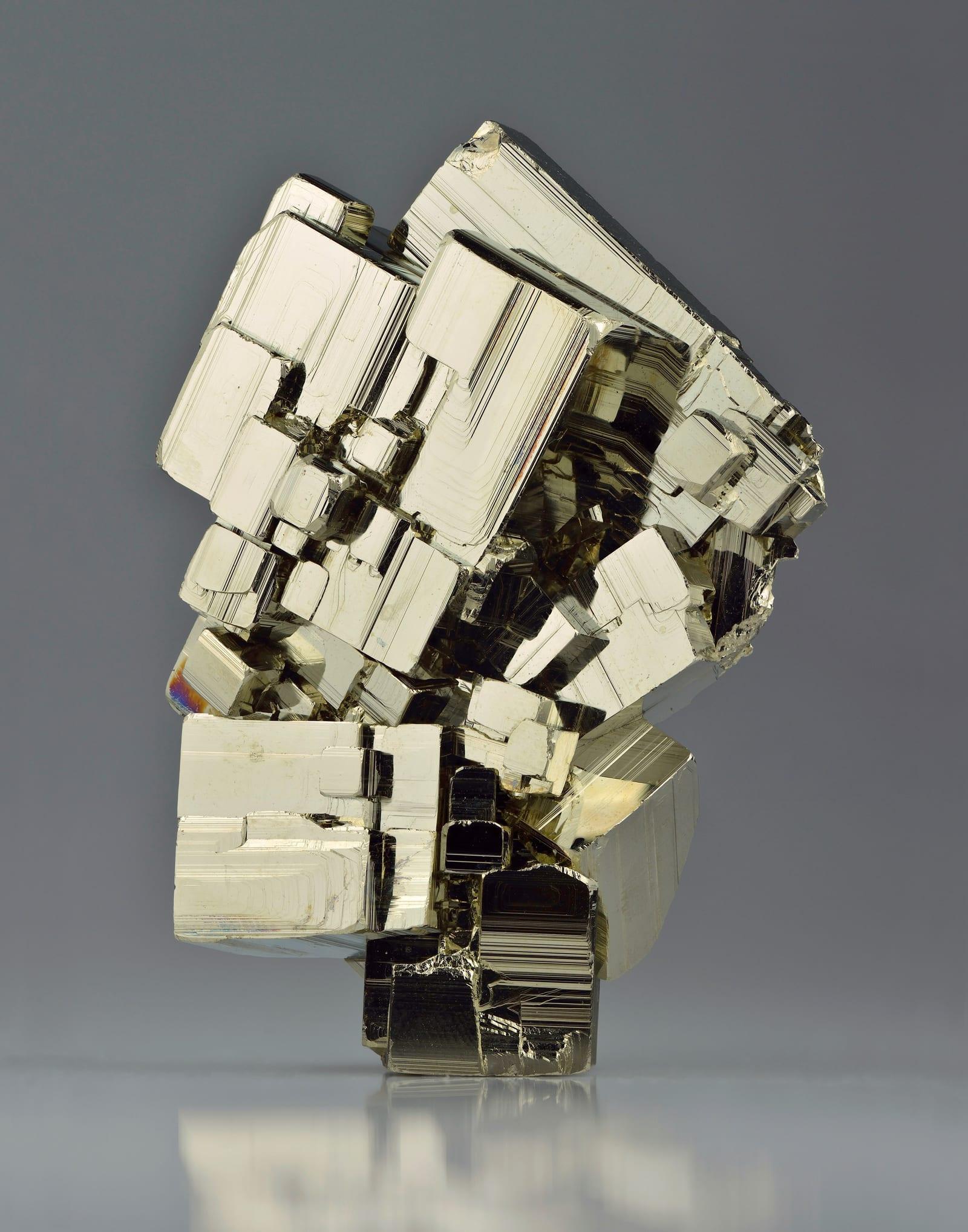
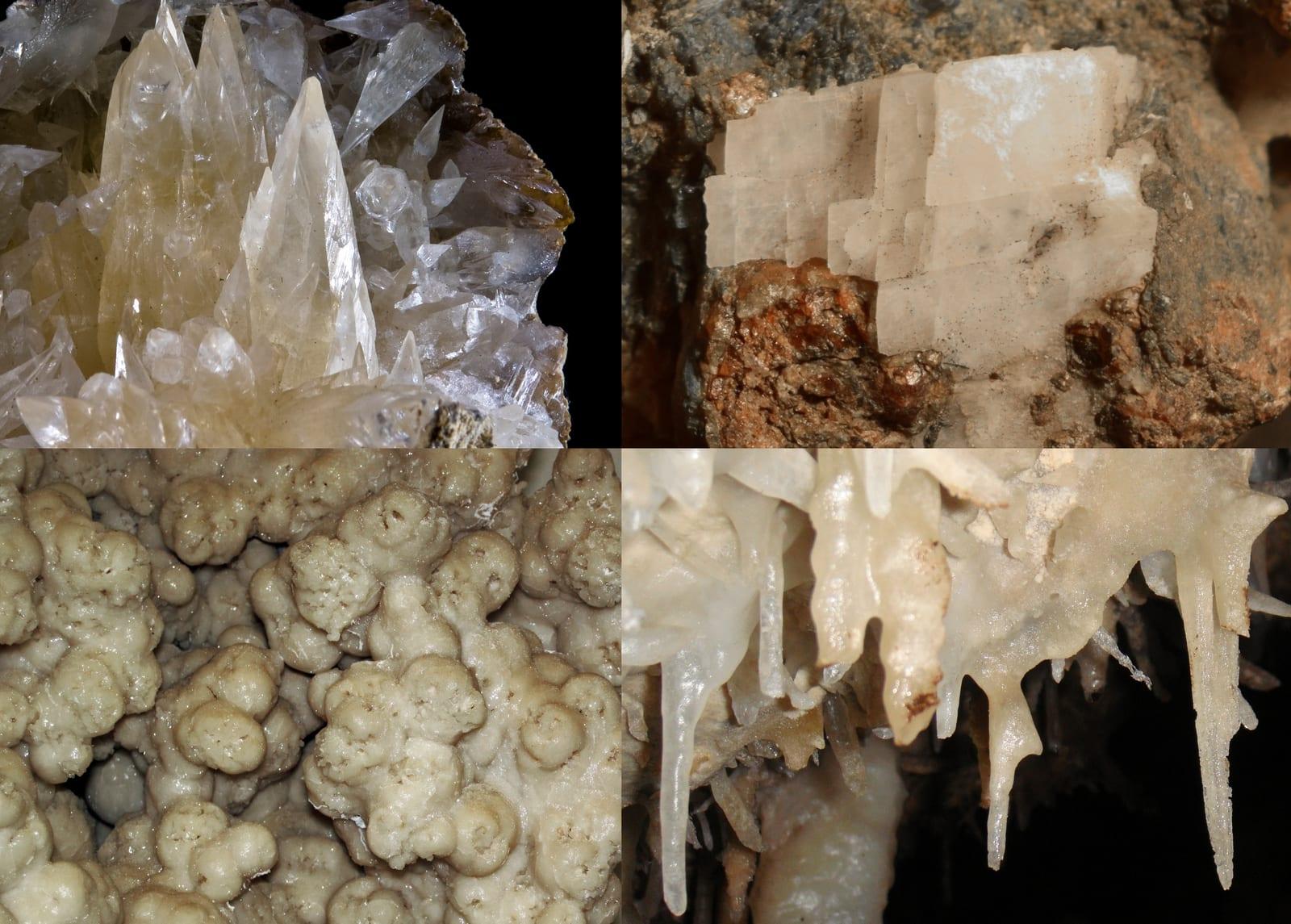
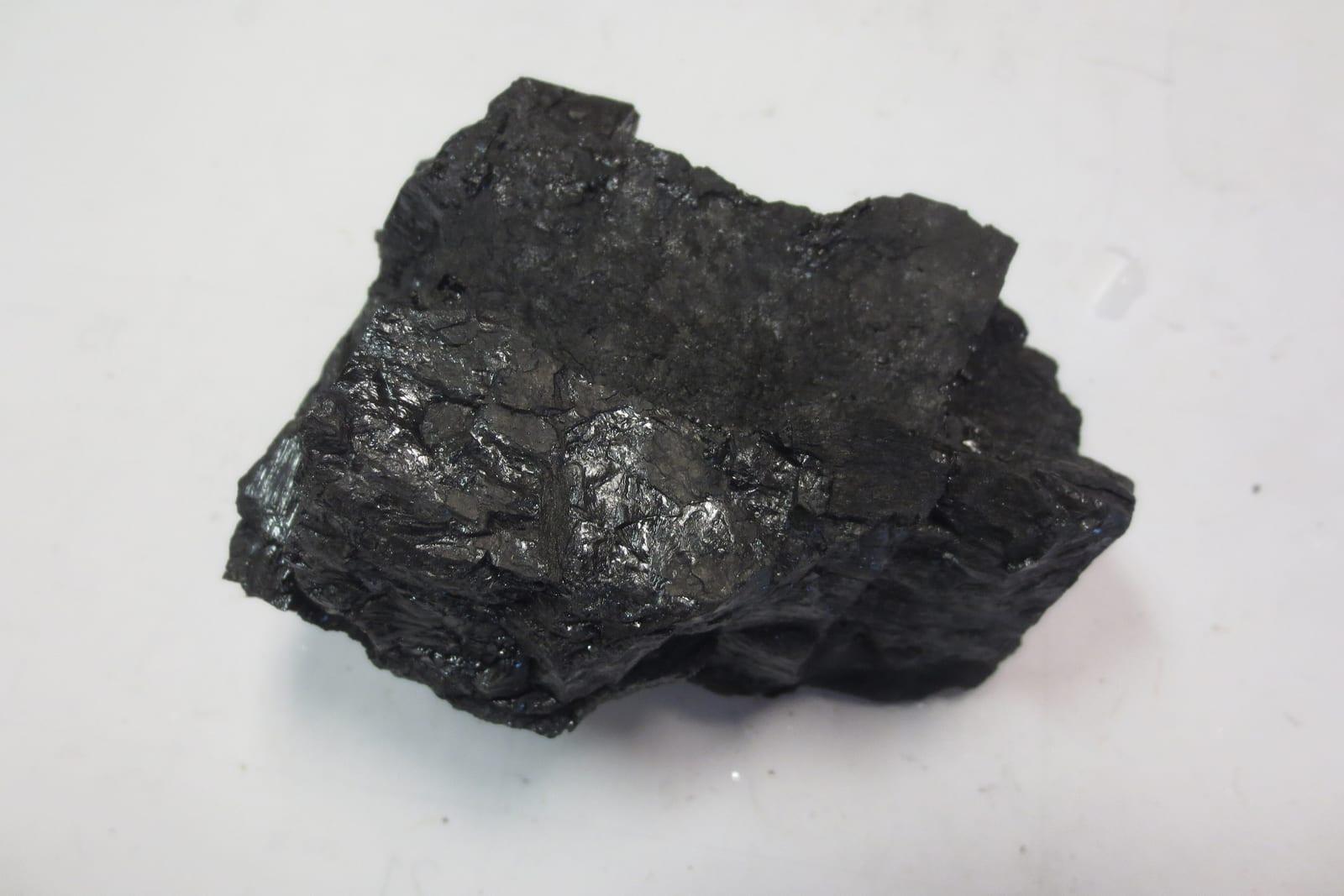
All properties
- Crystal habit
- Impressions, Casts, Molds, Permineralized Wood, Carbonaceous Films
- Rarity
- Common
- Uses
- Collector, Scientific Research, Educational, Decorative
- Host rock
- Sedimentary Strata
Where rockhounds find fossil plant
1 mapped spotsClassic worldwide localities
- Mazon Creek, USA
- Joggins Fossil Cliffs, Canada
- Rhynie Chert, Scotland
- Petrified Forest National Park, USA
- Solnhofen, Germany
Field-hunting tip
Look in sedimentary strata country, the host setting where fossil plant typically forms. If you start seeing quartz, pyrite, calcite in float, you are in the right ground. Field specimens usually show a impressions, casts, molds, permineralized wood, carbonaceous films habit, so train your eye for that shape before scanning the outcrop. In the U.S., the densest reported localities are in Kansas. Start trip planning there.
Common questions
Where is fossil plant found?+
Can I find fossil plant in the United States?+
What minerals are found with fossil plant?+
What kind of rock does fossil plant form in?+
What is fossil plant used for?+
Find fossil plant on the map
RockHoundR shows mapped rockhounding spots, access rules, and lets you log every find.