Jacobsville Sandstone is a red sandstone formation marked with white streaks and spots, found in northern Upper Michigan, parts of Ontario and under much of Lake Superior. Rivers deposited it about 1,010 to 980 million years ago; hematite colors it red, and the pale spots and streaks formed where later fluids bleached that pigment away. About thirty-two quarries worked it from around 1870 until about 1915, and it was used as building stone in both Canada and the United States. It contains no fossils, and the International Union of Geological Sciences has named it a Global Heritage Stone Resource.
Is this jacobsville sandstone?
3-step field checkRun through these checks against the specimen in your hand. The more boxes tick, the more confident the ID.
- 1Read the textureLook at a fresh break with a hand lens. Texture: Red sandstone with white streaks and spherical spots from leaching and bleaching; conglomerate, sandstone and siltstone facies.
- 2Pick out the mineralsComposition: Quartz-rich to feldspar-rich sandstone, colored red by hematite. Identify the two or three most abundant grains.
- 3Match the color rangeCompare against the expected color range: red, pink, white, brown.
Often found alongside jacobsville sandstone
Minerals reported to co-occur with jacobsville sandstone. Spotting these in float or country rock is a strong cue you are in the right ground.
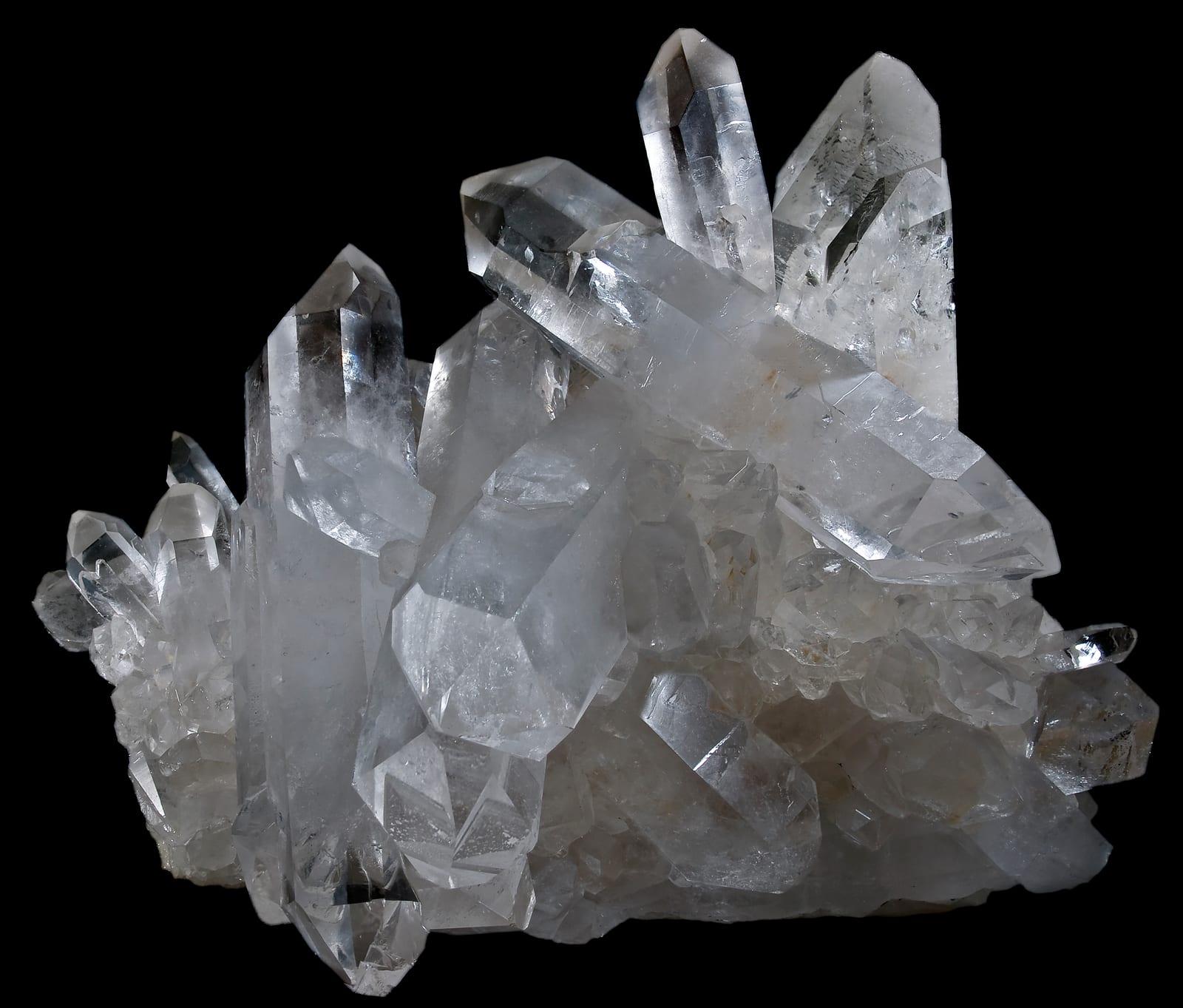
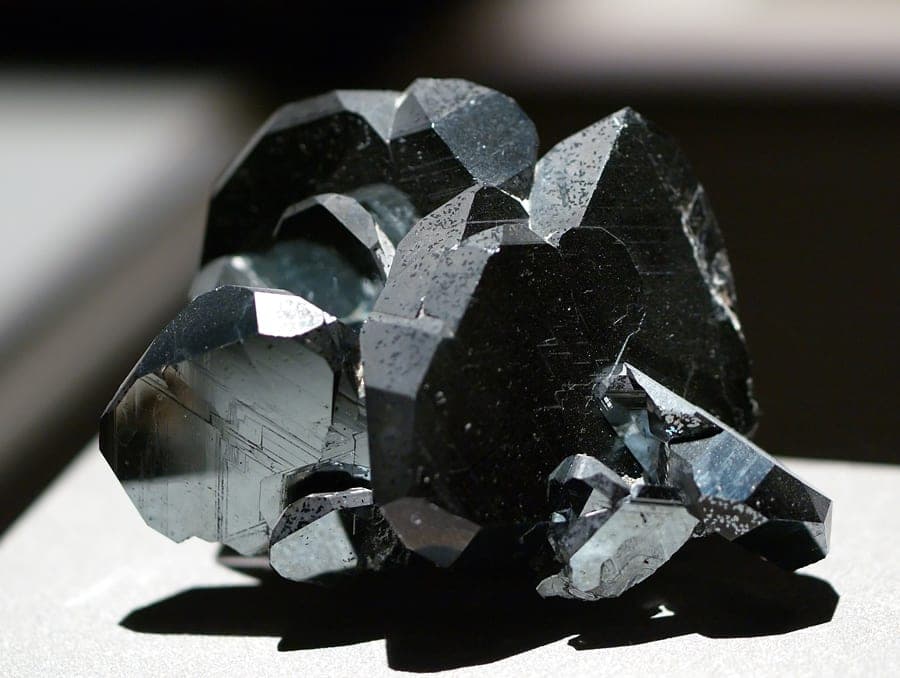
All properties
- Uses
- Construction
- Host rock
- River deposits of the Keweenawan Supergroup, above Midcontinent Rift basalt and below the Cambrian Munising Formation
- Texture
- Red sandstone with white streaks and spherical spots from leaching and bleaching; conglomerate, sandstone and siltstone facies
- Composition
- Quartz-rich to feldspar-rich sandstone, colored red by hematite
Where rockhounds find jacobsville sandstone
3 mapped spotsClassic worldwide localities
- Jacobsville and the Keweenaw Peninsula, Michigan
- Marquette and Alger counties, Michigan
- Pictured Rocks National Lakeshore, Michigan
- Sault Ste. Marie, Ontario
Field-hunting tip
Where it forms: River deposits of the Keweenawan Supergroup, above Midcontinent Rift basalt and below the Cambrian Munising Formation. If you start seeing quartz, hematite in float, you are in the right ground. In the U.S., the densest reported localities are in Michigan. Start trip planning there.
Common questions
Where is jacobsville sandstone found?+
Can I find jacobsville sandstone in the United States?+
What minerals are found with jacobsville sandstone?+
What kind of rock does jacobsville sandstone form in?+
What is jacobsville sandstone used for?+
Find jacobsville sandstone on the map
RockHoundR shows mapped rockhounding spots, access rules, and lets you log every find.