A trilobite fossil is the preserved remains of an extinct marine arthropod from the Paleozoic era, valued for its intricate segmented body. It is commonly found in shale or limestone and often needs careful preparation to free the delicate spines and eyes from the matrix.
Is this trilobite fossil?
5-step field checkRun through these checks against the specimen in your hand. The more boxes tick, the more confident the ID.
- 1Test the hardnessTry to scratch trilobite fossil with a known reference. Trilobite Fossil sits at Mohs 3-5, softer than the next harder reference, harder than the previous one.
- 2Name the organismDecide what left the fossil before worrying about the rock. Organism: Extinct marine arthropods (class Trilobita). Age: Early Cambrian (about 521 million years ago) to the end of the Permian.
- 3Check the preservationPreservation: Mineralized calcite exoskeleton. That controls the weight, the hardness and how the piece takes a polish.
- 4Read the lusterHold the specimen under a strong light. Luster: dull.
- 5Match the color rangeCompare against the expected color range: black, brown, gray, red, tan.
Often found alongside trilobite fossil
Minerals reported to co-occur with trilobite fossil. Spotting these in float or country rock is a strong cue you are in the right ground.
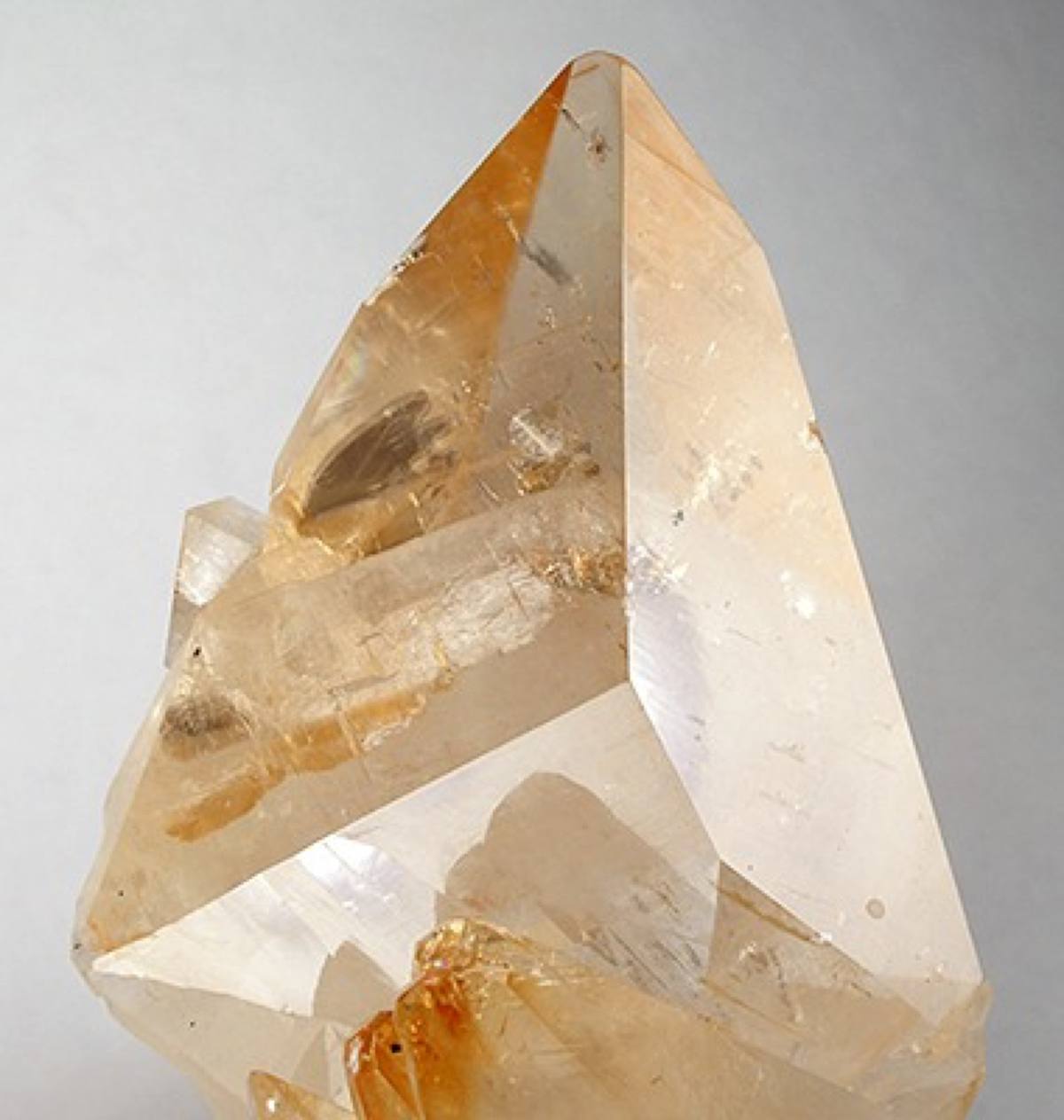
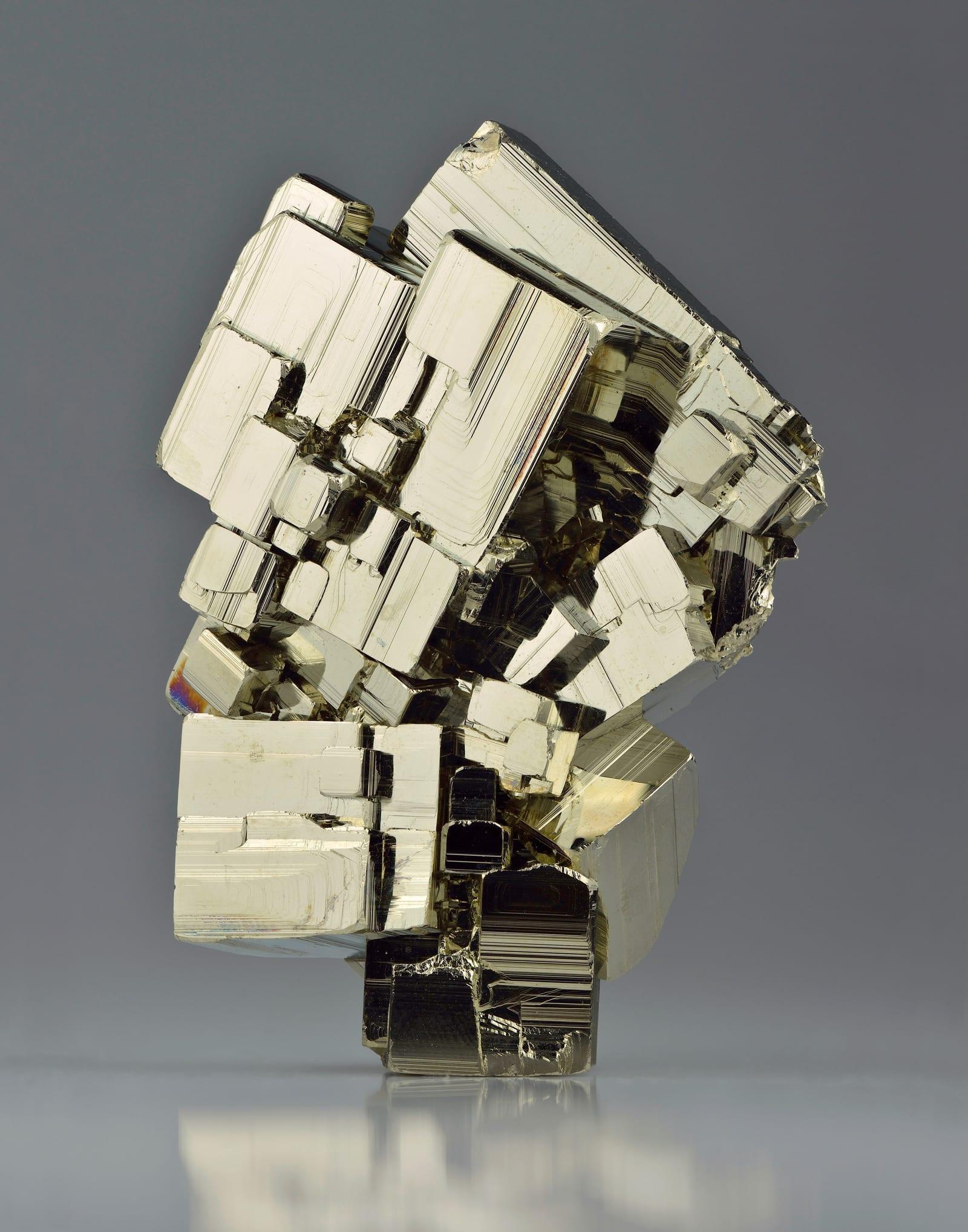
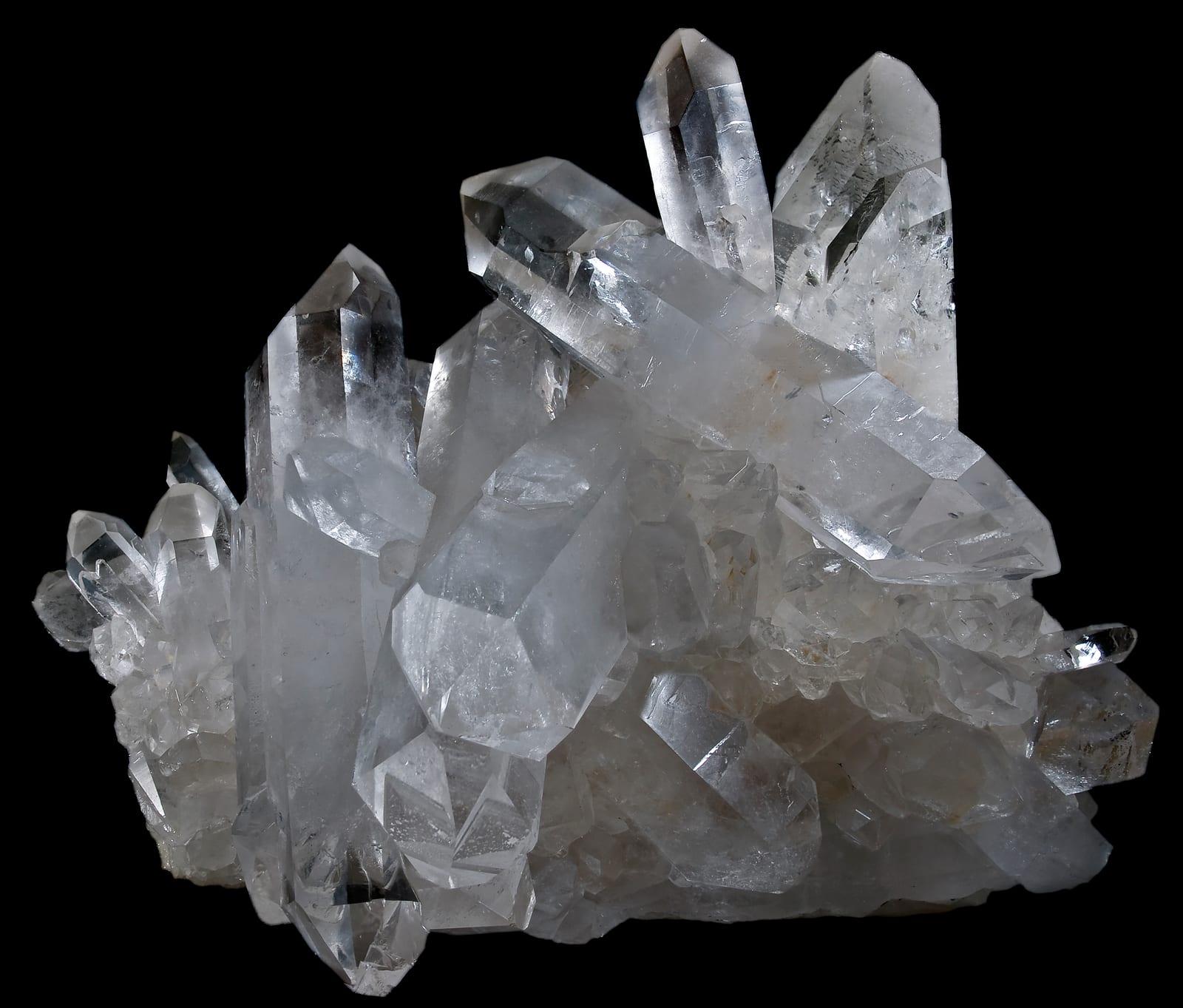
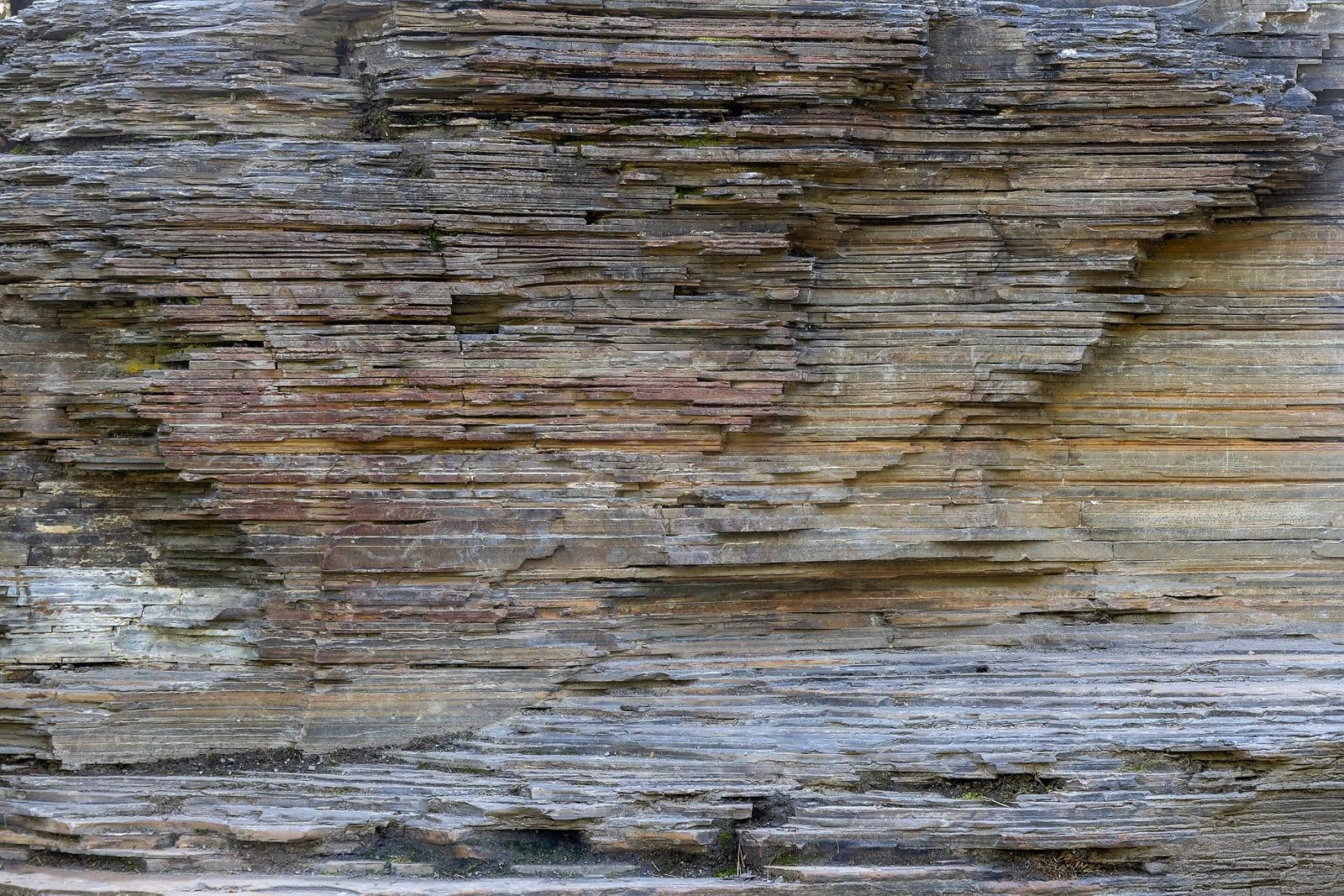
All properties
- Mohs hardness
- 3-5
- Density
- 2.5-2.8 g/cm³
- Luster
- Dull
- Transparency
- Opaque
- Rarity
- Common
- Uses
- Collector, Scientific research, Decorative
- Host rock
- sedimentary rock
- Organism
- Extinct marine arthropods (class Trilobita)
- Age
- Early Cambrian (about 521 million years ago) to the end of the Permian
- Preservation
- Mineralized calcite exoskeleton
Where rockhounds find trilobite fossil
3 mapped spotsClassic worldwide localities
- Morocco
- USA (Utah, Ohio, New York)
- Russia
- Canada (British Columbia)
- Bolivia
Field-hunting tip
Where it forms: sedimentary rock. If you start seeing calcite, pyrite, quartz in float, you are in the right ground. In the U.S., the densest reported localities are in Utah, Montana. Start trip planning there.
Common questions
How do you identify trilobite fossil?+
Where is trilobite fossil found?+
Can I find trilobite fossil in the United States?+
What minerals are found with trilobite fossil?+
What kind of rock does trilobite fossil form in?+
What is trilobite fossil used for?+
Find trilobite fossil on the map
RockHoundR shows mapped rockhounding spots, access rules, and lets you log every find.