An ammonite is an extinct marine mollusk known for its iconic coiled, spiral shell. Collectors look for intricate suture patterns on the shell surface, or the high-quality iridescence known as ammolite found in specimens from Alberta, Canada.
Spotting ammonite in the field
Field marks- 1
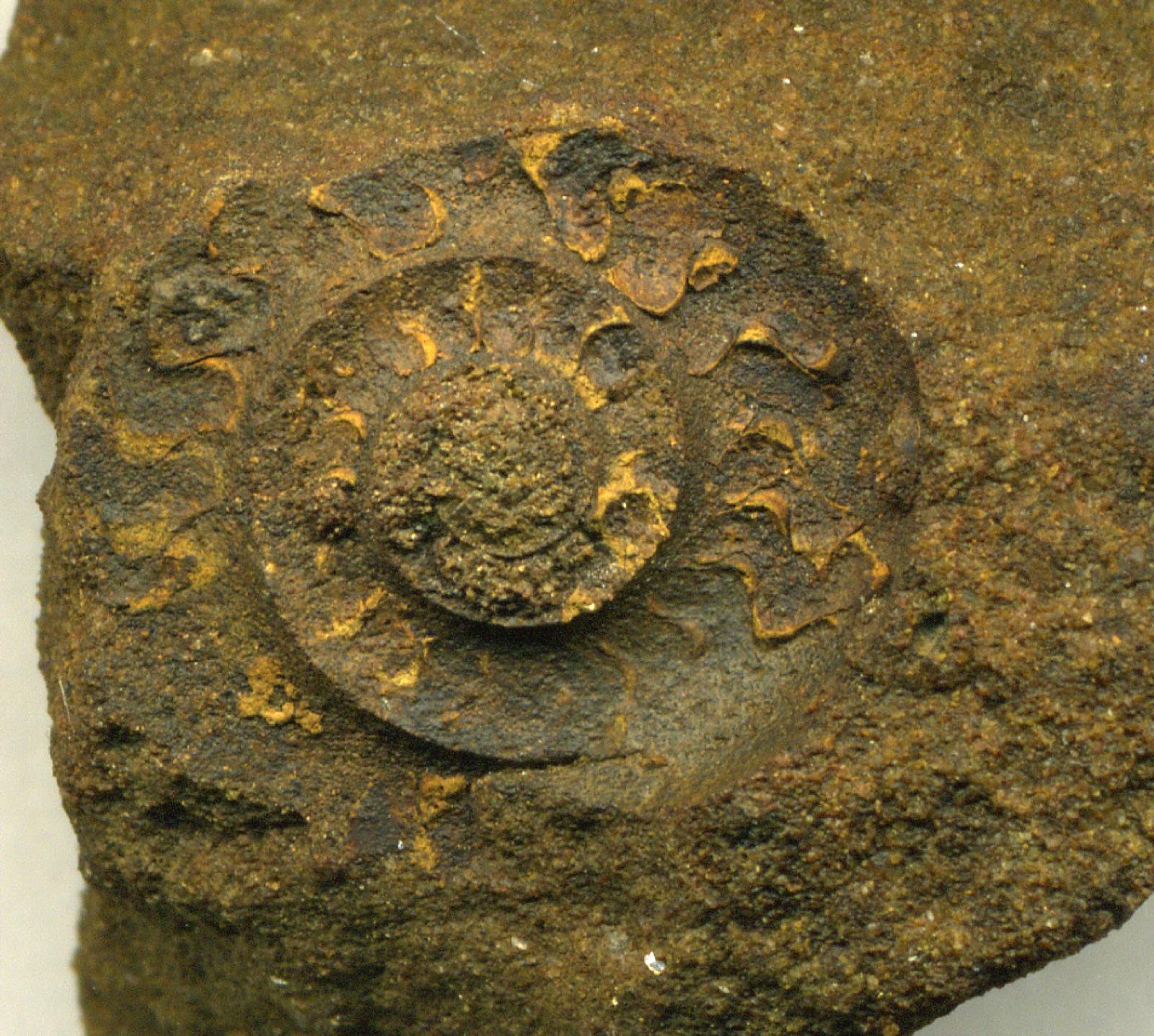
Flat coiled spiral, with the coils in a single plane like a ram's horn
- 2
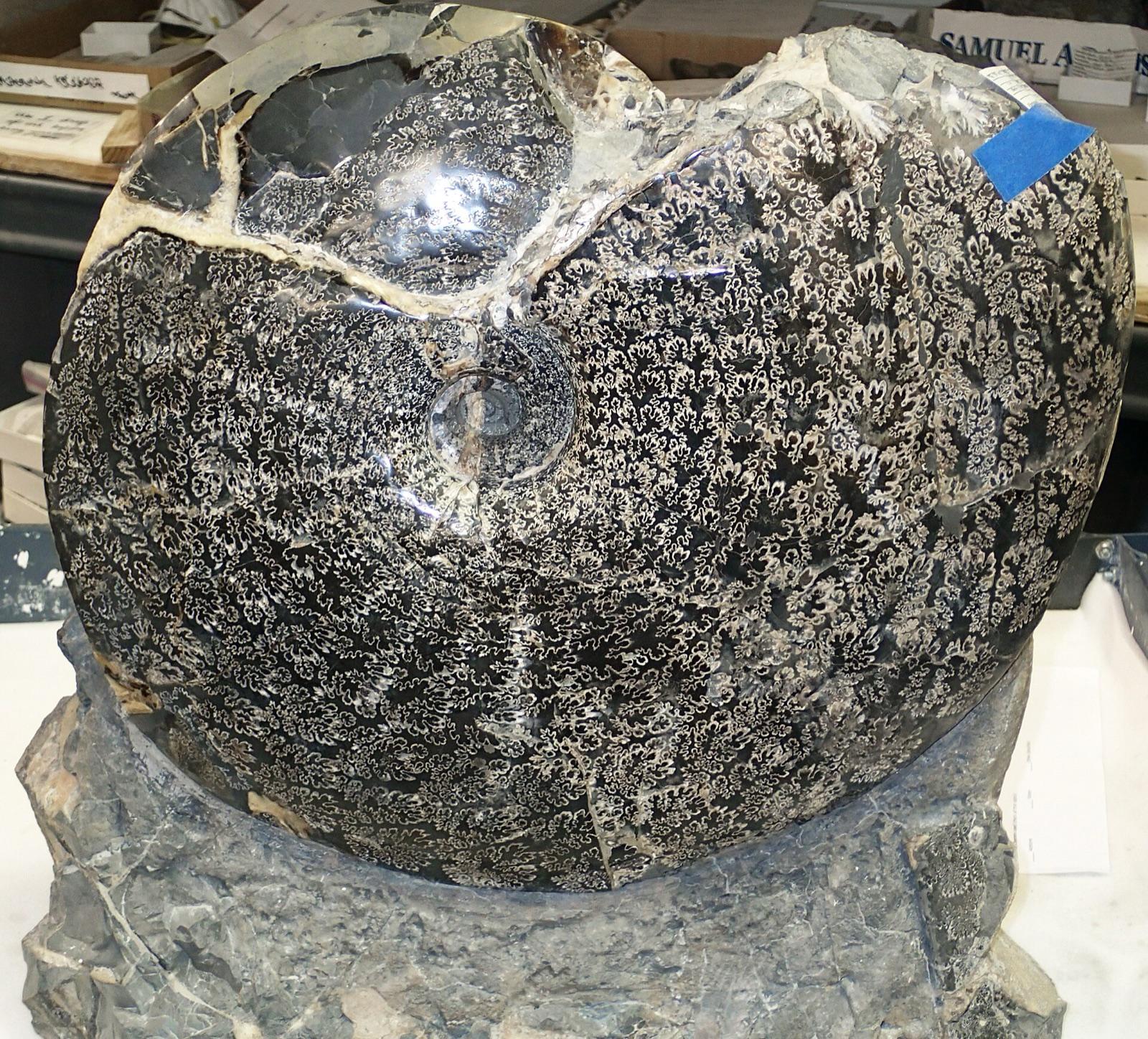
Chambered inside, with visible wavy suture lines where the walls met the shell
- 3
Ribbing across the coils, often with knobs or spines on larger species
The suture lines are the diagnosis and they are also the beauty of the thing: those intricate wavy seams are where internal chamber walls met the outer shell, and no other fossil group has them. Look in marine shales and limestones of Mesozoic age, especially in badlands exposures and road cuts where weathering has done the work. Whole ammonites are often best left in a block of matrix and prepared slowly at home rather than levered out in the field.
Straight answers
- Is it worth cutting?
- Frequently cut and polished in half to show the chambers, and pyritized specimens are stunning cut. Whole specimens are worth more prepared than cut.
- What is it really worth?
- Common species are inexpensive. Large specimens, pyritized material, and Alberta ammolite with its iridescent shell are the valuable end.
- Can you legally keep it?
- Ammonites are invertebrates, which is the good news: on BLM and Forest Service land, common invertebrate fossils may be collected in reasonable amounts for personal use without a permit, and may not be sold. National parks remain closed, and private land needs permission.
Sources: BLM: Fossils on public lands
Where it is worth going
- Pierre Shale badlandsSouth Dakota, Wyoming and Montana
Cretaceous marine shale producing ammonites, baculites and occasional ammolite-grade shell.
Often confused with
Ammonite vs. its common look-alikes, and how to tell them apart in the field.
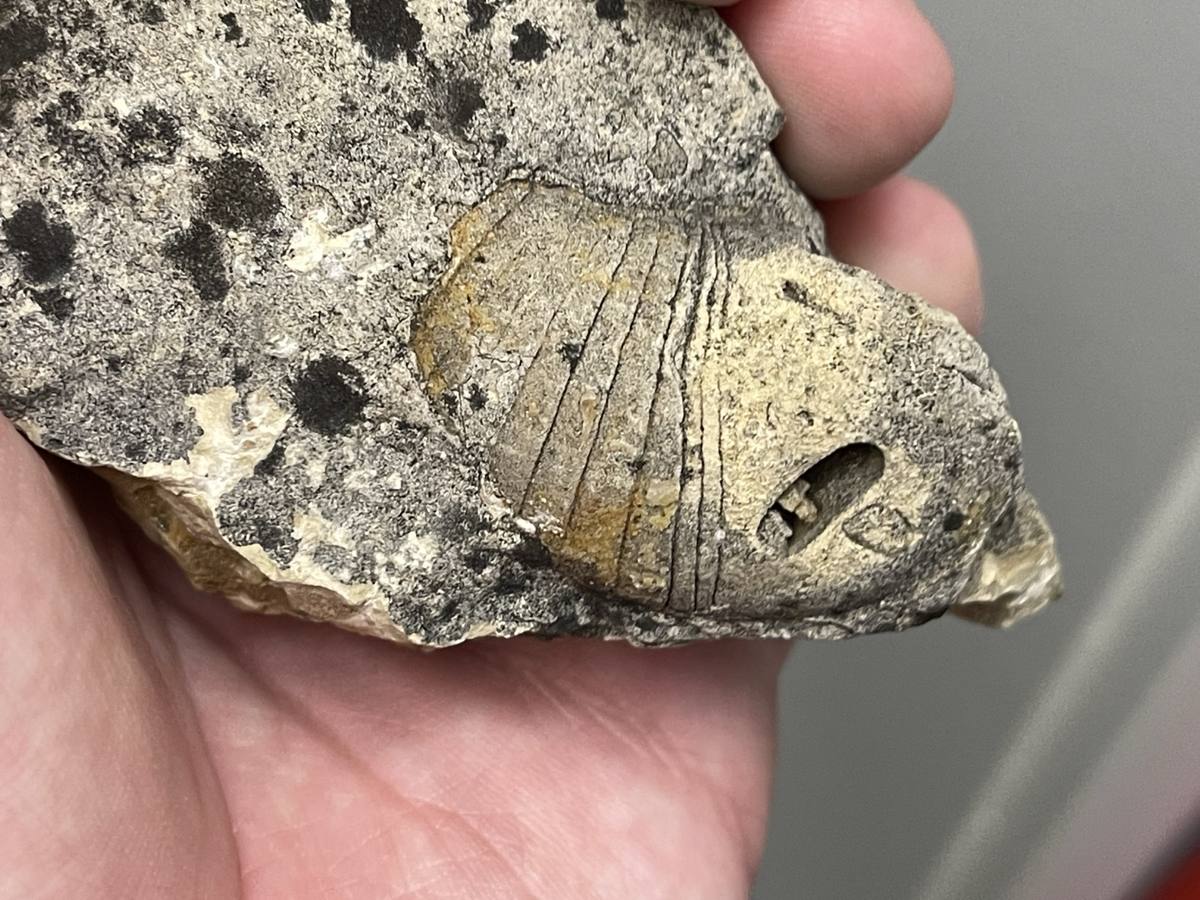
How to tell apart: Nautiloids have simple, gently curved sutures. Ammonite sutures are complex, frilled and wavy. It is the standard way to separate the two.
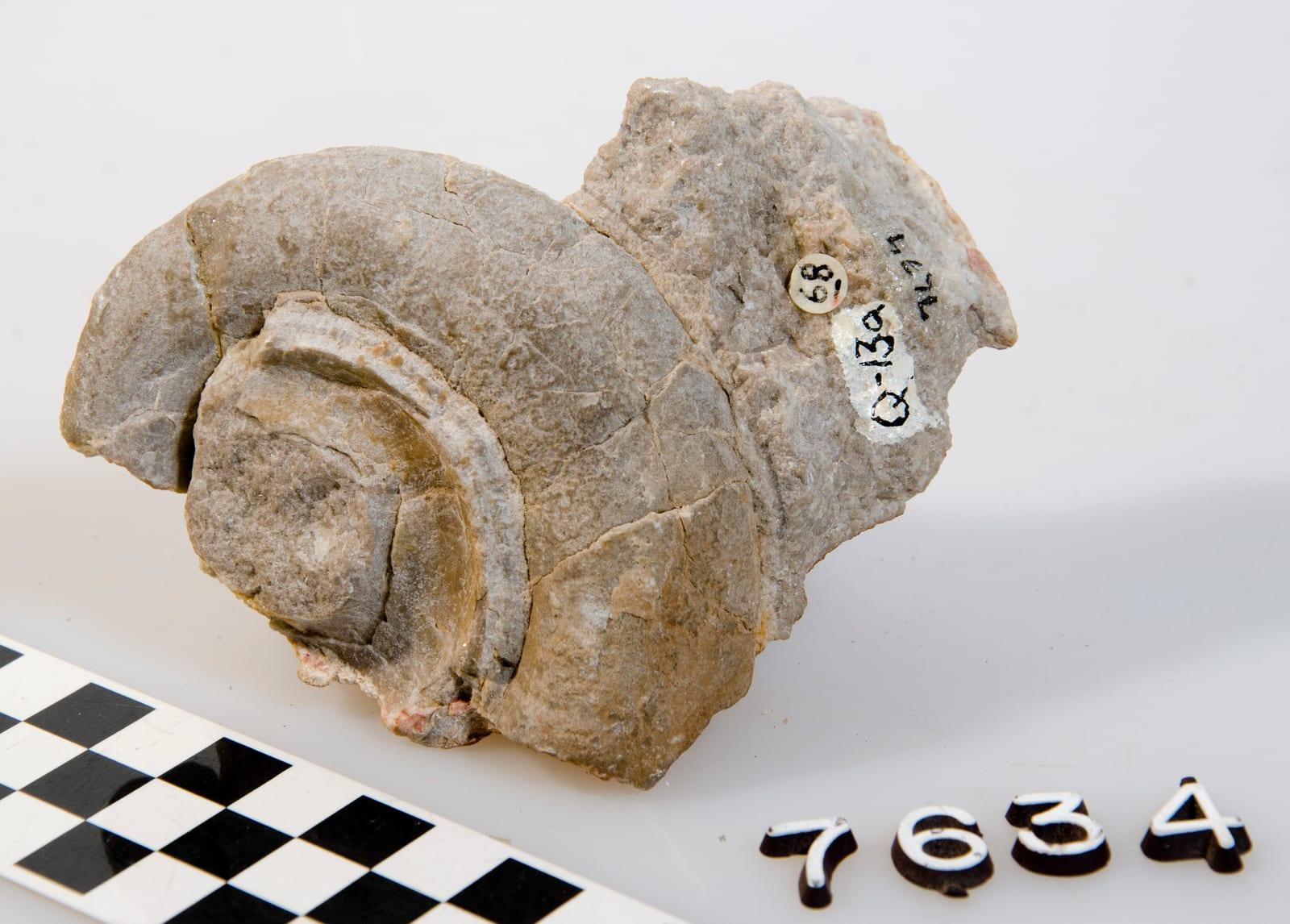
How to tell apart: Snail shells coil into a spire in three dimensions. Ammonites coil flat, in a single plane.
Often found alongside ammonite
Minerals reported to co-occur with ammonite. Spotting these in float or country rock is a strong cue you are in the right ground.
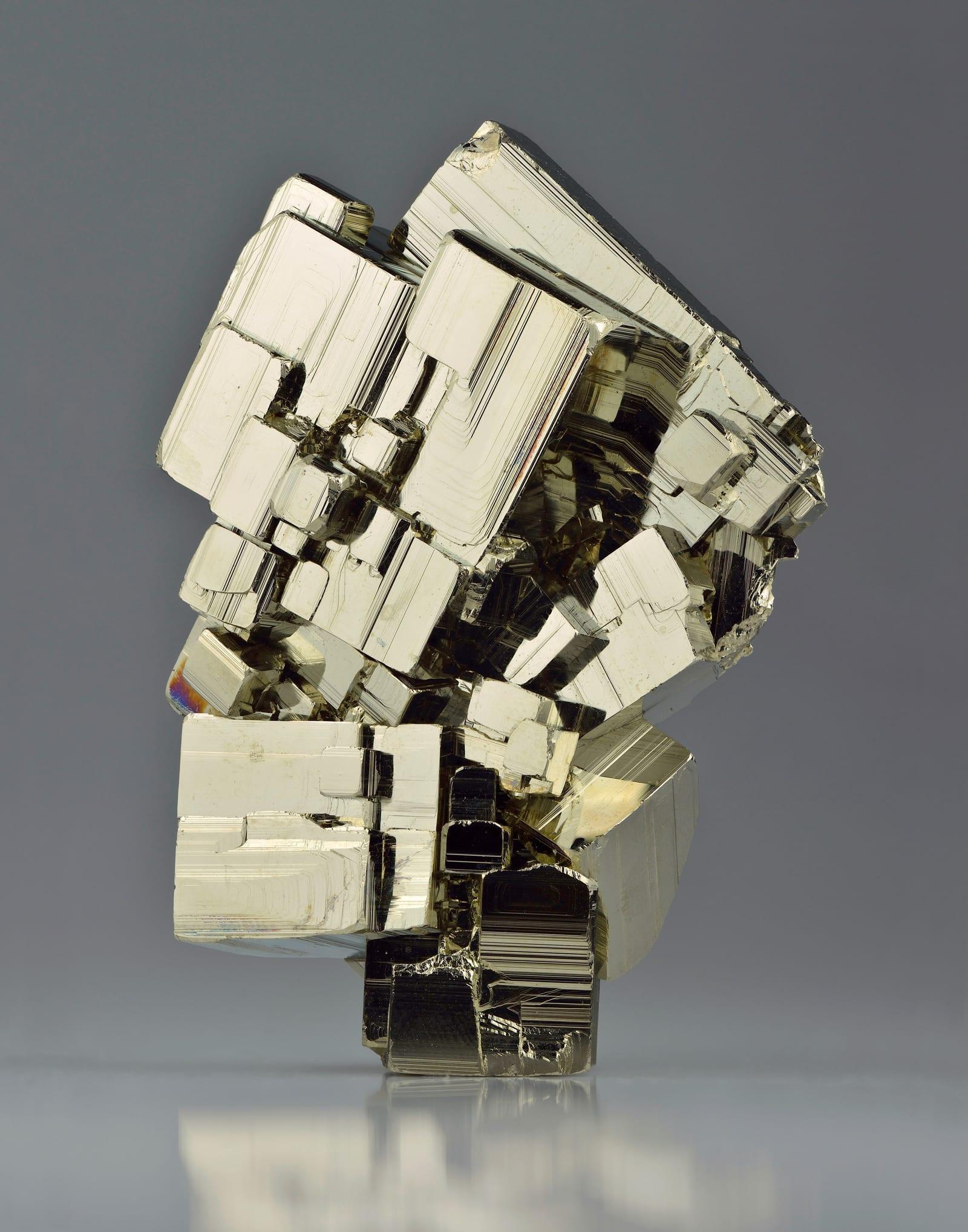
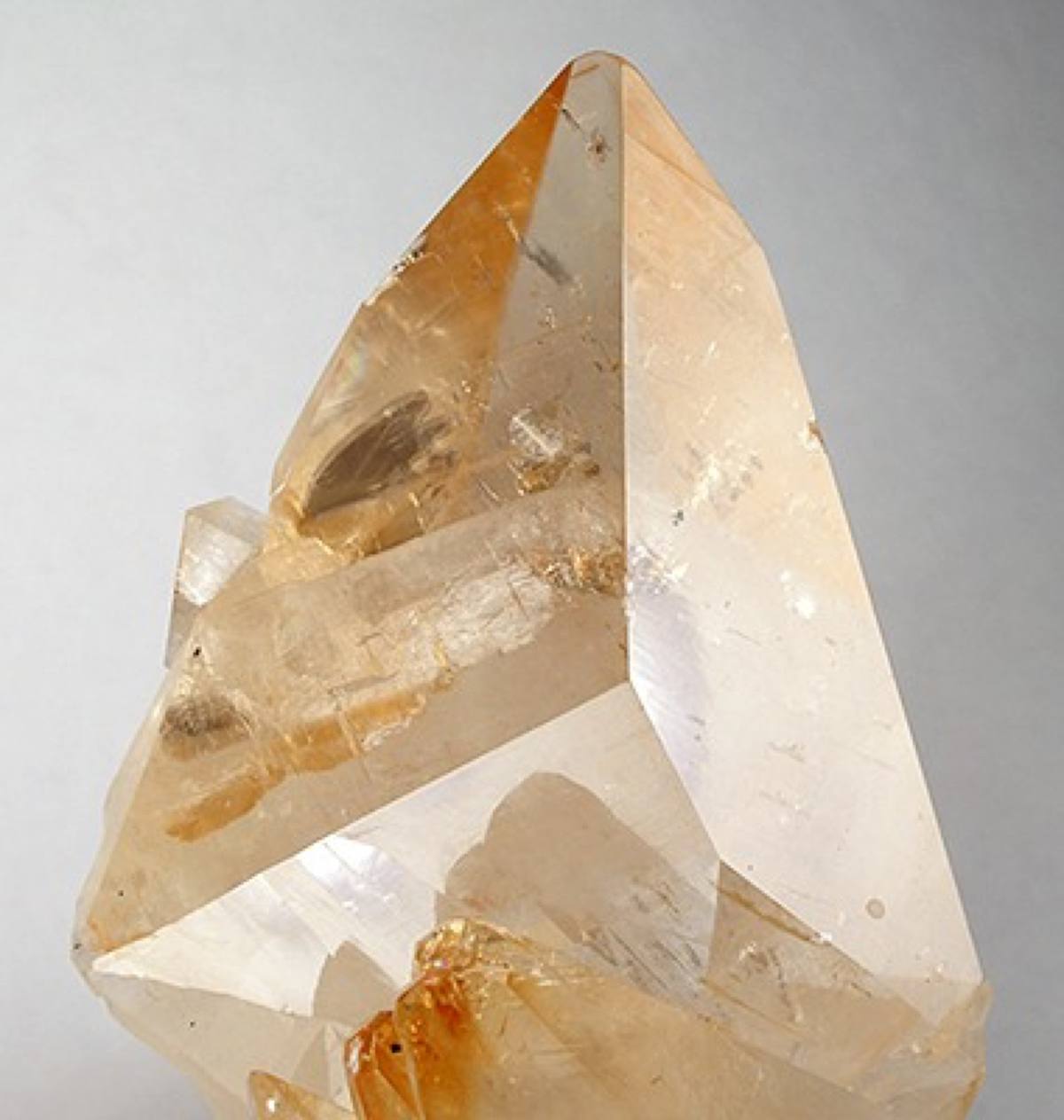
All properties
- Mohs hardness
- 3-4
- Density
- 2.5-2.9 g/cm³
- Luster
- Dull to pearly
- Transparency
- Opaque
- Rarity
- Common
- Uses
- Collector, Decorative, Educational
- Host rock
- sedimentary rocks
- Organism
- Extinct coiled cephalopods (subclass Ammonoidea)
- Age
- Early Devonian (about 410 million years ago) to the end of the Cretaceous (66 million years ago)
Where rockhounds find ammonite
2 mapped spotsClassic worldwide localities
- Madagascar
- Morocco
- United Kingdom
- Germany
- Canada
Field-hunting tip
Where it forms: sedimentary rocks. If you start seeing pyrite, calcite, quartz in float, you are in the right ground. In the U.S., the densest reported localities are in Texas, Wyoming. Start trip planning there.
More ammonite photos
Common questions
How do you identify ammonite?+
Where is ammonite found?+
Can I find ammonite in the United States?+
What rocks look like ammonite?+
What minerals are found with ammonite?+
What kind of rock does ammonite form in?+
What is ammonite used for?+
Find ammonite on the map
RockHoundR shows mapped rockhounding spots, access rules, and lets you log every find.