A crinoid is an ancient marine echinoderm whose stalk-like stem is frequently found as stackable, disc-shaped fossil segments in Paleozoic limestone. Collectors look for a complete head, or calyx, which is far more prized than the abundant loose stem segments found in many sedimentary deposits.
Spotting crinoid in the field
Field marks- 1
Stacks of small round or star-shaped discs, which are the stem segments
- 2
Individual discs have a central hole and often a star-shaped canal
- 3
Complete specimens show a cup and feathery arms atop the stem
Most crinoid material you find is disarticulated stem, and loose columnals are among the most common fossils in Paleozoic limestone anywhere in the Midwest and Appalachians. Whole crowns with the cup and arms attached are a different order of rarity and are what serious collectors want. Look in limestone road cuts, quarry spoil and creek beds, and check weathered surfaces where the rock has etched back and left the fossils standing proud.
Straight answers
- Is it worth cutting?
- Crinoidal limestone cuts and polishes into attractive slabs full of cross-sectioned stems. Individual specimens are prepared, not cut.
- What is it really worth?
- Loose stem pieces are worthless commercially and excellent for teaching. Complete crowns, especially prepared ones from Crawfordsville in Indiana, are valuable.
- Can you legally keep it?
- Invertebrates, so ordinary reasonable-amount personal-use collecting applies on BLM and Forest Service land. Most classic localities are private quarries requiring permission.
Where it is worth going
- CrawfordsvilleMontgomery County, Indiana
World-famous for complete crinoid crowns. The productive sites are private and access is by arrangement only.
Often confused with
Crinoid vs. its common look-alikes, and how to tell them apart in the field.
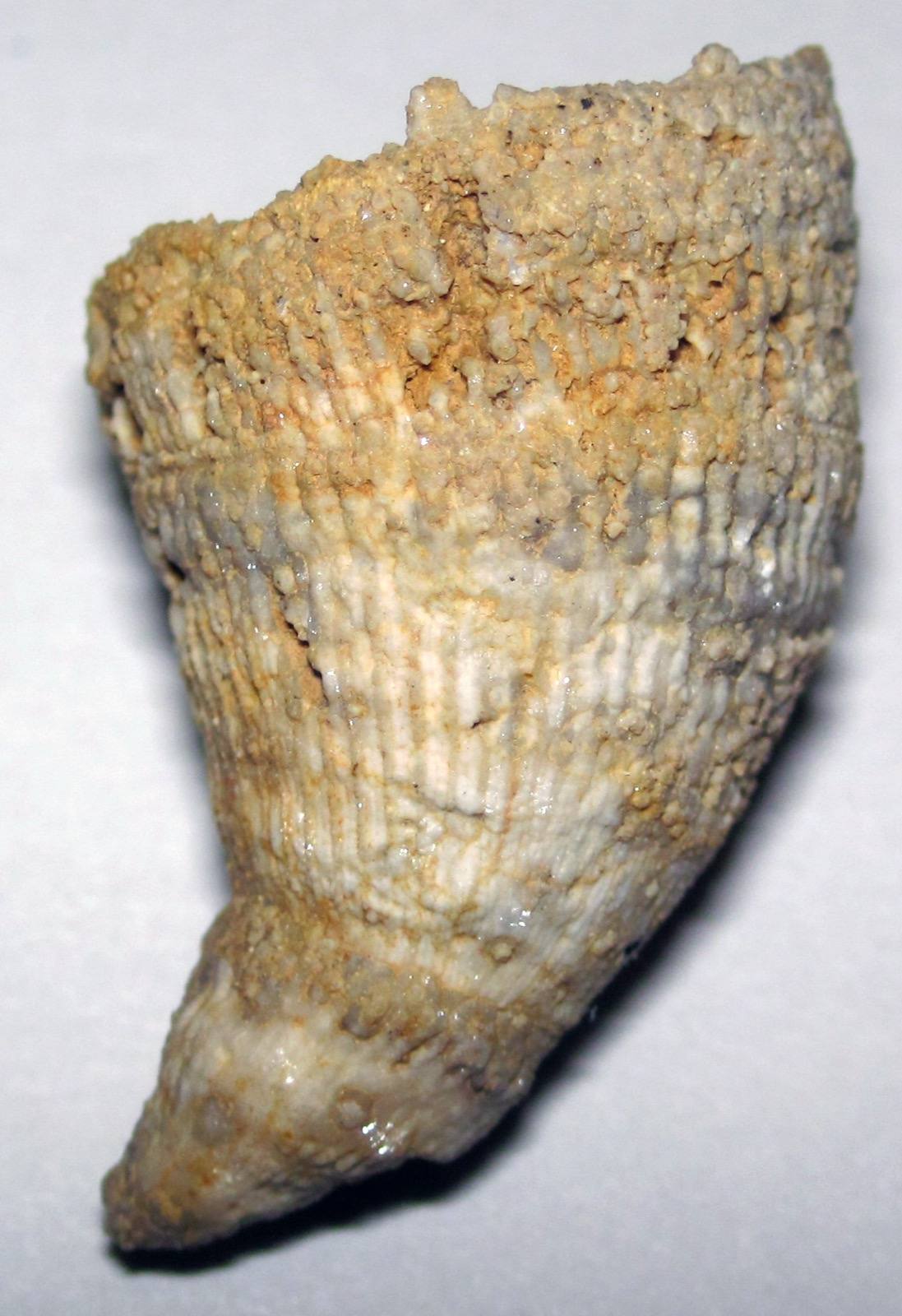
How to tell apart: Horn corals are single cone-shaped structures with internal radiating septa. Crinoid stems are stacked discs with a central canal.
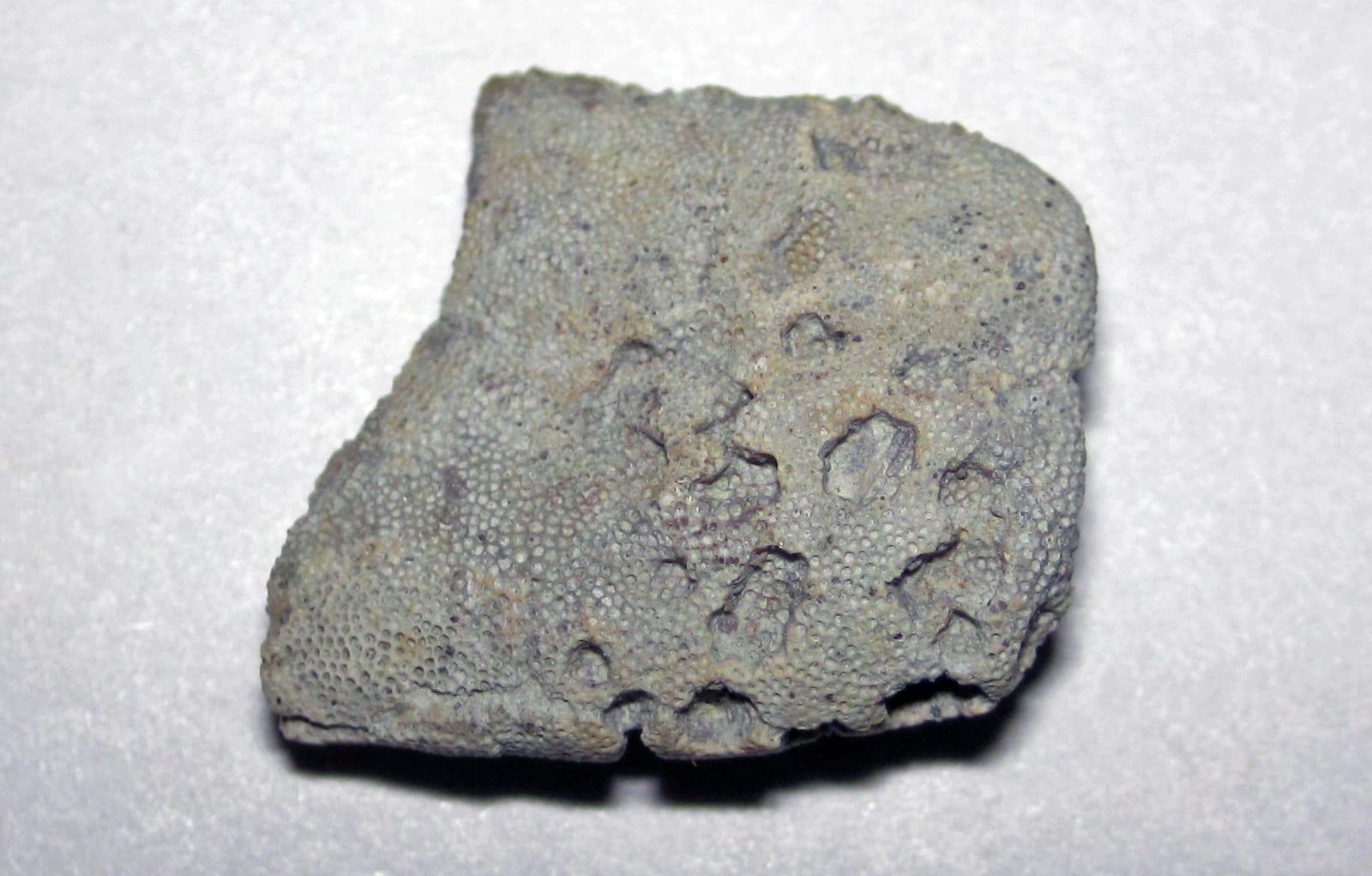
How to tell apart: Bryozoans form lacy or branching colonies covered in tiny pores, without the disc-stack structure.
Often found alongside crinoid
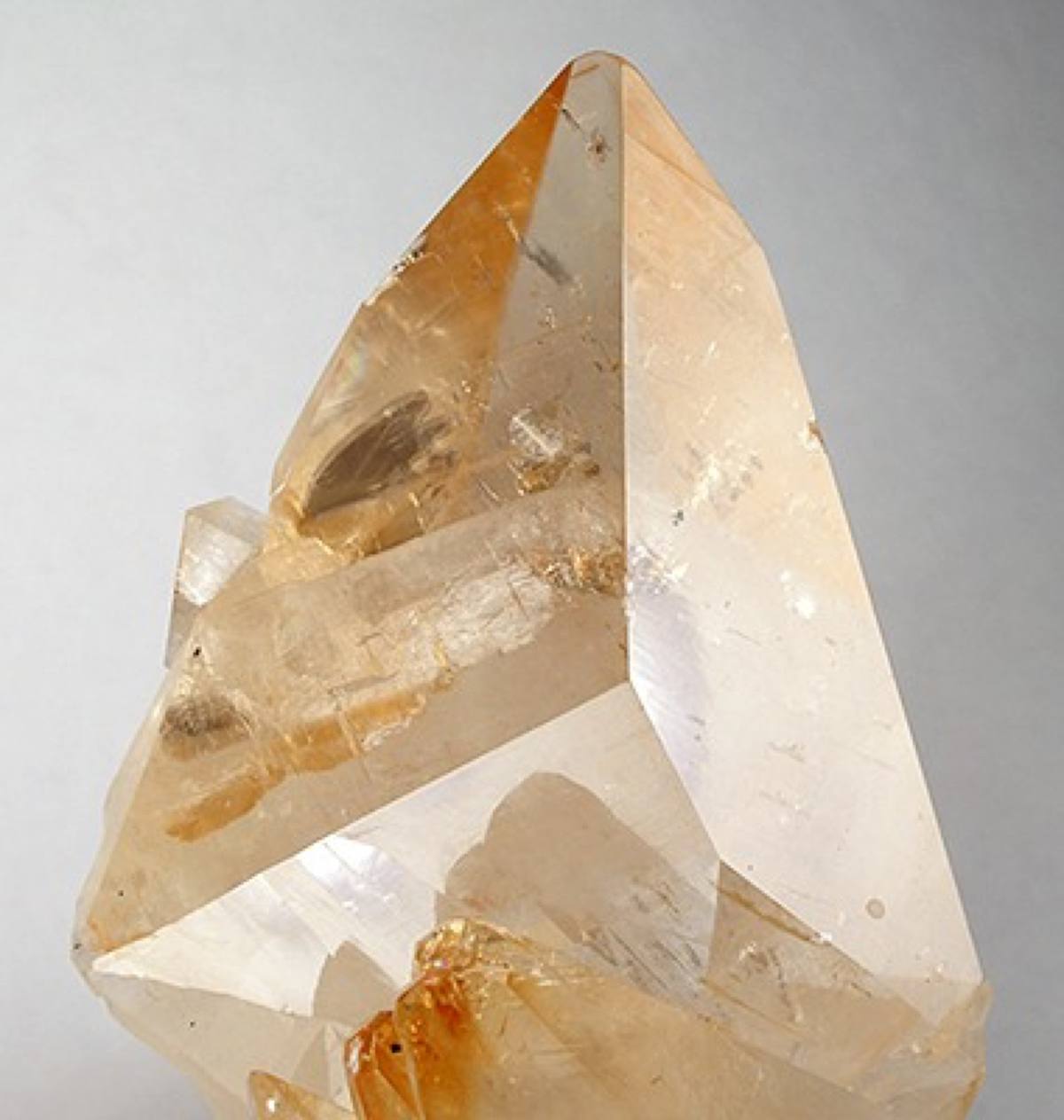
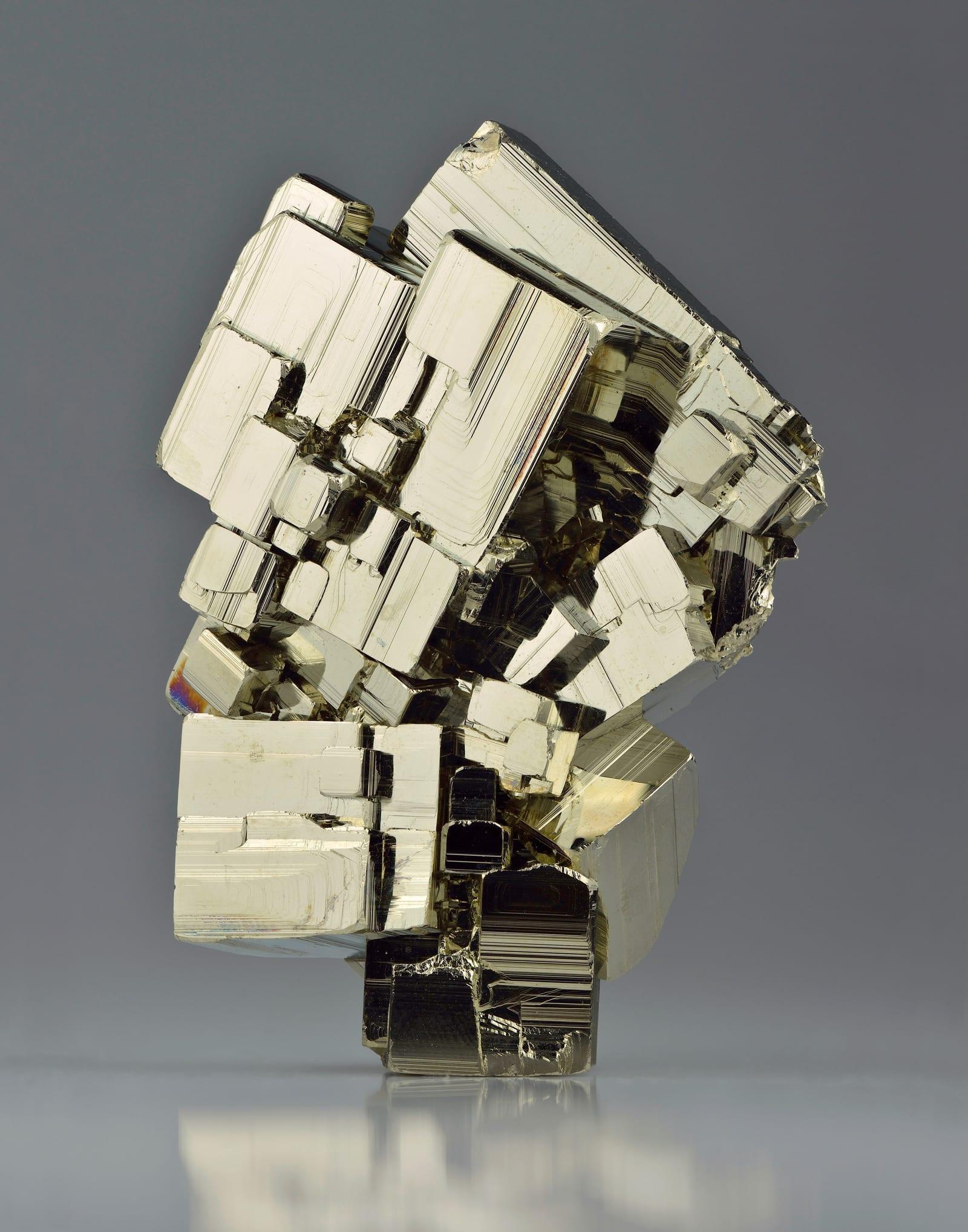
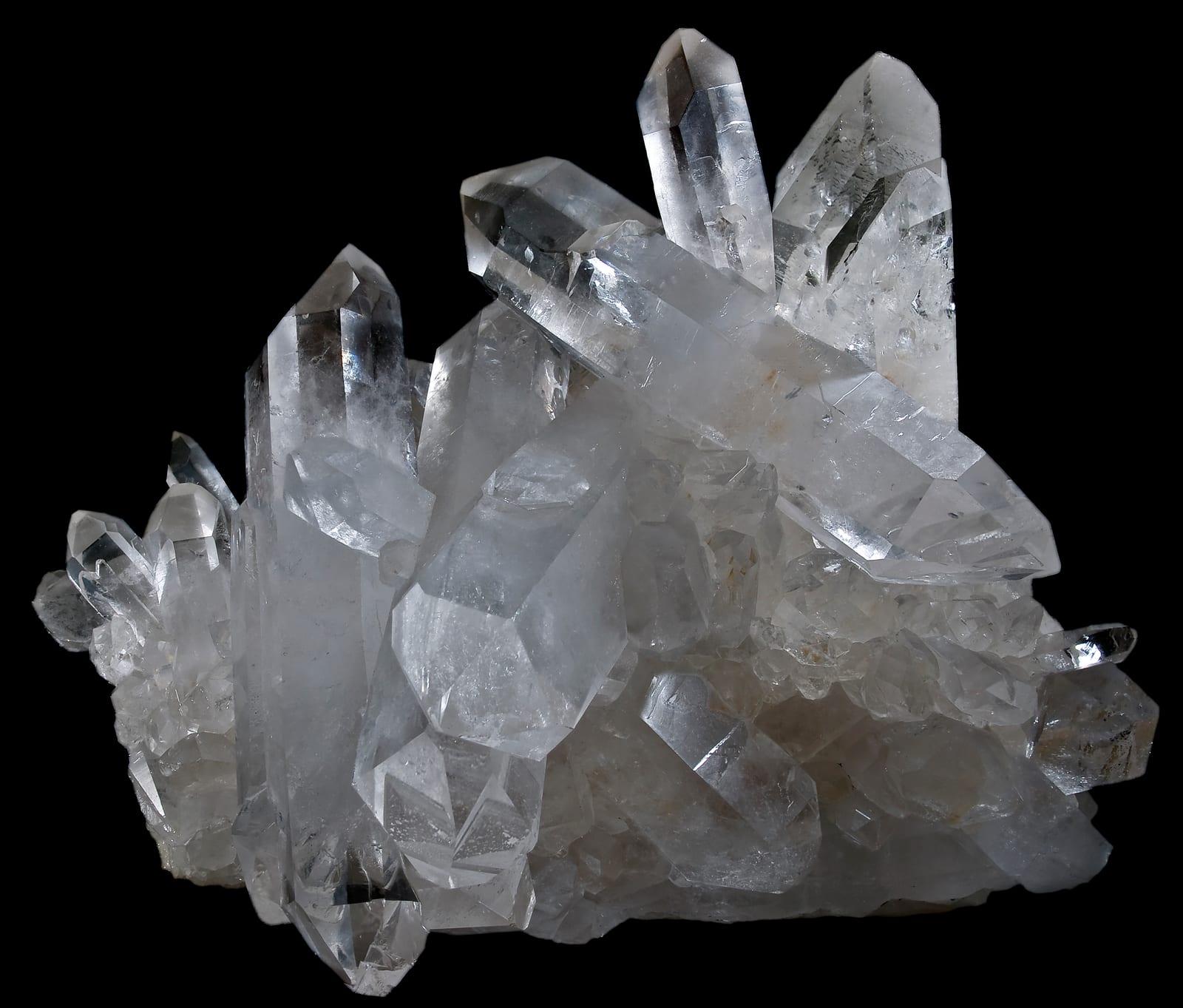
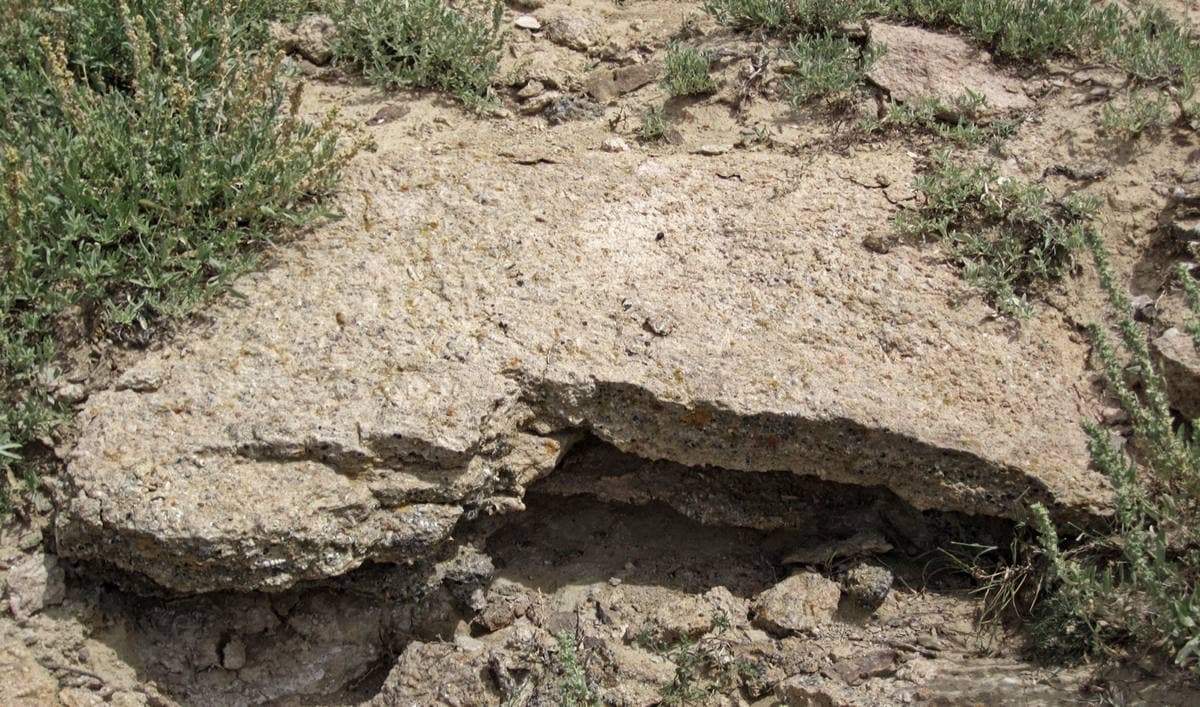
Minerals reported to co-occur with crinoid. Spotting these in float or country rock is a strong cue you are in the right ground.
All properties
- Mohs hardness
- 3-4
- Density
- 2.7-2.9 g/cm³
- Luster
- Dull to vitreous
- Transparency
- Opaque
- Rarity
- Common
- Uses
- Collector, Decorative, Paleontological study
- Host rock
- limestone, shale, marine sedimentary strata
- Organism
- Sea lilies and feather stars (class Crinoidea)
- Age
- Ordovician (about 480 million years ago) to recent
- Preservation
- Calcareous ossicles, which fossilize well
Where rockhounds find crinoid
18 mapped spotsClassic worldwide localities
- USA (Midwest)
- Germany
- United Kingdom
- Canada
- Morocco
U.S. states with crinoid
Each link opens a state-specific list of mapped rockhounding spots that produce crinoid.
Field-hunting tip
Where it forms: limestone, shale, marine sedimentary strata. If you start seeing calcite, pyrite, quartz in float, you are in the right ground. In the U.S., the densest reported localities are in Michigan, Ohio, Wisconsin. Start trip planning there.
Common questions
How do you identify crinoid?+
Where is crinoid found?+
Can I find crinoid in the United States?+
What rocks look like crinoid?+
What minerals are found with crinoid?+
What kind of rock does crinoid form in?+
What is crinoid used for?+
Find crinoid on the map
RockHoundR shows mapped rockhounding spots, access rules, and lets you log every find.