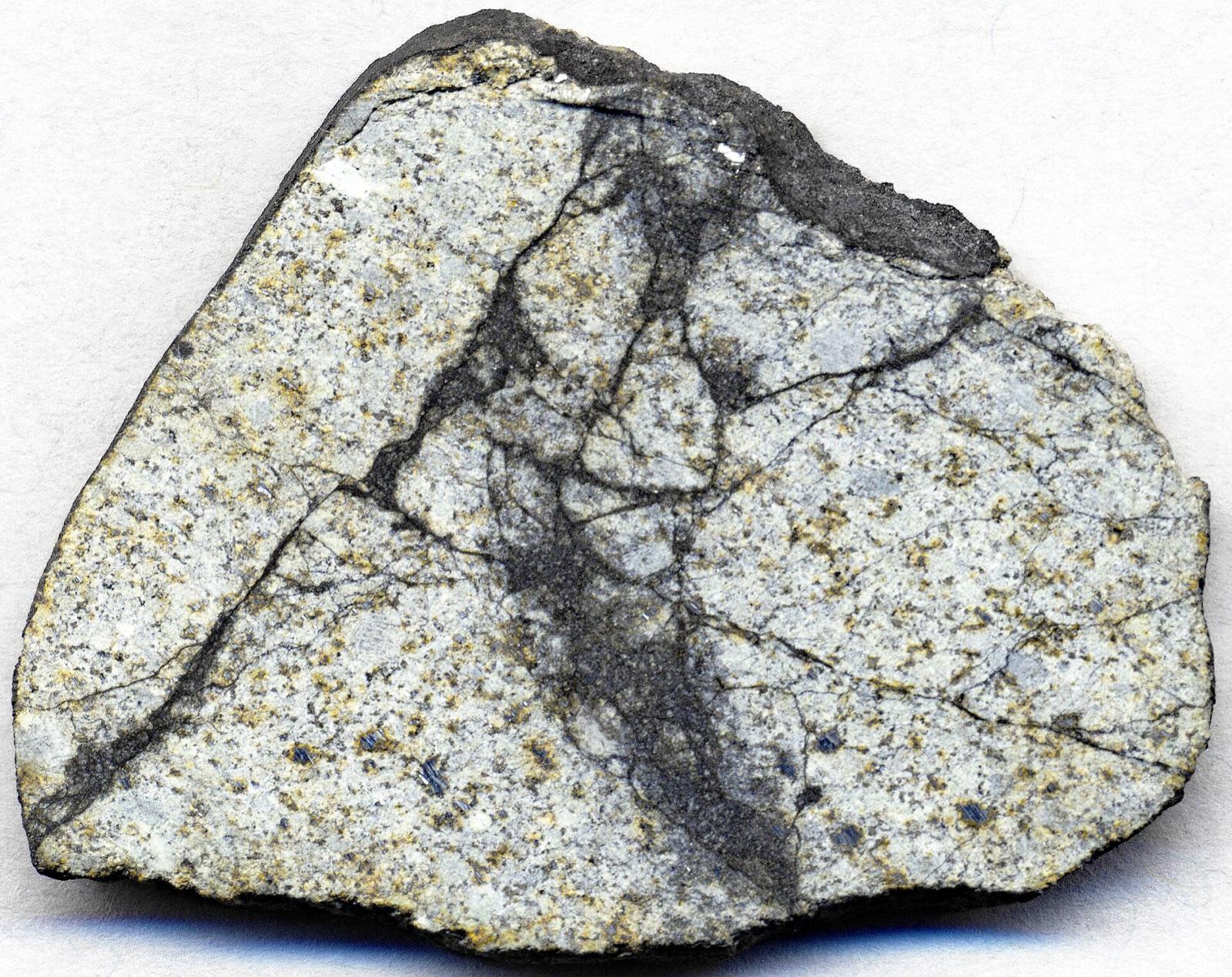
A meteorite is extraterrestrial material that has survived the descent through Earth's atmosphere. Collectors look for a dark fusion crust, regmaglypts (thumbprint-like depressions), and a high density indicating iron-nickel content relative to terrestrial rock.
Spotting meteorite in the field
Field marks- 1
Heavier than it looks, because most contain nickel-iron metal
- 2
Attracts a magnet, usually strongly
- 3
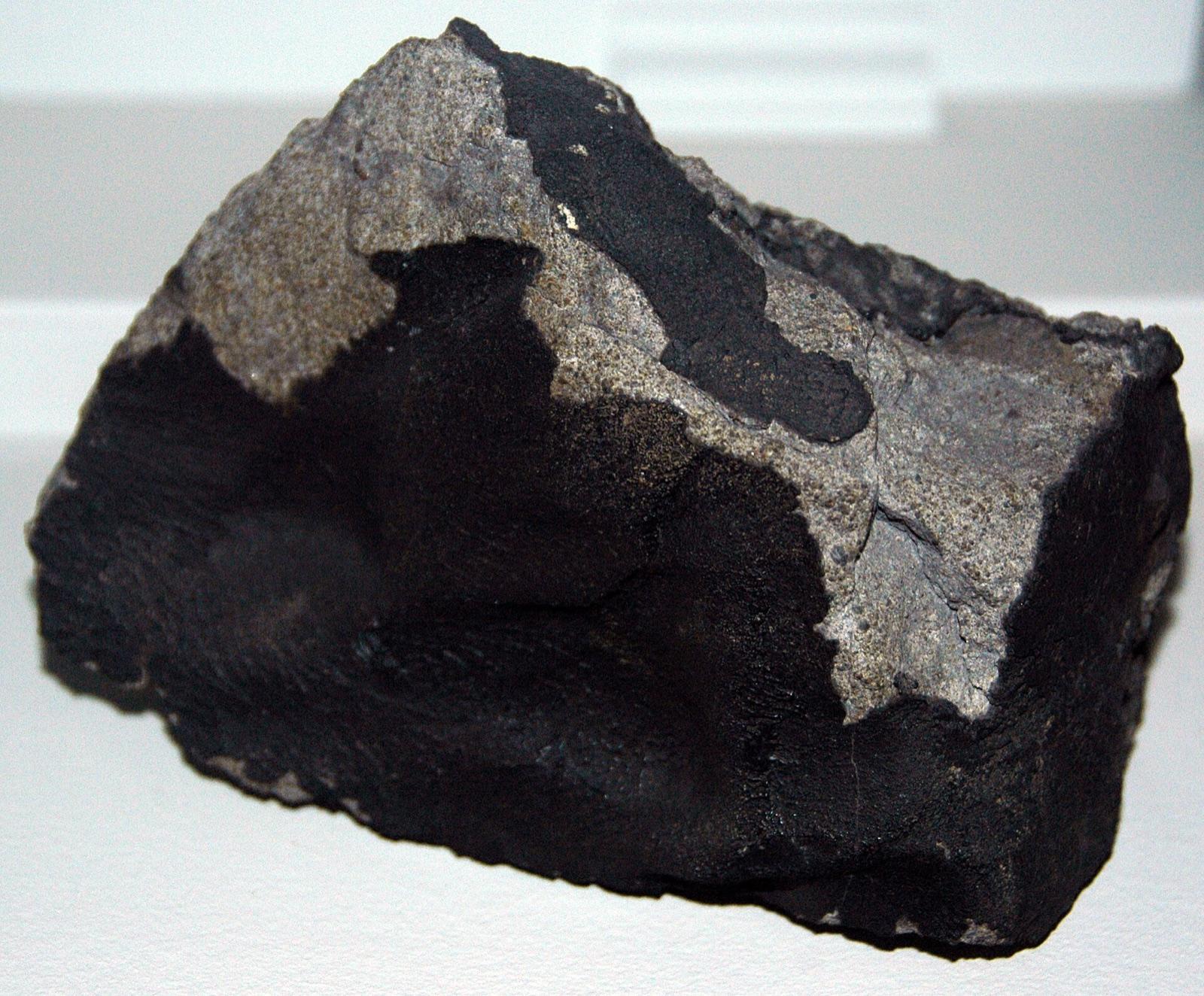
A dark fusion crust from atmospheric heating, and no gas bubbles anywhere
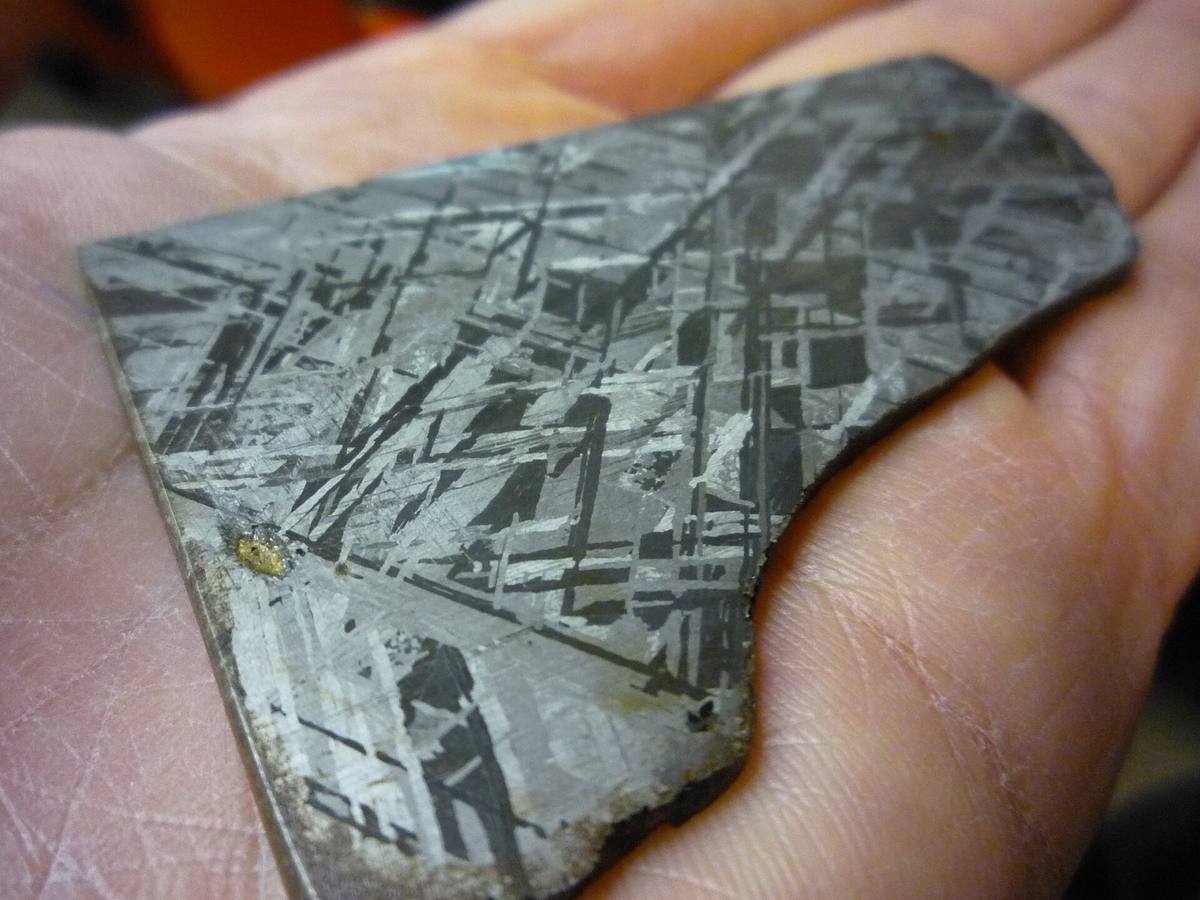
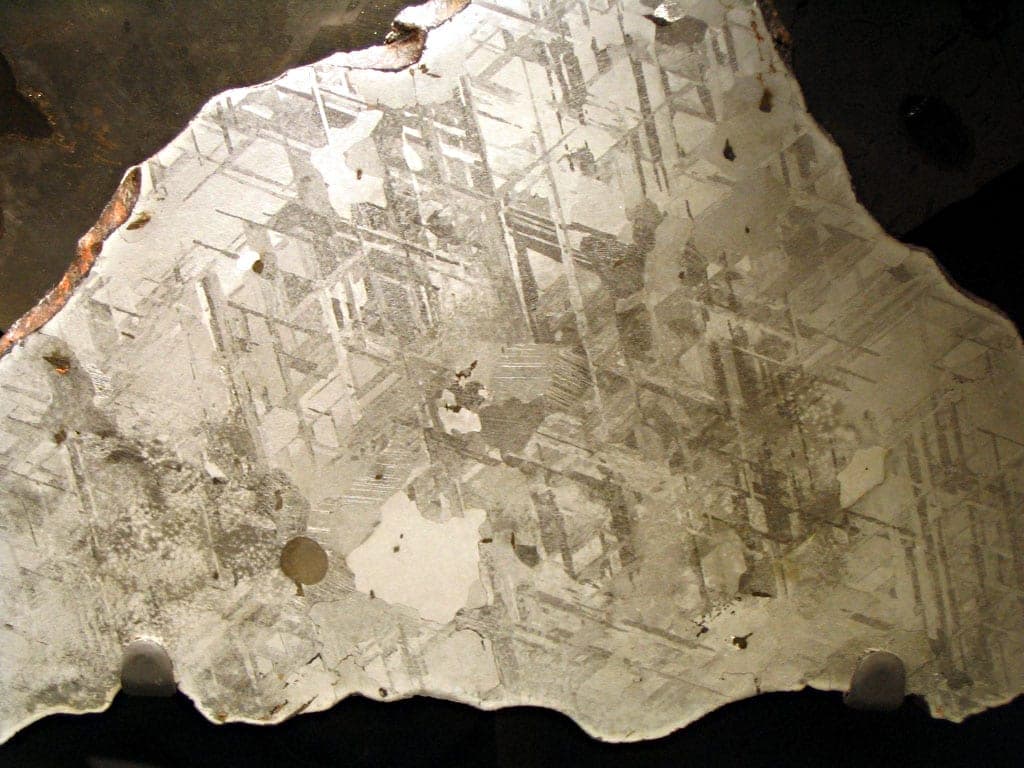
Most suspected meteorites are not. The four quick checks are weight, magnetism, absence of vesicles, and fusion crust, and the single most useful of those is the bubble test: slag and volcanic rock are full of gas holes, and meteorites never are. A cut and etched face of an iron meteorite shows Widmanstätten patterns, interlocking crystal bands that cannot be faked and do not occur in anything terrestrial. Hunt dry lake beds and desert pavement where dark stones stand out and where there is little native ironstone.
Straight answers
- Is it worth cutting?
- Irons are cut and acid-etched to reveal the Widmanstätten pattern. Stony meteorites are usually left whole, since cut surfaces rust without care.
- What is it really worth?
- Sold by the gram, with witnessed falls, rare classes and lunar or martian material at the very top. Common iron meteorites from known strewn fields are affordable.
- Can you legally keep it?
- On BLM land, casual collection of meteorites is allowed for personal use up to ten pounds per year, without a permit and without sale. National parks prohibit collecting entirely. On private land the meteorite belongs to the landowner, so get permission in writing if it might matter.
Where it is worth going
- Franconia and Gold BasinMohave County, Arizona
Well-documented strewn fields on BLM land, hunted with metal detectors under the casual collection limits.
Often confused with
Meteorite vs. its common look-alikes, and how to tell them apart in the field.
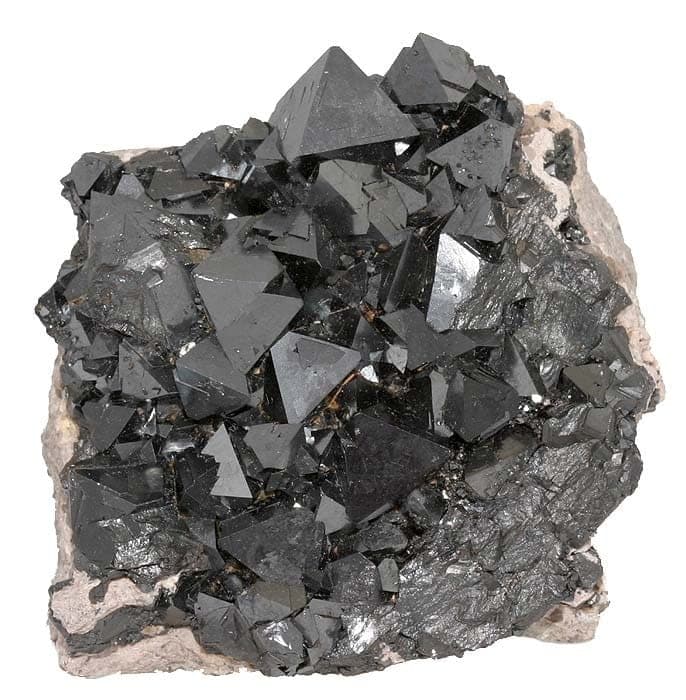
How to tell apart: The most common meteorwrong. Magnetite is strongly magnetic and heavy but has a black streak on a porcelain plate, where meteorites leave essentially none.
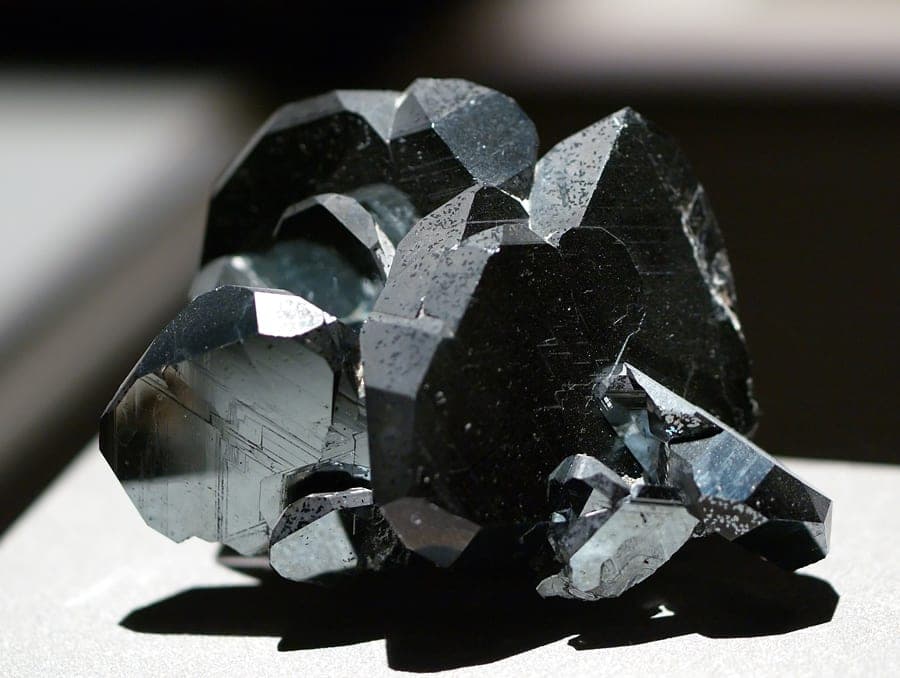
How to tell apart: Leaves a distinctive red-brown streak. Also often botryoidal, a form meteorites never take.
Often found alongside meteorite
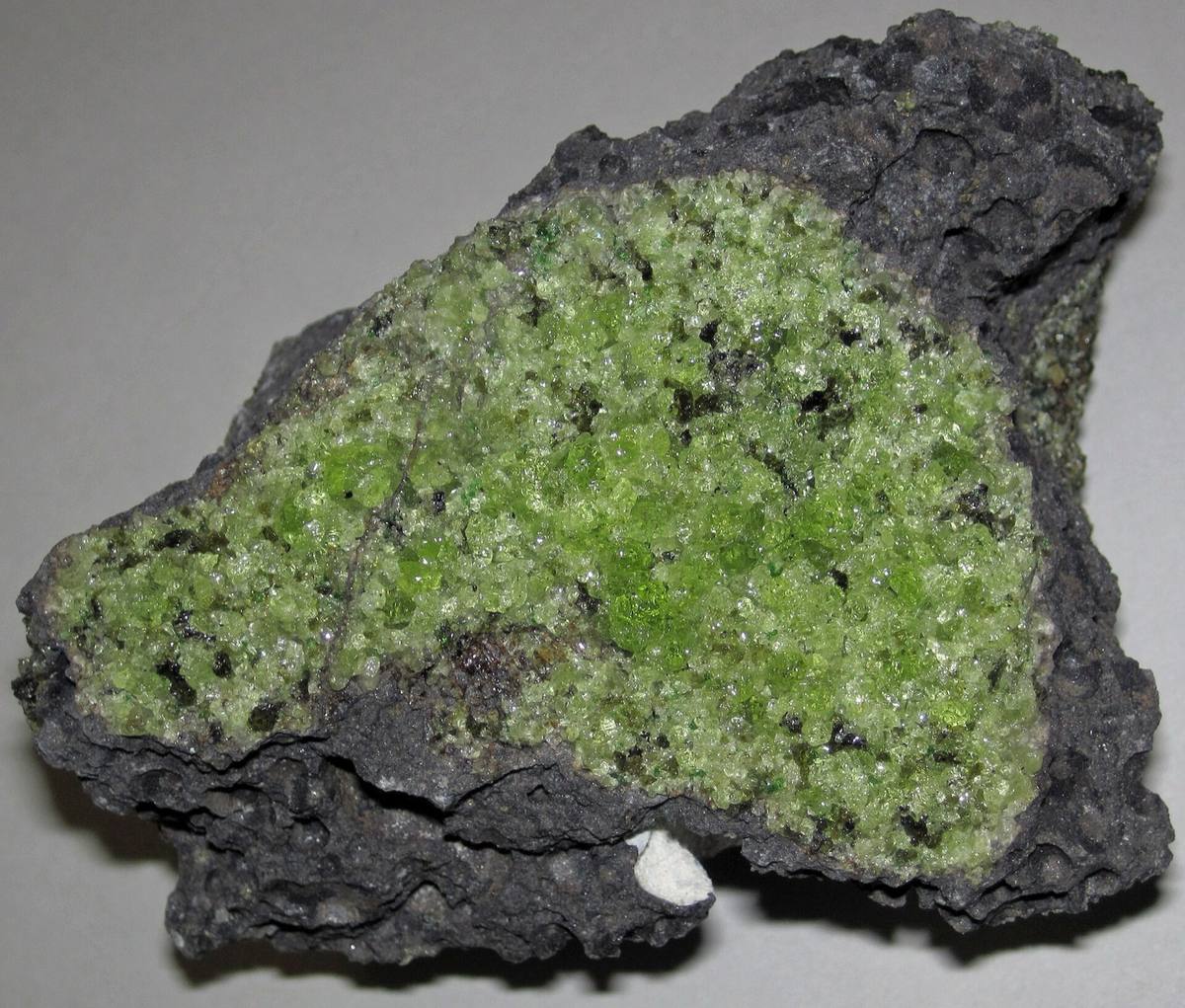
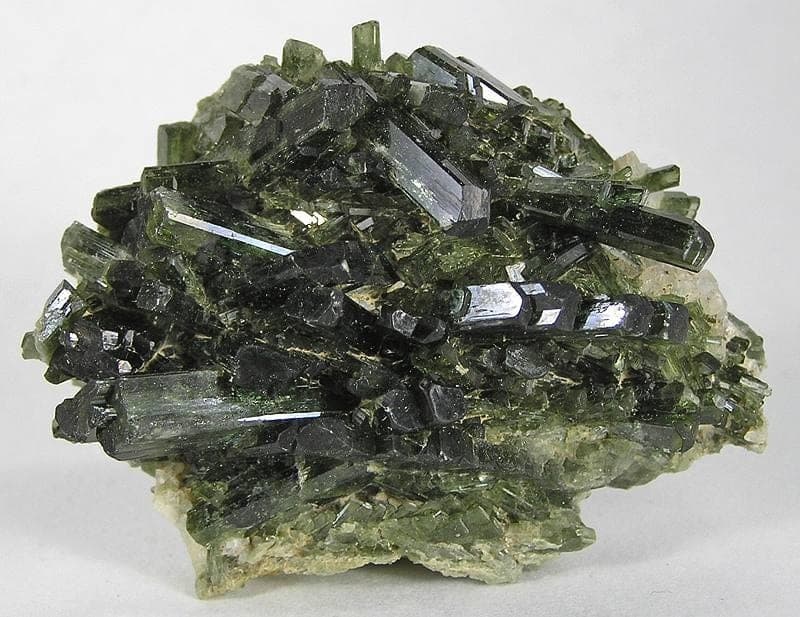
Minerals reported to co-occur with meteorite. Spotting these in float or country rock is a strong cue you are in the right ground.
All properties
- Mohs hardness
- 5-8
- Density
- 3.0-8.0 g/cm³
- Streak
- None, or a weak grayish streak if pressed hard
- Luster
- Metallic to dull
- Transparency
- Opaque
- Rarity
- Rare
- Uses
- Collector, Scientific research, Jewelry
- Host rock
- extraterrestrial origin
- Composition
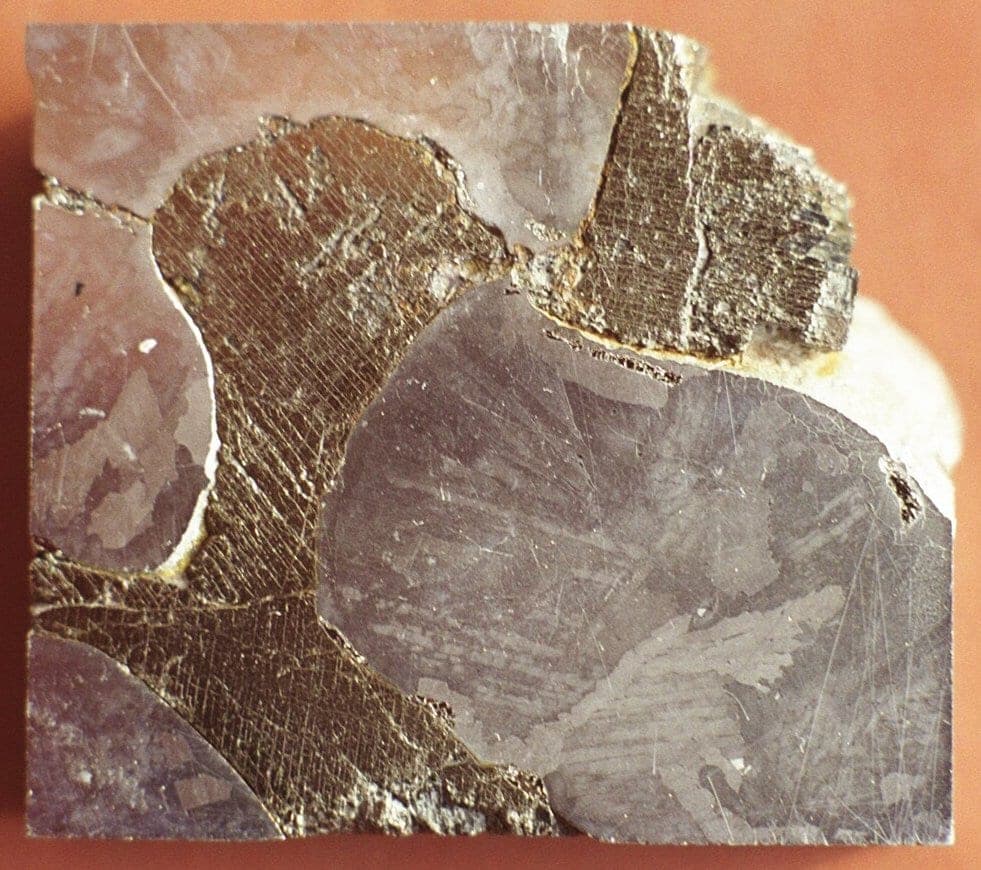
- Stony meteorites mainly silicate minerals; iron meteorites largely ferronickel; stony-iron meteorites both
Where rockhounds find meteorite
1 mapped spotsClassic worldwide localities
- Antarctica
- Northwest Africa
- Atacama Desert
- Nullarbor Plain
- Campo del Cielo
Field-hunting tip
Where it forms: extraterrestrial origin. If you start seeing olivine, pyroxene, kamacite in float, you are in the right ground. In the U.S., the densest reported localities are in Kansas. Start trip planning there.
More meteorite photos
Common questions
How do you identify meteorite?+
Where is meteorite found?+
Can I find meteorite in the United States?+
What rocks look like meteorite?+
What minerals are found with meteorite?+
What kind of rock does meteorite form in?+
What is meteorite used for?+
Find meteorite on the map
RockHoundR shows mapped rockhounding spots, access rules, and lets you log every find.