Morganite is the pink to peach-colored variety of beryl, typically occurring as prismatic crystals in complex granitic pegmatites. Collectors look for high-clarity specimens with intense, saturated pink hues, which are often found alongside other rare pegmatite minerals like tourmaline and spodumene.
Spotting morganite in the field
Field marks- 1
Pink to peach hexagonal beryl, colored by manganese
- 2
Often forms tabular, flattened crystals rather than long prisms
- 3
Hardness 7.5 to 8, glassy, transparent when gemmy
Morganite is the pink beryl, and the tabular habit is a useful cue: where aquamarine tends to long prisms, morganite often grows as flattened plates. It comes from pocket zones in lithium-rich pegmatites, and in the United States that means San Diego County in California, particularly the Pala and Mesa Grande districts. Much commercial morganite is heat-treated to remove yellow tones and push it toward pure pink, which is routine and stable.
Straight answers
- Is it worth cutting?
- Facets well and is durable. Large stones are common, so morganite is often cut big to bring out what is usually a delicate color.
- What is it really worth?
- Moderate, and it has become fashionable, which has pushed prices up. Deeper natural pink without treatment is the premium.
- Can you legally keep it?
- California pegmatite mines are private. Several offer public screening of mine tailings for a fee.
Often confused with
Morganite vs. its common look-alikes, and how to tell them apart in the field.
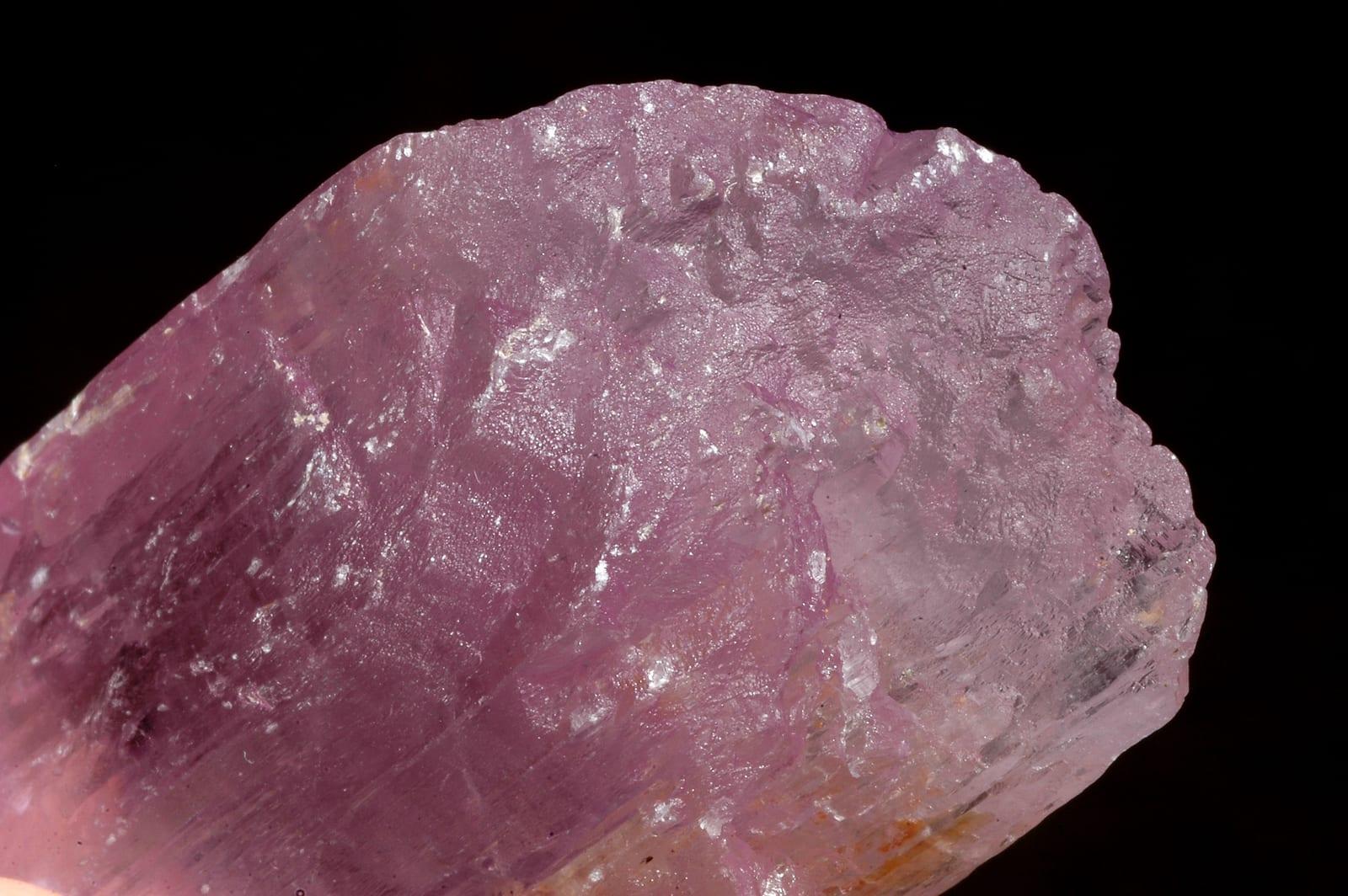
How to tell apart: Both are pink pegmatite pocket minerals. Kunzite has two perfect cleavages and splits easily; morganite does not. Kunzite is also strongly pleochroic.
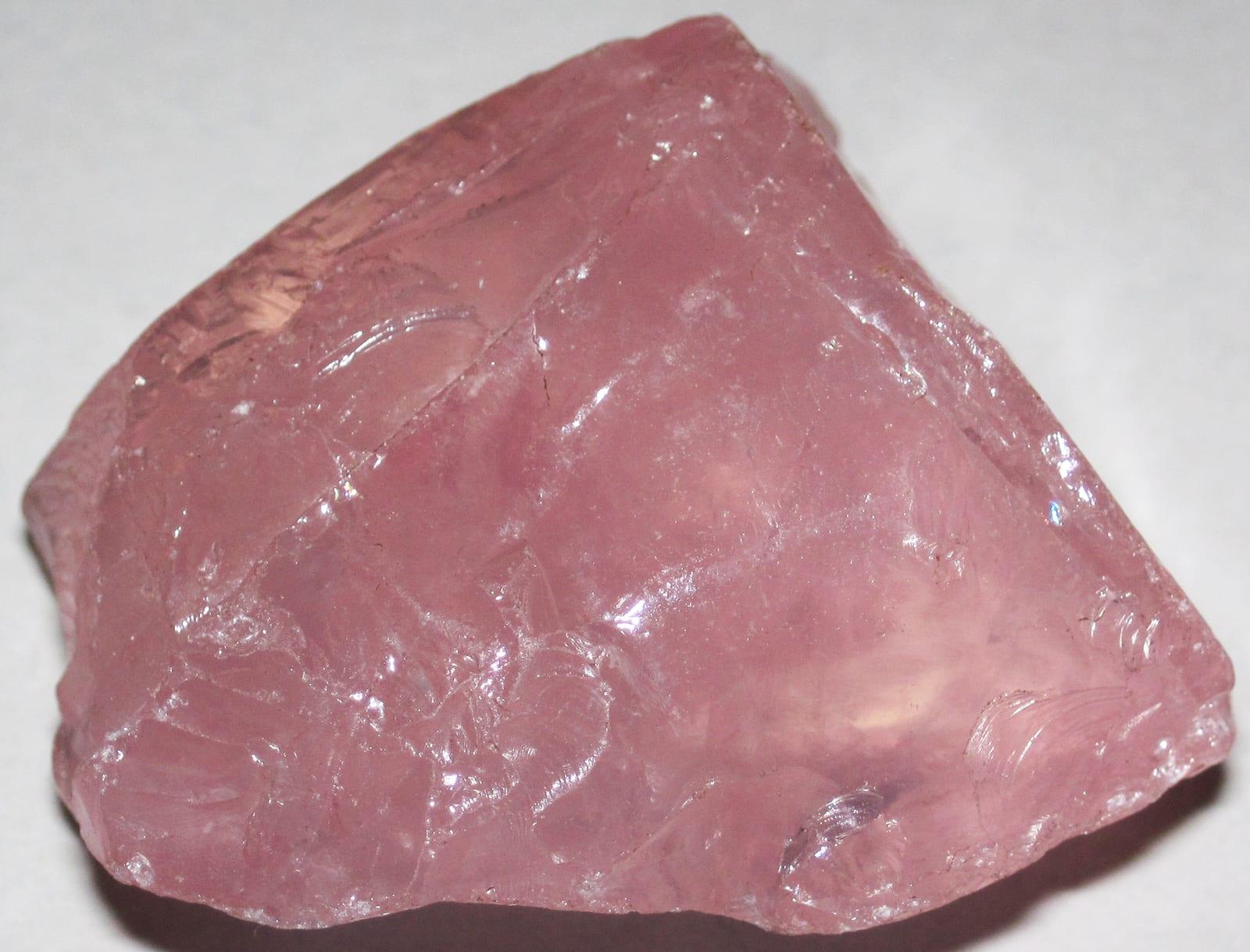
How to tell apart: Rose quartz is massive and cloudy, and softer at 7. Morganite forms transparent hexagonal crystals.
Often found alongside morganite
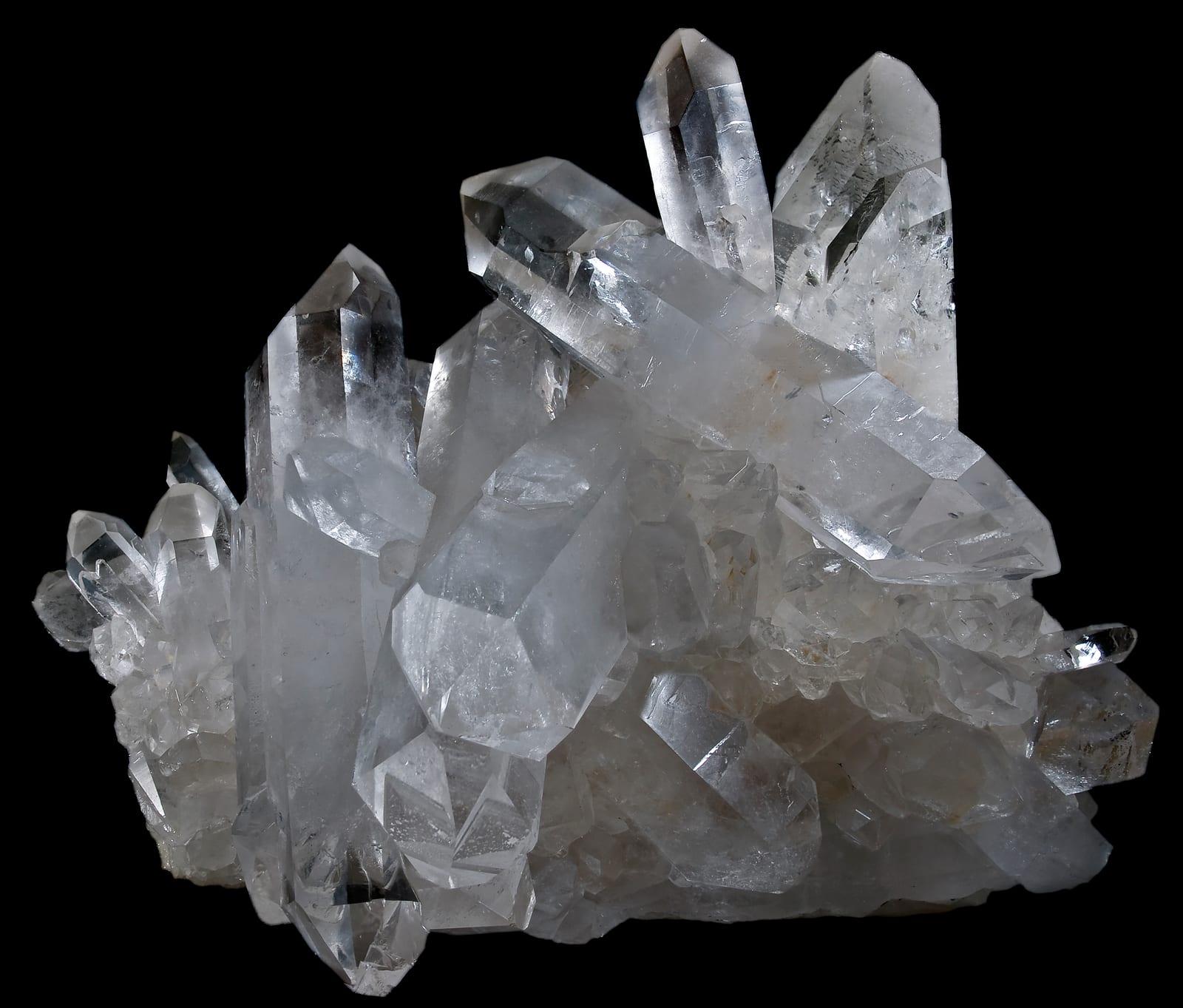
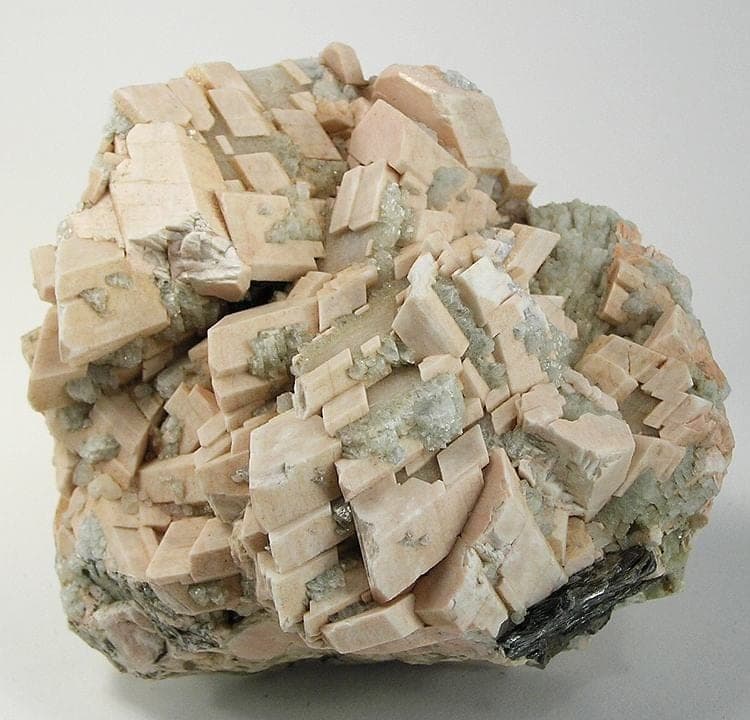
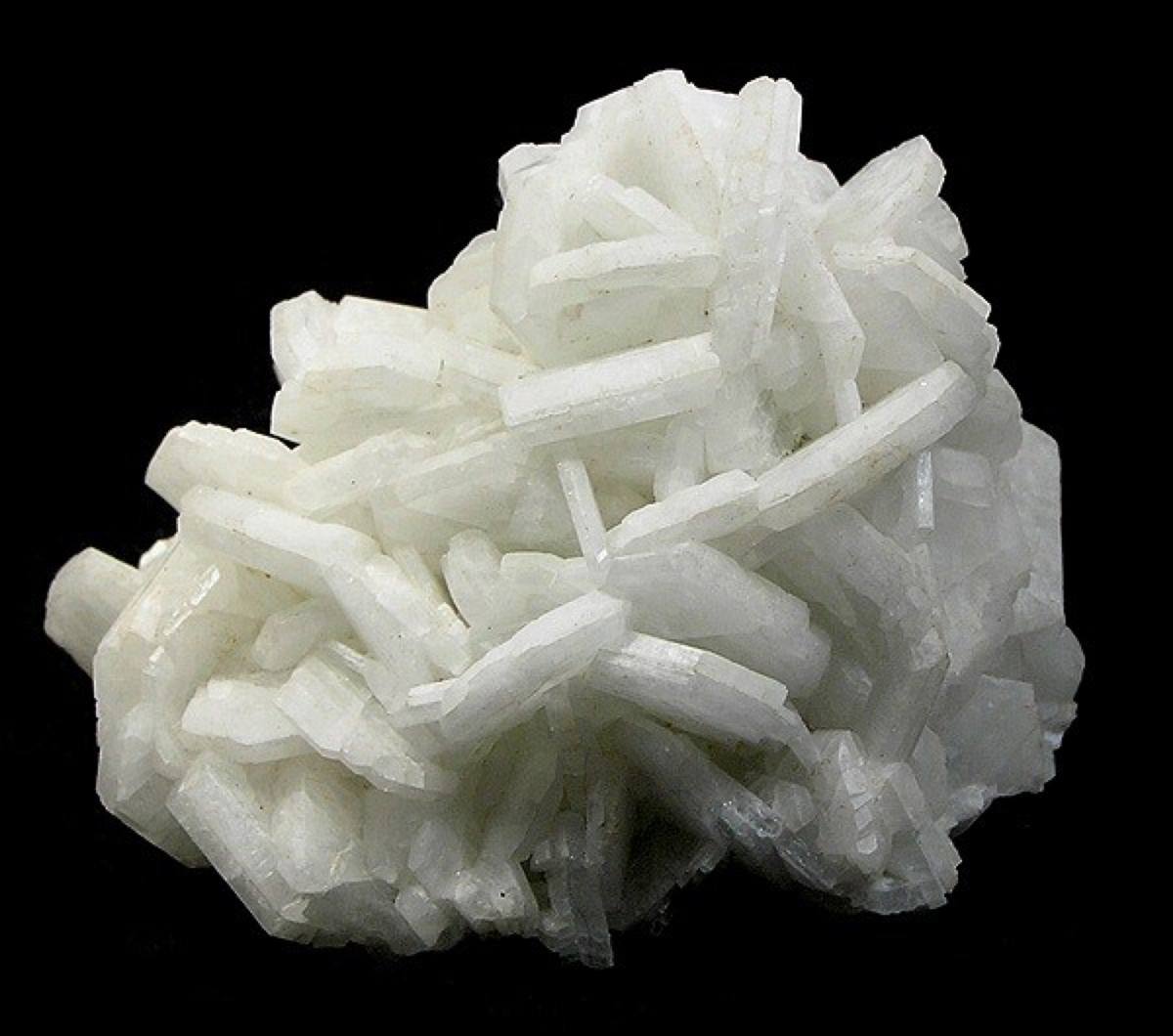
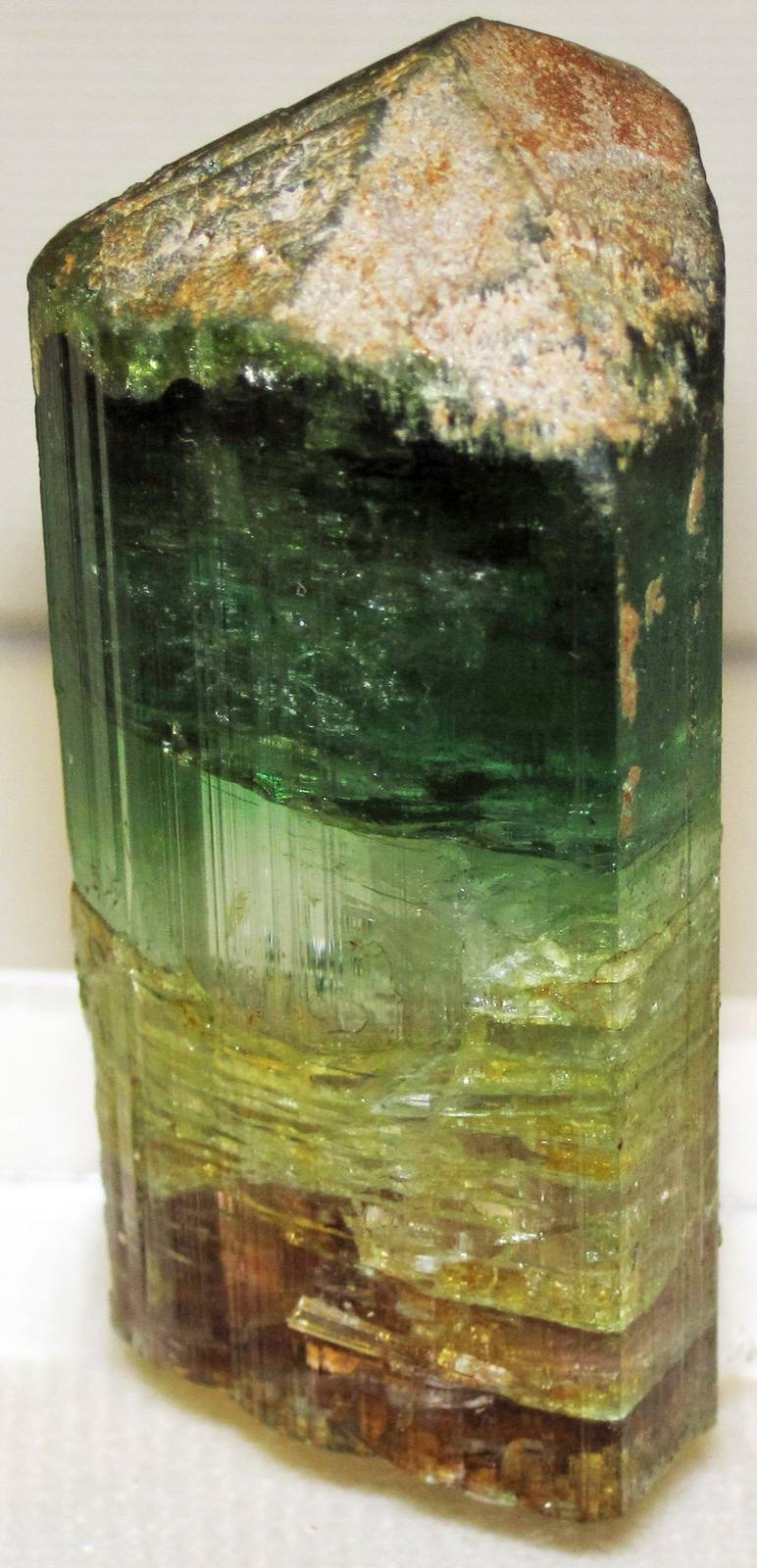
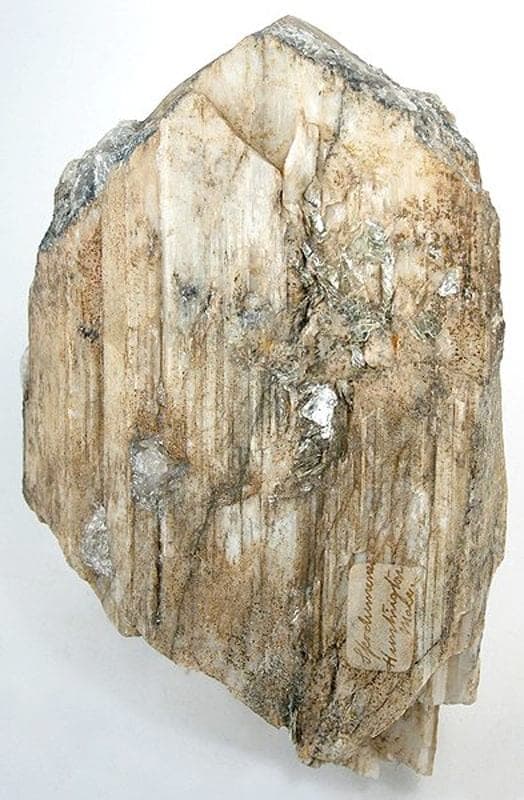
Minerals reported to co-occur with morganite. Spotting these in float or country rock is a strong cue you are in the right ground.
All properties
- Chemical formula
- Be₃Al₂Si₆O₁₈
- Mohs hardness
- 7.5-8
- Density
- 2.71-2.90 g/cm³
- Colors
- Streak
- White
- Luster
- Vitreous
- Transparency
- Transparent
- Crystal system
- Hexagonal
- Crystal habit
- Prismatic crystals
- Cleavage
- Poor
- Rarity
- Uncommon
- Uses
- Gemstone, Collector
- Host rock
- granite pegmatites
Where rockhounds find morganite
3 mapped spotsClassic worldwide localities
- Brazil
- Madagascar
- Afghanistan
- USA
- Pakistan
Field-hunting tip
Where it forms: granite pegmatites. If you start seeing quartz, microcline, albite in float, you are in the right ground. Typical habit: prismatic crystals. Train your eye for that shape before scanning the outcrop. In the U.S., the densest reported localities are in Connecticut, Maine, Utah. Start trip planning there.
Common questions
How do you identify morganite?+
Where is morganite found?+
Can I find morganite in the United States?+
Is morganite safe to handle?+
What rocks look like morganite?+
What minerals are found with morganite?+
What kind of rock does morganite form in?+
What is morganite used for?+
Find morganite on the map
RockHoundR shows mapped rockhounding spots, access rules, and lets you log every find.